Mechanic cards
Concise explanations, real game examples and contextual image tooltips.
Mechanics at a glance
A short definition and an annotated game screenshot. Broadly useful techniques come first.
Illustrated: 1268 of 1268. All entries by direction →
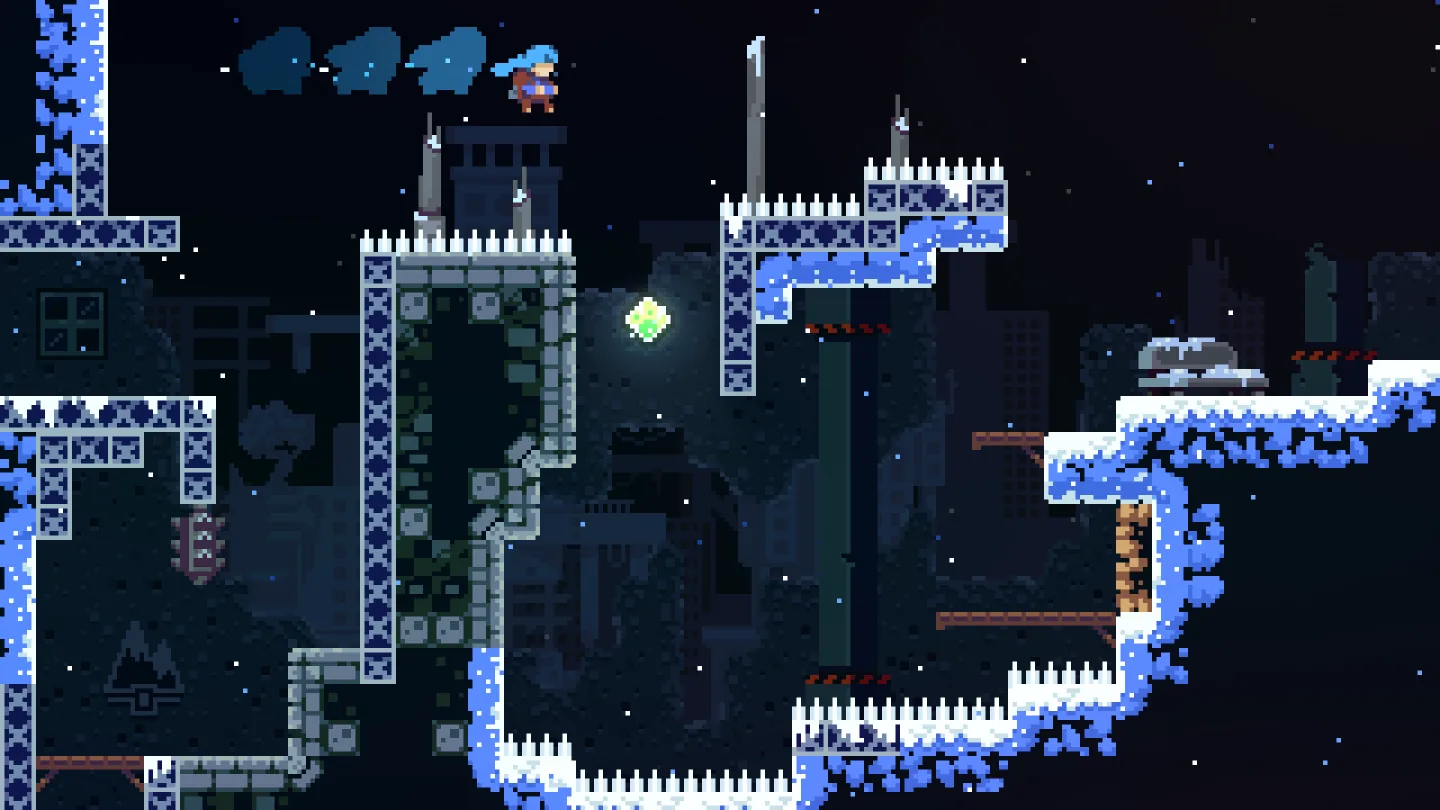
Precision jumping
The player times takeoff and adjusts movement in the air to reach a safe surface and avoid hazards.
Celeste ↗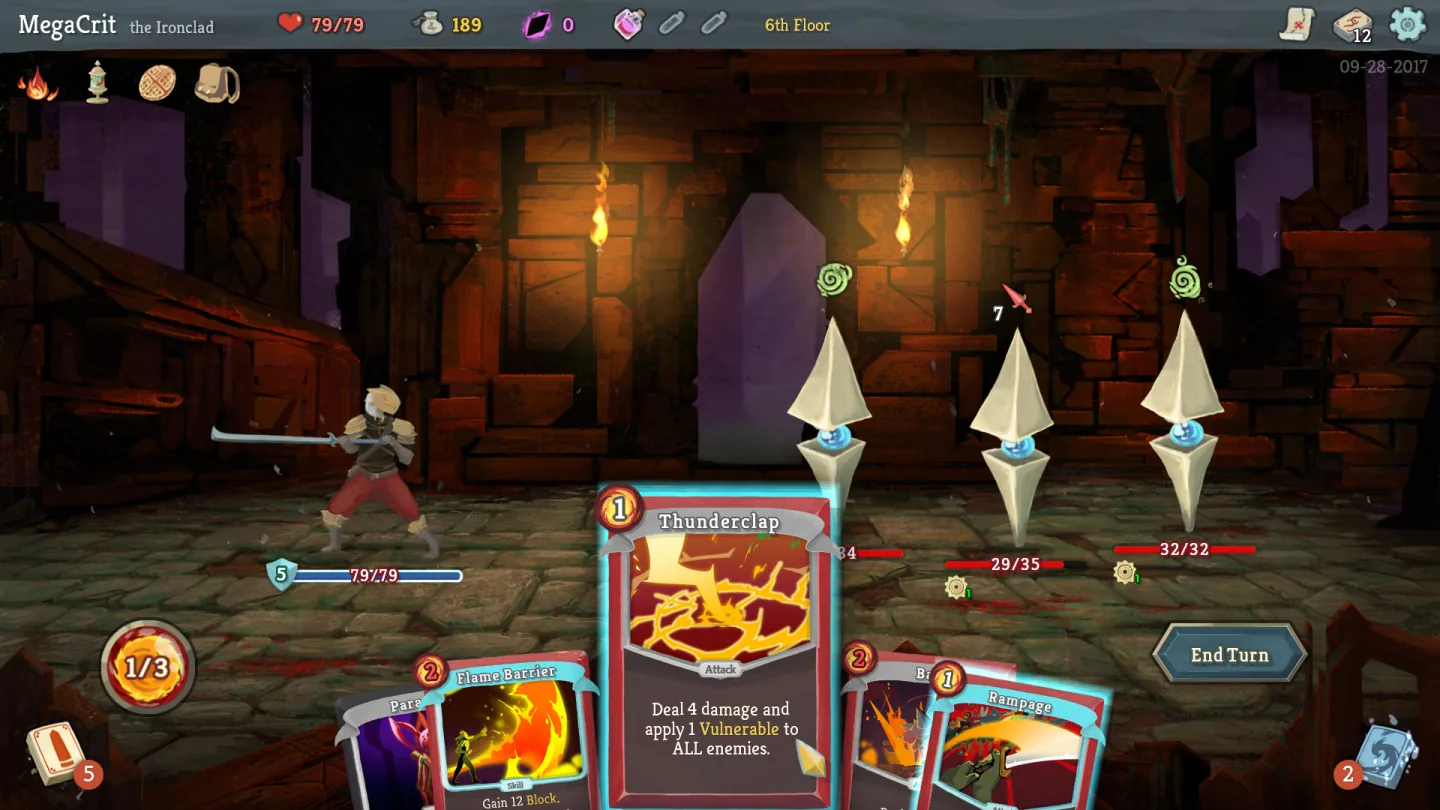
Health display
A health display shows how much damage a character can still take. Current and maximum values help the player judge the next risk.
Slay the Spire ↗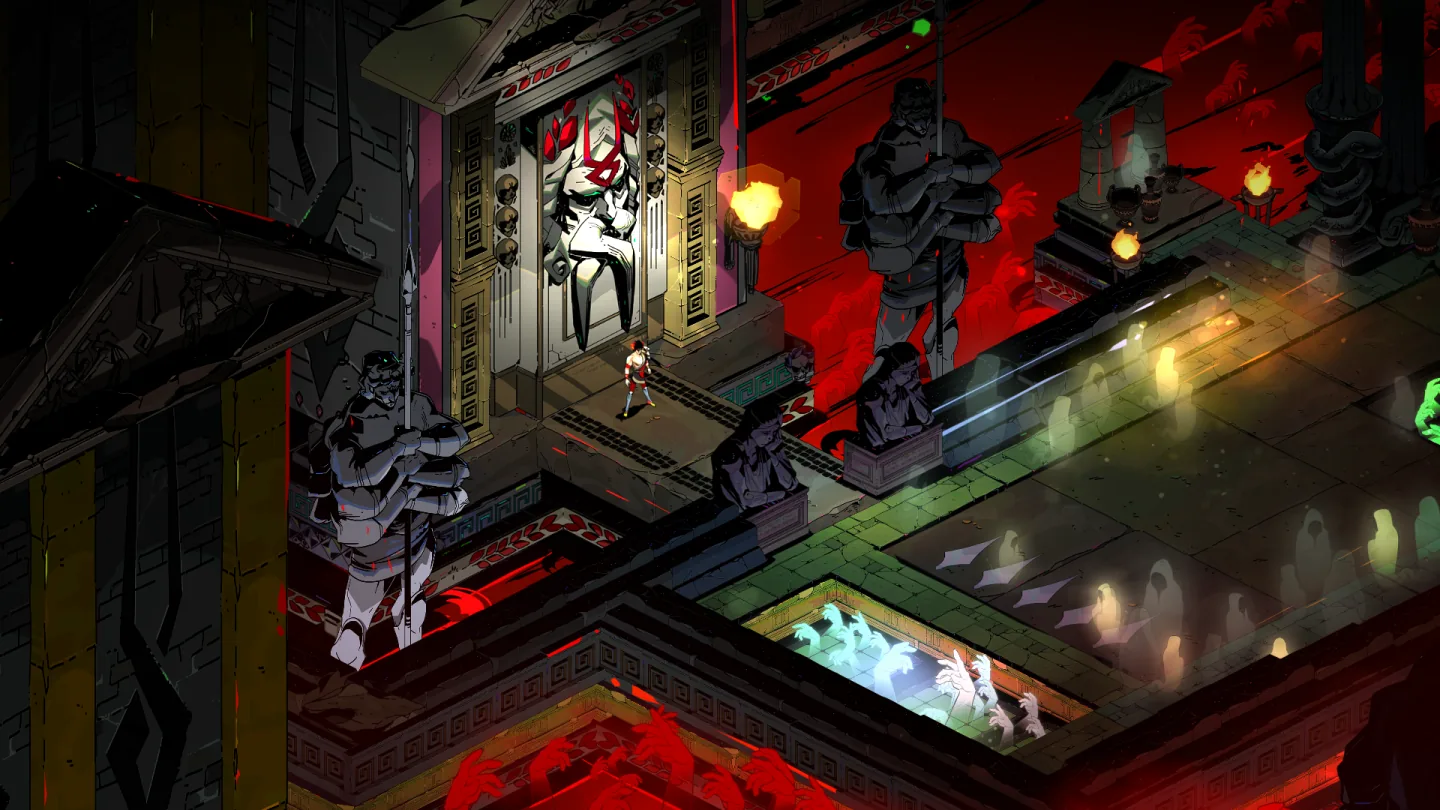
Opening doors
Acting at a door changes access to a passage. A recognizable world object becomes the transition into another area.
Hades ↗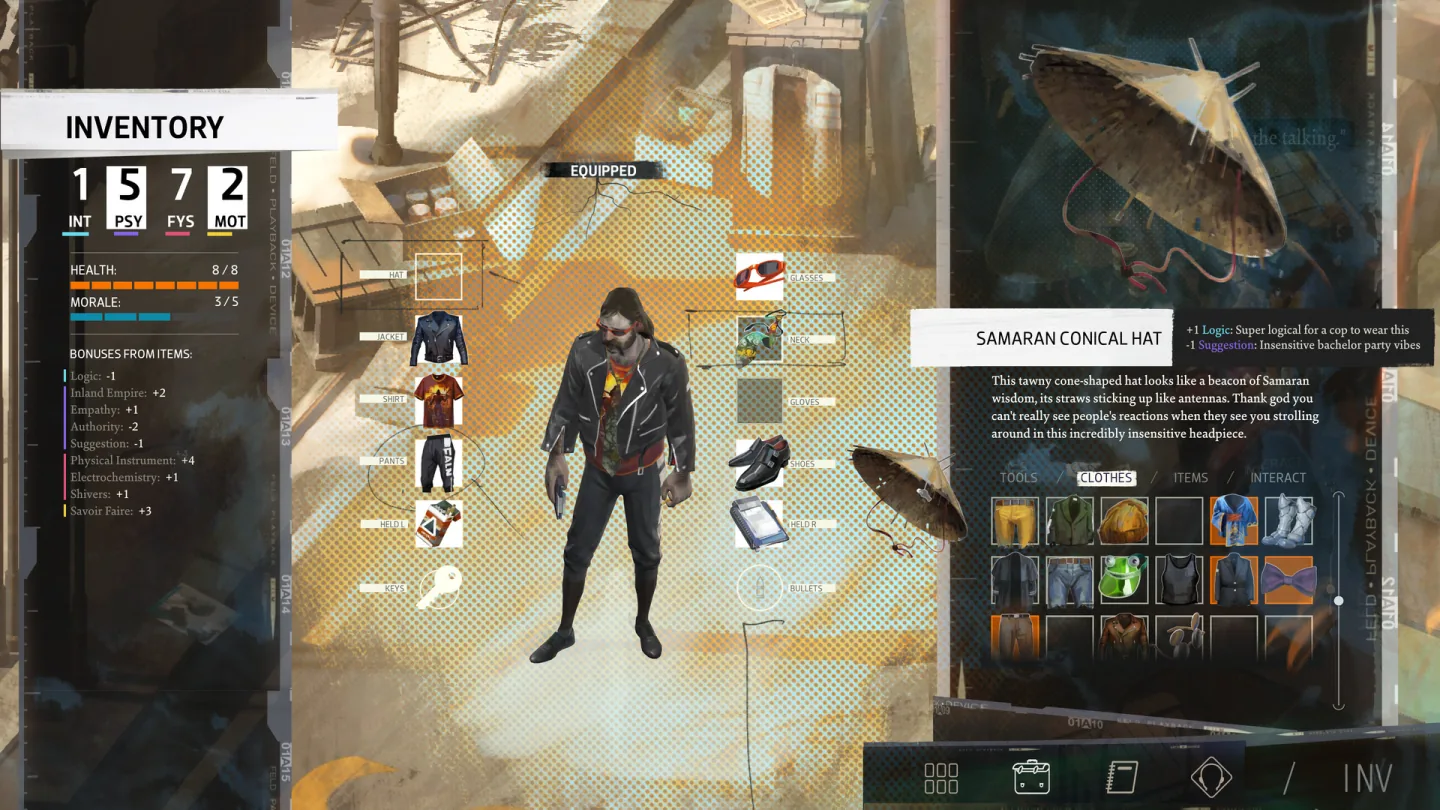
Grid inventory
Items occupy slots. The player chooses what to store, equip or use, while empty slots show available space.
Disco Elysium ↗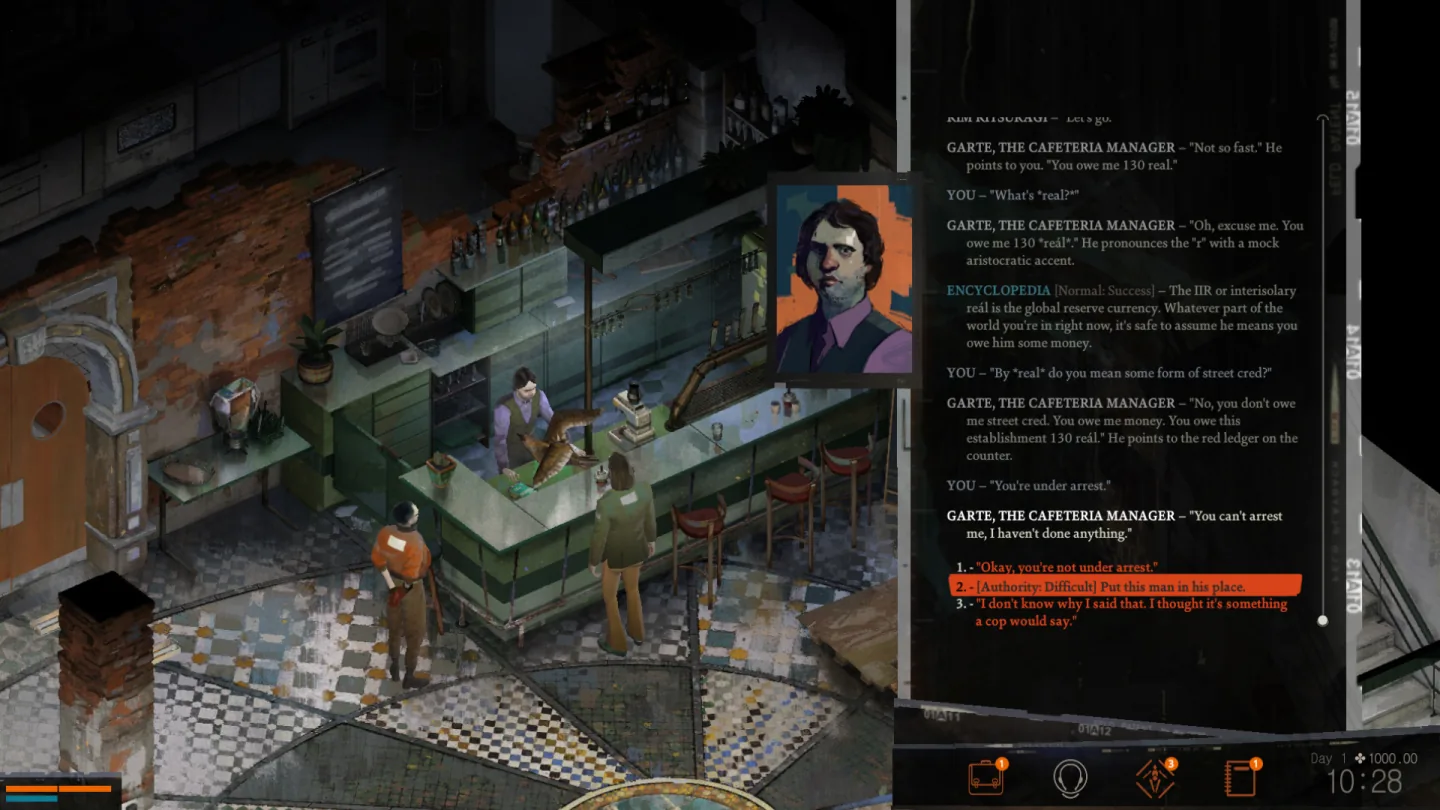
Dialogue choices
The player chooses an available reply. Their answer changes the conversation, reveals information or affects a relationship.
Disco Elysium ↗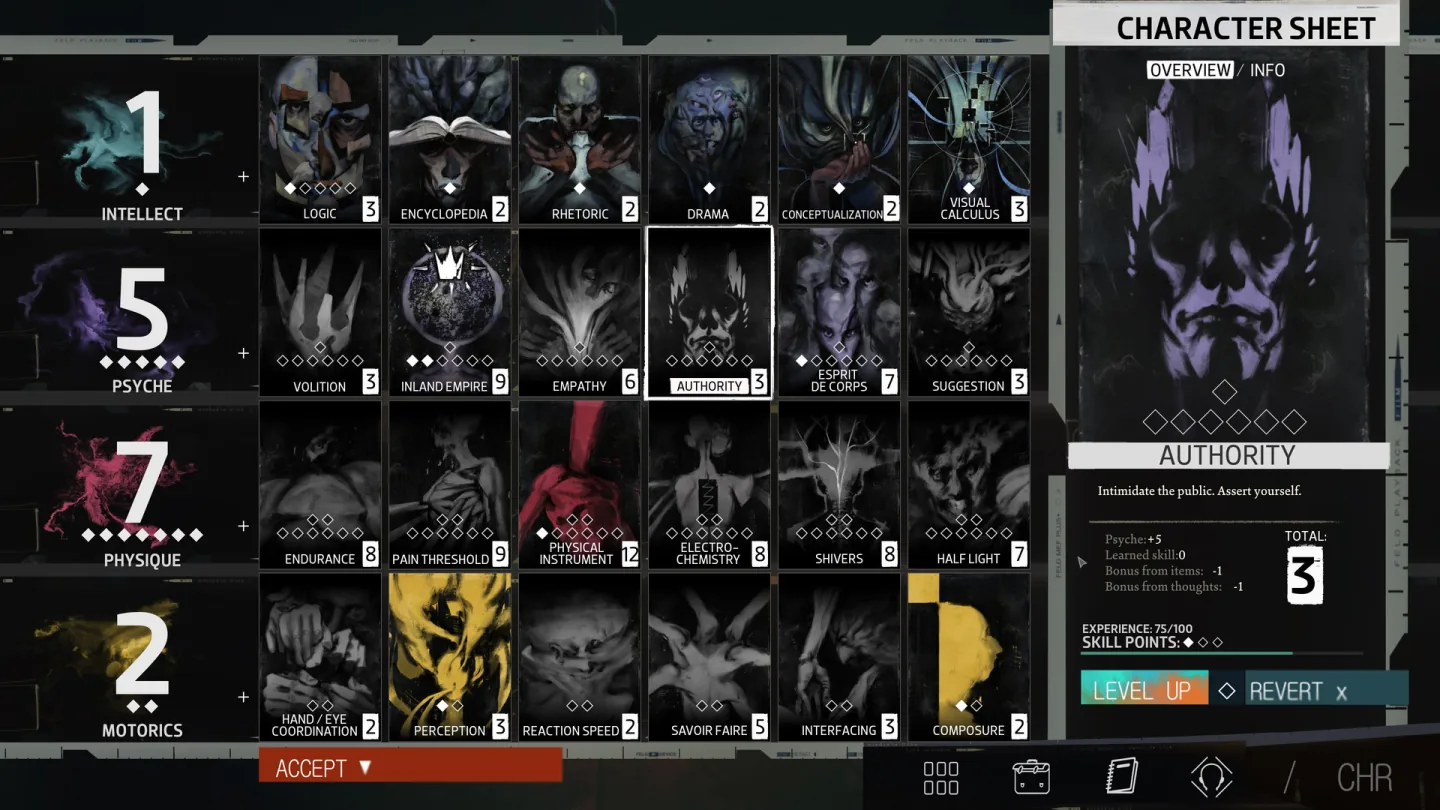
Experience and levels
Actions award experience. Reaching a threshold grants an upgrade point or level, turning repeated activity into lasting progress.
Disco Elysium ↗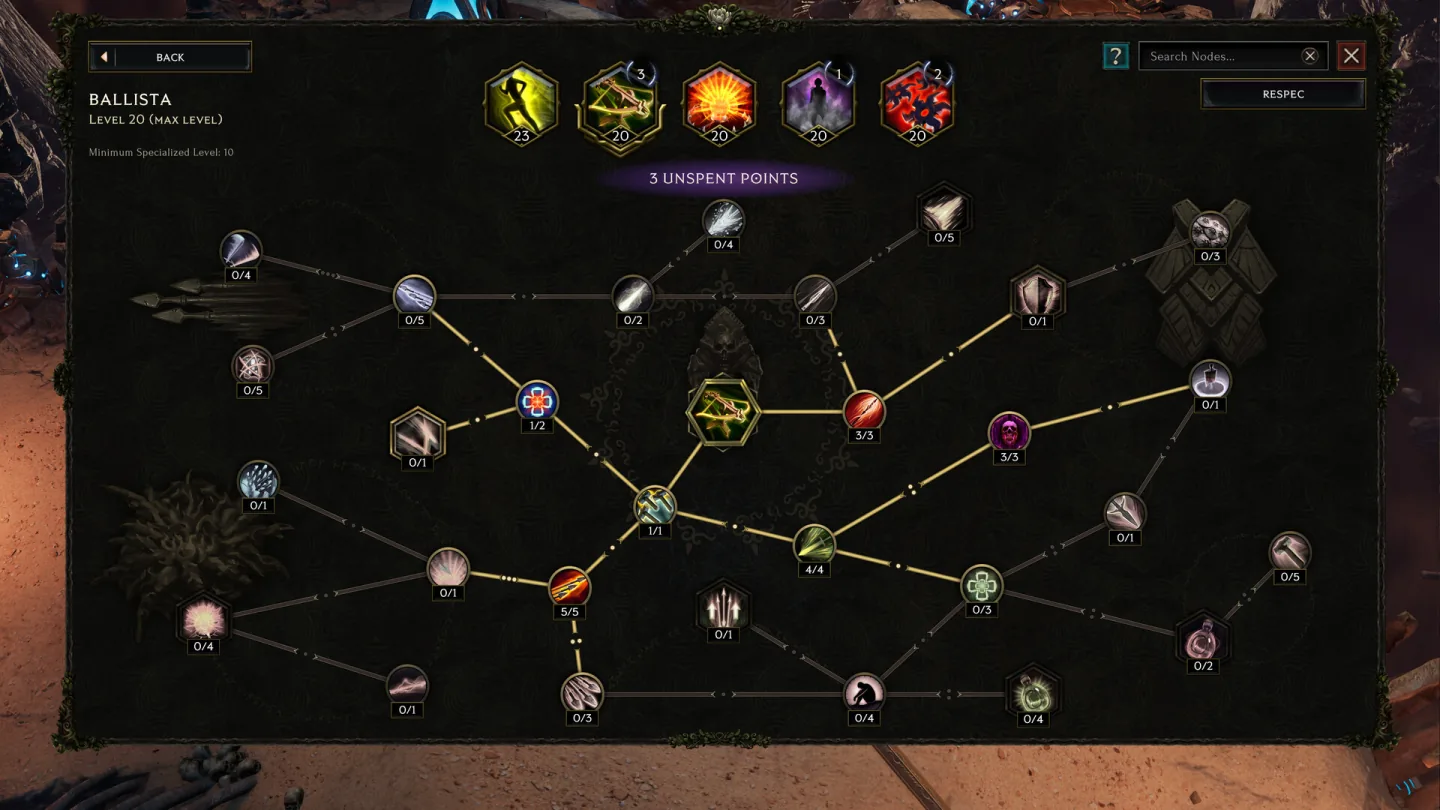
Skill trees
Progression points unlock linked nodes. A chosen path defines a specialization: some upgrades are immediate, while others require earlier investments.
Last Epoch ↗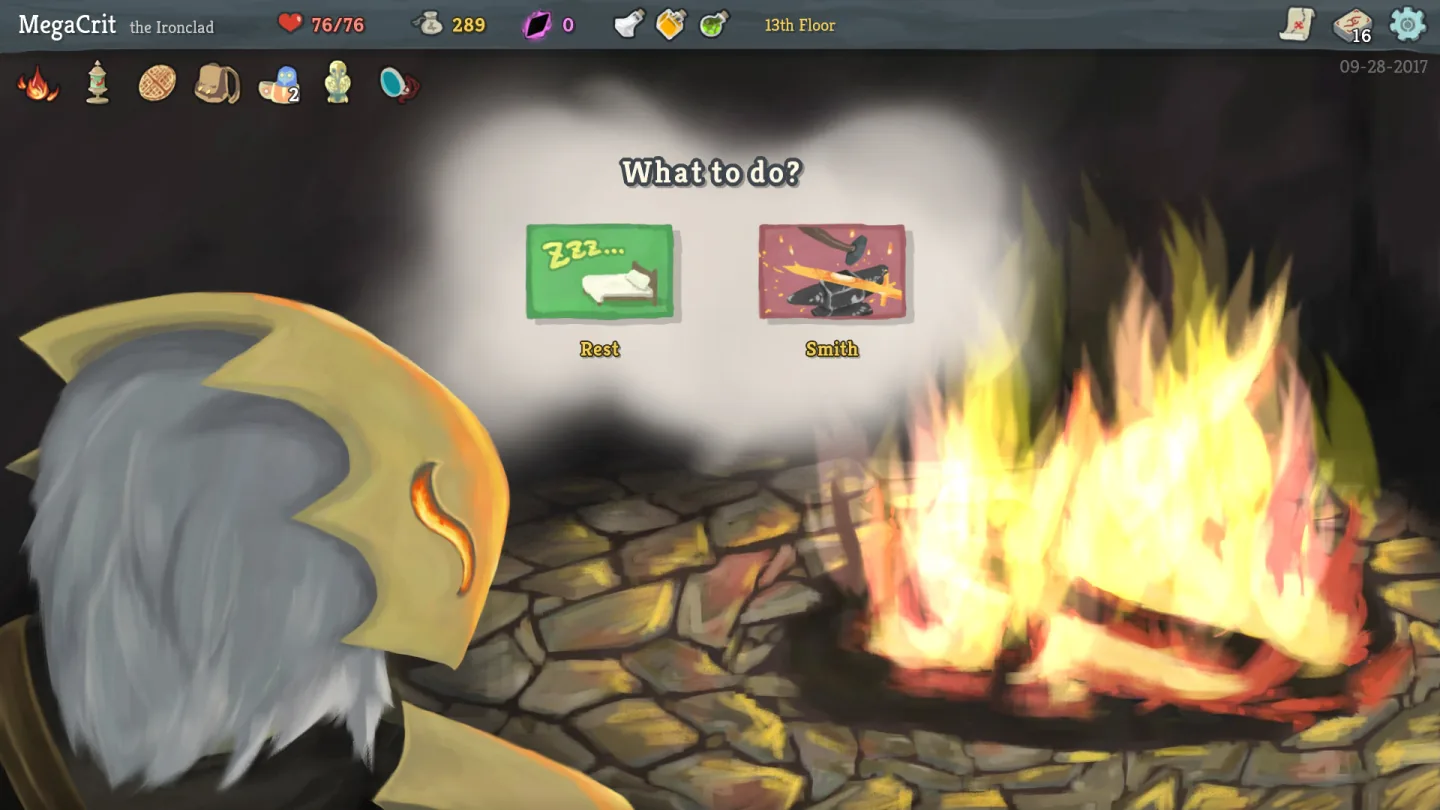
Healing and recovery
Recovery restores a depleted resource at a cost in time, items or another opportunity. The player chooses when to heal.
Slay the Spire ↗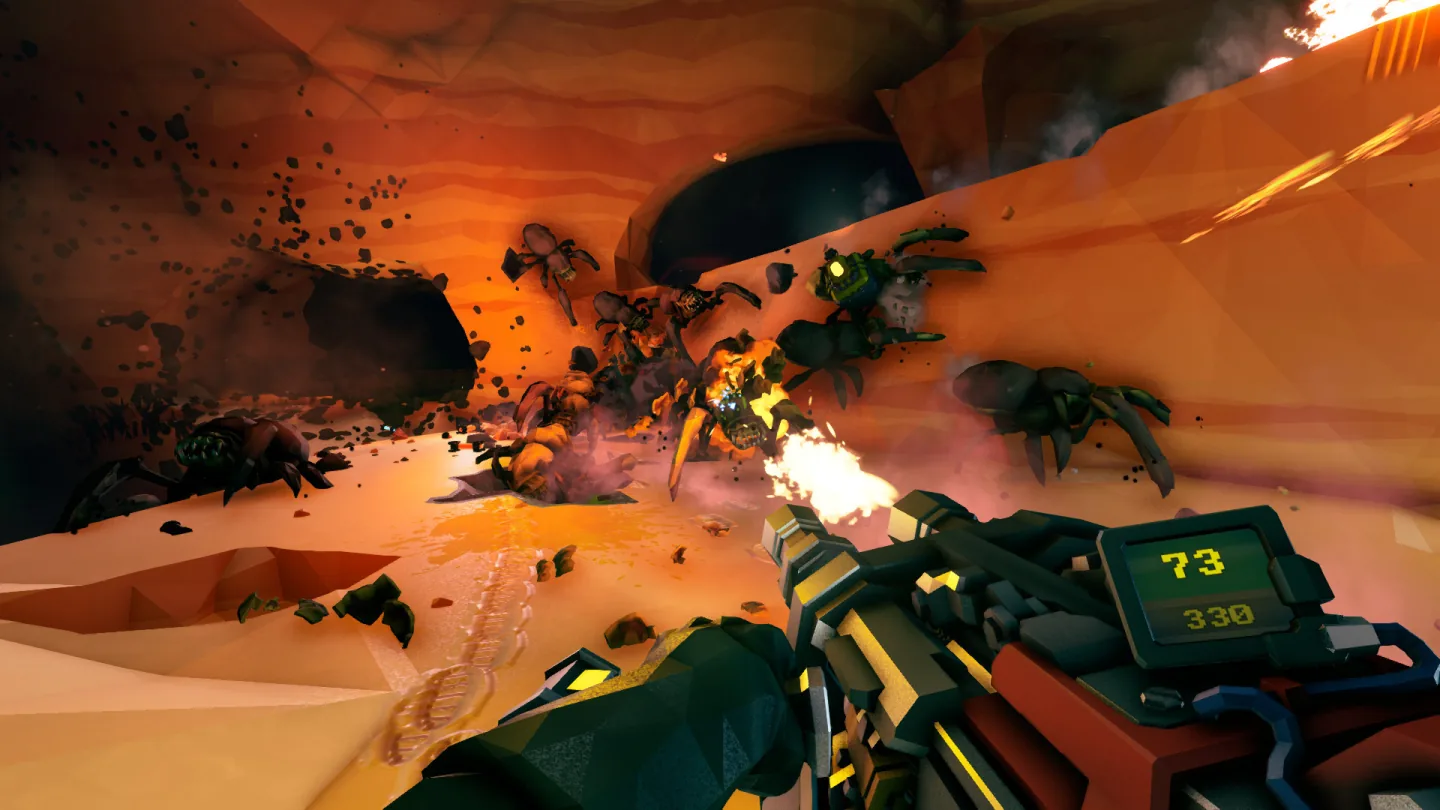
Reloading
The player moves ammunition from reserve into the magazine, trading a short pause in firing for another burst.
Deep Rock Galactic ↗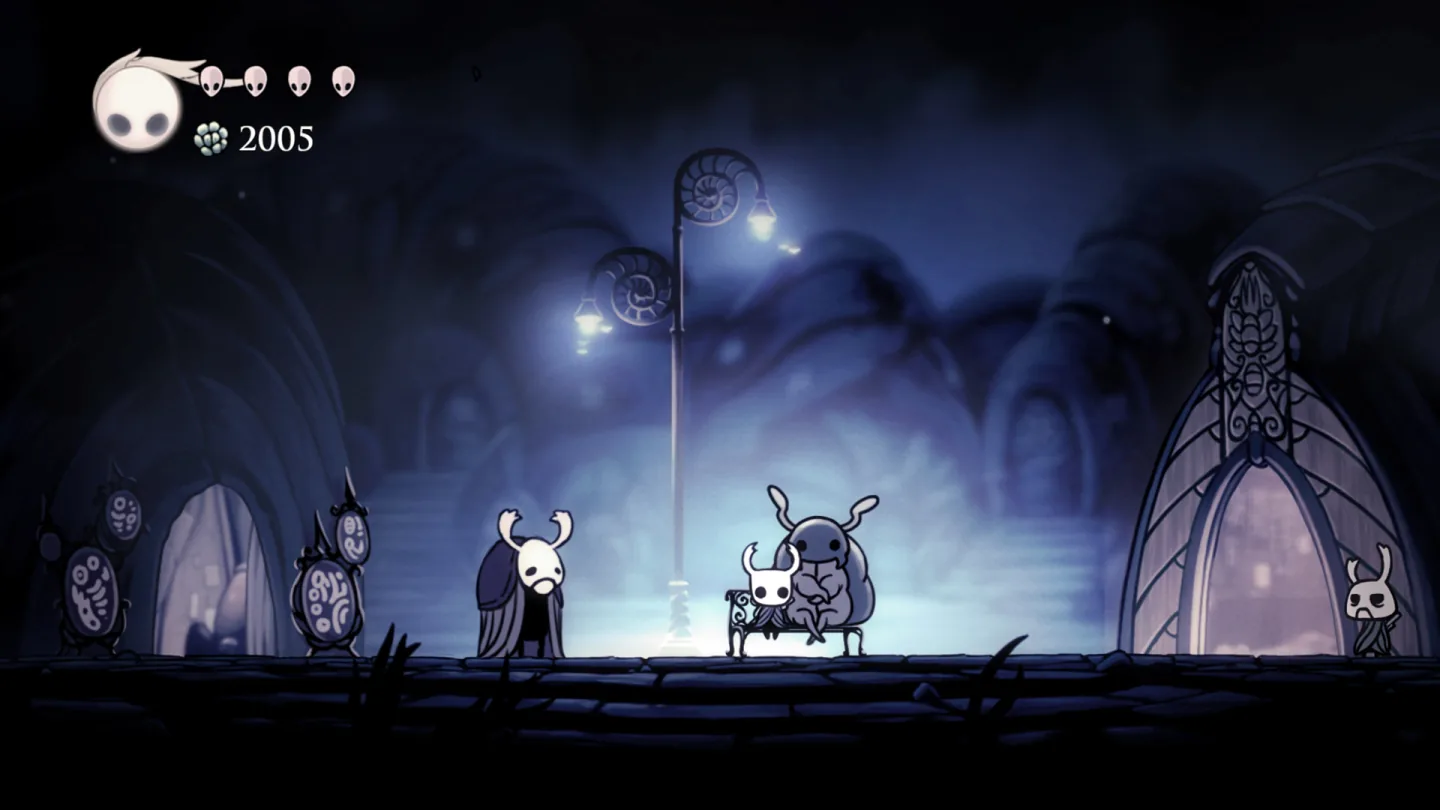
Save points
The player saves progress at a recognizable world location. The next save point determines how much progress a failure puts at risk.
Hollow Knight ↗Card costs and energy
Playing a card spends a limited turn resource. The player weighs cost against effect and chooses actions that fit the budget.
Slay the Spire ↗Drawing cards
Drawing moves cards from the deck to the hand. More options matter only if they fit the remaining resources and turn plan.
Slay the Spire ↗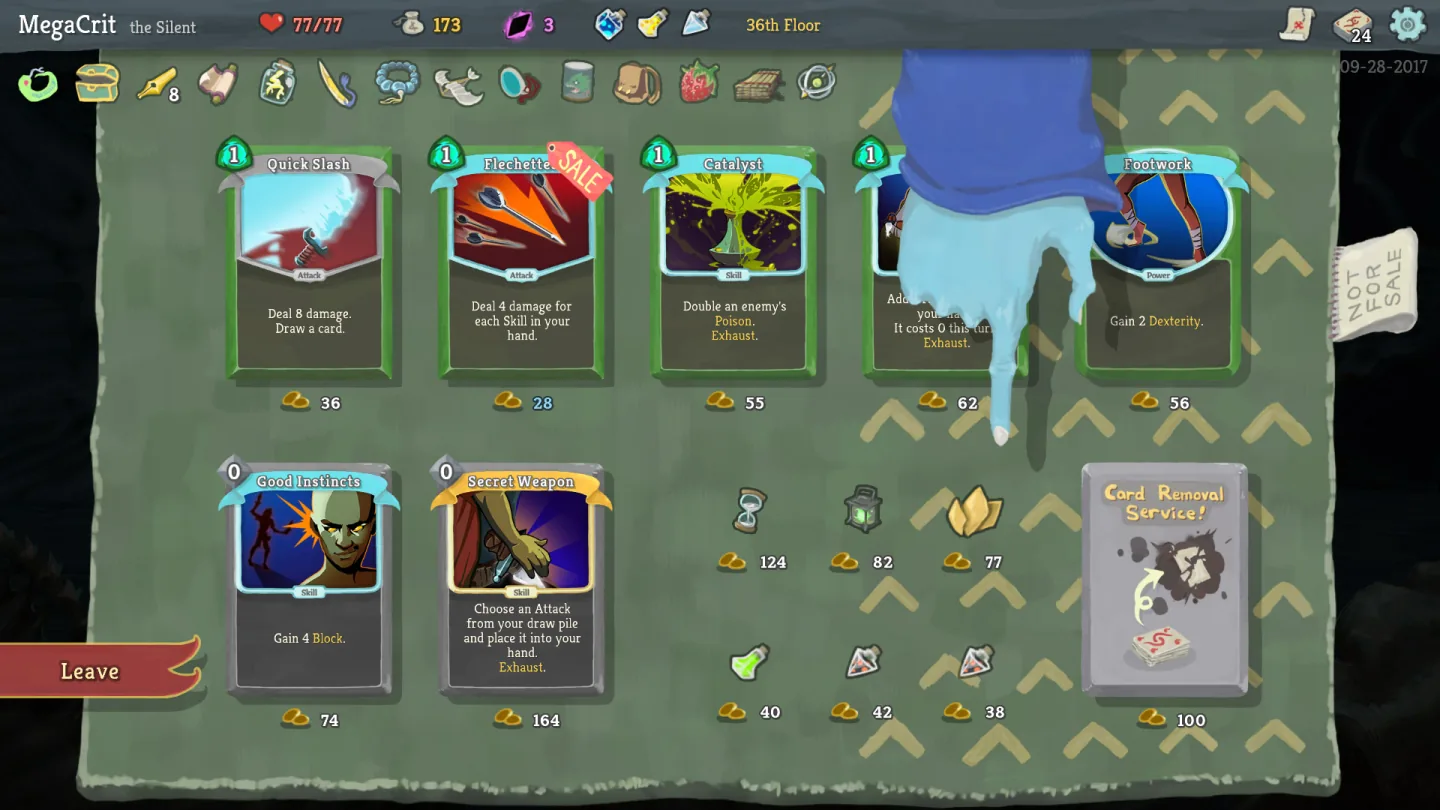
Acquiring cards
New cards change future turns. The player considers both a purchase’s strength and its place in the existing deck.
Slay the Spire ↗Shops and purchases
The player trades currency for items or services. Limited funds create a choice between immediate power and later spending.
Slay the Spire ↗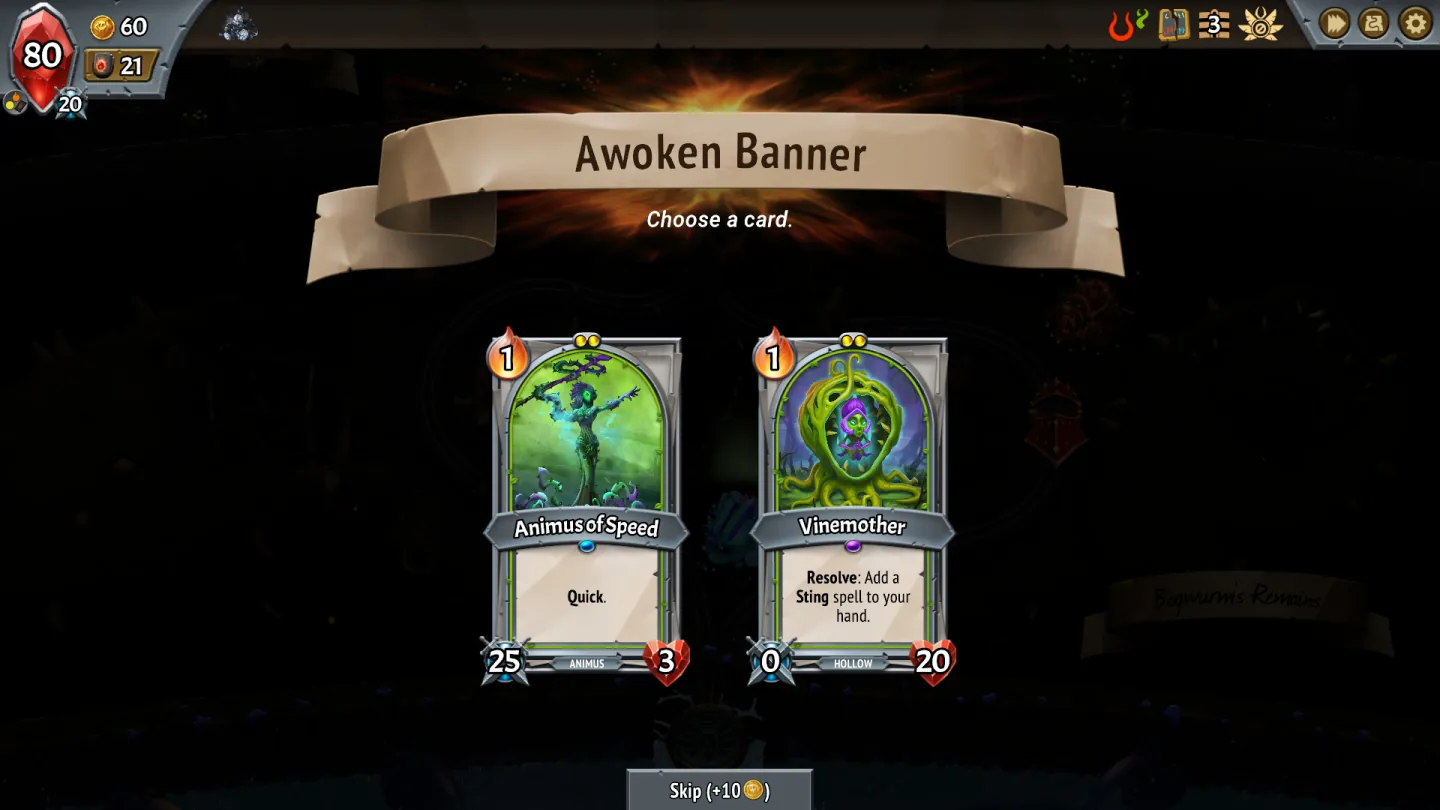
Choosing a reward
The player selects one reward from a small offer. This limited choice lets them guide progression while keeping discoveries uncertain.
Monster Train ↗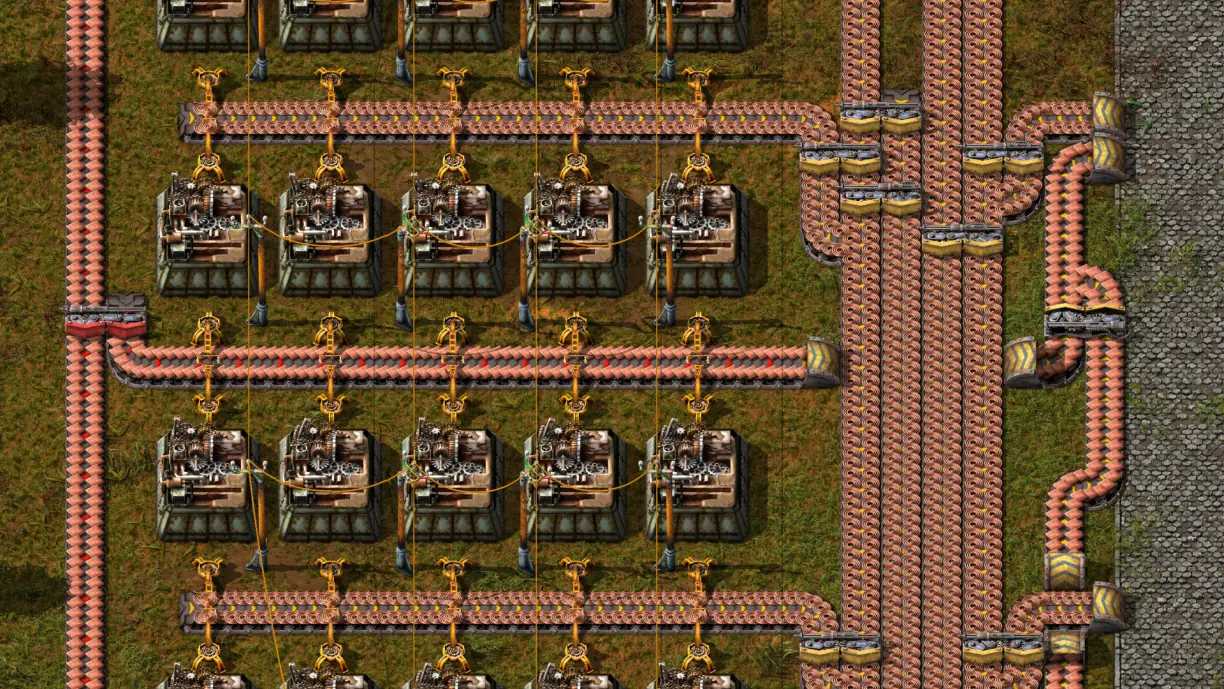
Resources and conversion
Resources pass through extraction, conversion and consumption. The player balances each stage so inputs reach consumers without wasteful buildup.
Factorio ↗Production chains
One recipe’s output becomes the next recipe’s input. The player supplies raw materials, intermediate components and enough capacity at every stage.
Factorio ↗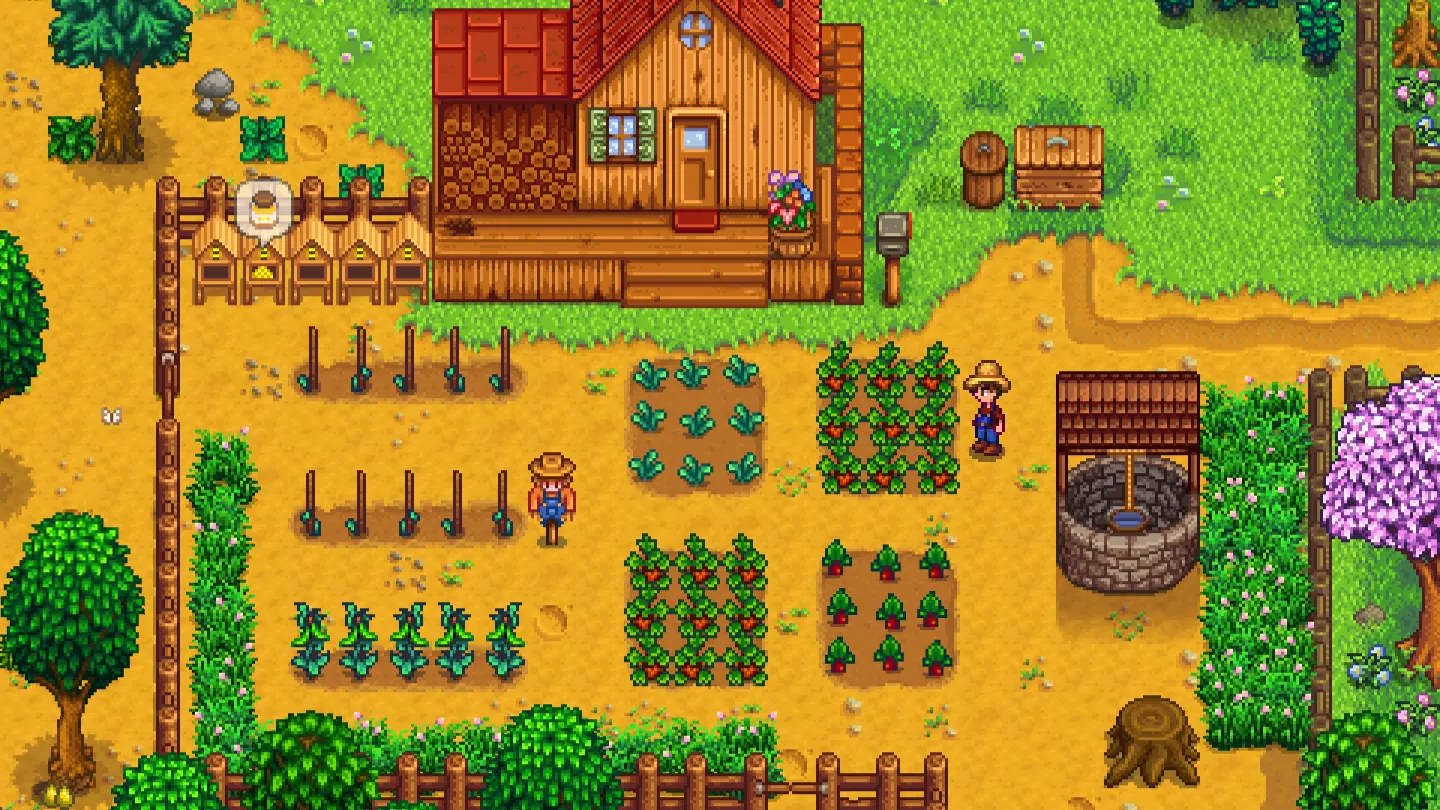
Growing crops
Seeds, care and time become a harvest. The player plans plantings, tends the plots and chooses when to harvest within seasonal limits.
Stardew Valley ↗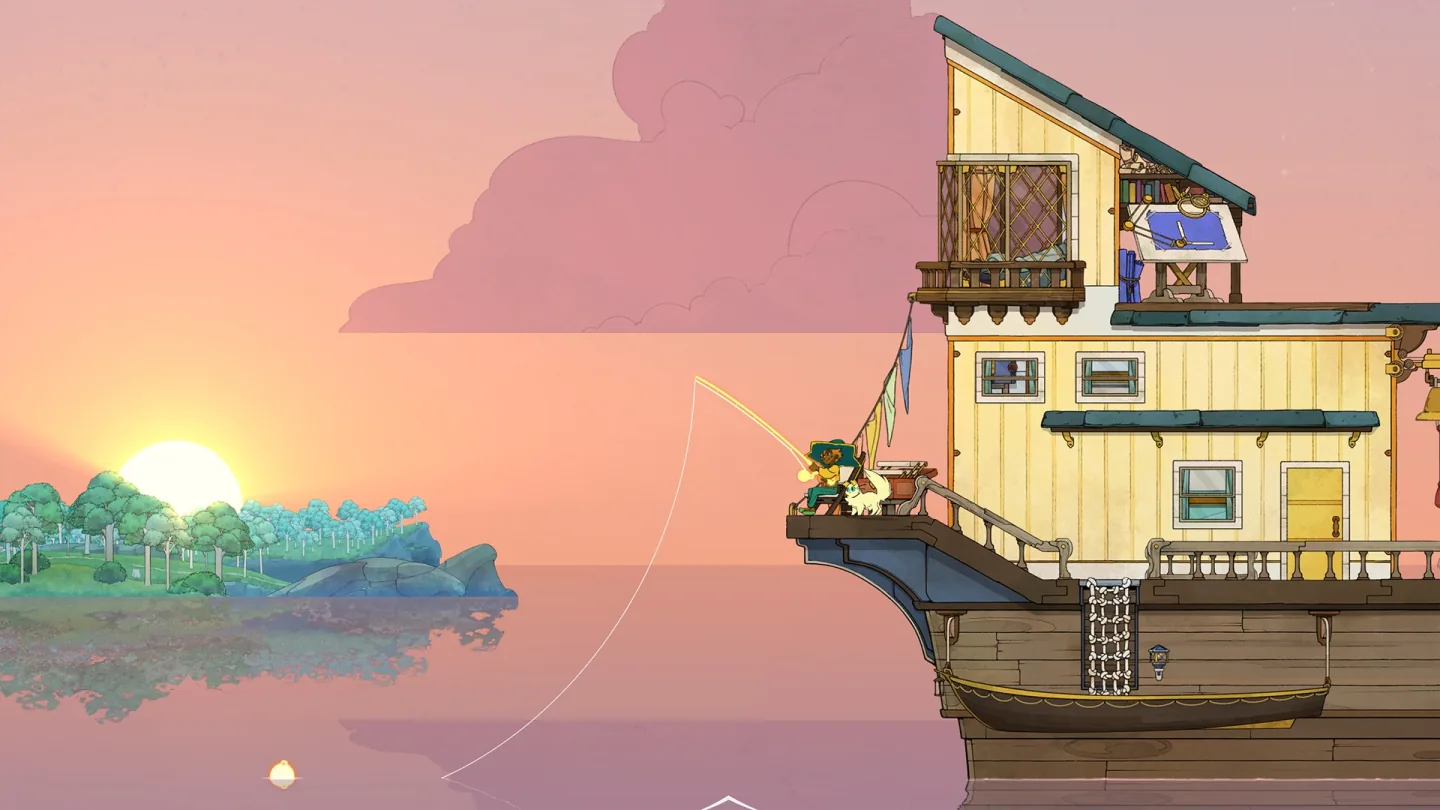
Fishing
The player chooses a spot, casts a line and responds to a bite. The location and the retrieval challenge determine the catch.
Spiritfarer ↗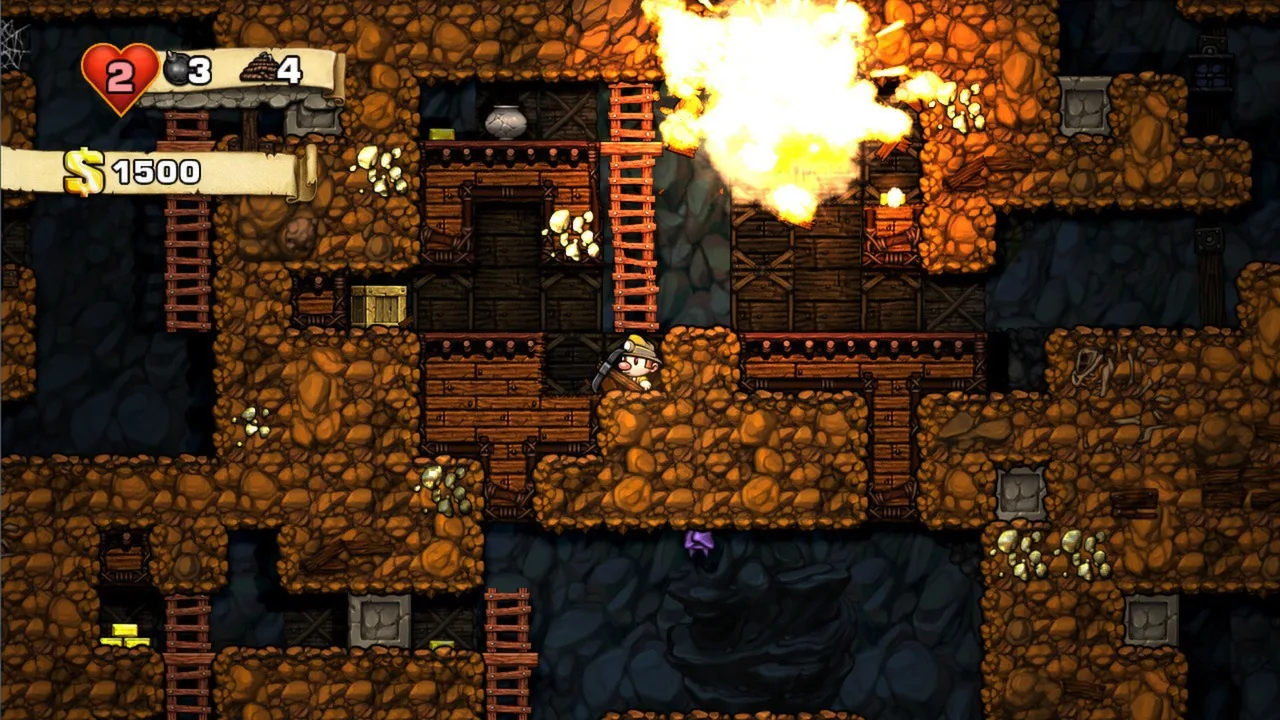
Climbing ladders
A ladder connects different heights along a clear route. Players should recognize its entry, exit and fall risk in advance.
Spelunky ↗Enemy health bars
An enemy’s bar shows remaining health. The player compares targets and estimates whether the next attack can defeat one.
Slay the Spire ↗Managing a card hand
The cards in hand define available actions. The player sequences plays, keeps useful options or discards unwanted ones.
Slay the Spire ↗Card effects
A played card changes combat through damage, defense or status effects. Combining consequences creates tactical choices.
Slay the Spire ↗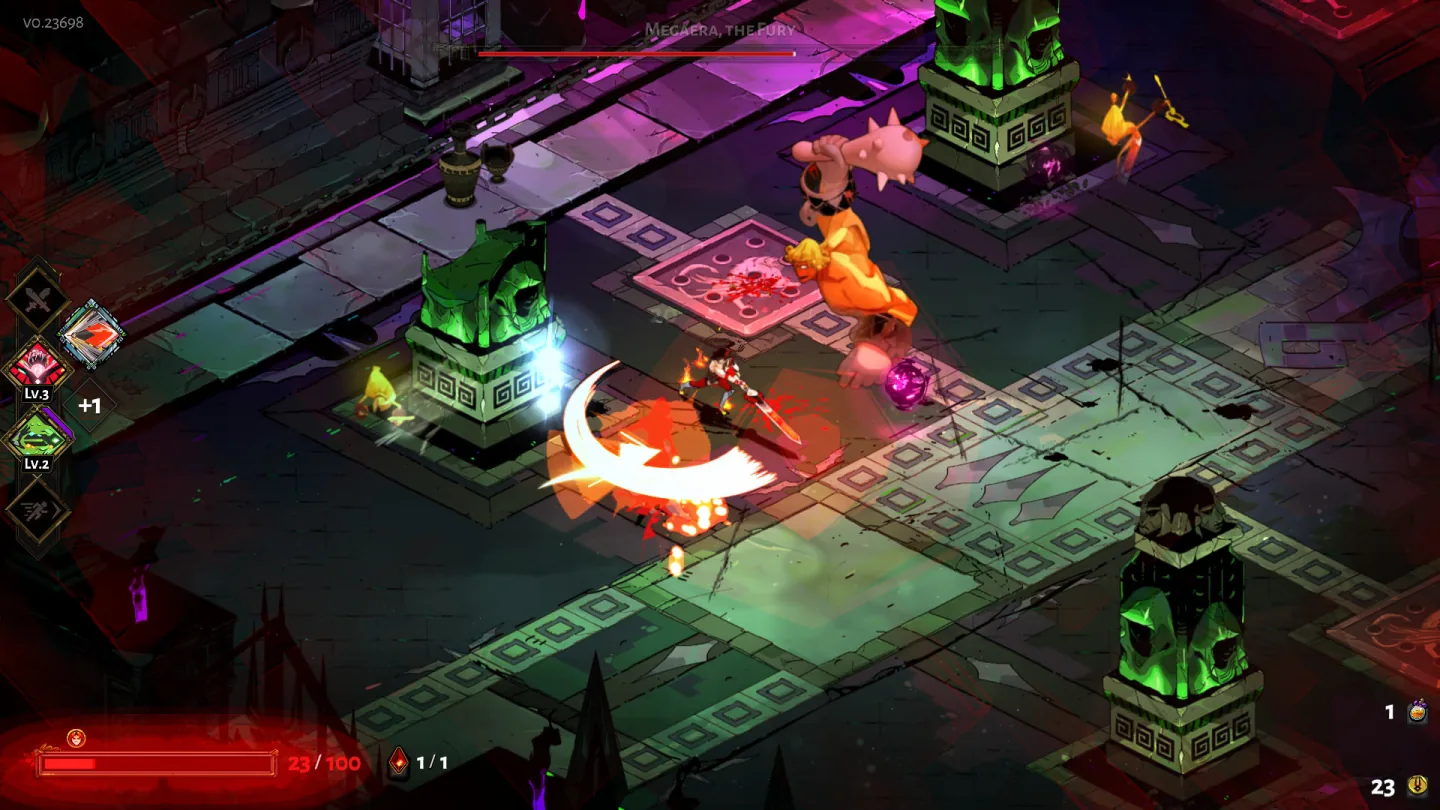
Melee combat
An attack reaches its target only at close range. The player chooses position and timing while preserving a response to the next threat.
Hades ↗Block and defense
Defense reduces or prevents incoming damage. The player weighs the expected threat against its cost and other available actions.
Slay the Spire ↗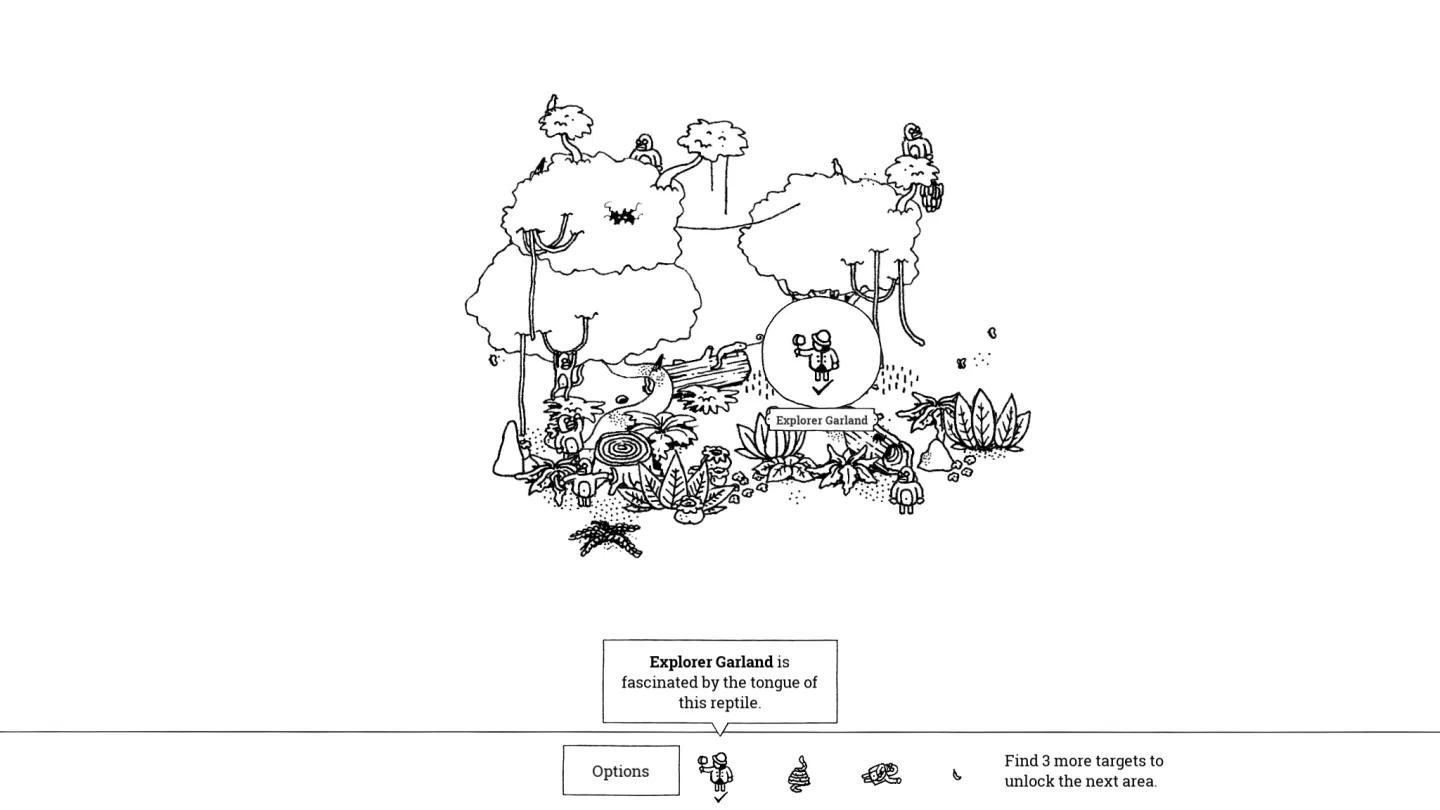
Search and discovery
The player finds a target among the details of a scene. A clue guides their attention; finding the target gives clear confirmation.
Hidden Folks ↗Card offers
A market determines which cards are available now. Offer size and refresh rules affect planning and the value of passing.
Slay the Spire ↗Deck cycling
Played cards enter the discard pile. When the draw pile runs out, a new cycle brings familiar actions back in another order.
Slay the Spire ↗Upgrades within a run
The player grows stronger during an attempt. Each upgrade changes immediate decisions but may be lost when the run ends.
Slay the Spire ↗Risk and reward
A more rewarding action adds danger or gives up a safety net. The player weighs the potential benefit against the cost of failure.
Slay the Spire ↗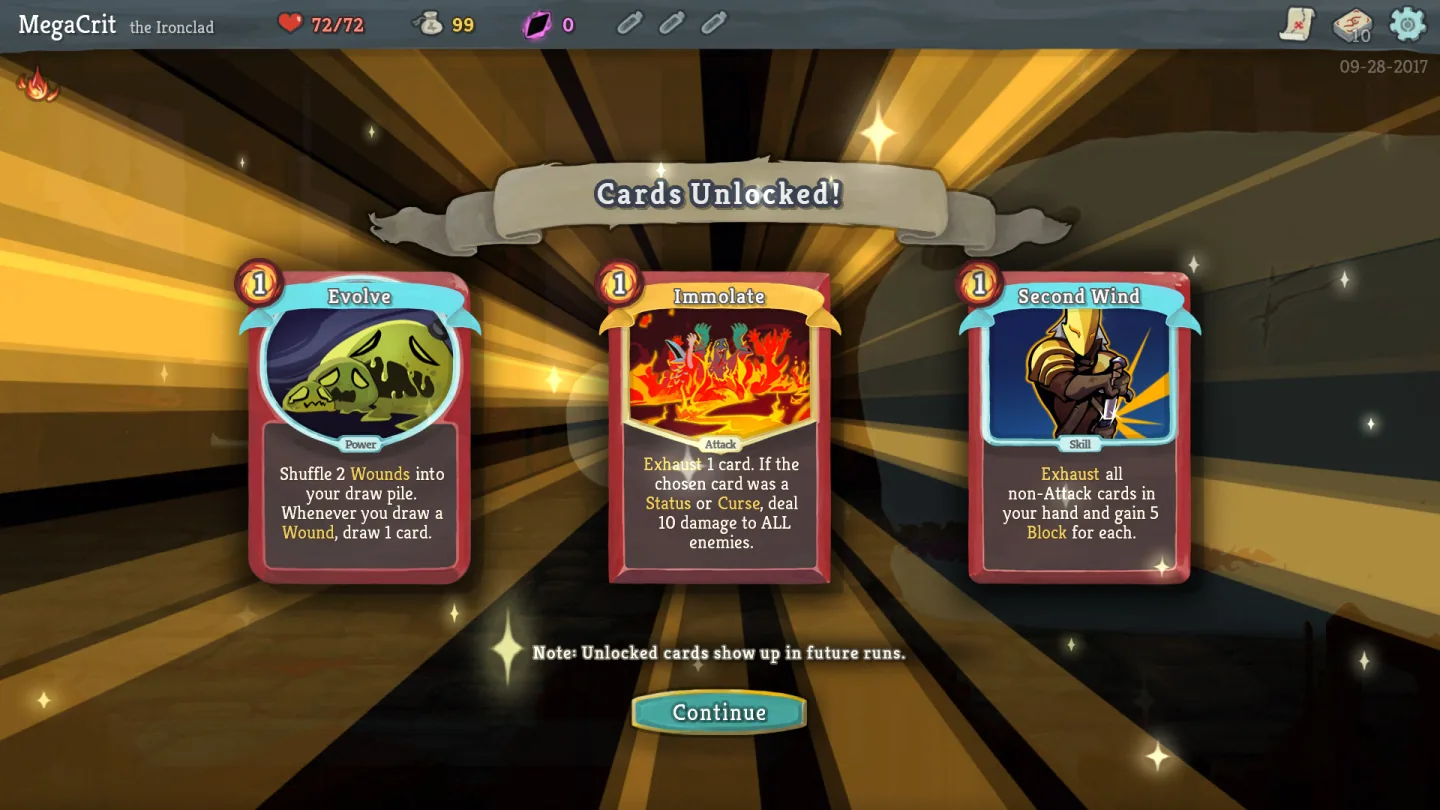
Progress between runs
Some progress survives the end of a run. New options change future attempts, even when the current one ends in defeat.
Slay the Spire ↗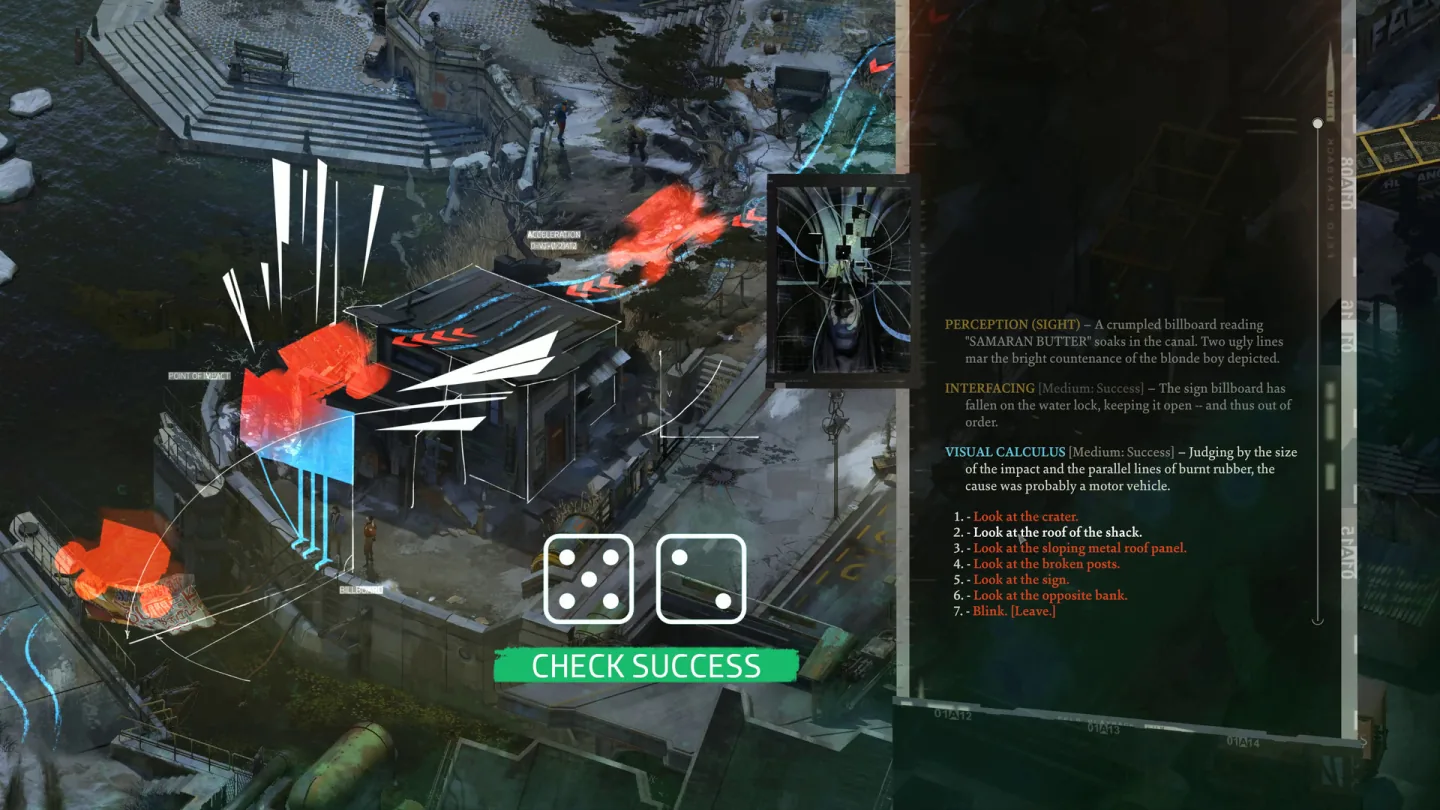
Dialogue checks
A reply’s outcome depends on abilities, conditions or a random roll. A check turns the player’s intention into success, failure and the next conversation state.
Disco Elysium ↗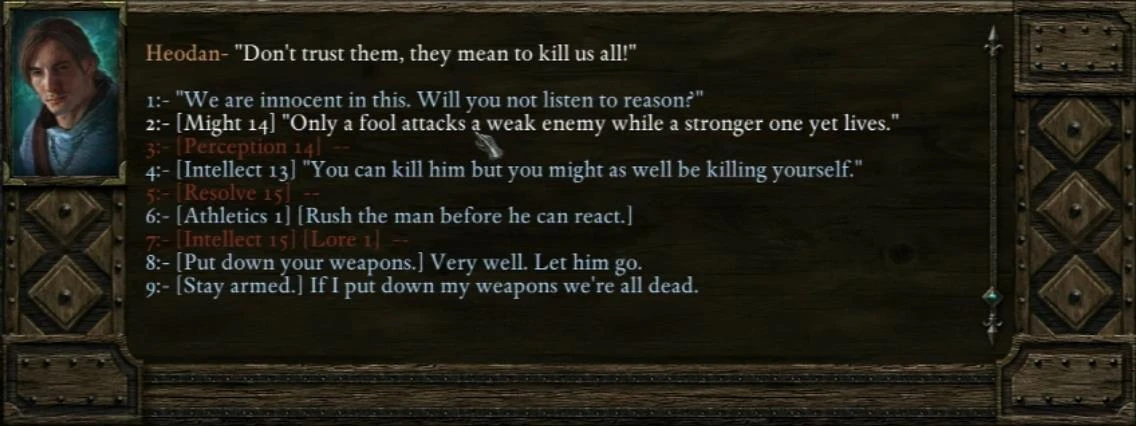
Dialogue reply requirements
The character’s state, knowledge, items and past actions unlock or block replies. The player sees requirements and chooses among available lines.
Pillars of Eternity ↗Low health feedback
At dangerously low health the game intensifies its warning. The player notices the risk without constantly reading a small health bar and can react.
Hades ↗Walking on stairs
Stairs connect different heights along an ordinary movement route. Characters traverse them without extra commands or snagging.
Spiritfarer ↗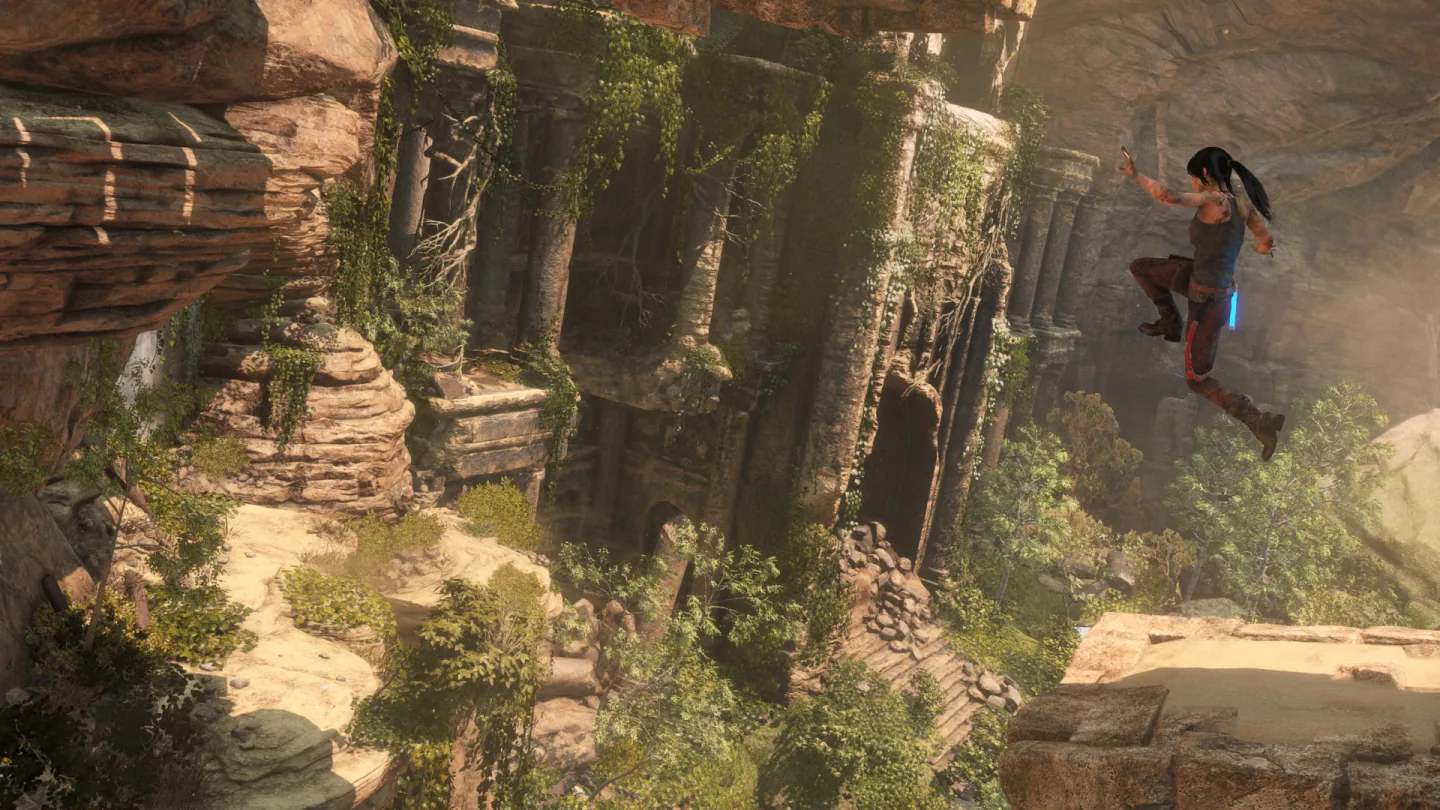
Jumping to a ledge
The player jumps across a gap toward a grabbable ledge. A readable target helps them judge the trajectory before committing.
Rise of the Tomb Raider ↗
Climbing onto a ledge
From a hanging position, the character pulls onto the upper surface. The transition connects edge grabbing with ordinary movement.
Tomb Raider (1996) ↗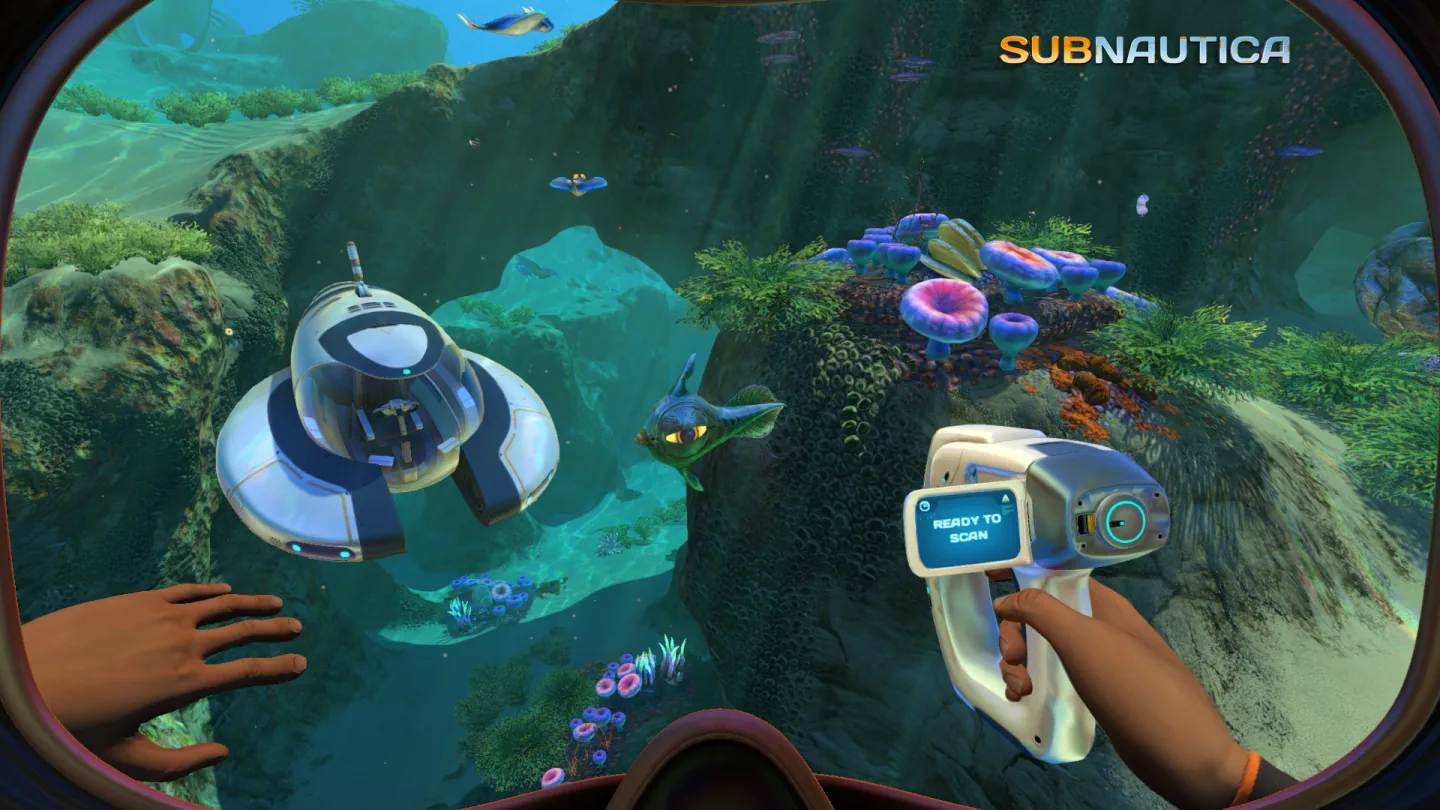
Swimming
In water, the player controls movement direction and depth. Vertical landmarks and readable speed help navigation through three-dimensional space.
Subnautica ↗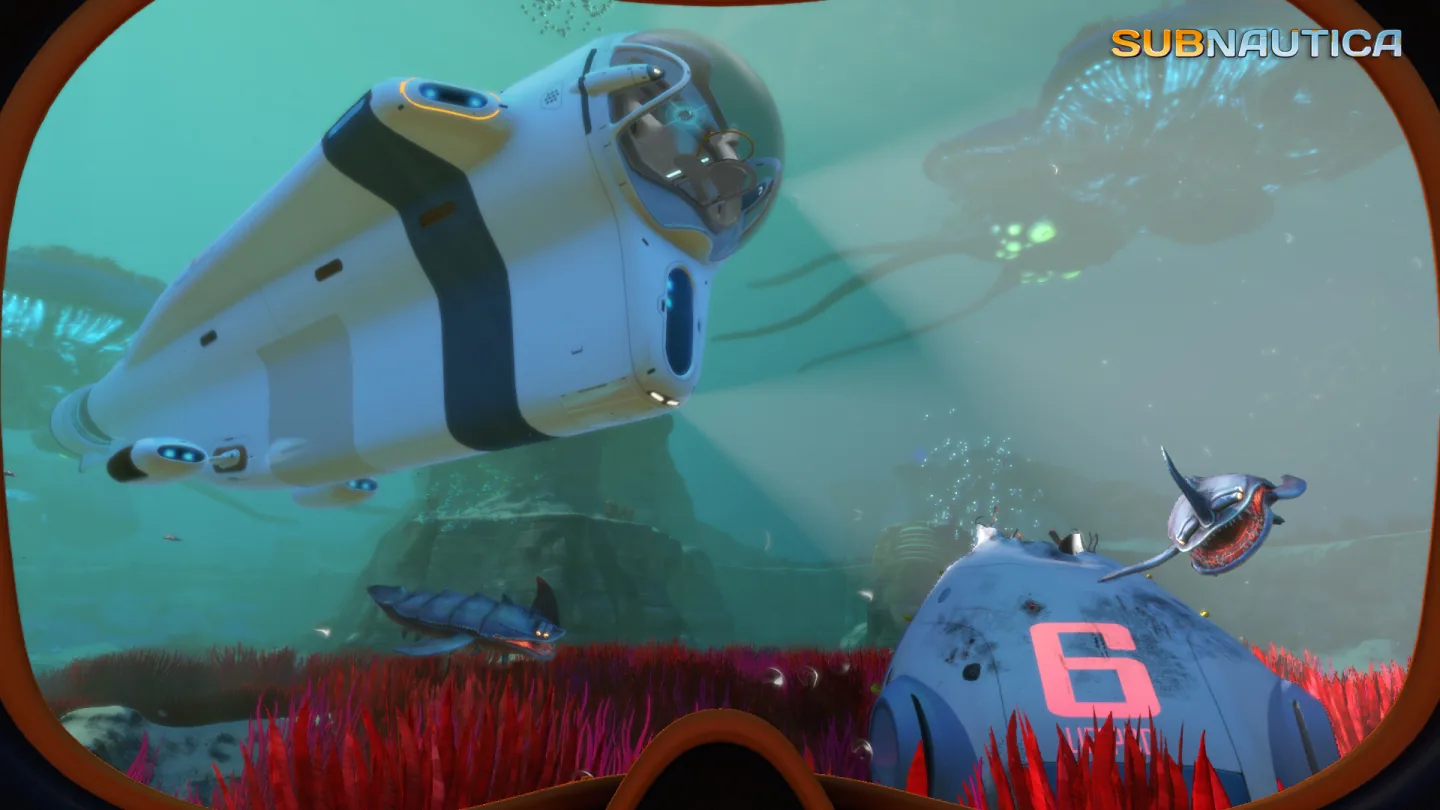
Diving underwater
Descending beneath the surface opens a vertical space to explore. The player plans depth, air supply and a safe return route.
Subnautica ↗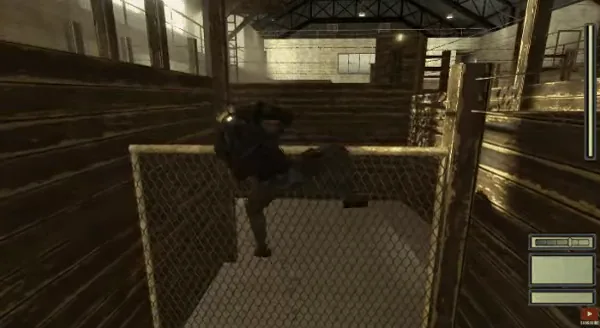
Climbing over a fence
The character climbs a barrier, shifts their weight over its top and descends on the far side. The player judges height and landing space.
Tom Clancy's Splinter Cell (2002) ↗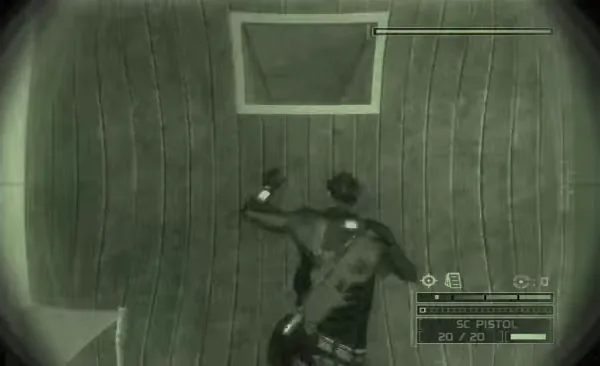
Crawling through vents
A low service passage provides an alternative route. Its restricted size changes the character’s posture, view and available actions.
Splinter Cell: Chaos Theory (2005) ↗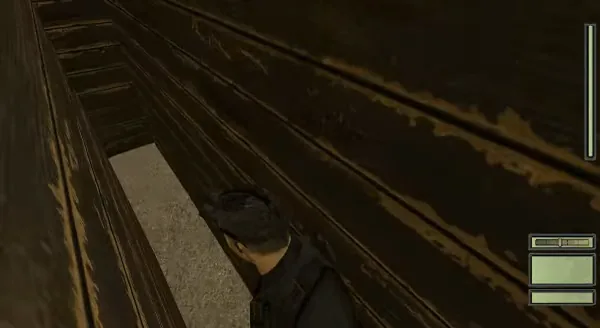
Squeezing through a gap
A narrow passage changes the character’s posture and restricts movement. The player moves sideways between obstacles while controlling direction.
Tom Clancy's Splinter Cell (2002) ↗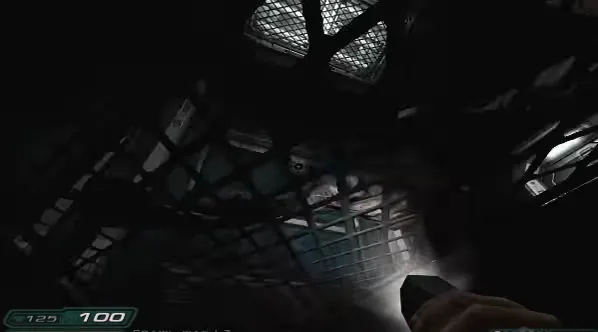
Crawling under a floor
Space beneath the main floor becomes a concealed route. Its low ceiling restricts posture, visibility and equipment use.
Doom 3 (2004) ↗Jumping between ledges
A sequence of footholds creates a route across gaps. The player chooses jump direction and timing while judging the next landing.
Rise of the Tomb Raider ↗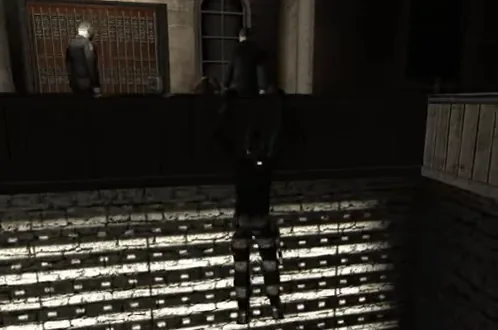
Shimmying along a ledge
The character moves sideways while hanging from an edge. A narrow support creates a route where ordinary walking is impossible.
Tom Clancy's Splinter Cell (2002) ↗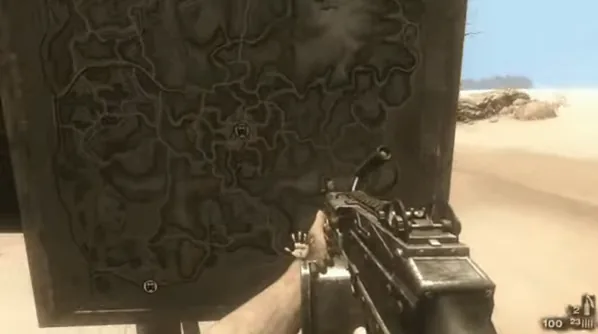
Fast travel
The player selects an available destination and skips ordinary travel. Access rules and travel costs determine when the shortcut is useful.
Far Cry 2 (2008) ↗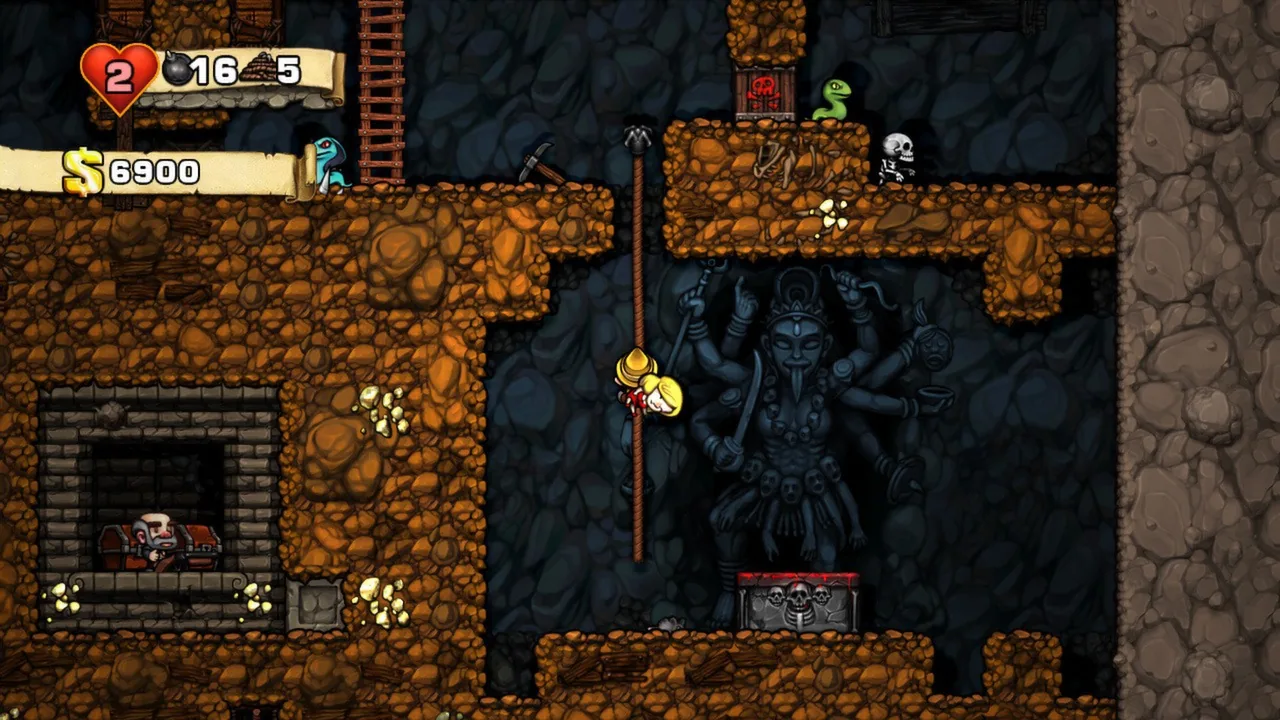
Climbing ropes
A rope creates a vertical route through open space. The player grabs it, changes height and chooses when to let go.
Spelunky ↗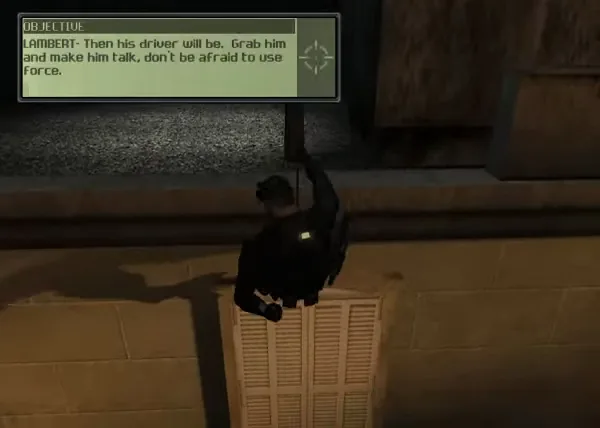
Rappelling
A rope supports the character beside a vertical surface and controls descent. The player chooses a stopping height and an exit point.
Tom Clancy's Splinter Cell (2002) ↗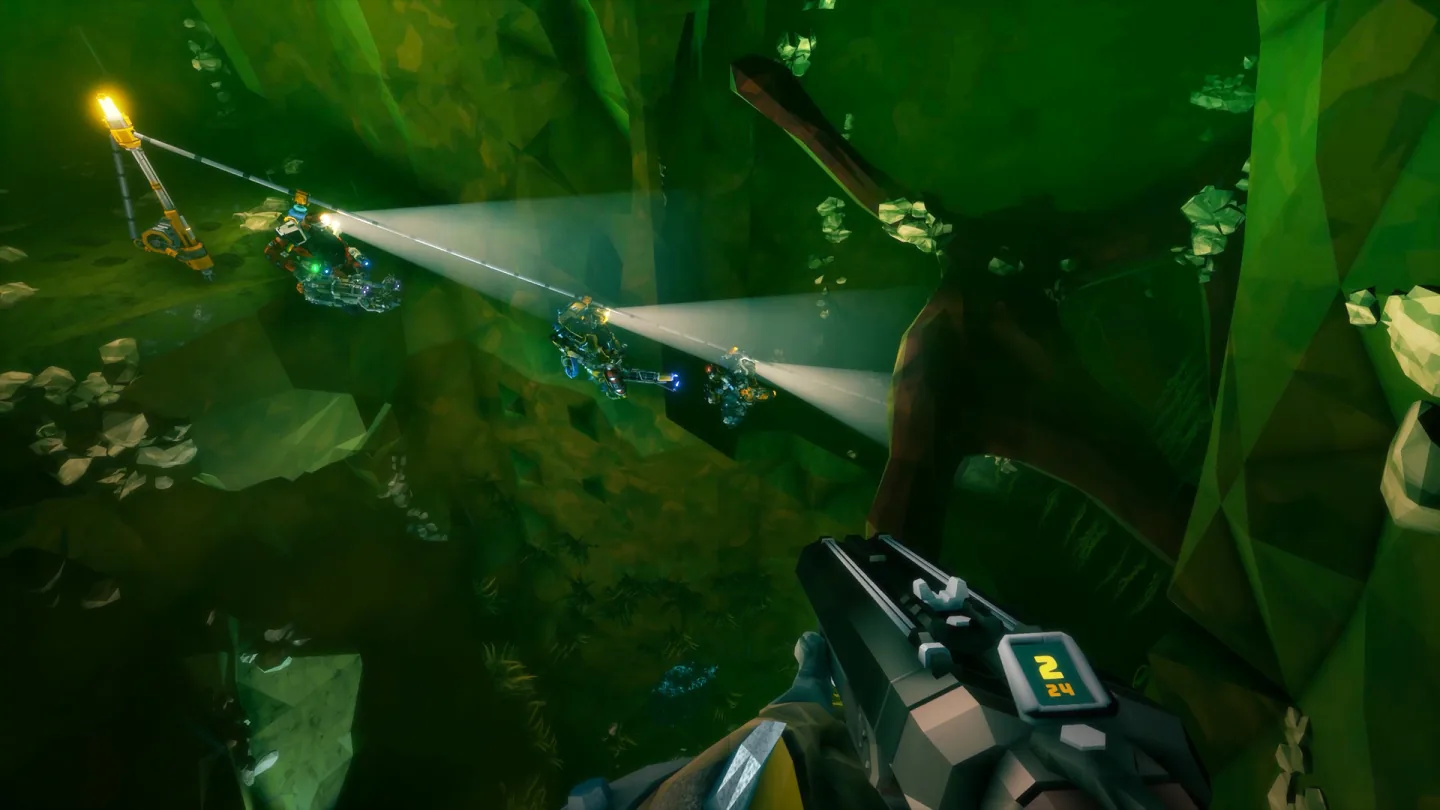
Zipline traversal
A suspended cable carries the player across a gap. Its route is visible before boarding, and the player chooses when to get off.
Deep Rock Galactic ↗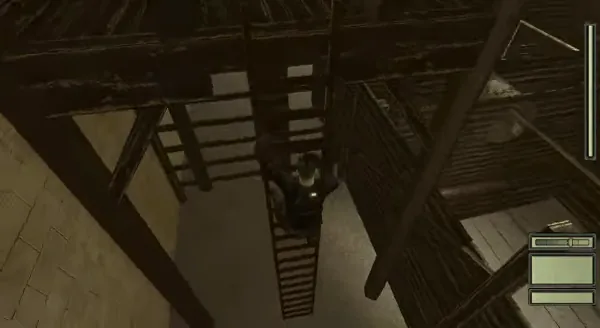
Sliding down a ladder
The player descends faster while maintaining a ladder grip. The quicker move saves time but needs predictable braking and a safe exit.
Tom Clancy's Splinter Cell (2002) ↗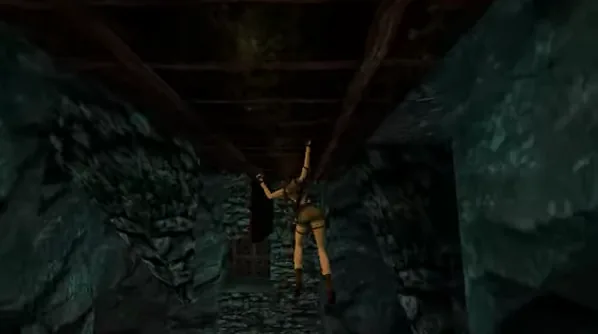
Overhead traversal
The character hangs by their hands and moves beneath a horizontal support. The route depends on usable overhead grips.
Tomb Raider III (1998) ↗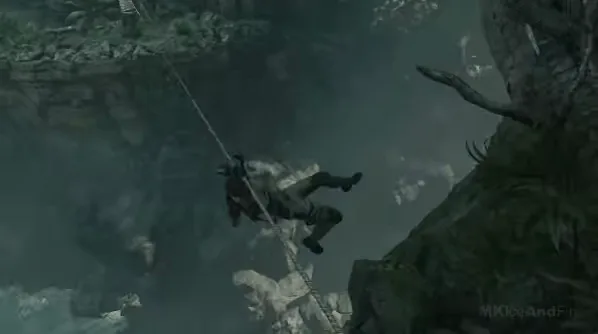
Tyrolean traverse
The character grips a taut rope with hands and legs and advances above a drop, connecting two distant supports.
Shadow of the Tomb Raider (2018) ↗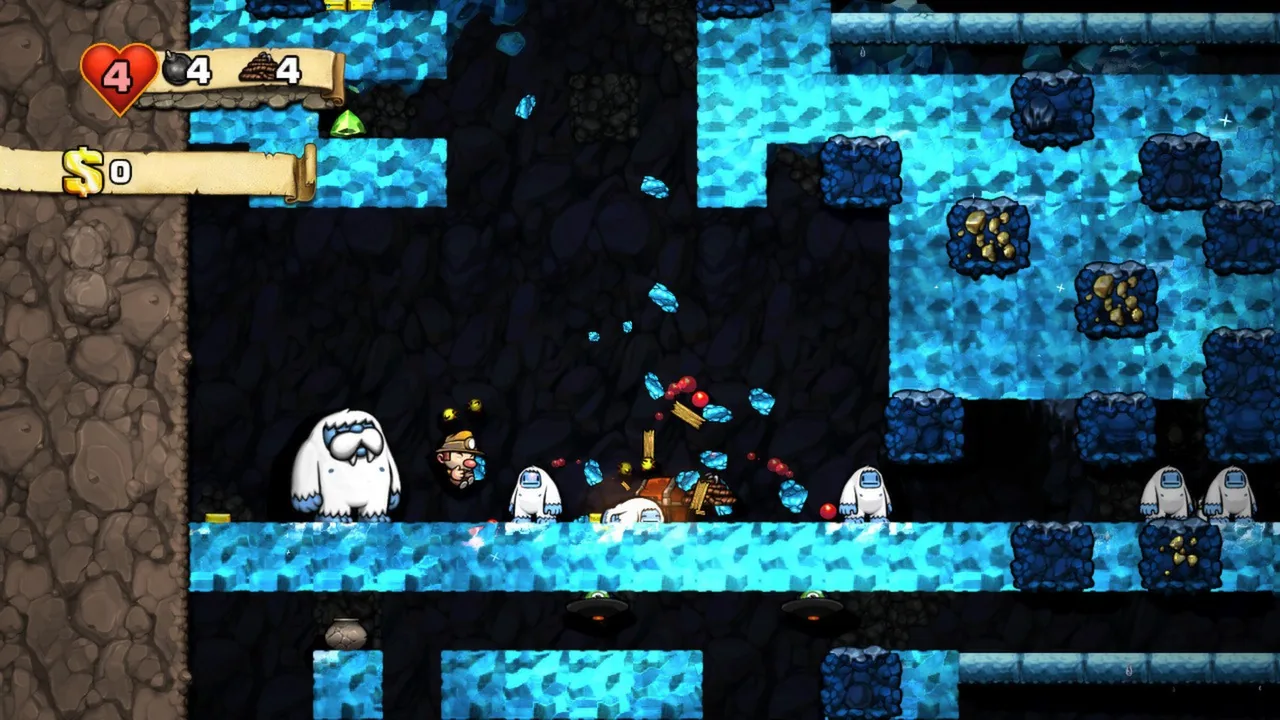
Moving on ice
A slippery surface changes grip and braking. The player must stop earlier and account for momentum near platform edges.
Spelunky ↗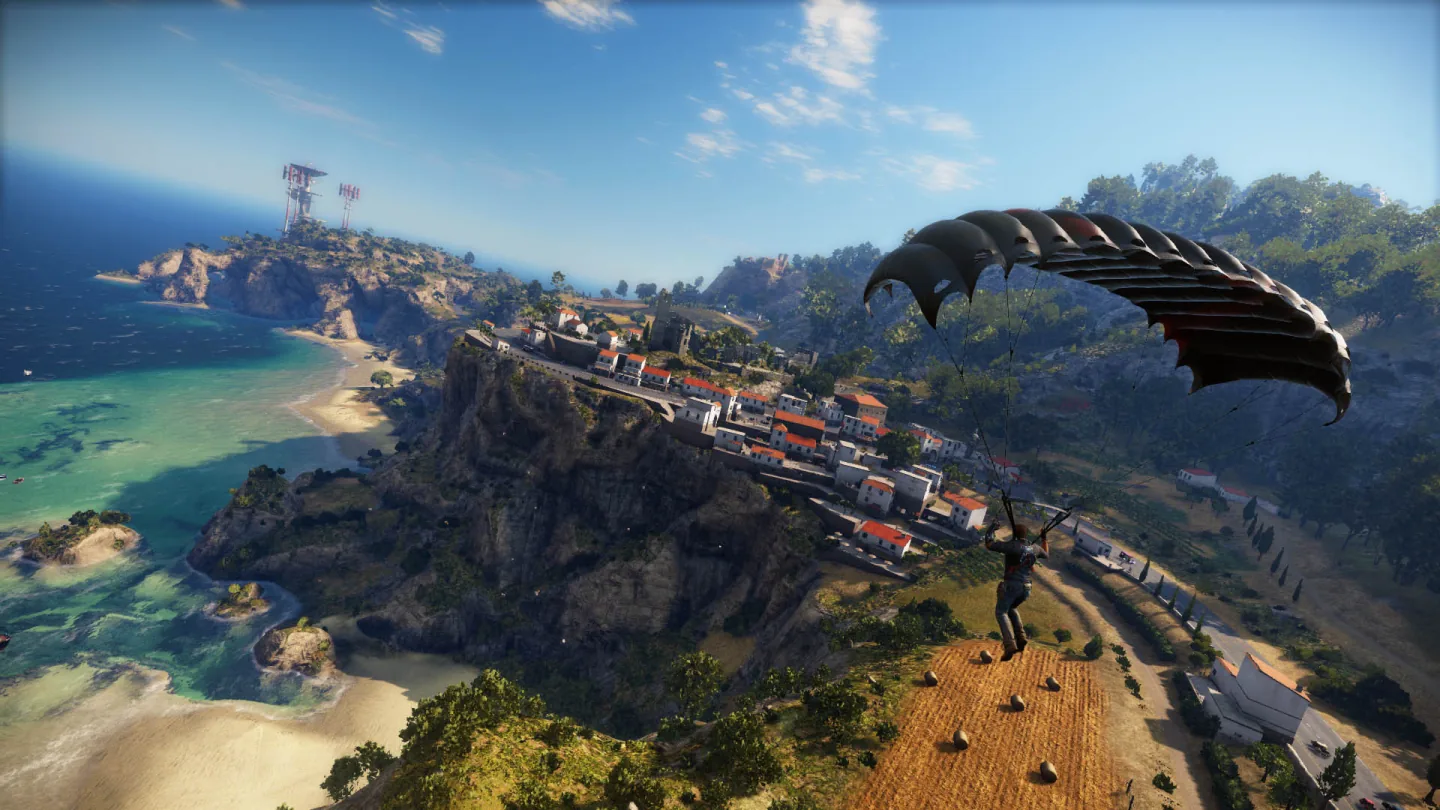
Parachuting
An open canopy slows the fall and allows control over the landing point. The player considers altitude, descent speed and obstacles.
Just Cause 3 ↗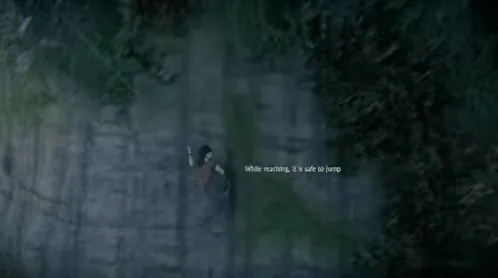
Rope-assisted wall running
A rope keeps the character near a wall while they move along it and build momentum. Release timing determines the next jump.
Uncharted: The Lost Legacy (2017) ↗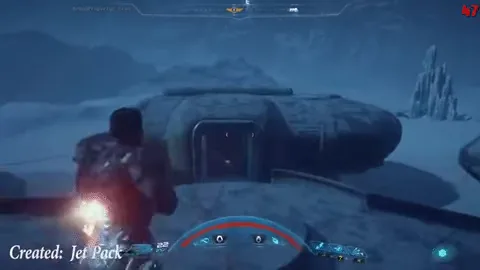
Jetpack
A jetpack supplies thrust for ascent and midair correction. Limited operating time shapes its range and when to activate it.
Mass Effect: Andromeda (2017) ↗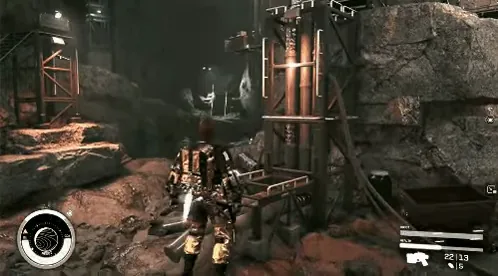
Jump boost pack
A short impulse extends a jump or lifts the character higher. The player combines boosts with momentum and available thrust.
Starfield (2023) ↗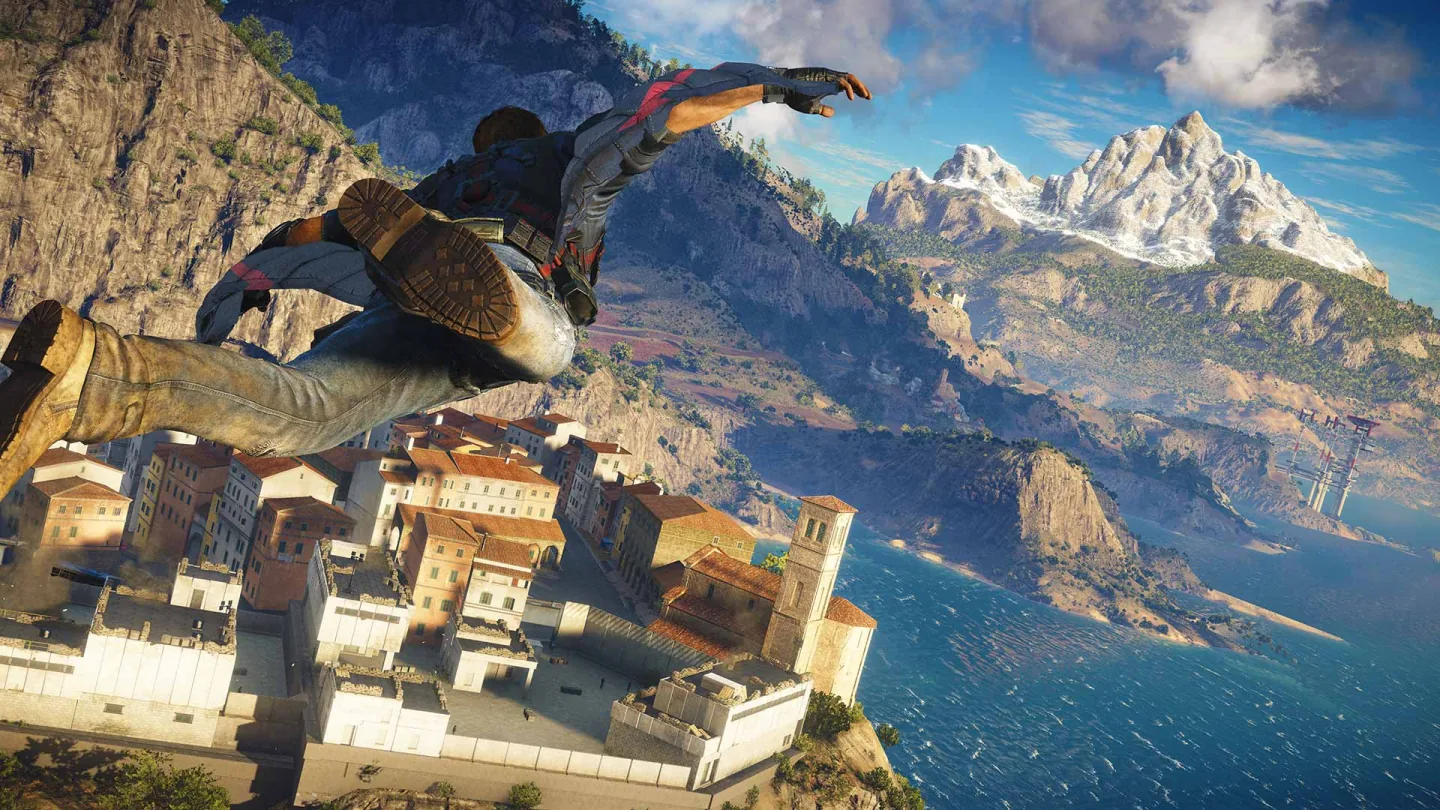
Wingsuit flight
The suit turns falling into gliding. The player changes body position, trading altitude for speed and distance to the next landmark.
Just Cause 3 ↗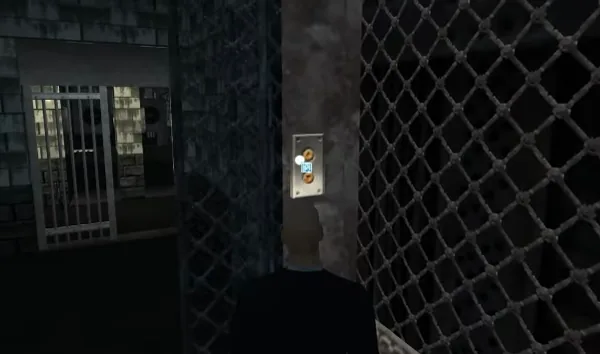
Elevators
A moving platform connects levels and carries the character between them. Calling, waiting for and leaving it should be understandable.
Hitman: Codename 47 (2000) ↗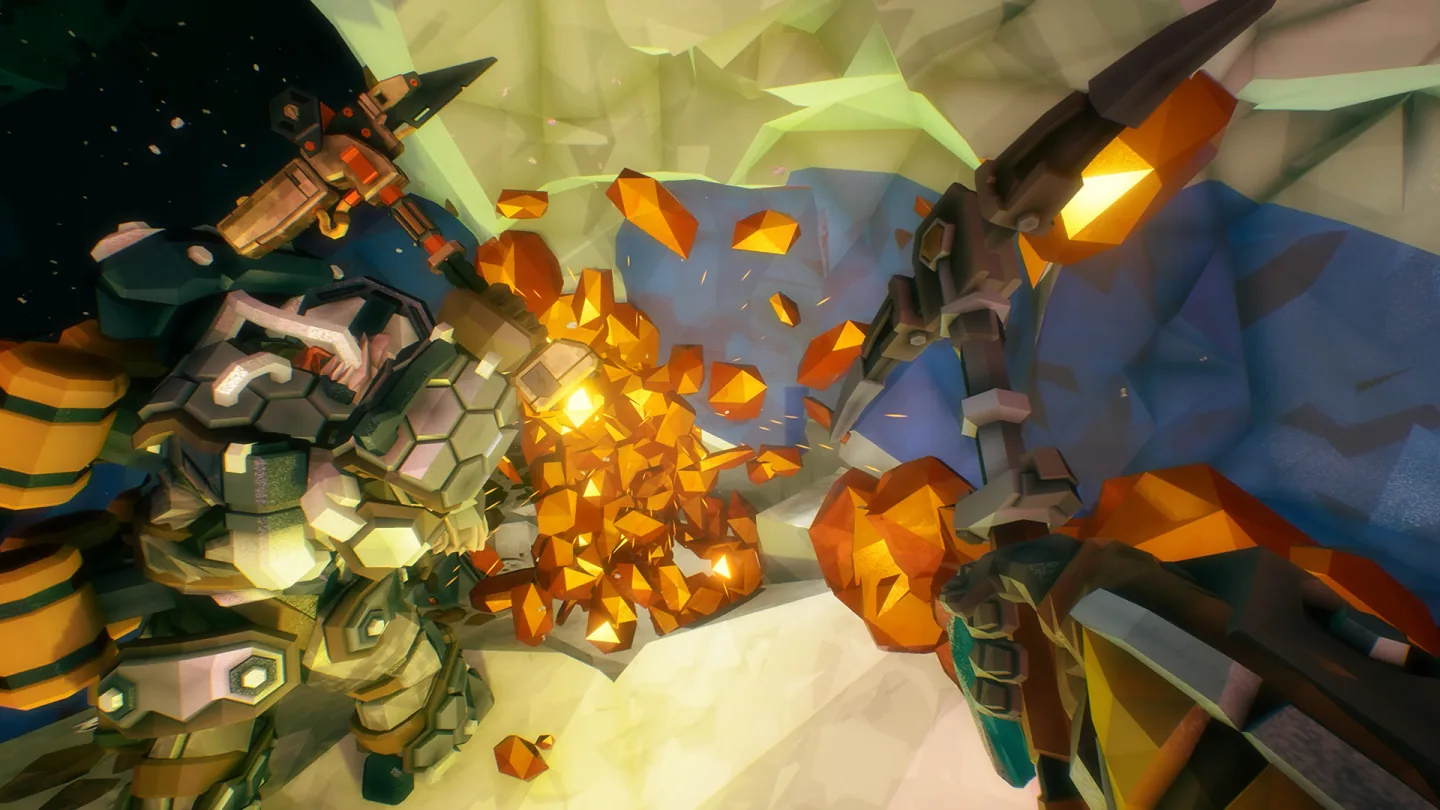
Terrain deformation
Actions reshape the terrain, creating pits, passages and footholds. The altered surface affects what the player can do next.
Deep Rock Galactic ↗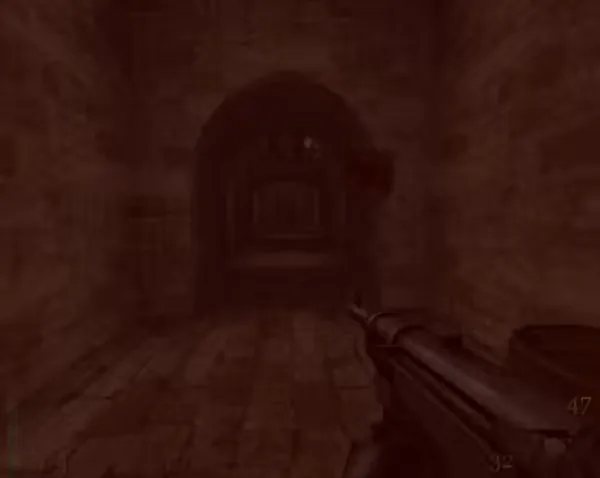
Damage feedback
A hit changes the image, sound or interface. The player immediately recognizes damage and can seek cover.
Return to Castle Wolfenstein (2001) ↗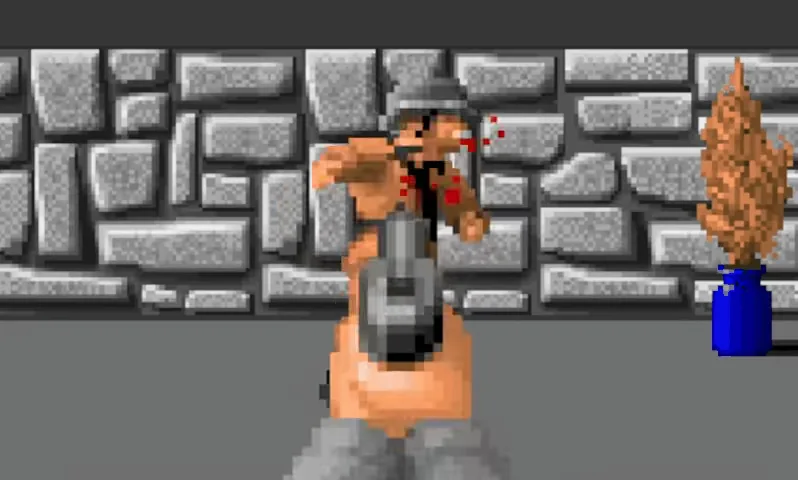
Enemy hit reaction
An enemy flinches, changes pose or interrupts an action when hit. The visible reaction confirms the attack connected.
Wolfenstein 3D (1992) ↗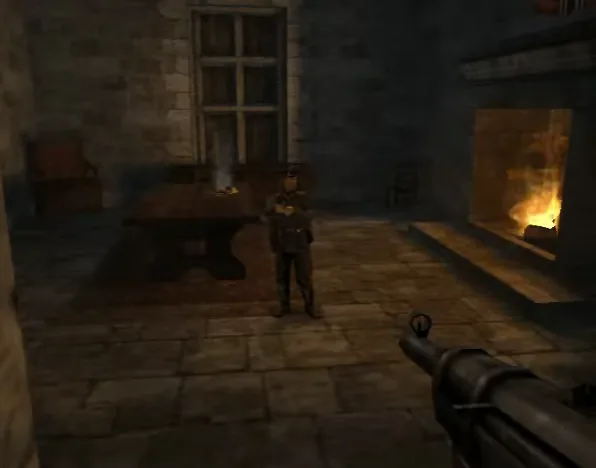
Enemy reload
After emptying a magazine, an enemy stops firing to reload. This pause creates an opening to move or attack.
Return to Castle Wolfenstein (2001) ↗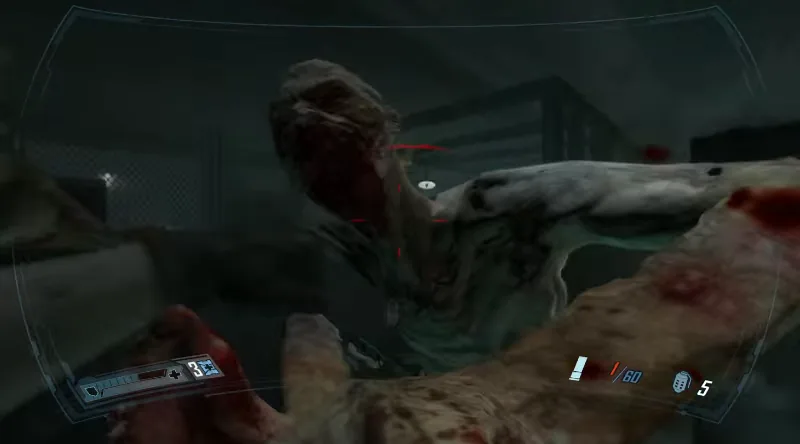
Escape a grapple
When an enemy grabs the hero, a special action breaks the hold. The prompt should clearly show the required input and the escape moment.
F.E.A.R. 2: Project Origin (2009) ↗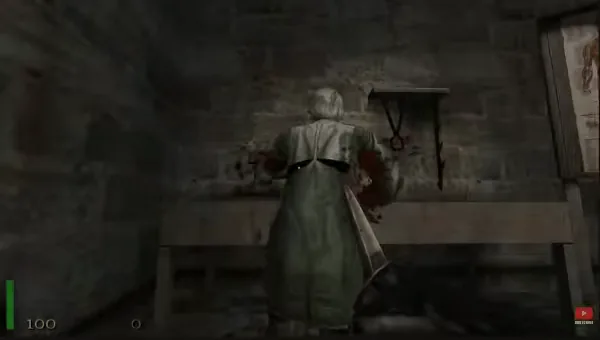
Stab
A thrust with a weapon’s point strikes at close range. Distance and contact timing determine whether the attack reaches its target.
Return to Castle Wolfenstein (2001) ↗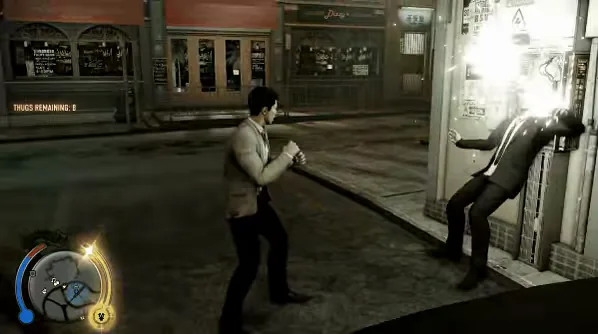
Environmental takedown
The hero uses a nearby object against a grabbed enemy. The environment becomes part of the combat move.
Sleeping Dogs (2012) ↗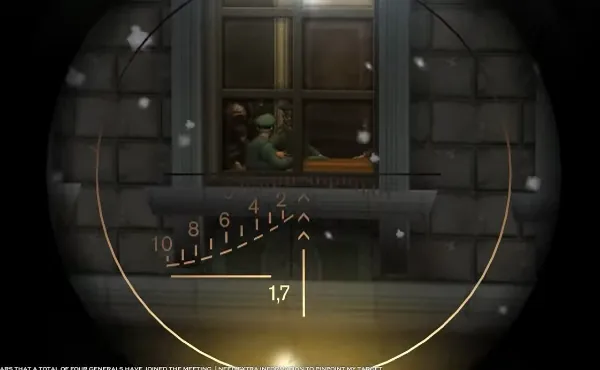
Sniping
Magnification and a precise sight help hit a distant target. The narrow view makes positioning and shot timing important.
Hitman 2: Silent Assassin (2002) ↗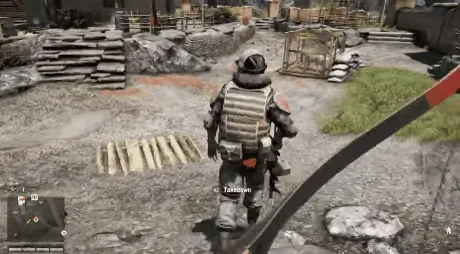
Clear an outpost
The player defeats an enemy location’s defenders. Completing the encounter changes its state and may open safe access to the area.
Far Cry 4 (2014) ↗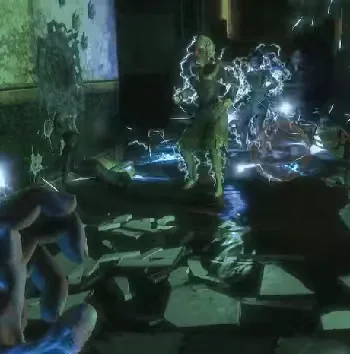
Electrocuting enemies
An electrical effect deals damage or briefly disrupts an enemy’s actions. Visible arcs help identify affected targets.
BioShock (2007) ↗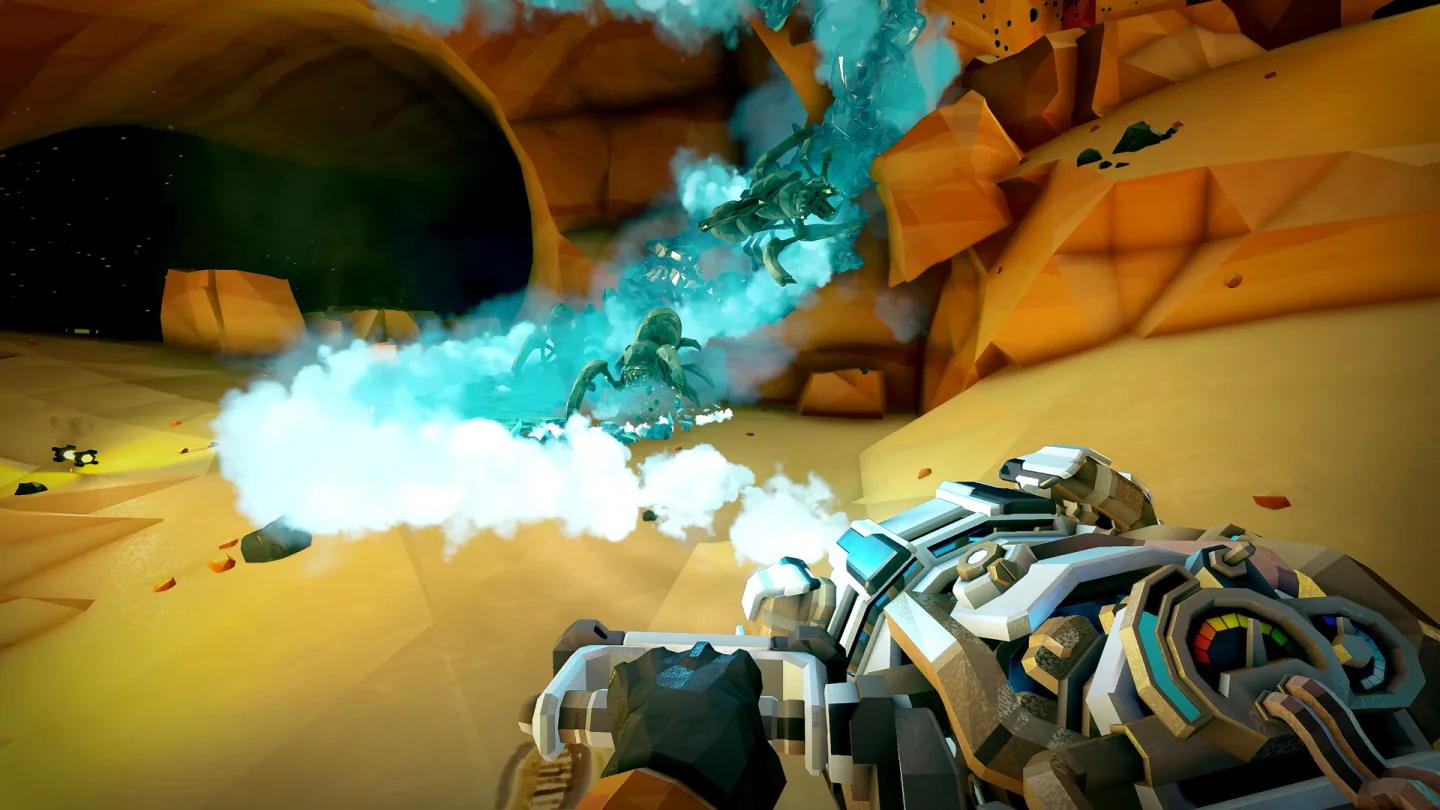
Freezing enemies
Cold temporarily immobilizes an enemy or restricts its actions, creating an opening to attack, retreat or help a teammate.
Deep Rock Galactic ↗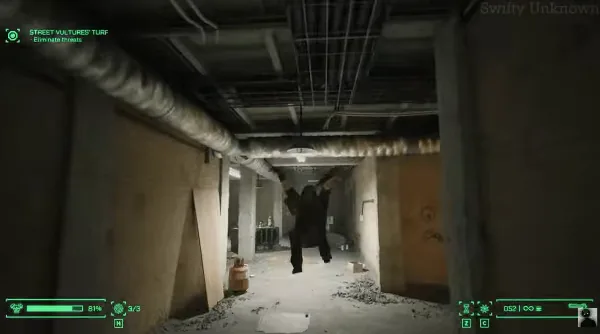
Throw an enemy
After a grab, the player throws an enemy in a chosen direction. Target position, obstacles and landing space become part of the attack.
RoboCop: Rogue City (2023) ↗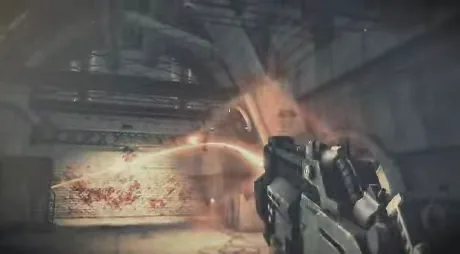
Homing projectiles
A missile or other projectile adjusts its path toward a selected target after launch. The player selects the target and the system guides the projectile.
Resistance 3 (2011) ↗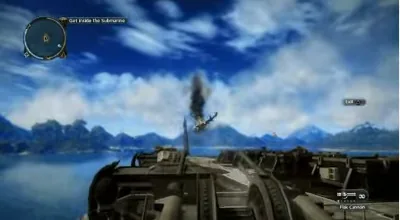
Shoot down a helicopter
The player damages an aerial target until it is destroyed. Helicopter movement requires watching the sky and choosing attack timing.
Just Cause (2006) ↗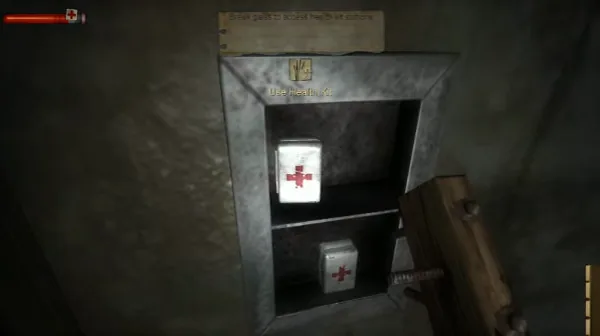
Health pickup
A medkit in the world restores health when collected or used. Its placement connects route risk with an opportunity to recover.
Condemned: Criminal Origins (2006) ↗Health station
A fixed location restores health through interaction. The player must reach it and stop to recover.
Condemned: Criminal Origins (2006) ↗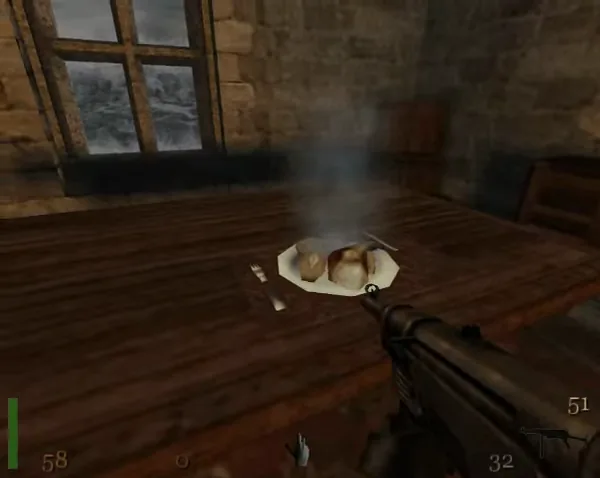
Eat to heal
Eating restores some health. Food in the environment becomes a useful resource as well as part of the scene.
Return to Castle Wolfenstein (2001) ↗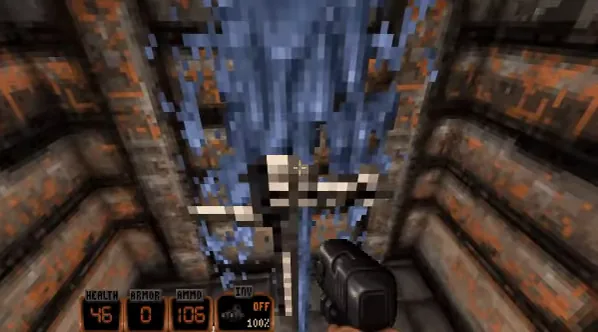
Drink to heal
Drinking restores the character’s health. A water source or drink supply determines where and for how long recovery is possible.
Duke Nukem 3D (1996) ↗Healing by resting
A safe resting place restores health before the journey continues. Rest can compete with upgrading or another useful action.
Slay the Spire ↗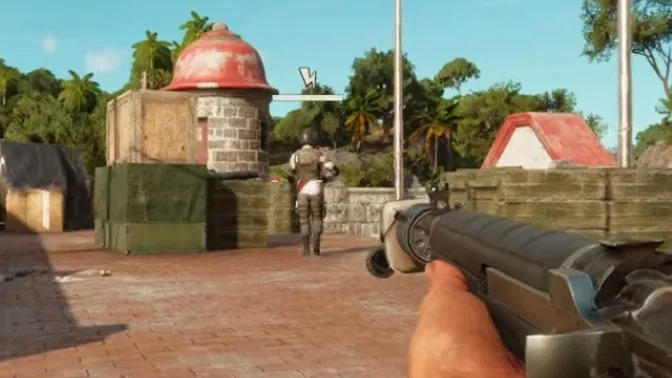
Floating health bars
A health bar follows a character on screen. The player can associate remaining health with a specific target within the combat scene.
Far Cry 6 ↗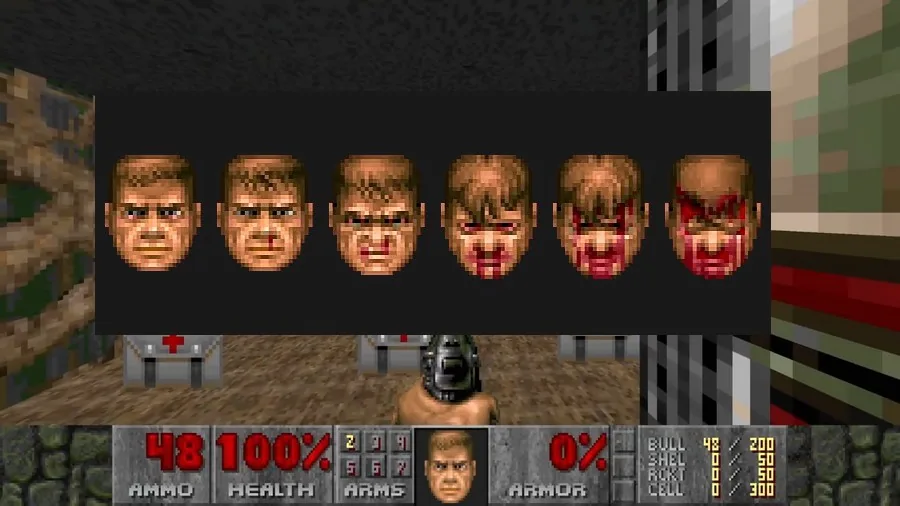
Health-based portrait
The hero’s face changes as health is lost. Increasing injury turns the portrait into an expressive status indicator.
Doom (1993) ↗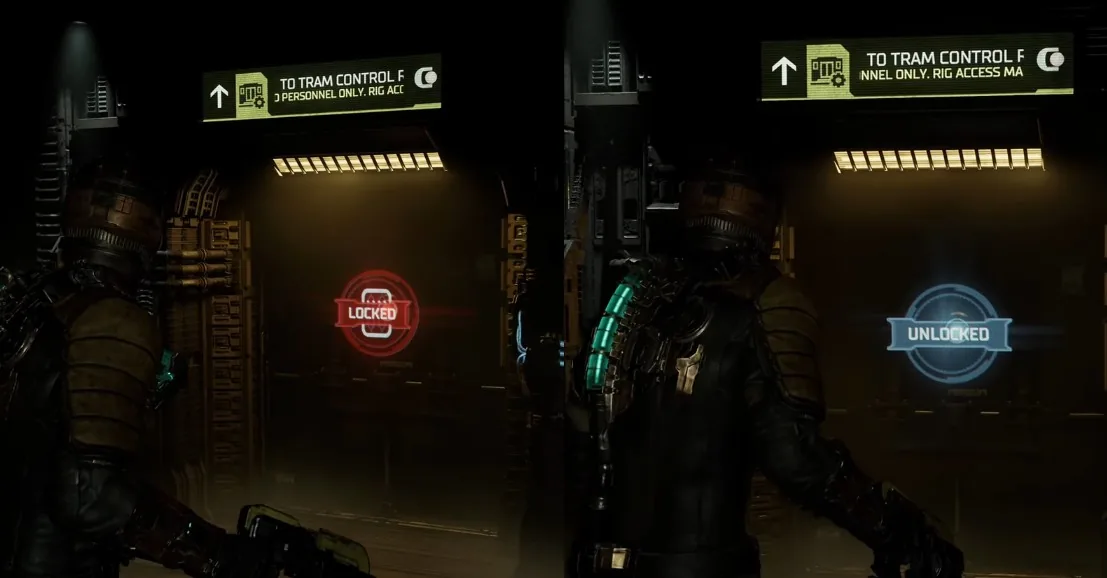
Visible door lock state
A light, label or icon on a door shows whether passage is available. The player learns its lock state before trying to open it.
Dead Space (2023) ↗Diegetic interface
Information appears on objects within the game world, such as screens, instruments and tools, so players read it in context.
Deep Rock Galactic ↗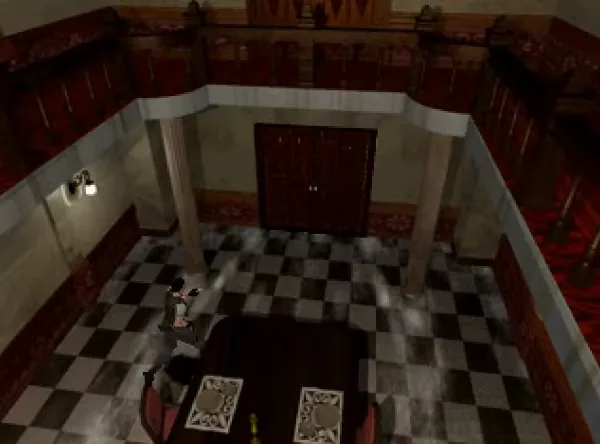
Fixed camera angles
The camera uses preselected positions and switches as the hero moves. Each angle controls composition and the amount of visible information.
Resident Evil (1996) ↗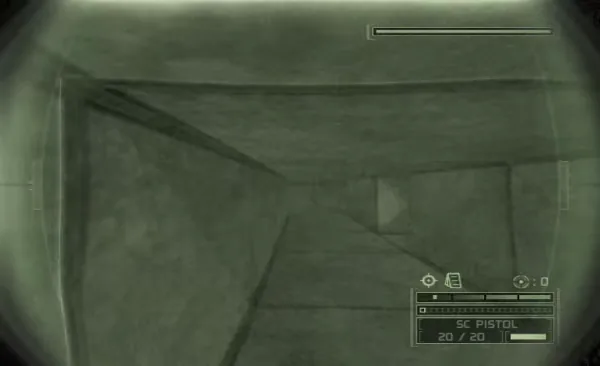
Night vision
A special viewing mode helps navigation in darkness. Switching it on changes scene readability and which details stand out.
Splinter Cell: Chaos Theory (2005) ↗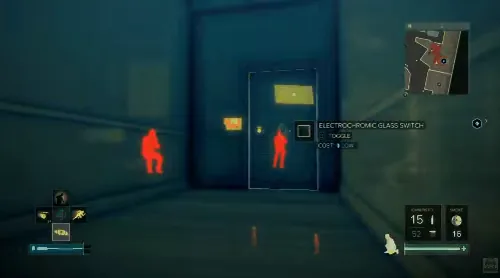
See-through vision
A special mode reveals targets behind opaque surfaces. The player gains planning information before making direct contact.
Deus Ex: Mankind Divided (2016) ↗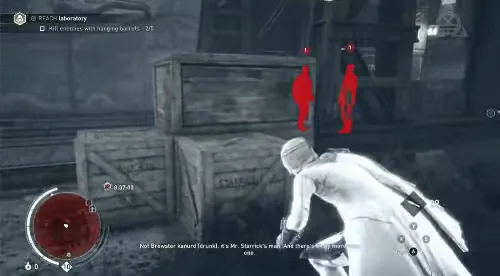
Special vision
A special perception mode highlights important targets and world features. It helps reveal information that is hard to read in the normal view.
Assassin's Creed Unity (2014) ↗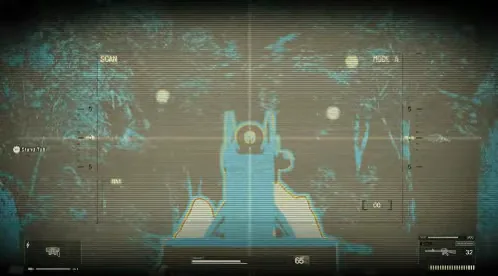
Thermal vision
The mode turns temperature differences into contrasting shapes. Warm targets become easier to distinguish from their surroundings.
Metal Gear Solid Delta: Snake Eater (2025) ↗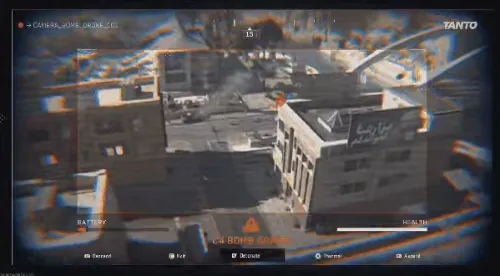
Recon drone
The player controls a drone’s remote camera to scout terrain and mark threats. The hero remains elsewhere during reconnaissance.
Call of Duty: Warzone (2022) ↗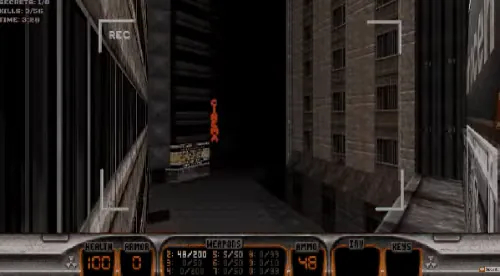
CCTV access
The player views a remote area through a fixed camera. This helps plan a route without entering the space.
Duke Nukem 3D (1996) ↗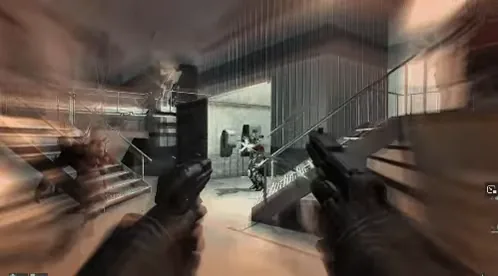
Bullet time
The world temporarily moves more slowly, giving the player more time to aim and react. A limited resource makes activation timing a choice.
F.E.A.R. (2005) ↗
Bullet camera
After a shot, the camera follows the projectile toward its target. The brief change of view emphasizes distance and impact.
Sniper Ghost Warrior Contracts (2019) ↗
Raindrops on screen
Droplets on the implied lens bring rain into the image itself. The effect strengthens presence while preserving readable gameplay.
Driveclub (2014) ↗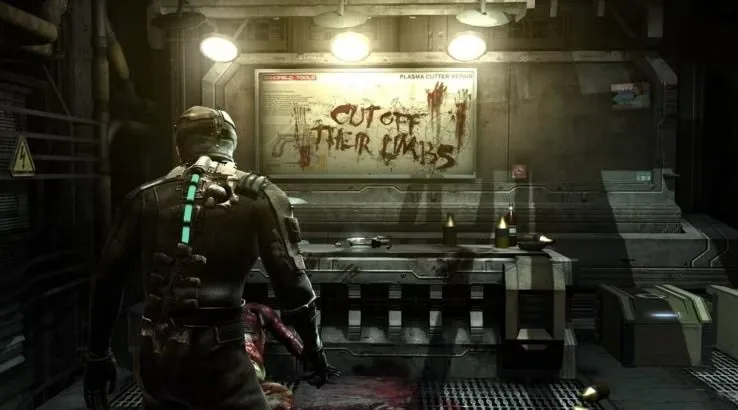
In-world hints
A message, sign or line of dialogue within the world explains an action. The player learns a rule while continuing to explore the scene.
Dead Space (2023) ↗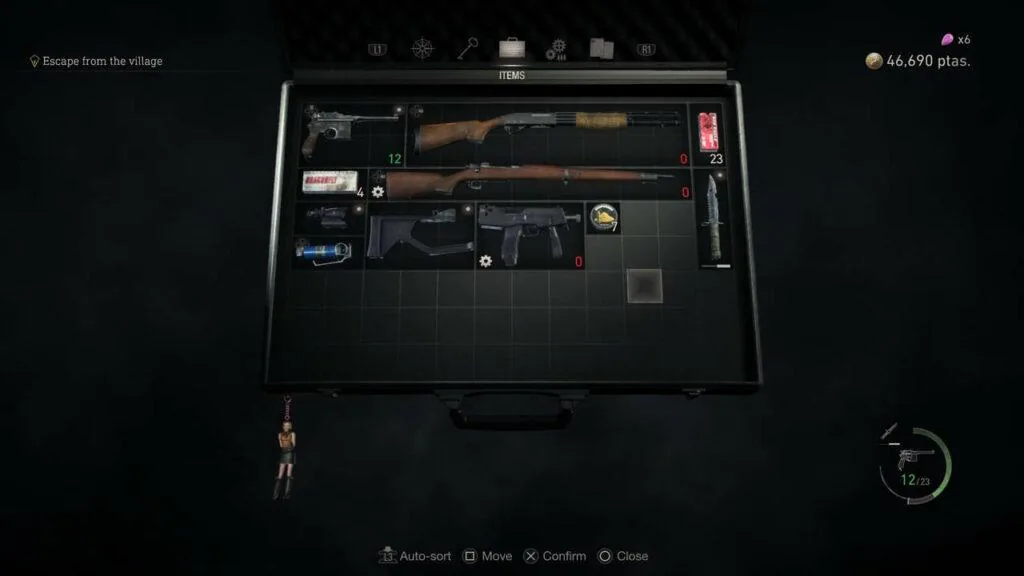
Inventory packing
Items occupy different amounts of space in a limited grid. The player moves and rotates them to make room for what matters.
Resident Evil 4 (2023) ↗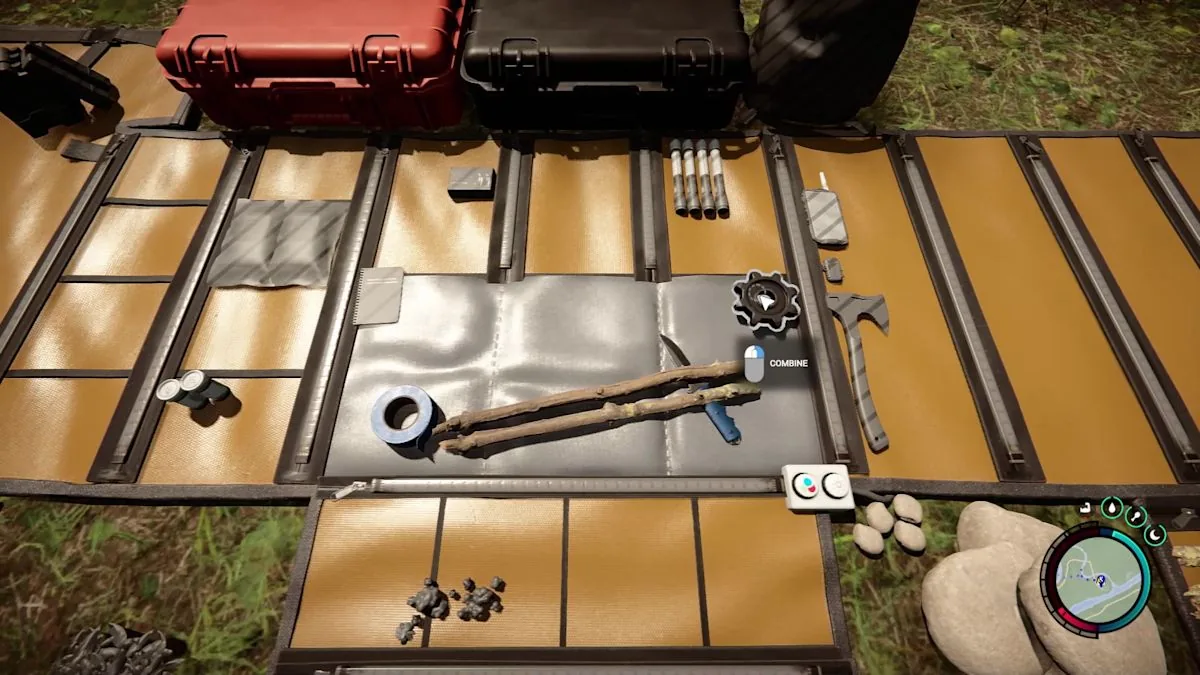
In-world inventory
The hero lays items out in a physical container or on a surface. Choosing an item remains part of the scene and the character’s actions.
Sons of the Forest ↗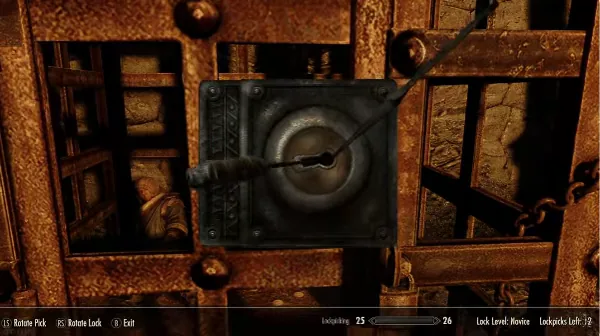
Lockpicking
The player finds a tool position or spends a resource to open a lock. Success connects precise action with access to a passage or loot.
The Elder Scrolls V: Skyrim ↗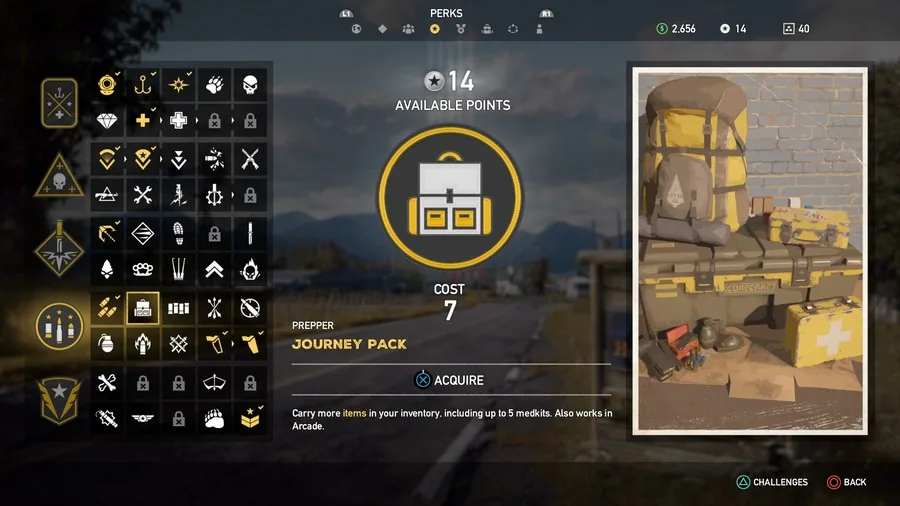
Perk system
The player chooses upgrades that change the hero’s properties or action rules. Costs and selection limits shape a character build.
Far Cry 5 ↗
Destructible barriers
Destroying a barrier opens a route or access to its contents. Material and damage cues show where force can be applied.
Return to Castle Wolfenstein ↗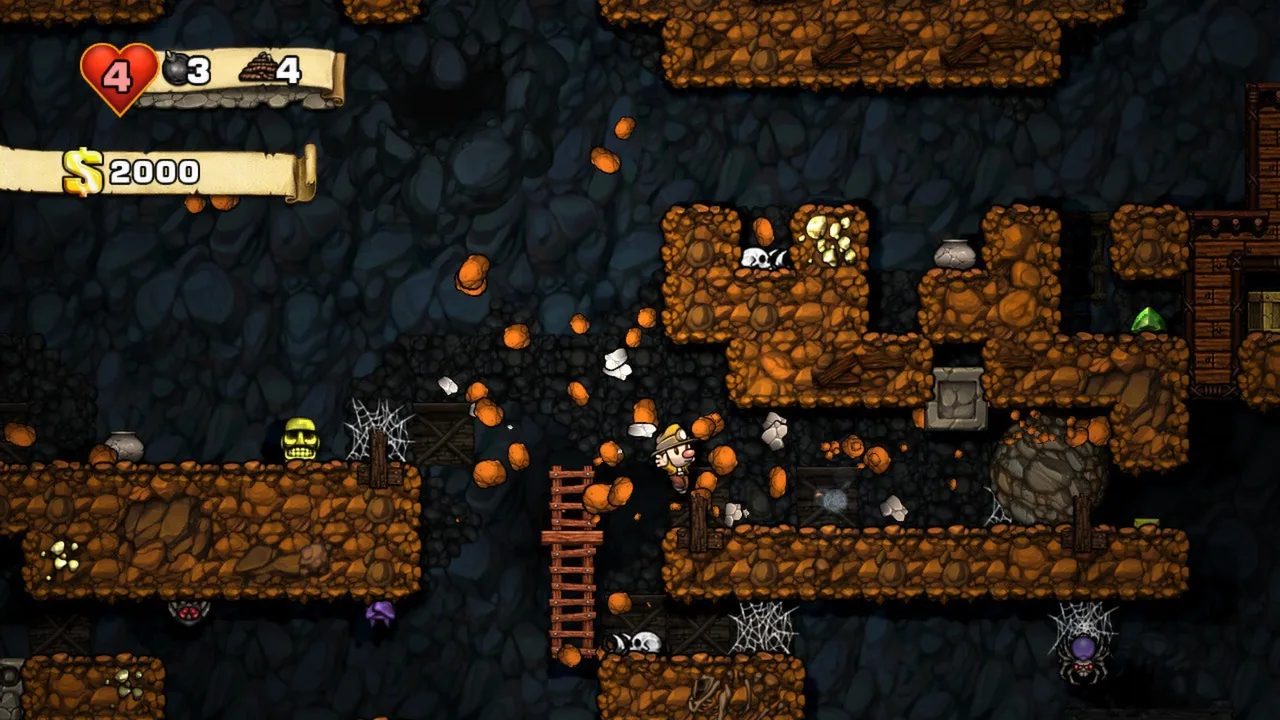
Clearing a path with explosives
An explosion removes a barrier and opens a route. The player weighs the new passage against explosive cost and nearby danger.
Spelunky ↗
Clear obstacles with fire
Fire destroys a flammable barrier and opens a passage. The player connects a fire source to a suitable environmental material.
Uncharted: Drake’s Fortune ↗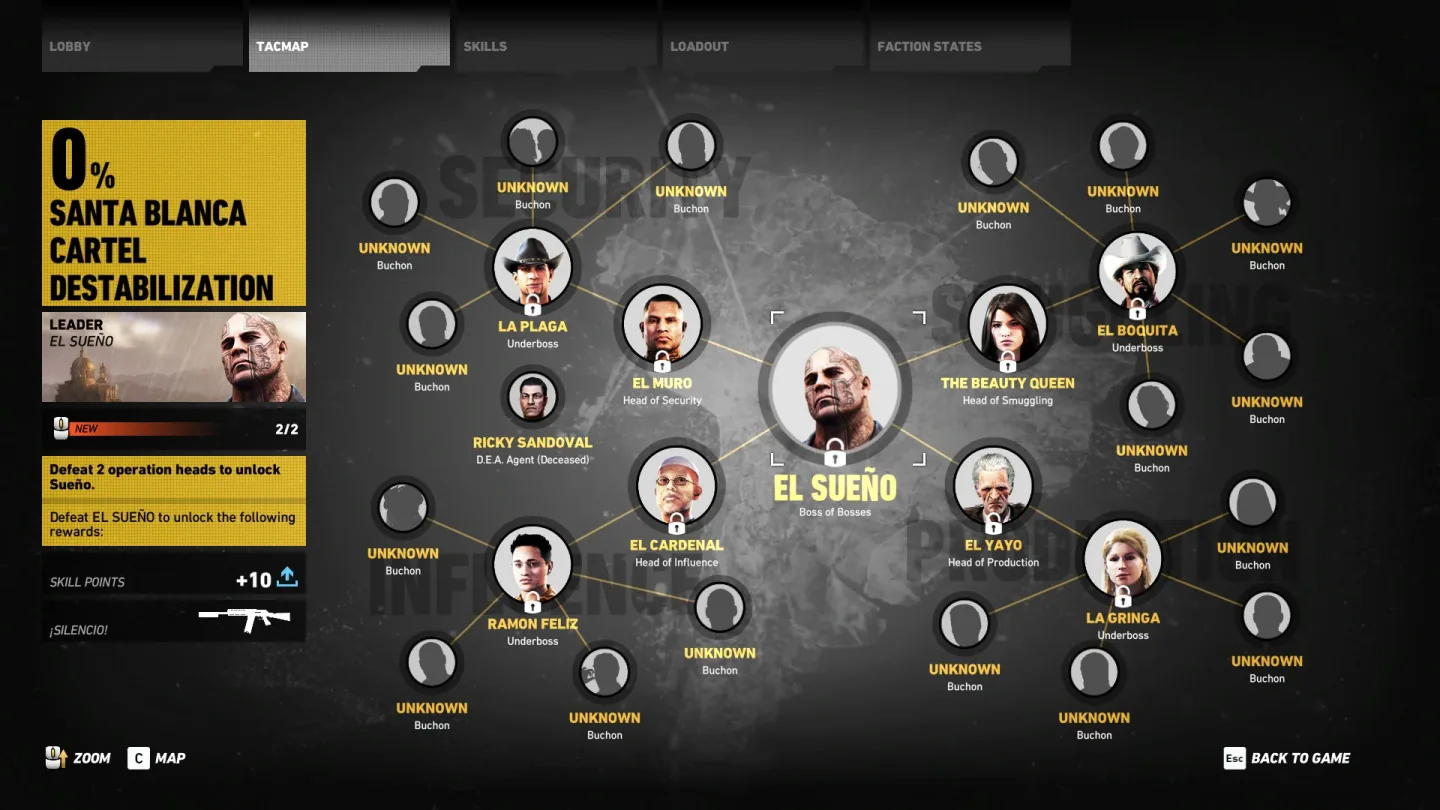
Boss hierarchy
Bosses are connected by hierarchy or access requirements. Defeating lower tiers brings the player closer to the main target.
Tom Clancy’s Ghost Recon: Wildlands ↗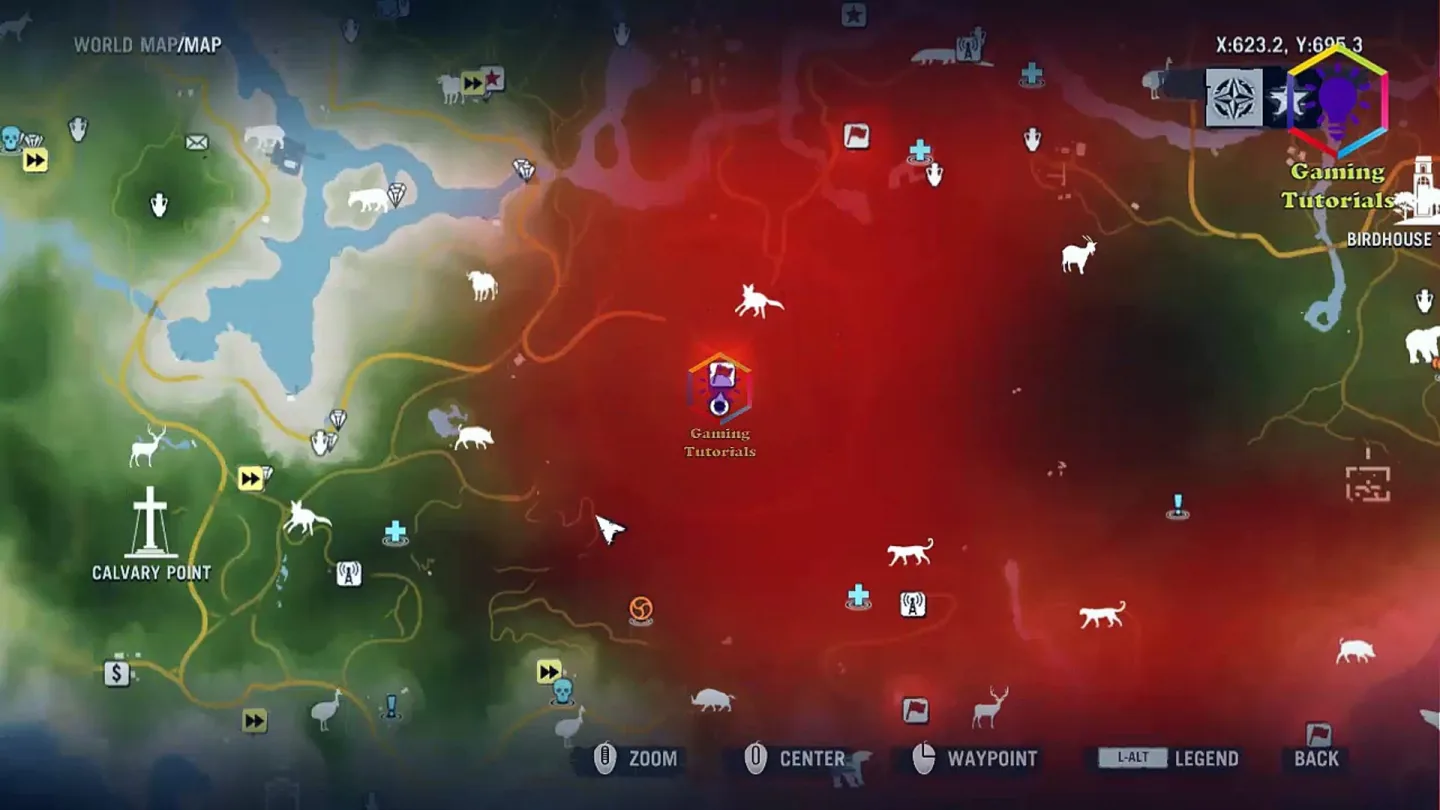
Territory liberation
Local victories change control over map regions. The map and world behavior show where enemy influence has weakened.
Far Cry 3 ↗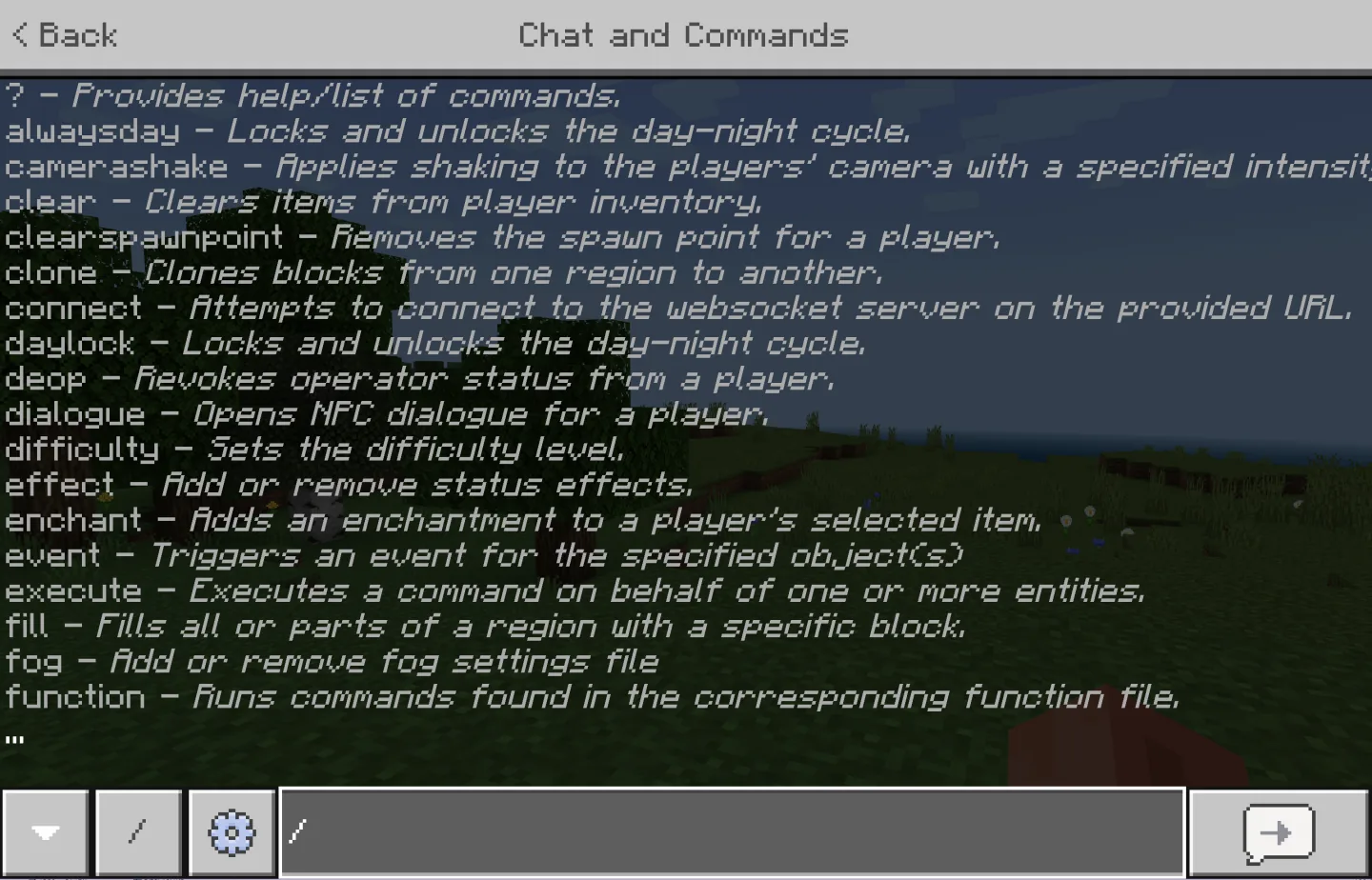
Cheat codes and commands
A special command changes normal rules: it grants items, switches modes or alters the world. The game determines access to these commands.
Minecraft ↗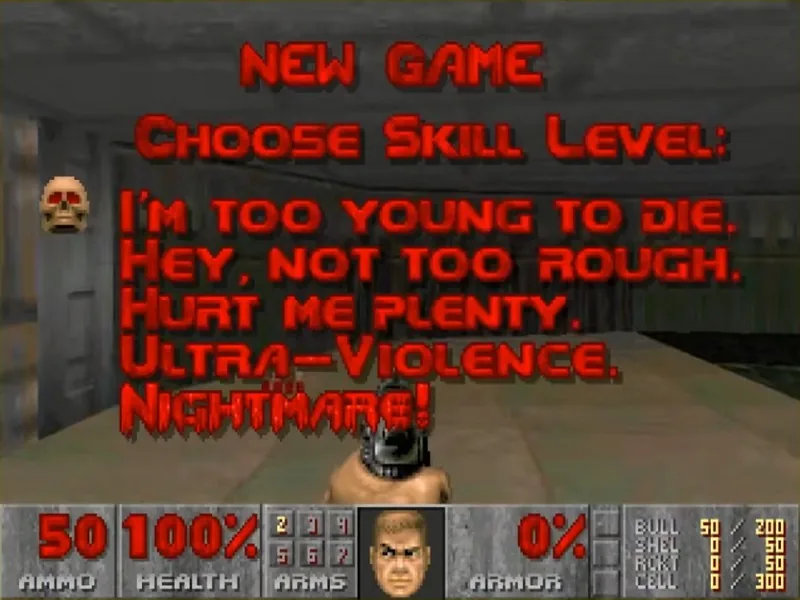
Difficulty selection
The selected mode changes challenge parameters or available assistance. The player chooses a suitable challenge for their experience and goals.
Doom ↗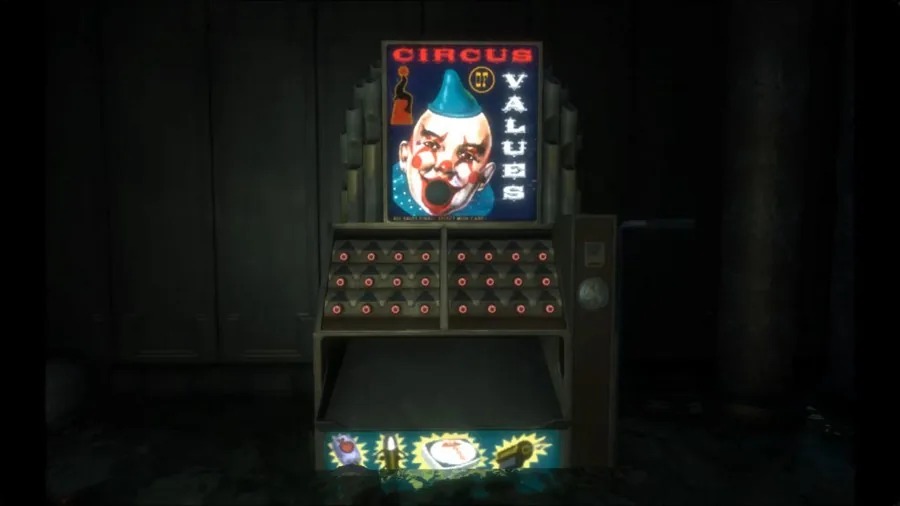
Vending-machine shop
The player buys goods through a device in the world. The machine’s location connects resupply to routes and current threats.
BioShock ↗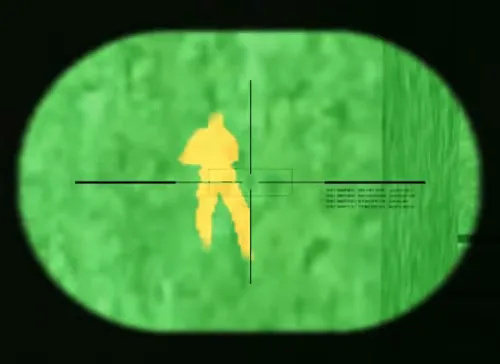
Wall-penetrating weapons
A shot passes through a penetrable barrier. The player can attack a target behind cover while considering material and enemy position.
Red Faction ↗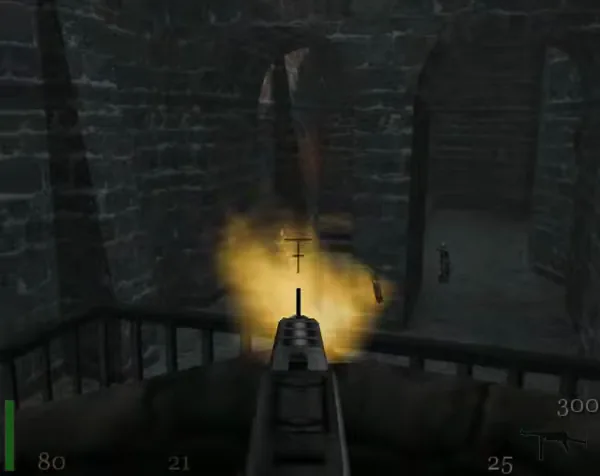
Mounted machine gun
The hero takes control of a fixed weapon emplacement. Its firepower is limited by position and the available firing arc.
Return to Castle Wolfenstein ↗Ammo displayed on the weapon
A display built into the weapon shows remaining ammunition, keeping resource information within the scene of the action.
Deep Rock Galactic ↗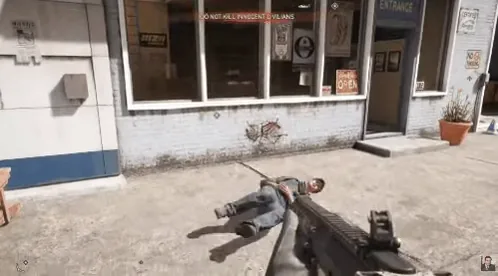
Blood decals
A hit leaves a blood mark on a wall or floor. The mark preserves evidence of the event after immediate effects disappear.
Far Cry 5 ↗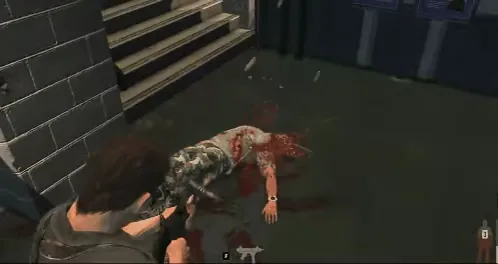
Blood splatters
A short burst of particles shows the location and timing of a hit. It fades quickly so the rest of the fight remains readable.
Max Payne 3 ↗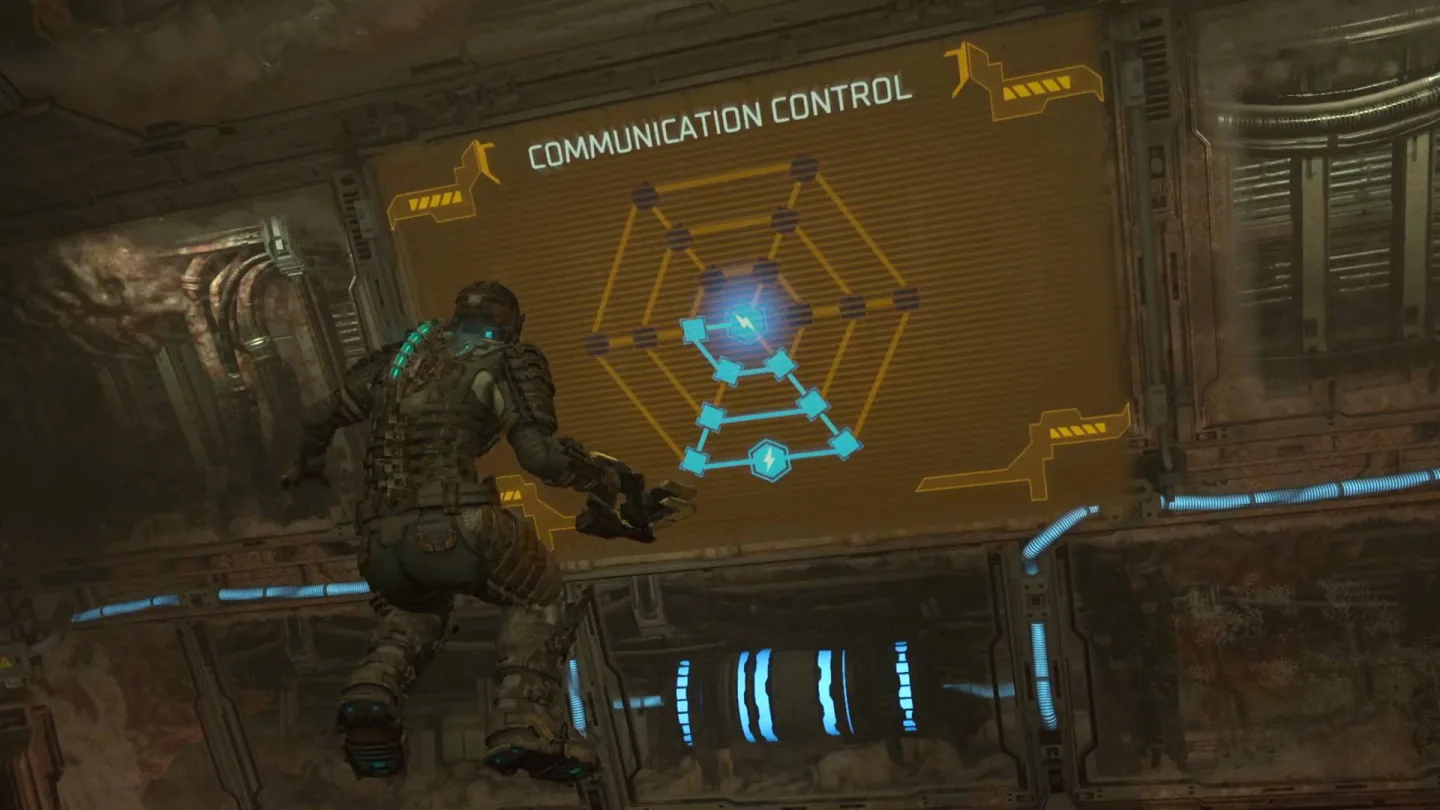
Device puzzle
The player changes a device’s connections, positions or settings. The puzzle is solved when the system reaches the required state.
Dead Space ↗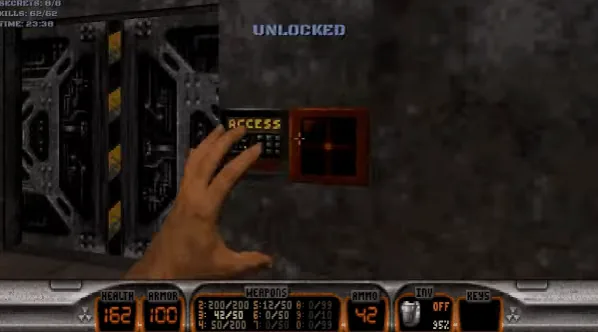
Keycard
A card with the required access opens a matching passage. Finding it and returning to the lock connects parts of the level.
Duke Nukem 3D ↗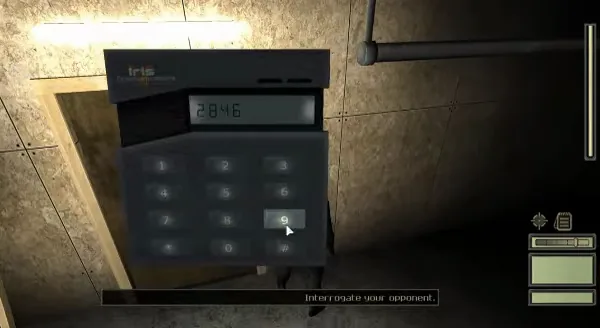
Keypad code
The player enters a discovered or known number sequence. Code verification turns knowledge into access to a door, safe or device.
Tom Clancy’s Splinter Cell ↗
Combination lock
The correct sequence of positions or symbols releases the lock. Turning a dial connects a discovered combination to player actions.
Resident Evil Requiem ↗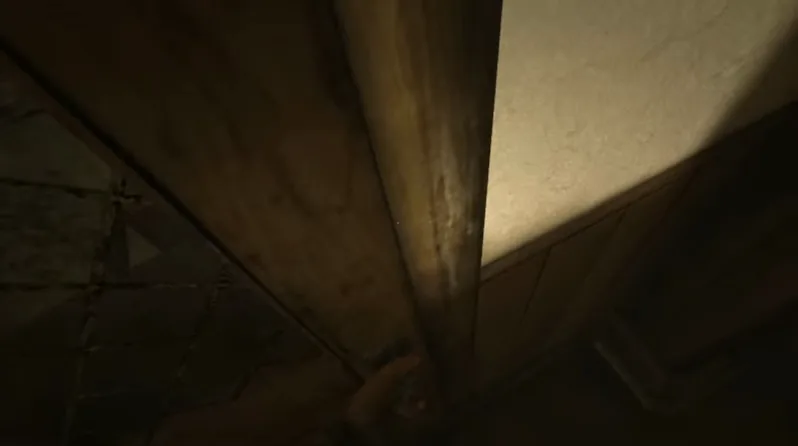
Try a locked door
Turning a handle or pushing a door confirms that it is locked. The hero’s reaction makes the blocked passage understandable.
Outlast ↗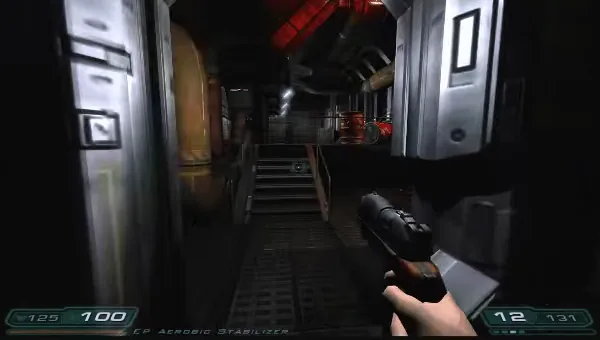
Automatic door
A door opens on approach or another defined condition. The player passes through without a separate handle interaction.
Doom 3 ↗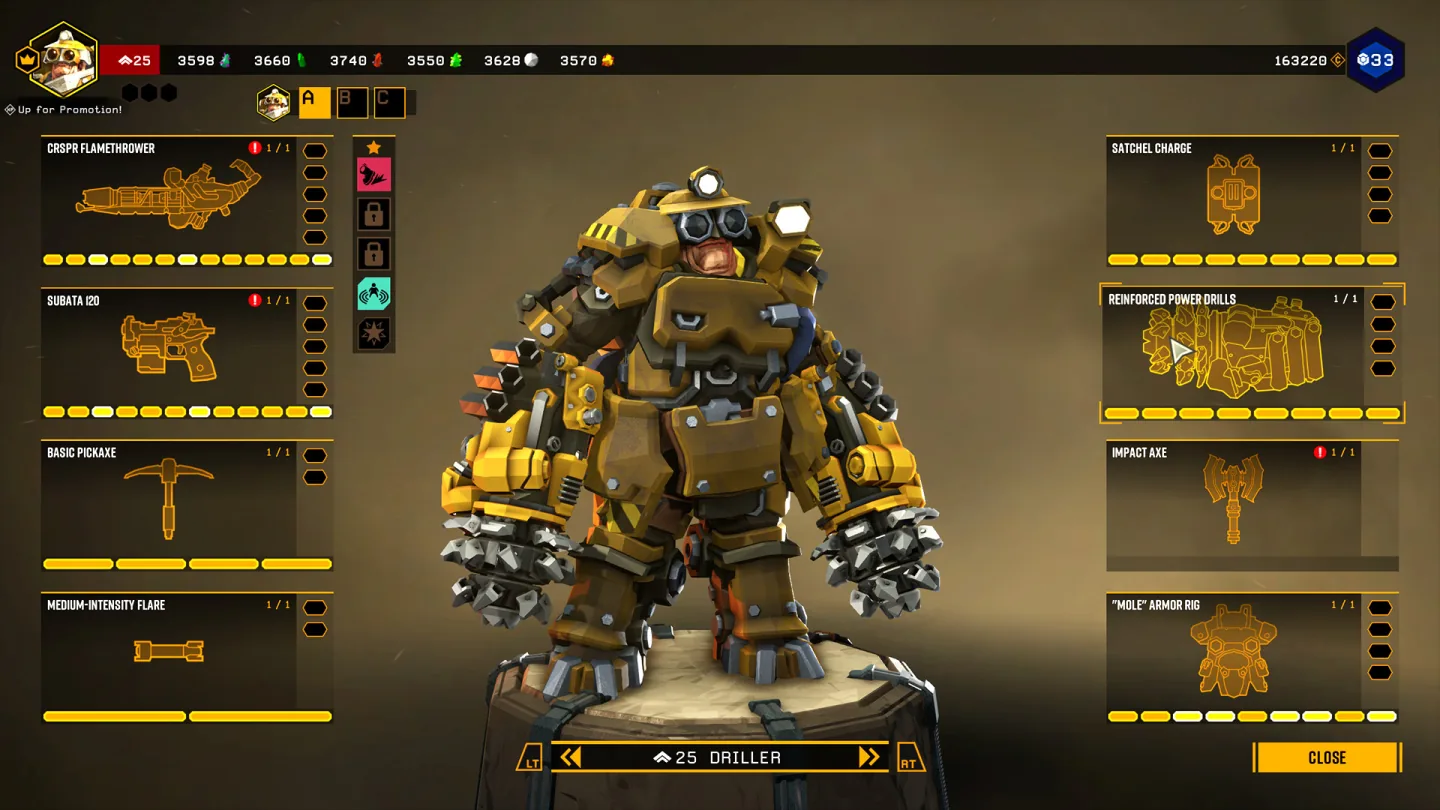
Character classes
A class defines a character’s tools, strengths and role, changing how they solve problems and contribute to a team.
Deep Rock Galactic ↗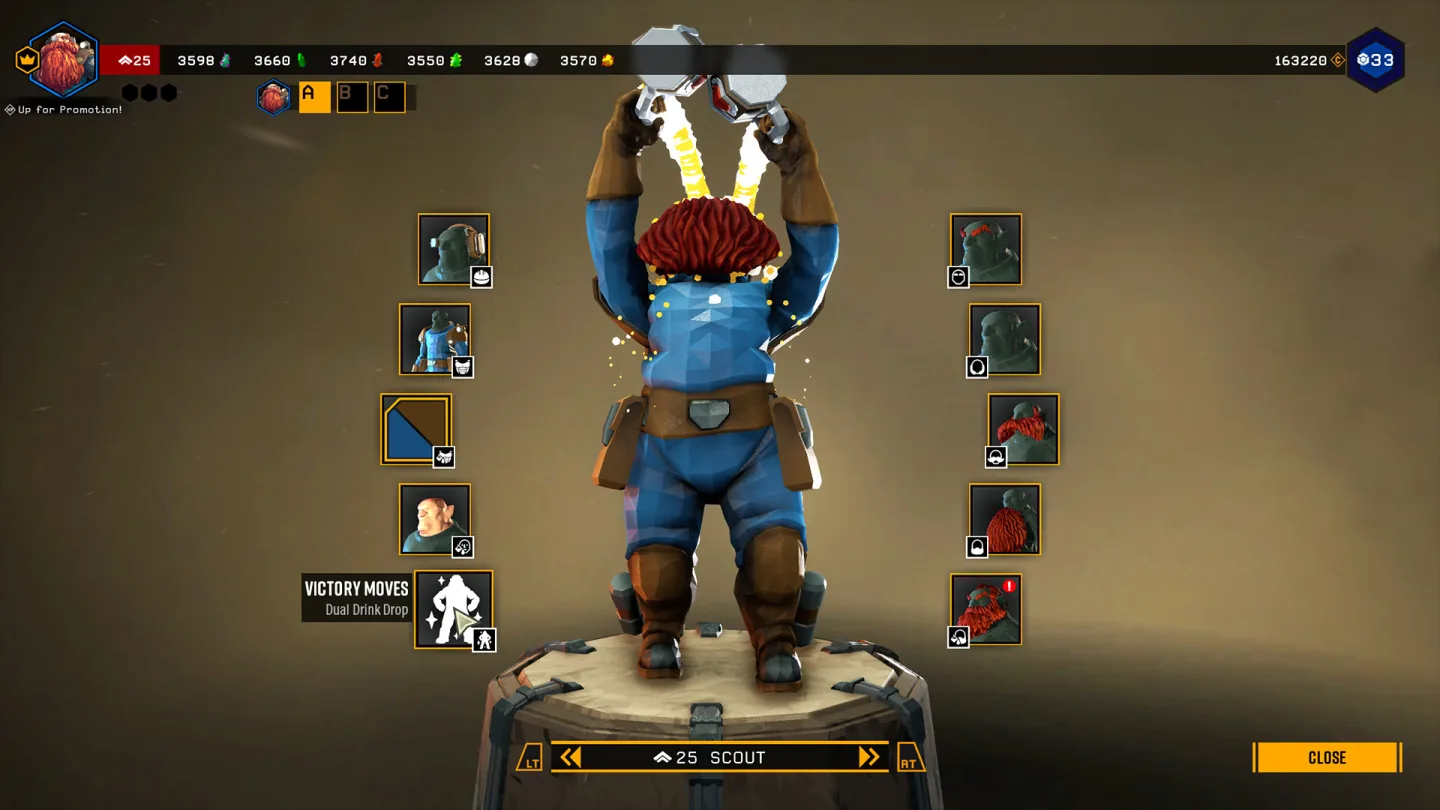
Character customization
The player changes a character’s appearance with a clear preview. The chosen look expresses preferences and makes the character recognizable.
Deep Rock Galactic ↗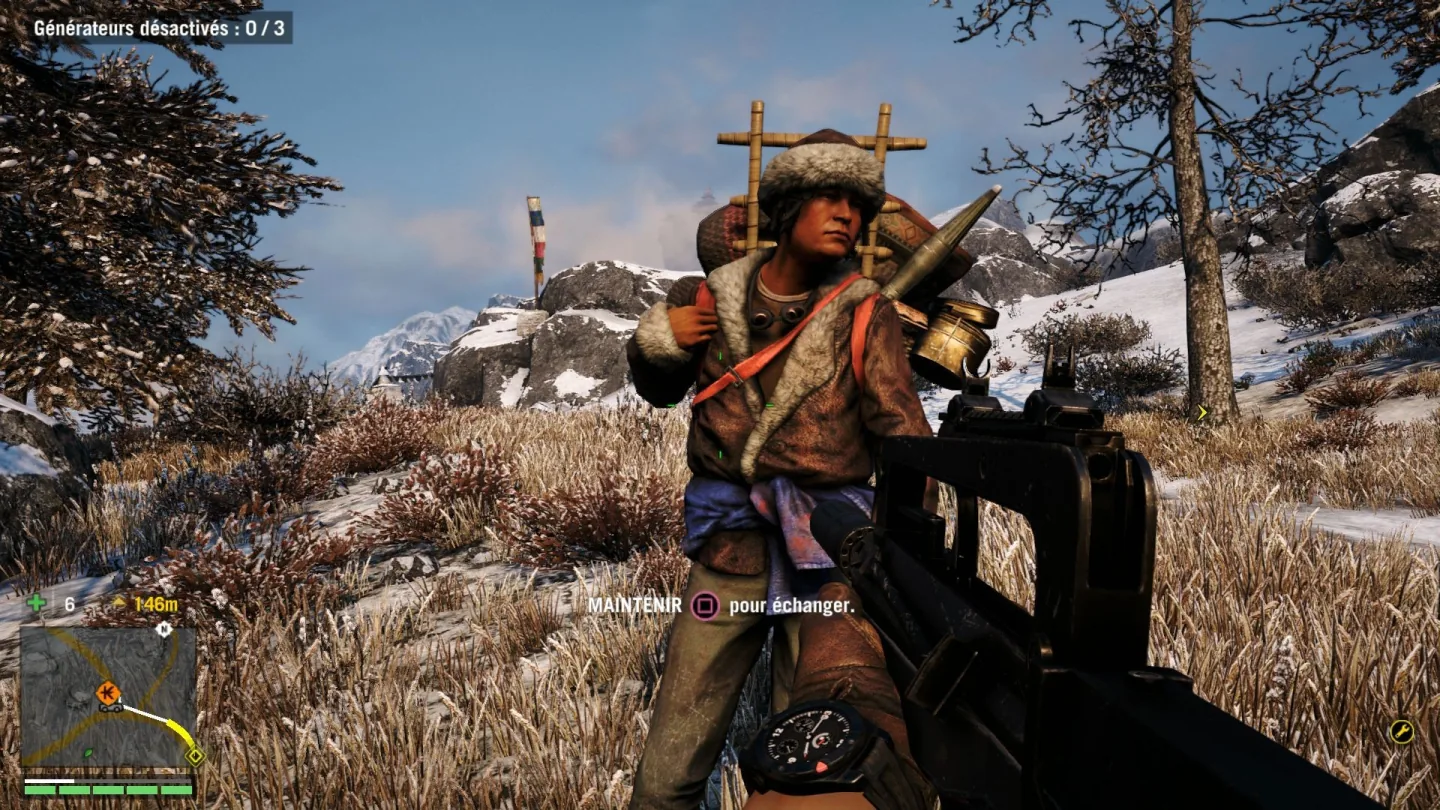
Traveling merchant
A merchant moves through the world, making trade depend on an encounter. The player decides whether to resupply now.
Far Cry 4 ↗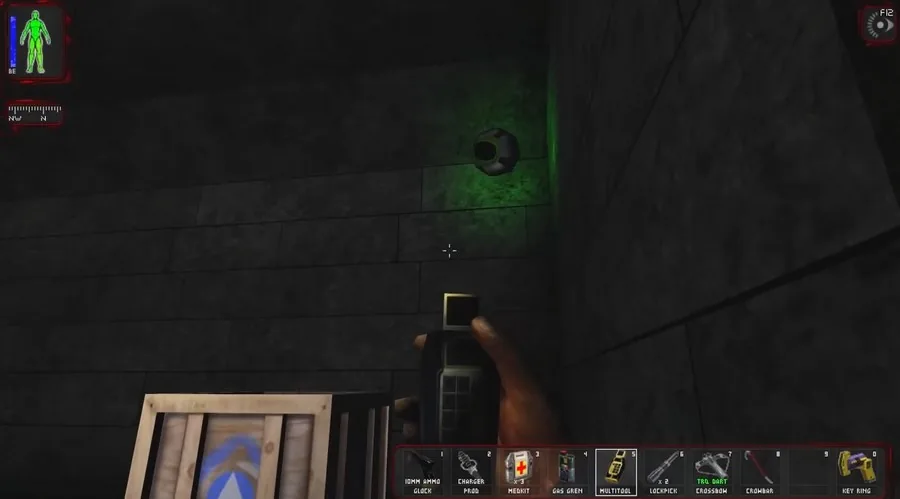
Security camera
A camera watches an area and helps detect the player. Its direction, state and response shape the conditions for sneaking past.
Deus Ex ↗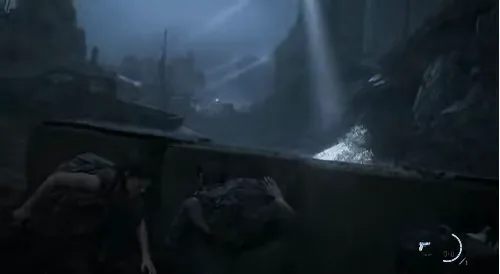
Searchlight
A moving beam scans the area and may reveal the hero. The player chooses a route and movement timing around illuminated zones.
The Last of Us ↗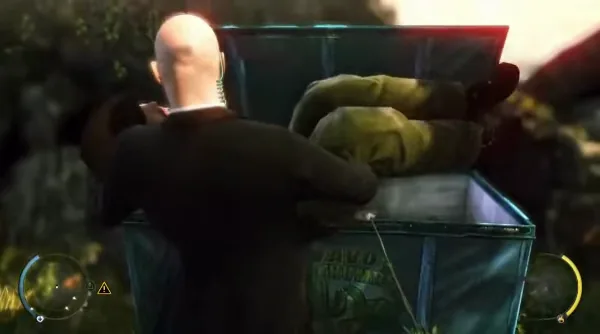
Hide bodies
The hero moves a body out of sight or hides it in a container. This reduces the chance of enemies discovering evidence.
Hitman: Absolution ↗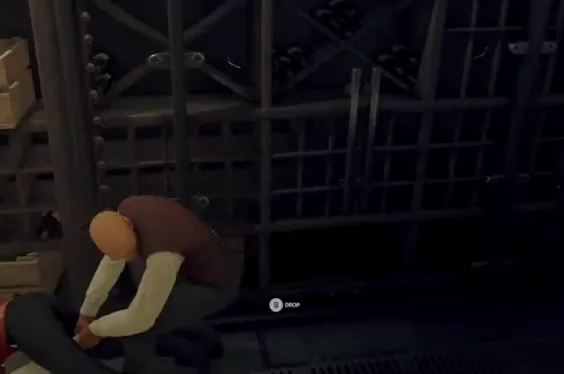
Drag bodies
The hero drags a body along the ground. Limited speed and visibility make choosing a short, safe route important.
HITMAN ↗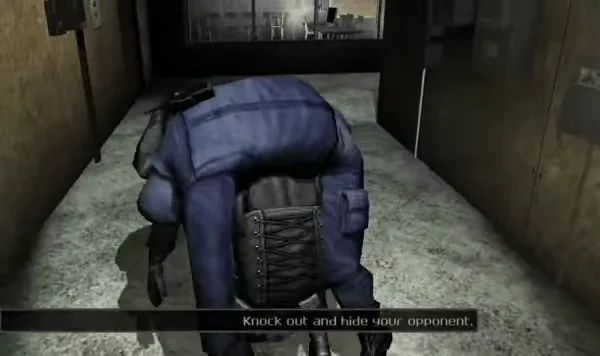
Carry bodies
The hero lifts a body and carries it elsewhere. Occupied hands and changed speed create a distinct movement state.
Tom Clancy’s Splinter Cell ↗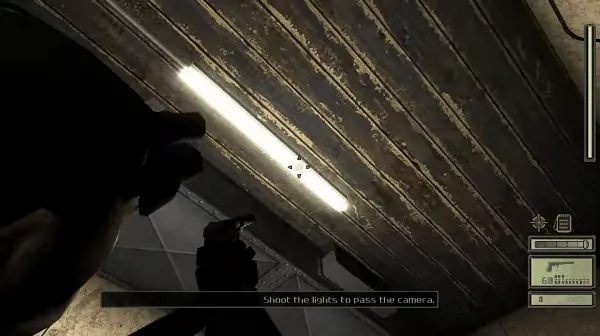
Shoot out lights
A shot disables a light source and changes visibility. The player creates a darker route while risking attention from the noise.
Tom Clancy’s Splinter Cell ↗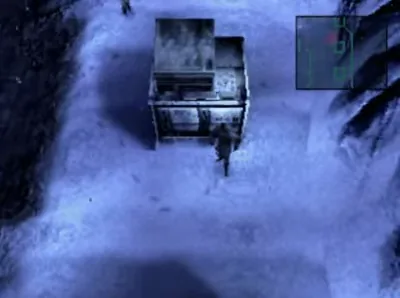
Track footprints
Persistent footprints reveal a character’s route. They communicate movement direction even after the target leaves sight.
Metal Gear Solid ↗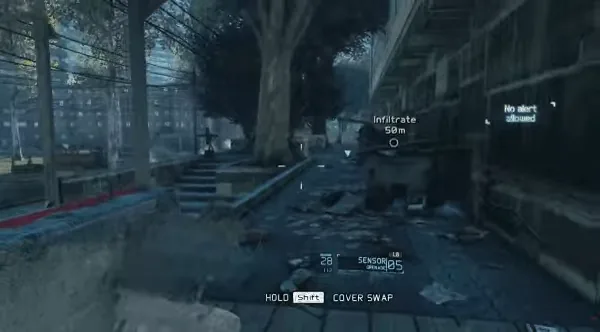
Invisibility
An ability reduces the hero’s visual visibility. The player uses camouflage to pass threats while accounting for its limits.
Tom Clancy’s Ghost Recon: Future Soldier ↗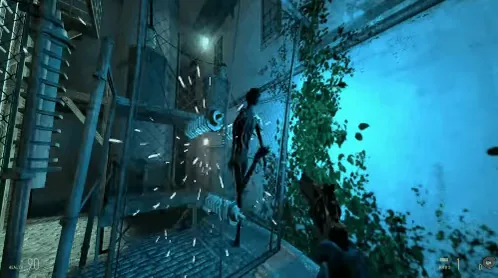
Electrical hazards
Contact with a conductor or discharge creates a damage threat. Light, sound and sparks warn of the dangerous area in advance.
Half-Life 2 ↗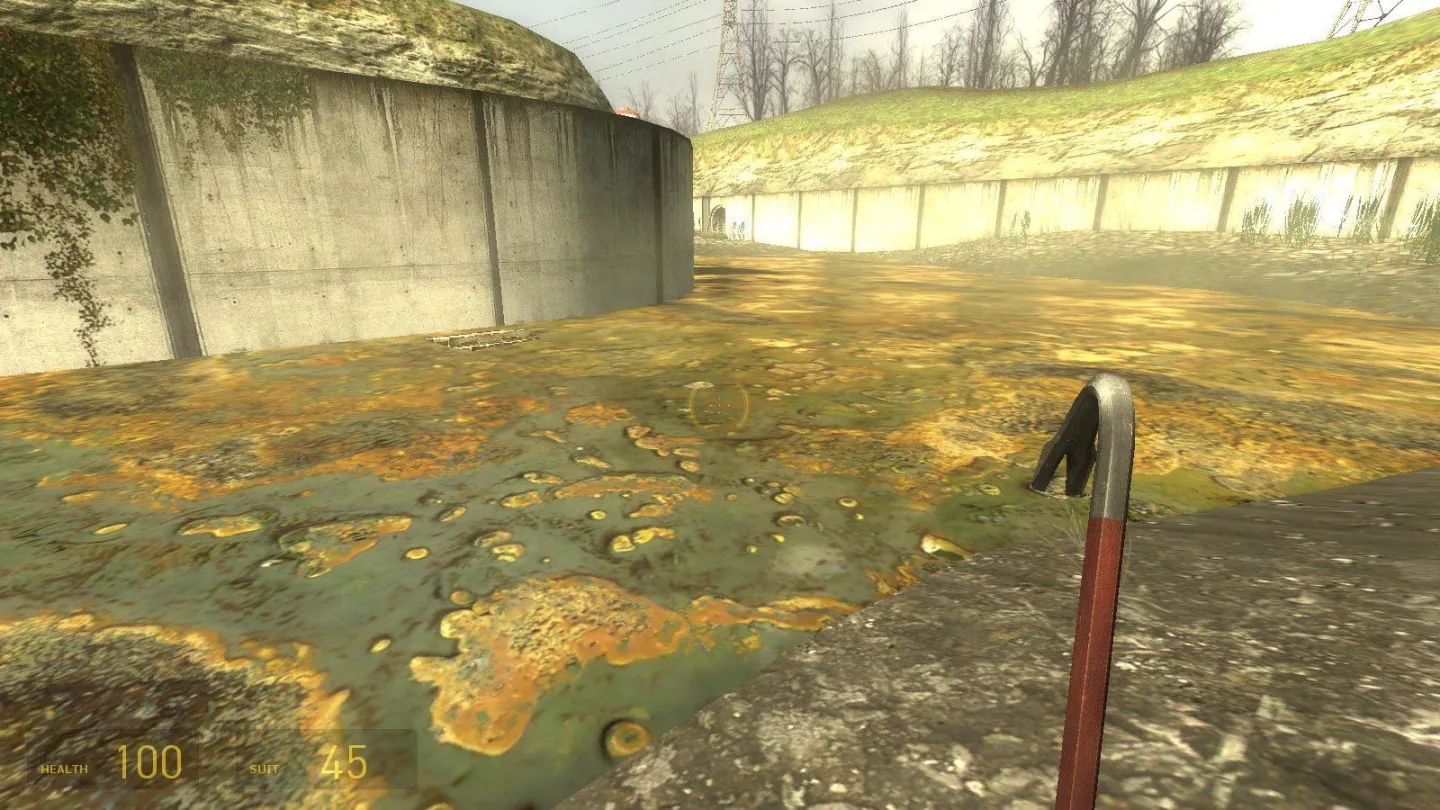
Toxic liquid
Contact with a hazardous liquid applies damage or another harmful effect.
Half-Life 2 ↗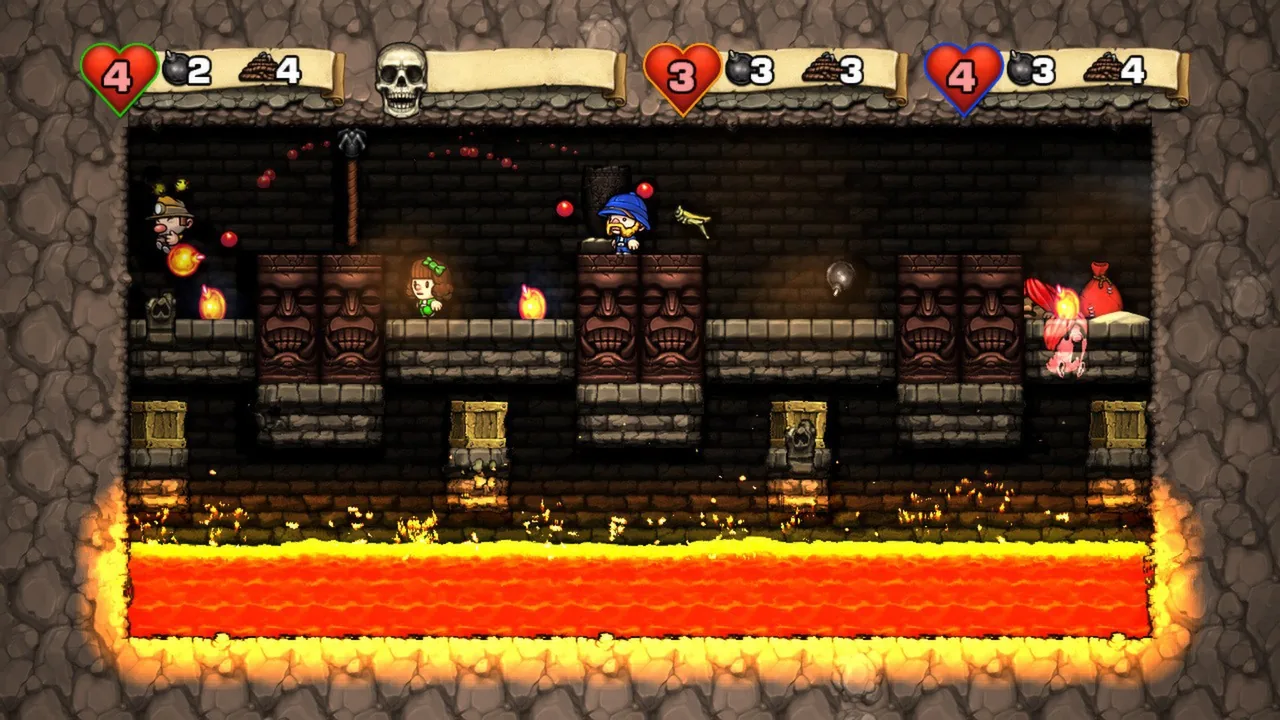
Lava
A hazardous surface limits safe routes. The player uses platforms or searches for a detour while accounting for the cost of contact.
Spelunky ↗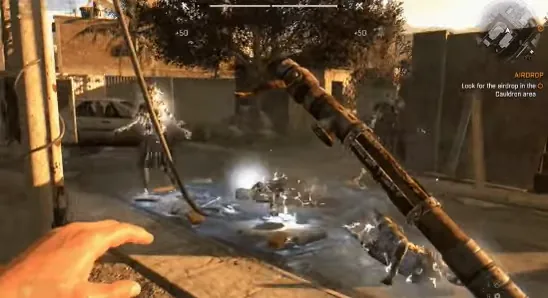
Electrify water
An electrical source turns water into a damaging area.
Dying Light ↗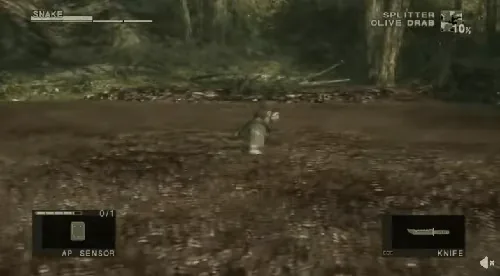
Sink in a swamp
Soft ground slows the character or draws them downward.
Metal Gear Solid 3: Snake Eater ↗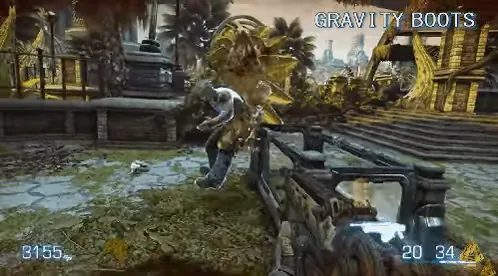
Use creatures against enemies
The player exposes an enemy to an attacking creature.
Bulletstorm ↗Destructible walls
Breaking a barrier opens a new passage or line of sight. Its material and visible damage help players predict the effect of a strike.
Deep Rock Galactic ↗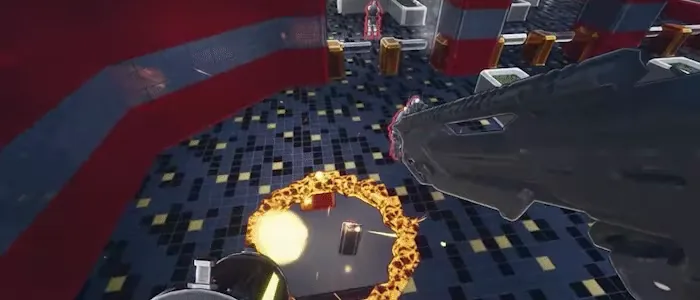
Destructible floor
Breaking a floor creates an opening between elevations.
Severed Steel ↗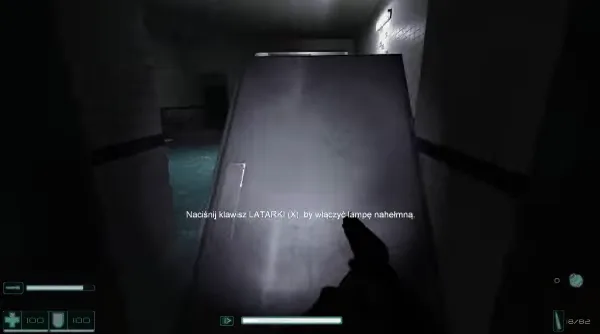
Force a door open
The character forces a door open through physical exertion.
F.E.A.R. ↗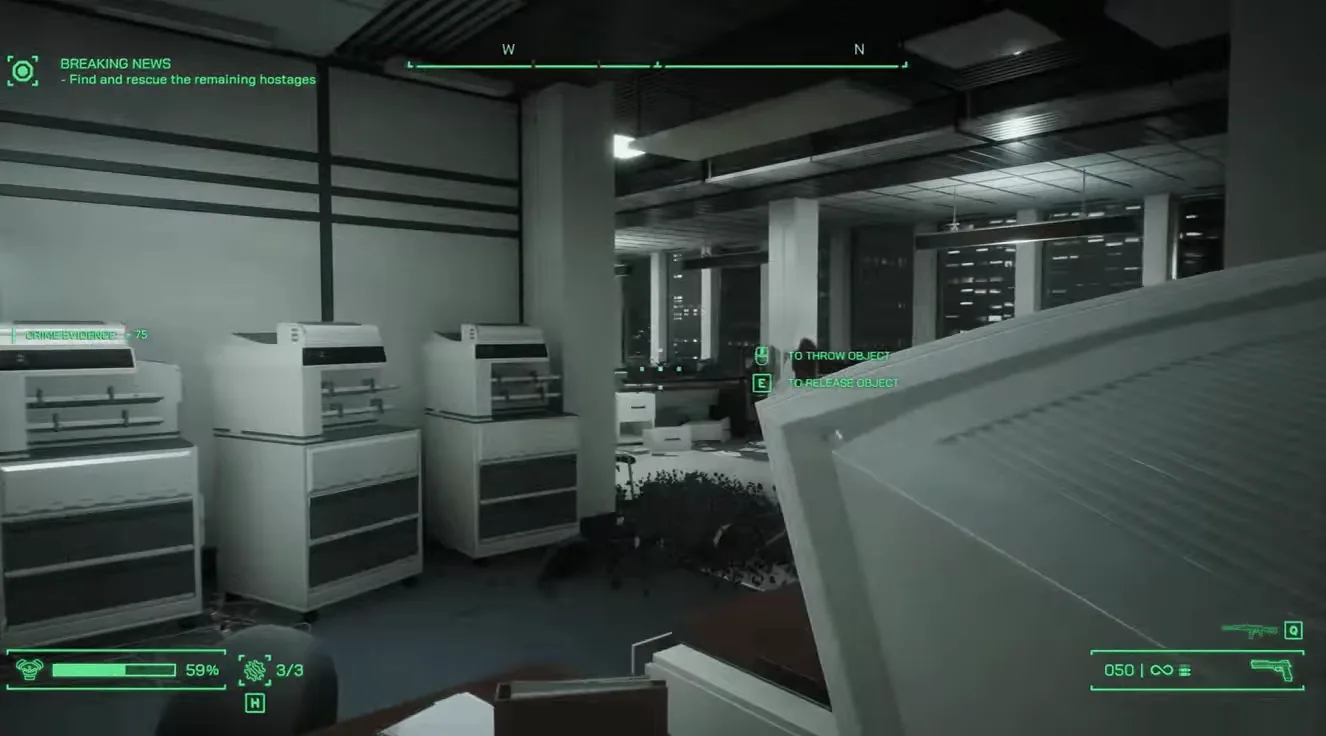
Throw an object
The player picks up an object and launches it along a thrown trajectory.
RoboCop: Rogue City ↗
Surface chipping
Impacts remove small surface fragments rather than leaving only flat marks.
Battlefield 3 ↗
Fell trees with gunfire
Sufficient gunfire damage to a trunk makes a tree fall.
Crysis ↗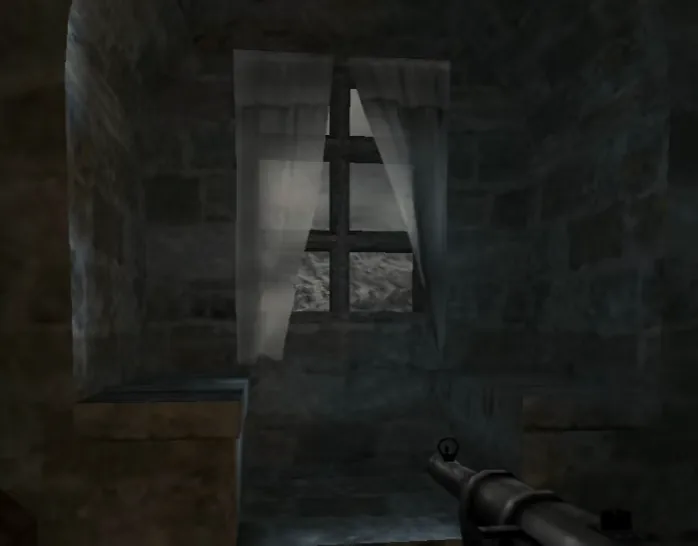
Cloth physics
Flexible material deforms in response to movement and external forces.
Return to Castle Wolfenstein ↗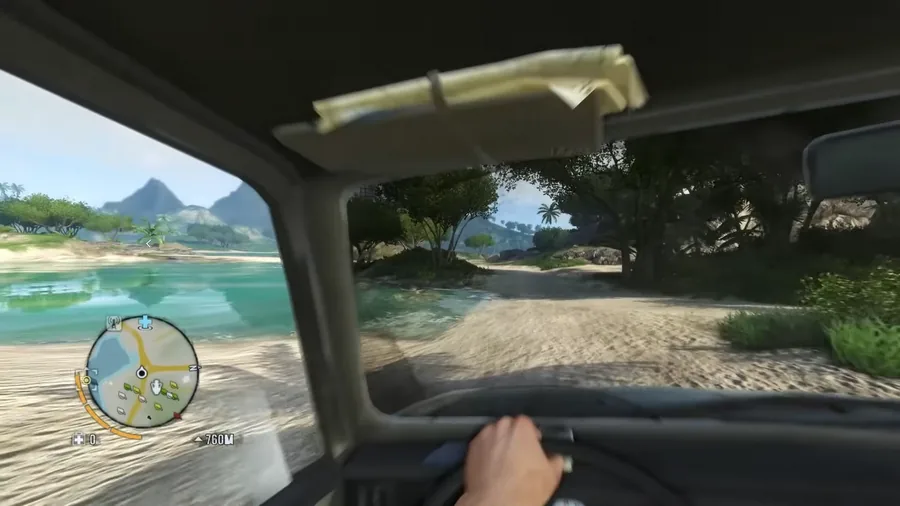
Drive a car
The player controls a road vehicle's movement.
Far Cry 3 ↗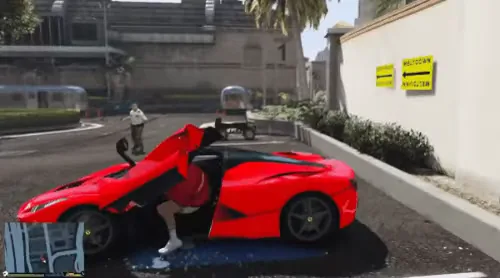
Steal a parked car
The player takes an unoccupied vehicle belonging to someone else.
Grand Theft Auto V ↗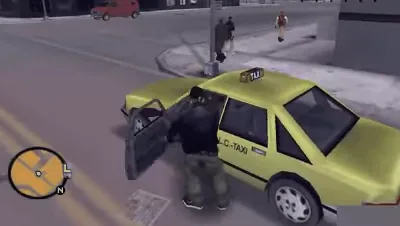
Carjacking
The player takes a vehicle from its current occupant.
Grand Theft Auto III ↗
In-world vehicle repair
The character performs a visible repair action beside a vehicle.
Far Cry 2 ↗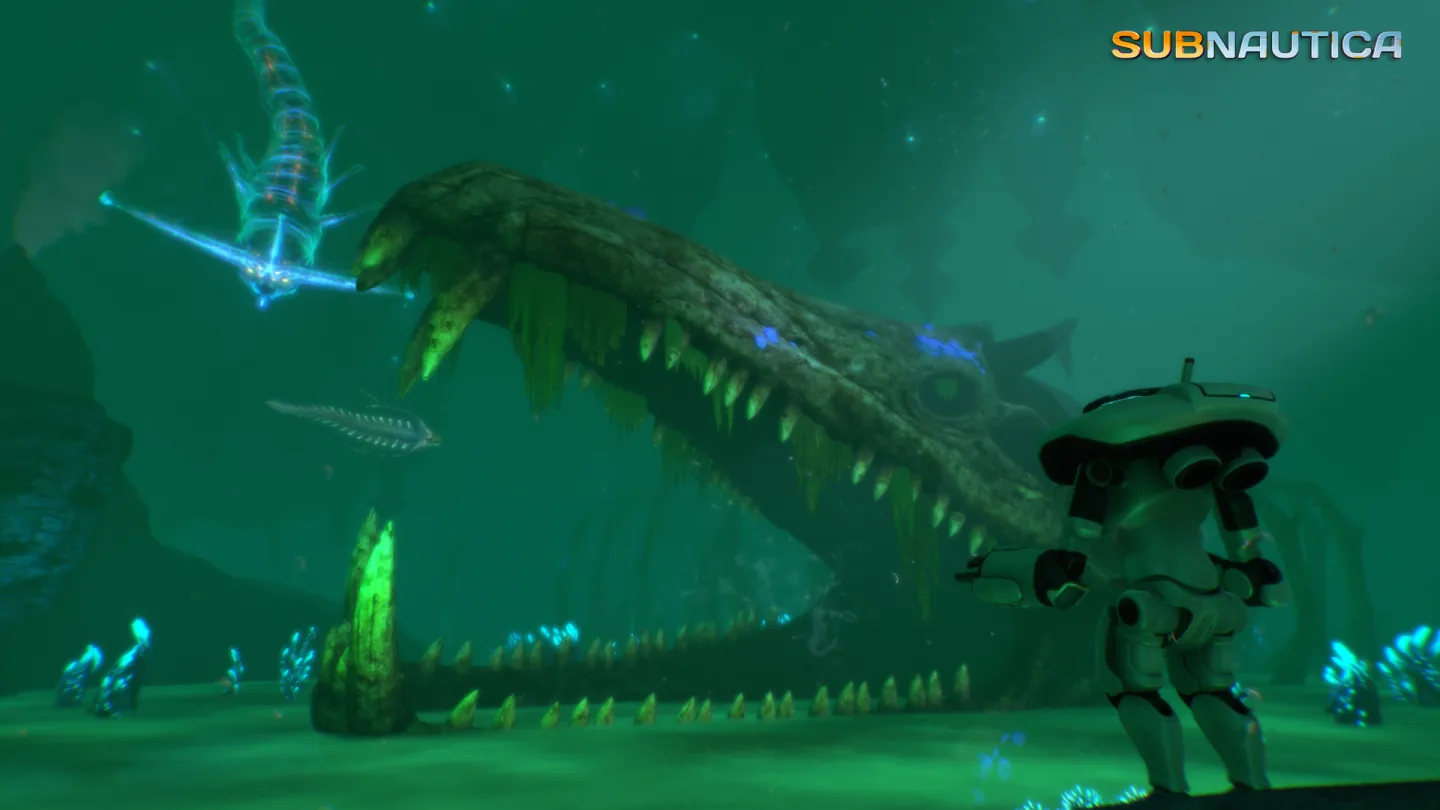
Pilotable mech
A piloted machine changes the scale of movement and interaction. The player uses its protection, tools and capabilities where they are useful.
Subnautica ↗
Navigate rapids
The player steers a craft through obstacles in fast-flowing water.
Tomb Raider III ↗
Taxi missions
The player transports passengers to requested destinations for rewards.
Grand Theft Auto: San Andreas ↗
Vehicle destruction debris
Vehicle destruction detaches and scatters structural pieces.
Far Cry 5 ↗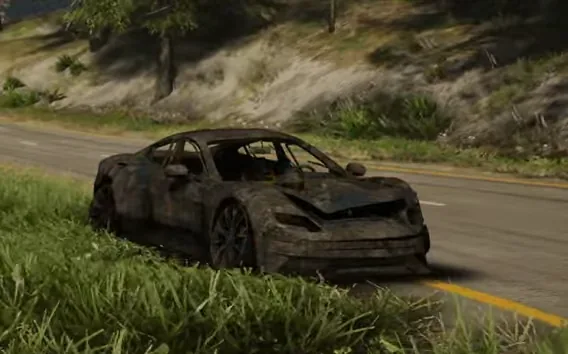
Replace a vehicle with a wreck
A prepared wreck model replaces a vehicle after destruction.
Tom Clancy’s Ghost Recon: Breakpoint ↗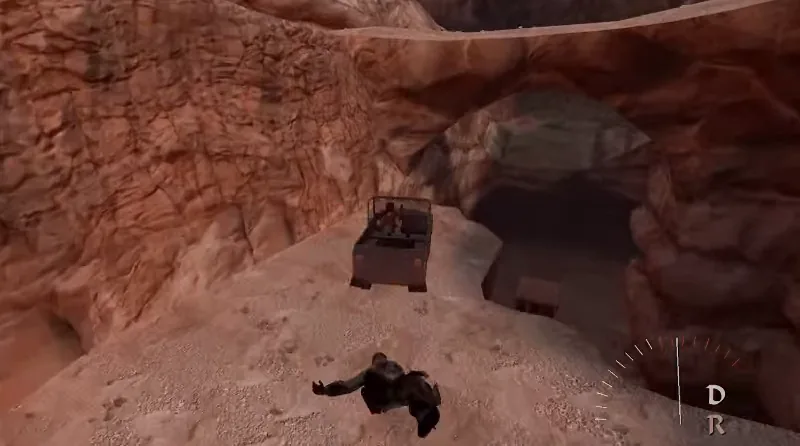
Run over NPCs
A moving vehicle damages characters on collision.
Tomb Raider: The Last Revelation ↗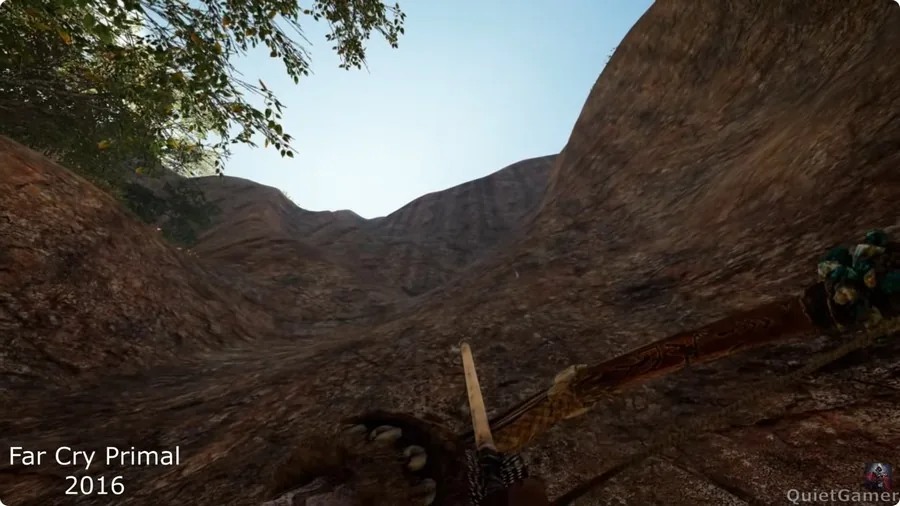
Natural world boundaries
Geography and plausible obstacles delimit accessible space.
Far Cry Primal ↗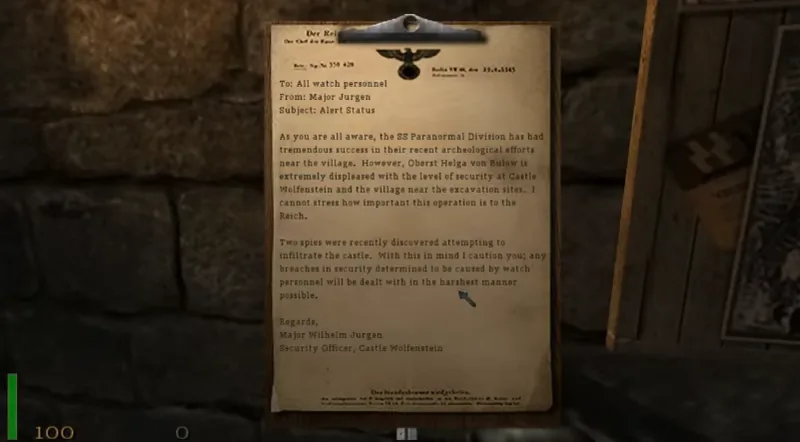
Readable note
A note provides information about the world, events or a puzzle. The player opens a document in the environment and reads it in a suitable view.
Return to Castle Wolfenstein ↗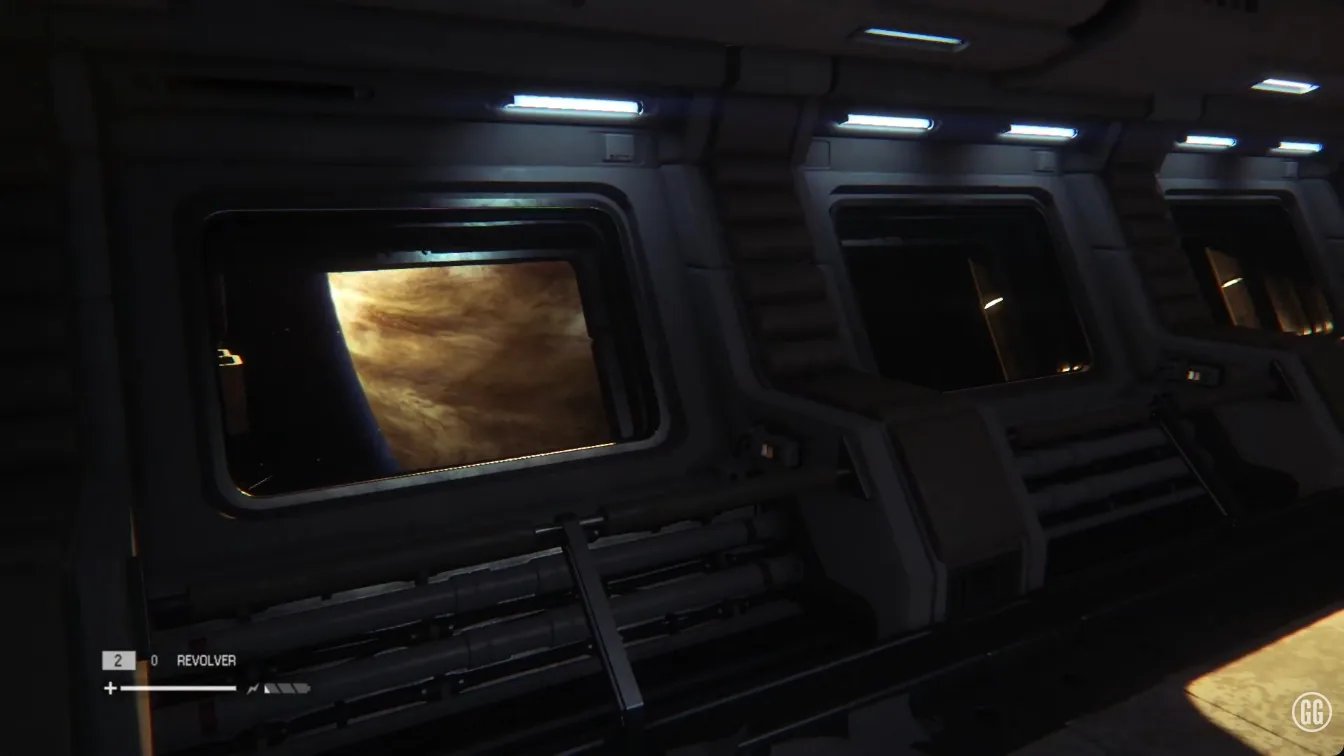
Views outside
Windows and openings reveal space beyond the current interior.
Alien: Isolation ↗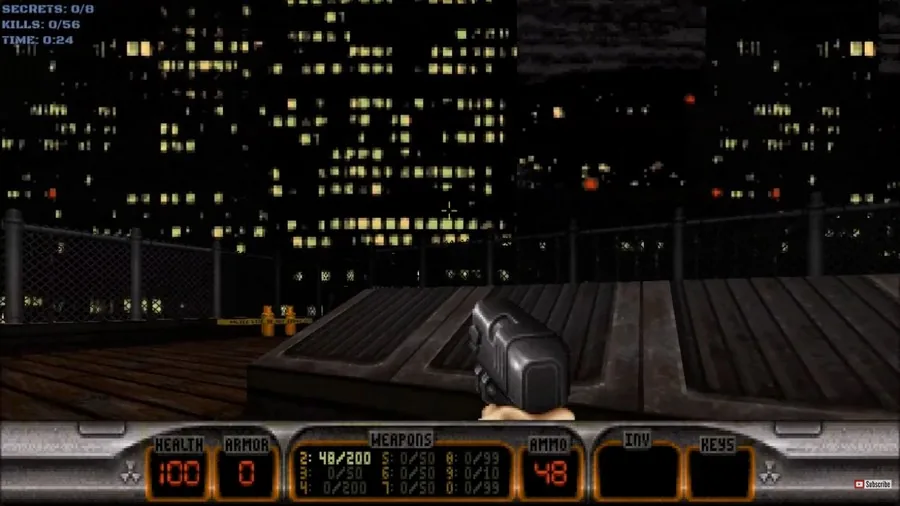
Distant background scenery
Unreachable scenery suggests a world beyond the playable area.
Duke Nukem 3D ↗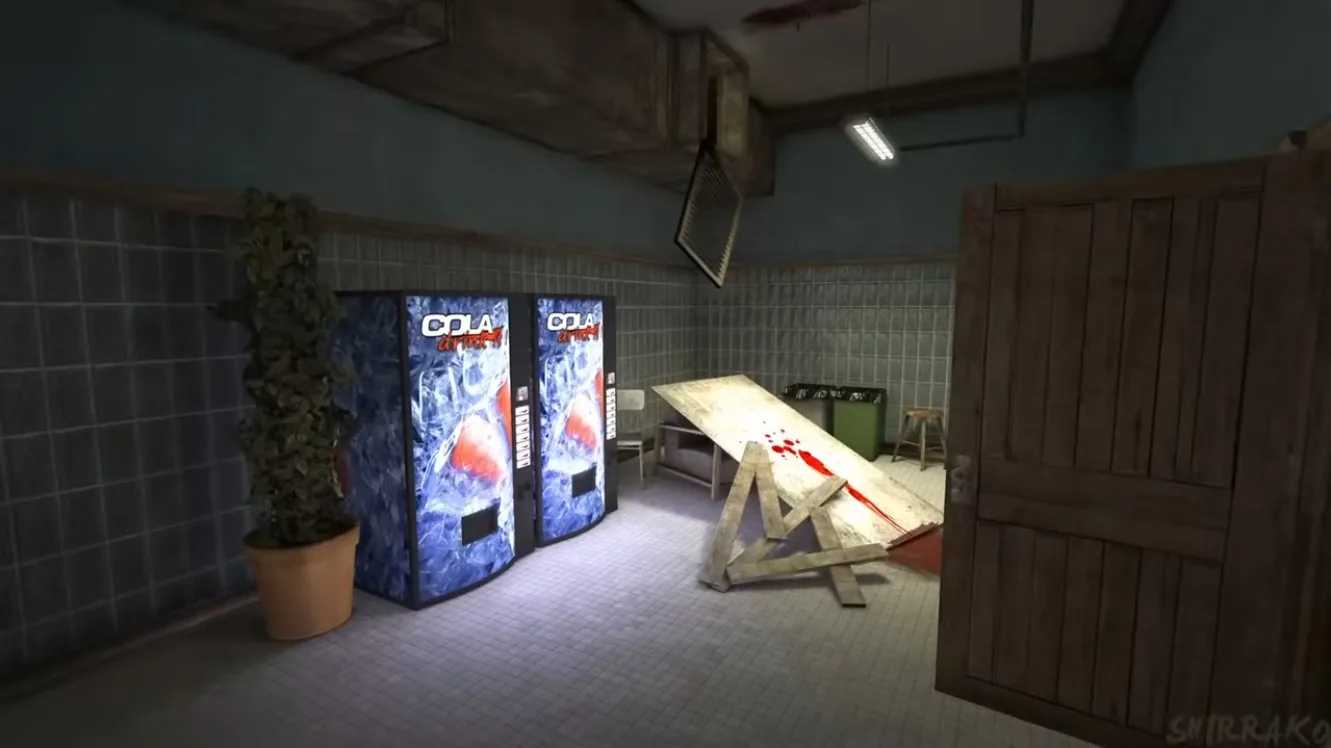
Vending machine as a prop
A vending machine establishes an inhabited setting without necessarily offering purchases.
Outlast ↗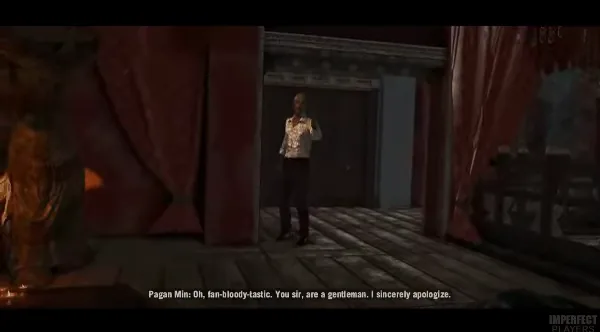
Secret early ending
An unusual early choice ends the story before its main route.
Far Cry 4 ↗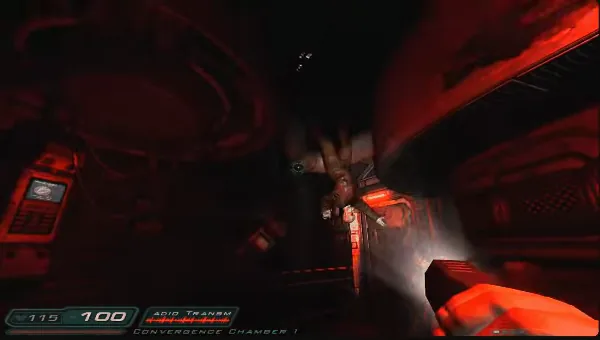
Location-triggered event
Entering a specified area triggers an event.
Doom 3 ↗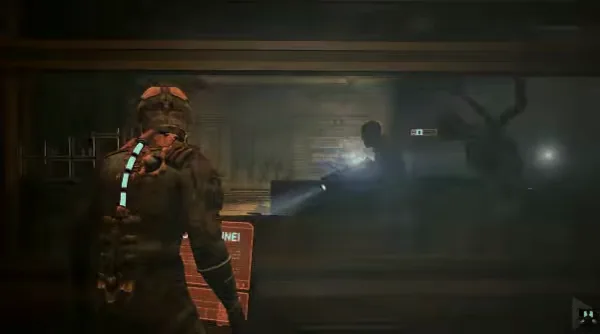
In-game cutscene
Characters perform a staged sequence in the current game world. The setting and the hero’s appearance stay connected to the preceding action.
Dead Space ↗
Set-piece
A staged sequence combines movement, threats and spectacle, such as escaping a collapsing cave. The player keeps acting within the scene.
Tomb Raider ↗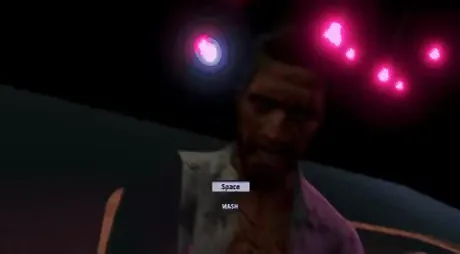
Quick-time event
A brief input window ties a timely command to a sequence's outcome.
Far Cry 3 ↗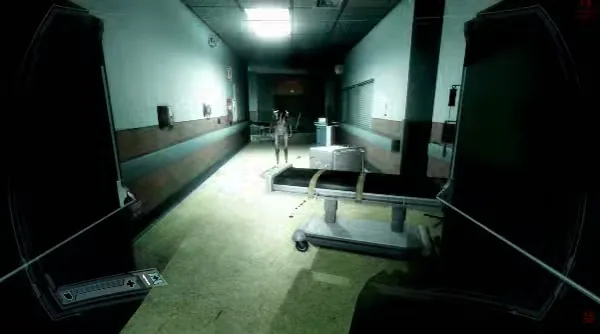
Scripted scare
Entering an area or another trigger initiates a prepared scare, such as an apparition, sudden motion or sound.
F.E.A.R. 2: Project Origin ↗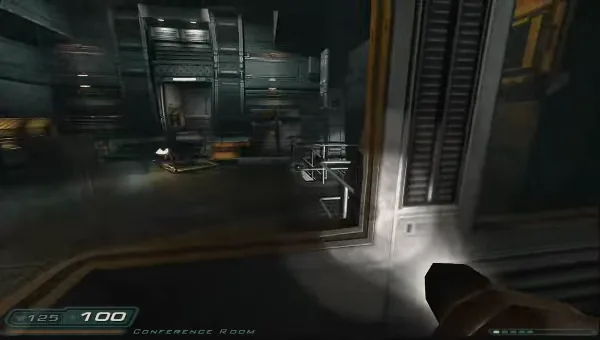
Scripted spectacle
A dramatic event follows a predetermined script.
Doom 3 ↗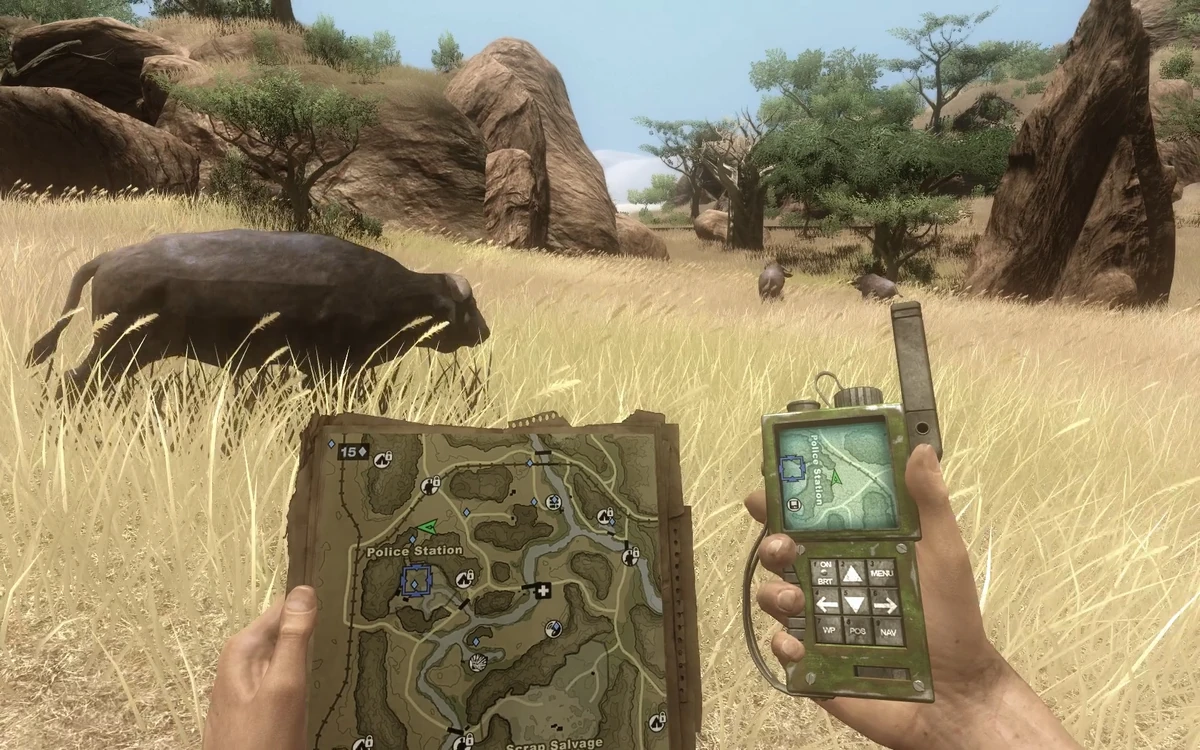
In-world map
Navigation uses a map represented as a physical world object.
Far Cry 2 ↗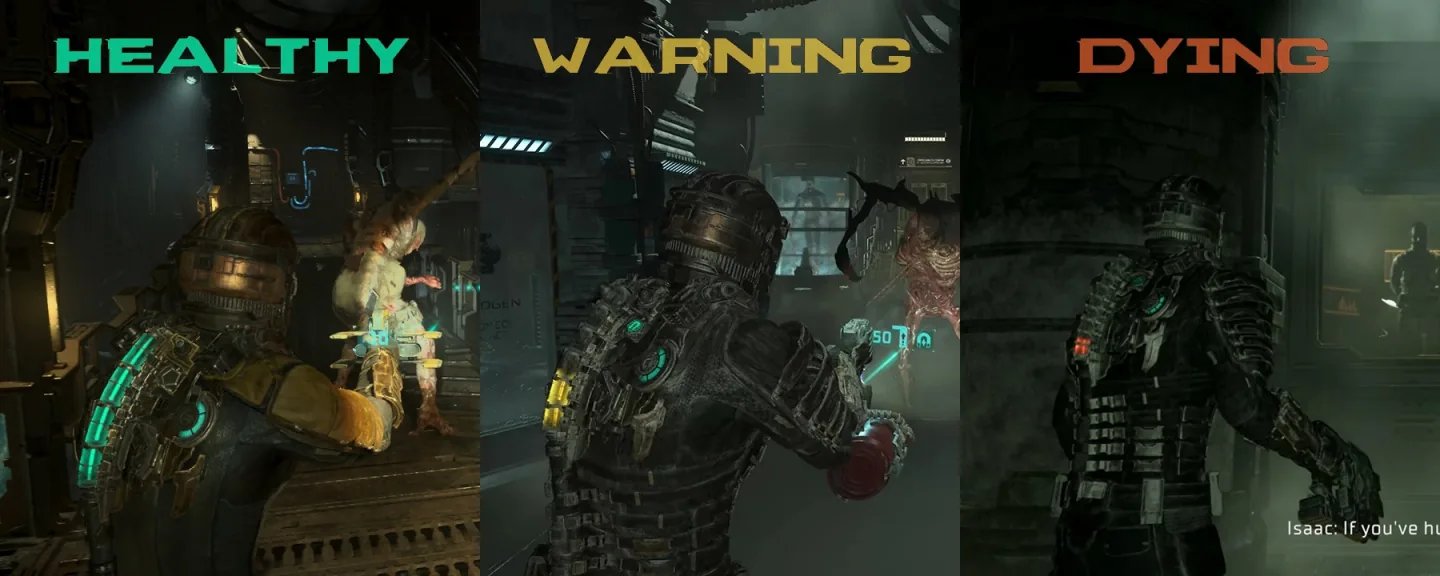
Health displayed on equipment
A world device or equipment component indicates character health.
Dead Space ↗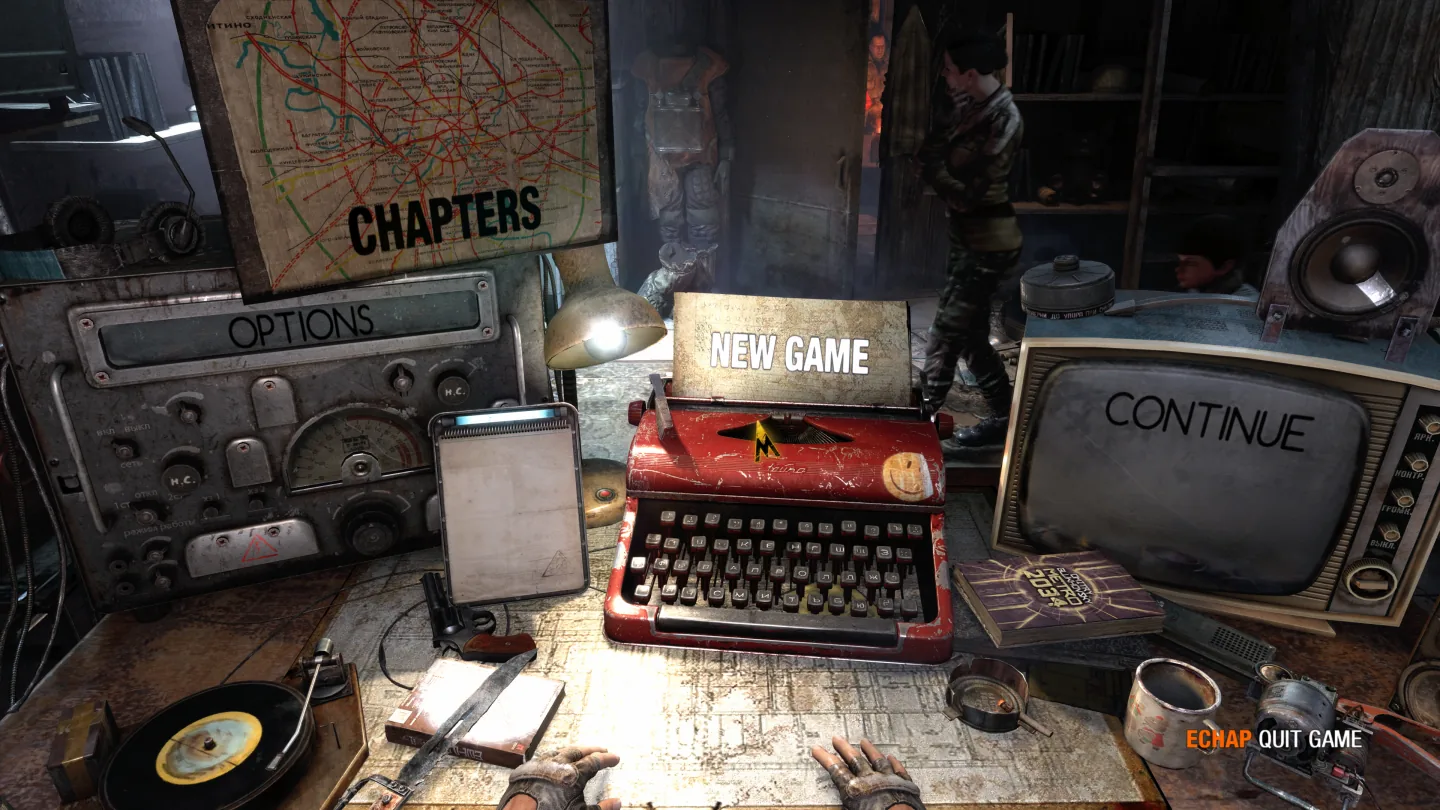
In-world menu
Menu options appear on an object or device within the world.
Metro 2033 Redux ↗Handheld scanner
A portable instrument reveals information about a selected target. The player points it at an object to learn more than observation alone allows.
Subnautica ↗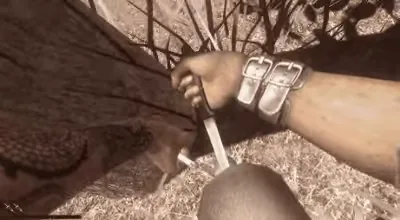
Visible healing action
Health restoration includes an observable in-world character action.
Far Cry 2 ↗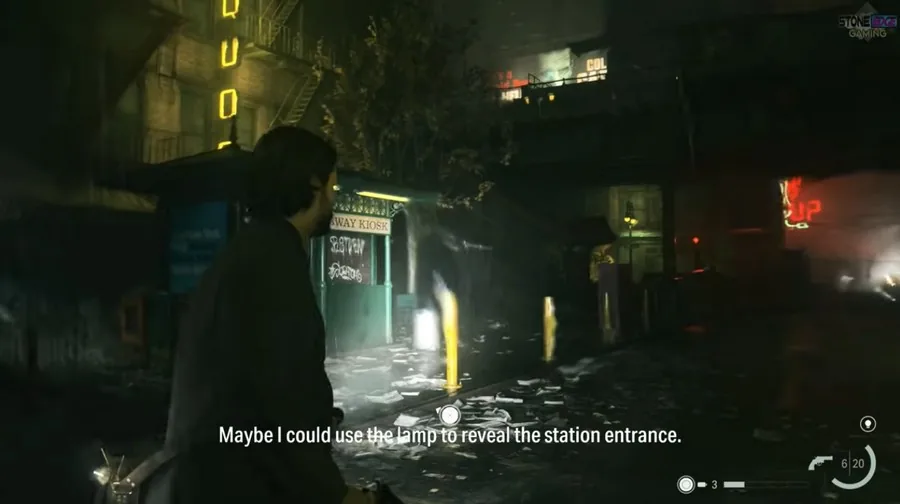
Protagonist self-hints
The protagonist voices observations or a suggested next step.
Alan Wake 2 ↗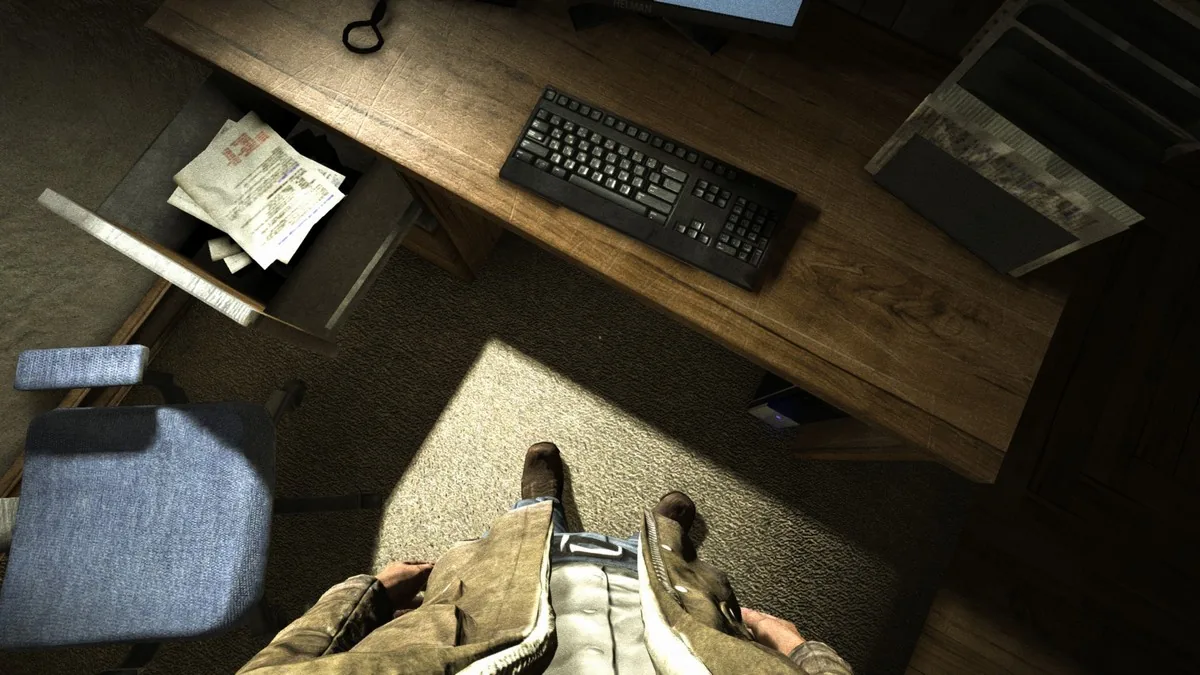
Visible player body
Looking down reveals the playable character's own body.
Outlast ↗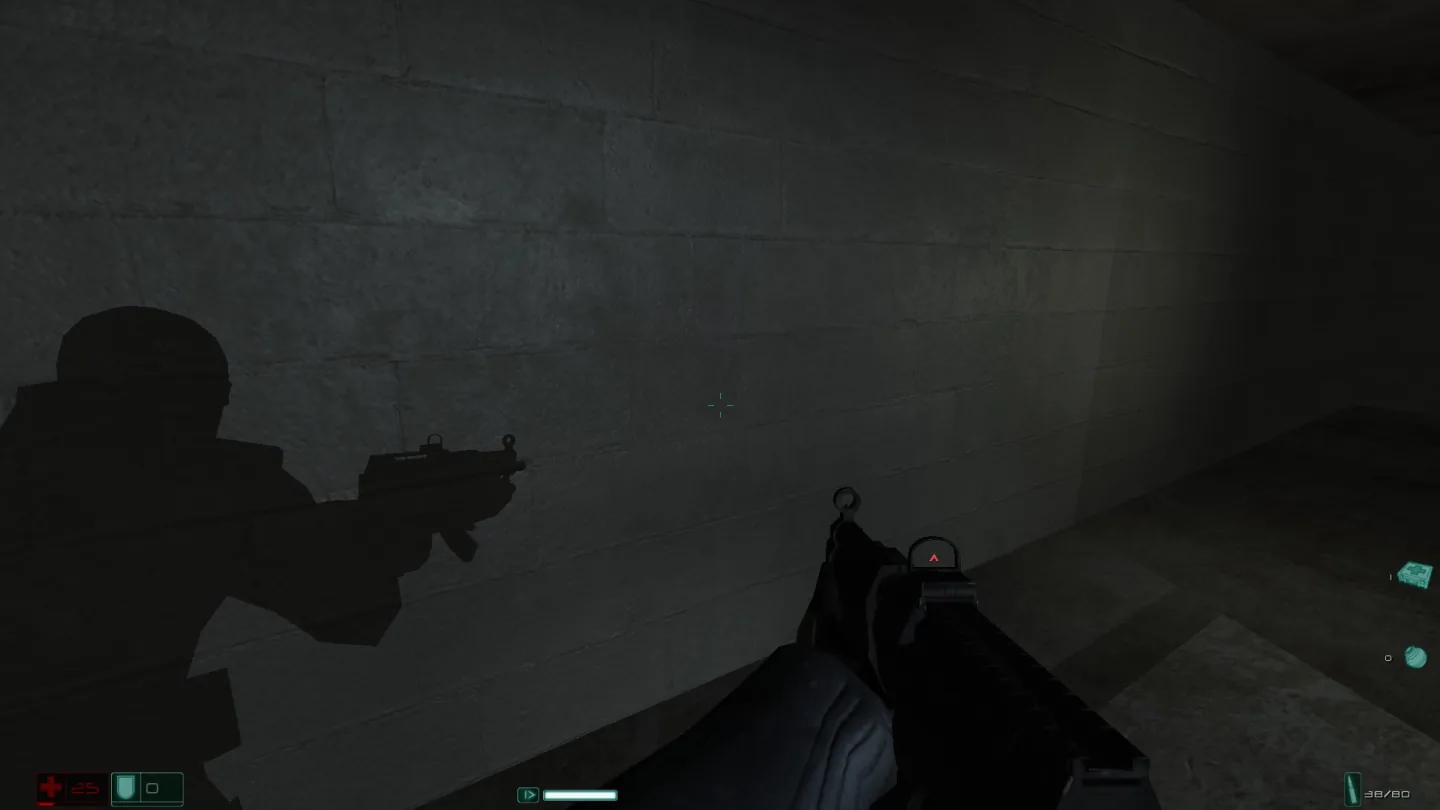
Character shadow
Lighting casts the playable character's visible shadow into the scene.
F.E.A.R. ↗Flashlight
A portable directional light reveals part of a dark space. Turning the beam becomes a decision about where to look next.
Deep Rock Galactic ↗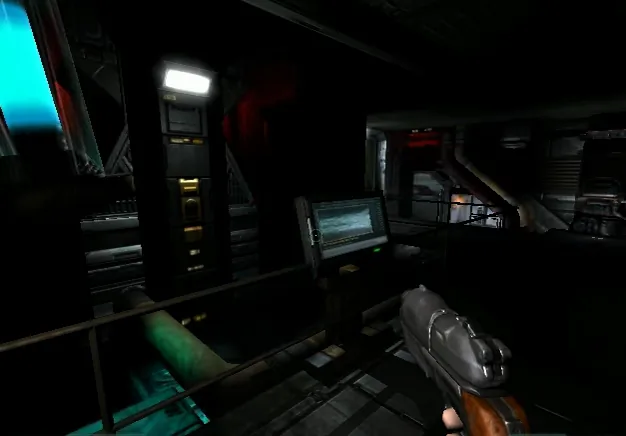
Moving environmental parts
Animated scenery suggests working machinery or an active setting.
Doom 3 ↗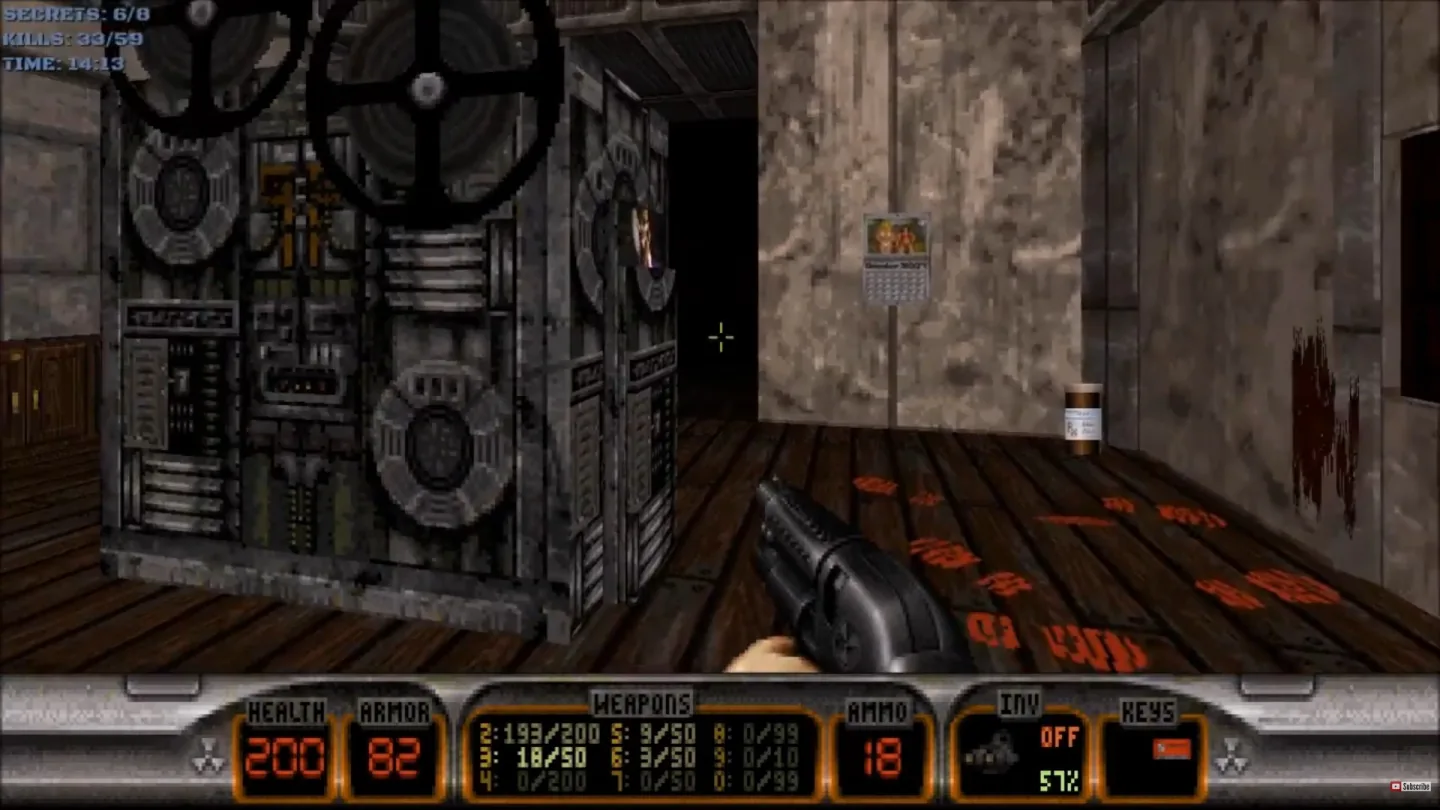
Footprints
Foot contact leaves marks recording movement across a surface.
Duke Nukem 3D ↗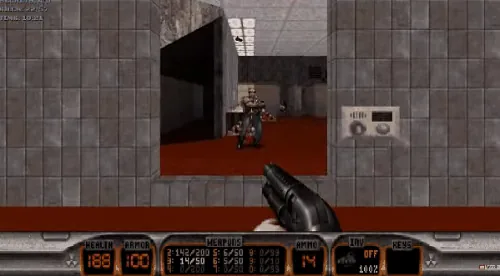
Mirror
A reflective surface shows the scene from another direction.
Duke Nukem 3D ↗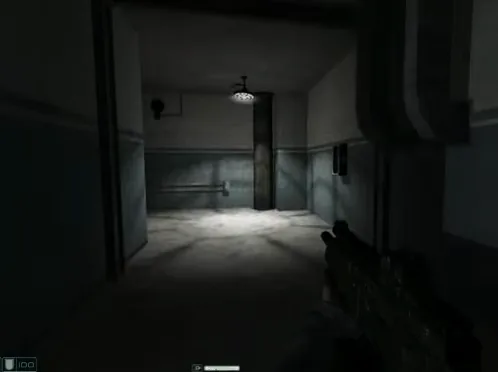
Moving light
A moving light changes illumination and shadows over time.
F.E.A.R. ↗Wet reflective surfaces
Moisture changes a material's sheen and reflectivity.
Driveclub (2014) ↗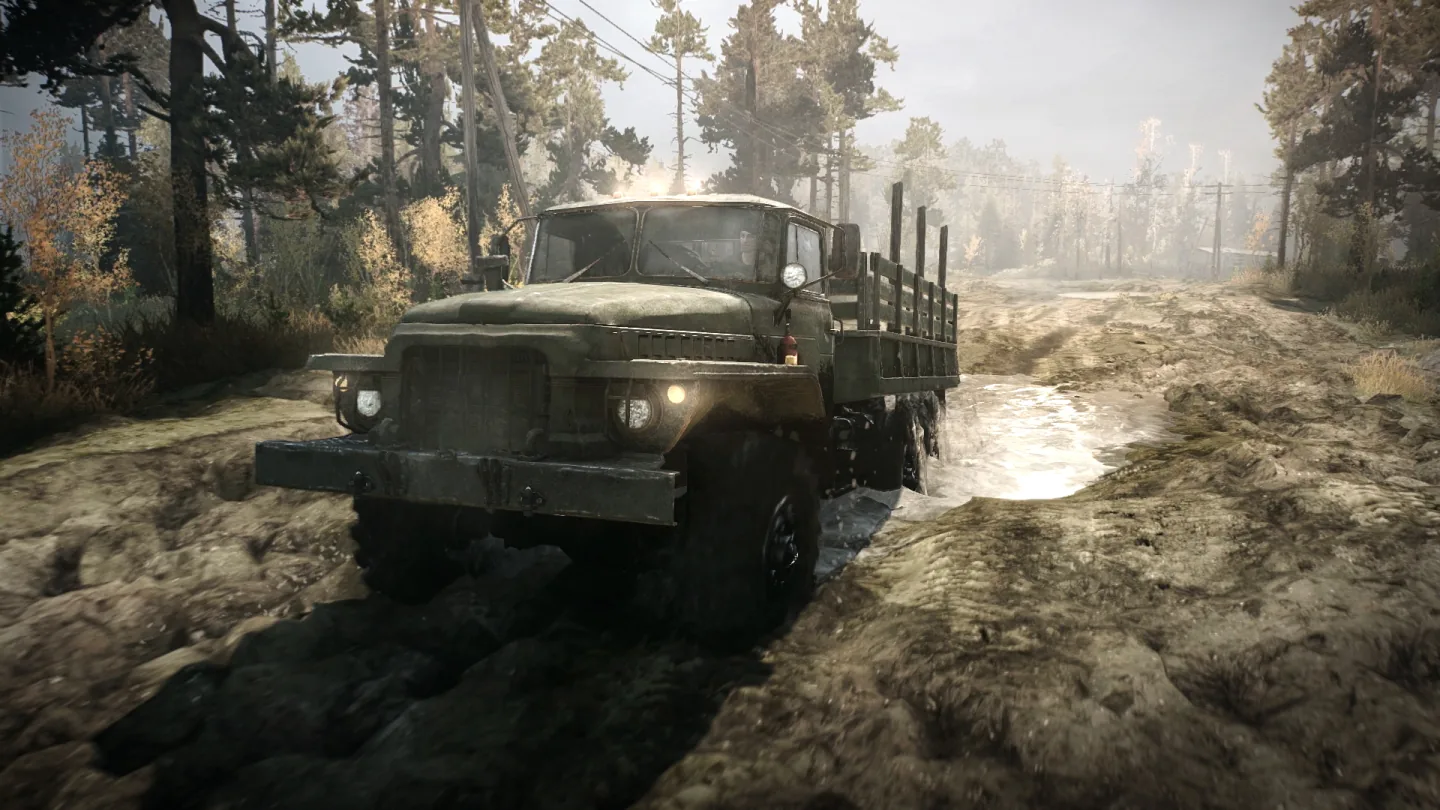
Tire tracks
Wheels leave a readable trail of vehicle movement on a surface.
MudRunner ↗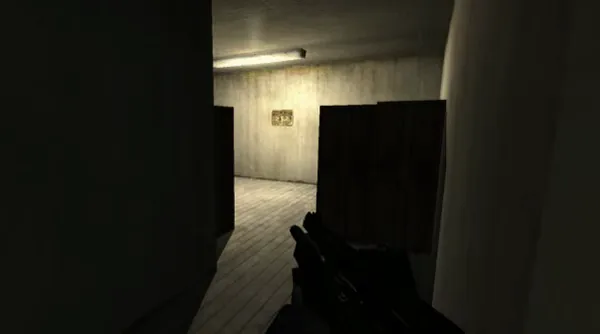
Flickering lights
Unstable brightness changes local visibility and atmosphere.
F.E.A.R. ↗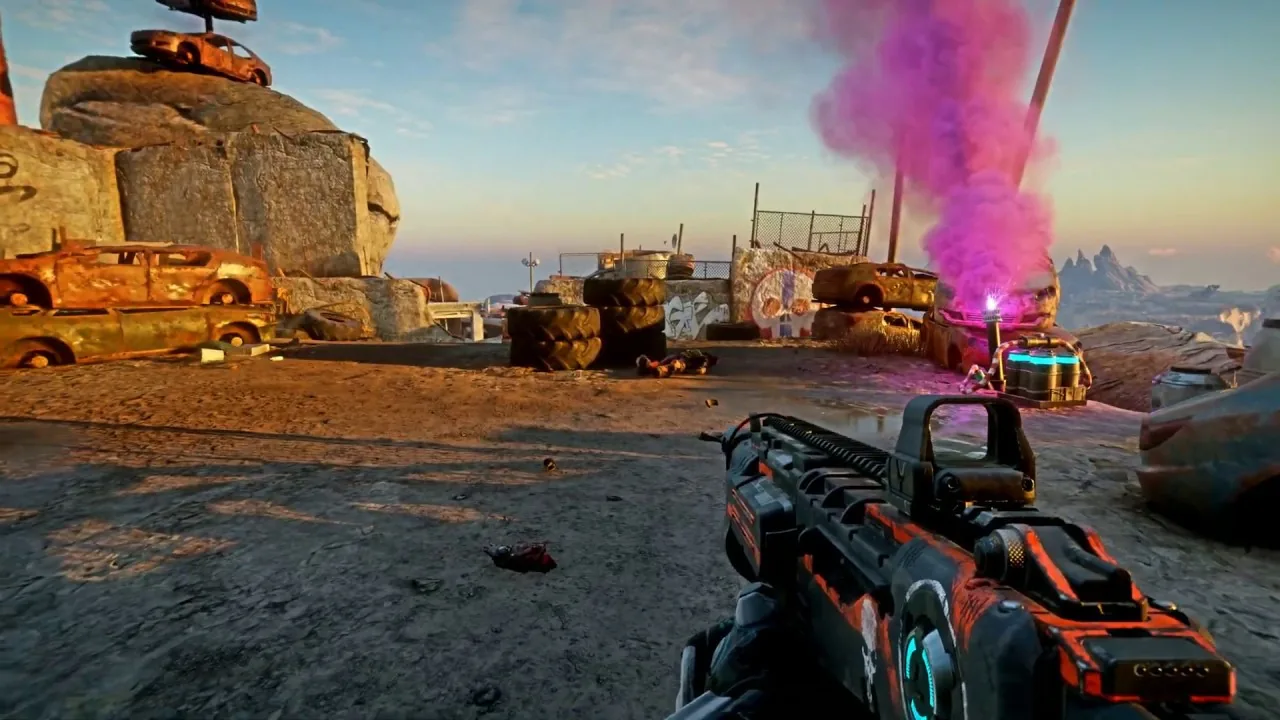
Smoke marker
Smoke or a bright flare marks an important world location.
Rage 2 ↗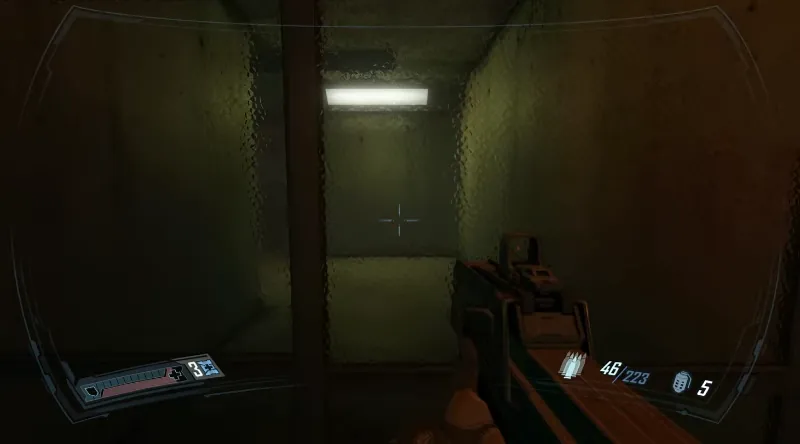
Distorting glass
Glass refracts the view of objects behind it.
F.E.A.R. 2: Project Origin ↗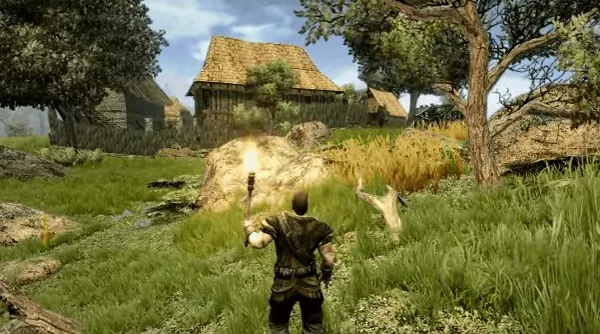
Heat haze
Image distortion suggests heated air.
Gothic 3 ↗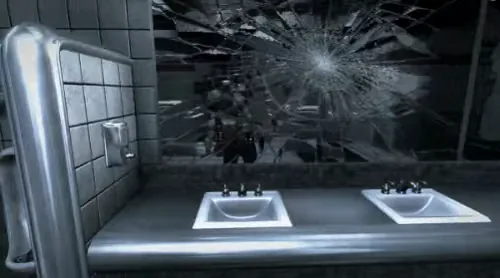
Broken mirror
Damage changes a mirror and its reflected view.
Duke Nukem Forever ↗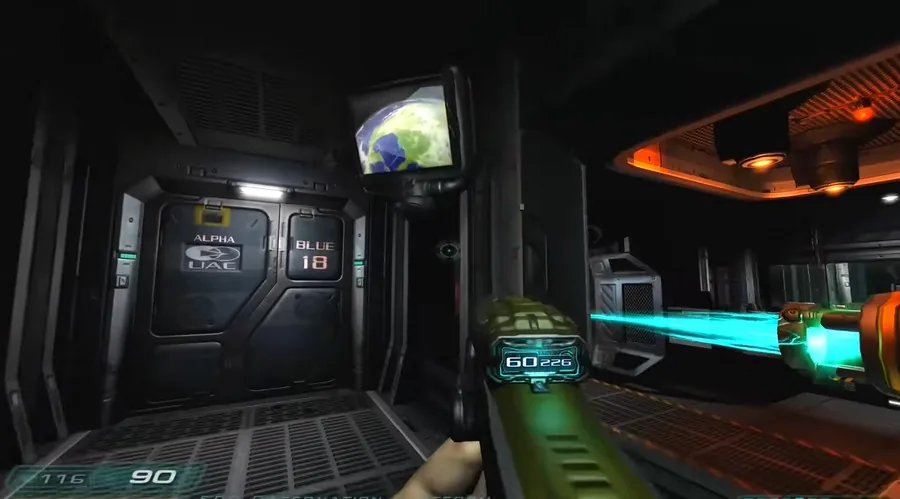
In-world video
The player can stop to watch media within the game world.
Doom 3 ↗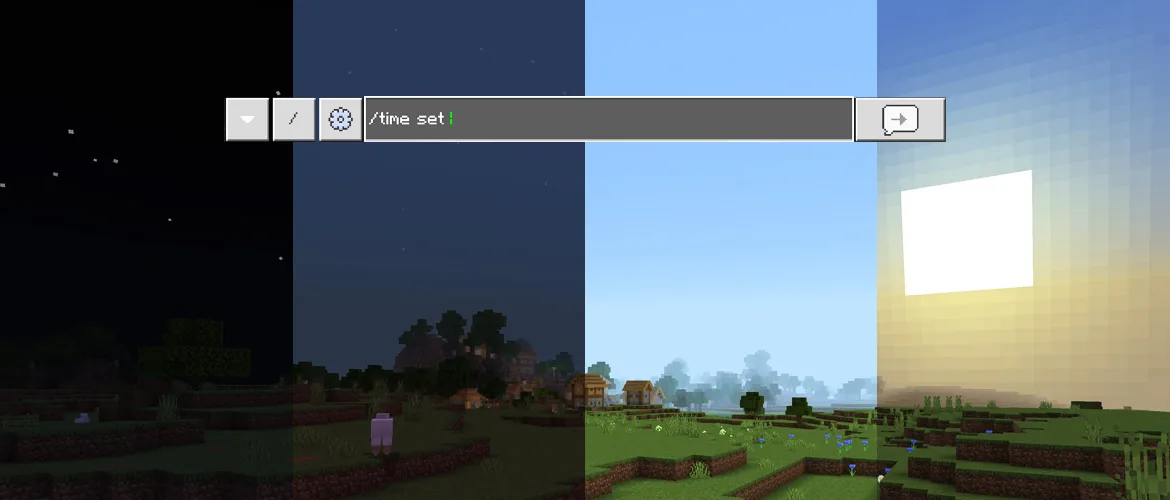
Day–night cycle
Game time changes world lighting in a repeating cycle. Day and night may affect visibility, world behavior and route choices.
Minecraft ↗
Rain
Precipitation changes the environment's appearance and sound.
The Last of Us ↗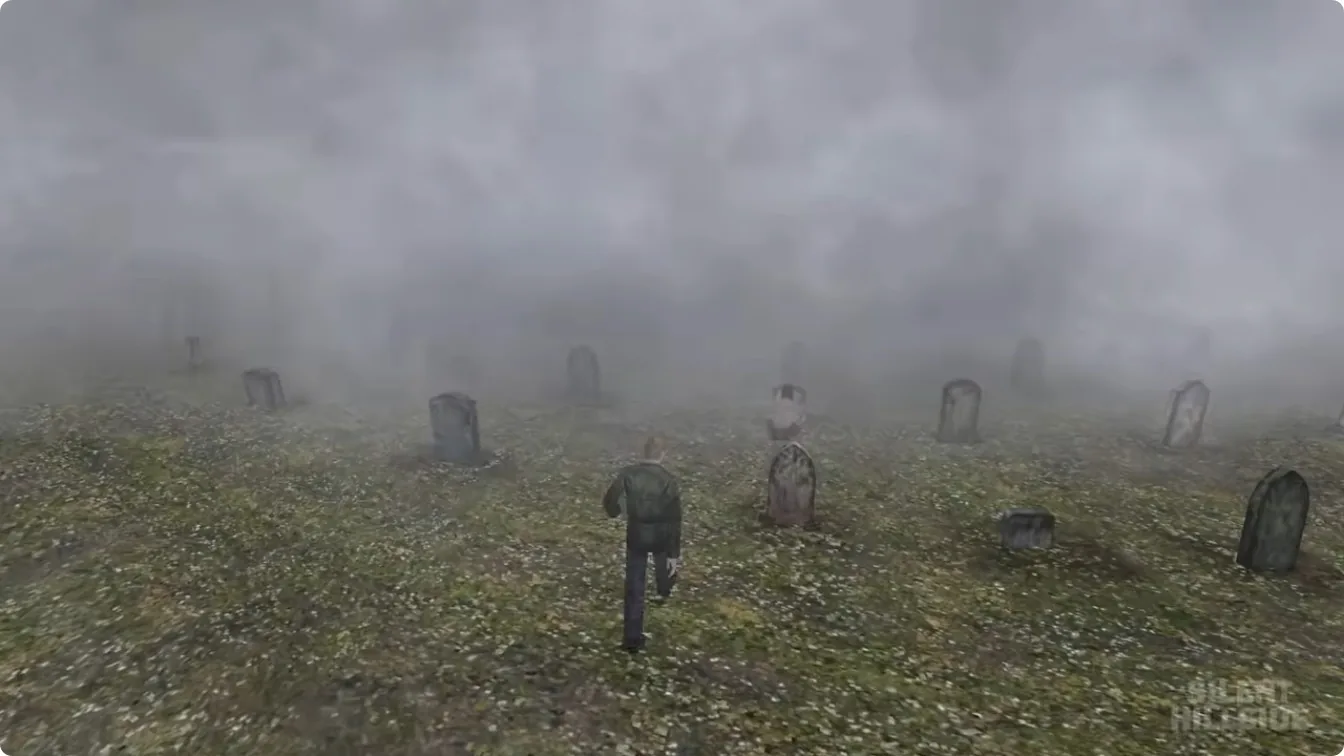
Fog
Airborne haze limits viewing distance.
Silent Hill 2 ↗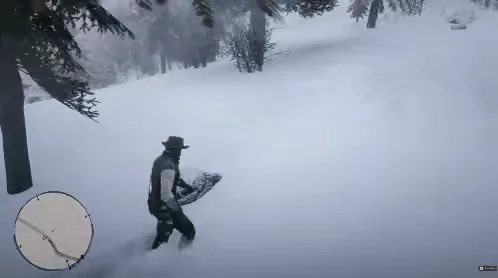
Snow
Snowfall and ground cover establish environmental conditions.
Red Dead Redemption 2 ↗
Thunderstorm
Lightning and thunder alter a scene's lighting and sound.
Forza Horizon 5 ↗
Dynamic weather
Weather conditions transition during play.
Gothic ↗
Traces in snow
Movement leaves visible impressions or grooves in snow.
Uncharted 2: Among Thieves ↗
Snowstorm
Heavy snow and wind alter visibility and route perception.
Metro Exodus ↗
Tornado
A moving vortex creates hazards and affects the environment.
Just Cause 4 ↗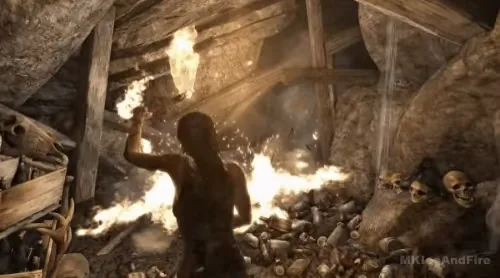
Torch
A carried flame illuminates surroundings and may support world interactions.
Tomb Raider ↗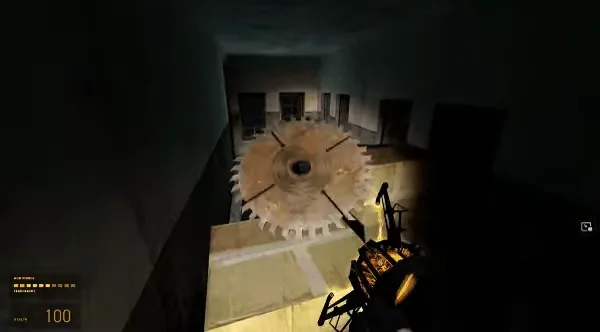
Telekinesis
The player moves objects remotely without direct physical contact.
Half-Life 2 ↗Bloody footprints
Footsteps leave stained prints after contact with blood.
Duke Nukem 3D ↗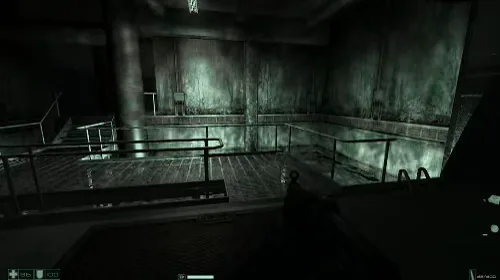
Light reflected from water
A moving water surface produces changing patterns of reflected light.
F.E.A.R. ↗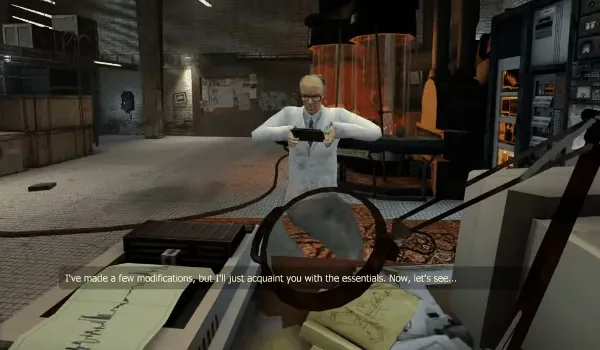
Magnifying glass effect
An optical surface magnifies the scene viewed through it.
Half-Life 2 ↗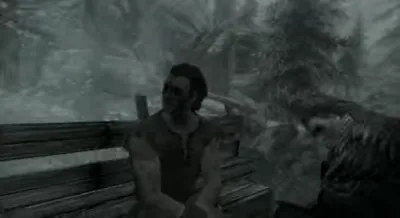
Cutscene with free look
The player controls viewing direction during a staged scene.
The Elder Scrolls V: Skyrim ↗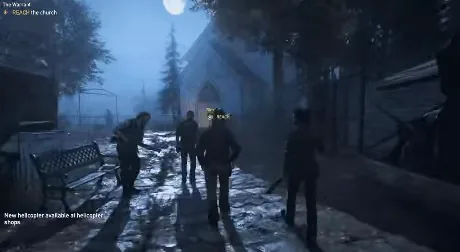
Playable cutscene
The player retains limited action during a staged sequence.
Far Cry 5 ↗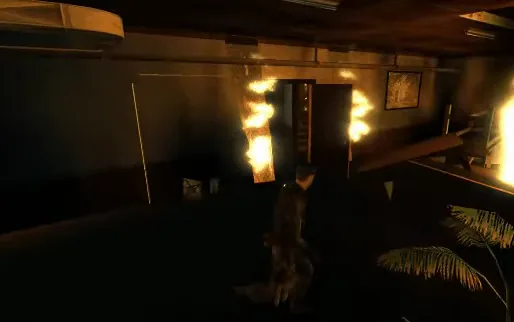
Environmental fire hazard
A burning area threatens characters and affects route choice.
Tom Clancy’s Splinter Cell ↗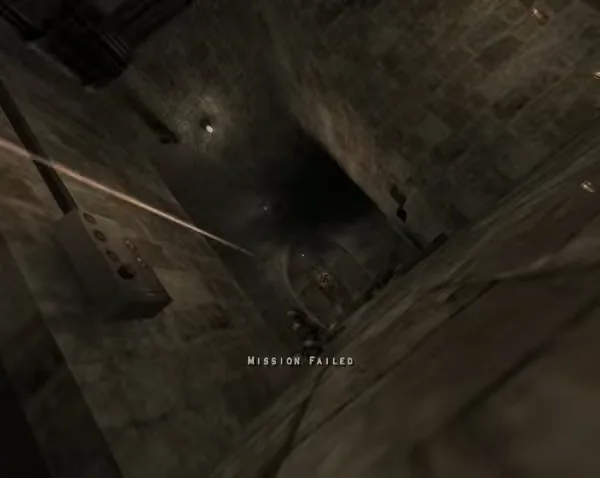
Player death animation
Character death triggers a distinct visual sequence.
Return to Castle Wolfenstein ↗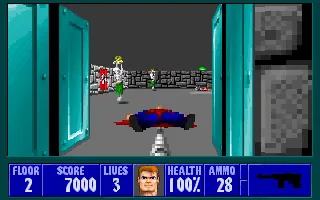
Enemy death animation
Lethal damage triggers an enemy's death sequence.
Wolfenstein 3D ↗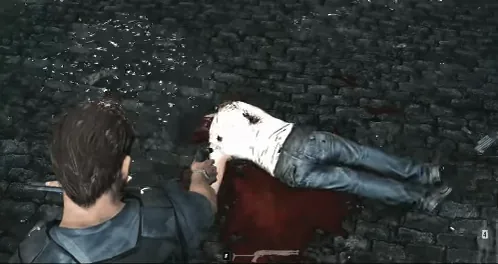
Blood pools
A surface pool marks an injured or dead character's location.
Max Payne 3 ↗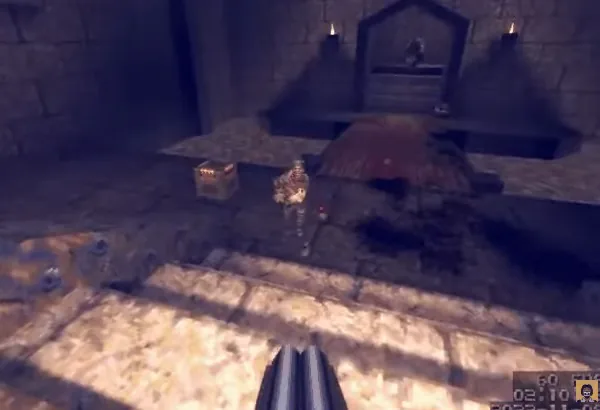
Gibbing
A lethal impact breaks an enemy model into fragments.
Quake ↗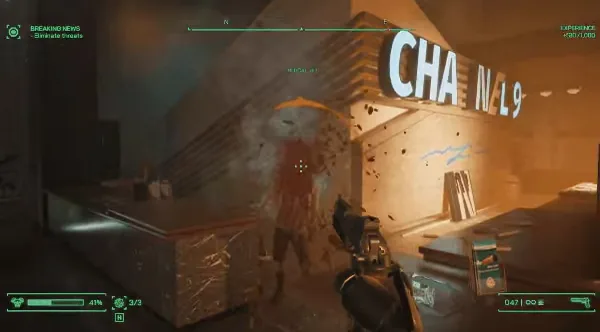
Head destruction effect
A distinct effect depicts head destruction on impact.
RoboCop: Rogue City ↗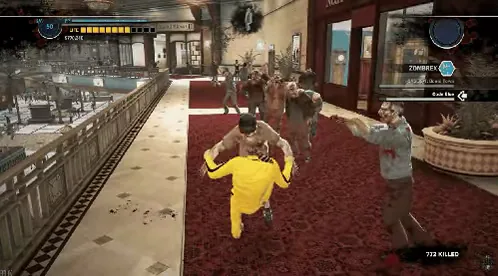
Limb ripping
A combat action detaches an opponent's limb.
Dead Rising 2 ↗
Cutting a model in half
An attack separates a target's body into two sections.
Bulletstorm ↗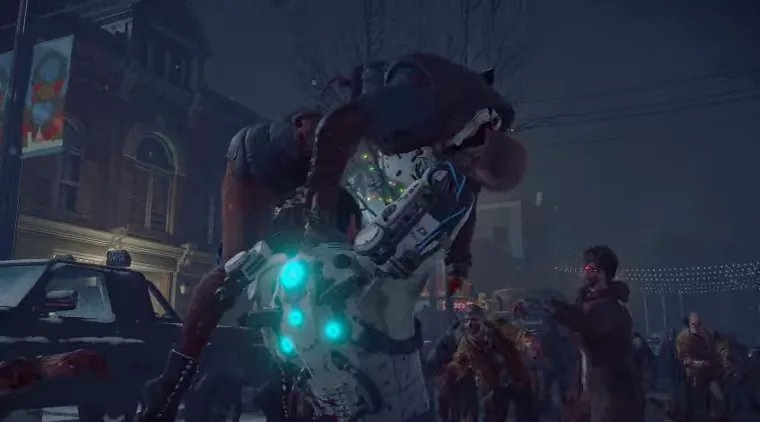
Ripping an enemy model apart
A forceful action tears an enemy's body apart.
Dead Rising 4 ↗
Shredding
A sustained effect visibly shreds a target's body.
Painkiller ↗
Head-crushing animation
A close-range action uses a distinct head-crushing effect.
Doom ↗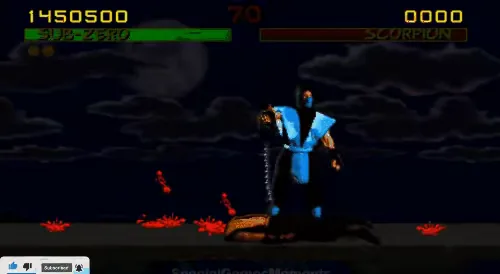
Spine-ripping finisher
A finishing move depicts removal of an opponent's spine.
Mortal Kombat ↗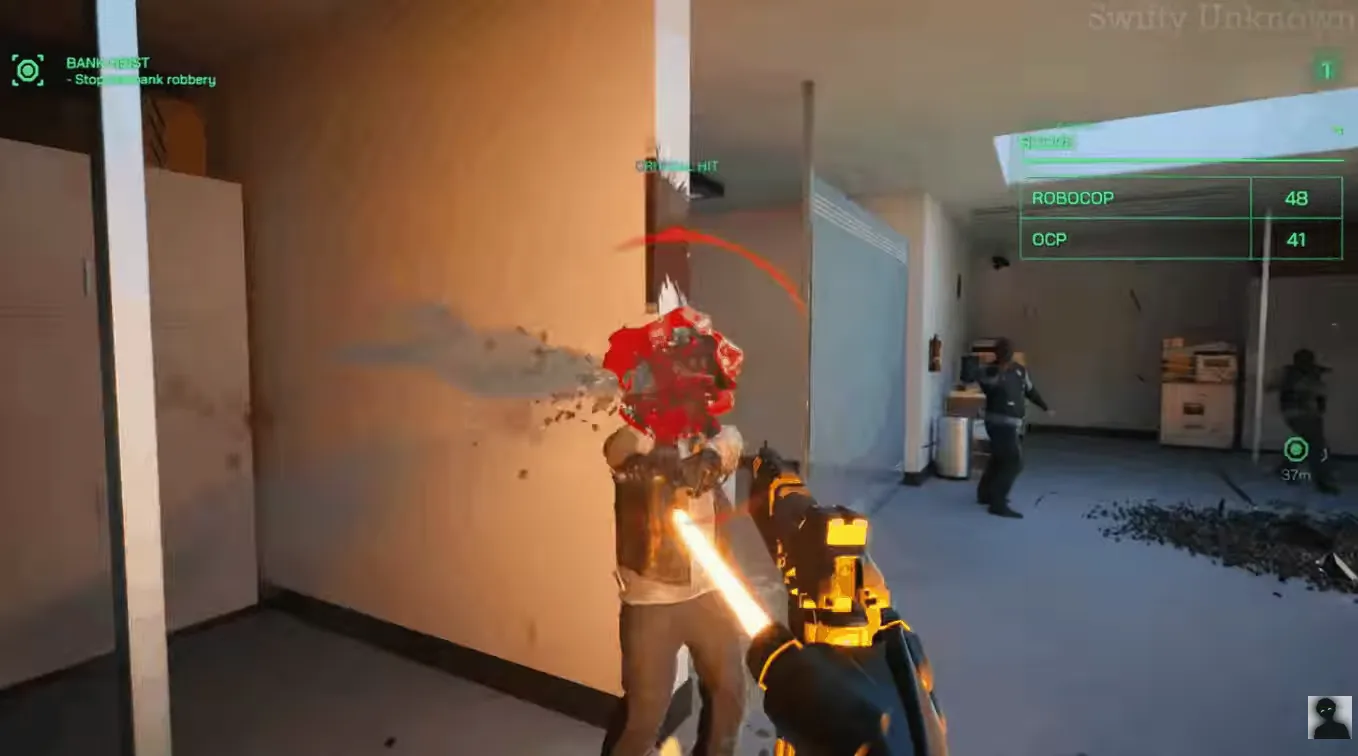
Shot and hit desync
The visible shot and its impact do not match in time or position. This makes attack direction and outcome harder to read.
RoboCop: Rogue City ↗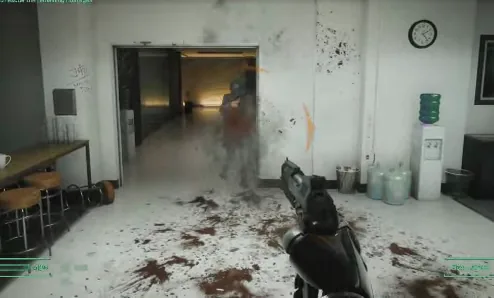
No reaction before death
An enemy takes hits but keeps the same pose and action until death, making the attack’s result difficult to judge.
RoboCop: Rogue City ↗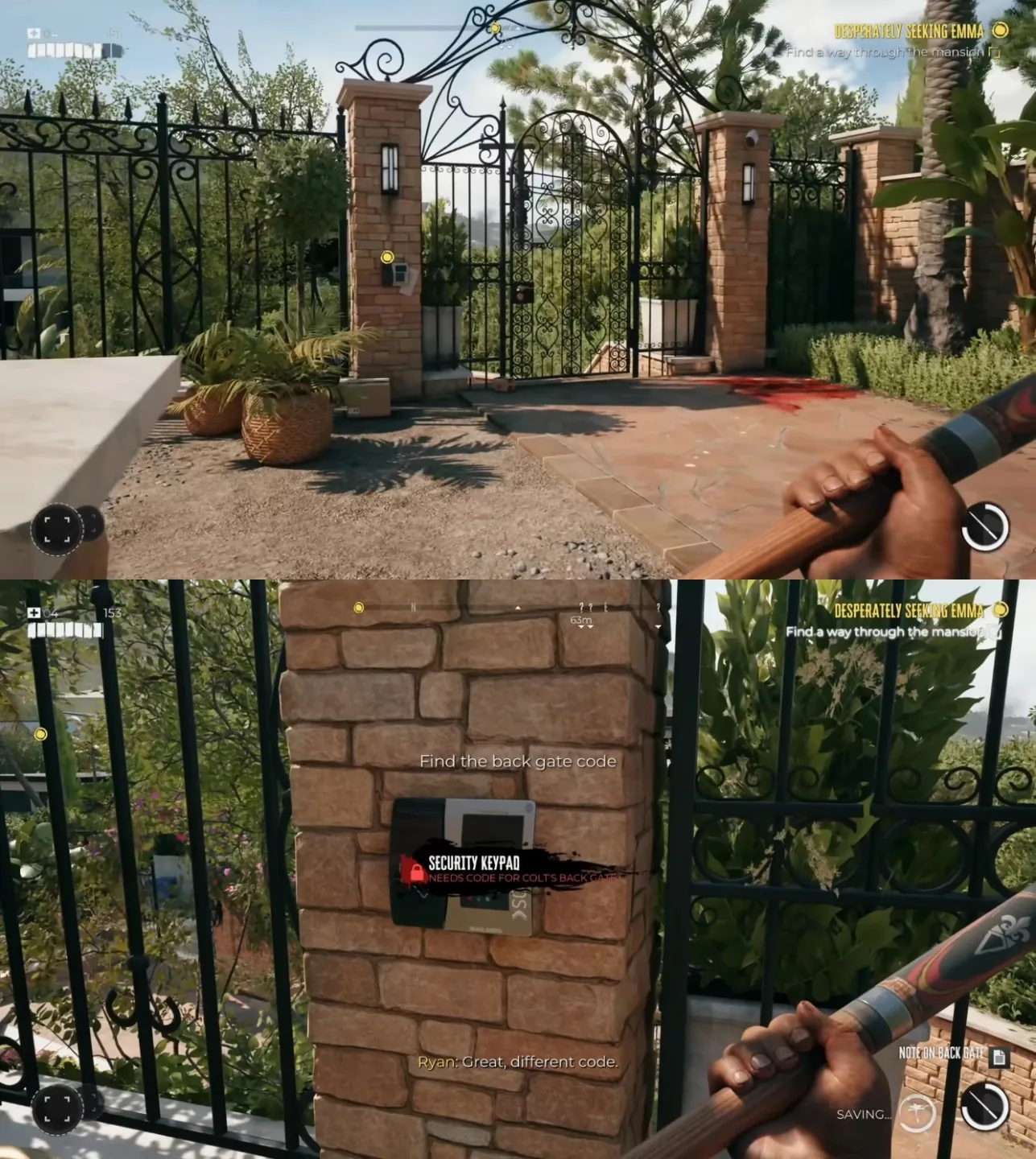
Artificial progression gate
A scripted condition blocks passage regardless of the character's physical capabilities.
Dead Island 2 ↗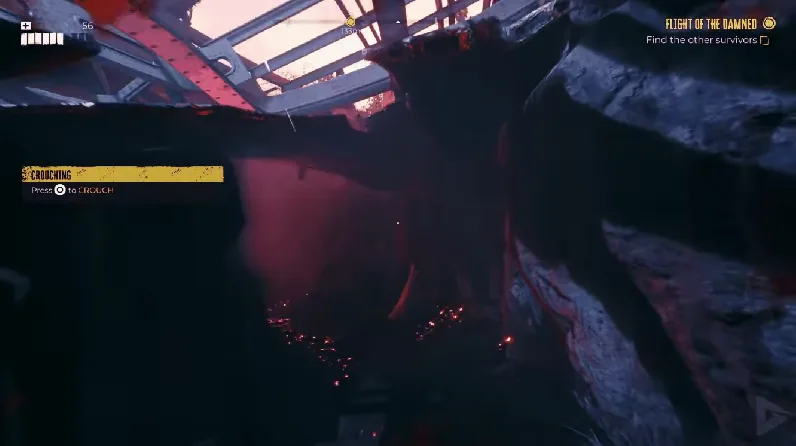
Forced path
Level structure leaves the player a single route forward.
Dead Island 2 ↗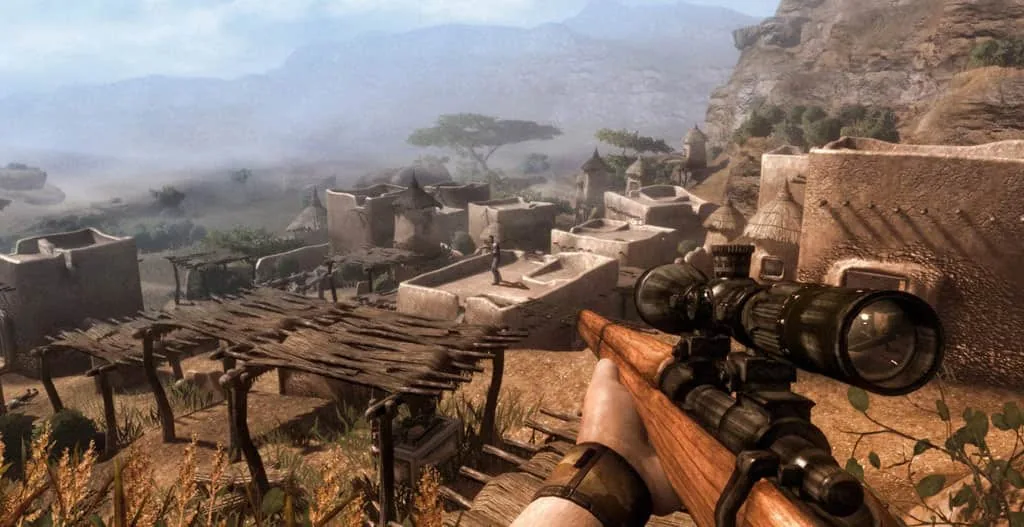
Outpost enemy respawn
A cleared location becomes occupied by enemies again.
Far Cry 2 ↗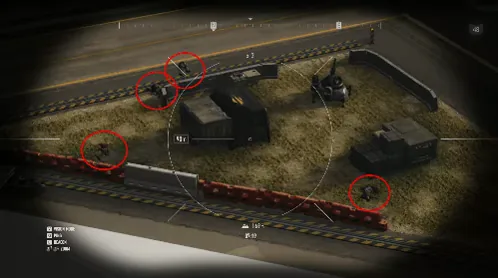
Disappearing bodies and wrecks
The game removes objects left behind after combat.
Tom Clancy’s Ghost Recon: Breakpoint ↗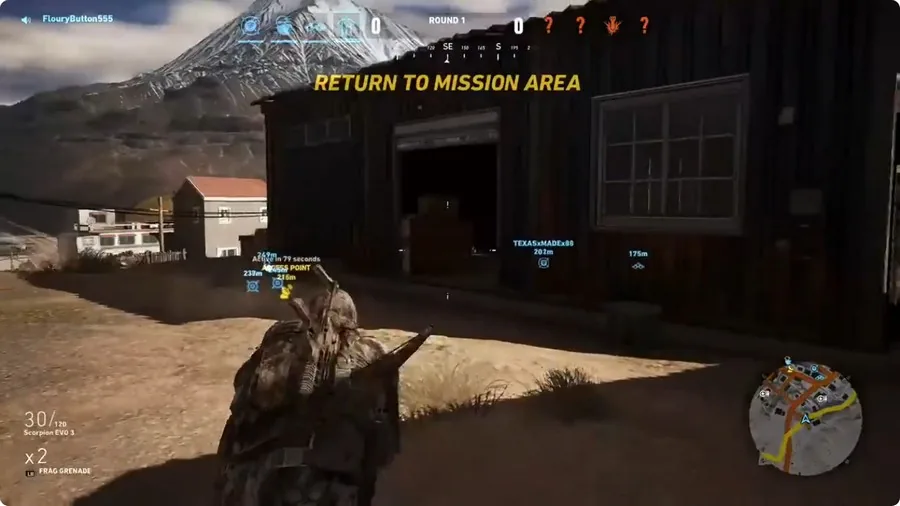
Leaving the mission area
Moving away from the mission area triggers a warning or consequence.
Tom Clancy’s Ghost Recon: Wildlands ↗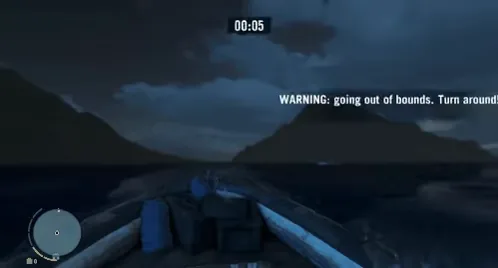
Forced return to the map
Crossing an allowed boundary relocates the character back into play.
Far Cry 3 ↗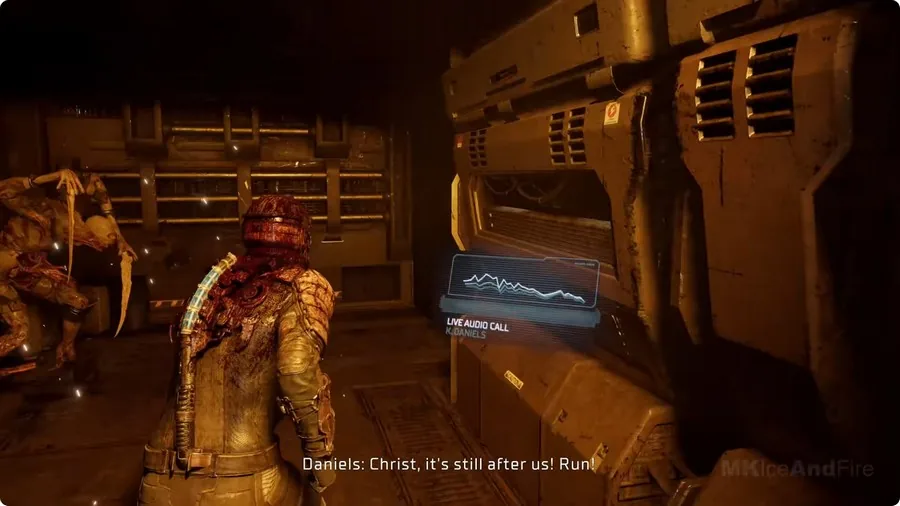
Broken sense of isolation
Incongruous contact or guidance weakens an intended sense of isolation.
Dead Space ↗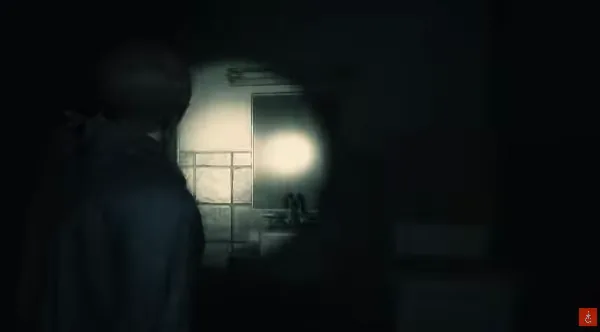
Mirror without player reflection
A surface looks mirror-like but does not show the expected reflection, conflicting with the scene’s visual rules.
Resident Evil 2 ↗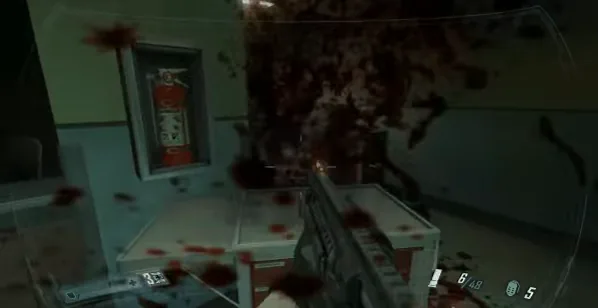
All-or-nothing damage
Severe visible injury appears only when the target transitions to death.
F.E.A.R. 2: Project Origin ↗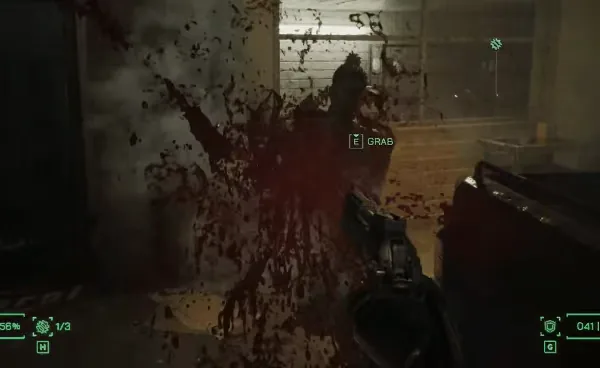
Excessive blood effects
Hit effects use an exaggerated amount of blood.
RoboCop: Rogue City ↗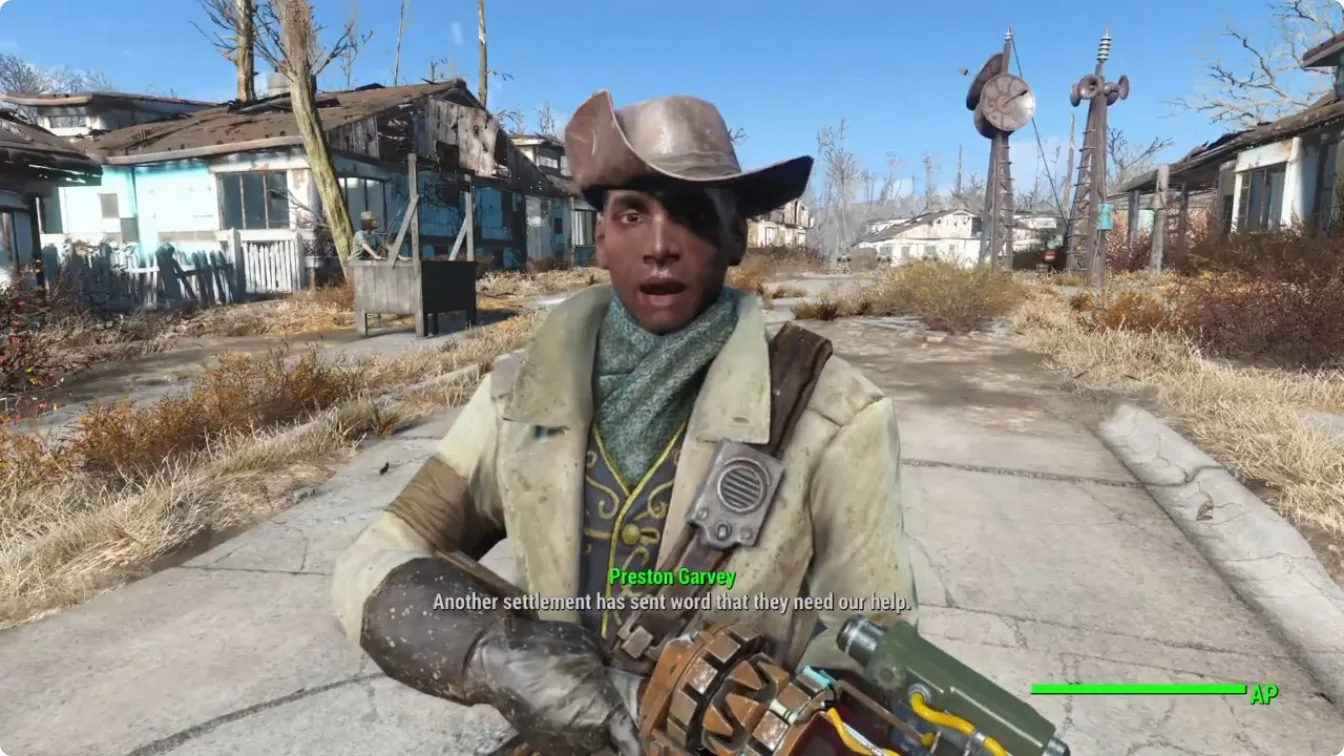
Player as universal savior
The setting repeatedly relies on the player character to solve others' problems.
Fallout 4 ↗2D platforming
The player moves on a plane and times jumps. A level turns surfaces, gaps and hazards into a sequence of movement challenges.
Celeste ↗3D platforming
The player judges distances and heights in three-dimensional space. Camera framing, landmarks and jump controls help target the next foothold.
Rise of the Tomb Raider ↗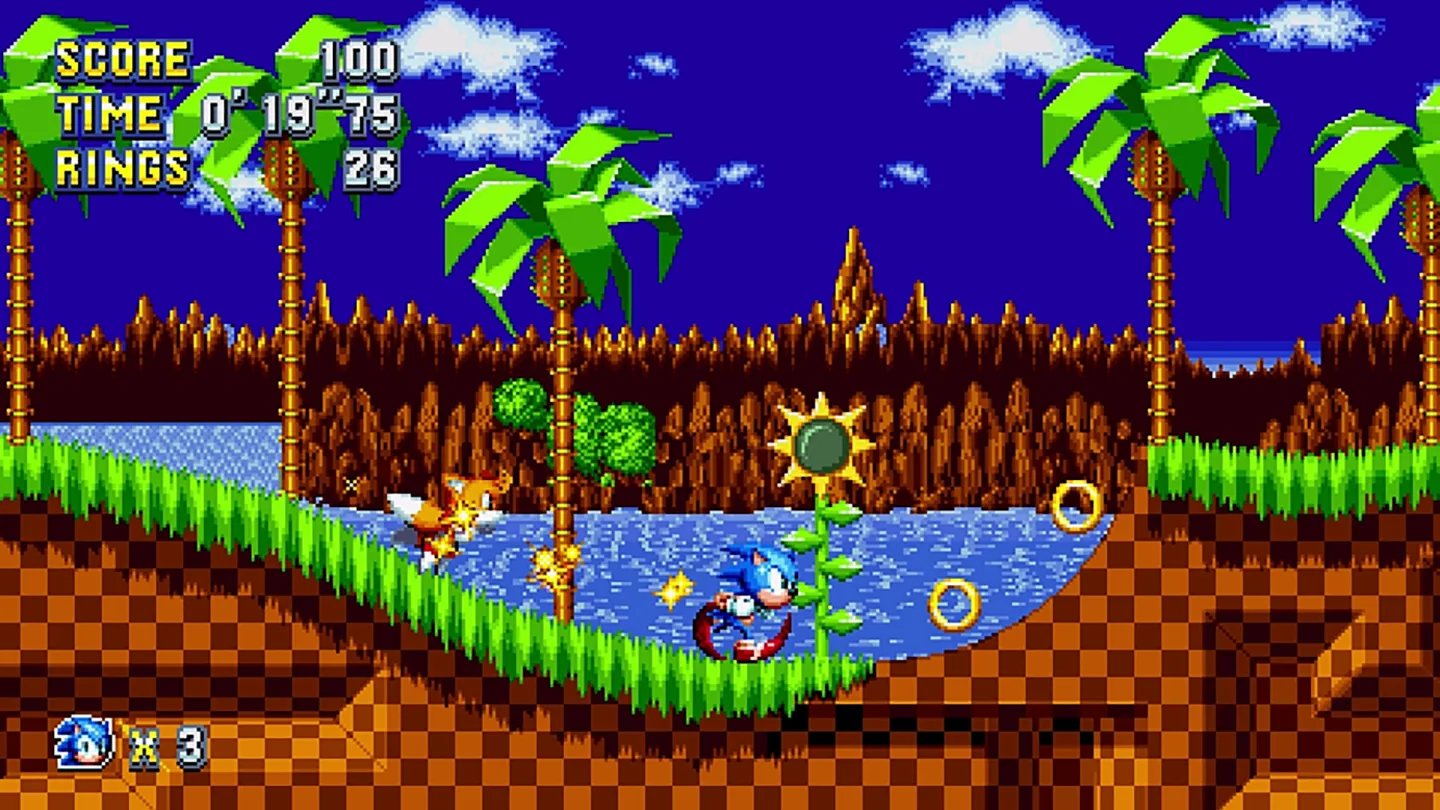
Momentum and speed retention
The player accelerates, brakes and preserves momentum, trading fast traversal against precise trajectory changes.
Sonic Mania ↗Parkour and traversal
The player links jumps and other moves into a route through the environment. Readable footholds support momentum and safe trajectory choices.
Rise of the Tomb Raider ↗Climbing surfaces
The player uses a suitable surface for hand and foot support. Grabs, climb boundaries and transitions determine the available route.
Tom Clancy's Splinter Cell (2002) ↗Grapples, ropes and swinging
The player connects to a world anchor, changes length or tension and uses release timing to carry motion onward.
Uncharted: The Lost Legacy (2017) ↗Flight and gliding
Airborne movement links altitude, speed and direction. The player plans a path around an energy budget or unavoidable altitude loss.
Just Cause 3 ↗Underwater movement
Movement through water adds ascent and descent to ordinary navigation. Resistance changes acceleration, braking and tool use.
Subnautica ↗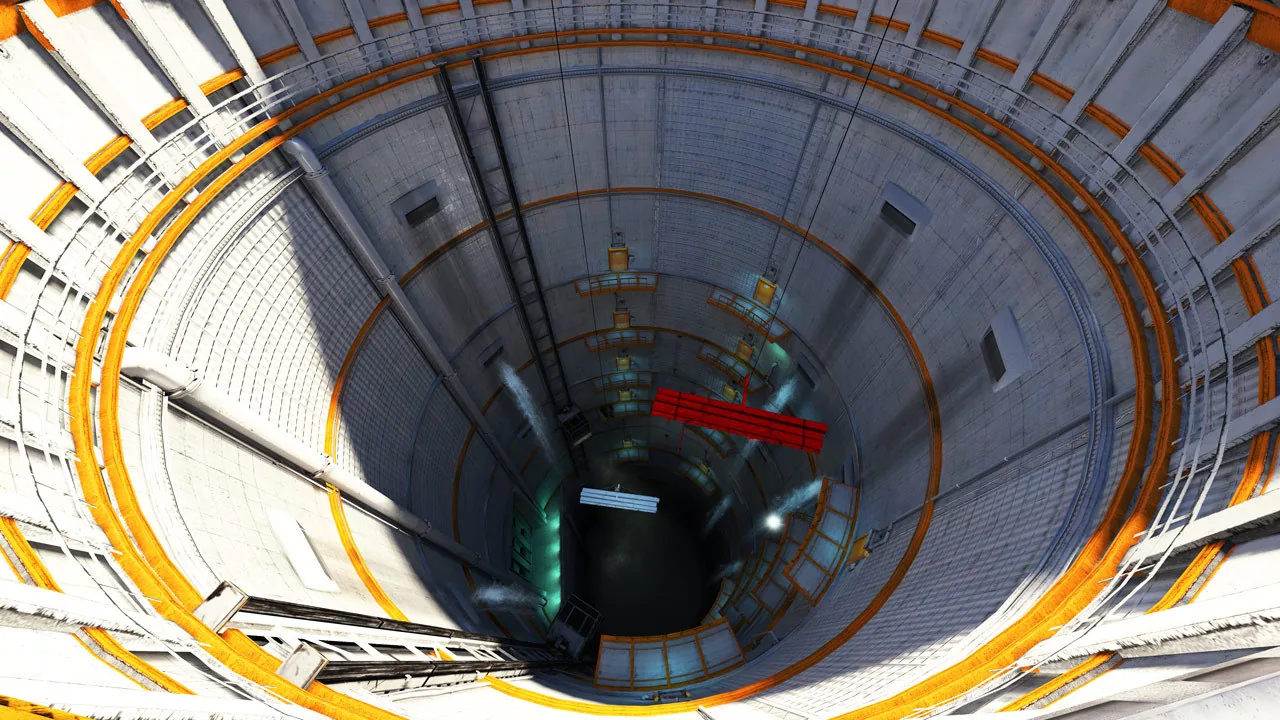
Runners and obstacle courses
Forward progress is imposed or expected to continue, while the player chooses dodge timing and obstacle-clearing sequences.
Mirror's Edge™ ↗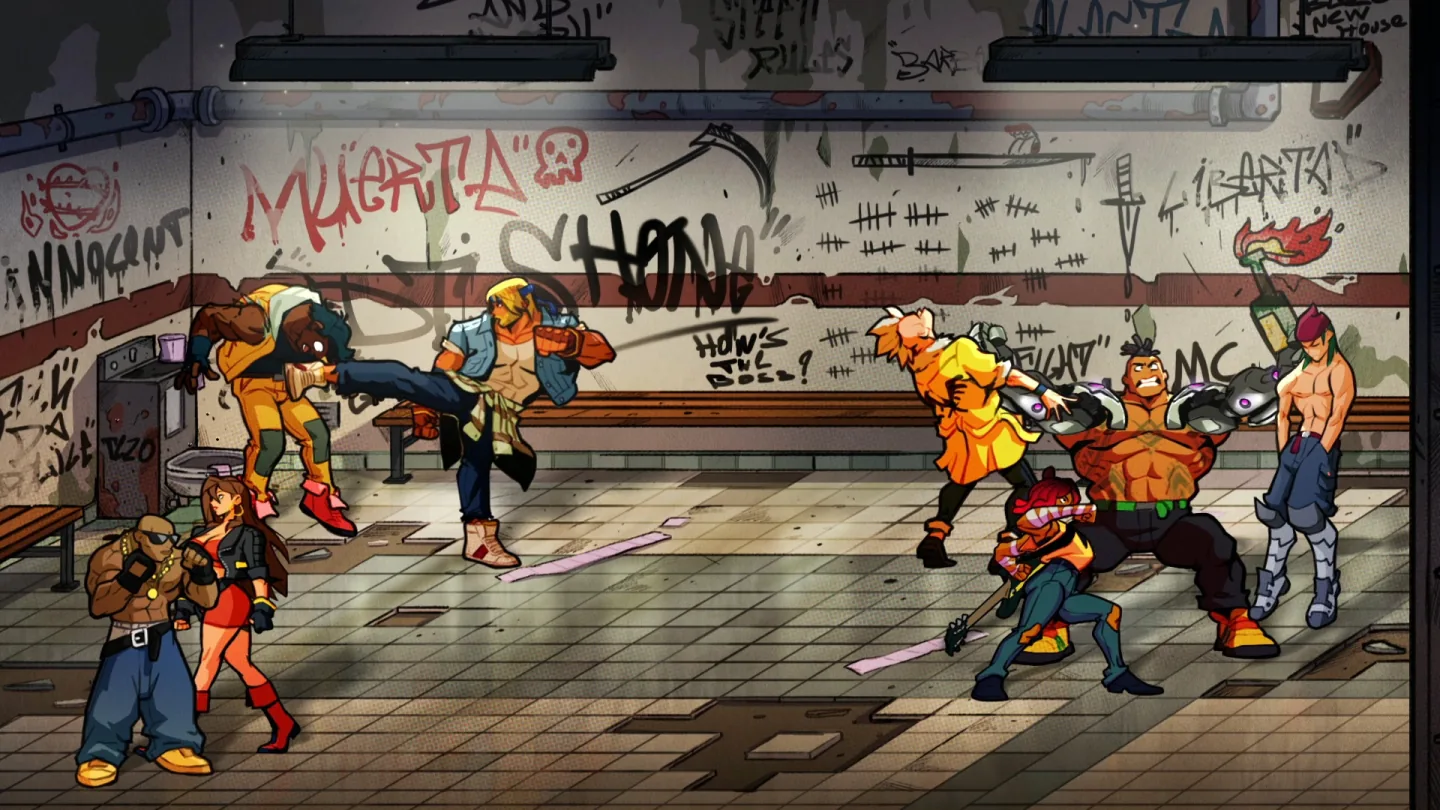
Brawling and beat ’em up
The player chooses a target, distance and attack direction, connecting movement to safe contact timing and escape from surrounding enemies.
Streets of Rage 4 ↗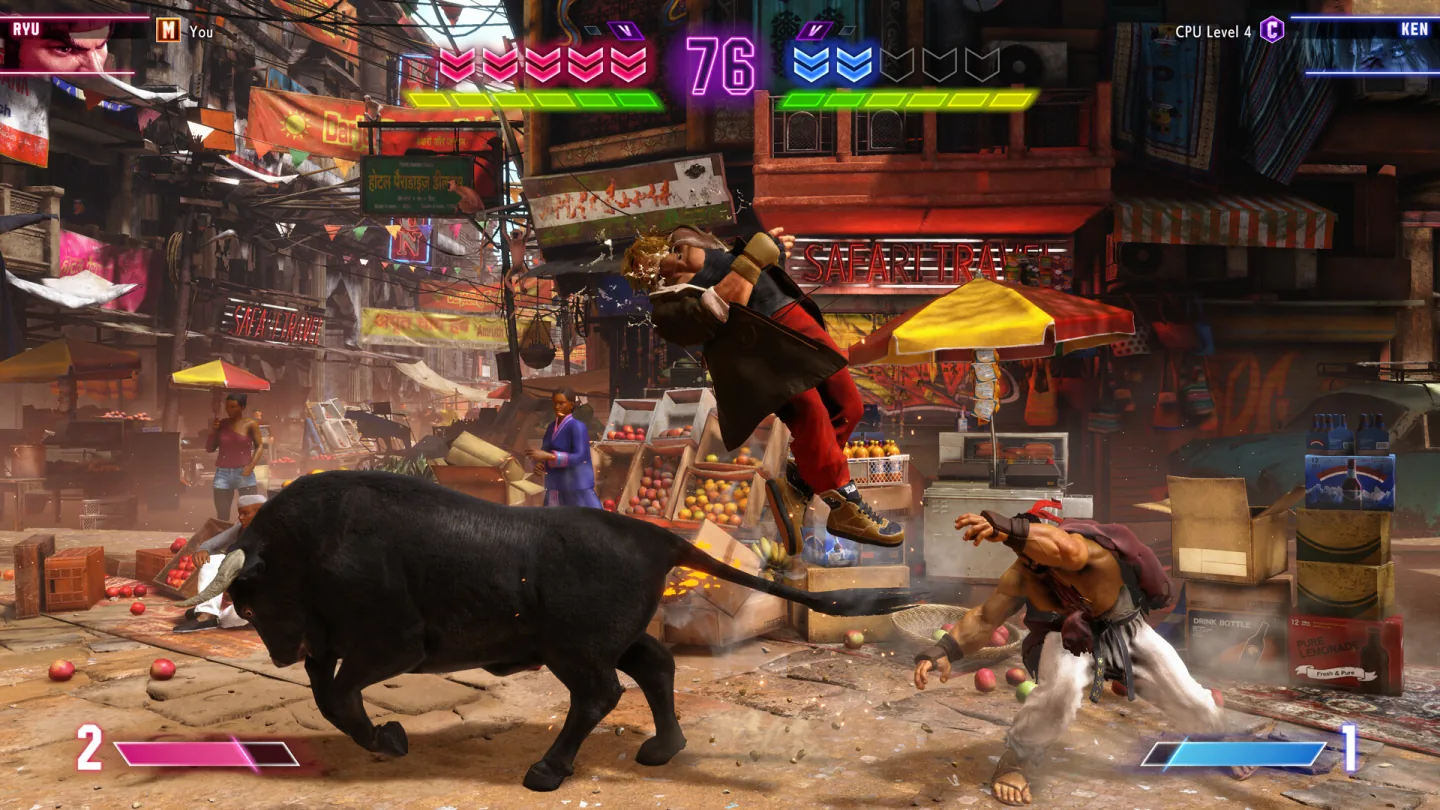
Fighting games and duels
A duel turns range, startup and recovery into exchanges of advantage: the player provokes an action and selects a response.
Street Fighter™ 6 ↗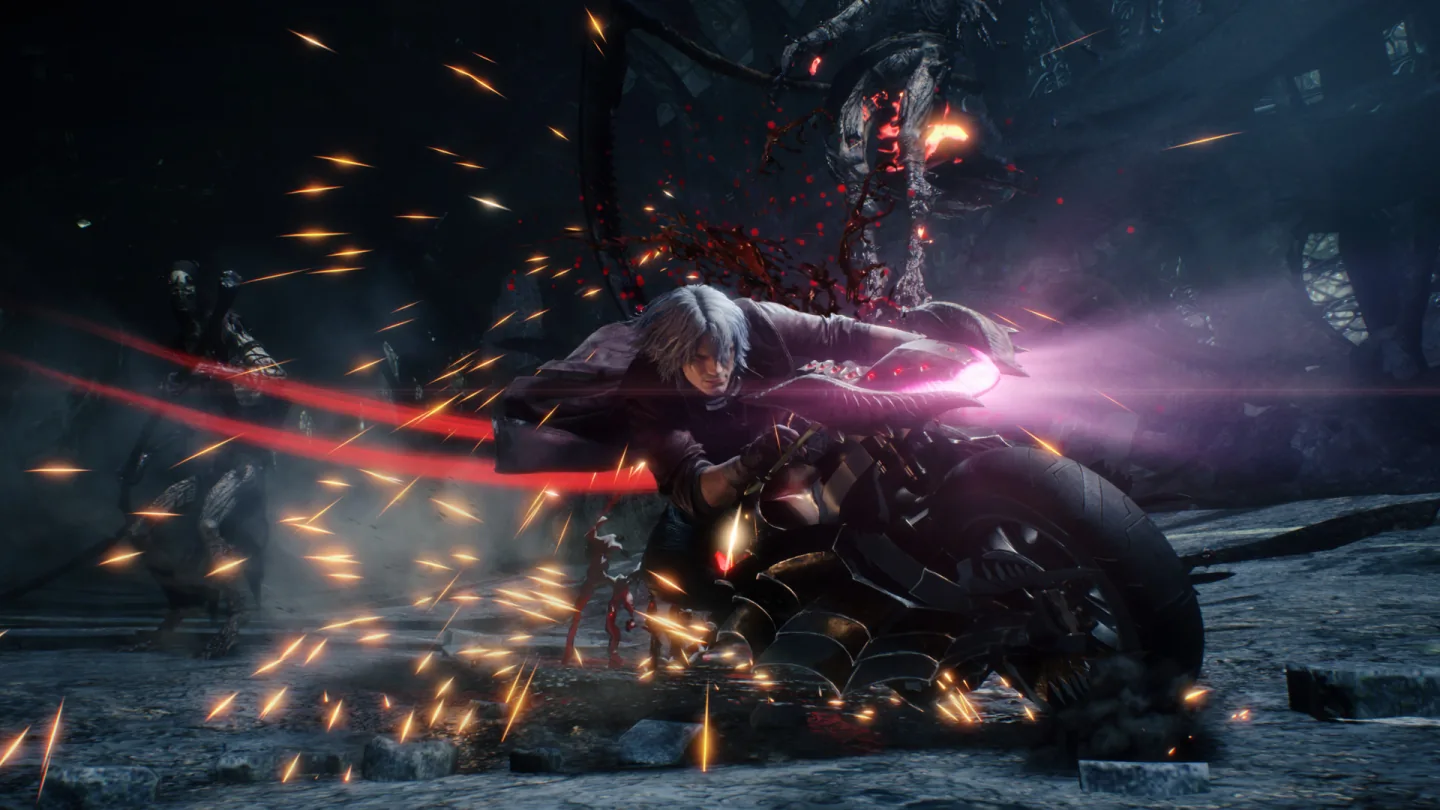
Combos and character action
The player connects actions through permitted transitions, trading reliable finishers against continued pressure and preserved defensive options.
Devil May Cry 5 ↗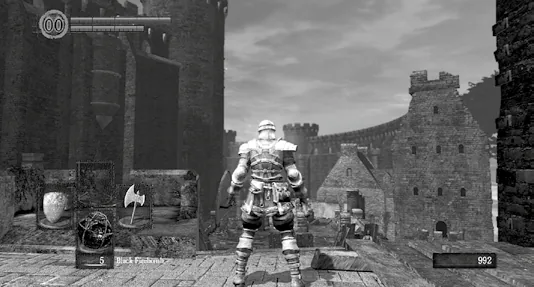
Stamina-based combat
The player preserves a response to the next threat by dividing a resource between attacking, dodging, blocking and repositioning.
Dark Souls ↗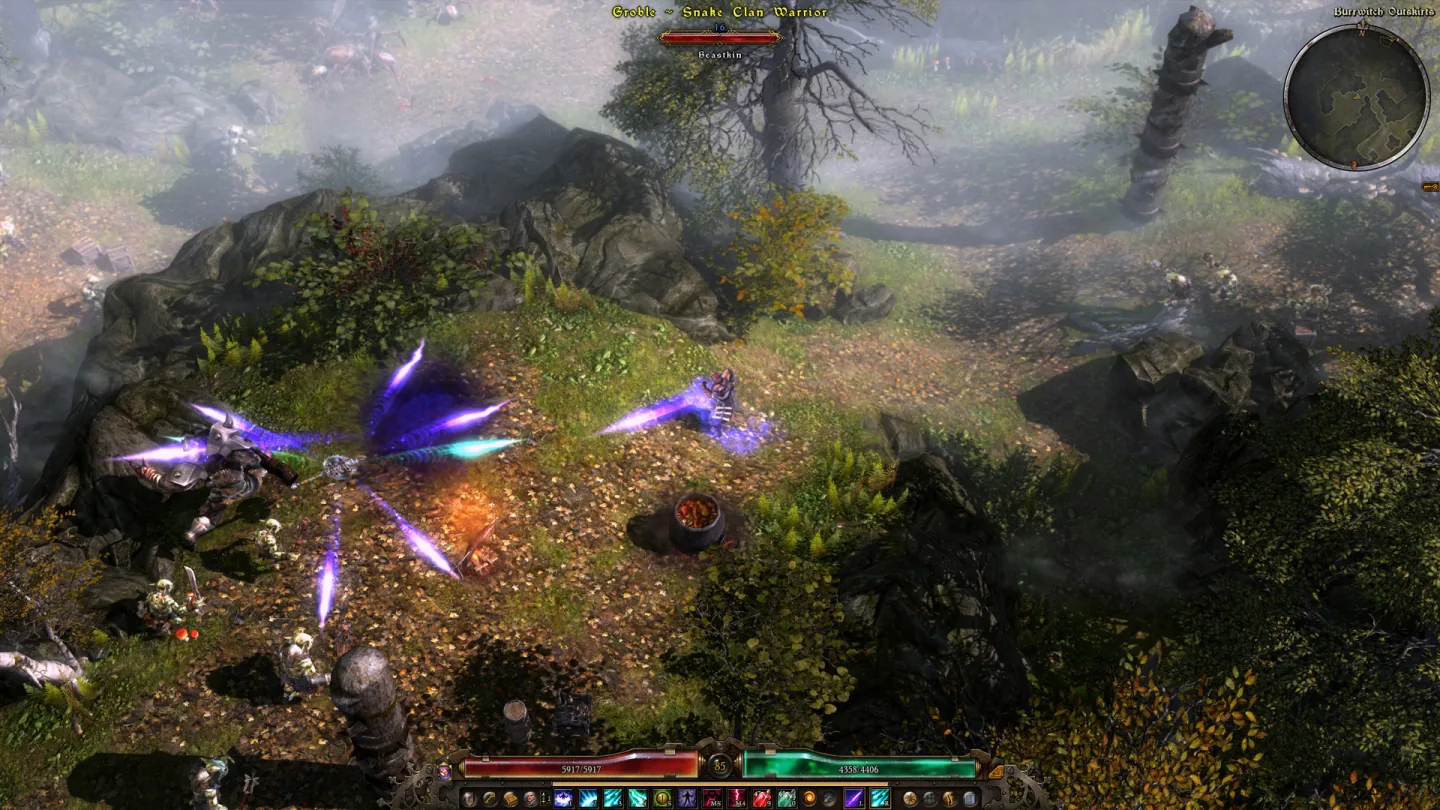
Hack and slash
The player sustains attacks and chooses ability order to clear groups with different resistances and threats efficiently.
Grim Dawn ↗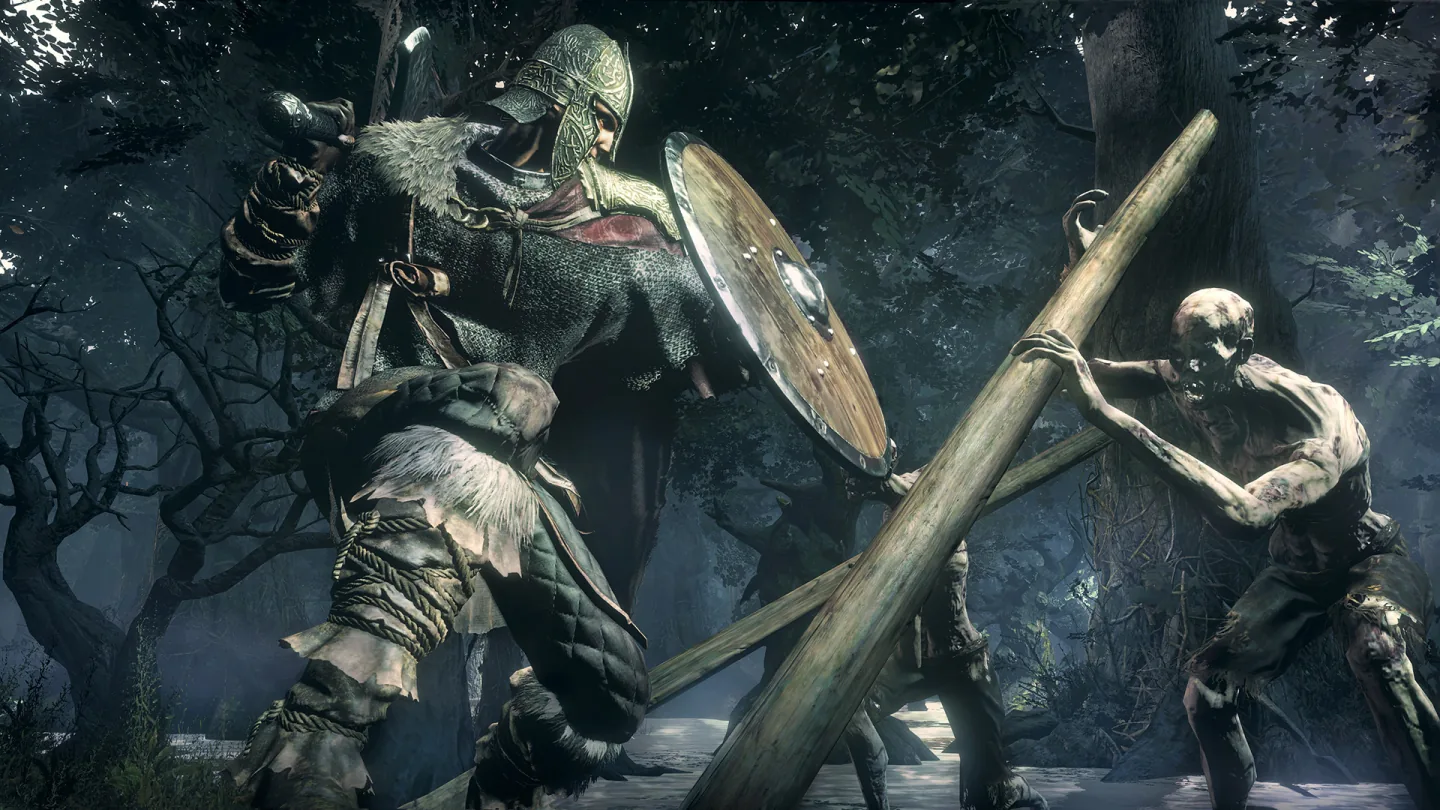
Blocks, parries and counters
The player matches a defense to threat direction and timing; success can change exchange tempo, position or the available response.
DARK SOULS™ III ↗Grabs, throws and wrestling
The player establishes controlled contact with a target and selects a follow-up, restricting both participants' movement during the interaction.
RoboCop: Rogue City (2023) ↗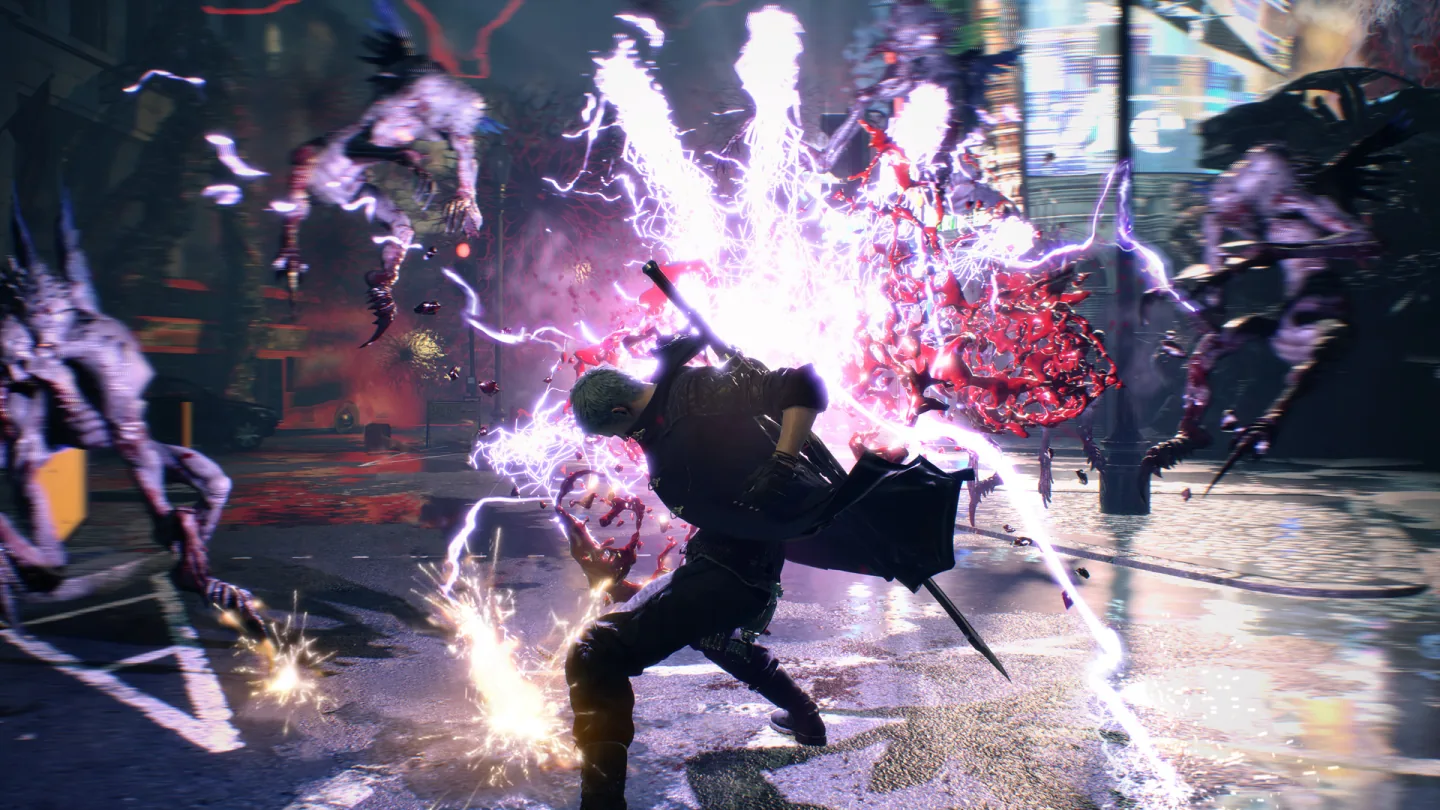
Crowd combat
The player manages position relative to several threats, dividing attention and creating temporary safe sectors instead of trading hits in place.
Devil May Cry 5 ↗Destructible parts and wounds
The player selects a target part or effect type to change its capabilities rather than merely reduce shared health.
Bulletstorm ↗First-person shooter
The player aims from the character’s viewpoint. Position, visibility and ammunition use shape decisions during combat.
Deep Rock Galactic ↗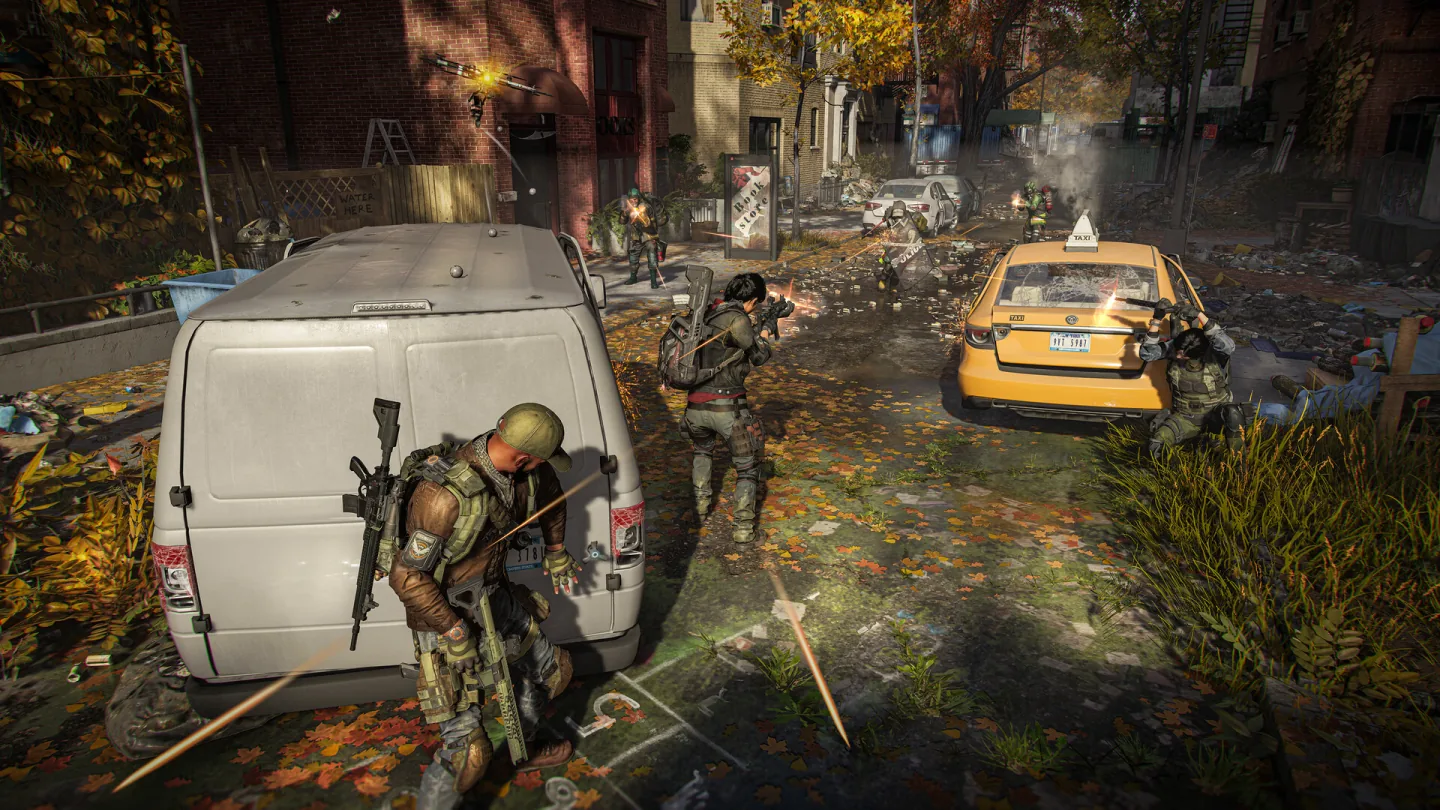
Third-person shooting and cover
A camera behind the character exposes surrounding space, while cover changes firing angles and movement options.
Tom Clancy’s The Division® 2 ↗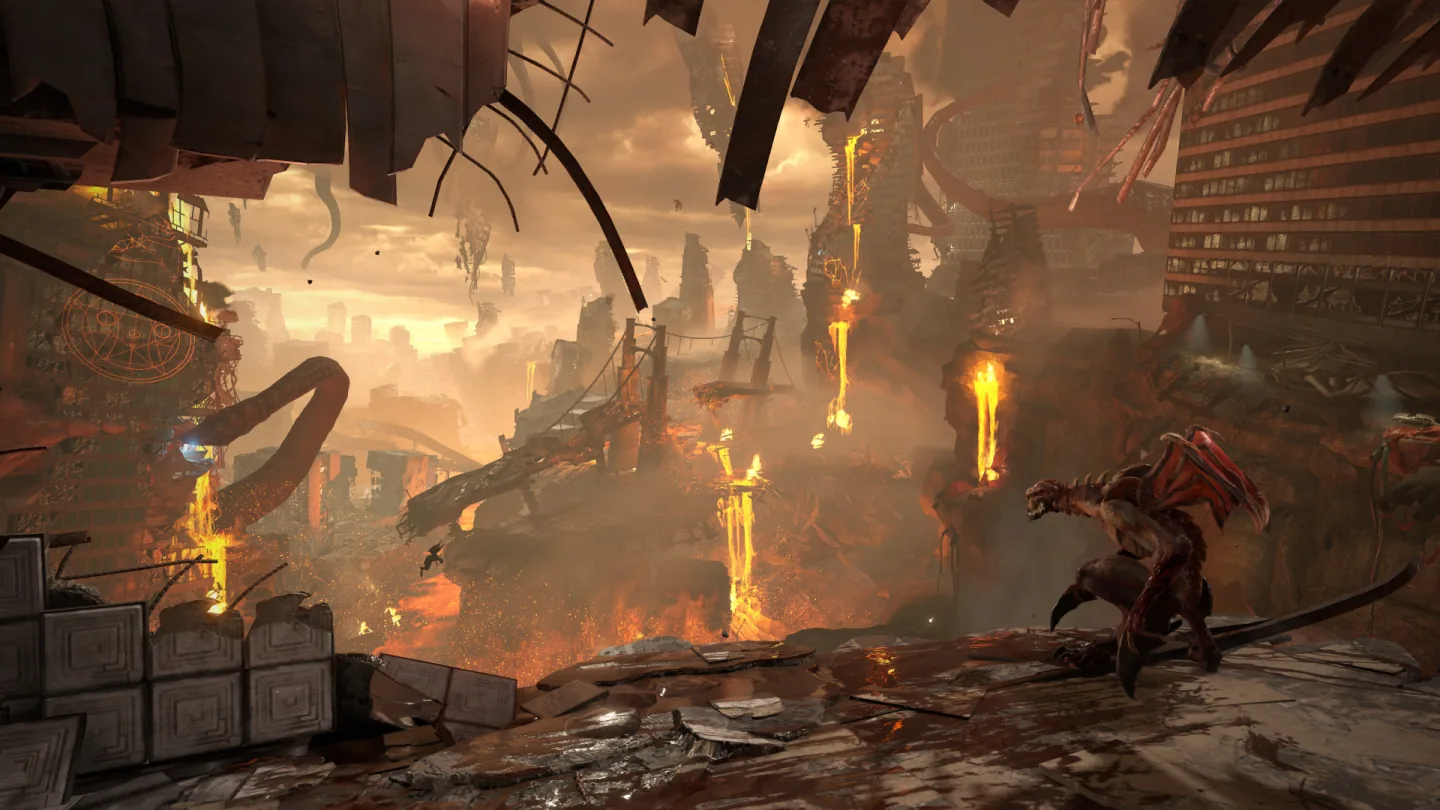
Arena shooters
An arena turns weapons, elevation and respawning resources into a route of continuous movement and control.
DOOM Eternal ↗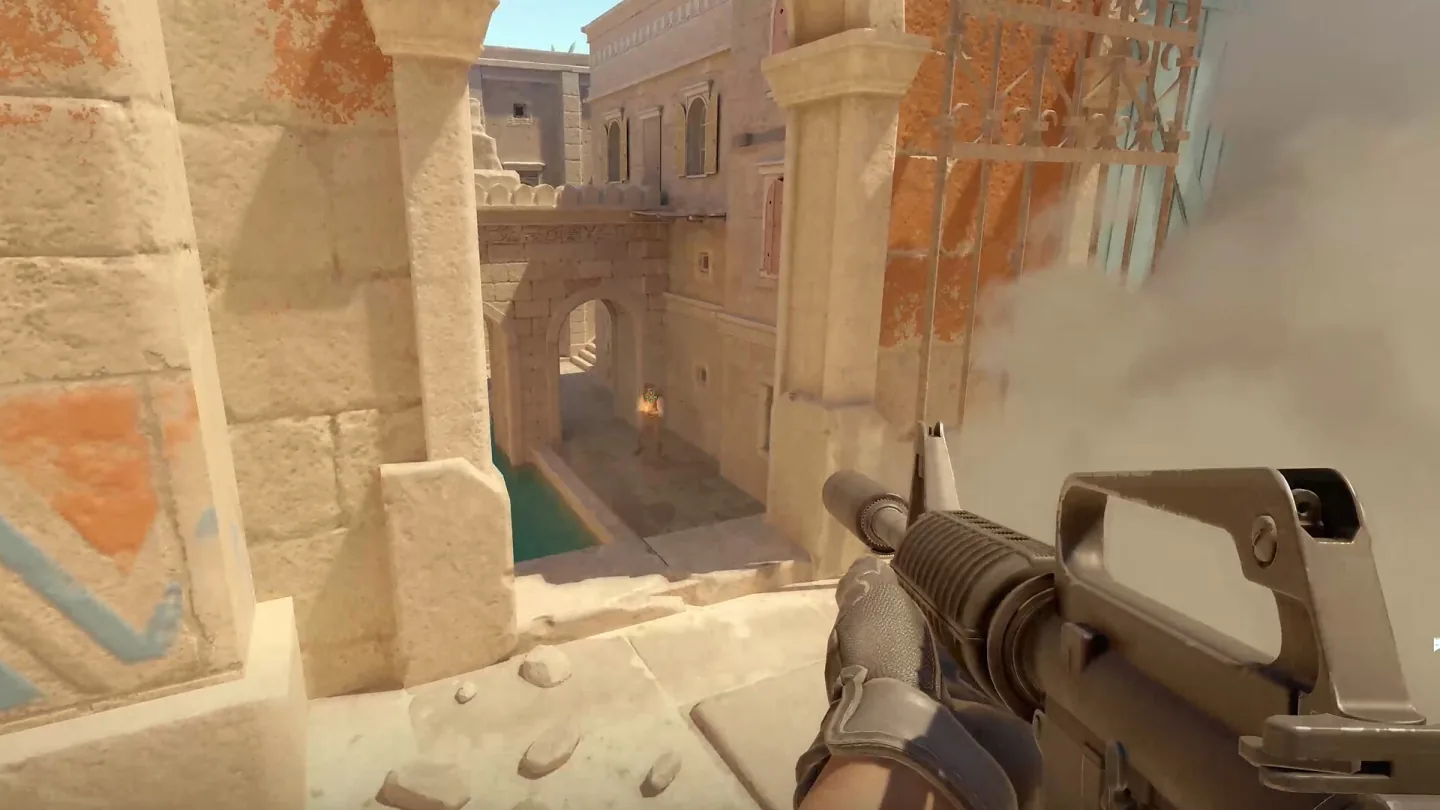
Tactical shooters
A short elimination window makes information, positional discipline and coordinated entry central decisions.
Counter-Strike 2 ↗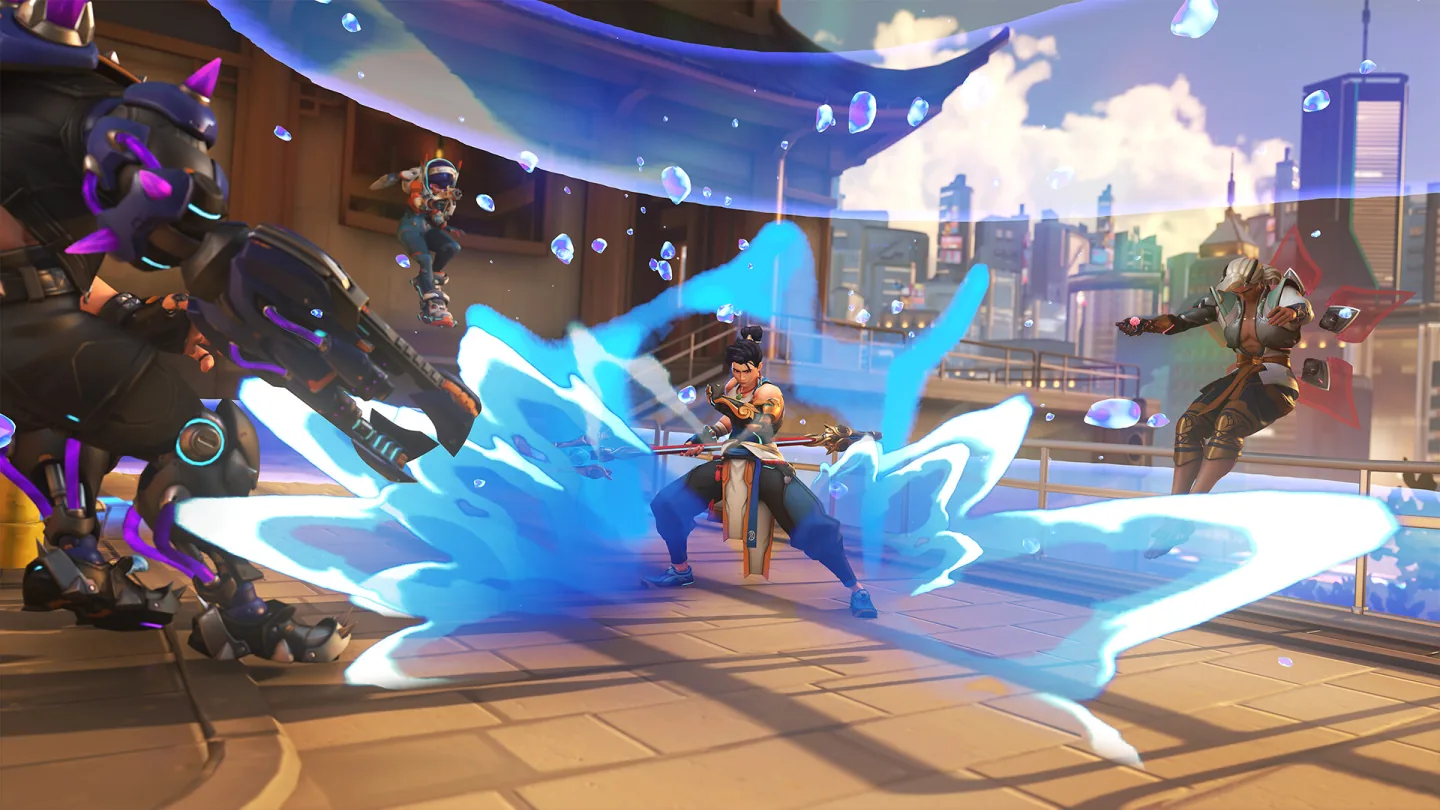
Hero shooters
Distinct hero abilities modify shared shooting rules and create dependencies between team roles.
Overwatch® ↗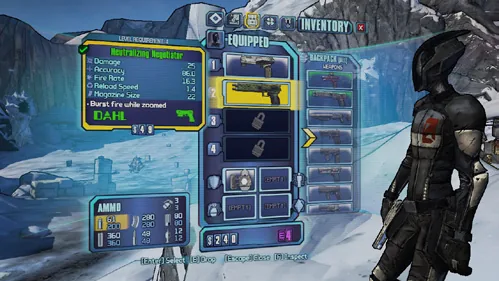
Looter shooters
Shooting produces equipment whose properties reshape later combat and target selection.
Borderlands 2 ↗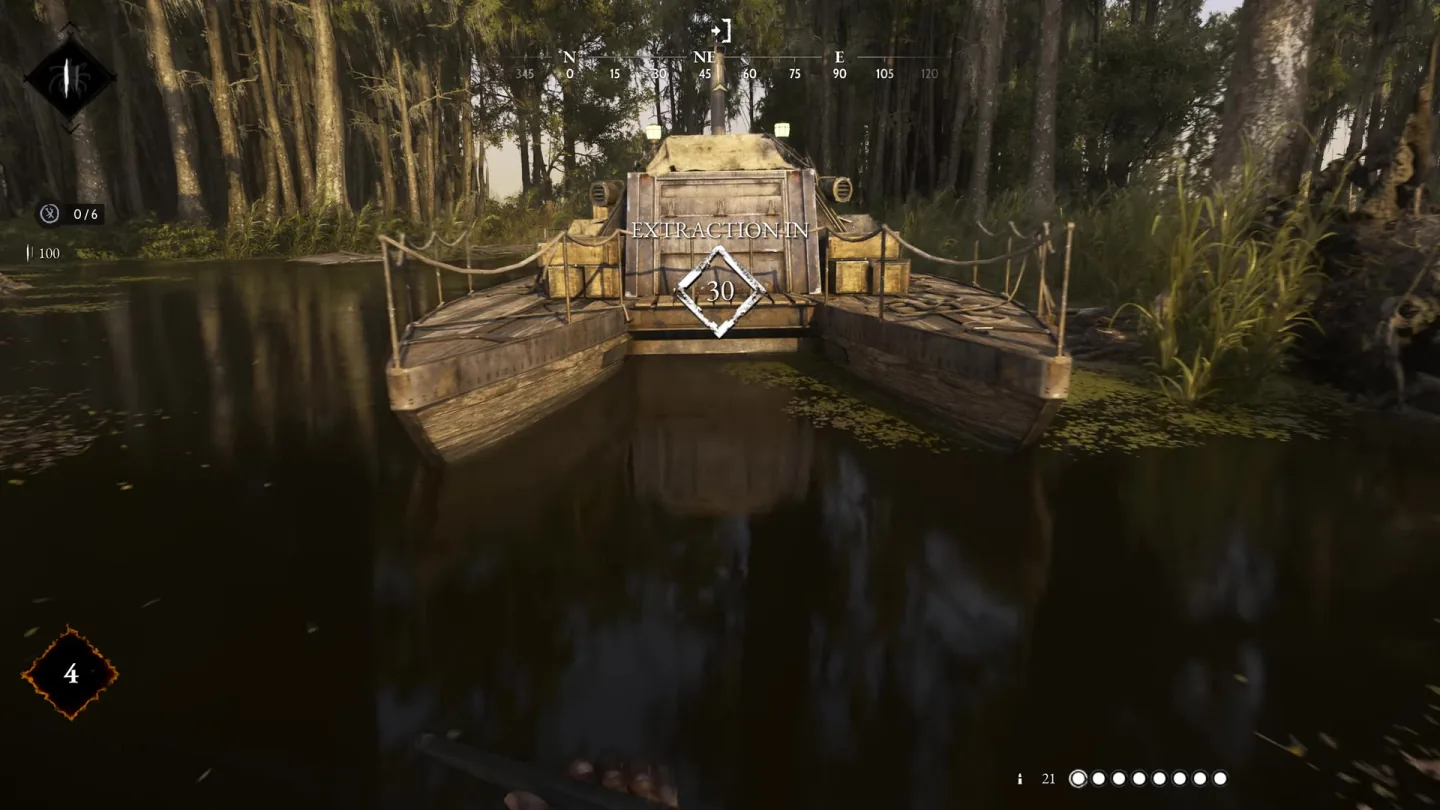
Extraction shooters
A sortie ends only upon extraction; acquired loot raises both the value of leaving and the risk of continuing.
Hunt: Showdown 1896 ↗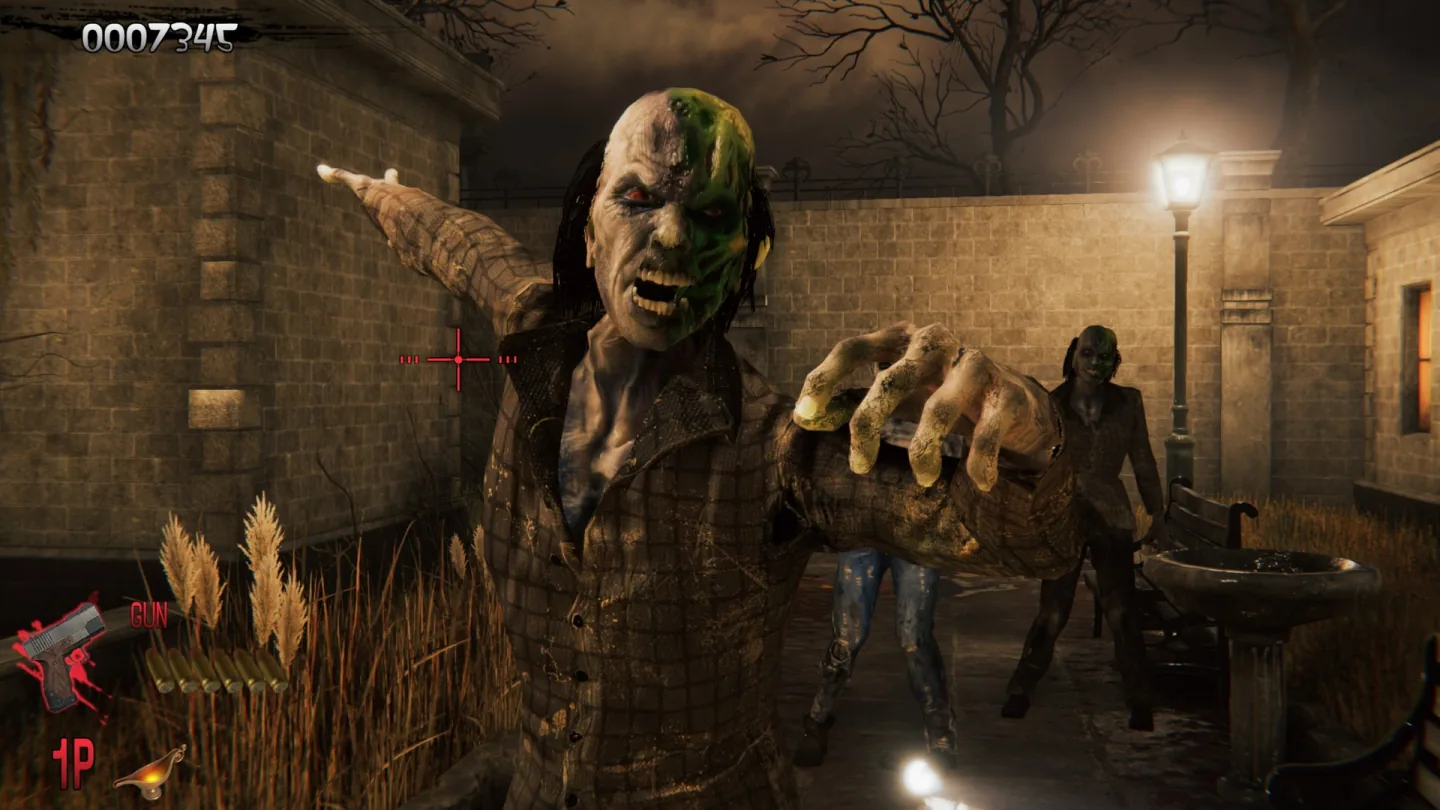
Rail and light-gun shooters
The system fixes the camera route while the player allocates attention among targets, threats and firing windows.
THE HOUSE OF THE DEAD: Remake ↗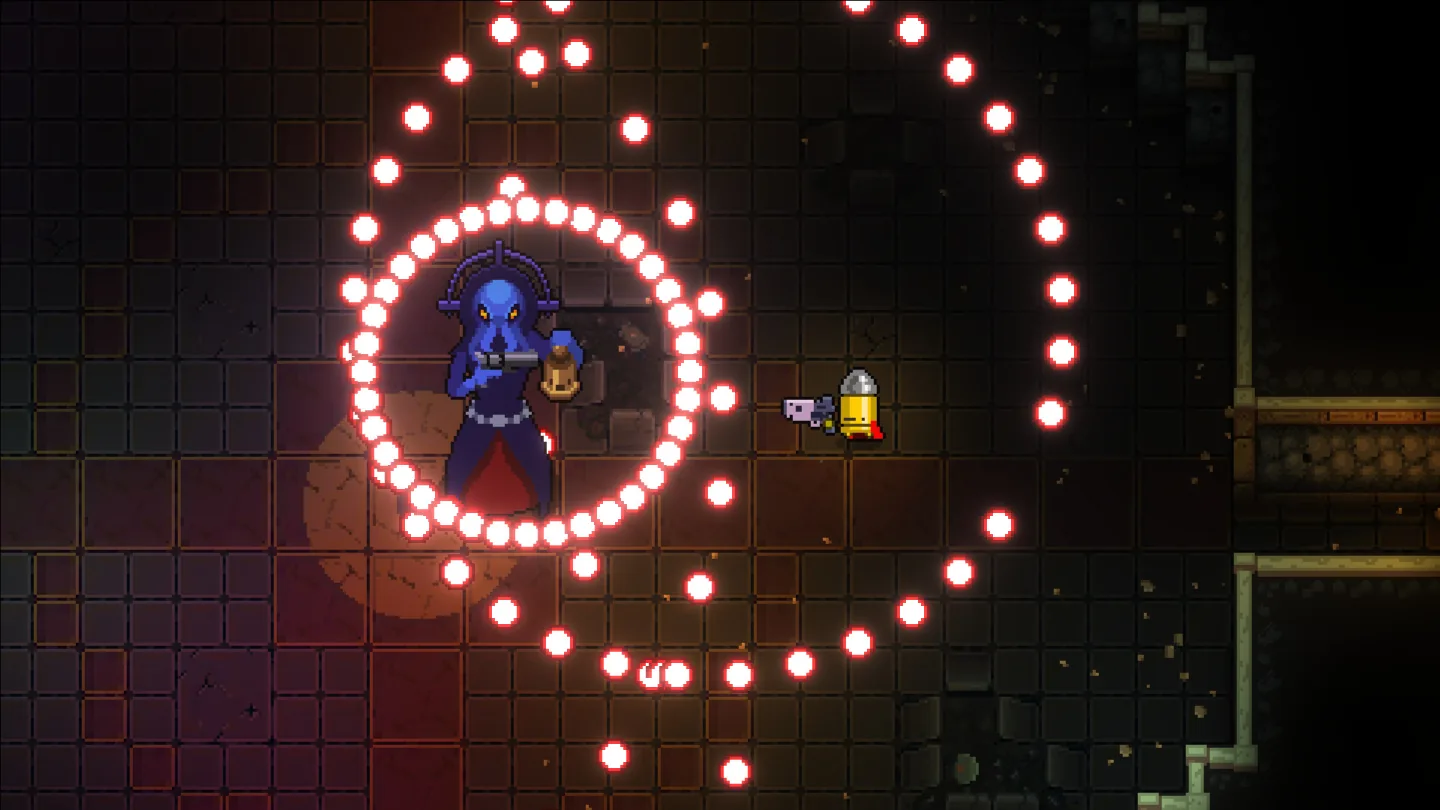
Independent movement and aim
Movement and firing direction are independent, enabling retreating attacks and deliberate range control.
Enter the Gungeon ↗Bullet hell and projectile patterns
Projectile patterns create moving danger zones. The player reads their direction and gaps to plan a safe movement path in advance.
Enter the Gungeon ↗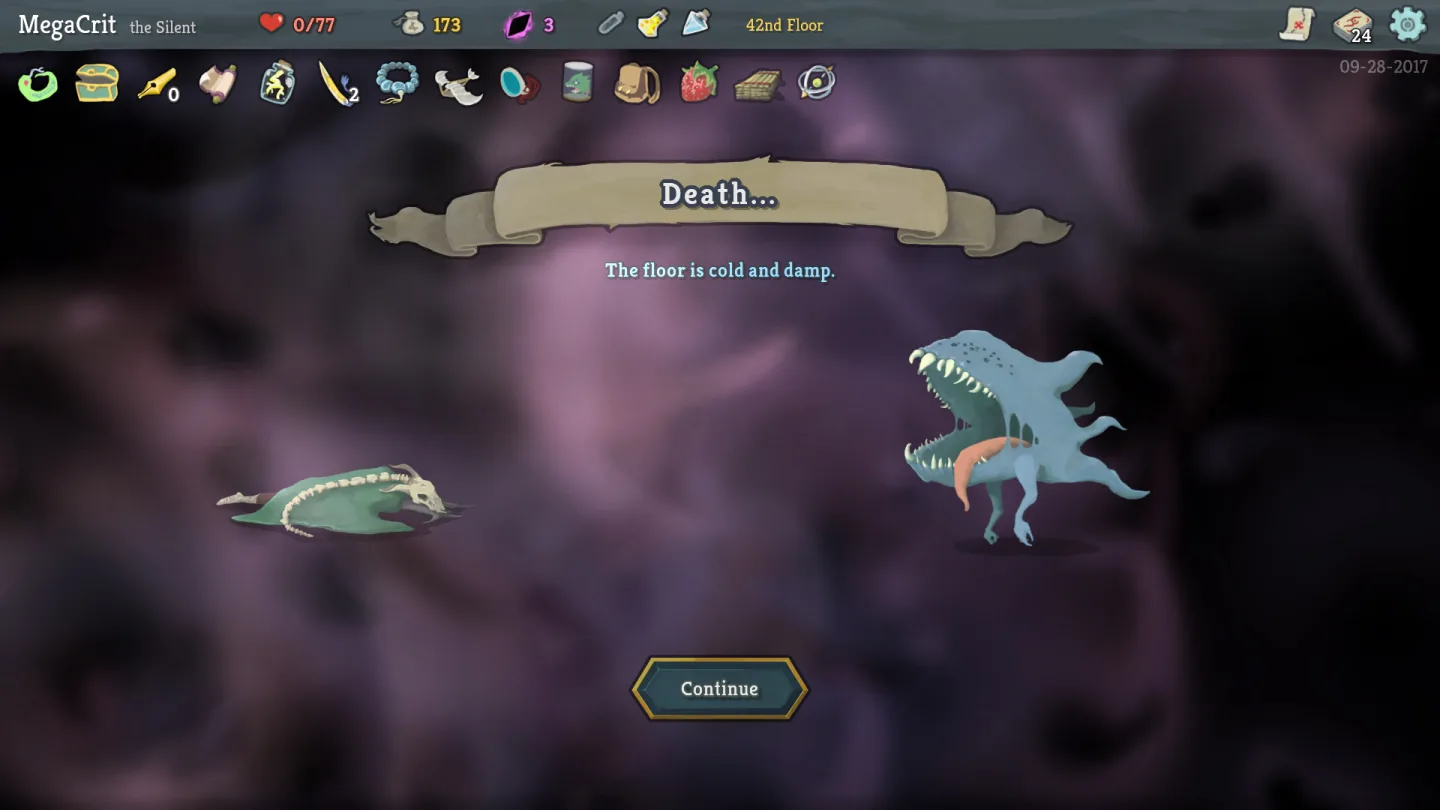
Victory and defeat
End conditions determine which actions advance success. An explicit result confirms the goal or explains why the attempt has ended.
Slay the Spire ↗Scores, combos and records
Scores evaluate actions while combos and multipliers link rewards to sequence and consistent execution.
Sonic Mania ↗Timed completion and speedruns
Timed completion turns routing, transitions and execution reliability into a shared duration-minimization problem.
Sonic Mania ↗Feedback and readability
Feedback makes state and action causality readable through coordinated visuals, sound, motion and tactile response.
Return to Castle Wolfenstein (2001) ↗Information through instruments
The player reads information through the character’s objects and instruments. Their place in the world supports context when displays remain legible.
Deep Rock Galactic ↗Interface as a play space
Interfaces become play spaces when placing, connecting or interpreting their elements directly changes a challenge's solution.
Resident Evil 4 (2023) ↗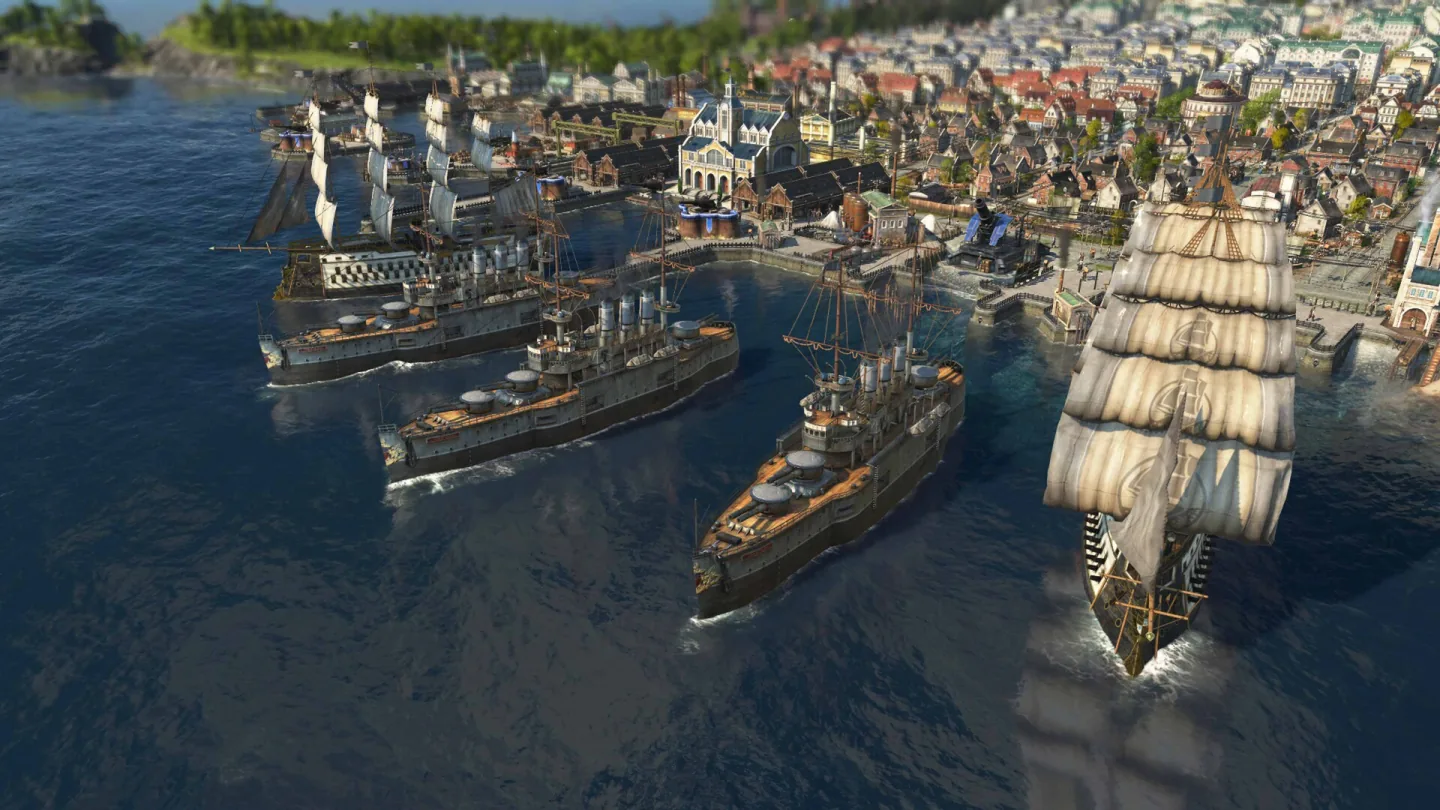
Trade and trade routes
Trade moves goods between locations with different needs; routes connect margin to travel time and risk.
Anno 1800 ↗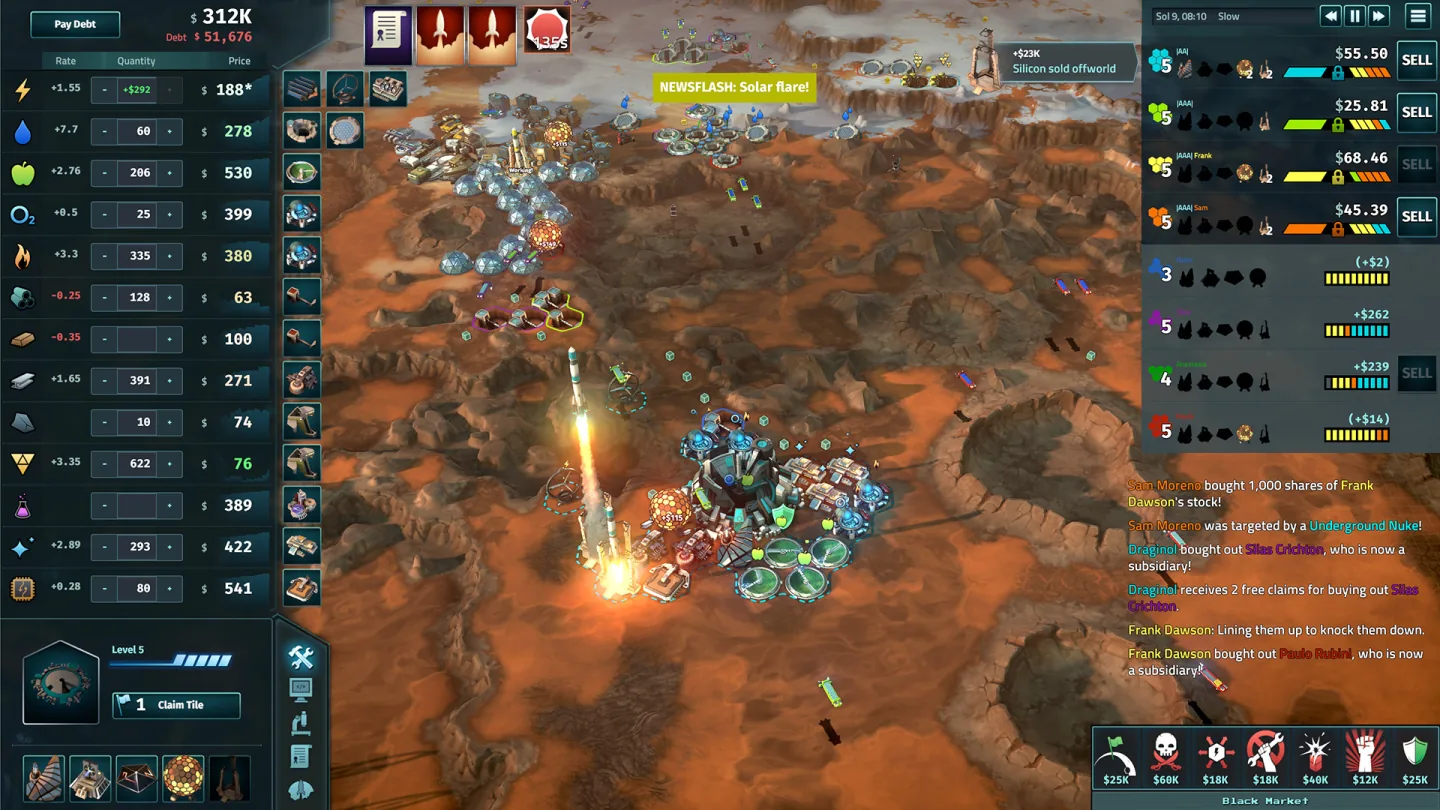
Supply, demand and prices
Prices reflect availability and willingness to buy, creating feedback between supply and demand.
Offworld Trading Company ↗Markets, auctions and bidding
Auctions allocate scarce objects through competing offers while markets expose available exchange conditions.
Offworld Trading Company ↗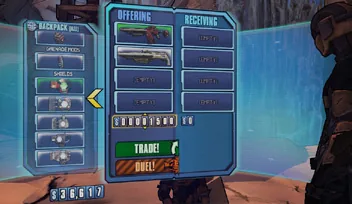
Barter and deal evaluation
Barter compares subjective item utility and improves offers through concessions and conditions.
Borderlands 2 ↗Budgets, debt and investment
An in-game budget limits current spending while debt and investment redistribute options between present and future turns.
Offworld Trading Company ↗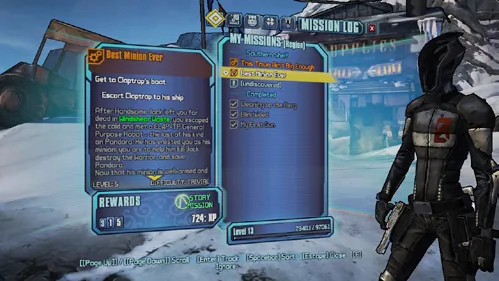
Contracts and orders
A contract connects payment to delivery, quality and timing conditions, turning a promise into a resource plan.
Borderlands 2 ↗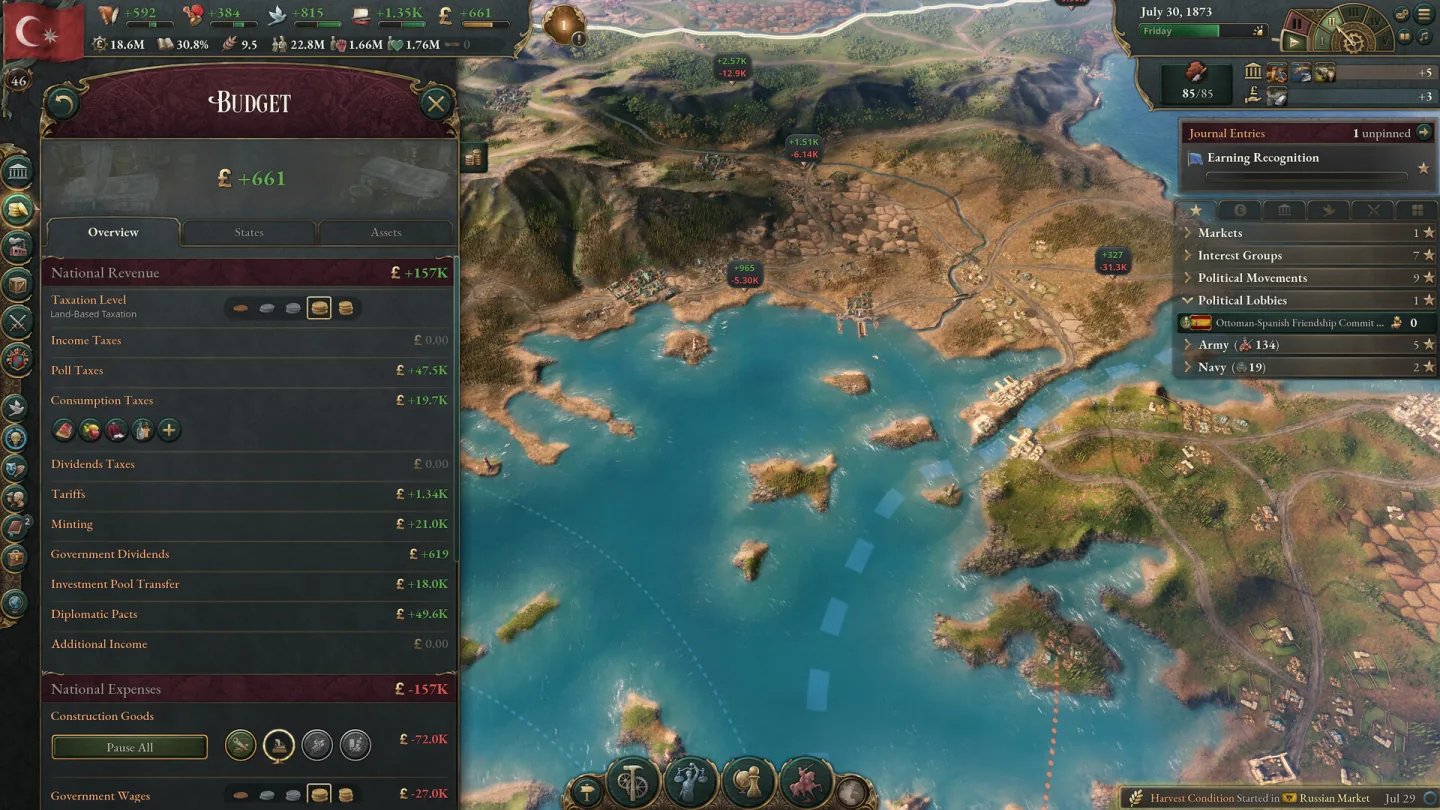
Ownership, rent and taxes
Ownership grants usage rights, rent limits their duration and taxation connects holding an asset to recurring payment.
Victoria 3 ↗Scarcity and resource sinks
Supply limits and resource removal regulate value while currency growth changes access to in-game purchases.
Slay the Spire ↗Economic competition
Competitors contest limited opportunities, while specialization and exchange can make them mutually dependent.
Offworld Trading Company ↗Unlocking new possibilities
Unlocking an ability expands legal actions and allows previously inaccessible challenges to be reconsidered.
Slay the Spire ↗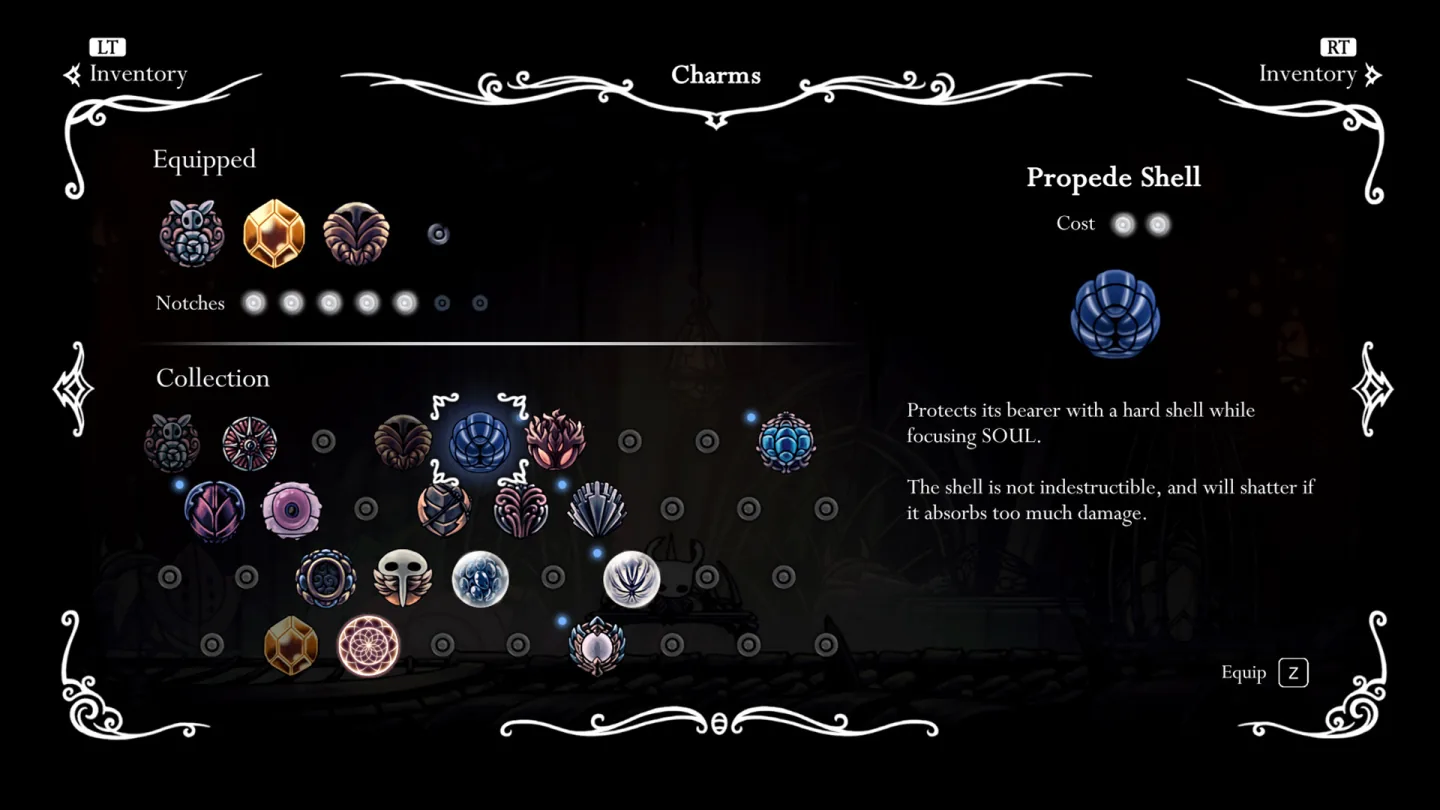
Collections and set completion
Found objects fill a visible set. Gaps show what remains to discover and turn individual rewards into a long-term goal.
Hollow Knight ↗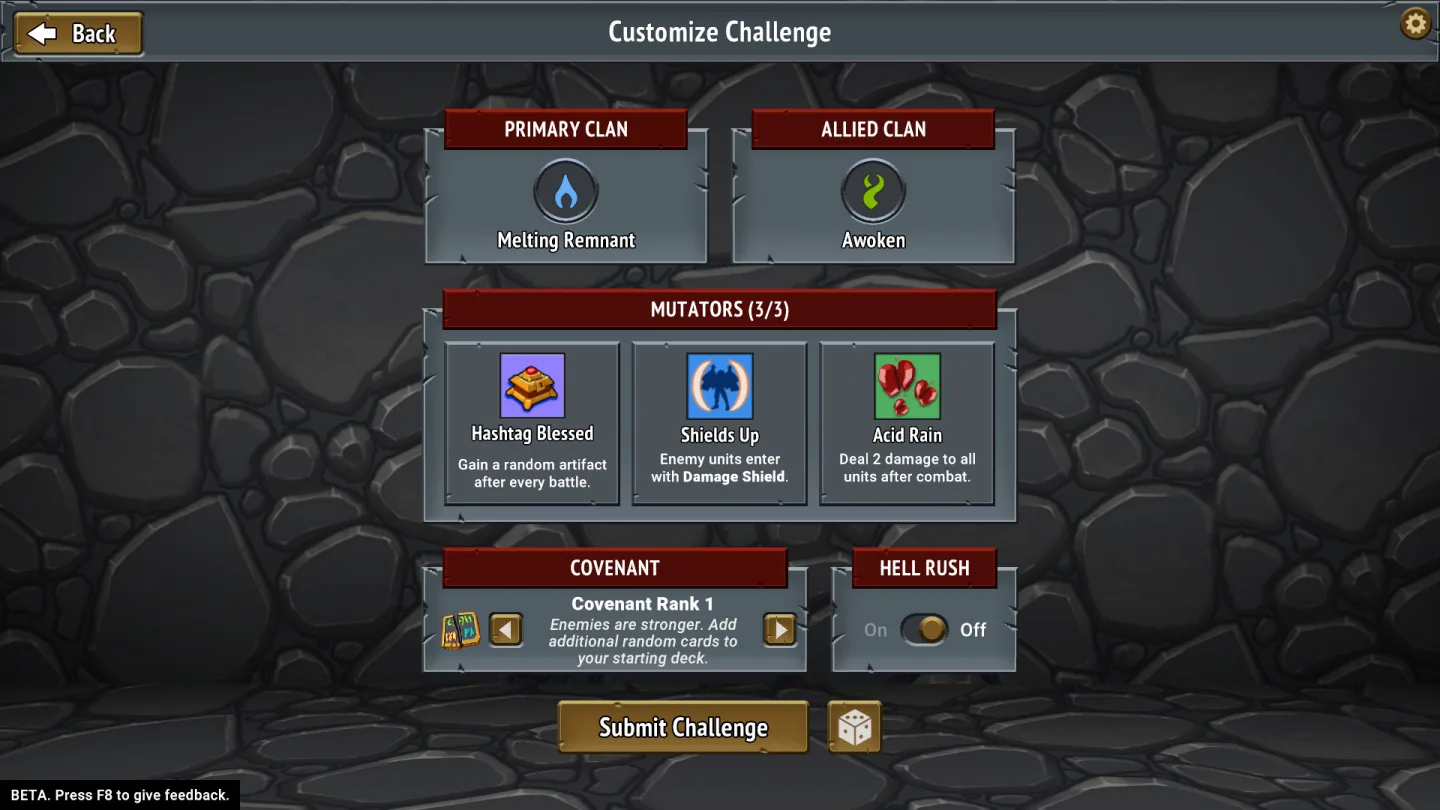
Achievements and challenges
A challenge sets a separate mastery criterion and recognizes execution beyond ordinary objective completion.
Monster Train ↗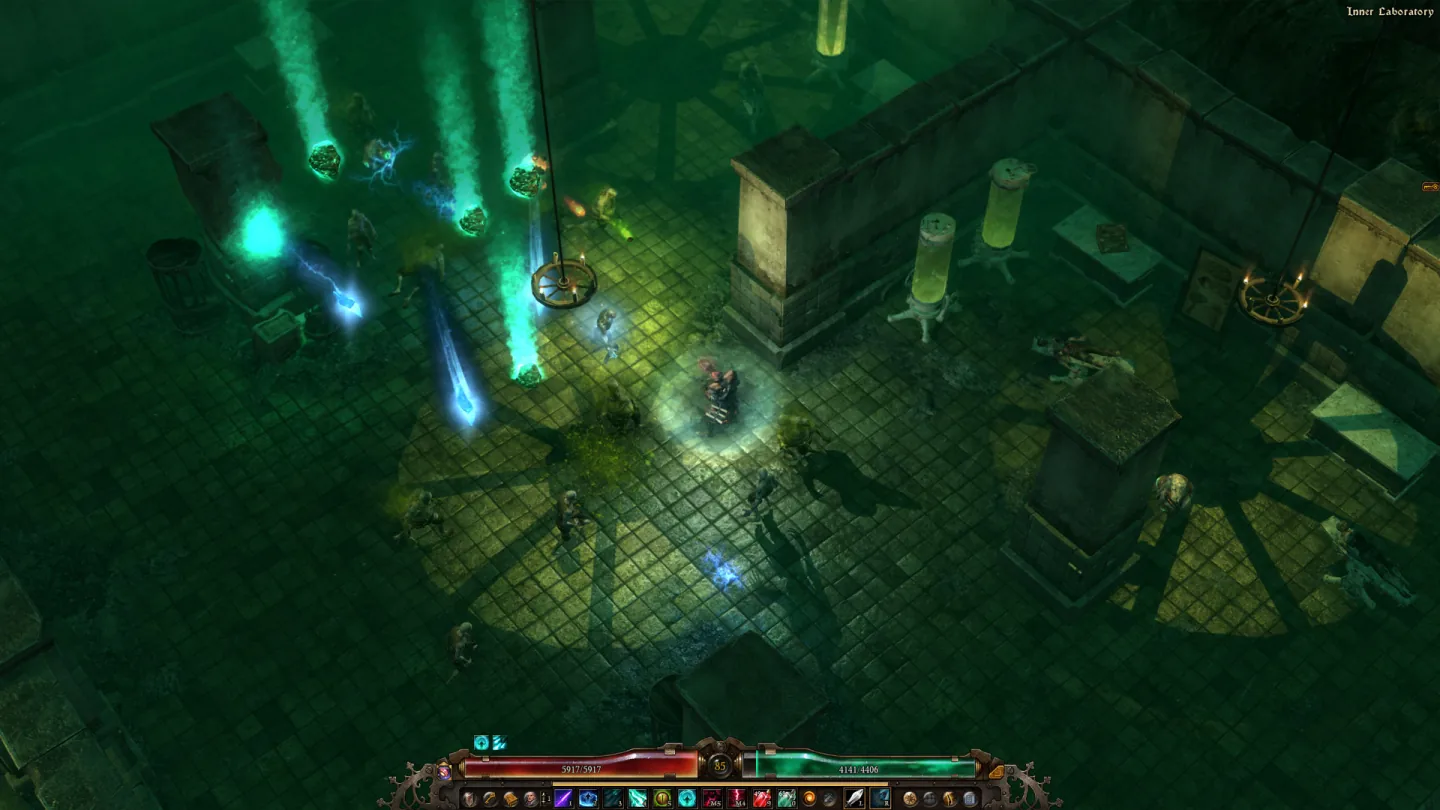
Loot and reward rarity
A loot system distributes rewards through conditions and probabilities, connecting uncertainty to a clear search direction.
Grim Dawn ↗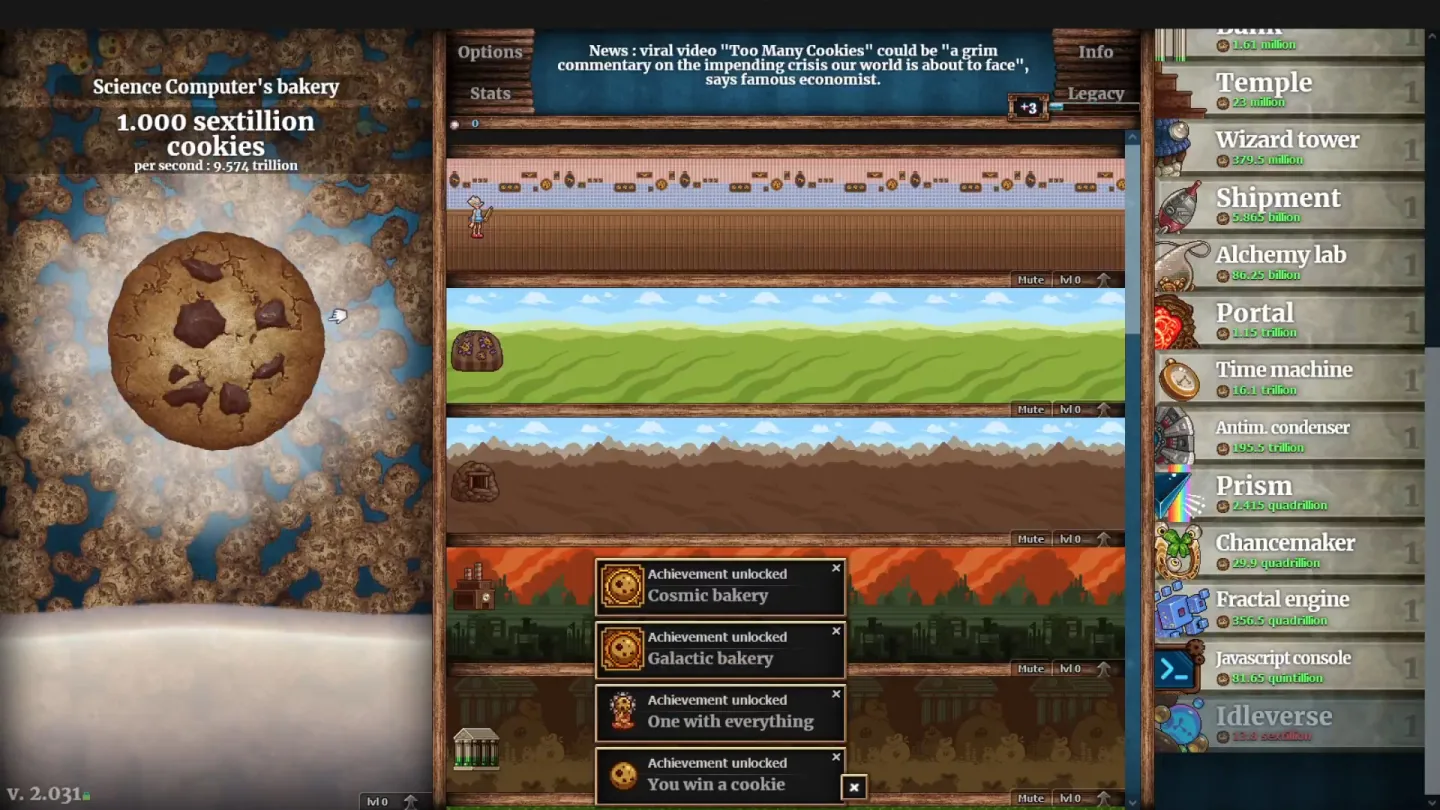
Idle and incremental progression
Accumulation continues with limited player attention while upgrades periodically change the production structure.
Cookie Clicker ↗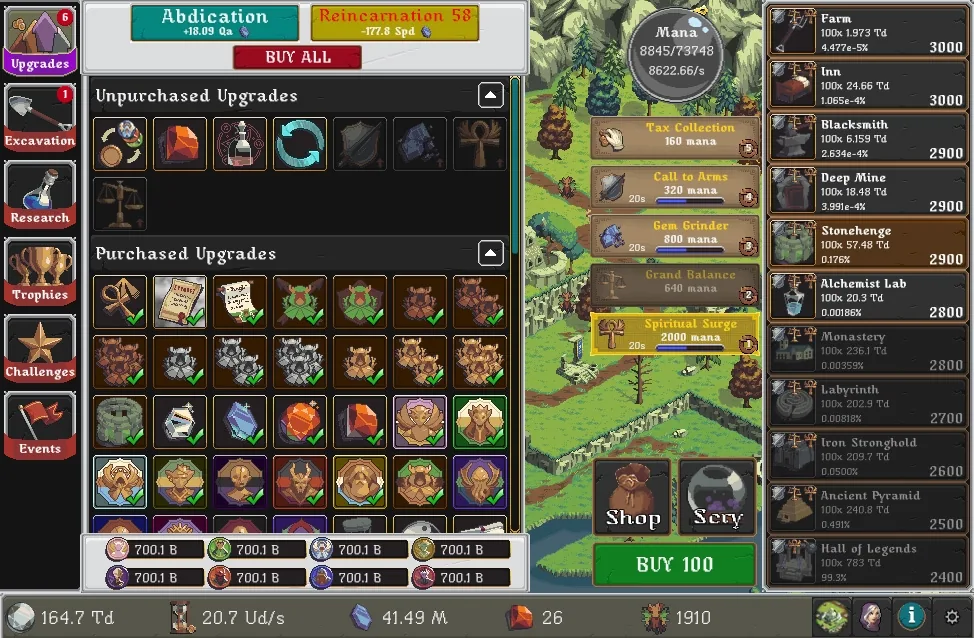
Prestige and repeated progression
A voluntary reset trades some current progression for persistent changes to the next development cycle.
Realm Grinder ↗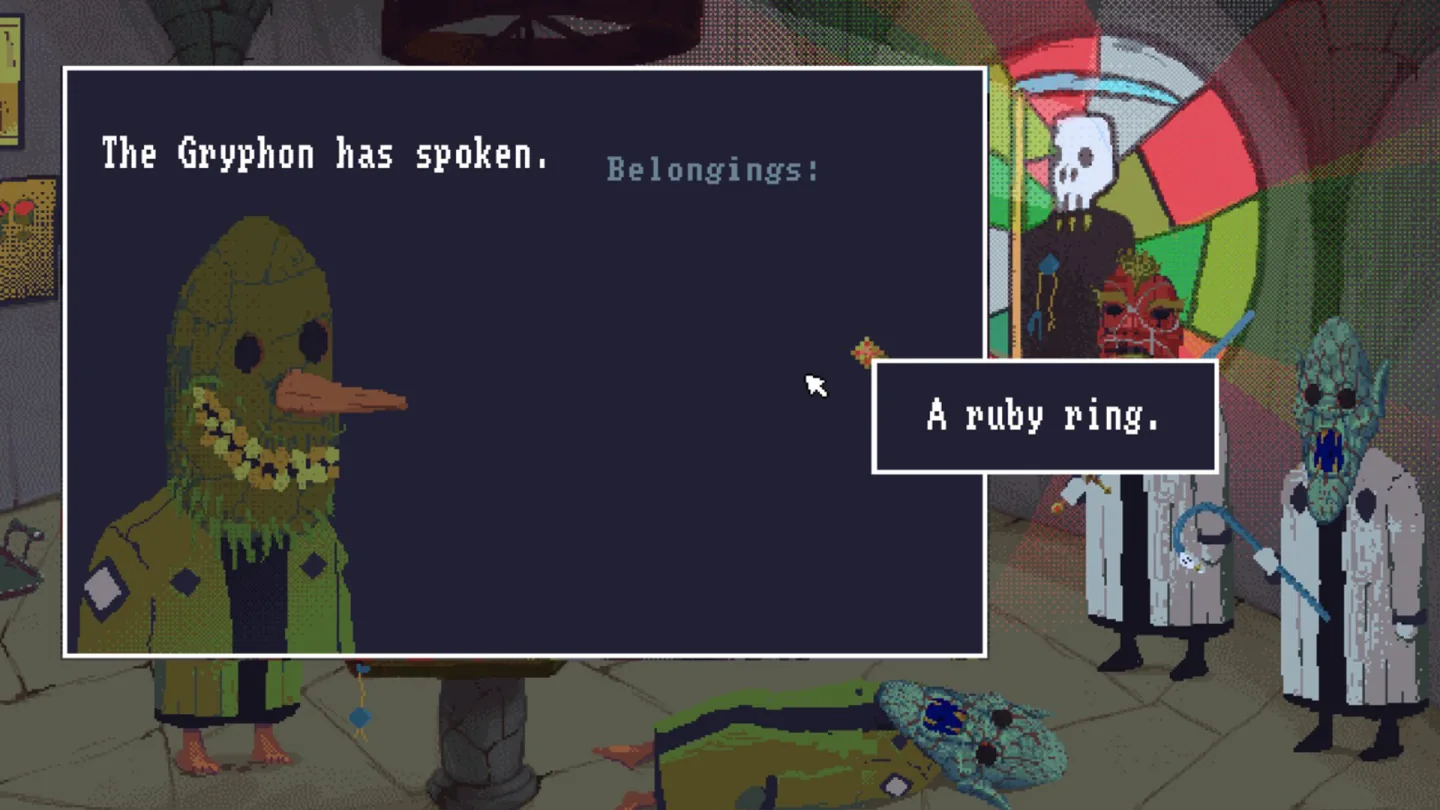
Observation and inspection
The player examines a scene and notices objects or changes that reveal an action or new information.
The Case of the Golden Idol ↗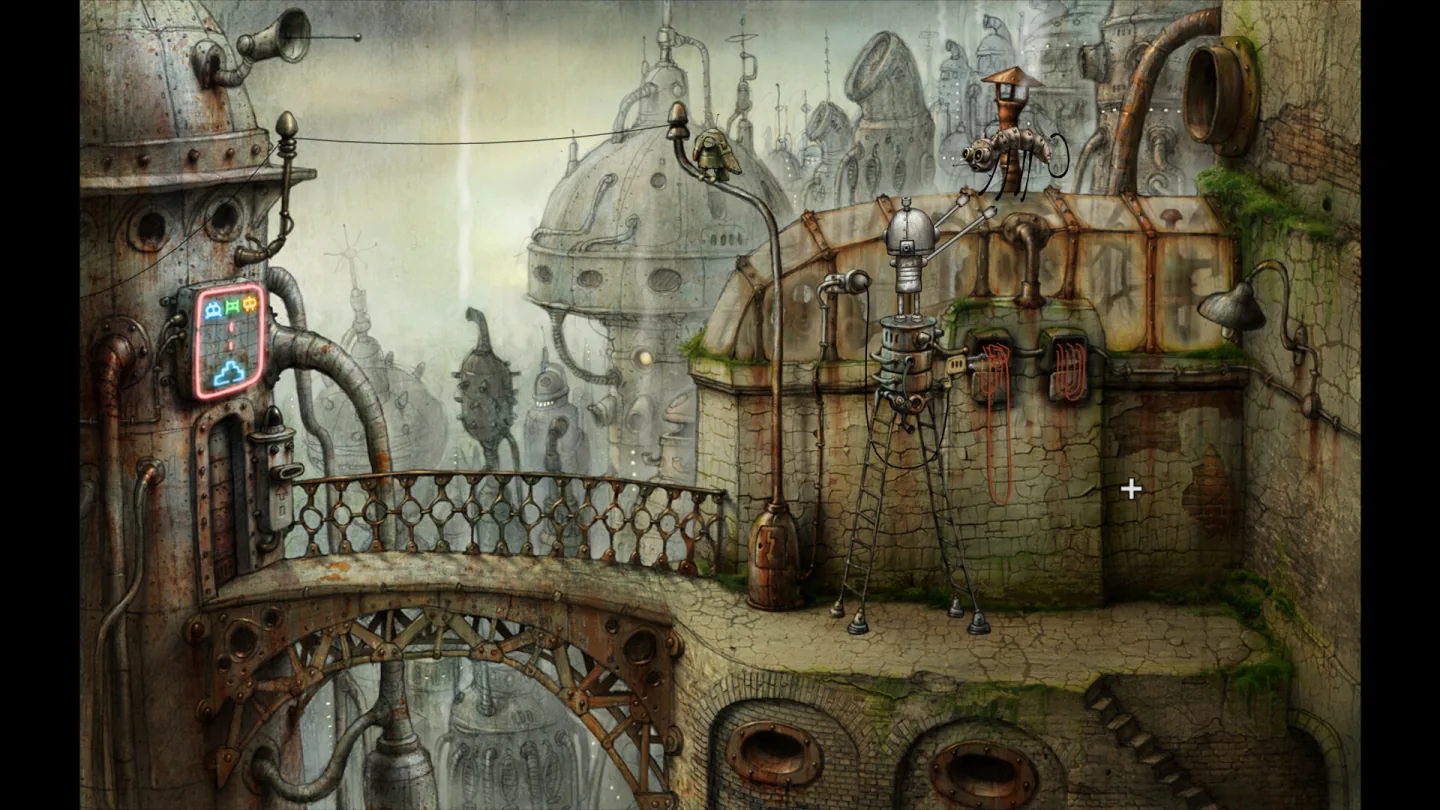
Movement and spatial access
The player opens passages and chooses accessible locations, changing what can be explored next.
Machinarium ↗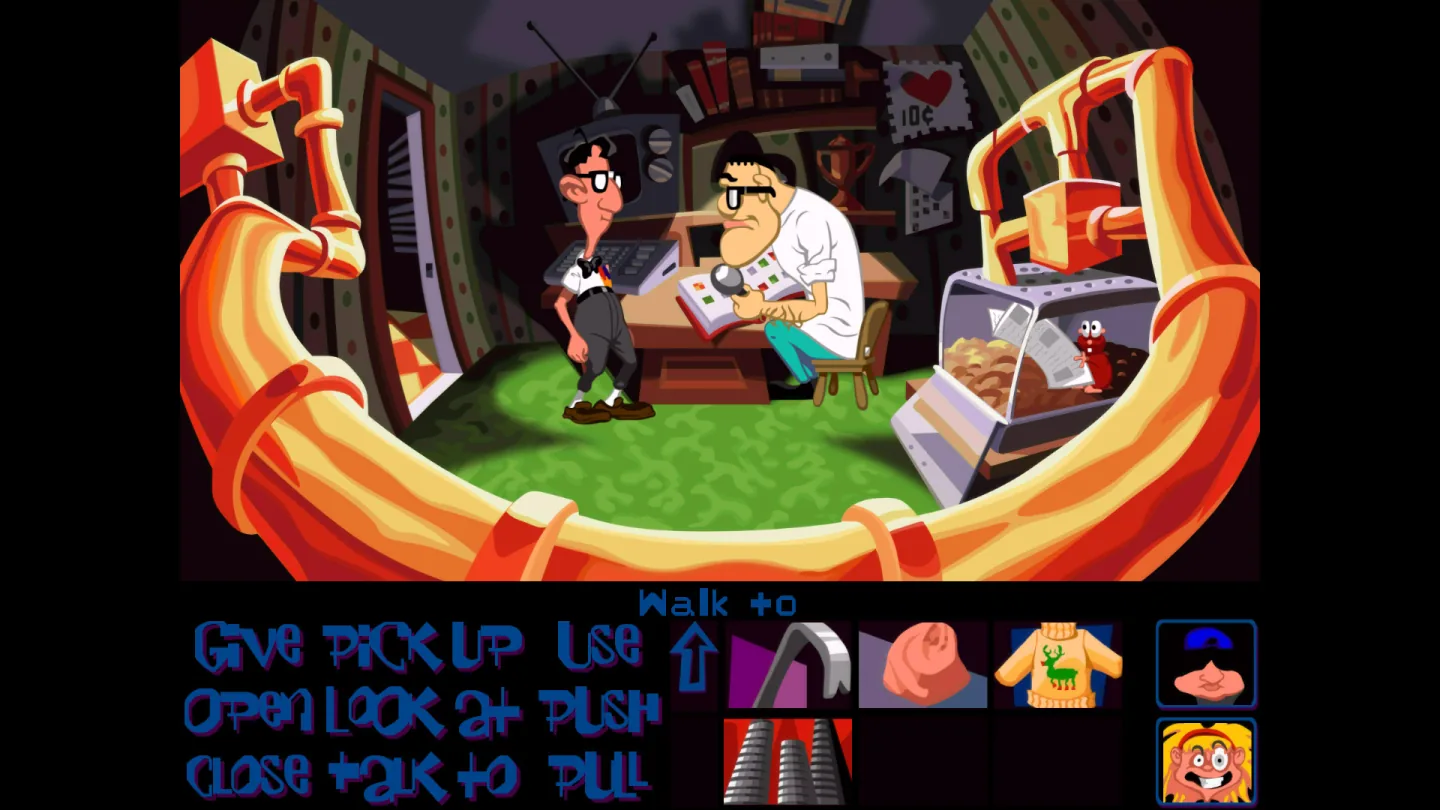
Using inventory items
The player selects an item and a suitable target to cause a rule-defined change.
Day of the Tentacle Remastered ↗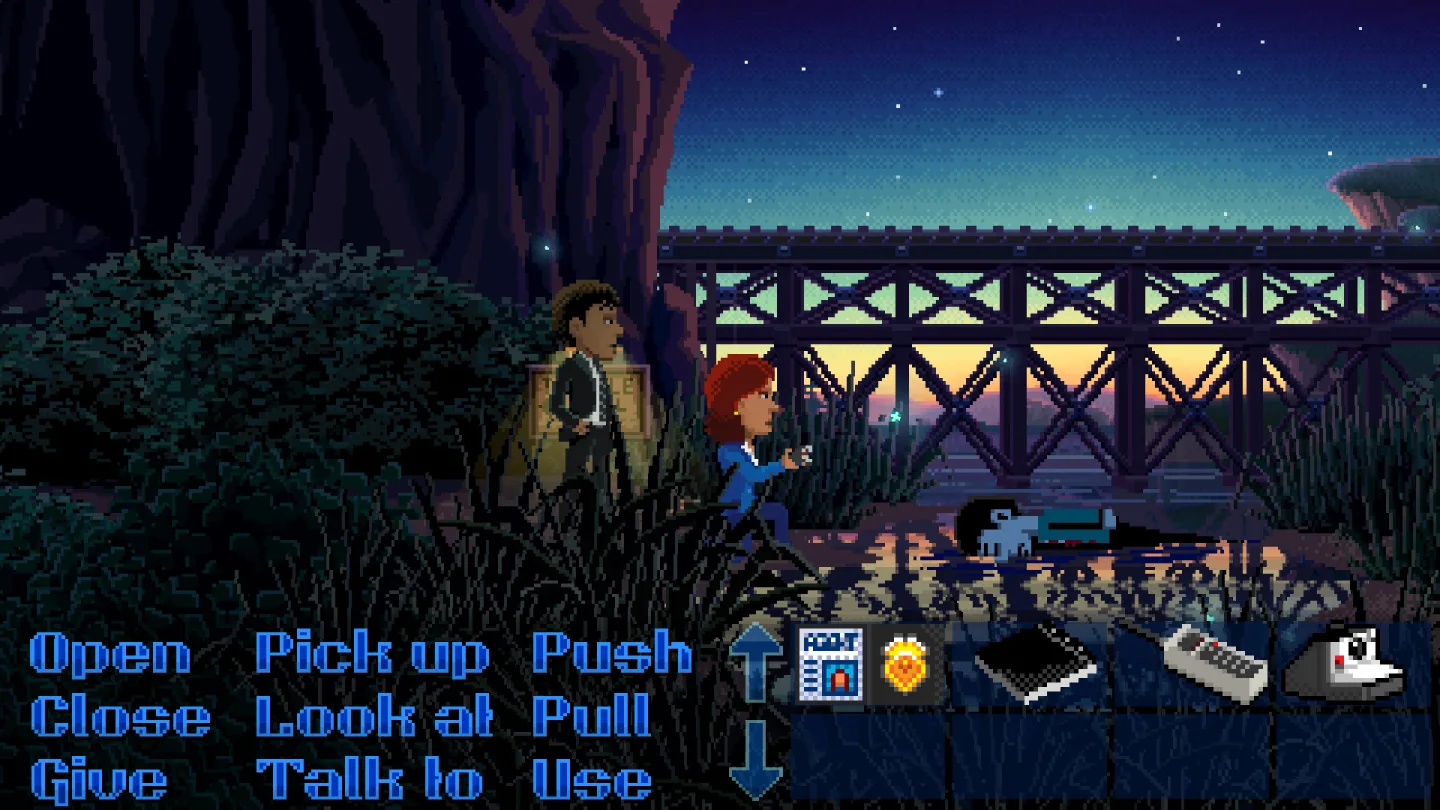
Acquiring and transferring items
The player acquires, transfers or loses an item, changing the available ways to solve a problem.
Thimbleweed Park™ ↗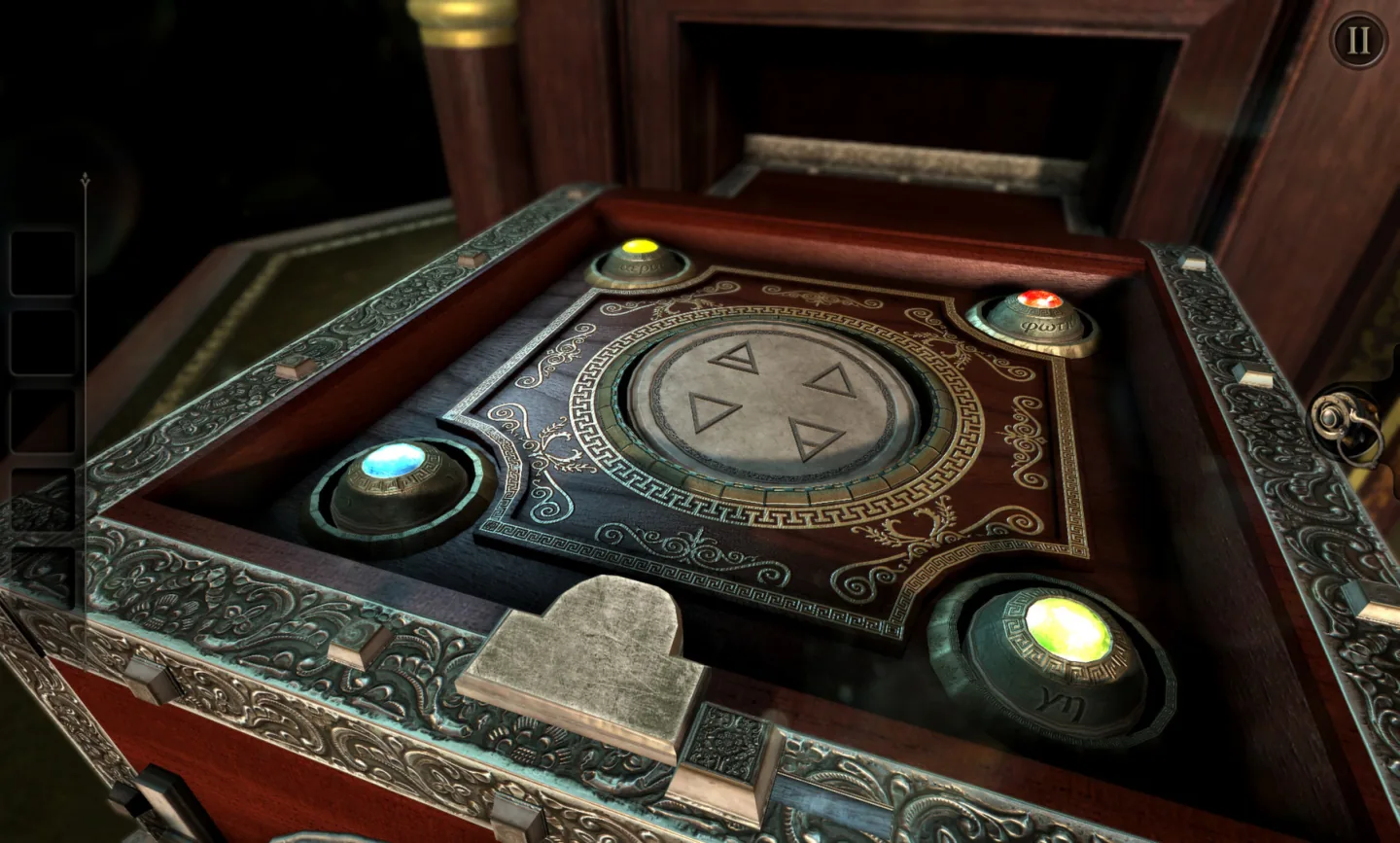
Direct environment manipulation
The player changes the environment directly by moving, opening, turning or pressing something.
The Room ↗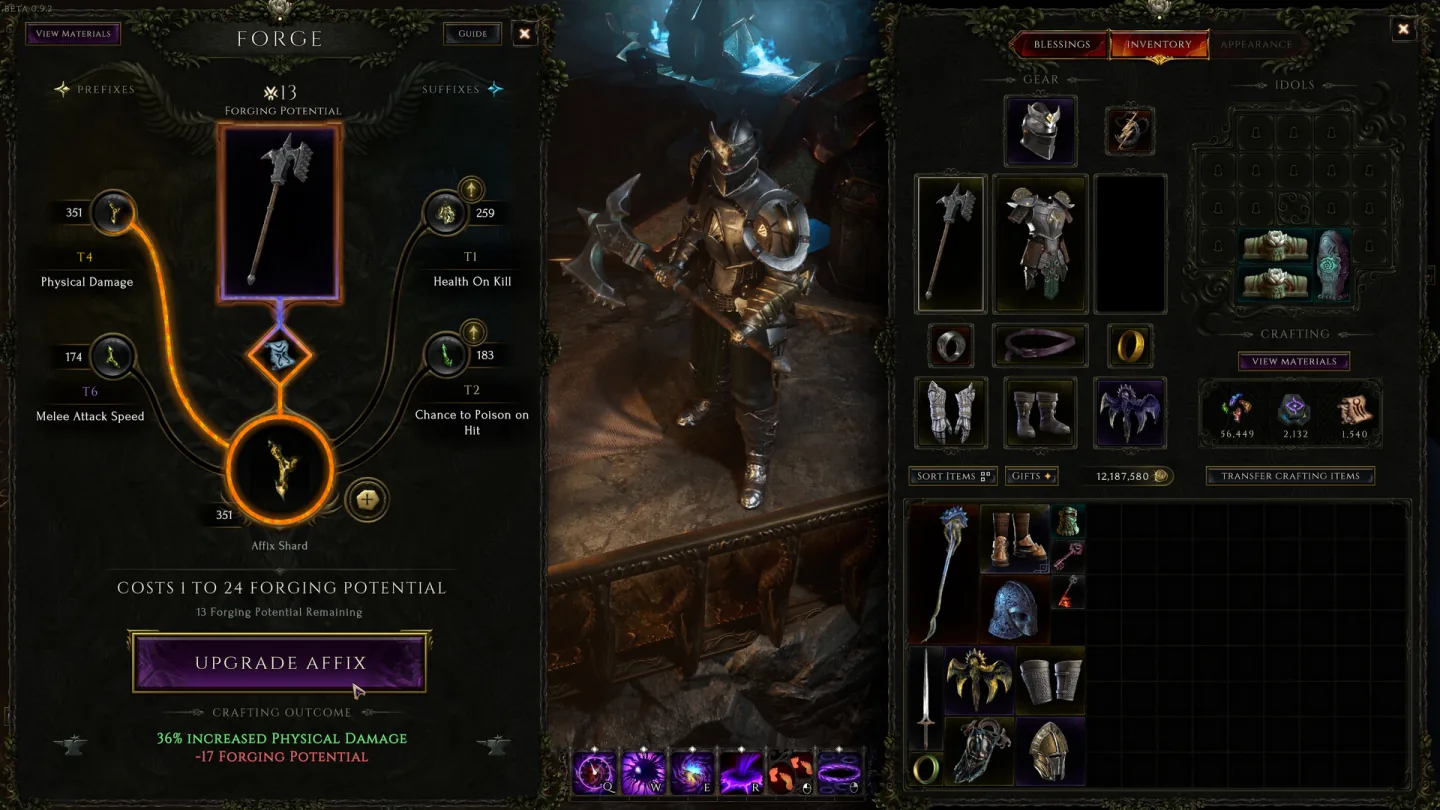
Combining and crafting
The player combines or dismantles items to obtain different tools and materials.
Last Epoch ↗Object properties and states
The player changes an item property so that it interacts differently with the world.
The Room ↗Storage and inventory limits
Storage limits require the player to choose which items to carry, leave or retrieve.
Resident Evil 4 (2023) ↗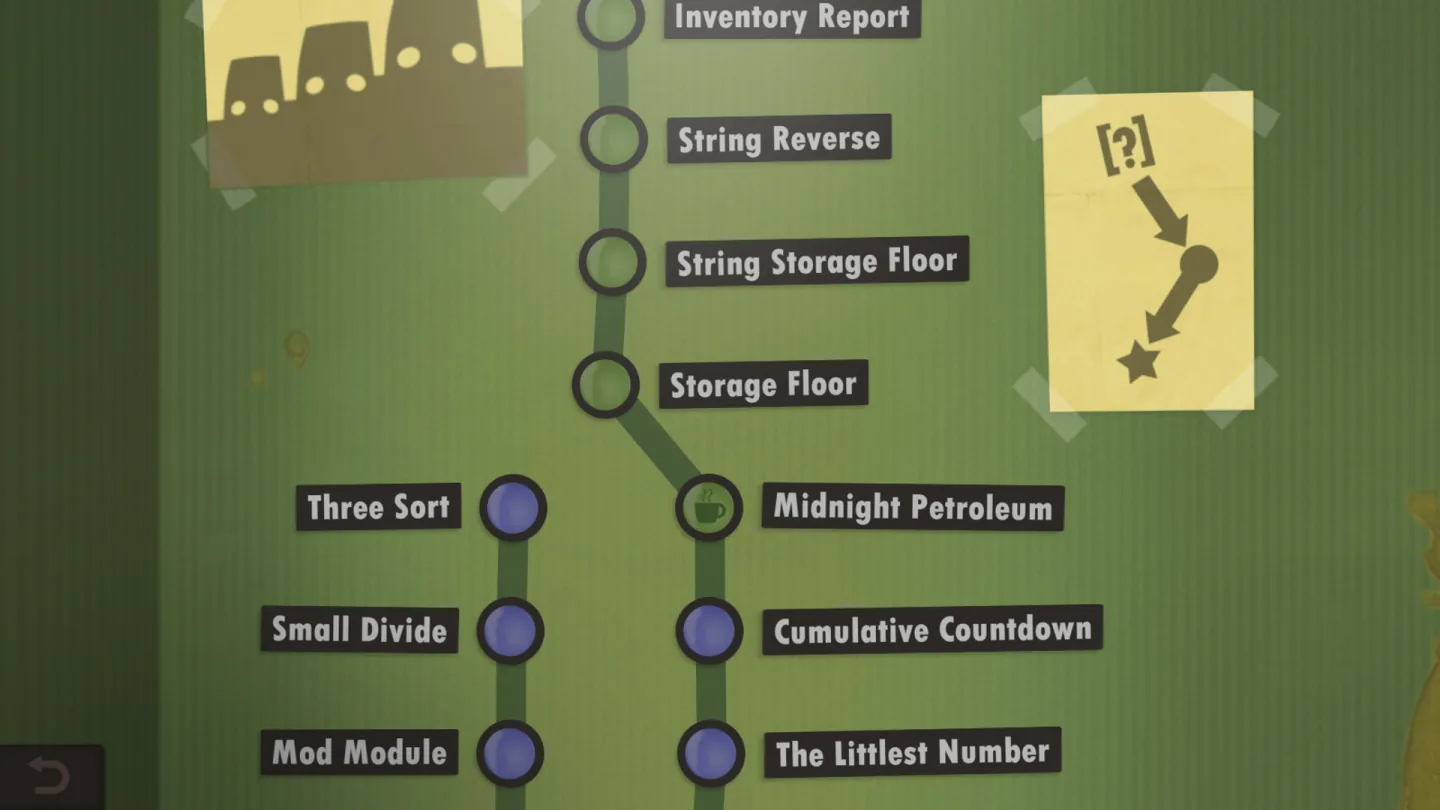
Task dependencies and planning
The player identifies task dependencies and chooses a valid execution order.
Human Resource Machine ↗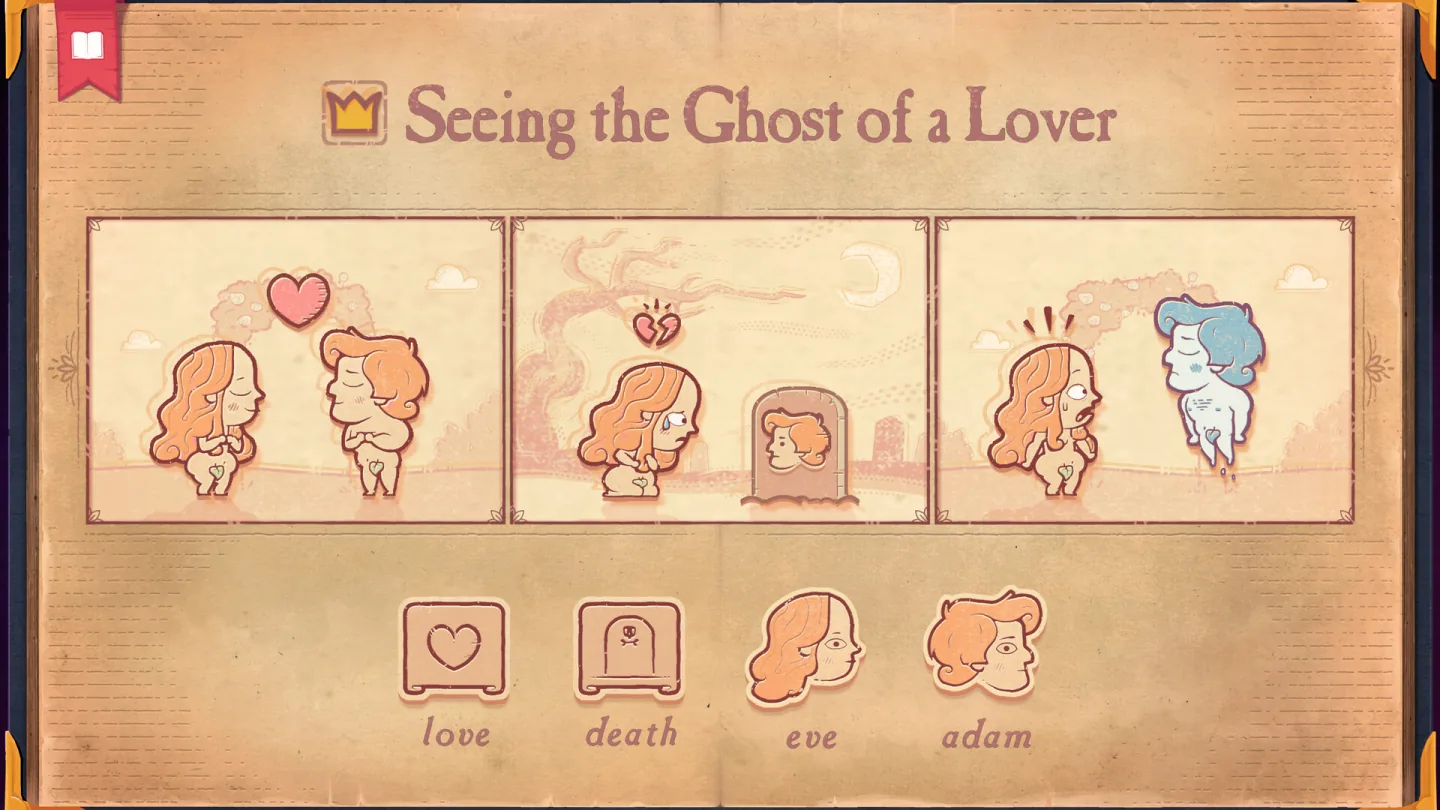
Choices and consequences
Choosing a solution changes later conditions, available actions or the outcome.
Storyteller ↗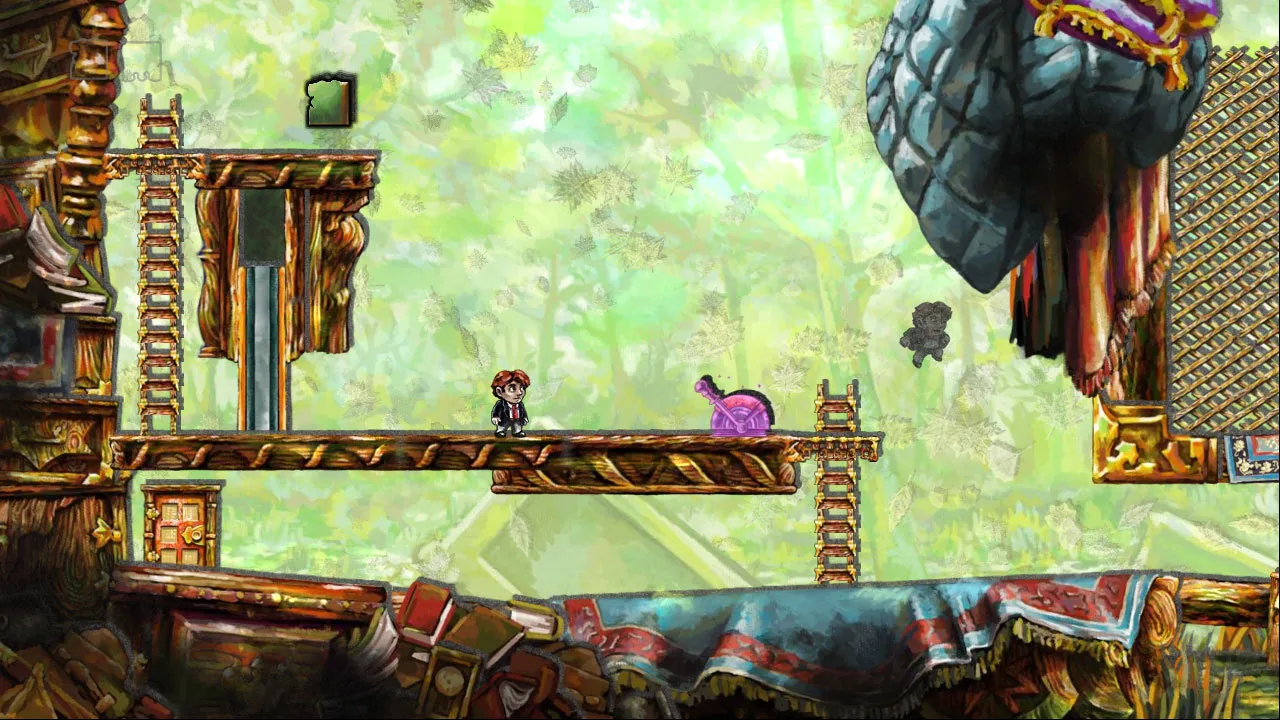
Failure and retries
The player learns from failure and retries with retained knowledge or changed conditions.
Braid ↗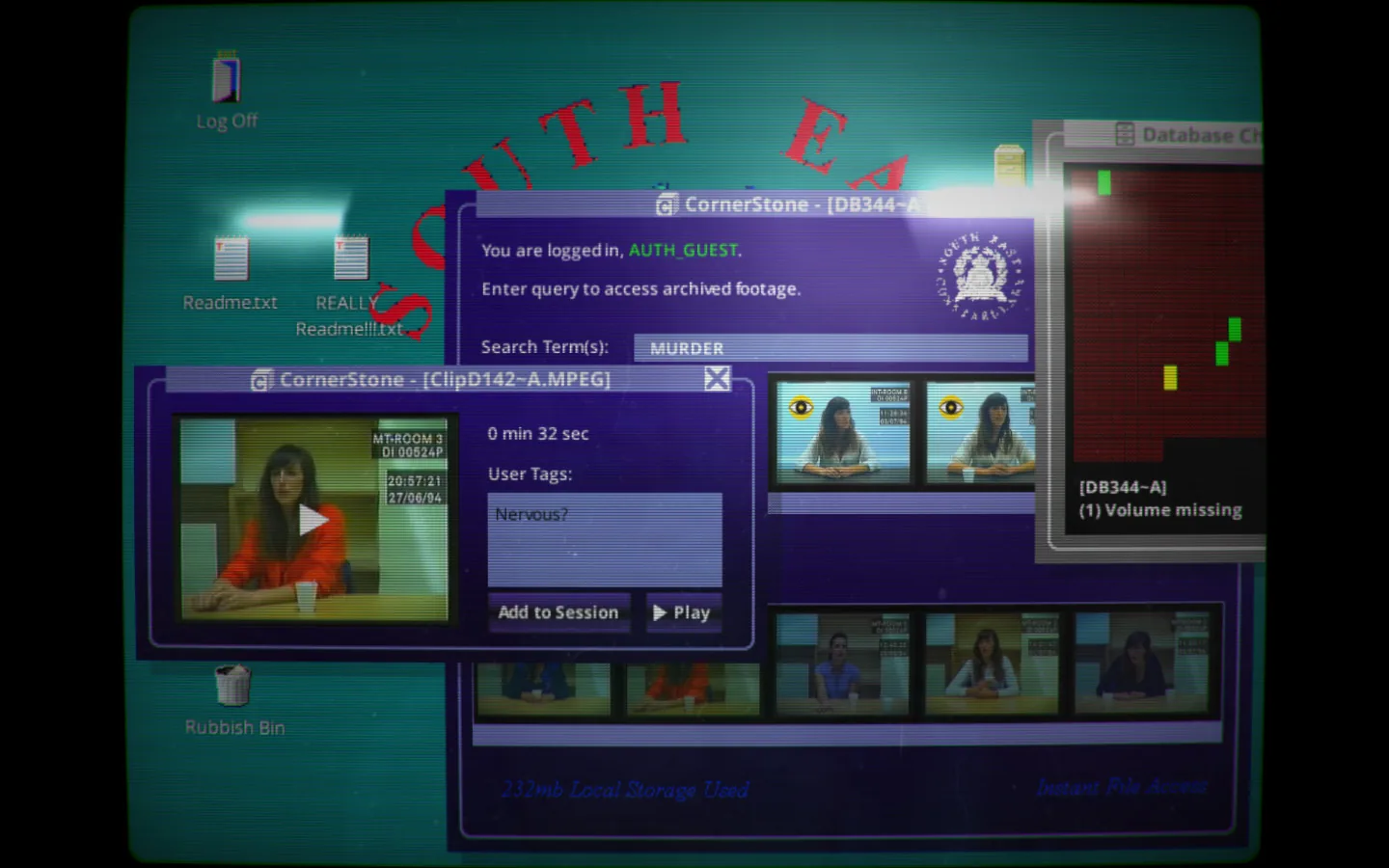
Collecting and processing information
The player records and compares information to turn observations into an available solution.
Her Story ↗Dialogue interactions
The player chooses lines and topics to obtain information or change a conversation.
Disco Elysium ↗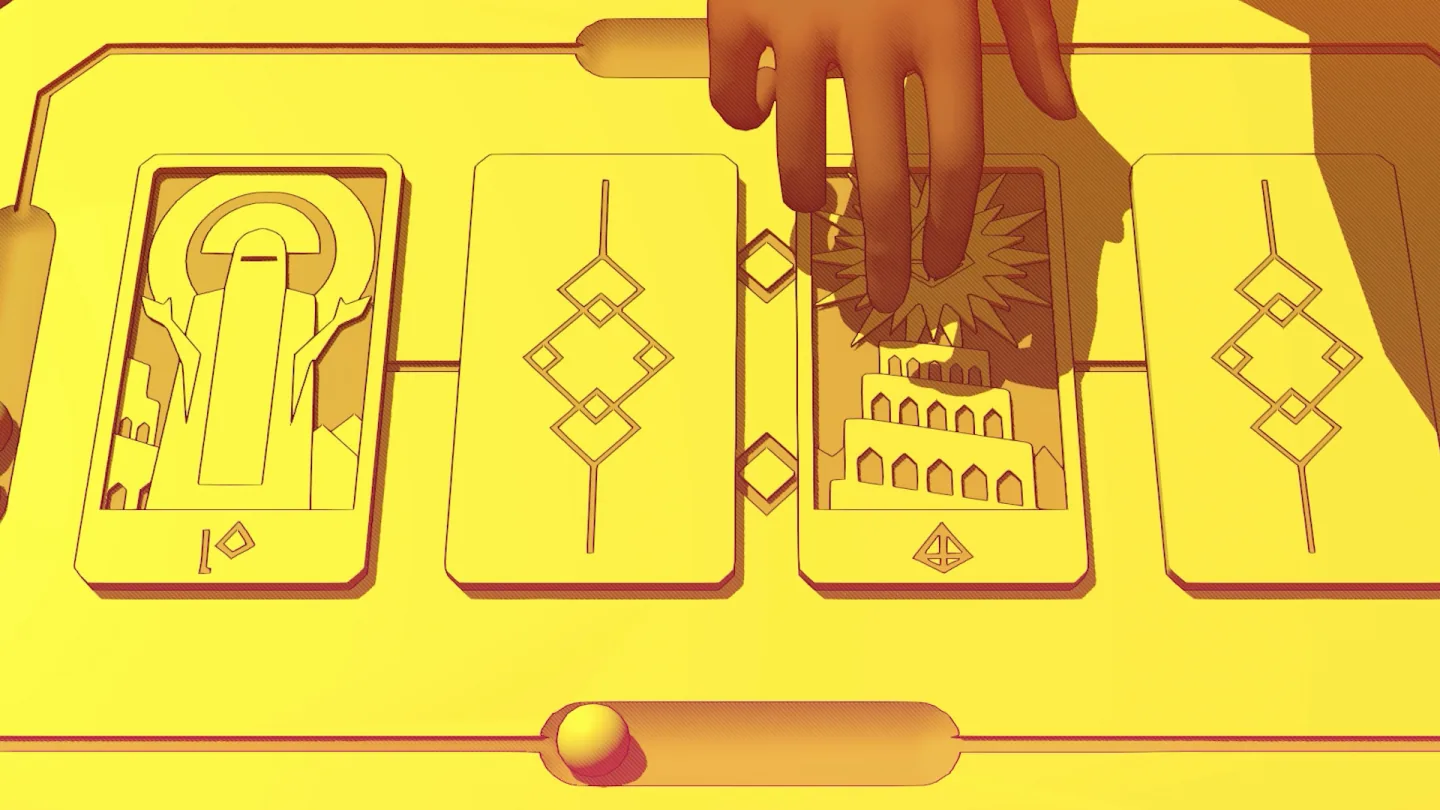
Knowledge unlocks progress
Progress depends on understanding a rule or fact alongside acquiring items.
Chants of Sennaar ↗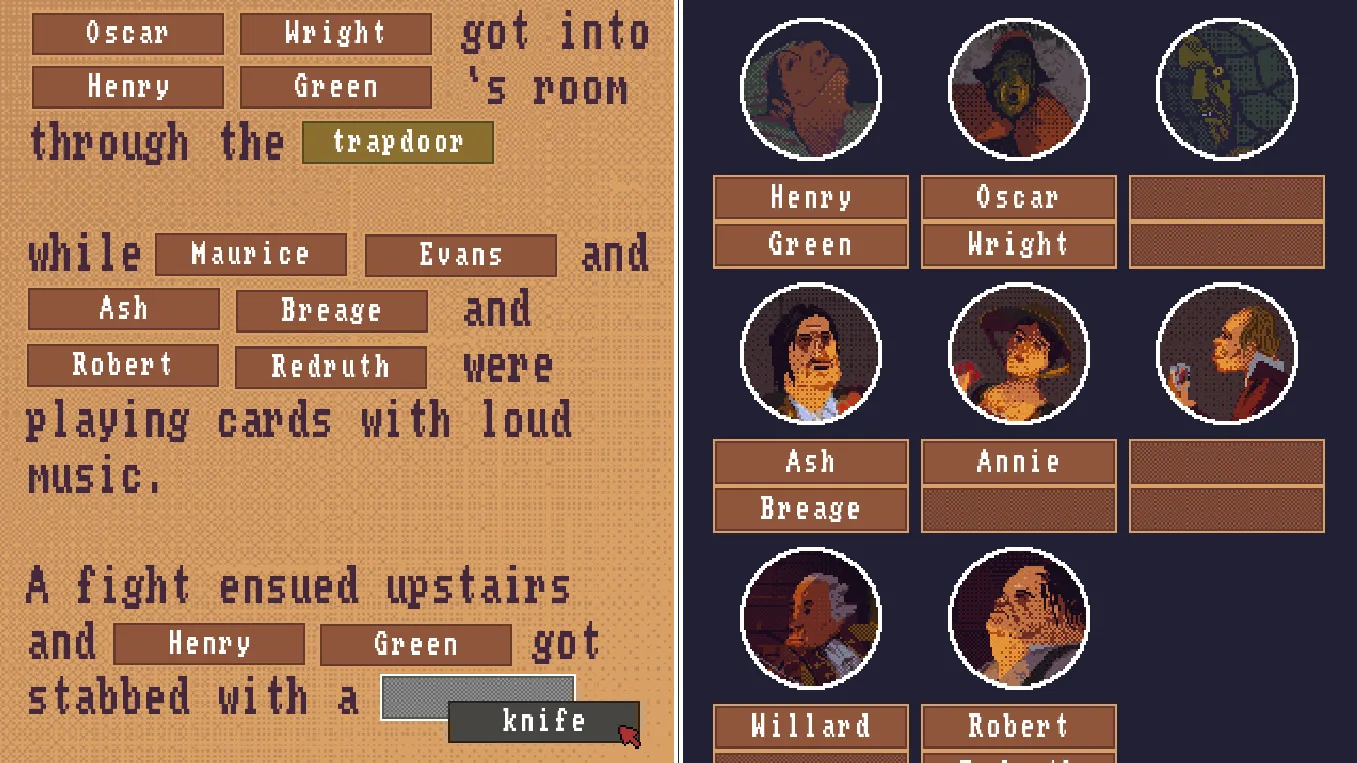
Deduction and hypothesis testing
The player forms a conclusion and checks whether the available evidence supports it.
The Case of the Golden Idol ↗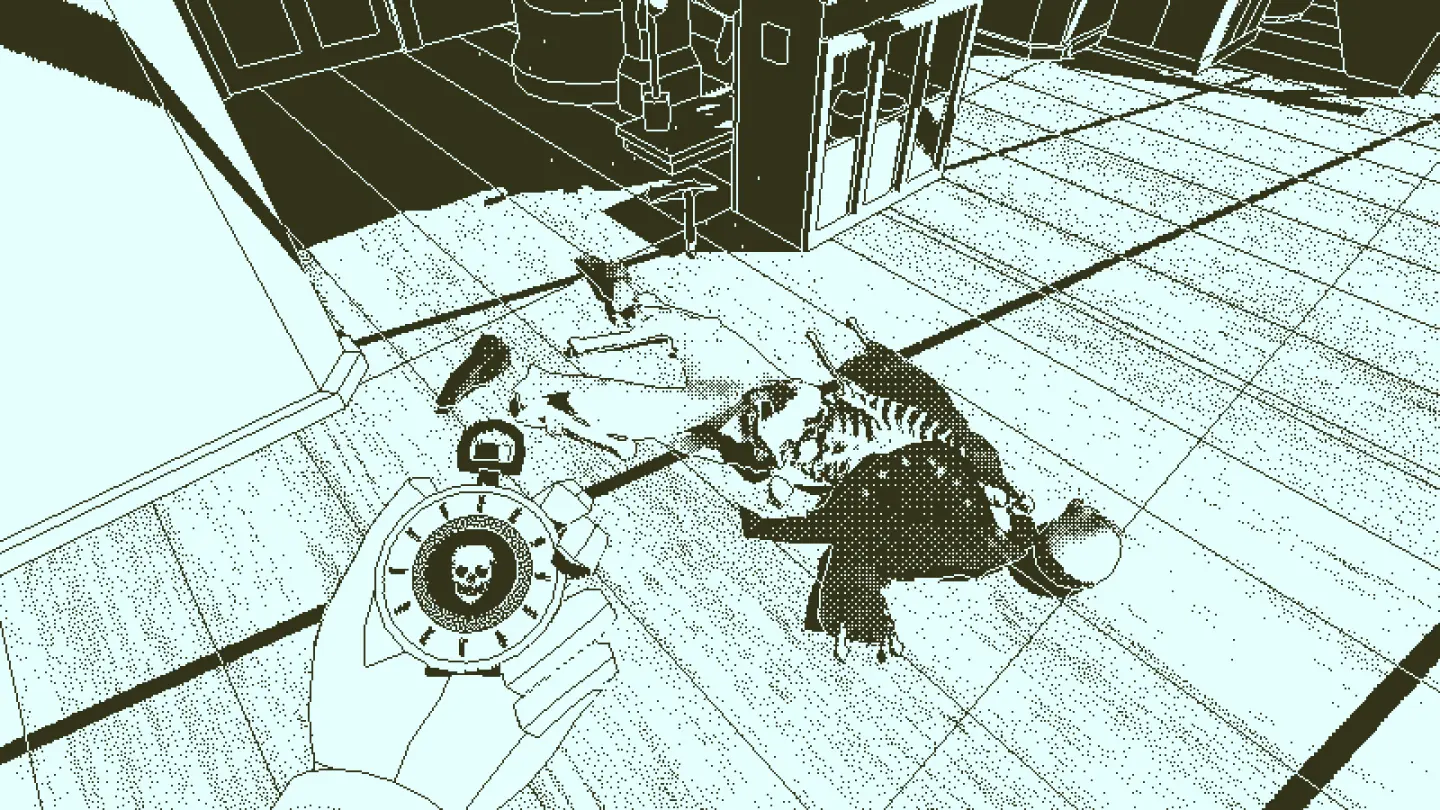
Reconstructing events
The player reconstructs event order and causes from the traces that remain.
Return of the Obra Dinn ↗Persuasion and verbal conflict
The player uses arguments, deception or pressure while considering the other character's response.
Disco Elysium ↗Favors and task chains
Completing a task earns a service or item needed for the next dependency.
Borderlands 2 ↗Character relationships
Relationships change after actions and shape characters' later responses.
Storyteller ↗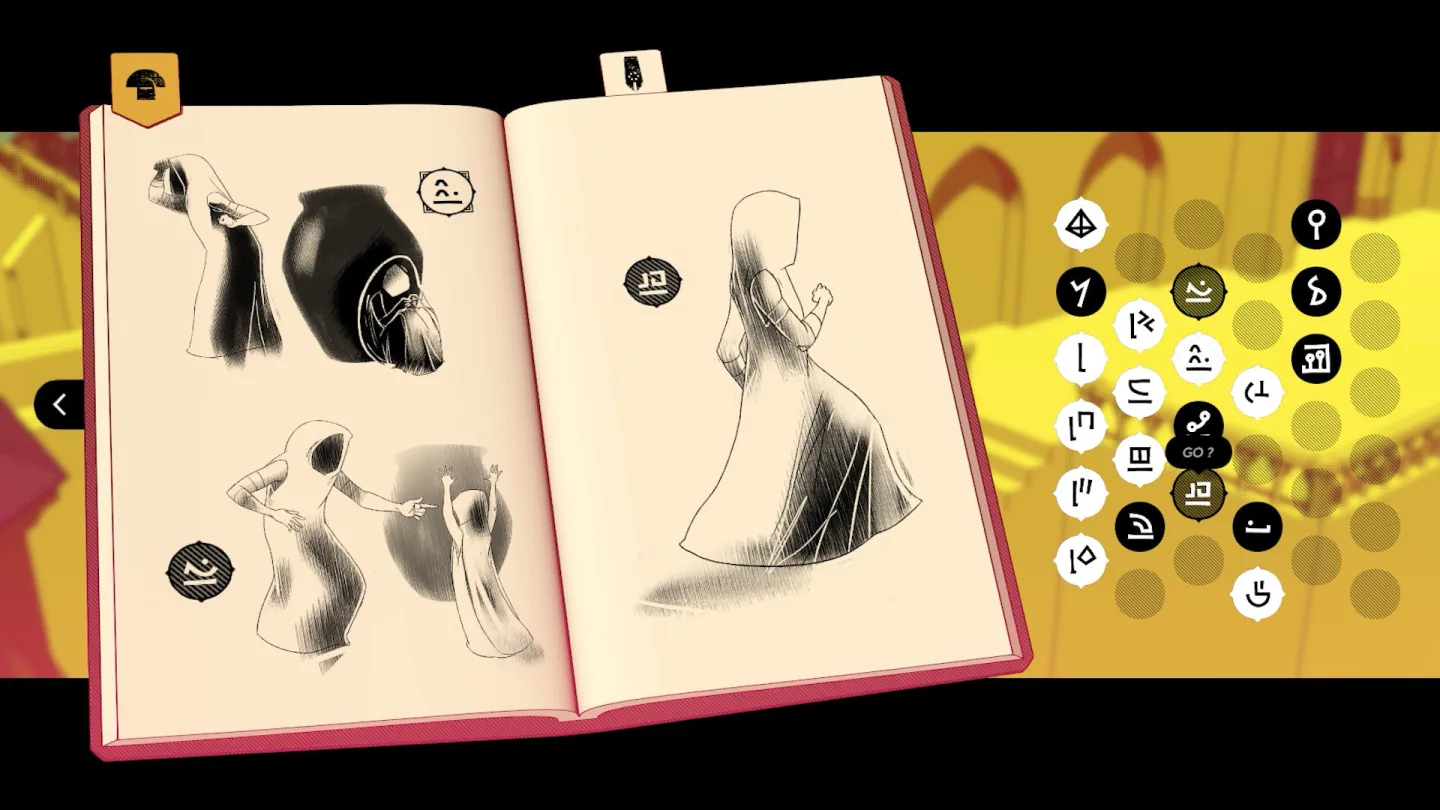
Ciphers, languages and symbols
The player infers symbol meanings and rules for transforming messages.
Chants of Sennaar ↗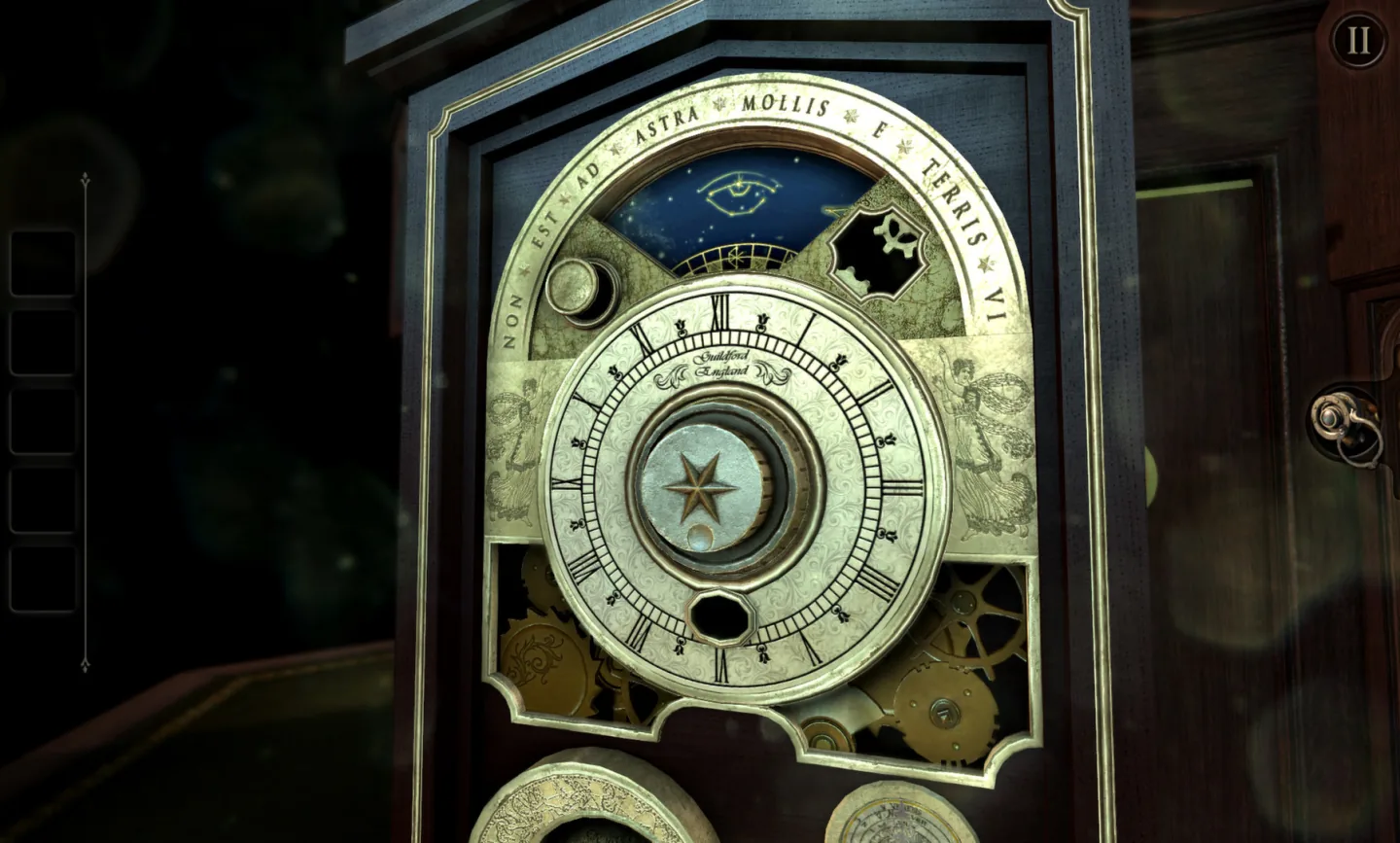
Mechanisms and tuning
The player changes controls and checks the resulting mechanism state.
The Room ↗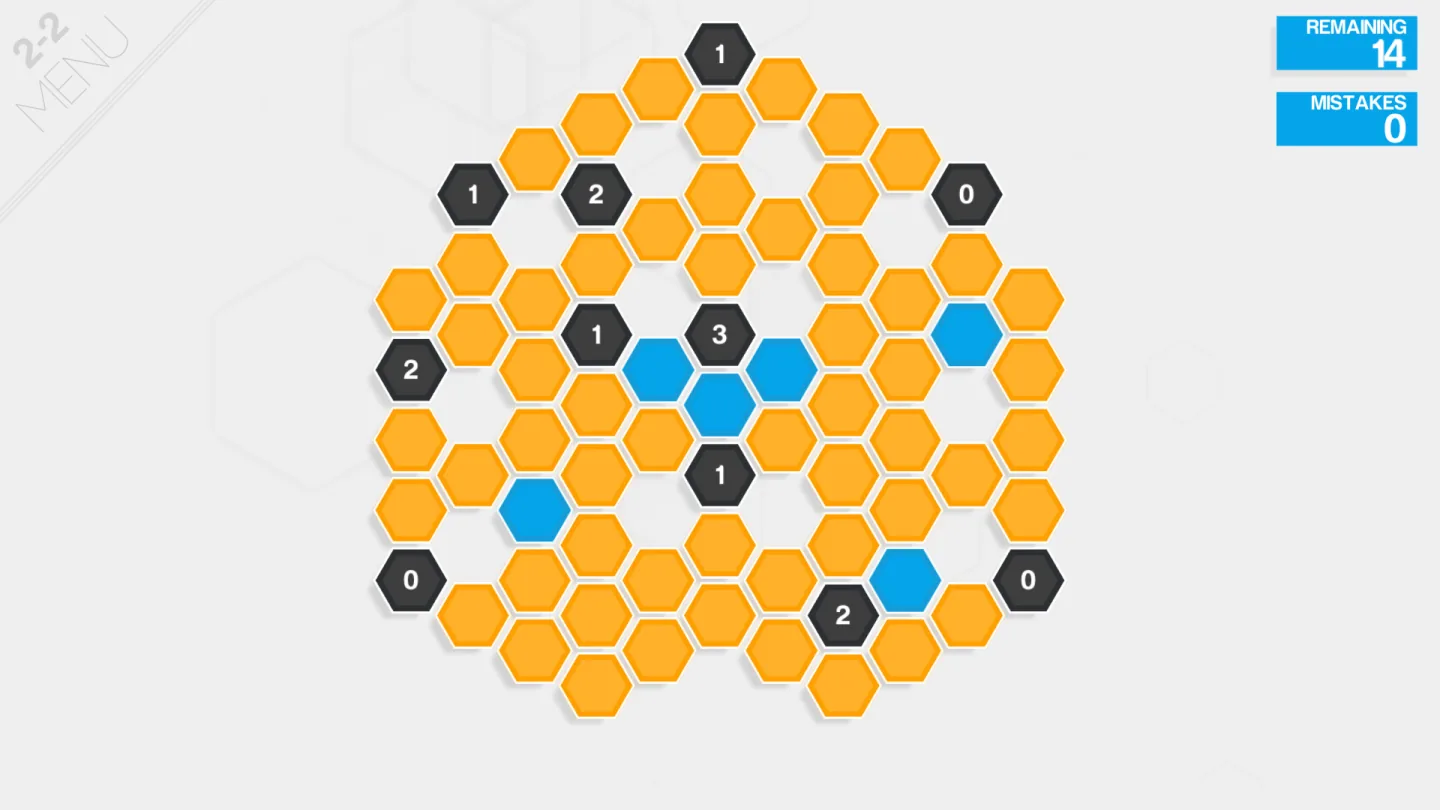
Logic and combinatorics
The player applies logical and quantitative constraints to rule out invalid combinations.
Hexcells ↗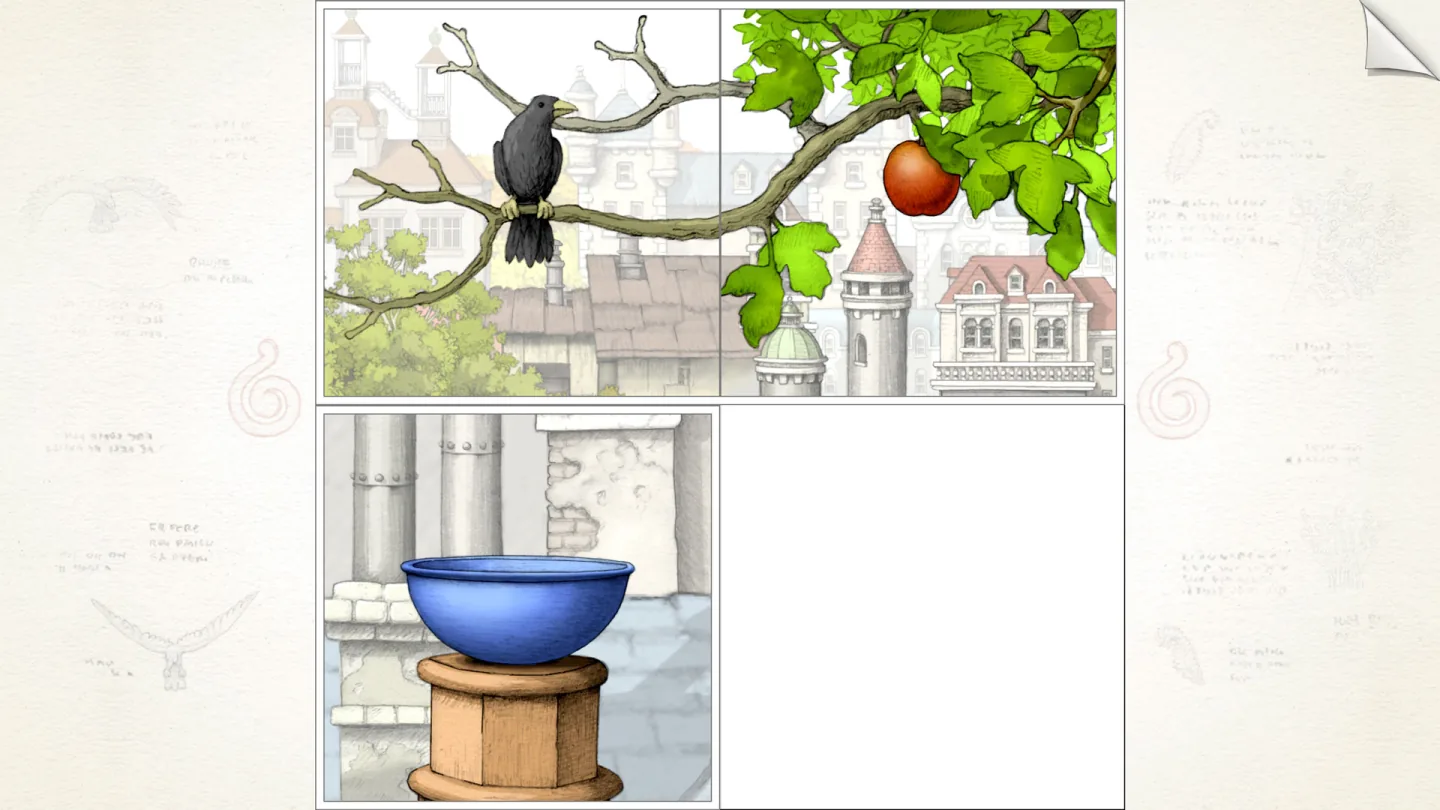
Spatial and visual puzzles
The player changes object placement, light or viewpoint to produce a required configuration.
Gorogoa ↗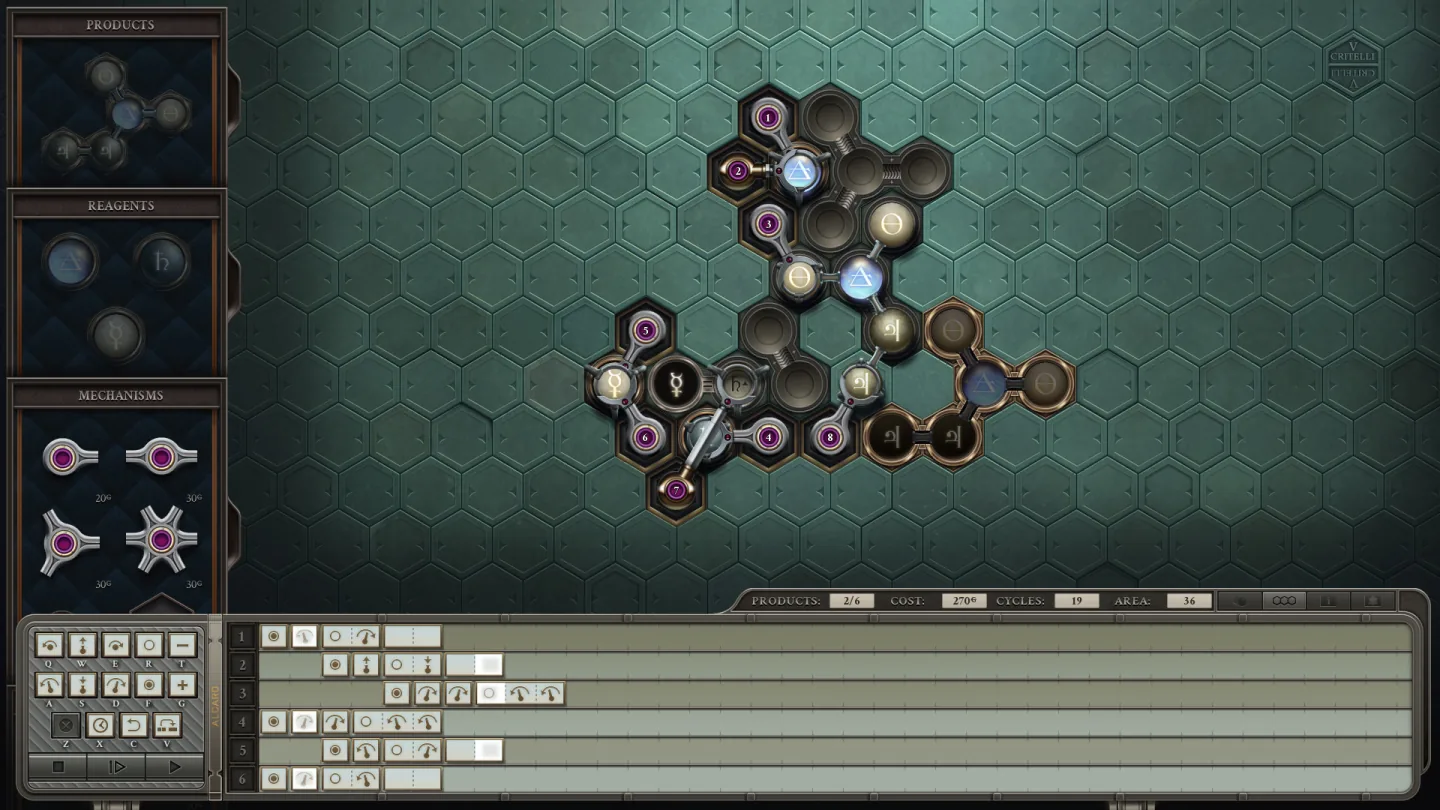
Action sequences
The player orders actions while accounting for dependencies and intermediate states.
Opus Magnum ↗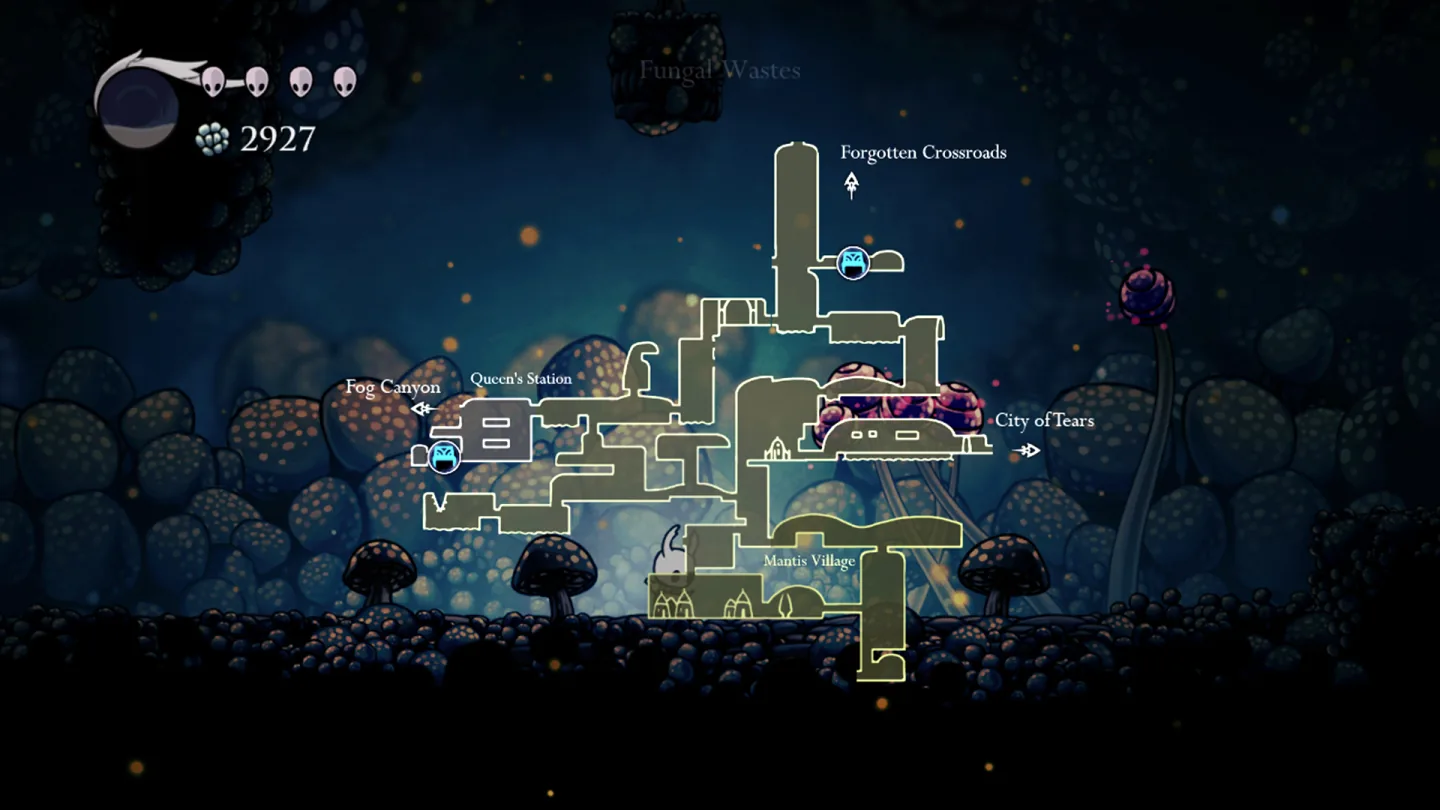
Maps, routes and mazes
The player uses maps and landmarks to select and verify a route through a space.
Hollow Knight ↗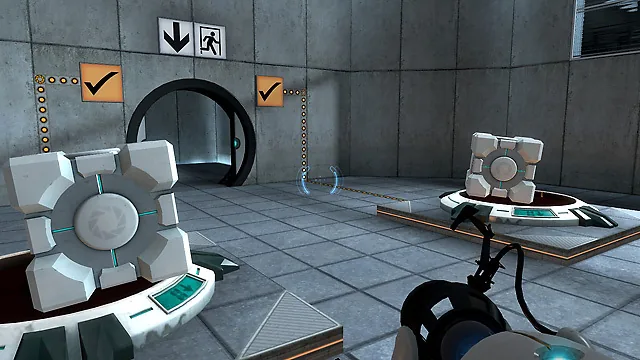
Physics and experimentation
The player experiments with material and environmental properties and observes the consequences.
Portal ↗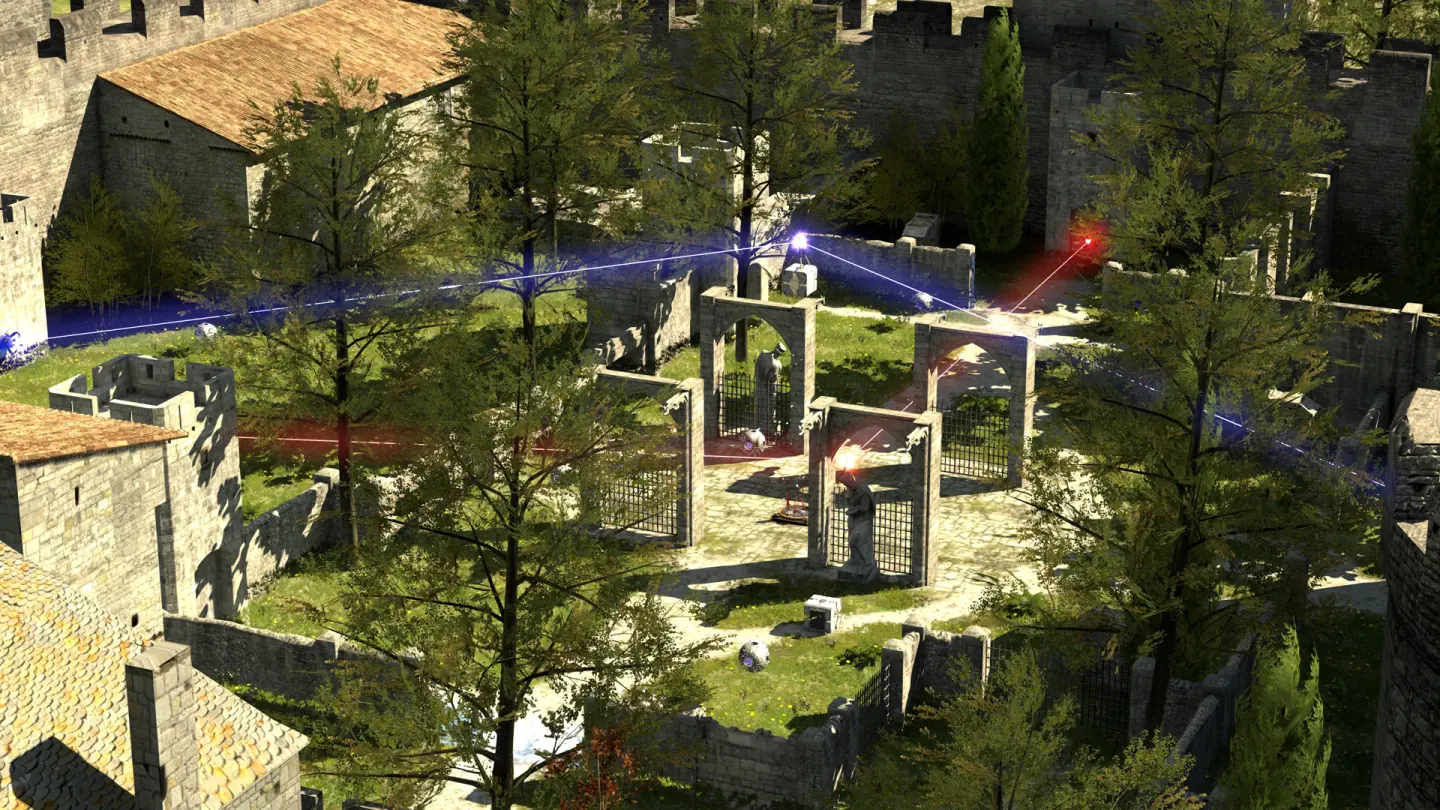
Flows and networks
The player connects nodes and distributes flows while respecting network links and limits.
The Talos Principle ↗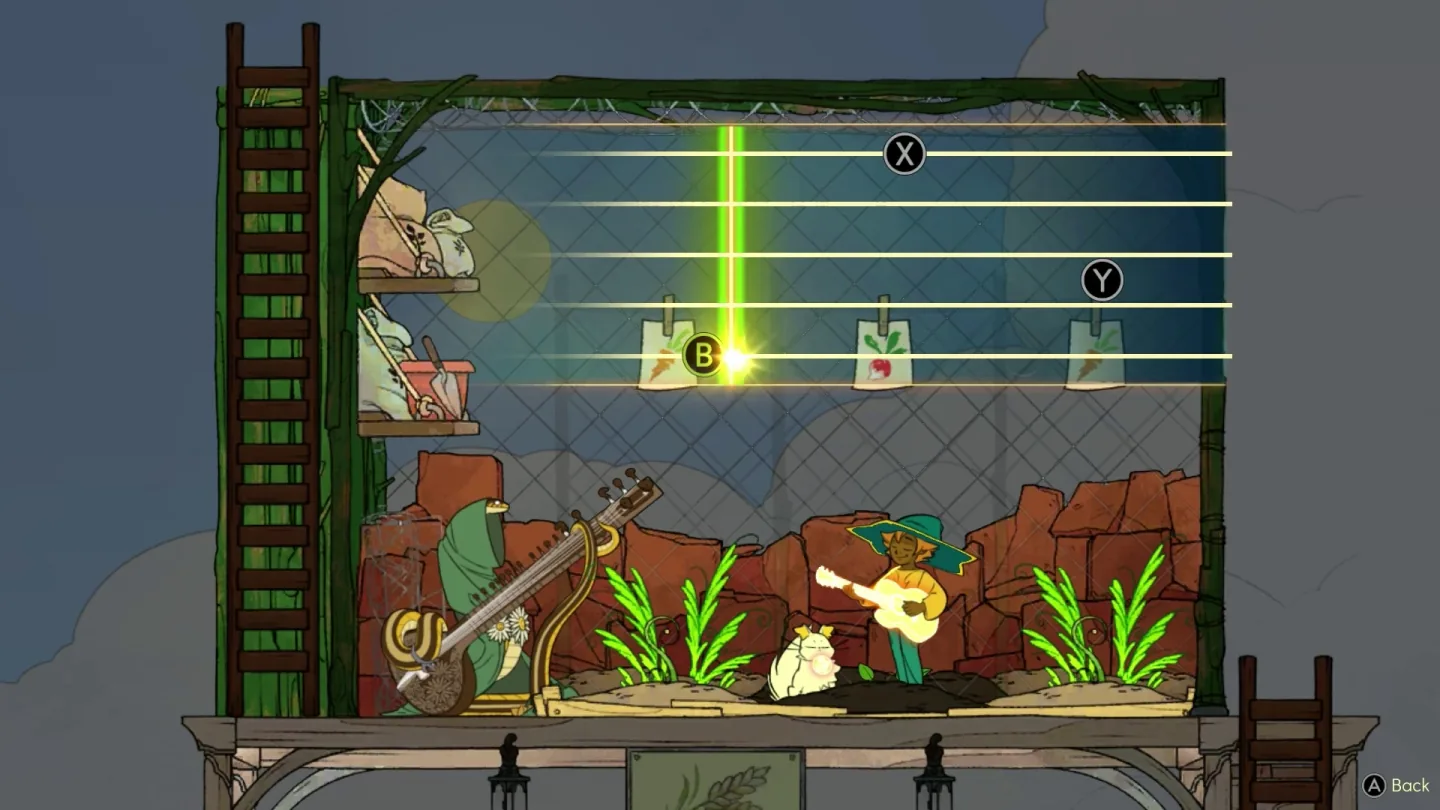
Sound, music and rhythm
The player distinguishes and reproduces sounds, melodies or rhythmic sequences.
Spiritfarer ↗Input and action selection
The input method determines how the player expresses an intention and selects an action.
Day of the Tentacle Remastered ↗Memory aids and hints
The game records information and offers hints to help recover context and choose a next step.
Hidden Folks ↗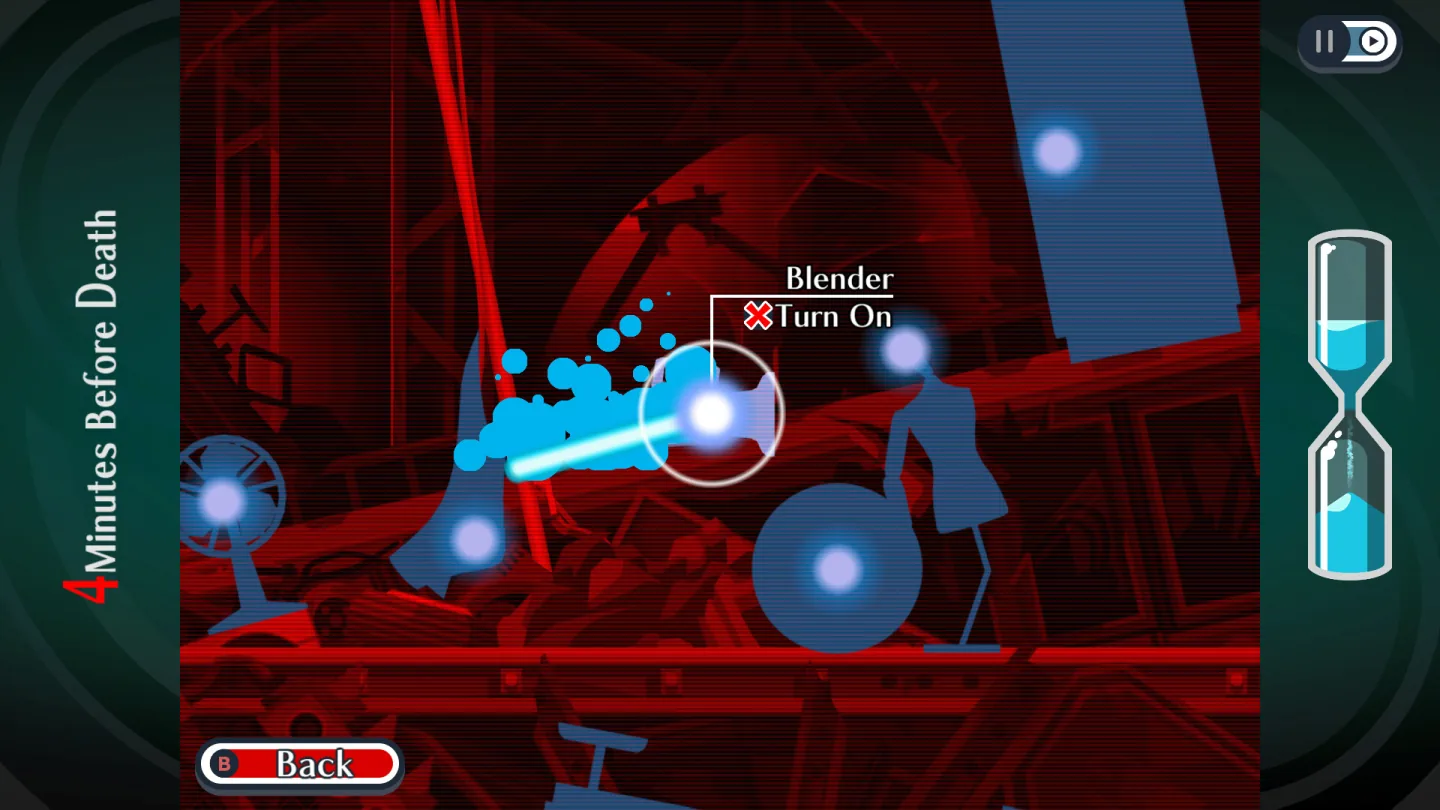
Timing, schedules and waiting
An action becomes available according to a schedule, duration or chosen moment.
Ghost Trick: Phantom Detective ↗Living-system behavior
The player observes and influences creatures through their needs and responses.
Bulletstorm ↗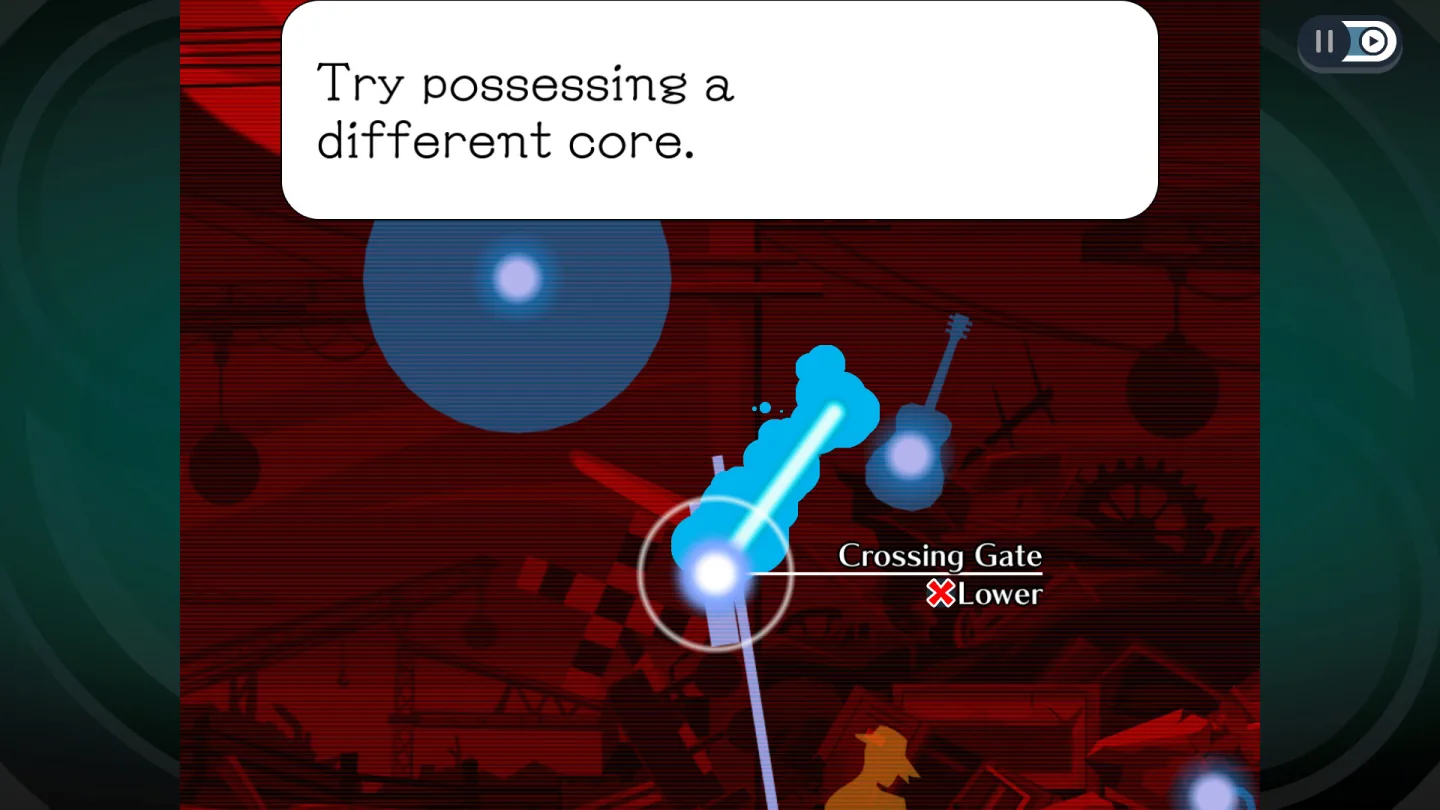
Abilities and controlled entities
The player changes form or controlled entity to gain a different set of actions.
Ghost Trick: Phantom Detective ↗Multiple protagonists and coordination
The player coordinates multiple protagonists by assigning actions to their different abilities.
Day of the Tentacle Remastered ↗Switching world layers
Switching world layers changes available objects, rules and actions.
Ghost Trick: Phantom Detective ↗Rewinding and changing history
The player rewinds or repeats events using knowledge from earlier attempts.
Braid ↗Computers and in-world media
The player explores devices and media through interfaces that belong to the game world.
Her Story ↗Stealth and concealing traces
The player manages visibility and traces to avoid detection or influence others' conclusions.
HITMAN ↗Creating content and stories
The player creates content or stages events that shape the unfolding narrative.
Storyteller ↗Dexterity and arcade sequences
A short challenge requires movement precision, reactions or maintaining a state.
Spiritfarer ↗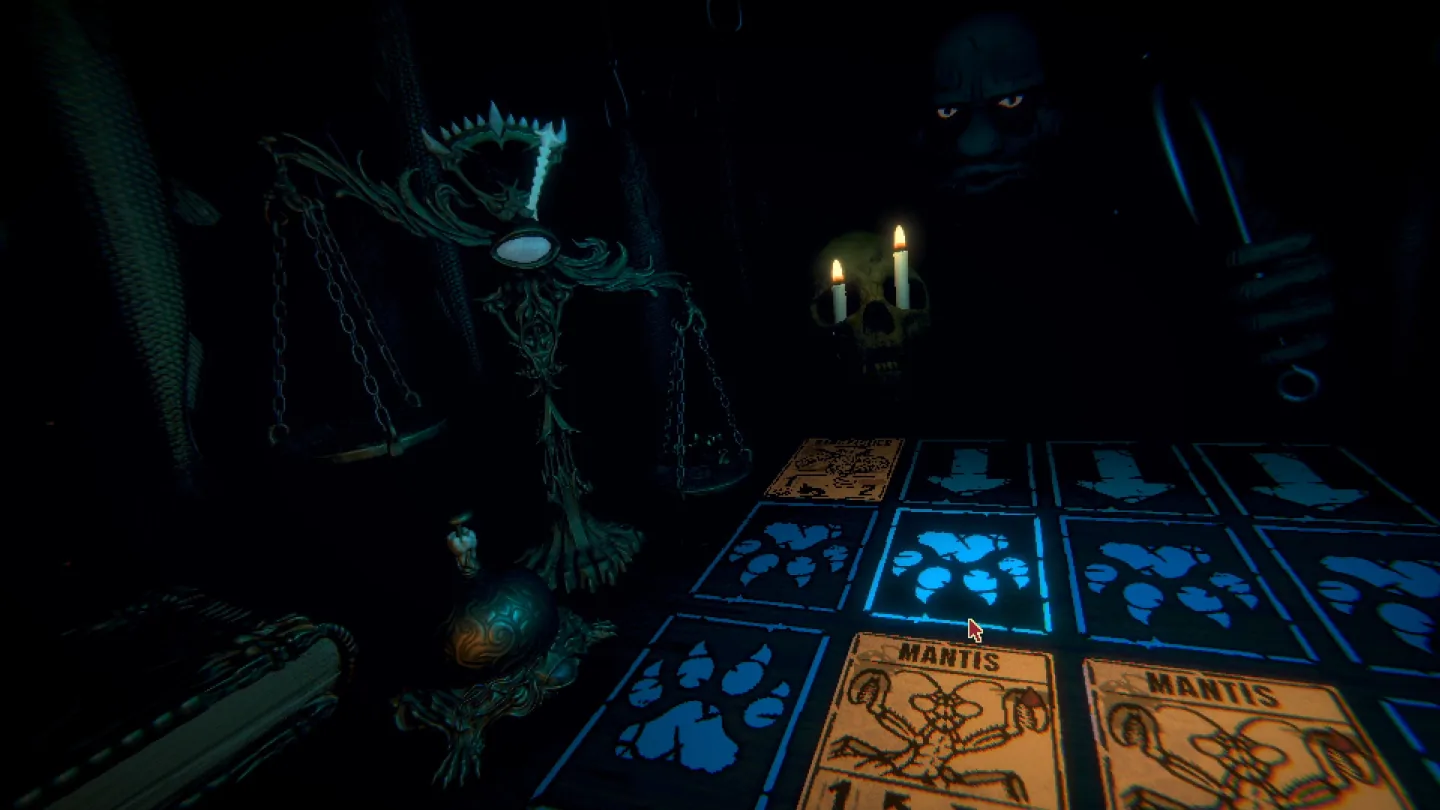
Board and card challenges
An in-game challenge uses a distinct set of board, card or other game rules.
Inscryption ↗RPG, resources and management
The player allocates resources, develops abilities and keeps a system functioning.
Last Epoch ↗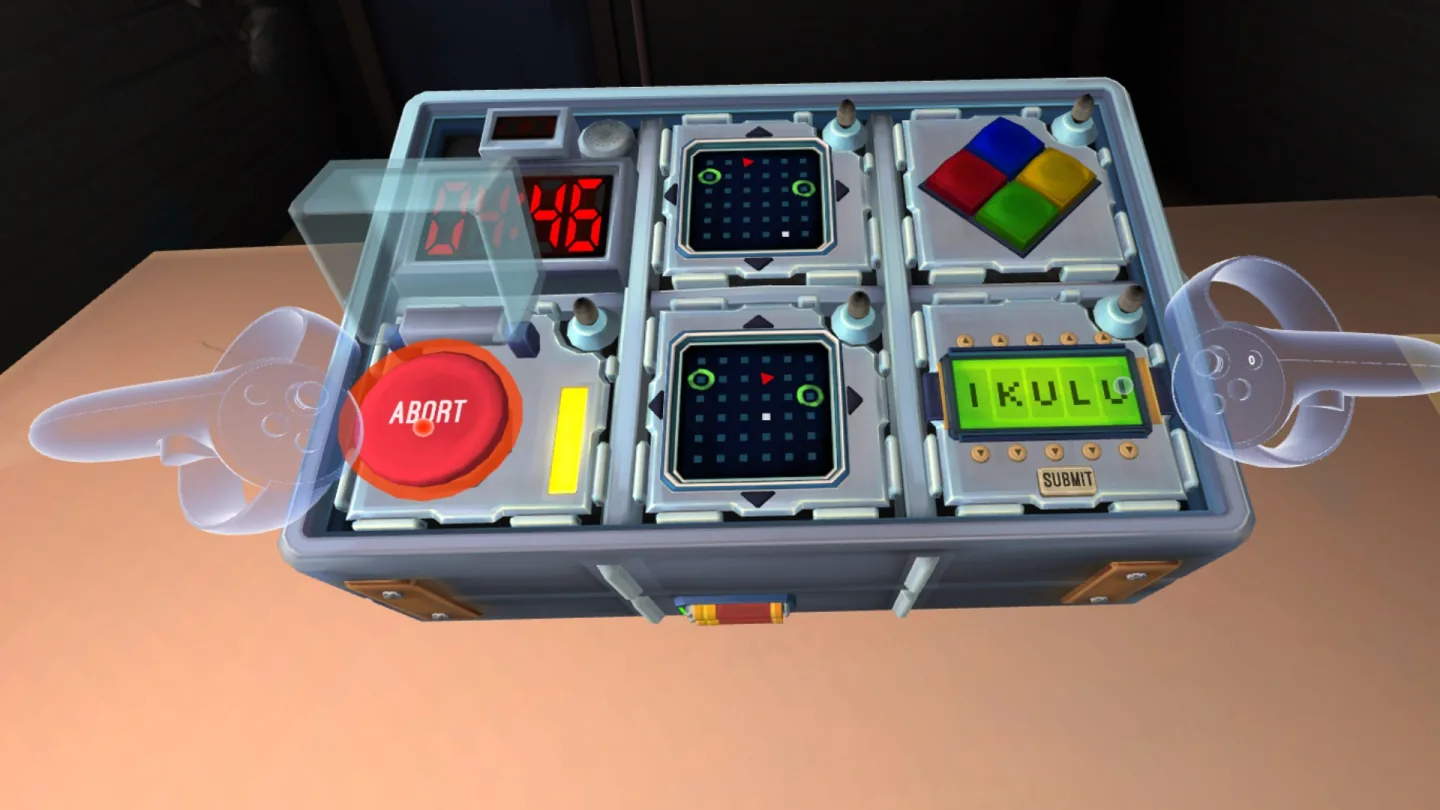
Cooperation and device features
A challenge uses coordination between participants or the device's available capabilities.
Keep Talking and Nobody Explodes ↗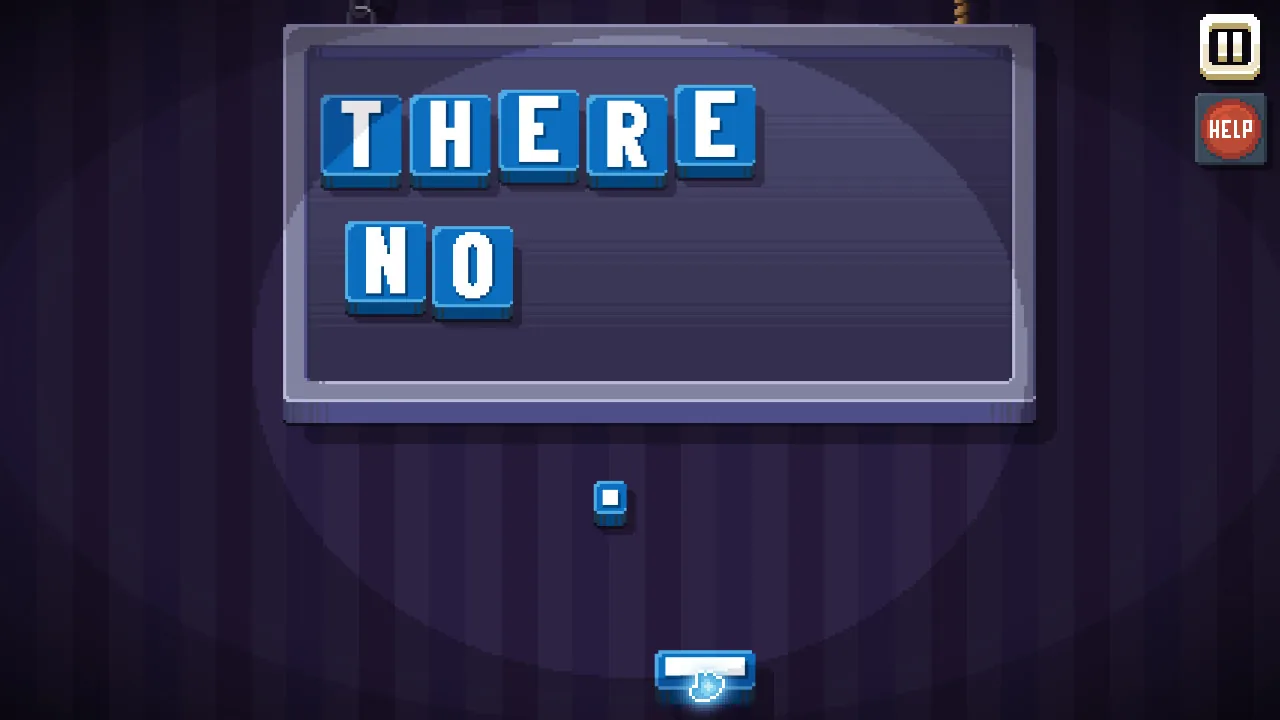
Metagame and the fourth wall
The player uses knowledge of the interface and game conventions as part of a solution within or around its world.
There Is No Game: Wrong Dimension ↗Search and recognition
The player finds a required object, feature or pattern among distracting details.
Hidden Folks ↗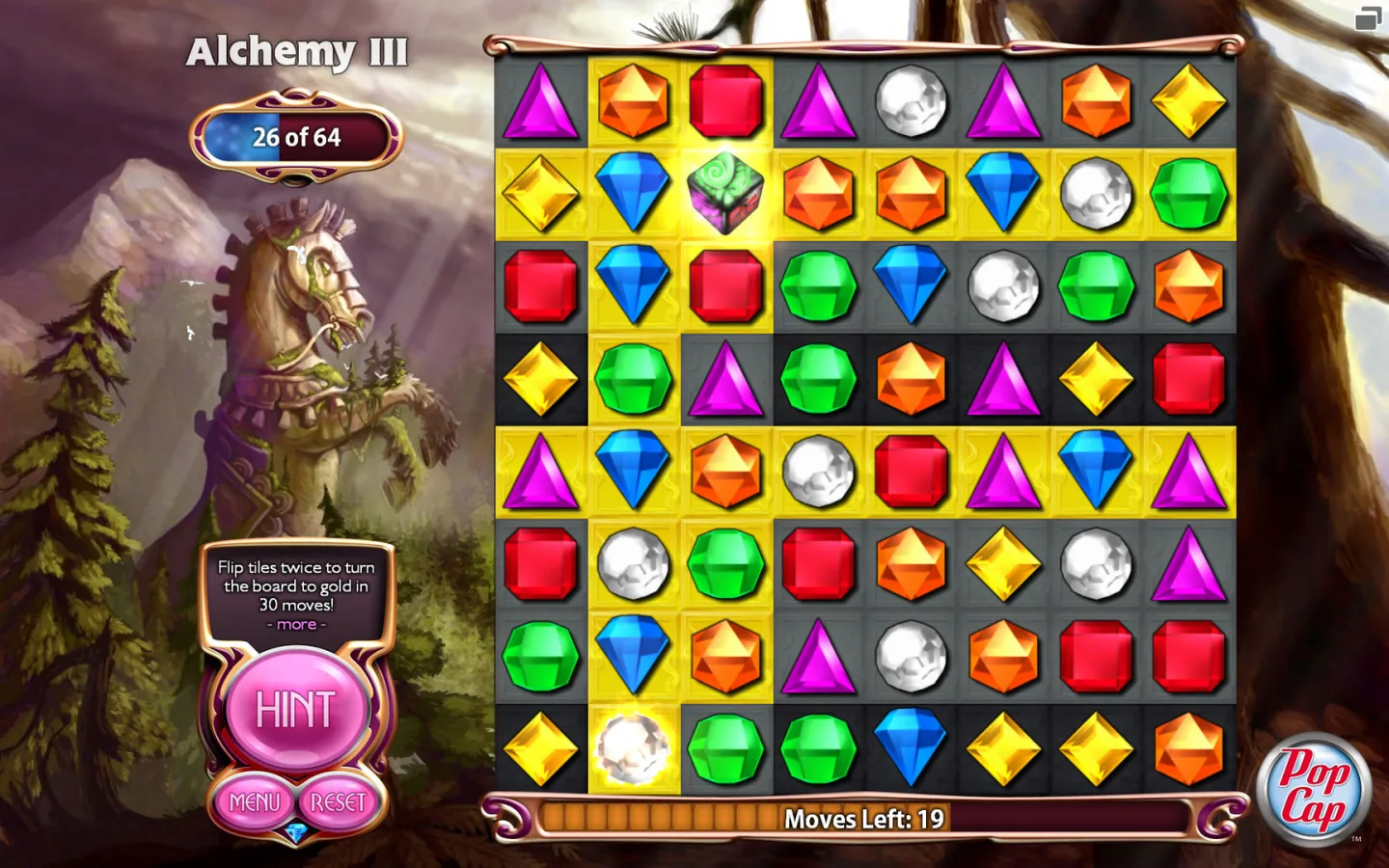
Matching and clearing
The player forms valid groups and chooses the order in which they clear.
Bejeweled® 3 ↗
Sorting and ordering
The player arranges objects by a required property using limited moves and temporary storage.
A Little to the Left ↗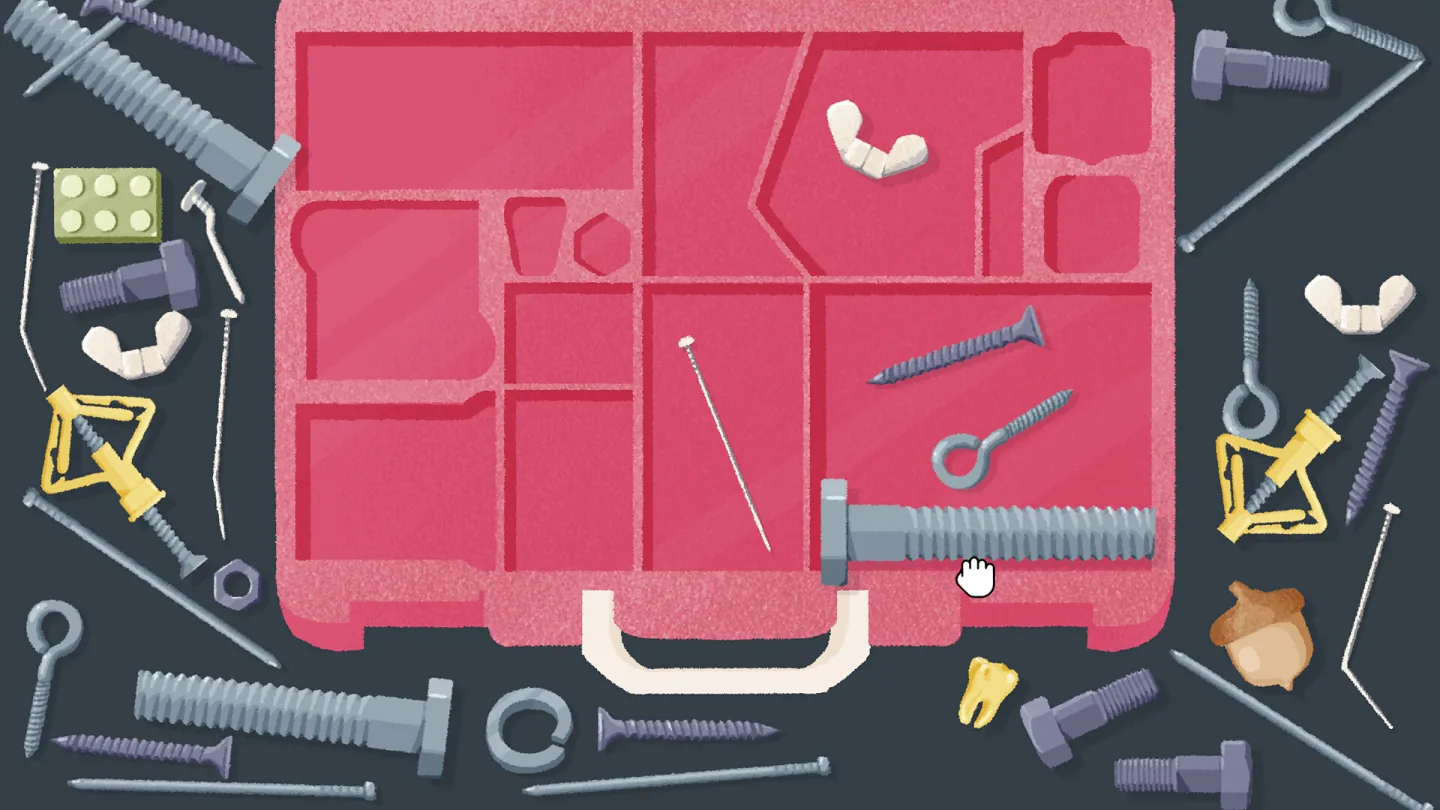
Assembly and packing
The player assembles a whole or packs a space while accounting for shape, adjacency and free room.
A Little to the Left ↗
Sliding and rearrangement
The player changes a configuration through permitted slides, rotations or swaps.
Patrick's Parabox ↗Pushing, carrying and coupling
The player plans access to objects and the consequences of moving, pushing or coupling them.
Patrick's Parabox ↗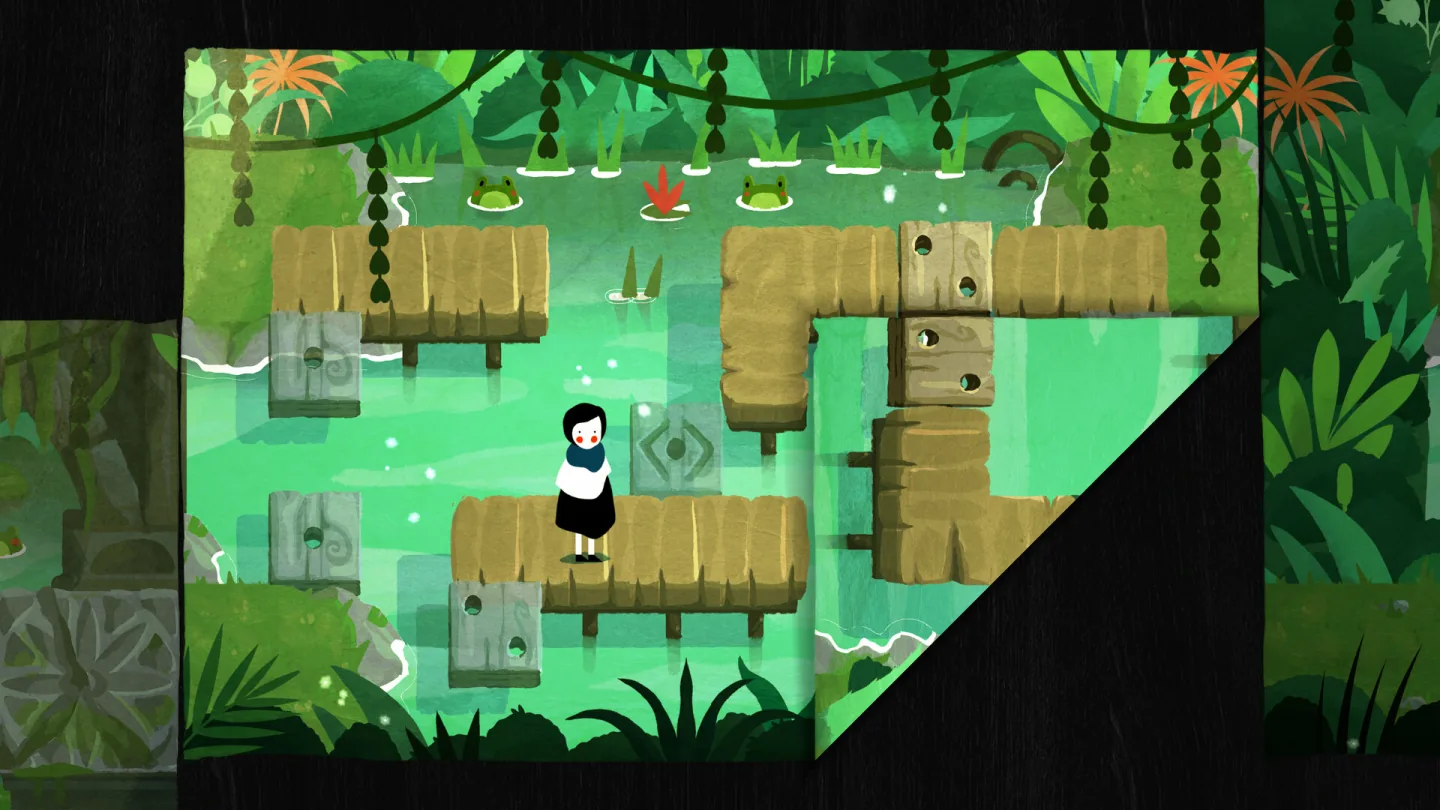
Routes and traversal
The player finds a route subject to limits on visits, turns and available resources.
Paper Trail ↗Connections, networks and loops
The player connects nodes while respecting connectivity, crossing and connection-count constraints.
The Talos Principle ↗Number and symbol grids
The player fills or marks cells while satisfying local and overlapping constraints.
Hexcells ↗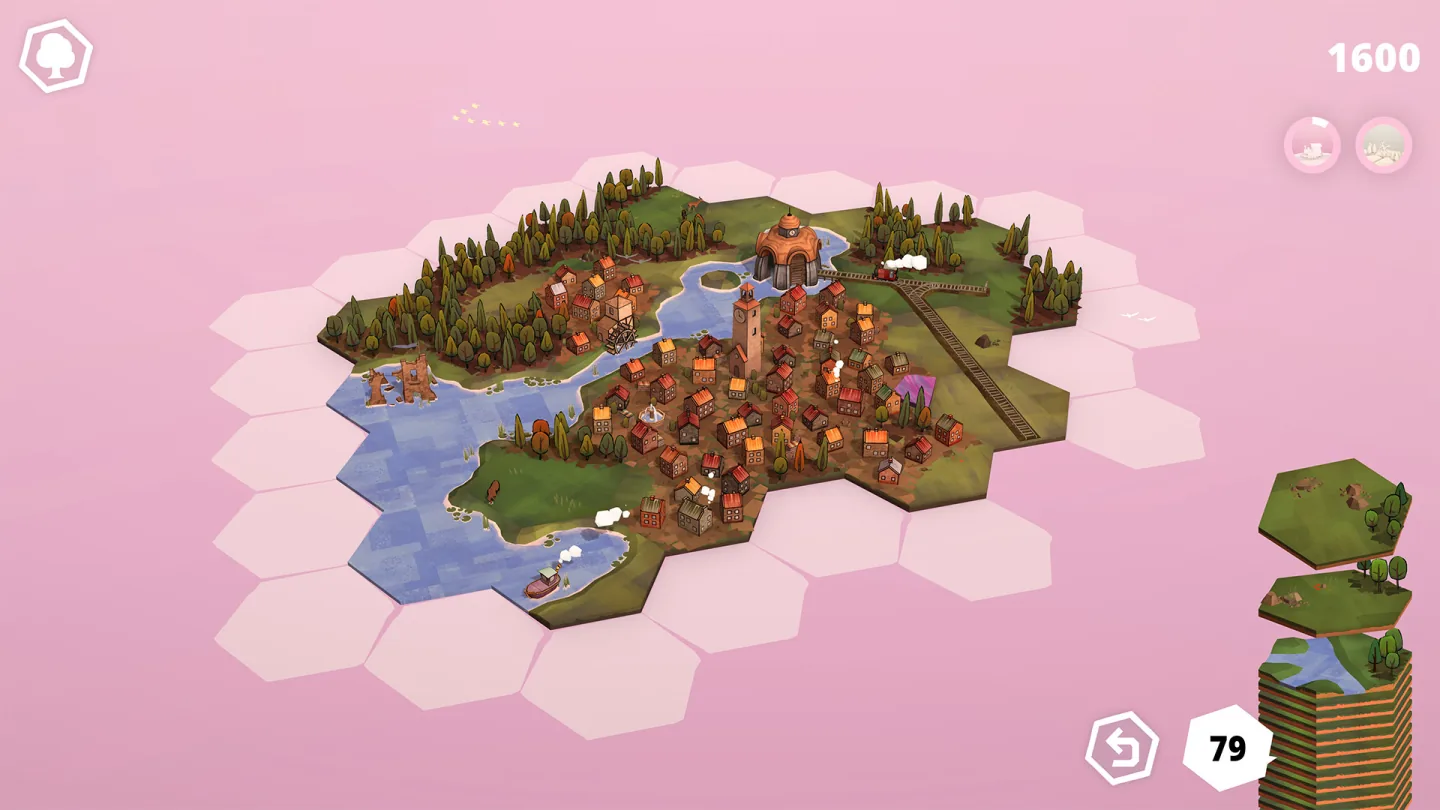
Regions, coloring and coverage
The player defines region boundaries and contents according to local and board-wide rules.
Dorfromantik ↗Deduction and hidden state
The player infers hidden state from constraints, observations and system responses.
Hexcells ↗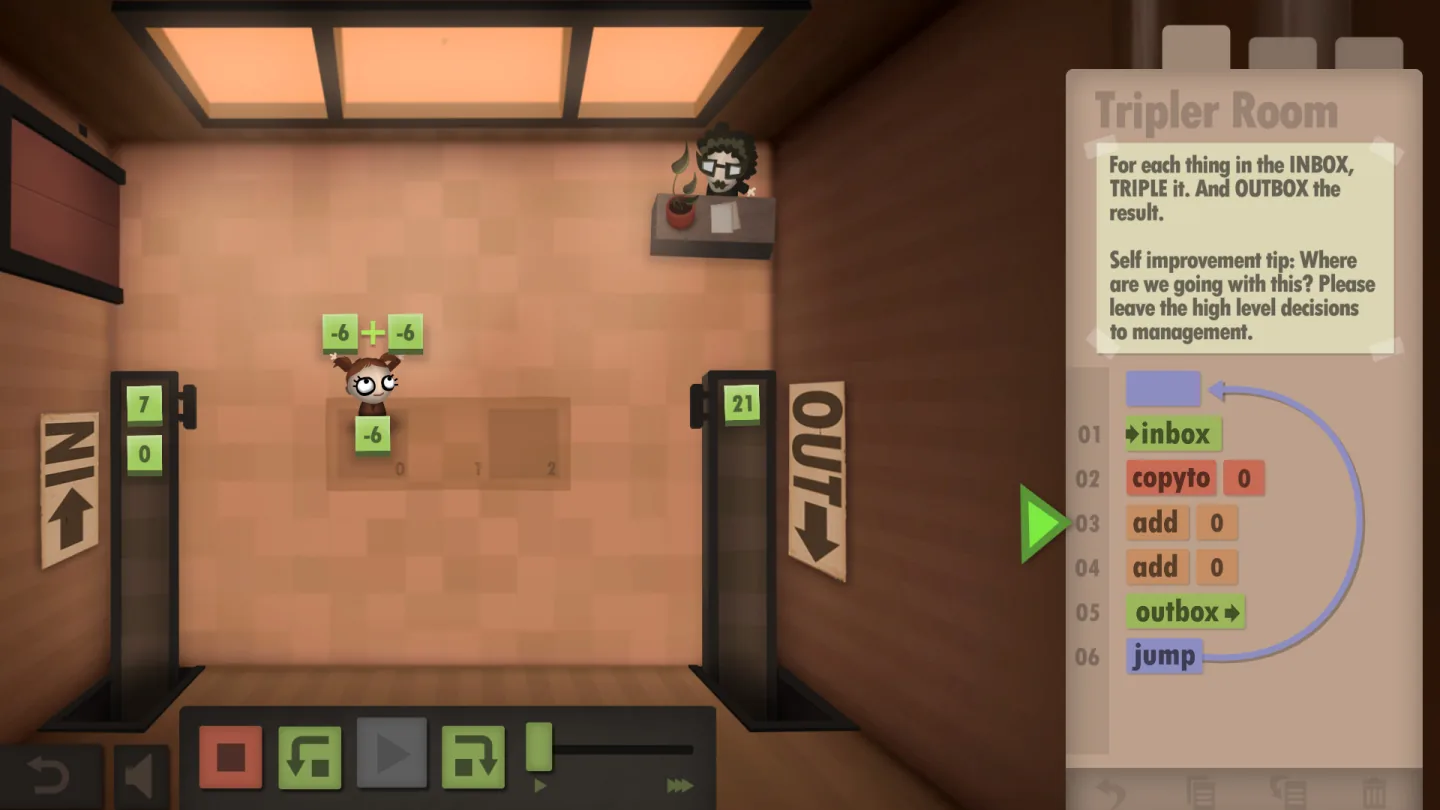
Numbers and operations
The player constructs expressions or allocations that satisfy a numerical requirement.
Human Resource Machine ↗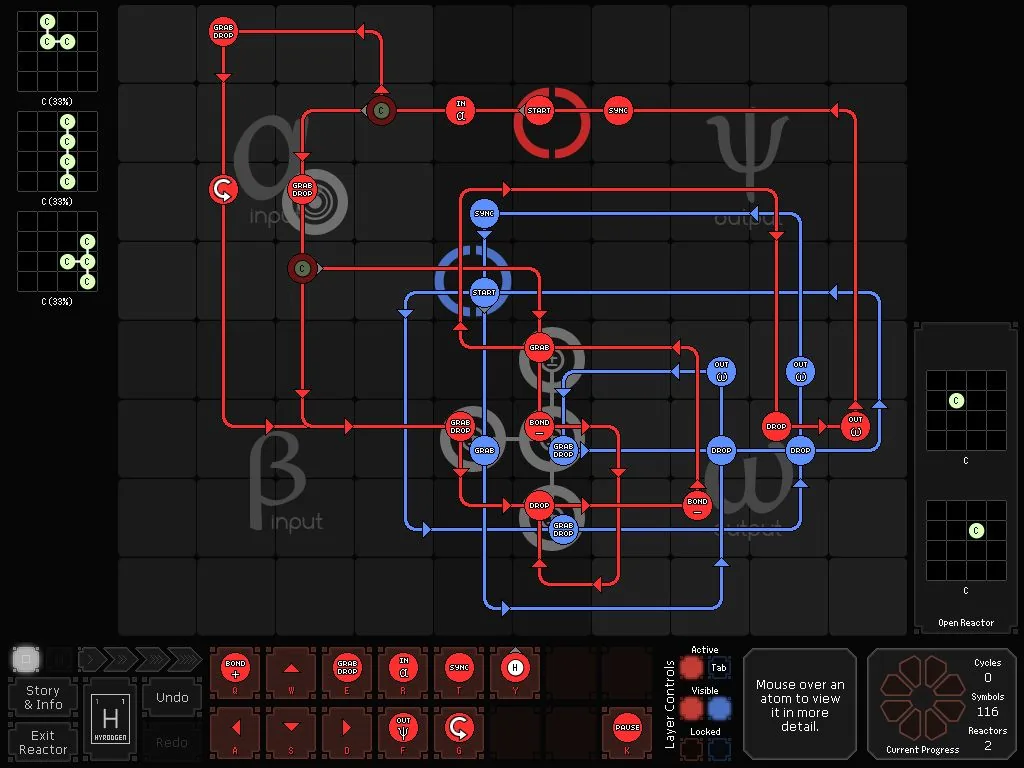
Measurement and allocation
The player obtains an exact quantity or composition through limited resource operations.
SpaceChem ↗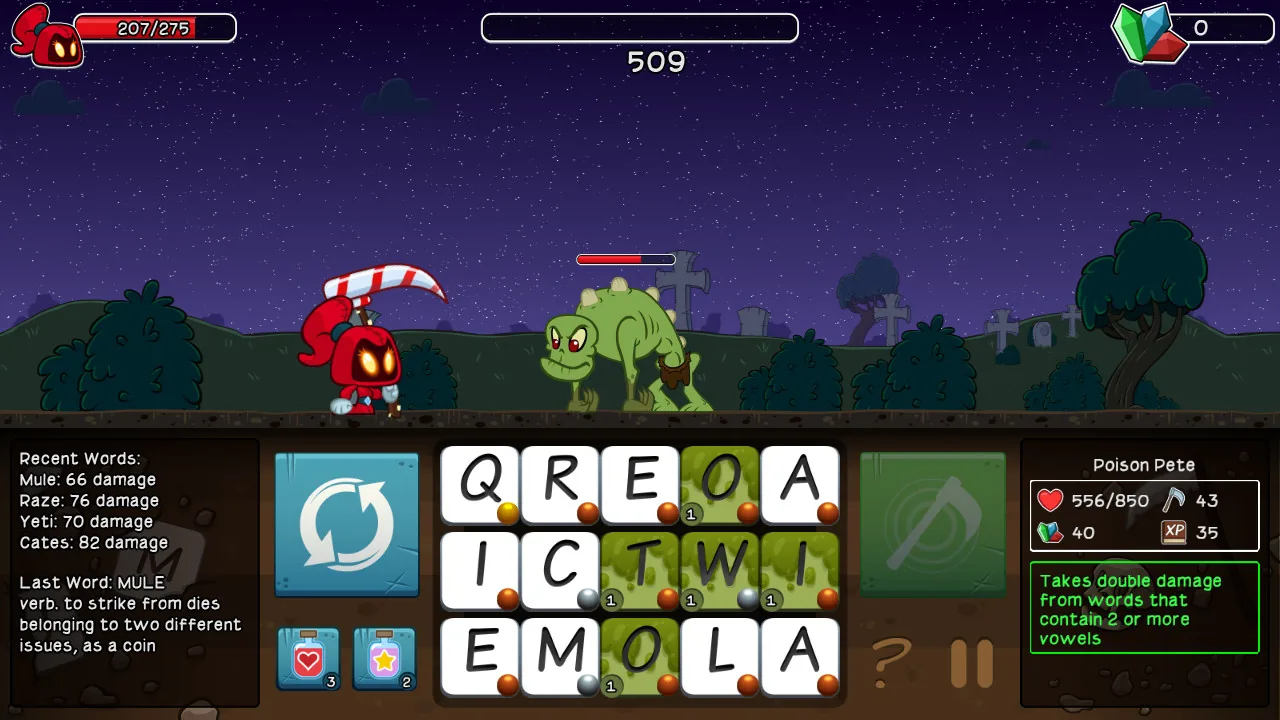
Letters and words
The player forms and transforms words under letter-selection and placement constraints.
Letter Quest: Grimm's Journey ↗Ciphers, languages and meaning
The player discovers correspondences among symbols, words and possible meanings.
Chants of Sennaar ↗Geometry, cutting and folding
The player folds, cuts or transforms a shape and uses the resulting geometry to solve the puzzle.
Paper Trail ↗Mechanical puzzles
The player works out a sequence of physical transformations of a multipart object.
The Room ↗Forces, supports and motion
The player reaches a target state through physical interactions among objects and supports.
Portal ↗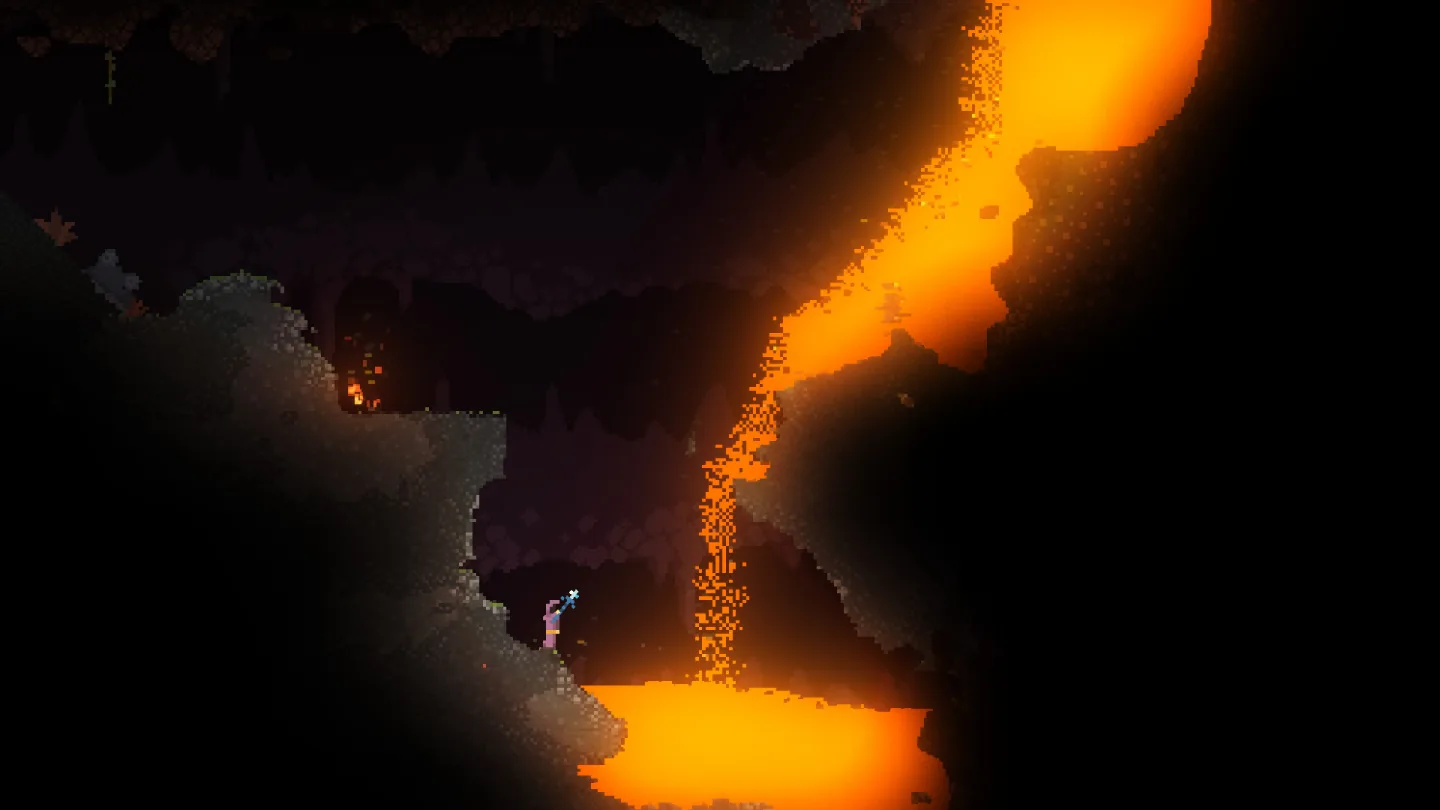
Materials, media and transformations
The player uses material properties and spreading processes to change the environment.
Noita ↗Light, color and optics
The player controls beams, lighting or color to change the available visual information.
The Talos Principle ↗Sound, rhythm and memory
The player identifies structure in timed signals and reproduces the required sequence.
Spiritfarer ↗Perspective and images
The player changes the result through viewpoint, framing or transitions between an image and an object.
Gorogoa ↗Space and topology
The player solves a puzzle through spatial structure and connections among its parts.
Patrick's Parabox ↗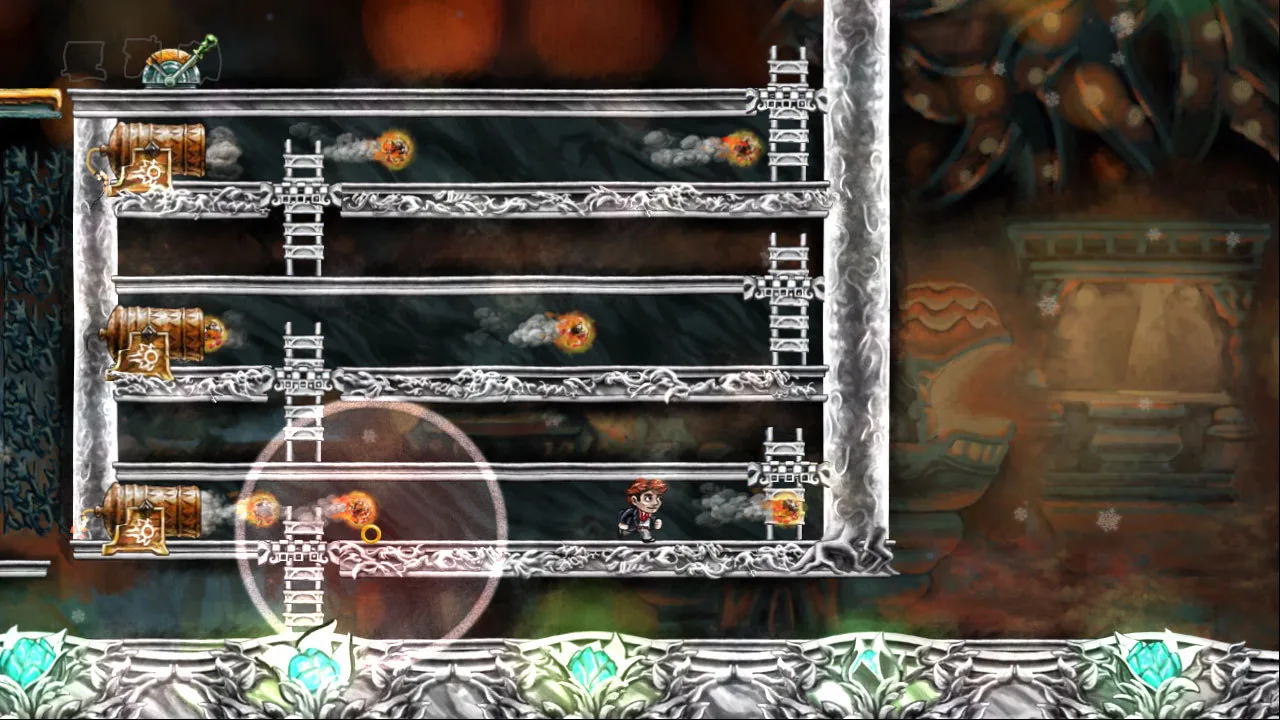
Time and causality
The player changes available actions through temporal states and causal dependencies.
Braid ↗Switches and signals
The player controls discrete states and command propagation among system elements.
Portal ↗Algorithms and programming
The player creates a procedure that solves a problem within a defined execution model.
Human Resource Machine ↗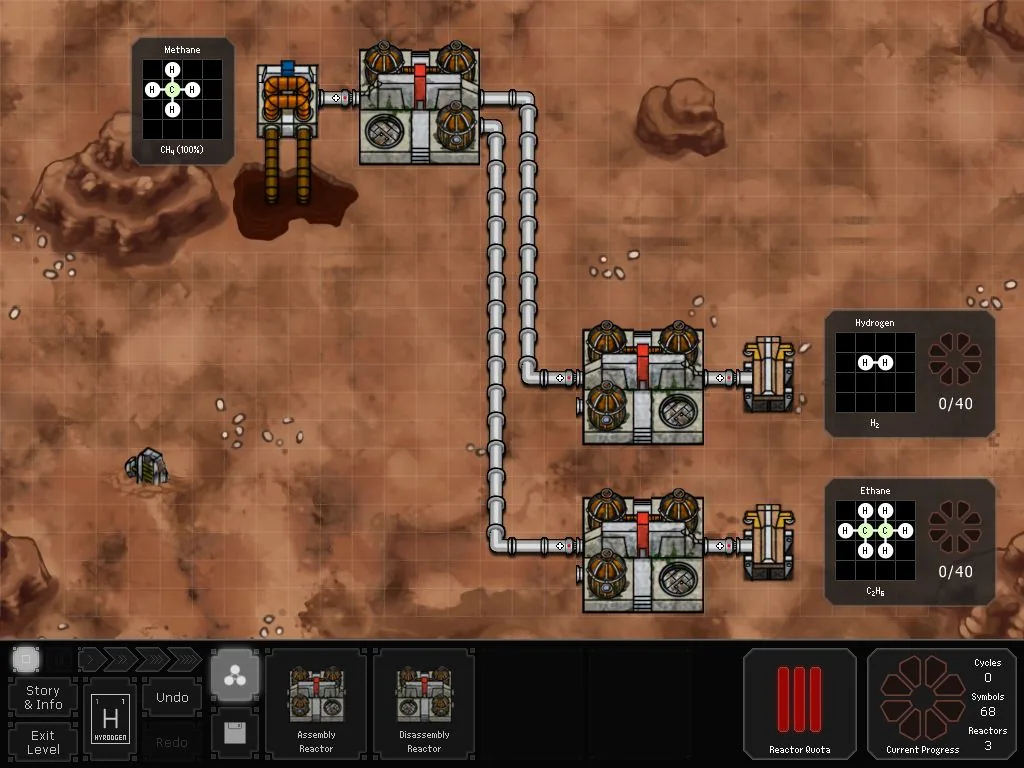
Machines, production and logistics
The player builds a system for transforming and transporting objects among connected nodes.
SpaceChem ↗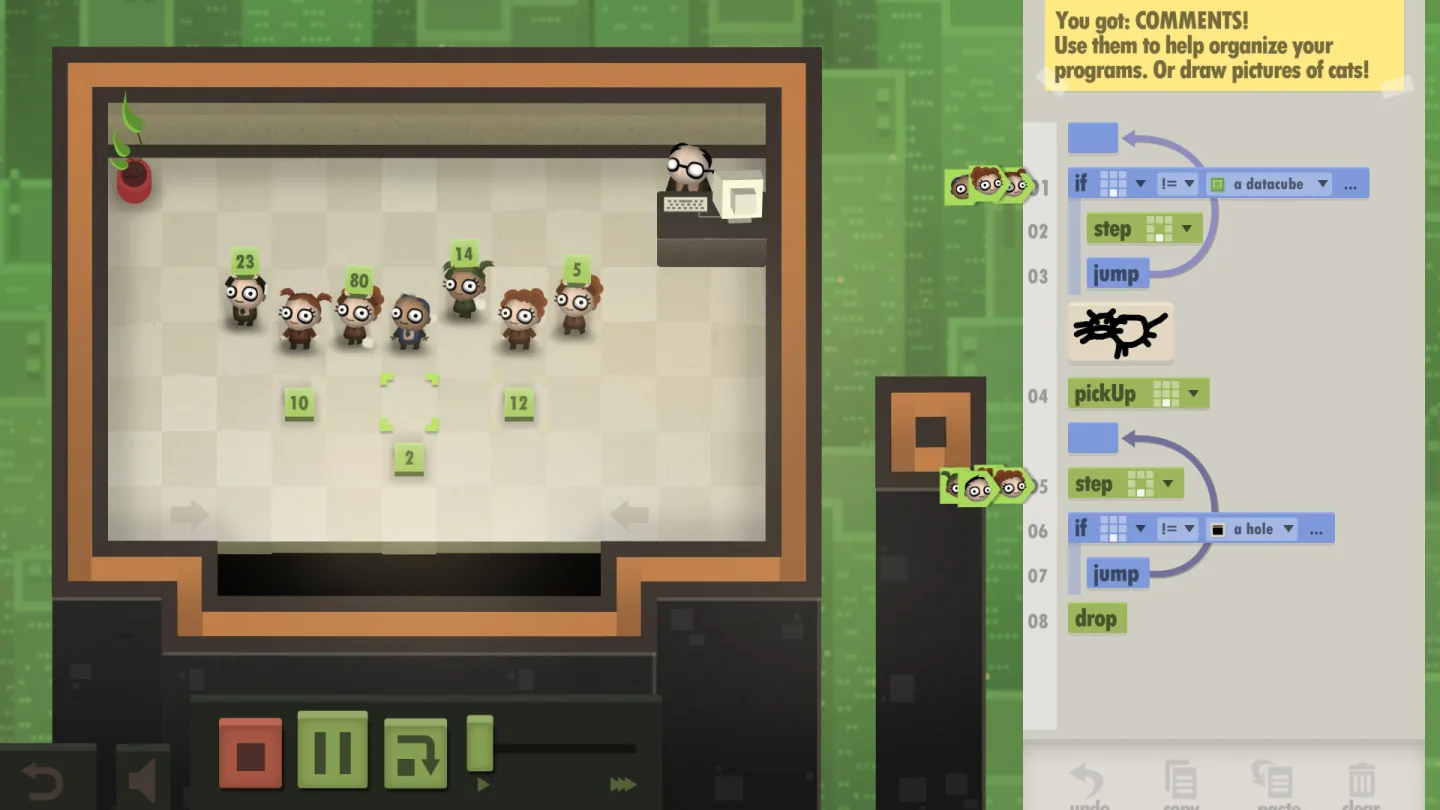
Objects and agent behavior
The player accounts for shared commands, distinct abilities and reactive behavior across several objects.
7 Billion Humans ↗Items, tools and environment
The player infers how items can be used and creates access to a required target.
Day of the Tentacle Remastered ↗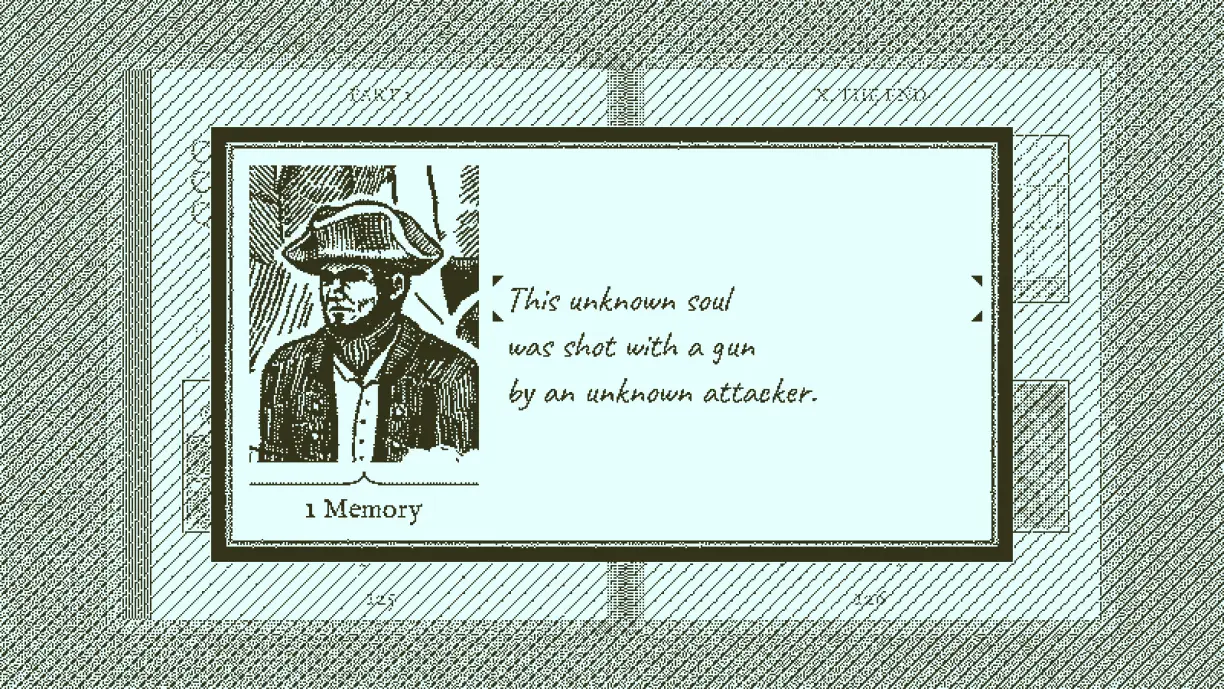
Investigation and reconstruction
The player reconstructs events from incomplete or conflicting information.
Return of the Obra Dinn ↗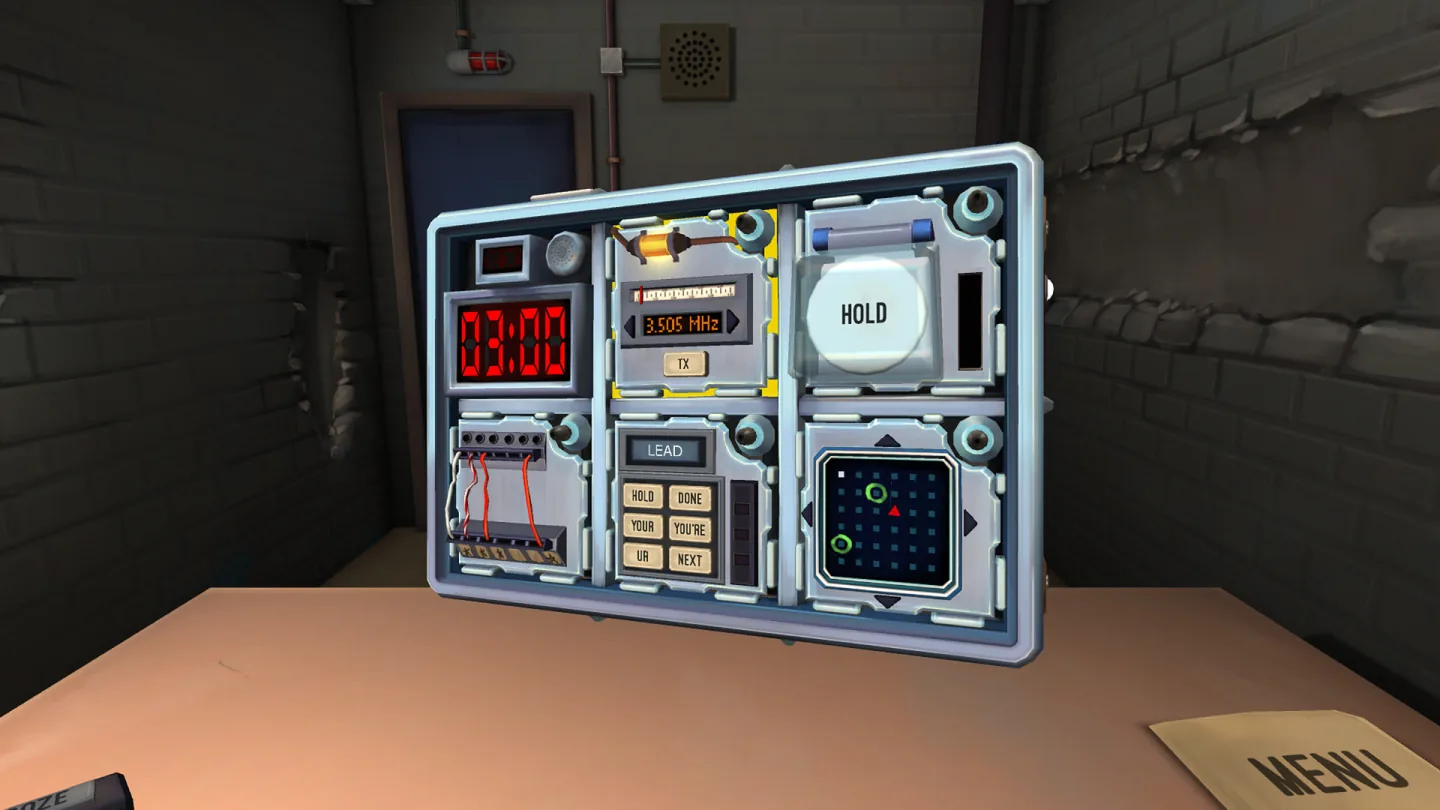
Cooperative information puzzles
Participants divide knowledge and actions, sharing information their partners cannot access.
Keep Talking and Nobody Explodes ↗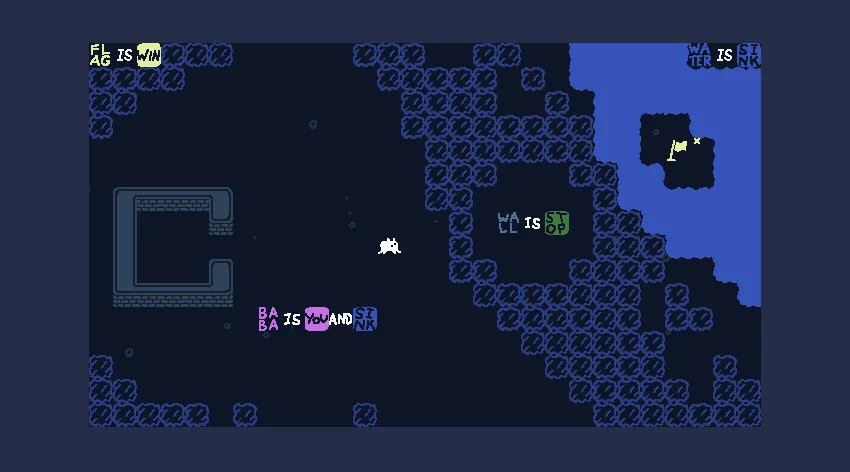
Discovering rules and metapuzzles
The player solves a problem by reconsidering how rules, controls or results are interpreted.
Baba Is You ↗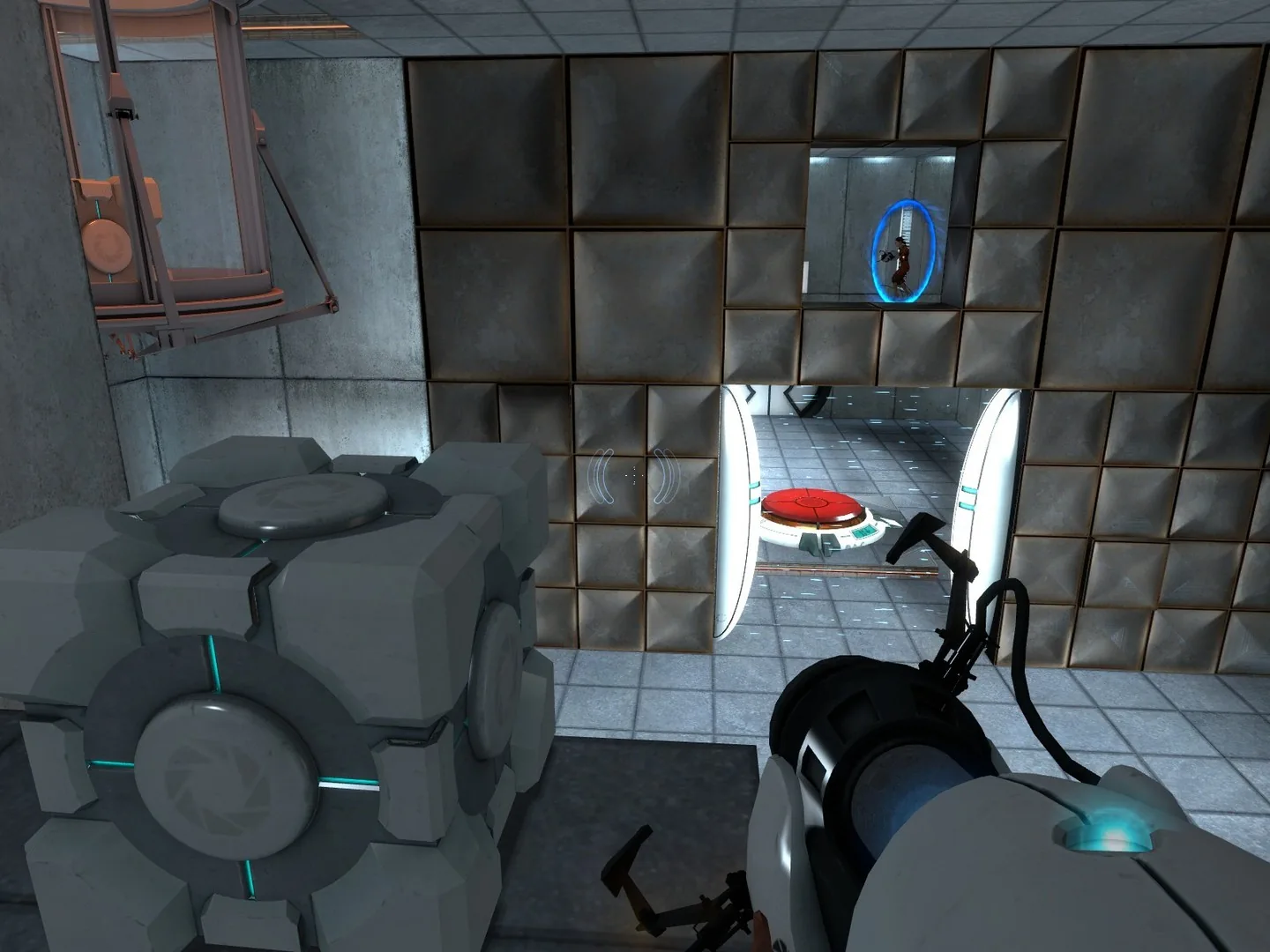
Puzzles with precise execution
The player combines a discovered solution with precise control of continuous movement.
Portal ↗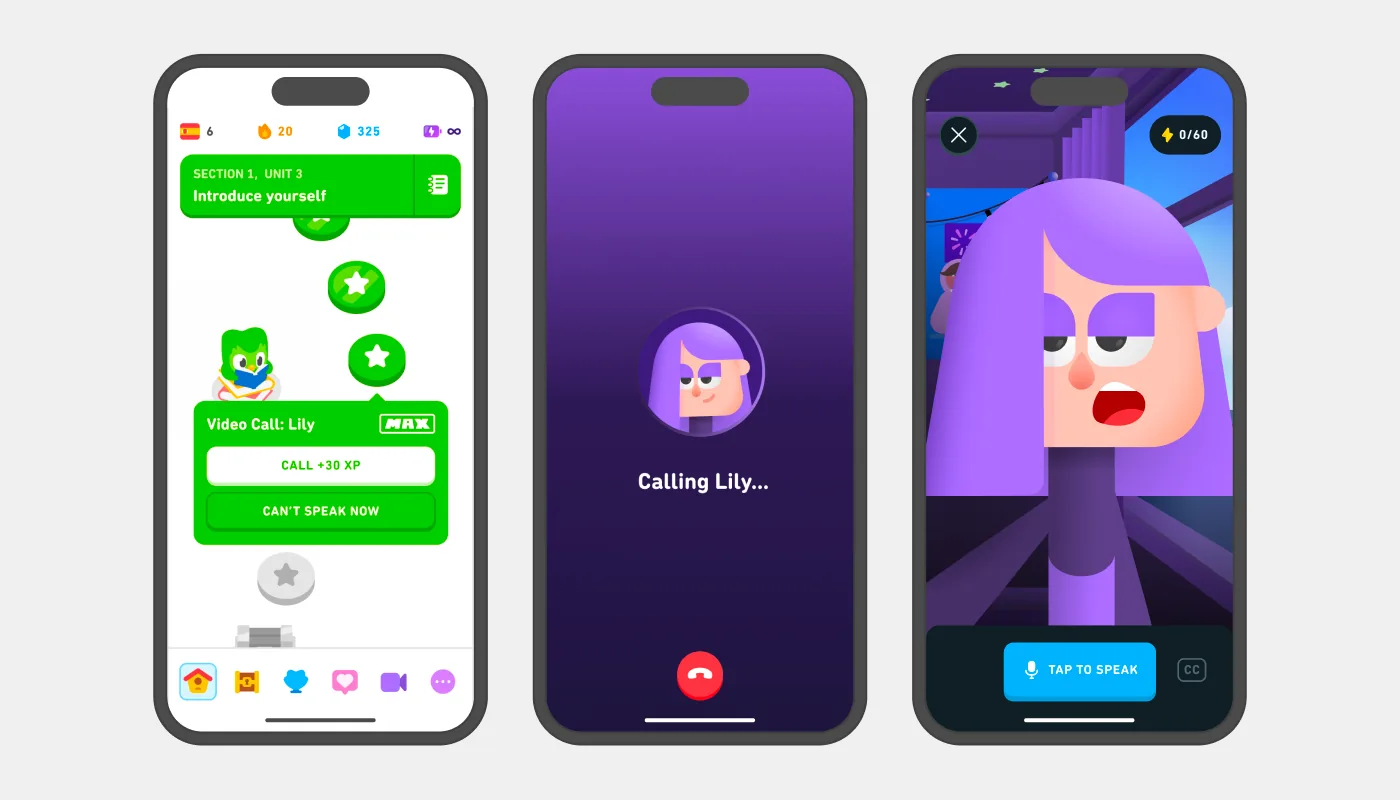
Starting and ending a conversation
Entry conditions, initiator and controls determine when a conversation starts and how it can end.
Duolingo ↗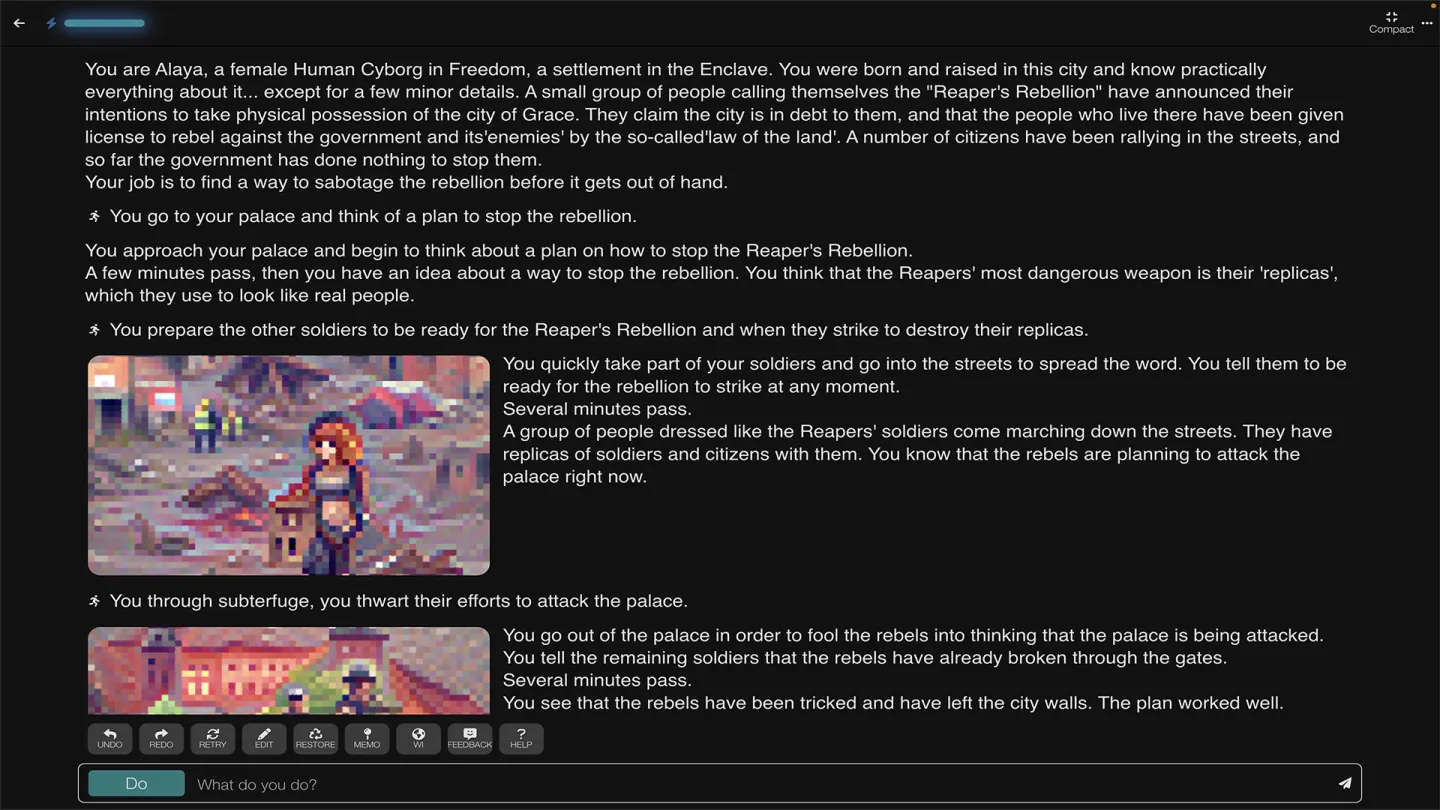
Composed responses and free text input
Players compose a reply or enter it freely; the system interprets its content and form.
AI Dungeon ↗Dialogue graph structure
Connections between dialogue nodes determine branches, loops, merges and the order of available topics.
Disco Elysium ↗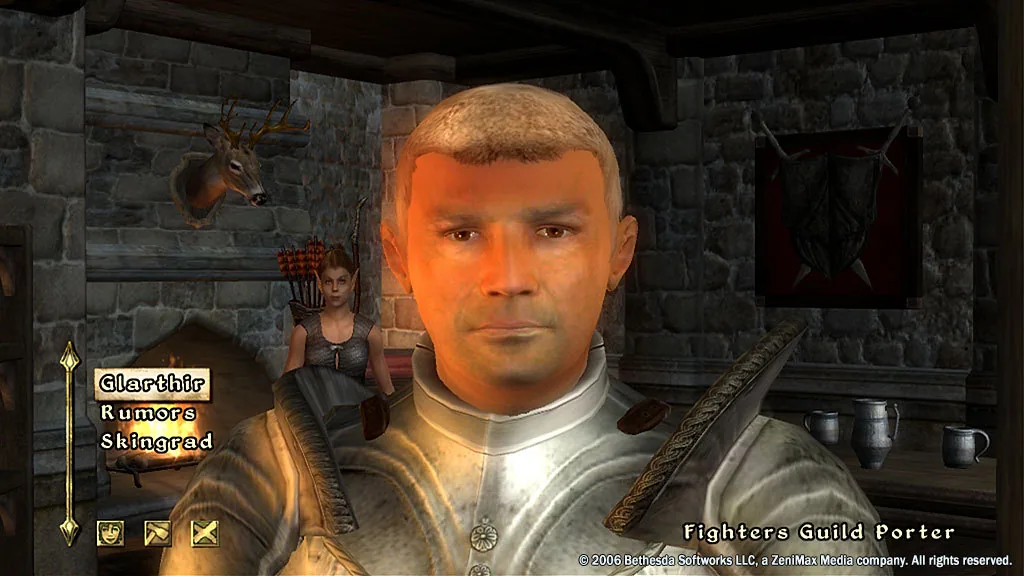
Topic management
Players choose, switch or return to topics; knowledge and conversation state determine which questions are available.
The Elder Scrolls IV: Oblivion® Game of the Year Edition (2009) ↗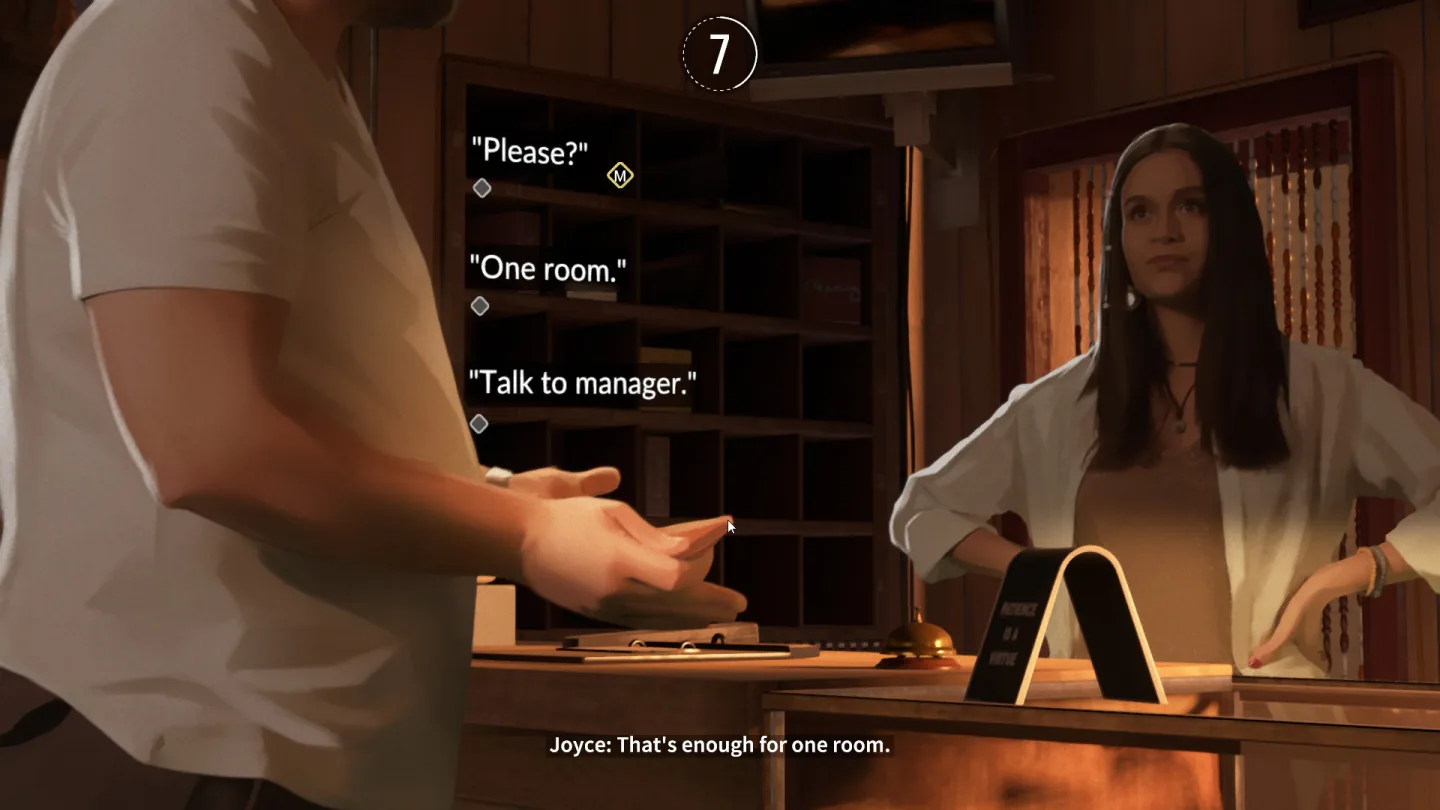
Time and pace
Duration, pauses and response deadlines become part of dialogue rules and consequences.
As Dusk Falls ↗Interruptions and taking turns
Participants take turns, interrupt or yield the floor; rules determine who can speak and when.
Duolingo ↗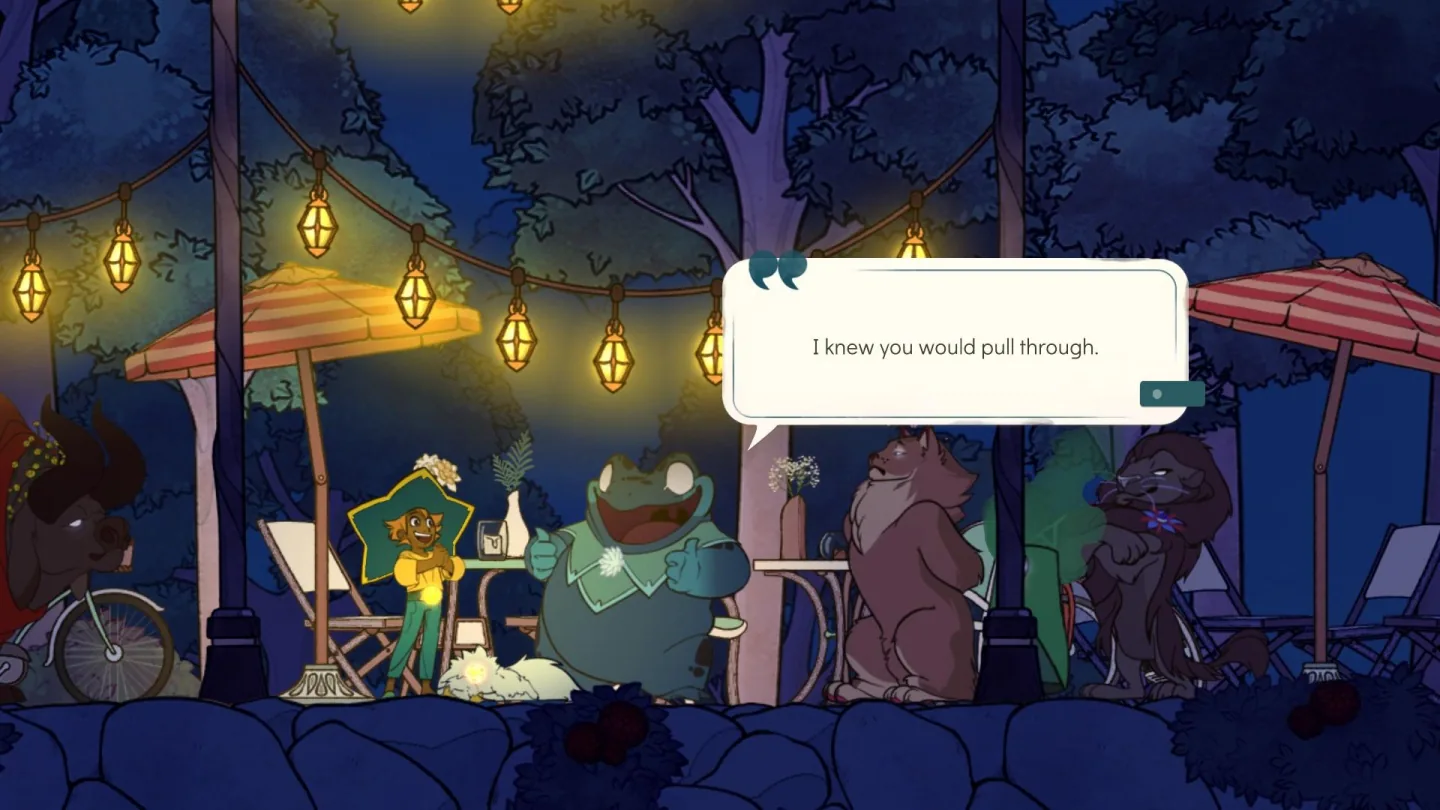
Conversation in the world
Lines appear beside the participants in the scene. Character positions and the environment preserve context without a separate dialogue screen.
Spiritfarer ↗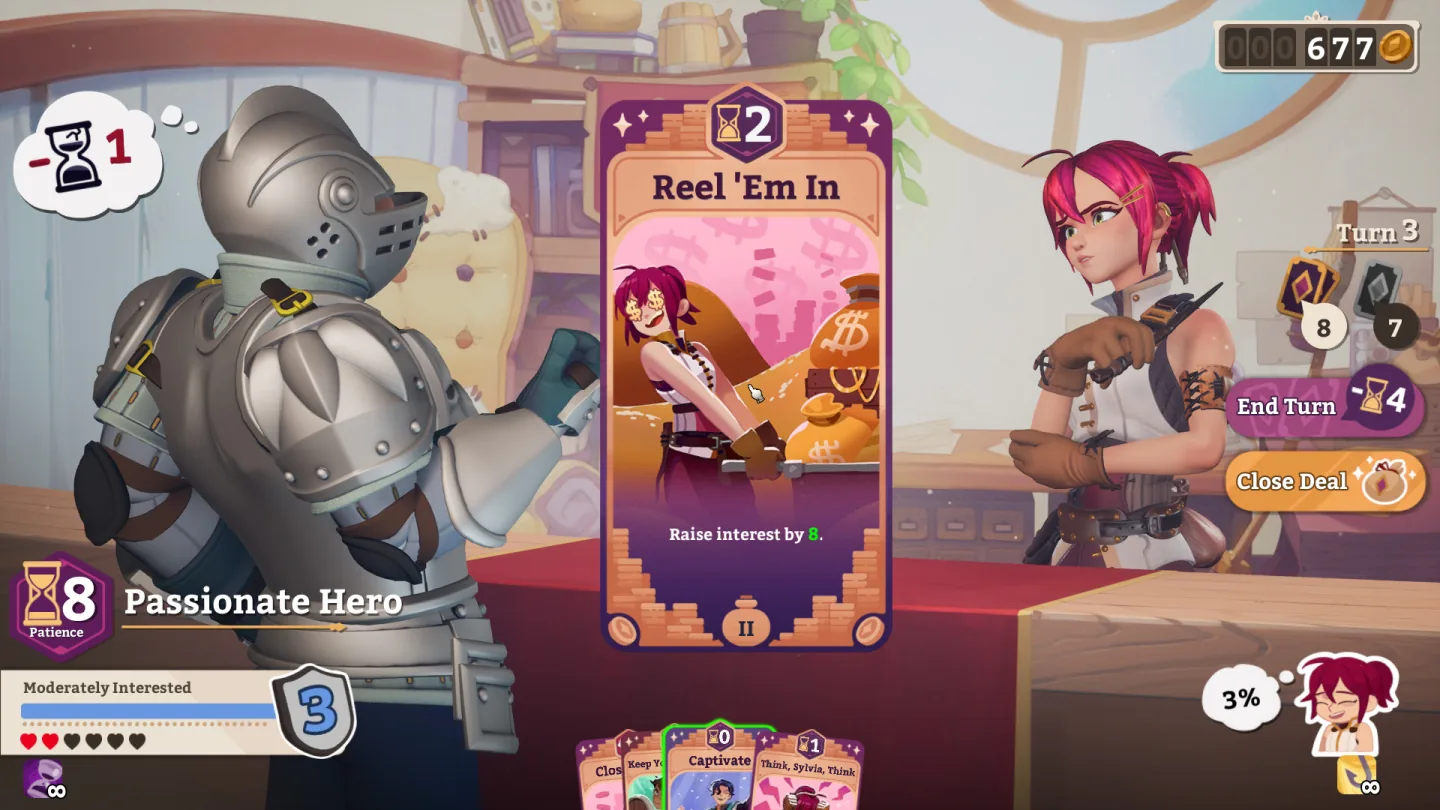
Resources and stakes
A line or influence attempt costs time or resources, or commits the player to a risk or obligation.
Potionomics ↗Persuasion and Influence
The player tries to change another character’s decision, belief or behaviour through dialogue.
Disco Elysium ↗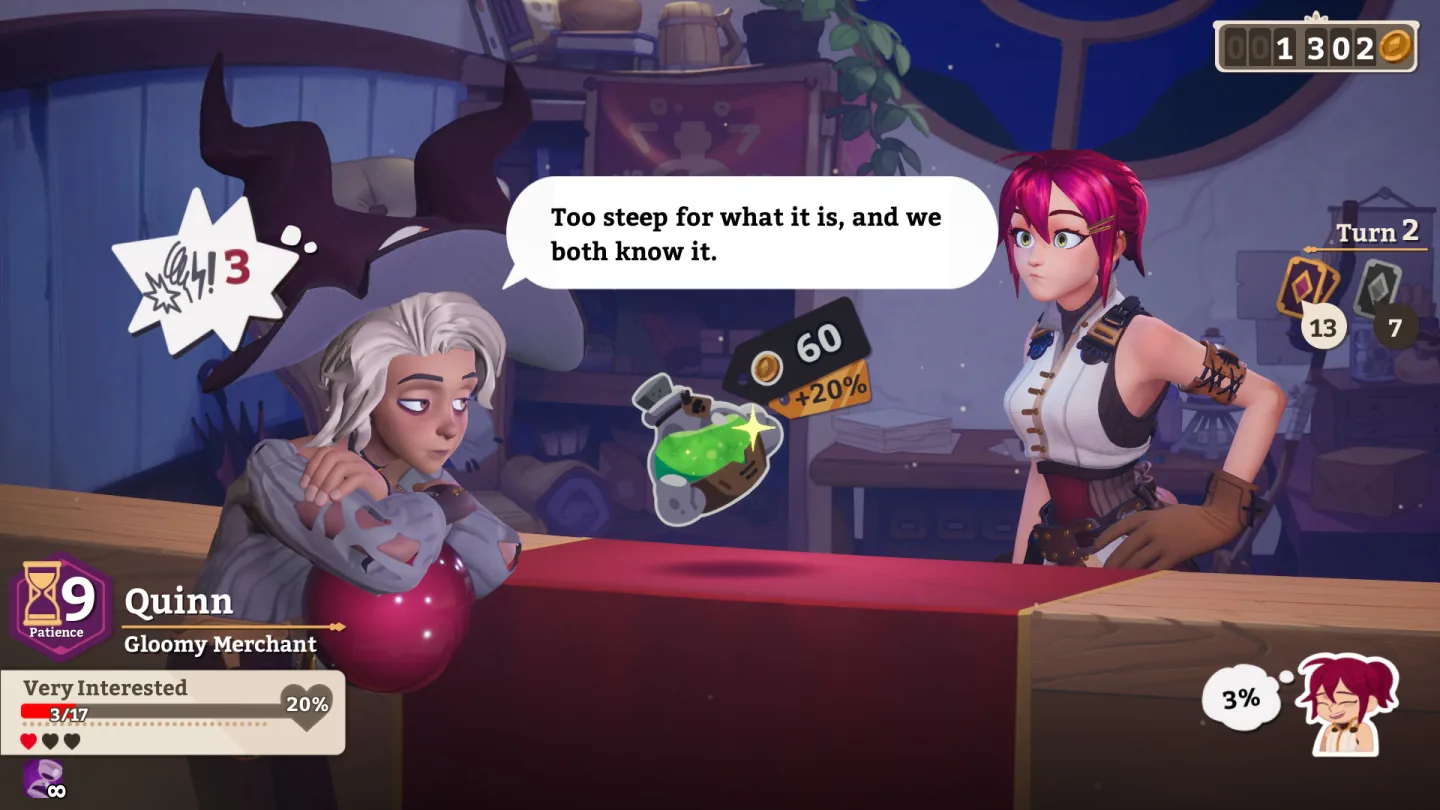
Bargaining, transactions and obligations
Participants negotiate an exchange, price or obligation, taking their own goals and limits into account.
Potionomics ↗Emotional state
The emotional state of participants changes which replies are available and how they are received.
Potionomics ↗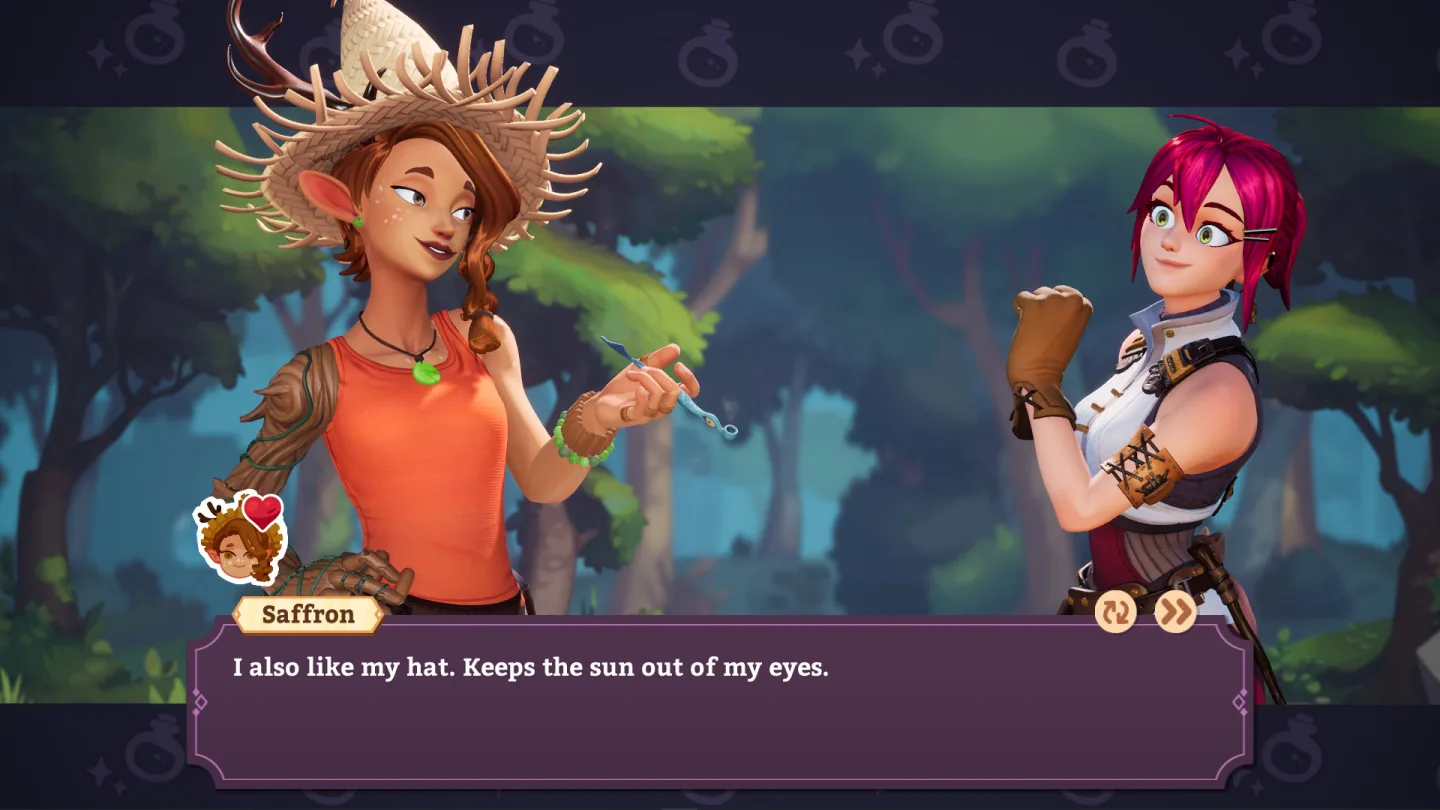
Long-term relationships
Repeated conversations change trust, affinity or other lasting relationships between characters.
Potionomics ↗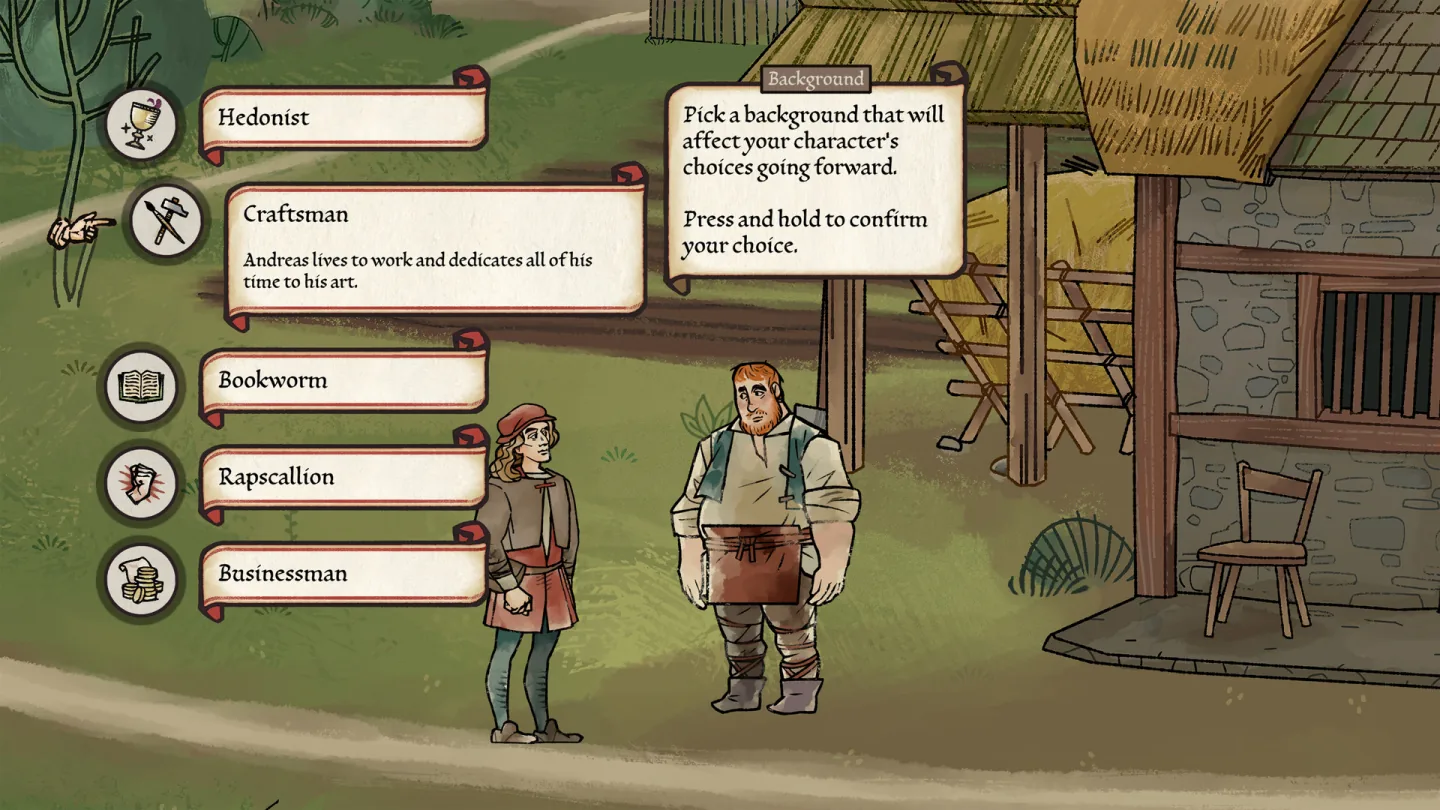
Self-expression and character identity
A response expresses the hero’s character and beliefs, even without an immediate external reward.
Pentiment ↗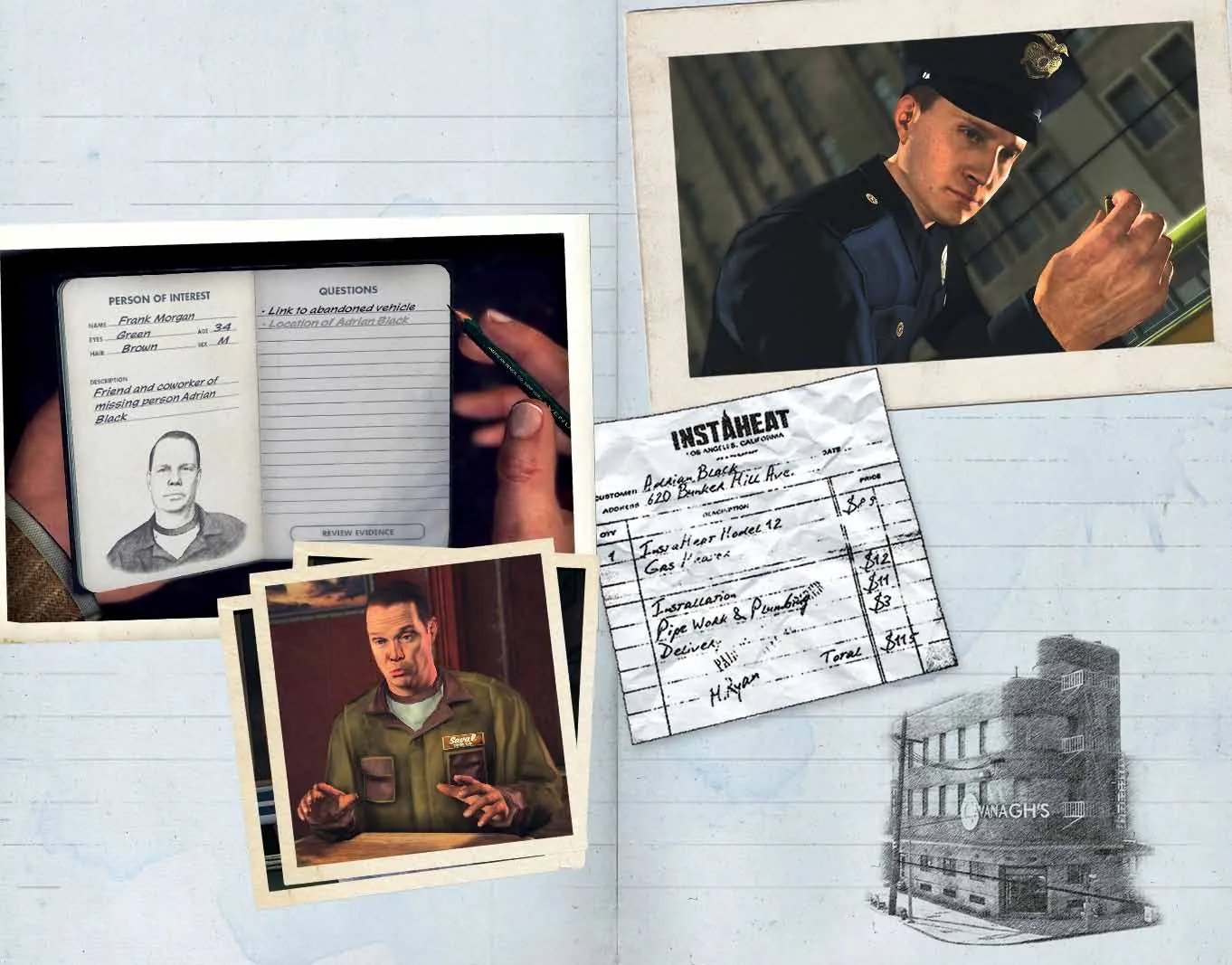
Knowledge and information sharing
Conversation reveals, verifies, withholds or transfers knowledge that changes further decisions.
L.A. Noire ↗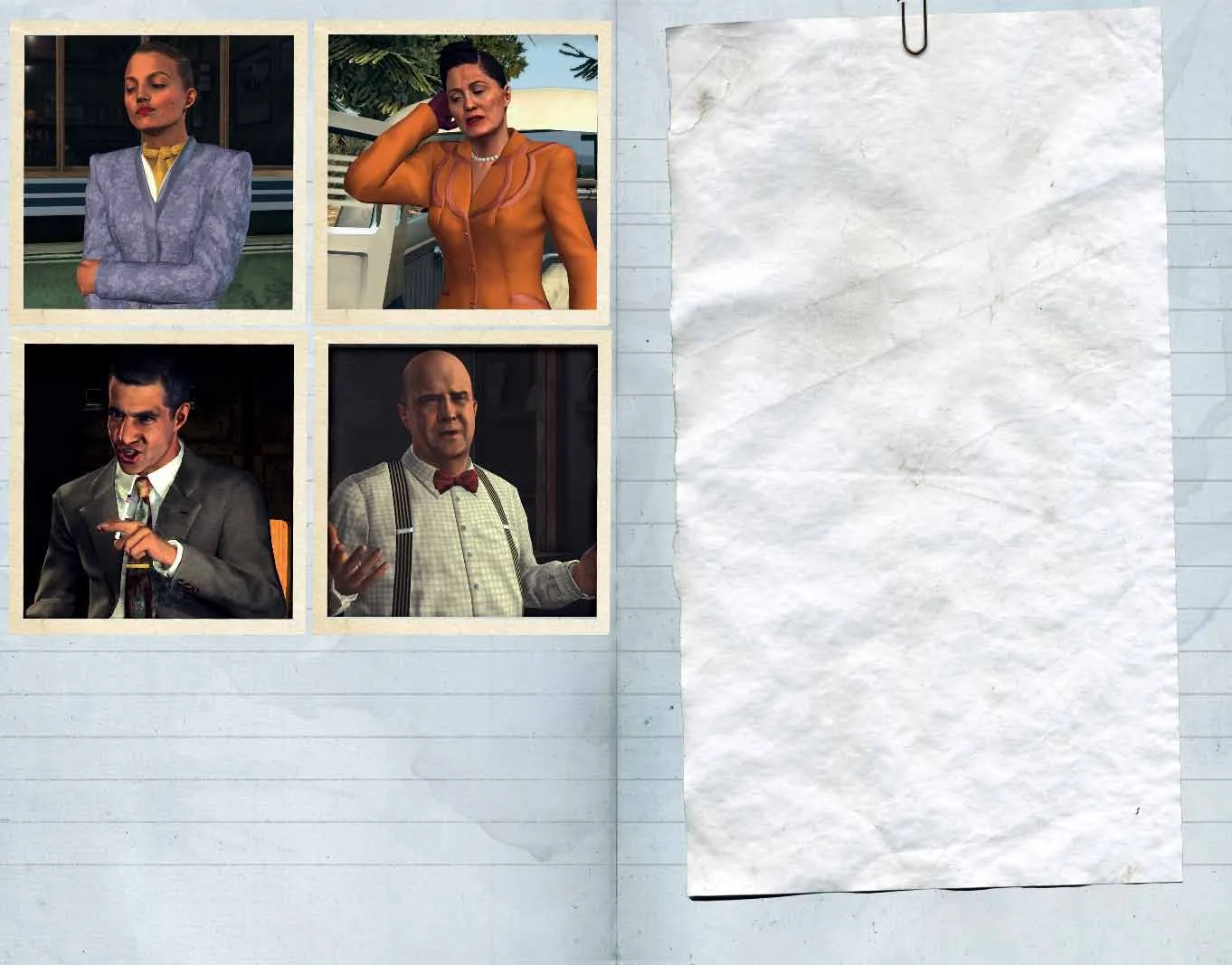
Lies and hidden intentions
A participant hides intentions or distorts facts; the player constructs a lie or checks another character’s claims.
L.A. Noire ↗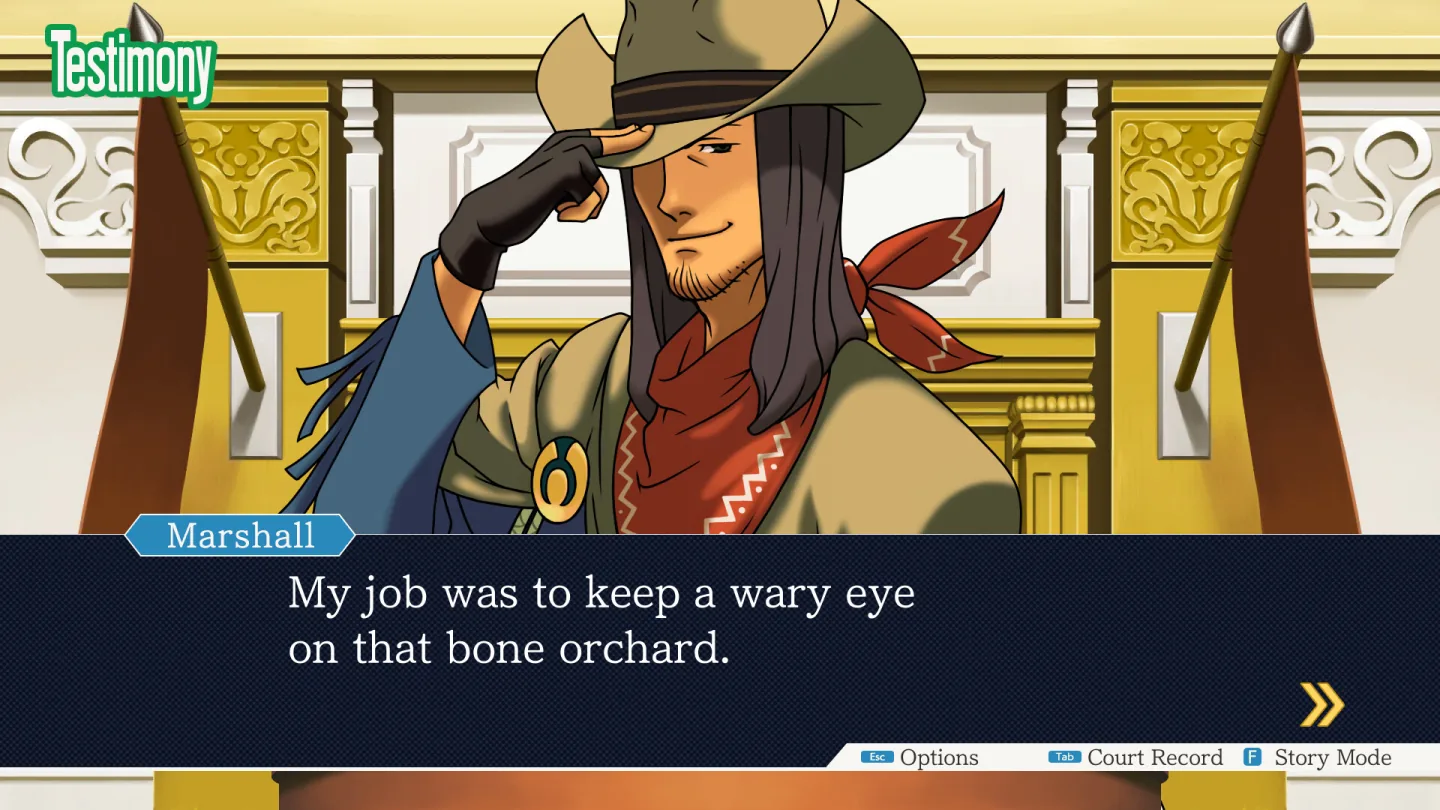
Interrogation and evidence
The player asks questions, compares testimony and presents evidence to uncover contradictions or missing facts.
Phoenix Wright: Ace Attorney Trilogy ↗Argumentation and debate
The player connects claims with reasons to build an argument or identify a contradiction.
L.A. Noire ↗
Languages, codes and translation
Understanding unfamiliar speech, symbols or codes becomes a condition for meaningful communication.
Chants of Sennaar ↗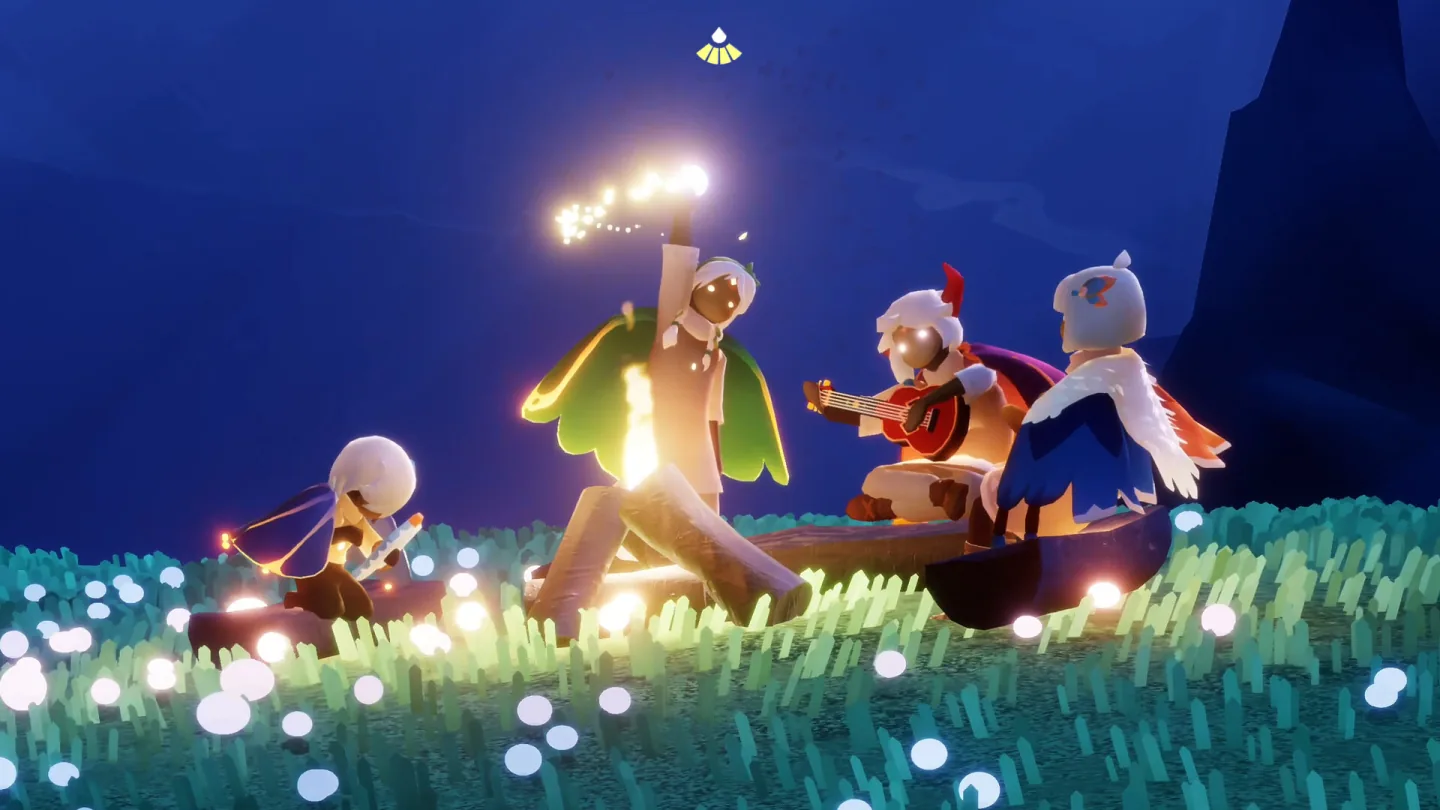
Nonverbal communication
Gestures, expressions, posture, proximity or shared actions convey meaning alongside words or instead of them.
Sky: Children of the Light ↗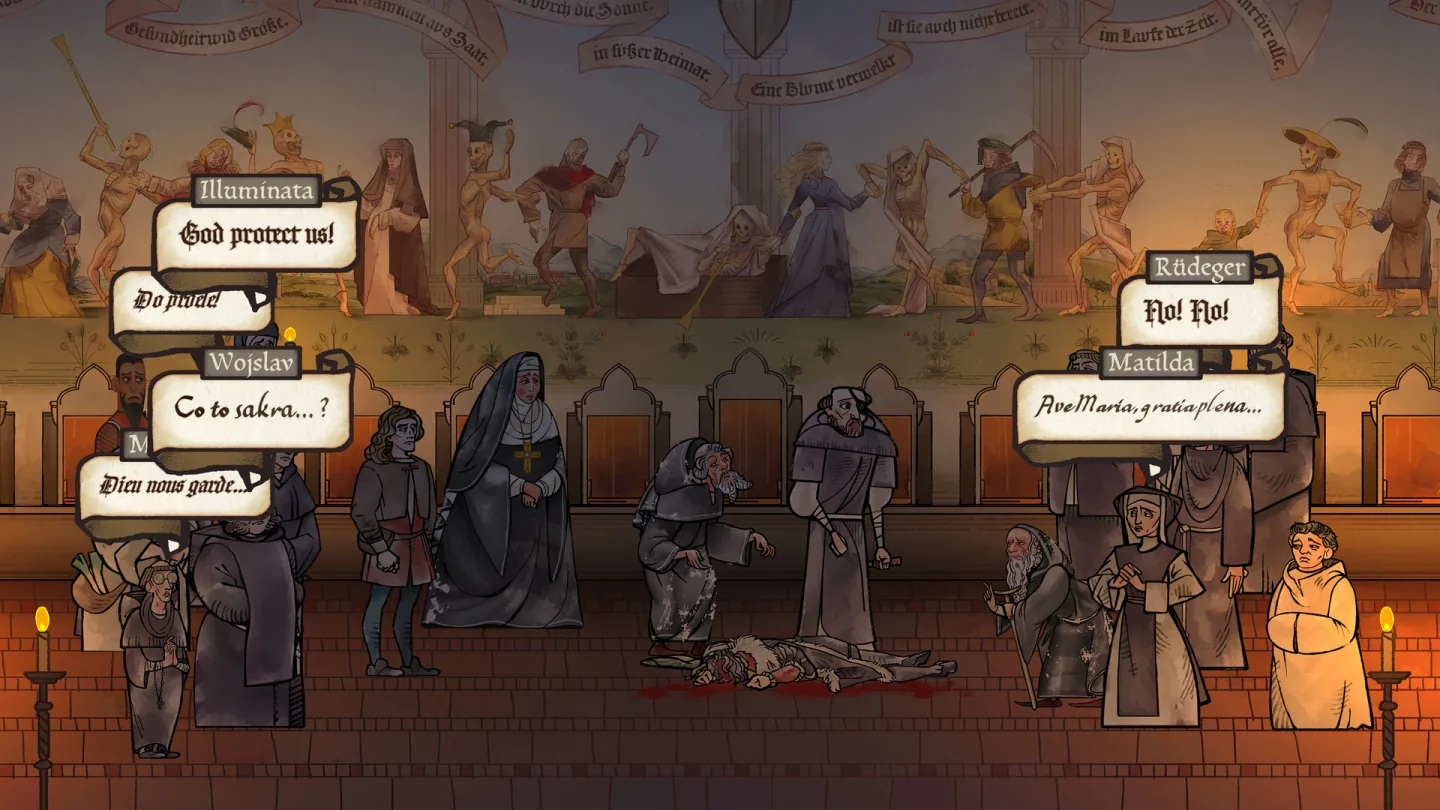
Group conversations
Several speakers exchange lines, form alliances and react to how attention is distributed.
Pentiment ↗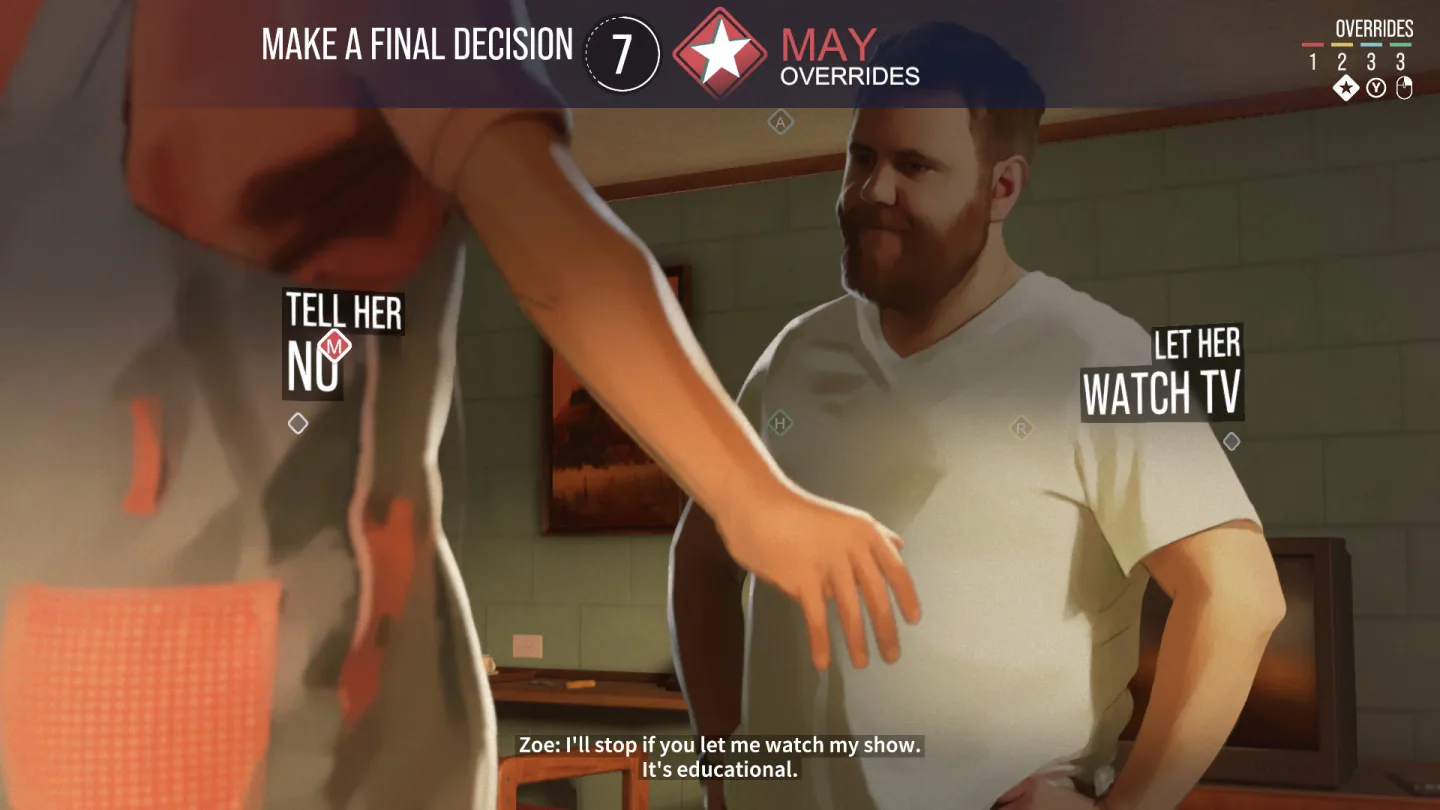
Joint player decisions
Several players contribute to a conversation or make a shared decision under explicit rules.
As Dusk Falls ↗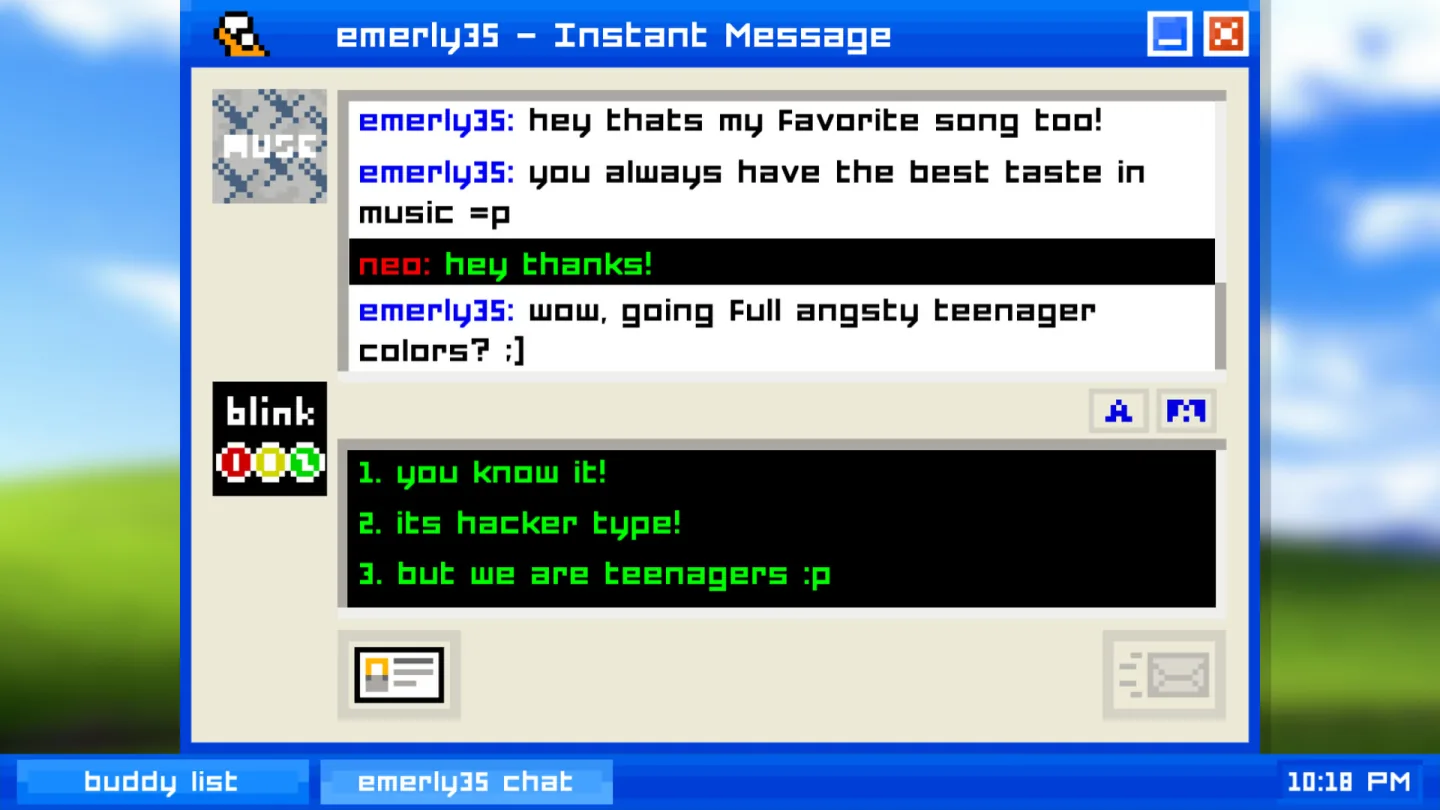
Messaging and remote communication
Messages, calls or other communication channels change access, timing and the context of a conversation.
Emily is Away ↗Consequences of the conversation
A conversation changes actions, relationships, resources or world state, immediately or later.
Potionomics ↗Failure, repetition and revision
Errors or rejection create opportunities to retry, revise a position or accept the consequences.
Potionomics ↗Dialogue as a standalone challenge
Conversation follows a distinct challenge with its own sequences, resources, deadlines or response rules.
Potionomics ↗Inner dialogue
The hero interacts with their own thoughts, inner voices and competing motives.
Disco Elysium ↗Voice as a game action
Spoken performance, speech recognition or pronunciation becomes part of a player action.
Duolingo ↗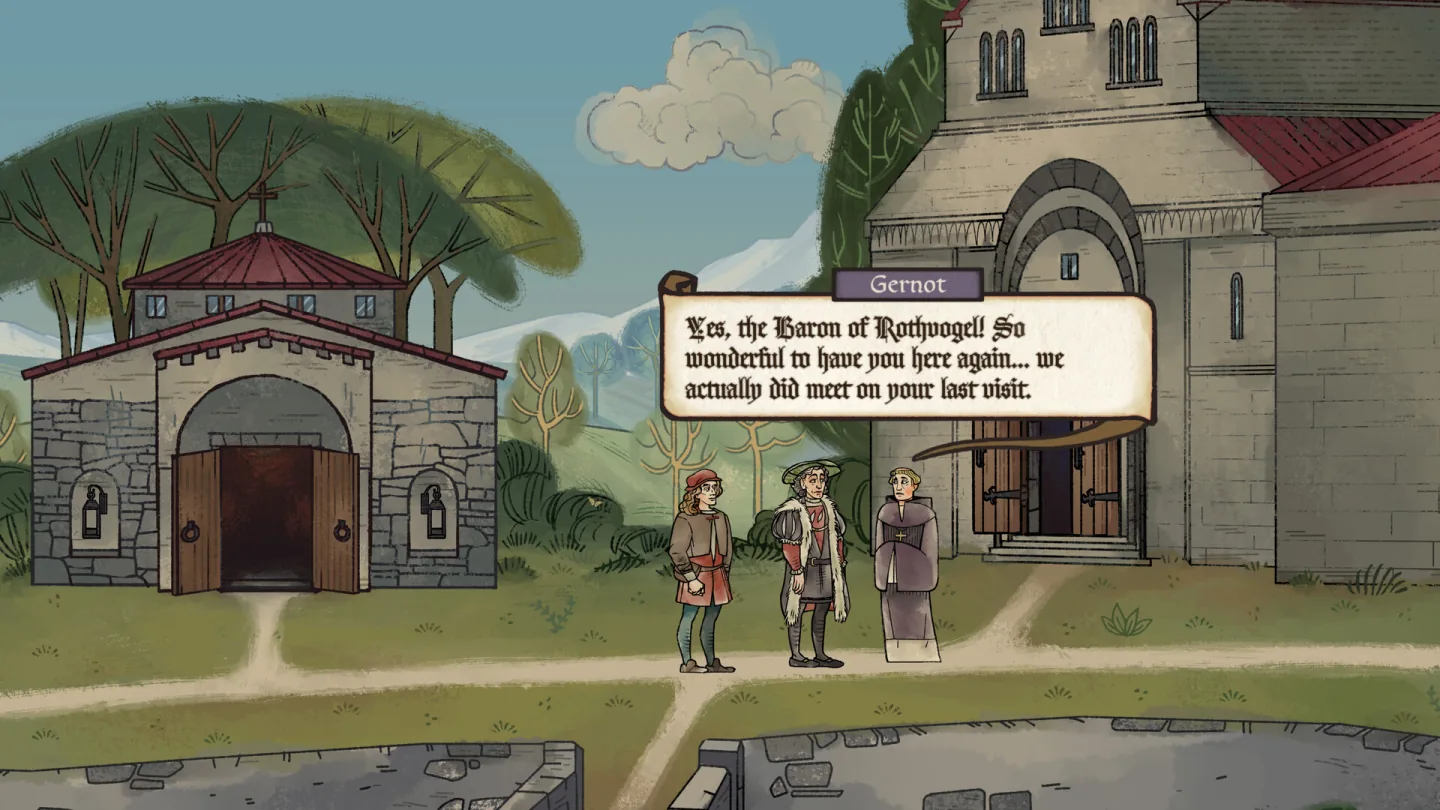
Status, etiquette and rituals
Social status, forms of address and rituals determine appropriate dialogue options and other characters’ reactions.
Pentiment ↗NPC Goals and Autonomy
An NPC pursues their own goals, sets limits and may refuse, redirect or end a conversation.
Disco Elysium ↗Memory and history of communication
The system retains earlier statements and uses conversation history for later reactions and consistency checks.
Pentiment ↗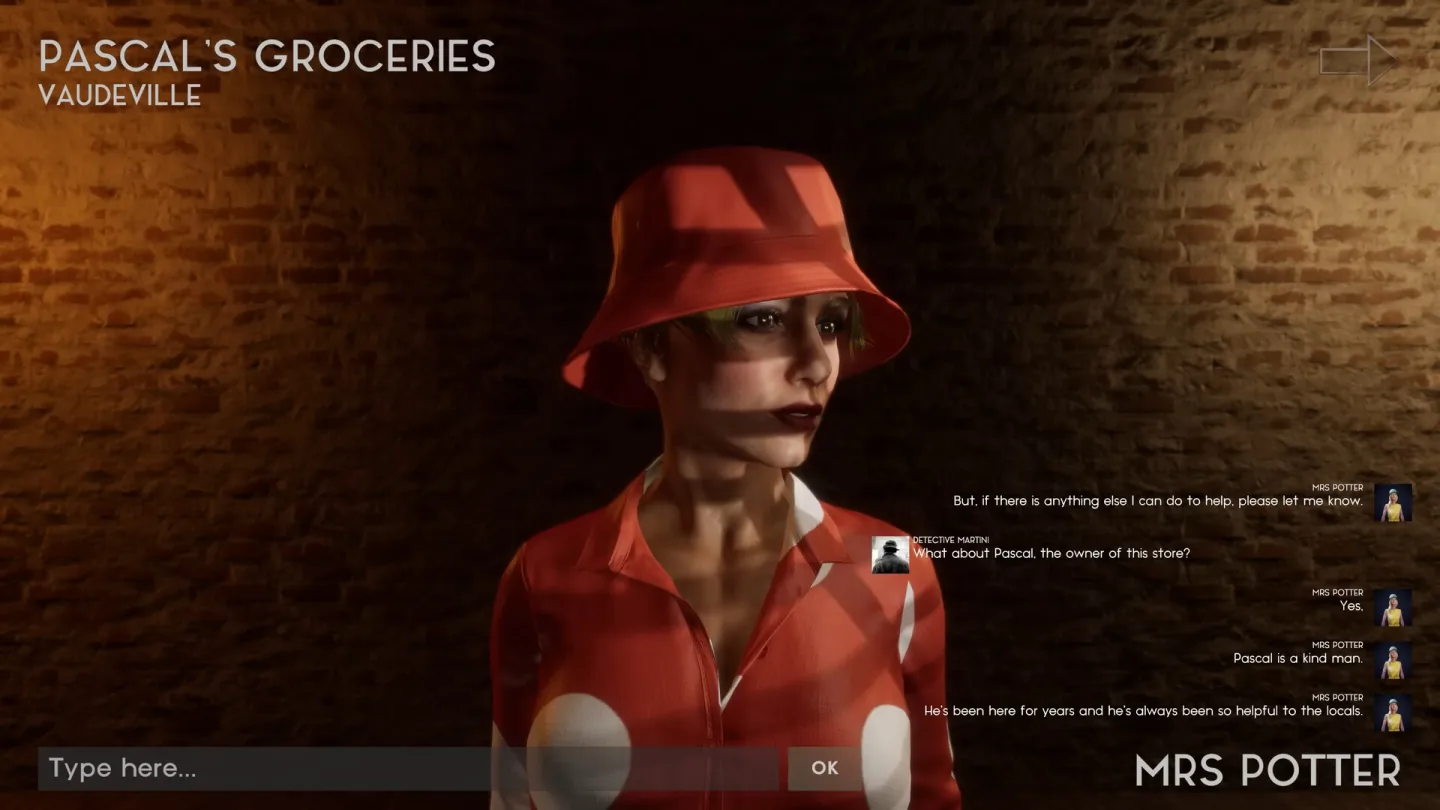
Rule-based selection and generation
Rules select or generate lines from world and character state; quality and generation boundaries require separate checks.
Vaudeville ↗Dialogue presentation
The interface identifies the speaker and presents the current line. Text size, pacing and placement help the player follow the conversation.
Spiritfarer ↗Accessibility and reading controls
Reading controls and alternative inputs provide access to dialogue content and interaction.
Duolingo ↗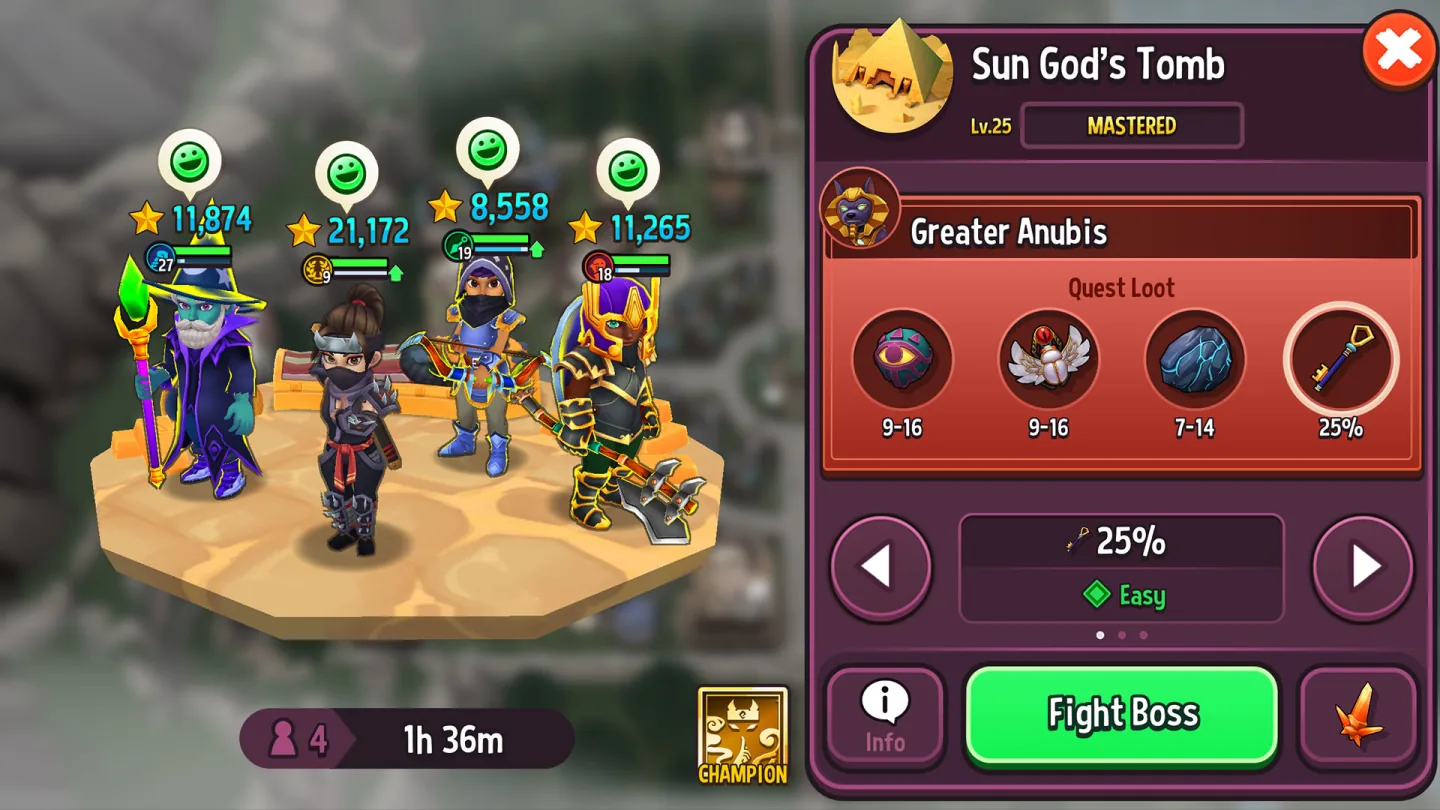
Targeted boss farming
The player chooses an enemy with a known loot table and repeats the fight for a particular item.
Shop Titans ↗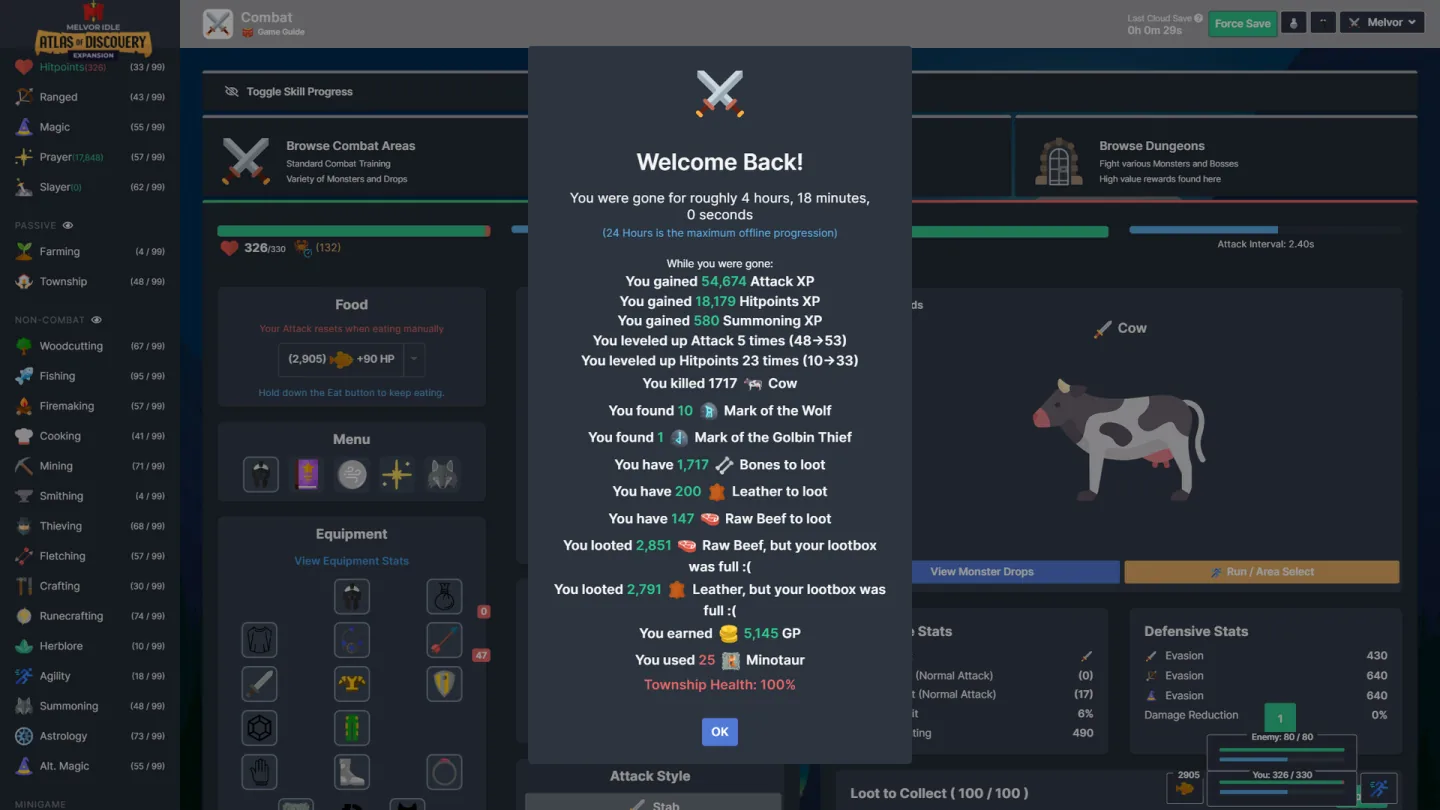
Hunting for ingredients
A required material is tied to a creature, location or hunting condition, directing target selection.
Melvor Idle ↗Enemy-pack farming
The player gathers and defeats ordinary enemy packs, choosing density, routing and resource expenditure.
Grim Dawn ↗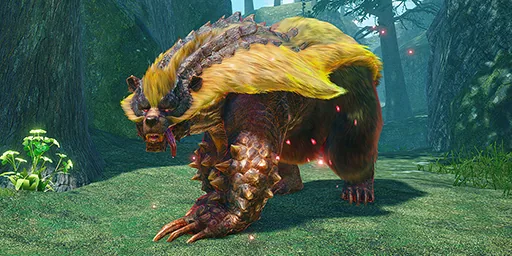
Rare and elite hunting
An attempt's value depends on locating a special target rather than merely maximizing kills.
Monster Hunter Rise: Sunbreak ↗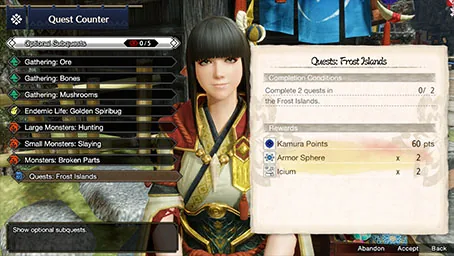
Part-break harvesting
The player changes combat tactics to damage a desired part and obtain its associated material.
Monster Hunter Rise: Sunbreak ↗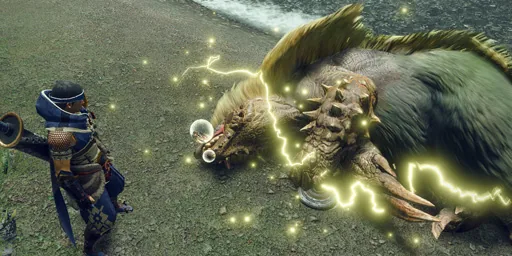
Live capture
A repeated hunt ends in capture; preparation and timing differ from an ordinary finishing blow.
Monster Hunter Rise: Sunbreak ↗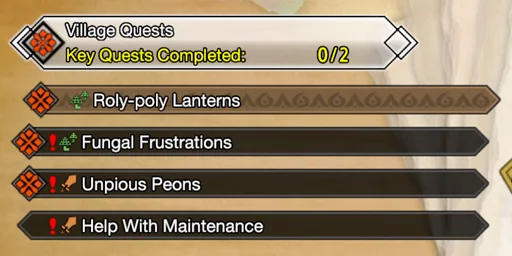
Combat target chains
One victory unlocks or strengthens the next target, forming a repeatable sequence.
Monster Hunter Rise: Sunbreak ↗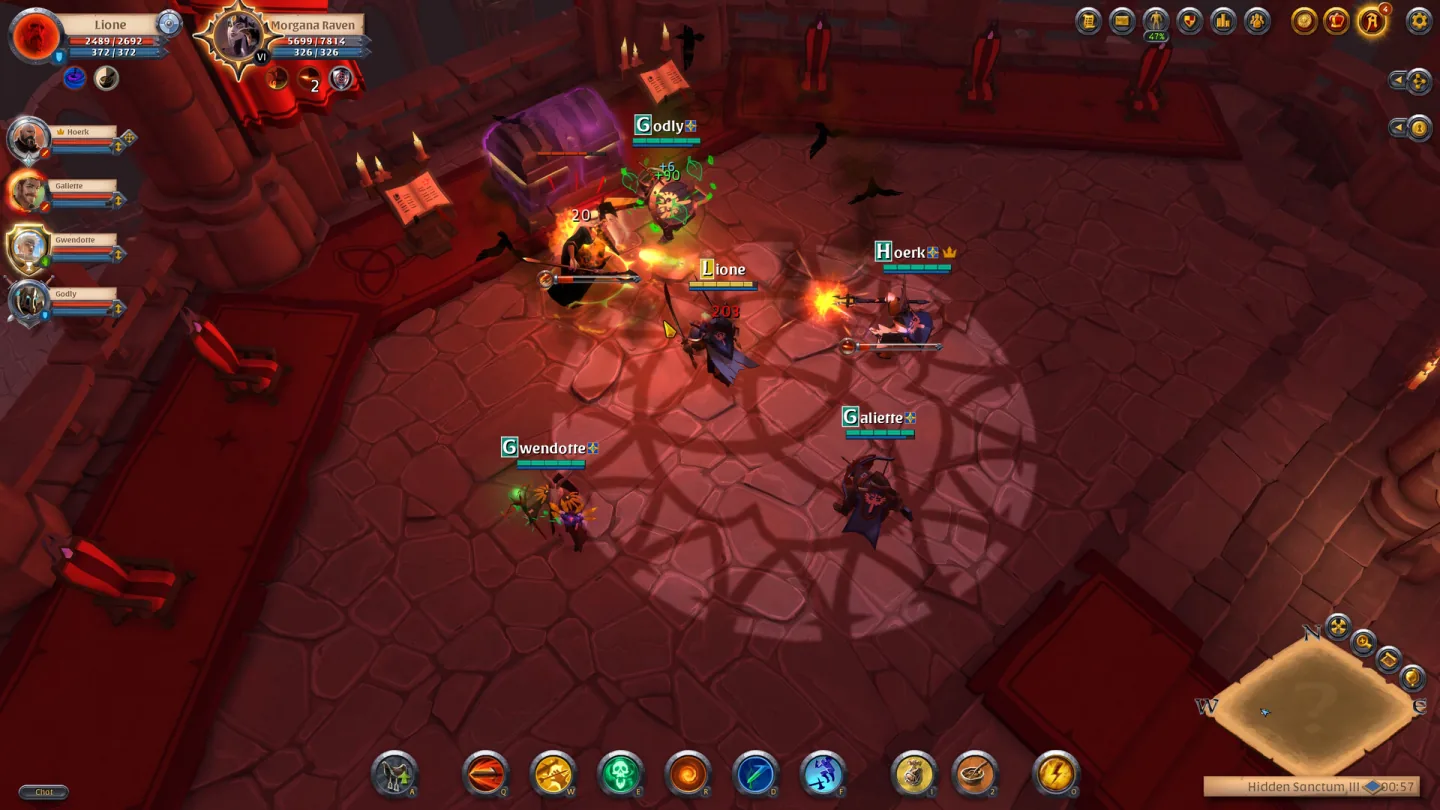
Recurring area clearing
The player clears a territory's locations in sequence, after which the world rules restore the loop.
Albion Online ↗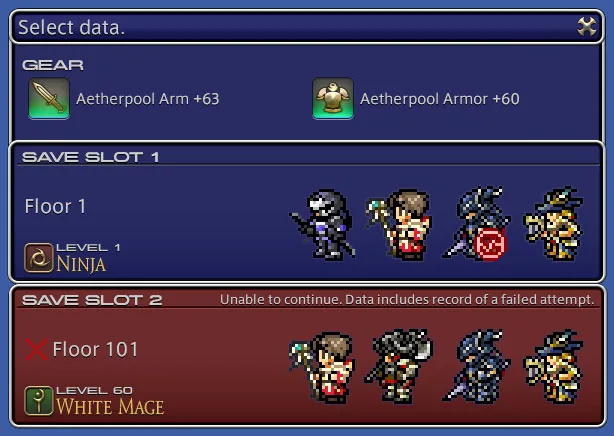
Scaling dungeons
A familiar dungeon is completed at higher difficulty tiers for the next level of rewards.
Final Fantasy XIV ↗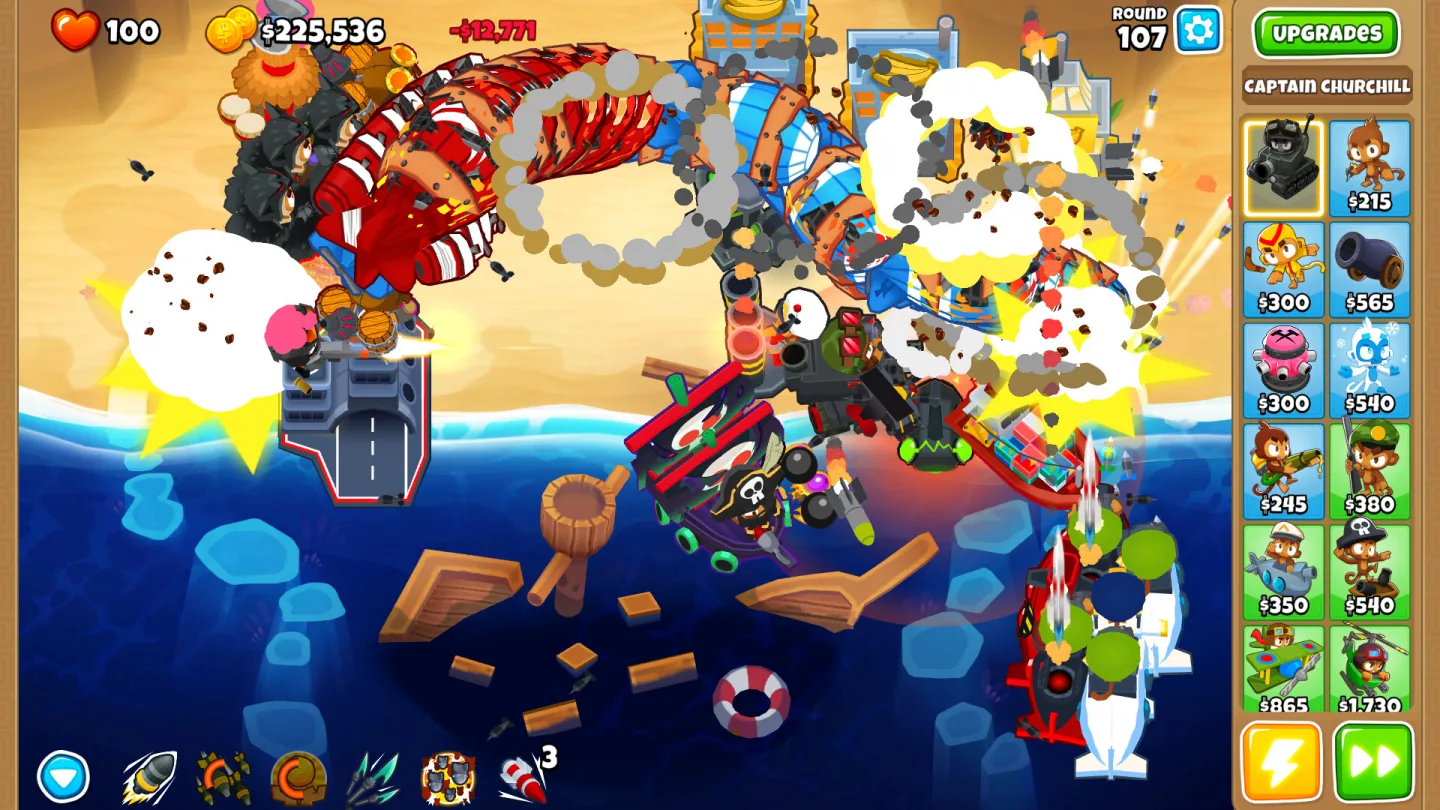
Endless waves
The player survives successive waves and decides whether the extra reward is worth the next stage’s risk.
Bloons TD 6 ↗Repeatable contracts and bounties
Short assignments refresh targets within a familiar action set. Rewards connect individual expeditions to a long-term goal.
Monster Hunter Rise: Sunbreak ↗Repeated raid clears
A group repeats a multi-stage challenge, allocating roles, loot and available attempts.
Albion Online ↗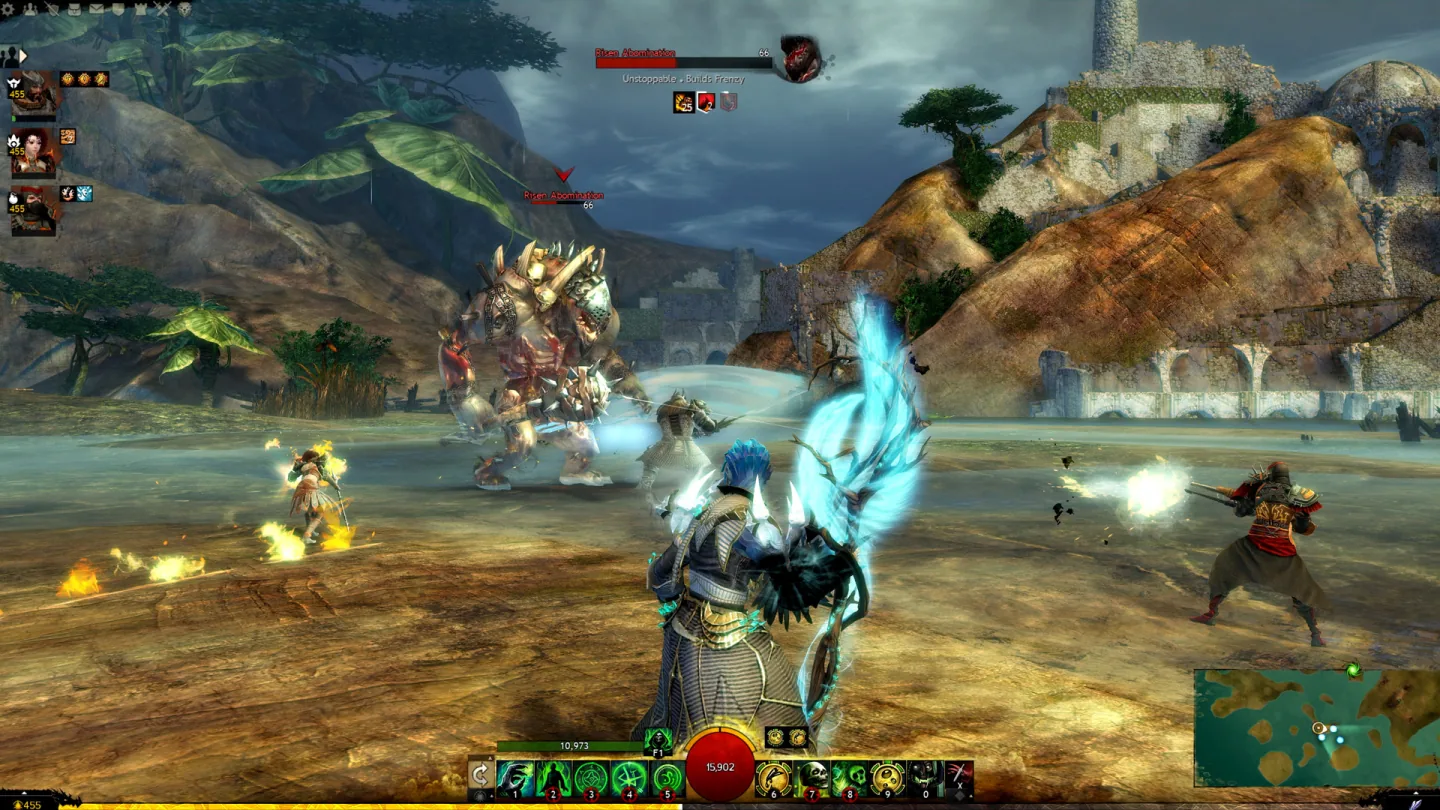
World-event cycles
Repeated events change local world state and unlock later objectives or rewards.
Guild Wars 2® ↗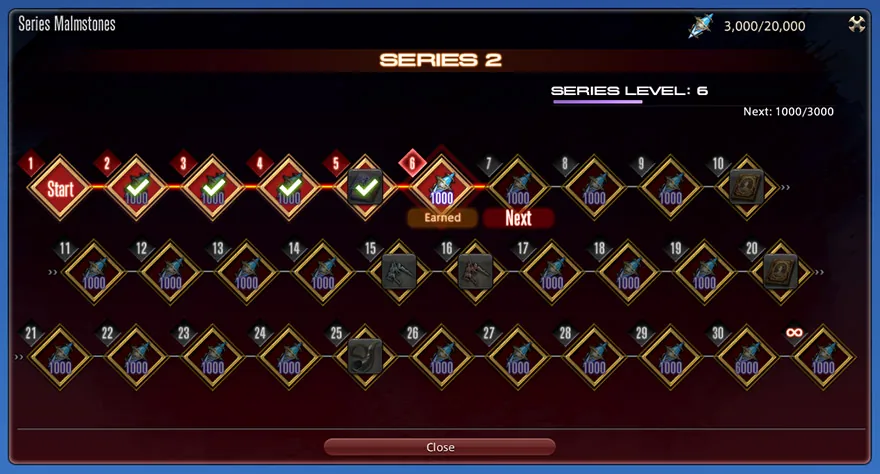
Cumulative PvP progression
Matches award experience, currency or participation marks separately from competitive skill rating.
Final Fantasy XIV ↗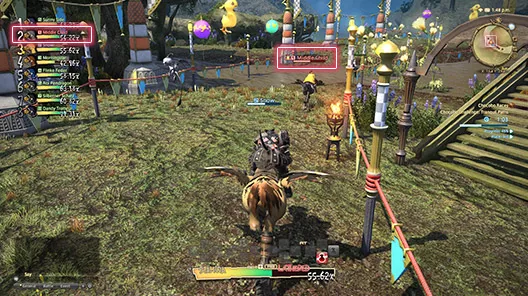
Repeatable skill trials
A repeatable challenge tests execution and grants rewards for meeting its conditions.
Final Fantasy XIV ↗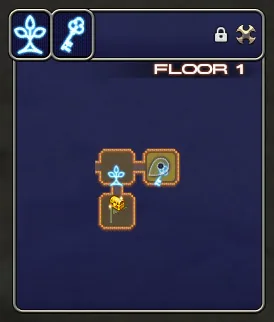
Procedural expeditions
The same objective repeats across changing routes, encounters and resources.
Final Fantasy XIV ↗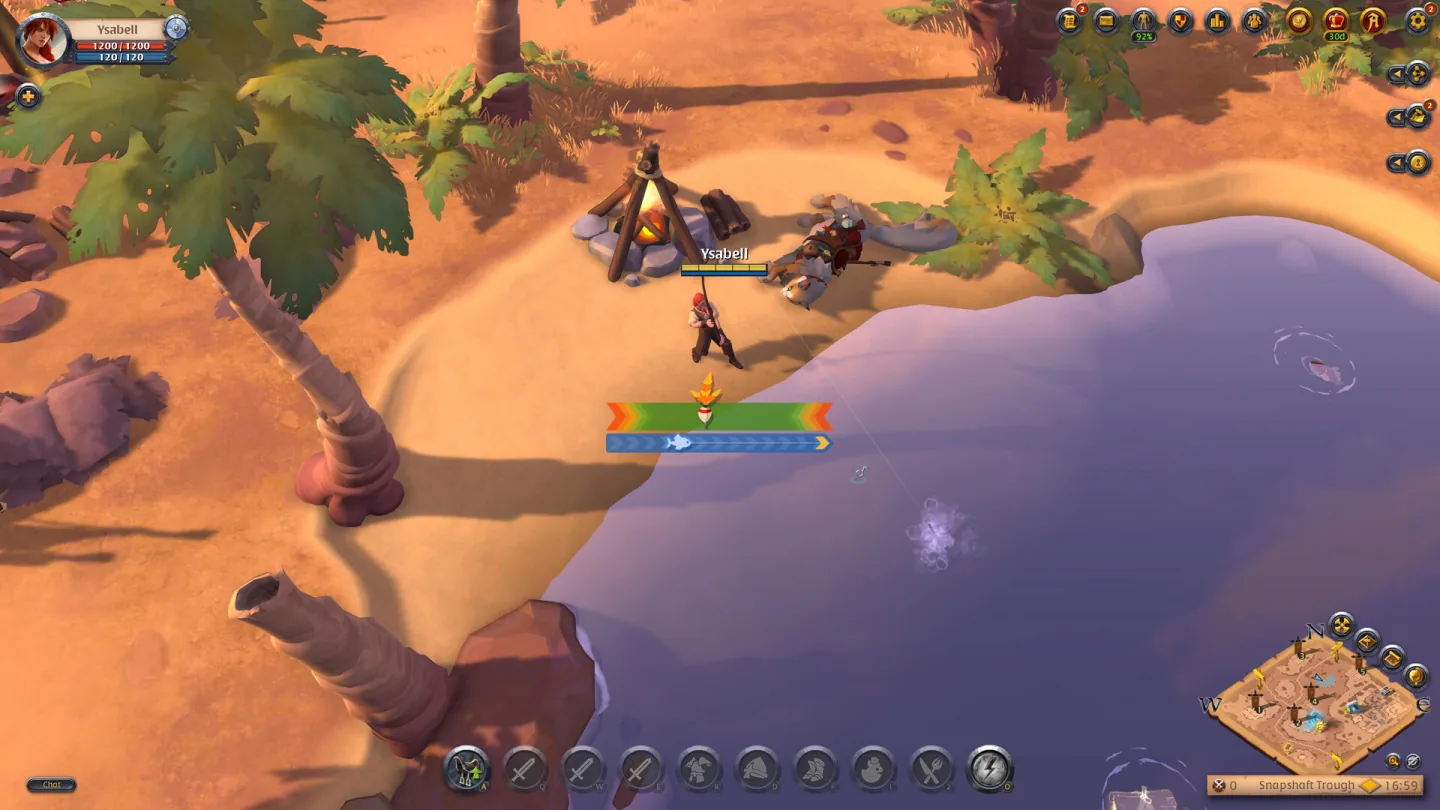
Gathering routes
The player repeats a route through gathering nodes and optimizes visit order, carrying capacity and return trips.
Albion Online ↗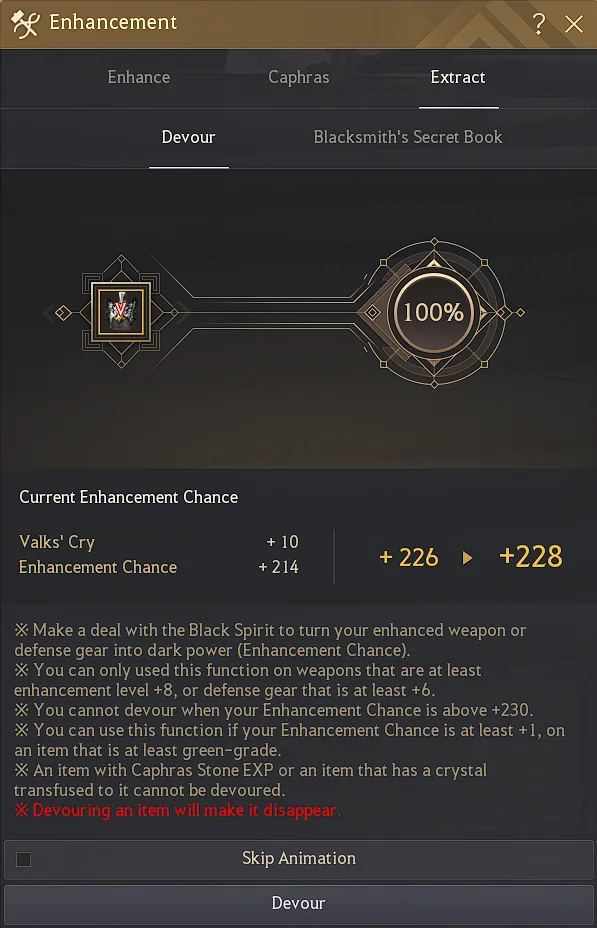
Loot salvaging
Unwanted loot becomes materials for another progression path. An item’s value also depends on its salvage yield.
Black Desert ↗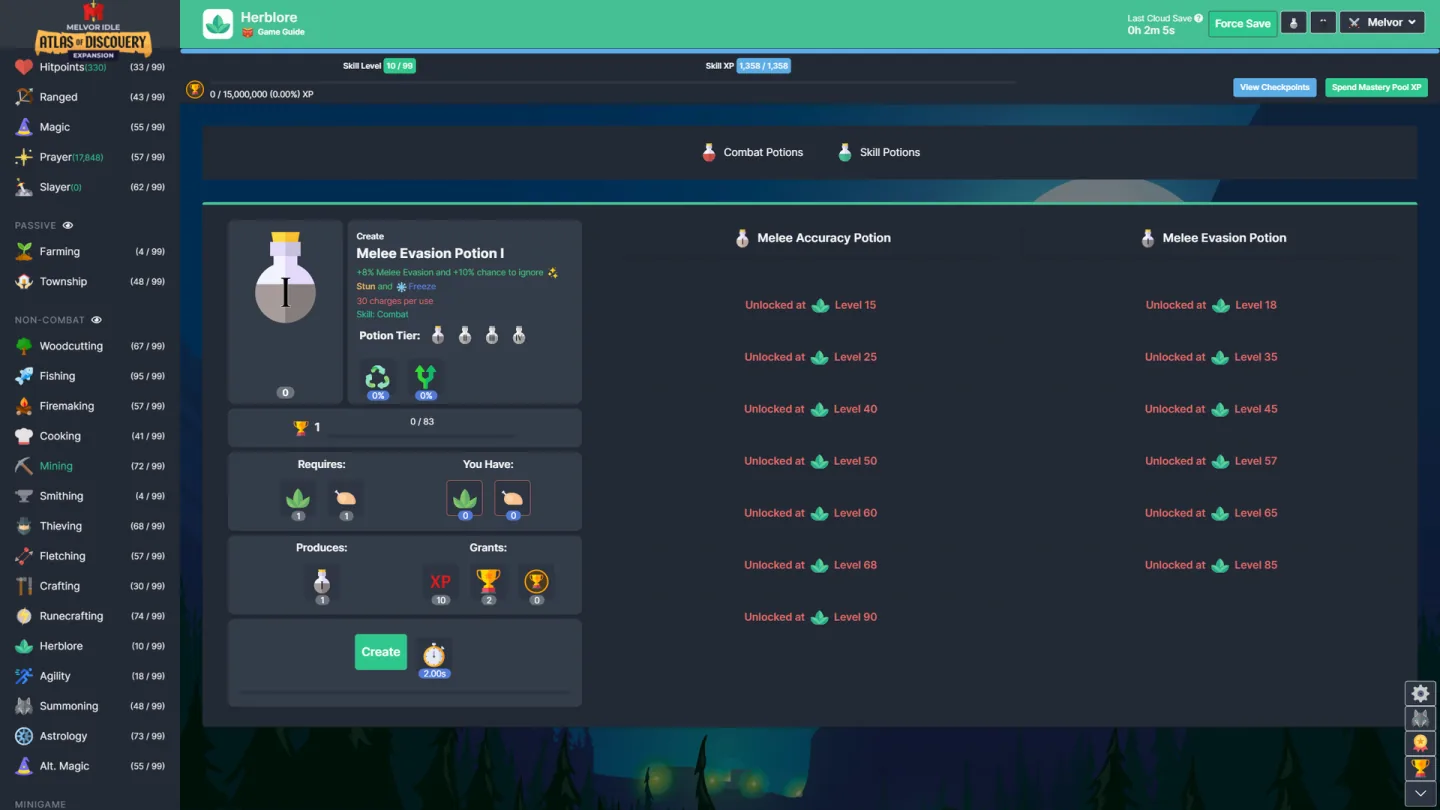
Consumable supply
Supplies used on adventures run out regularly. Replenishing them connects preparation to repeated gathering.
Melvor Idle ↗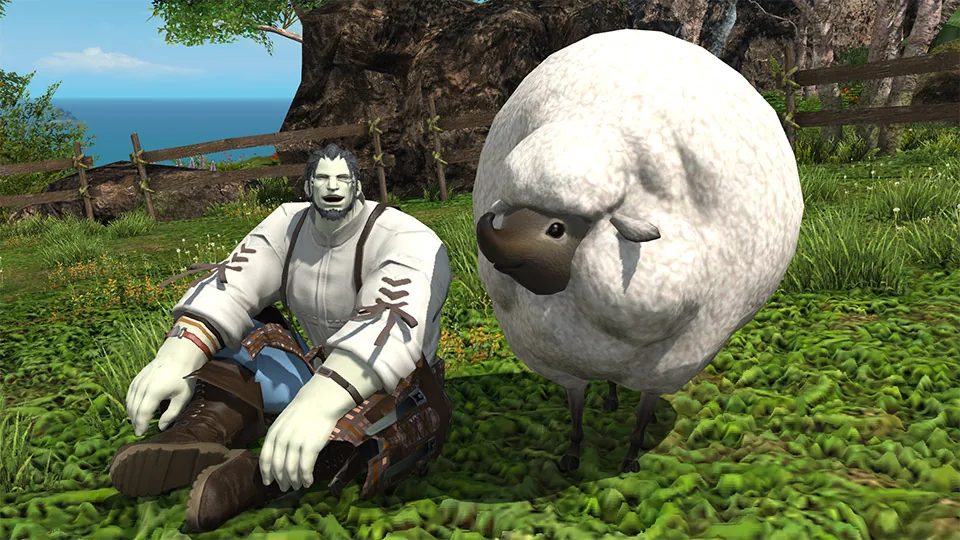
Livestock care
Repeated care sustains renewable animal products.
Final Fantasy XIV ↗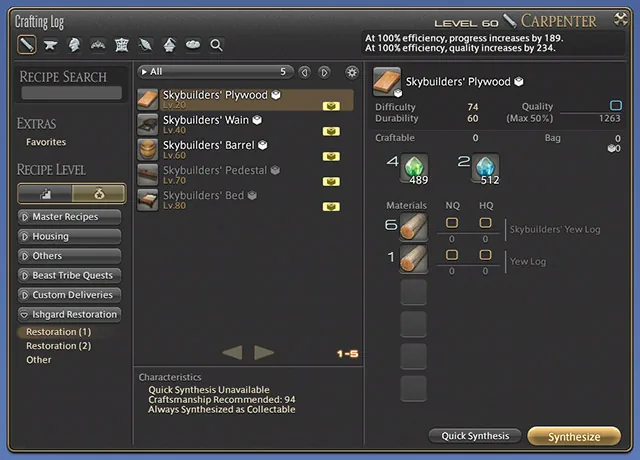
Quality-focused crafting
Repeated crafting targets result quality determined by process or expenditure.
Final Fantasy XIV ↗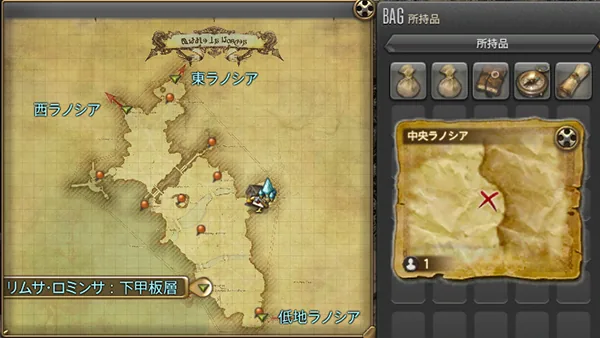
Treasure-map hunting
A consumable map or clue set directs a repeatable expedition toward a cache.
Final Fantasy XIV ↗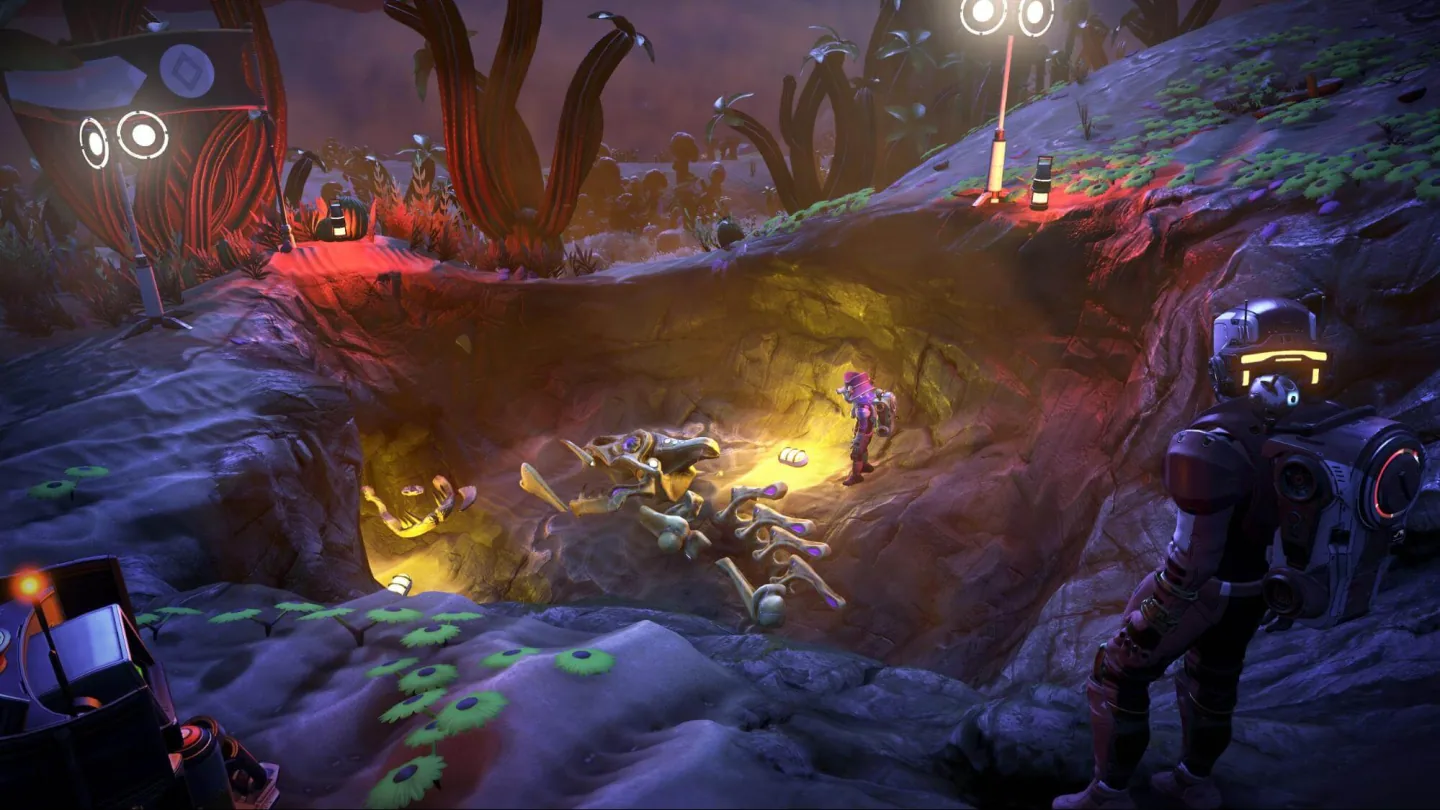
Archaeology and excavation
Finding traces, locating sites and excavating yield materials or historical collection pieces.
No Man’s Sky ↗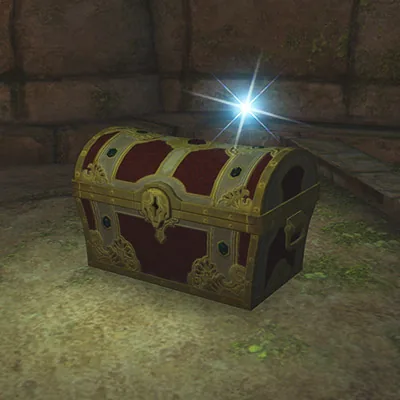
Chest and cache circuits
The player repeats a circuit of replenishing caches, balancing access, risk and route speed.
Final Fantasy XIV ↗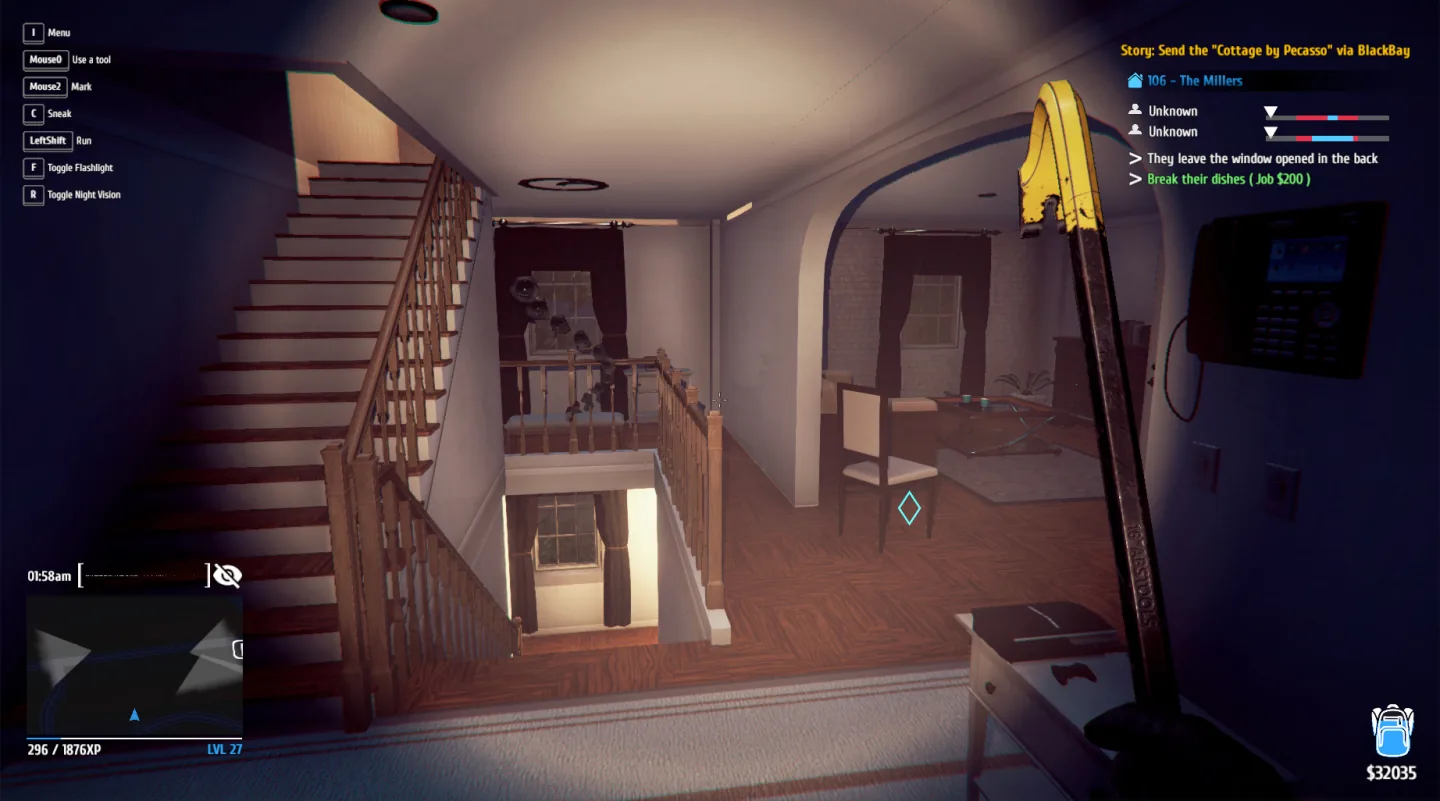
Theft and smuggling
Theft links scouting, stealthy entry and resale. In Thief Simulator occupant information helps time a break-in, and stolen goods can be sold through BlackBay.
Thief Simulator ↗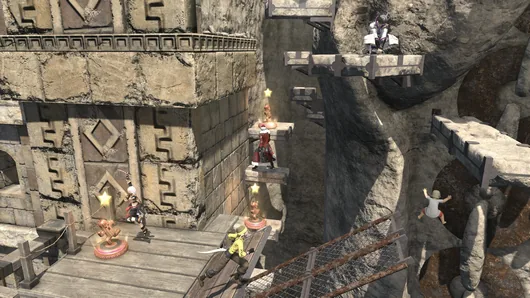
Repeatable puzzles and routes
A repeatable course tests navigation and execution. FFXIV’s Leap of Faith rewards platform traversal and trophy collection with MGP in separate event sessions.
Final Fantasy XIV ↗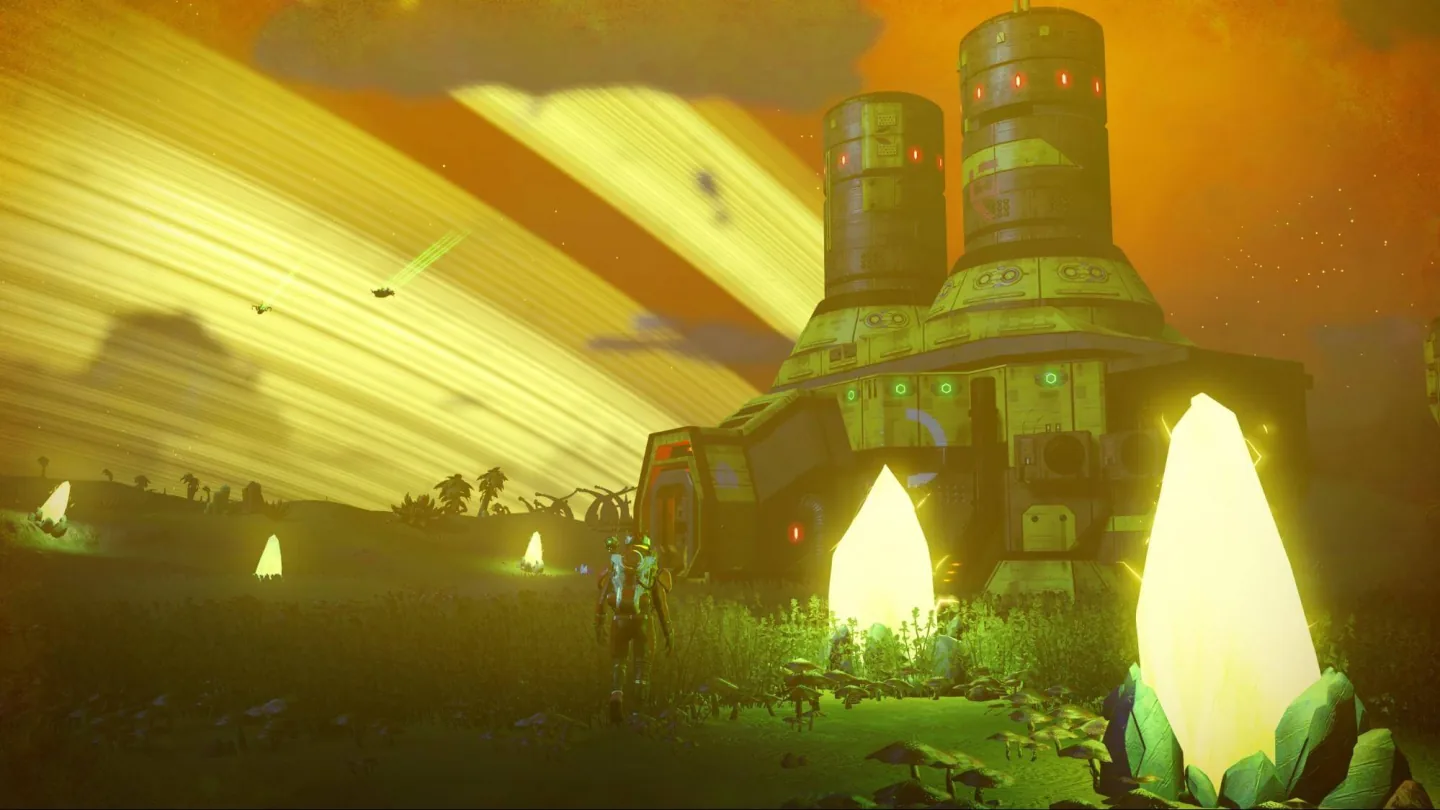
Condition-dependent gathering
A desired resource is available under particular weather, time or environmental conditions.
No Man’s Sky ↗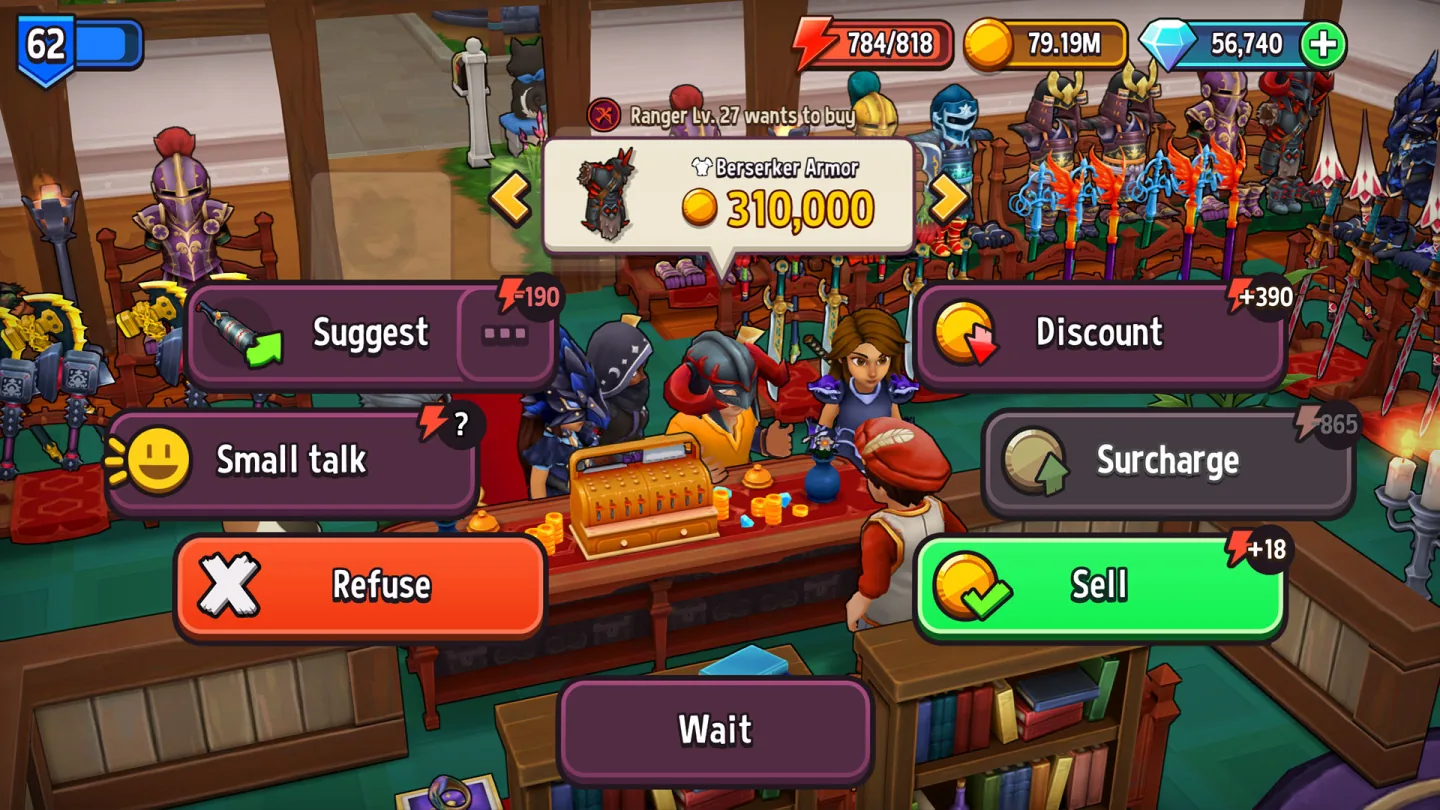
Money farming
The player chooses repeatable activities by net currency income after expenses.
Shop Titans ↗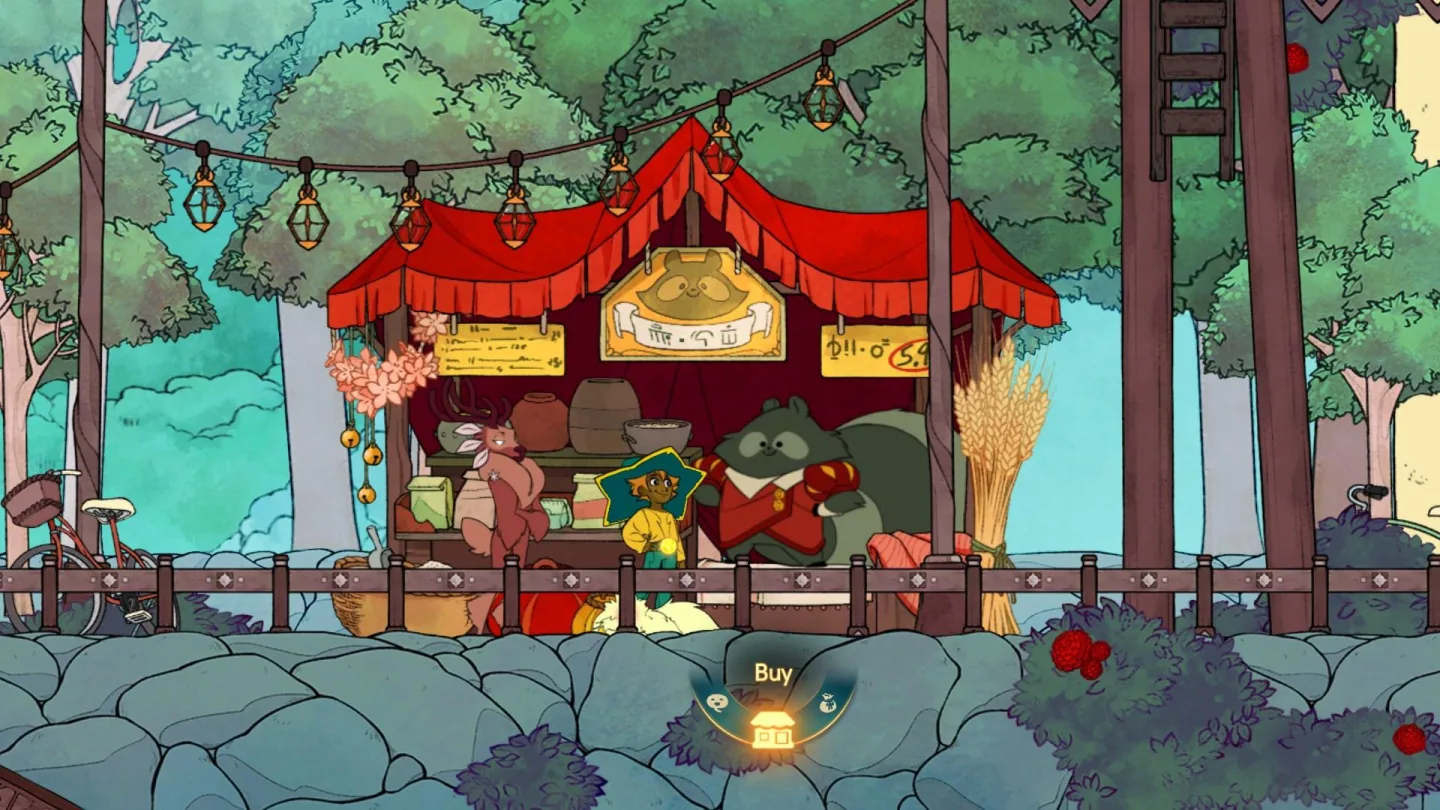
Trade routes
The player links resource sources and trading locations into a repeatable route. Returns depend on goods, travel costs and buyers’ needs.
Spiritfarer ↗Resale and arbitrage
Progress comes from price differences after fees, demand, risk and tied-up capital.
Offworld Trading Company ↗Market-oriented production
The player repeats production for profit, choosing volume and assortment according to demand.
Shop Titans ↗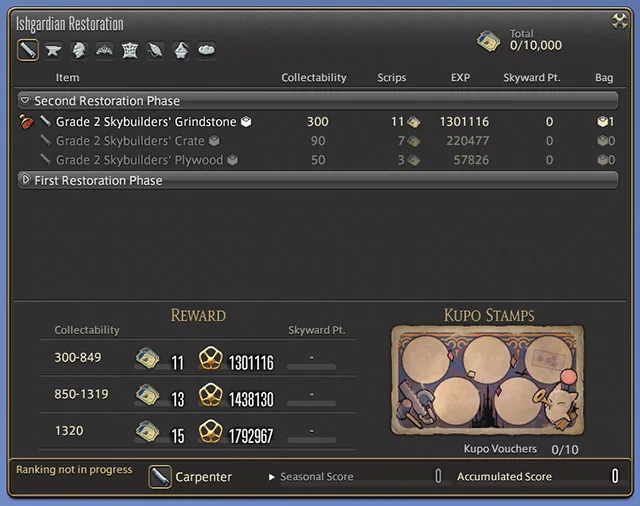
Service orders
Repeated services for characters or players pay for skill, conditions fulfilled or delivery.
Final Fantasy XIV ↗Currency and material conversion
An accumulated resource converts into another through a fixed rate, recipe or market.
Black Desert ↗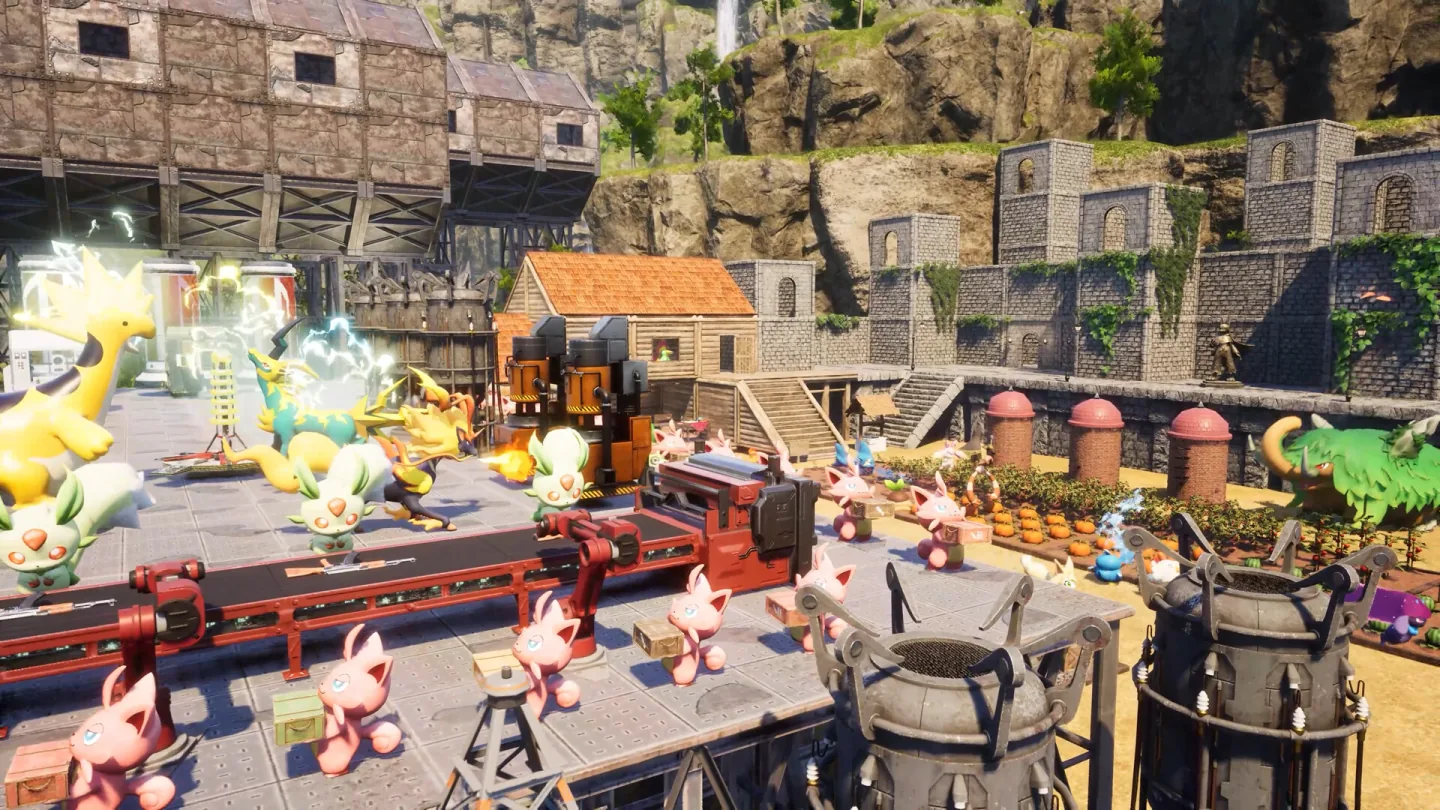
Worker assignment
The player allocates workers to tasks while maintaining resources, efficiency and work queues.
Palworld ↗Dispatch missions
A prepared squad performs a task without direct control; the player chooses composition, investment and duration.
Shop Titans ↗Passive production
A built system produces resources over time while inputs and storage remain available.
Factorio ↗Offline accumulation
The system awards bounded progress during absence, with explicit simulation rules and caps.
Melvor Idle ↗Production logistics
Repeated movement of resources between nodes determines production throughput.
Factorio ↗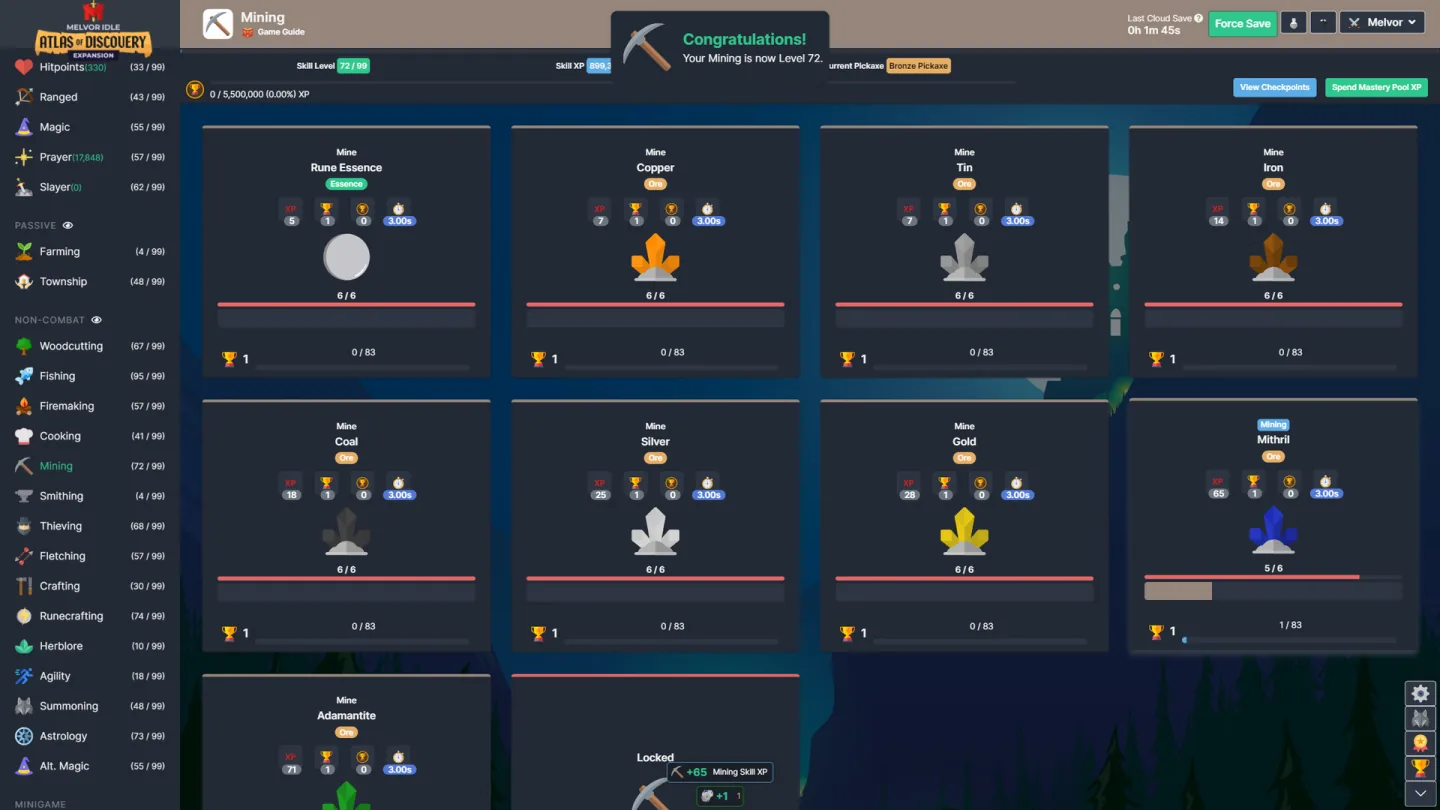
Learning by using skills
A skill develops through its associated action. Award rules determine which attempts count as useful practice.
Melvor Idle ↗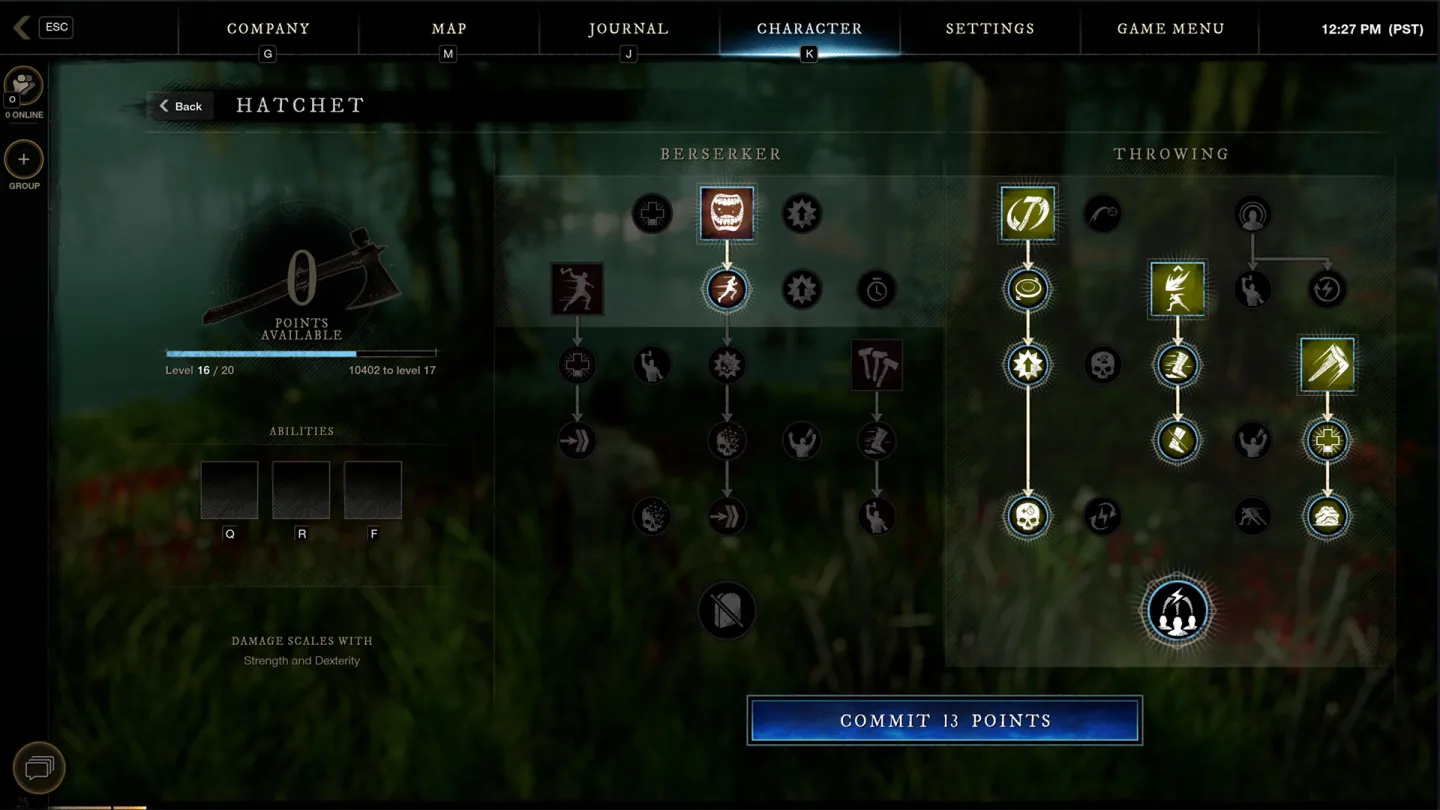
Weapon proficiency
Using a chosen weapon type advances a separate proficiency track and unlocks related techniques.
New World (2020 preview) ↗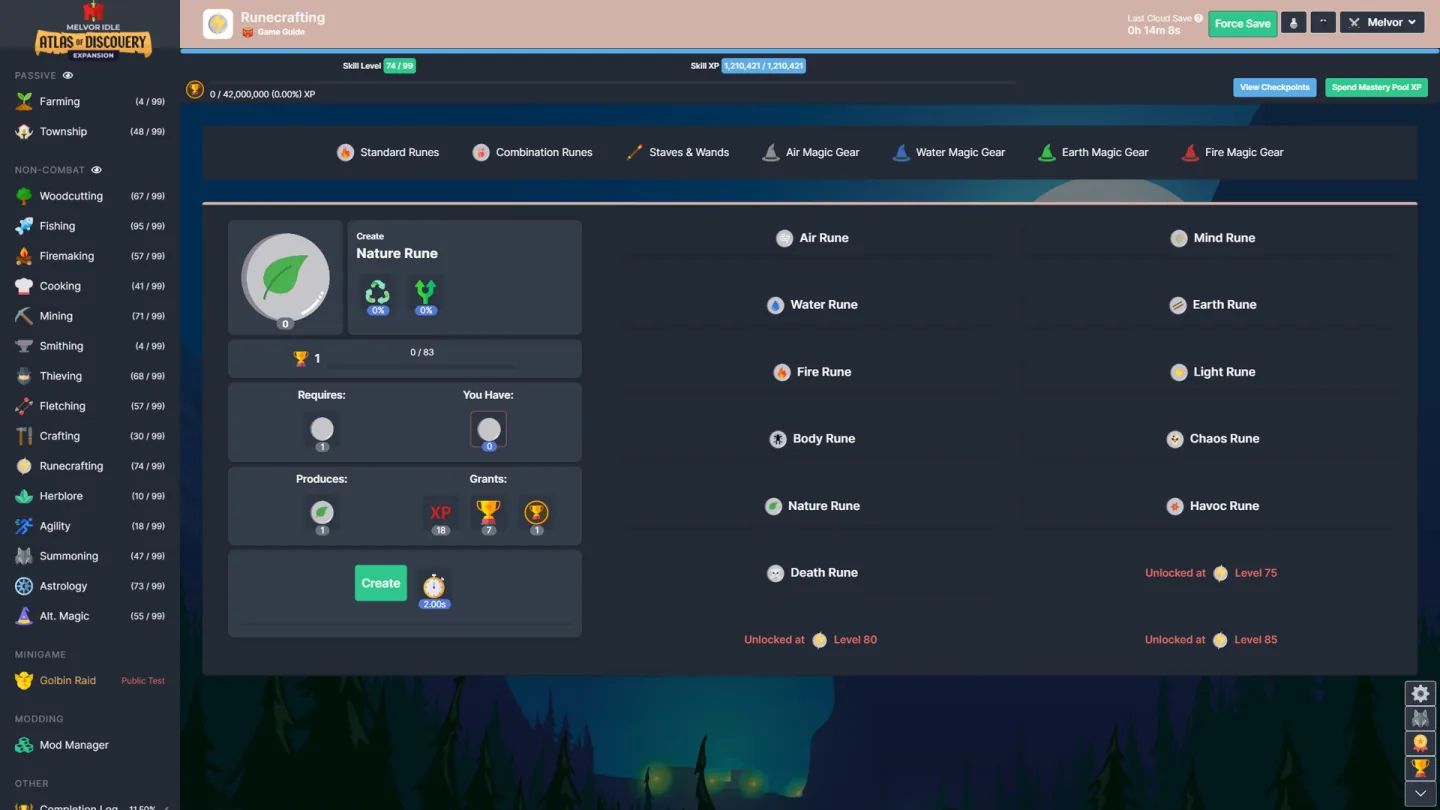
Profession leveling
Gathering and crafting raise a profession rank and expand the available recipes or resources.
Melvor Idle ↗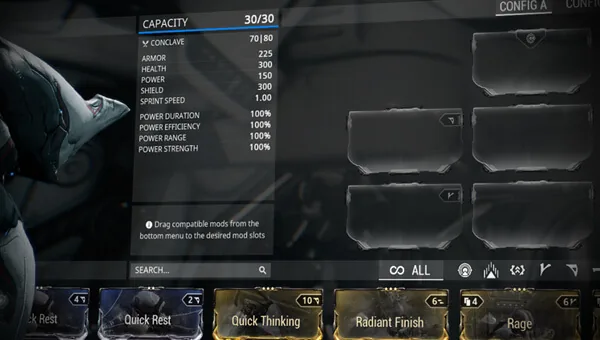
Mastery across classes and equipment
New equipment contributes to shared progress. In Warframe, initial ranks on different frames and weapons earn Mastery; ranking a duplicate does not repeat it.
Warframe (Quick Start interface) ↗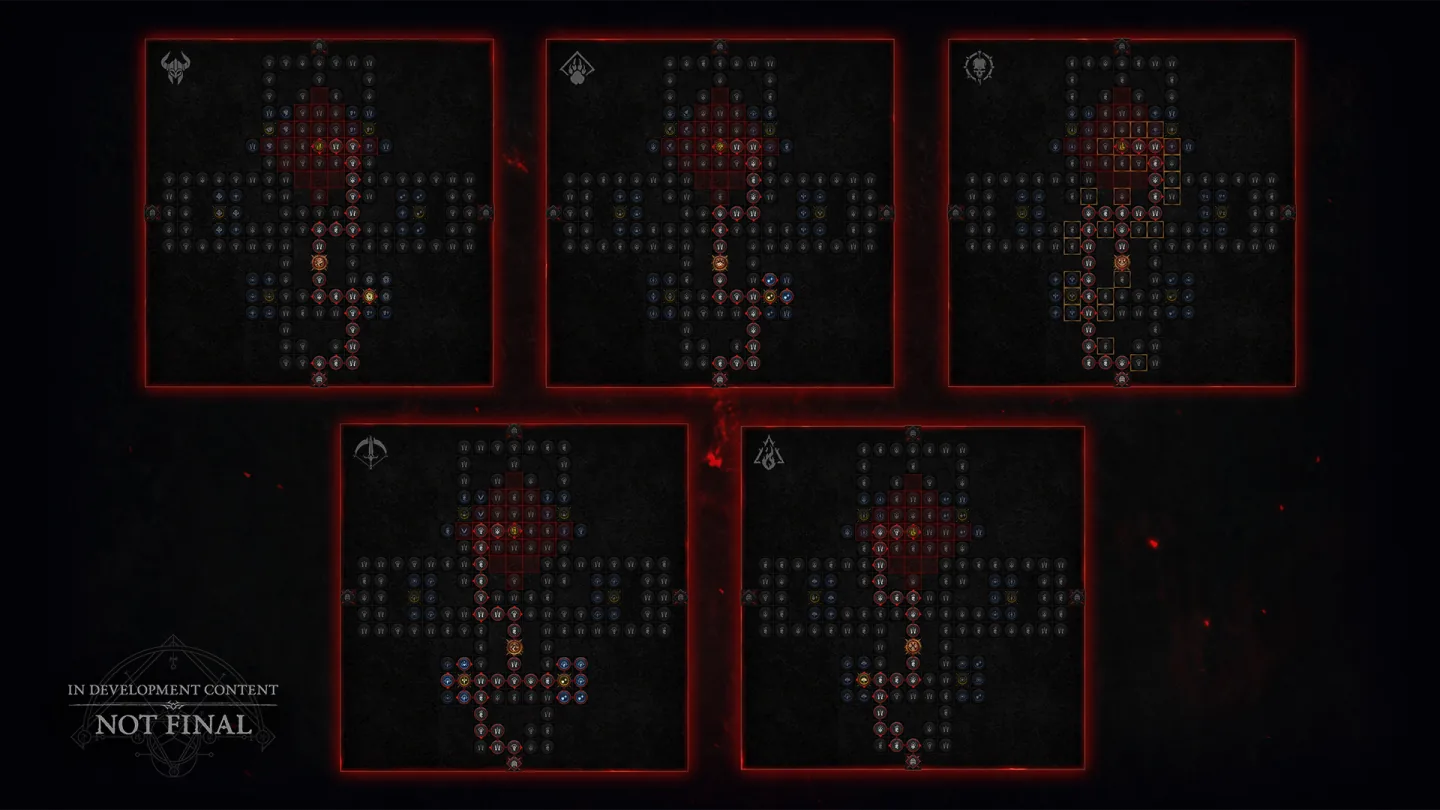
Post-cap progression
After the main level cap, experience feeds another system. Diablo IV’s Paragon boards extend character growth; the image is from the 2024 2.0 PTR.
Diablo IV (2.0 PTR, 2024) ↗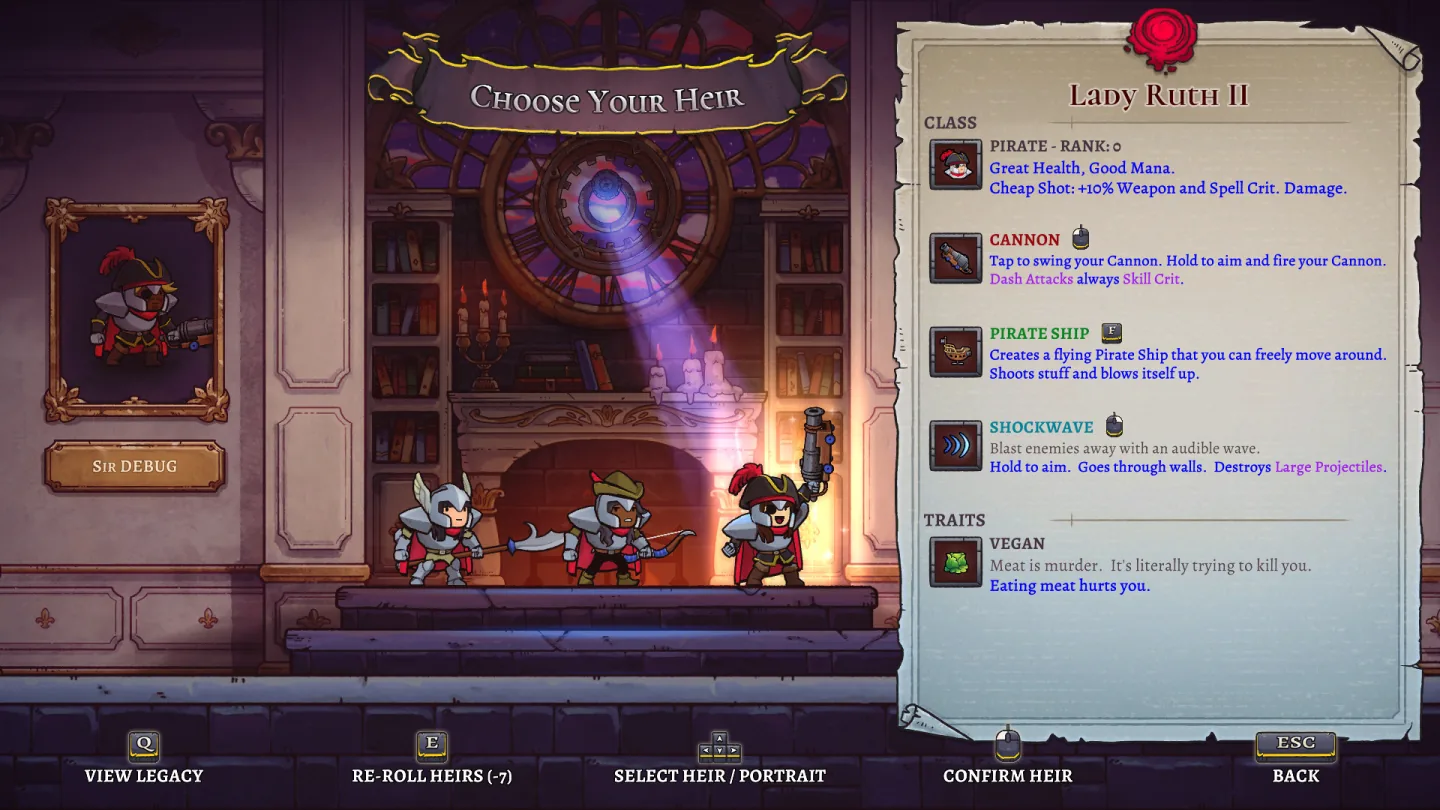
Unlocking new classes
Accumulated achievements or resources unlock new play styles rather than only raising current-class numbers.
Rogue Legacy 2 ↗Talent branches
Earned points develop a chosen ability branch. A limited budget makes the player weigh specialization against access to other options.
Last Epoch ↗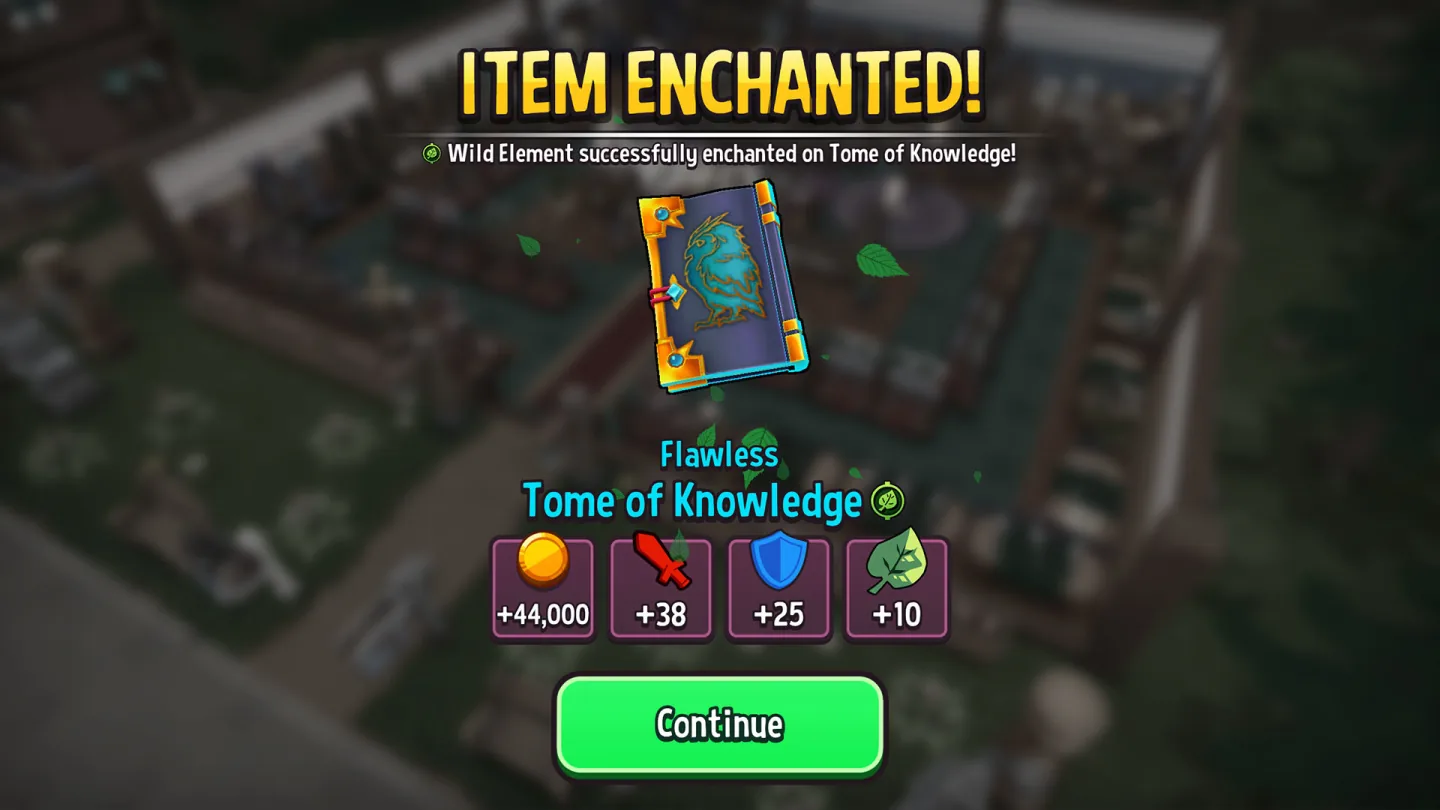
Rarity hunting
Repeated looting offers a chance to replace an item with a higher-quality or rarer version.
Shop Titans ↗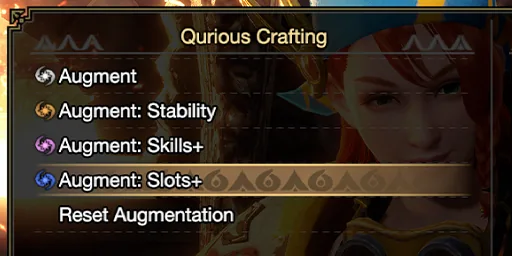
Hunting perfect rolls
Copies of an item differ in their properties or values. The goal becomes a combination suited to a particular build.
Monster Hunter Rise: Sunbreak ↗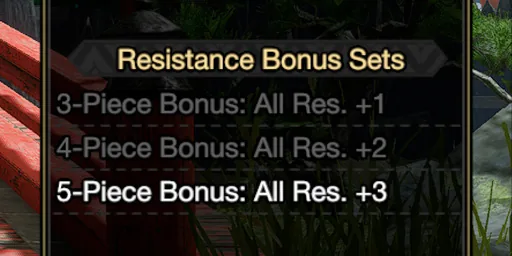
Equipment set collection
Individual set pieces grant additional effects when used together. Progress is measured by set completion.
Monster Hunter Rise: Sunbreak ↗
Fragment collection
Fragments accumulate toward a specific unlock. In Clash Royale, six shards unlock a card’s Evolution; the image shows an already evolved Skeletons card.
Clash Royale (2023 interface) ↗Crafting-base hunting
The loot goal is a base with suitable inherent properties or crafting capacity.
Last Epoch ↗Item upgrade tiers
The player spends materials on the next upgrade tier of an item. Cost, limits and risk determine which piece is worth improving now.
Last Epoch ↗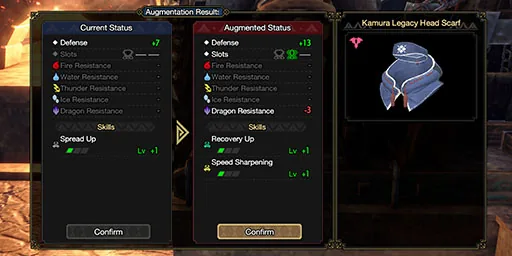
Property rerolling
The player spends resources to replace properties on an acquired item and move it toward a desired configuration.
Monster Hunter Rise: Sunbreak ↗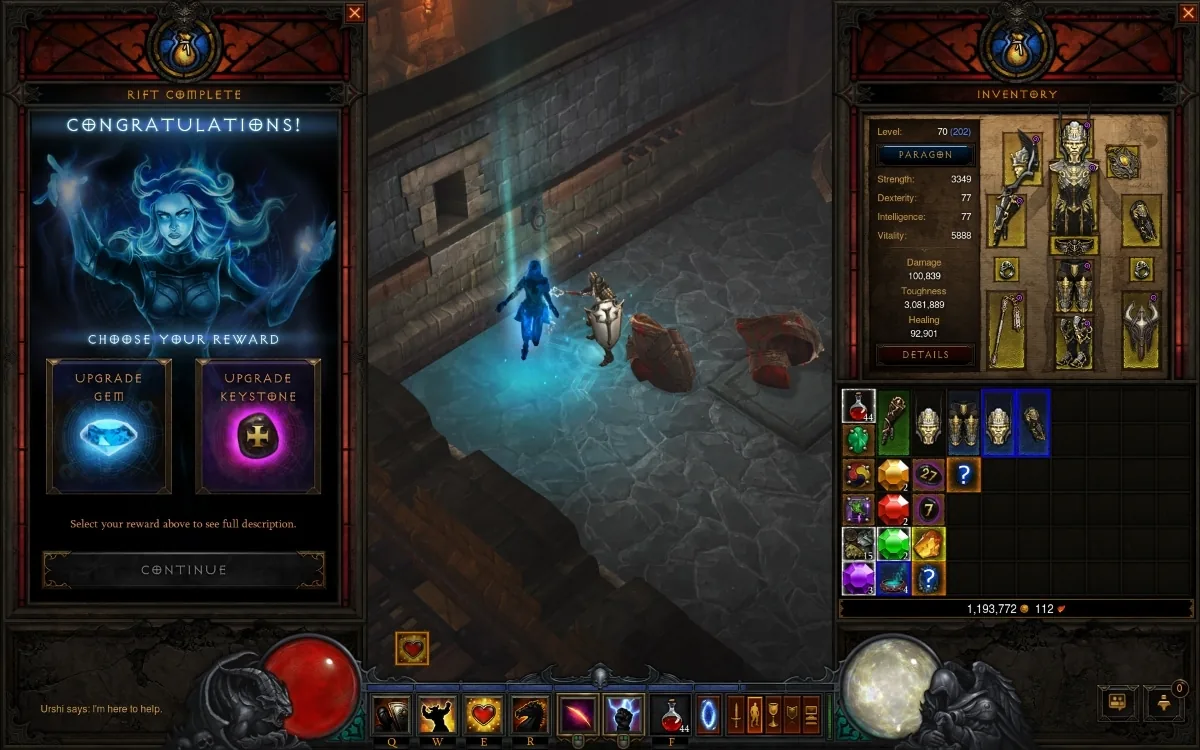
Gem and rune upgrading
A gem has its own progression rank. Diablo III’s Urshi upgrades Legendary Gems after Greater Rifts; the image is from the historical 2014 patch 2.1 preview.
Diablo III (2014 preview) ↗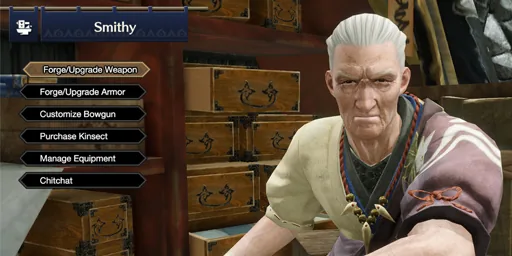
Item evolution
An item changes form or capabilities after its usage conditions are fulfilled.
Monster Hunter Rise: Sunbreak ↗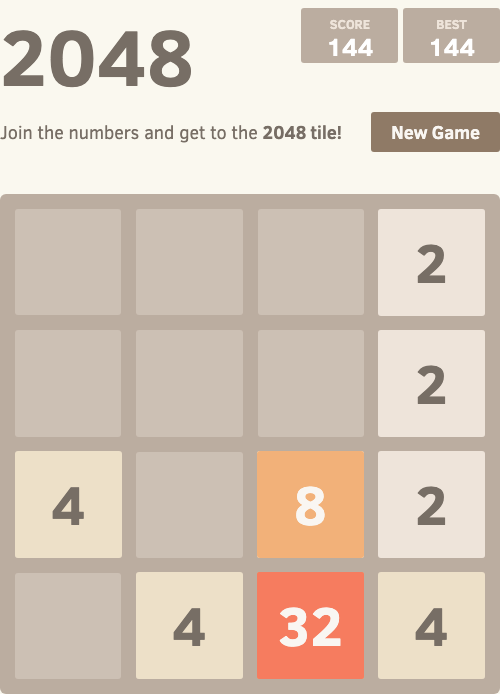
Duplicate fusion
Matching copies are consumed to strengthen the result. In 2048, two 2 tiles merge into a 4; RPGs can apply this principle to duplicate items.
2048 ↗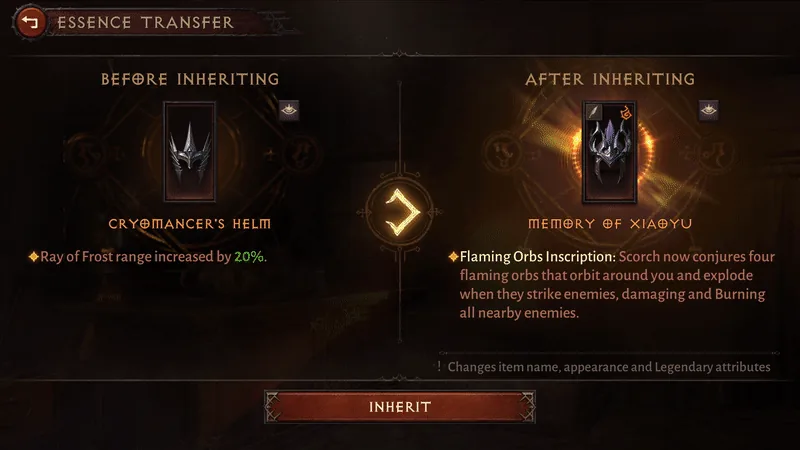
Affix transfer
One item donates a property to another; the player acquires the base and desired effect separately.
Diablo Immortal ↗Crafting potential
An item has a finite crafting budget. Upgrades consume it, so the player chooses both an improvement sequence and a point at which to stop.
Last Epoch ↗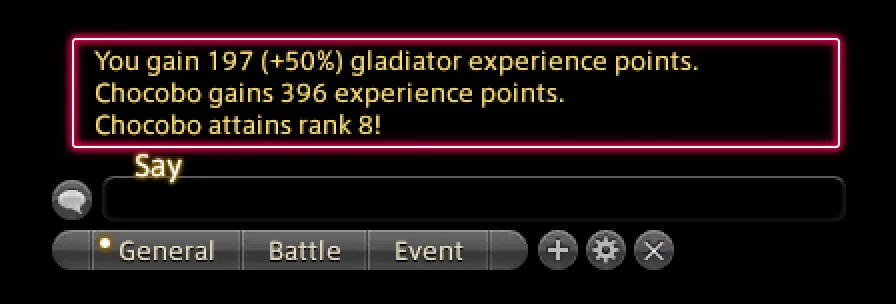
Companion leveling
A companion has separate power, ability or role progression tied to shared activities.
Final Fantasy XIV ↗Individual NPC relationships
Repeated actions change an individual character's trust, unlocking reactions, services or quests.
Potionomics ↗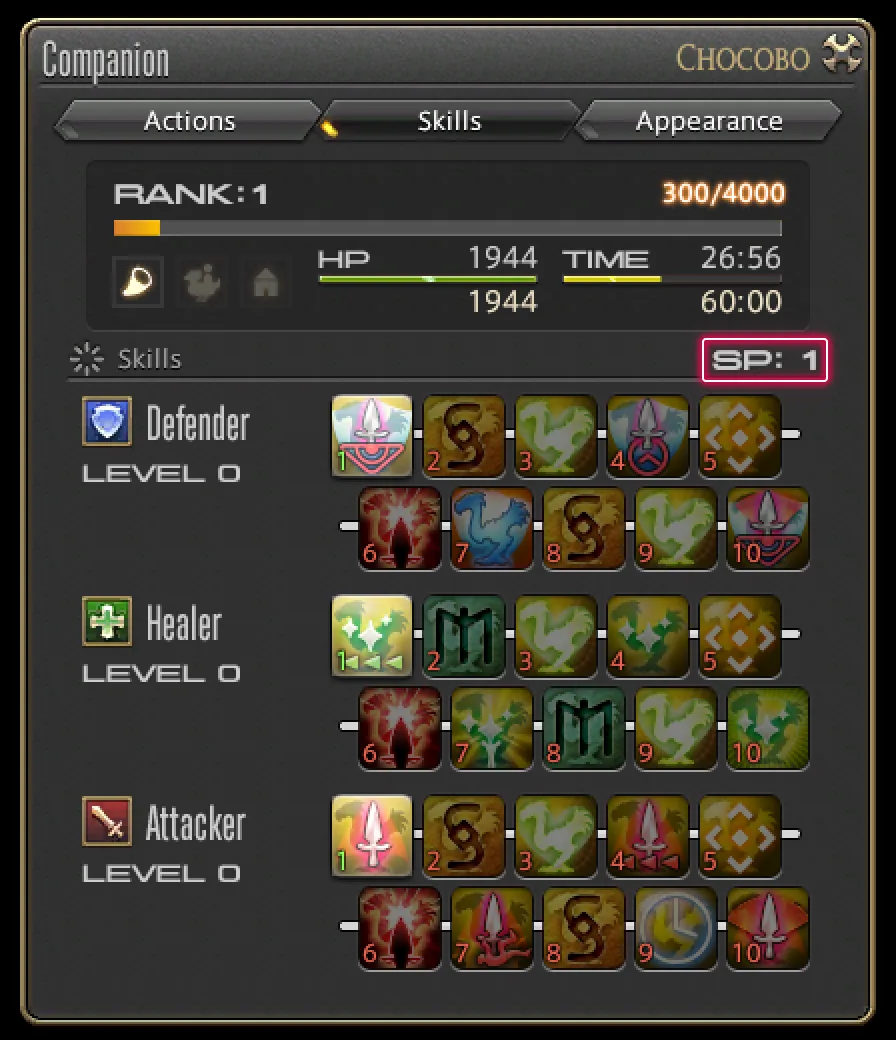
Pet training
A pet develops commands, behavior or useful abilities through repeated practice.
Final Fantasy XIV ↗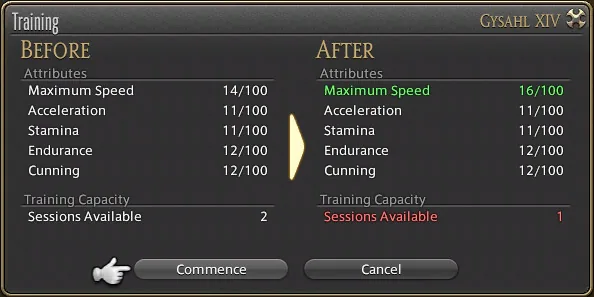
Mount training
Riding, exercises or resources improve a particular mount's movement and capabilities.
Final Fantasy XIV ↗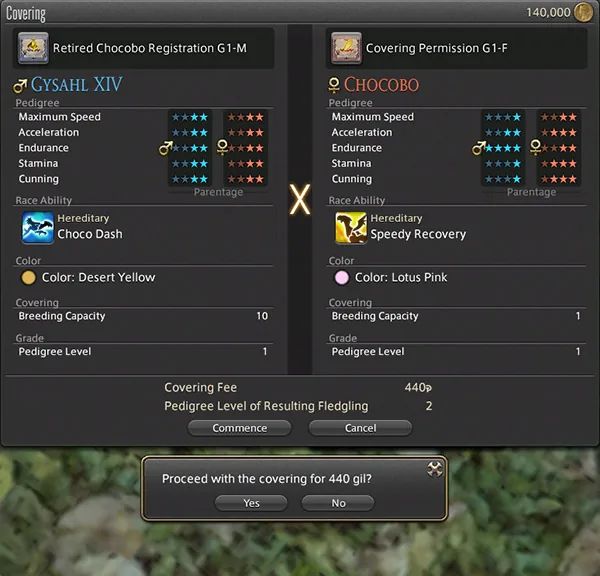
Breeding and inheritance
The player repeats parent selection and offspring raising for desired inherited traits.
Final Fantasy XIV ↗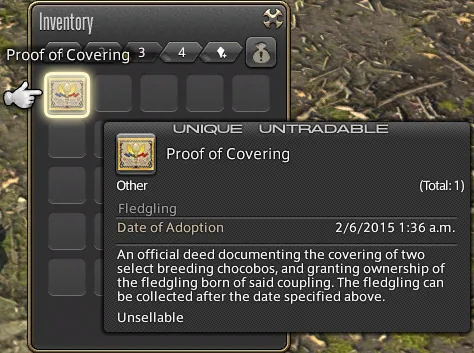
Hatching and raising creatures
Eggs or young creatures require conditions and care before becoming usable companions or collectibles.
Final Fantasy XIV ↗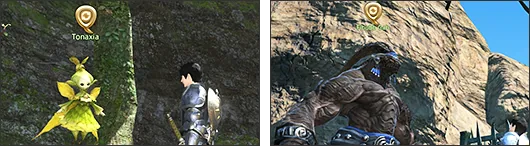
Faction reputation
Repeated help raises a faction’s opinion and unlocks rewards. FFXIV daily quests for the sylphs and Amalj’aa build separate reputations.
Final Fantasy XIV ↗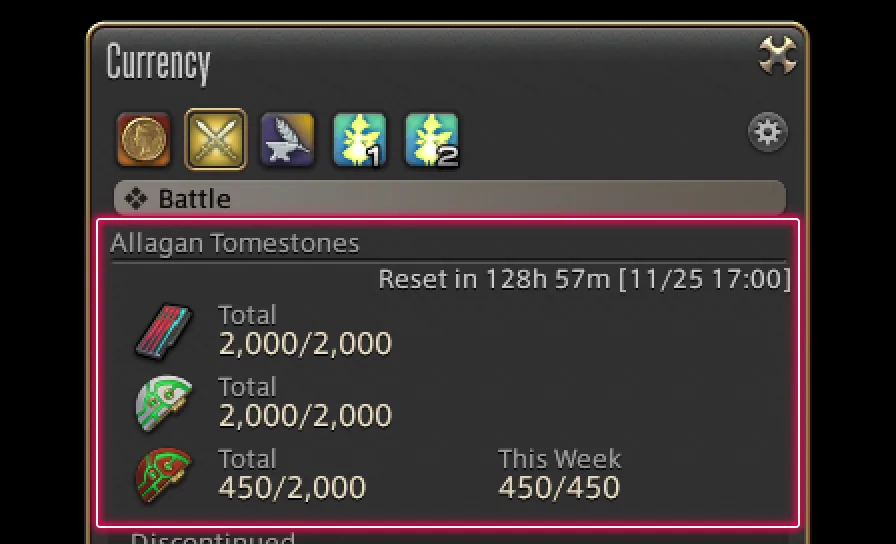
Token accumulation
Activities award a dedicated currency that can be exchanged for a chosen reward at a known price.
Final Fantasy XIV ↗Key and ticket collection
One repeatable activity awards consumable access to another. A key establishes the cost of attempting the next reward.
Shop Titans ↗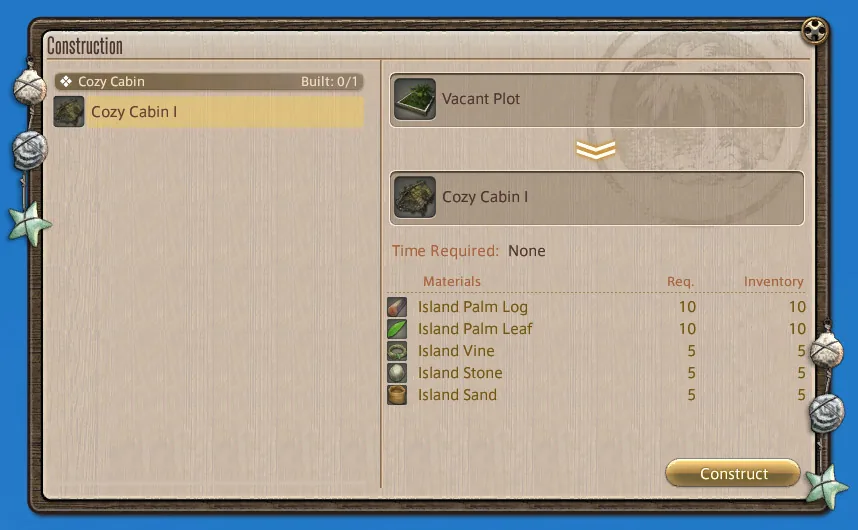
Settlement development
Contributing materials and completing orders develop a shared base, unlocking buildings, services or upgrades.
Final Fantasy XIV ↗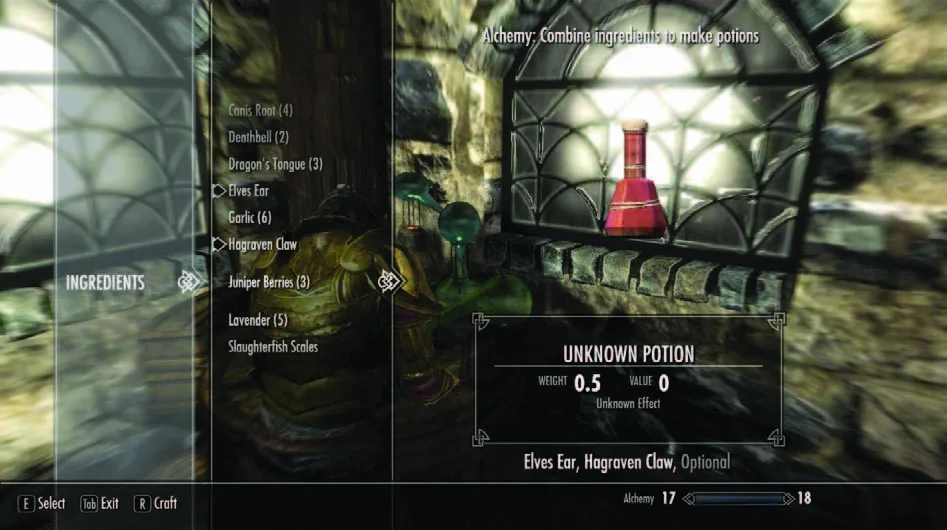
Recipe research
Repeated work with samples gradually unlocks knowledge that expands available crafting options.
The Elder Scrolls V: Skyrim ↗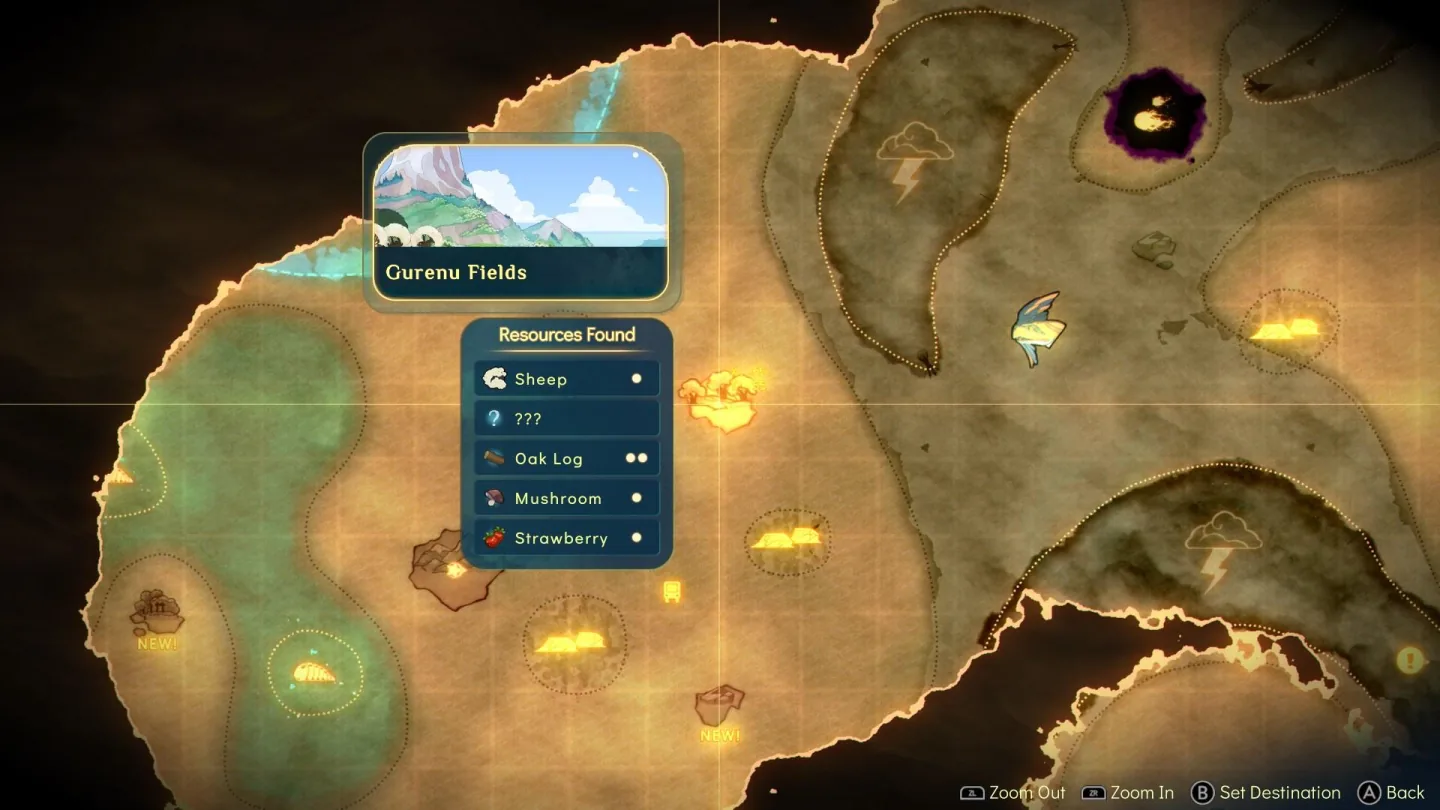
Map completion
The player gradually reveals locations and records discoveries. The map shows where tasks, resources or unexplored areas remain.
Spiritfarer ↗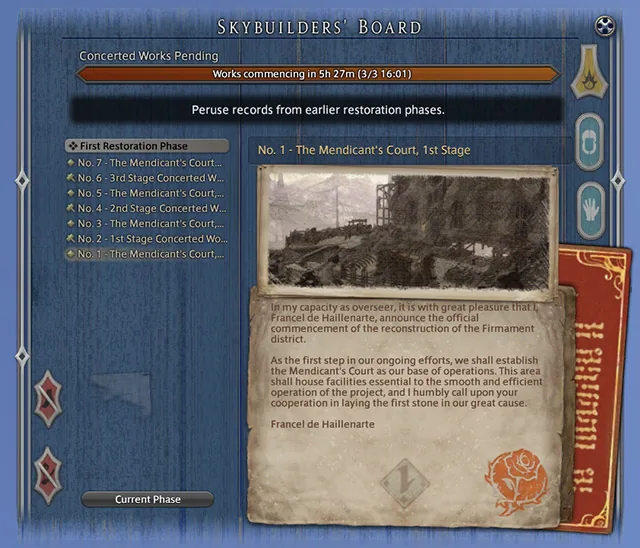
Regional node investment
Resources and accumulated contribution improve selected world locations or connect them into a network.
Final Fantasy XIV ↗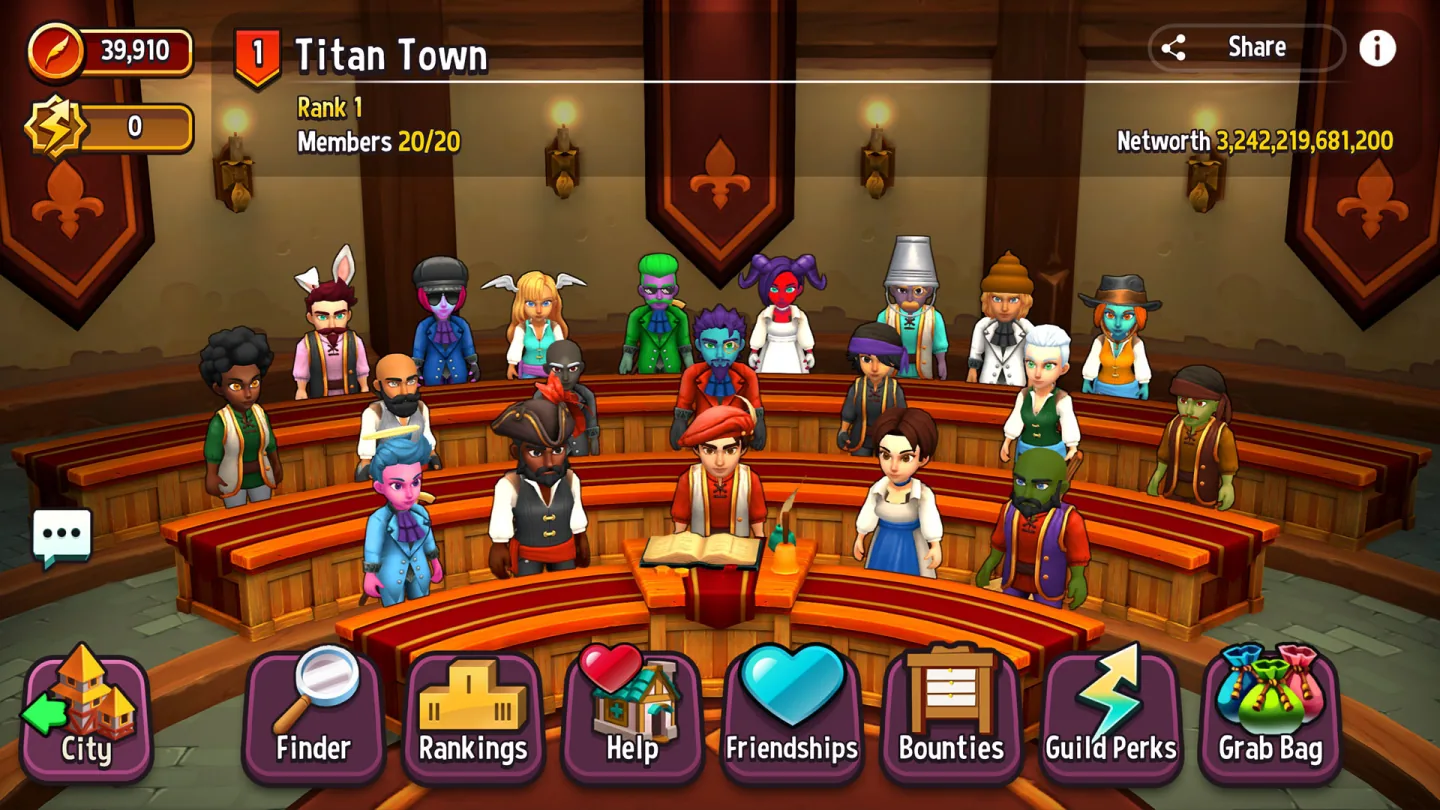
Guild development
Individual repeated activities contribute to shared resources that unlock persistent group options.
Shop Titans ↗Community construction
Combined contributions from many participants change an object or region and unlock the next stage.
Final Fantasy XIV ↗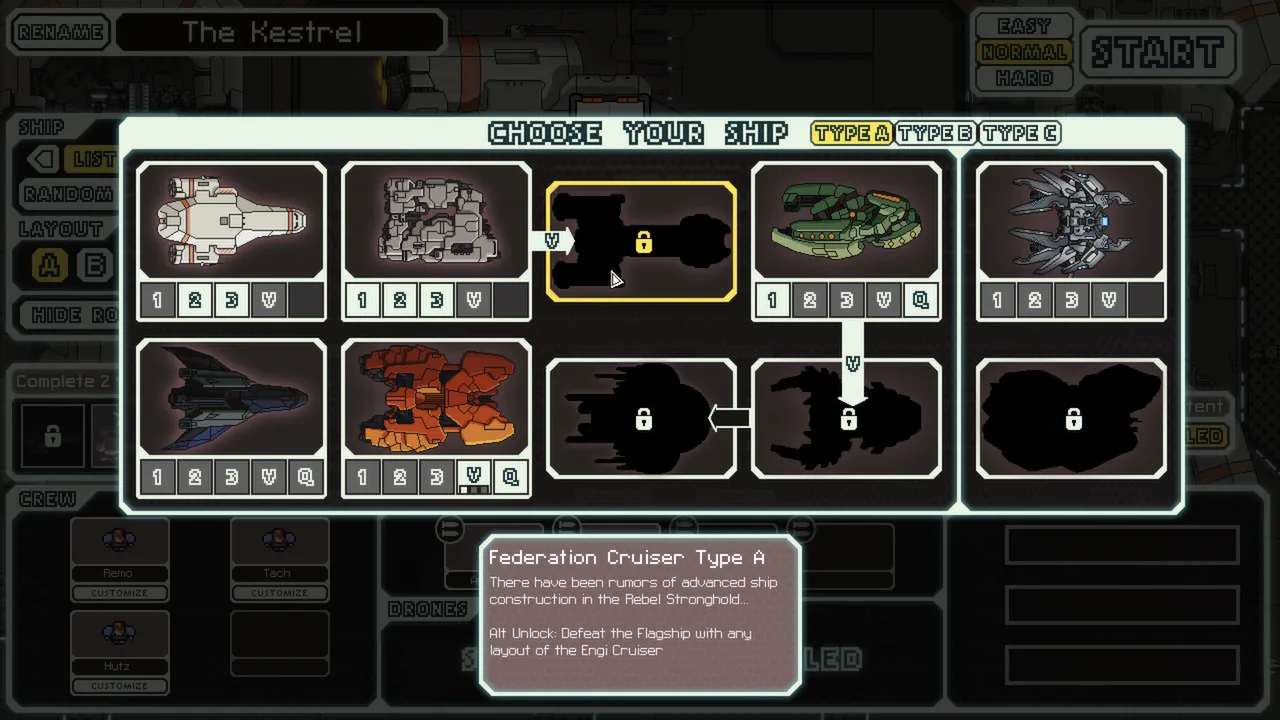
Account-wide unlocks
One character's achievement creates a lasting option for others, reducing repetition of an already mastered path.
FTL: Faster Than Light ↗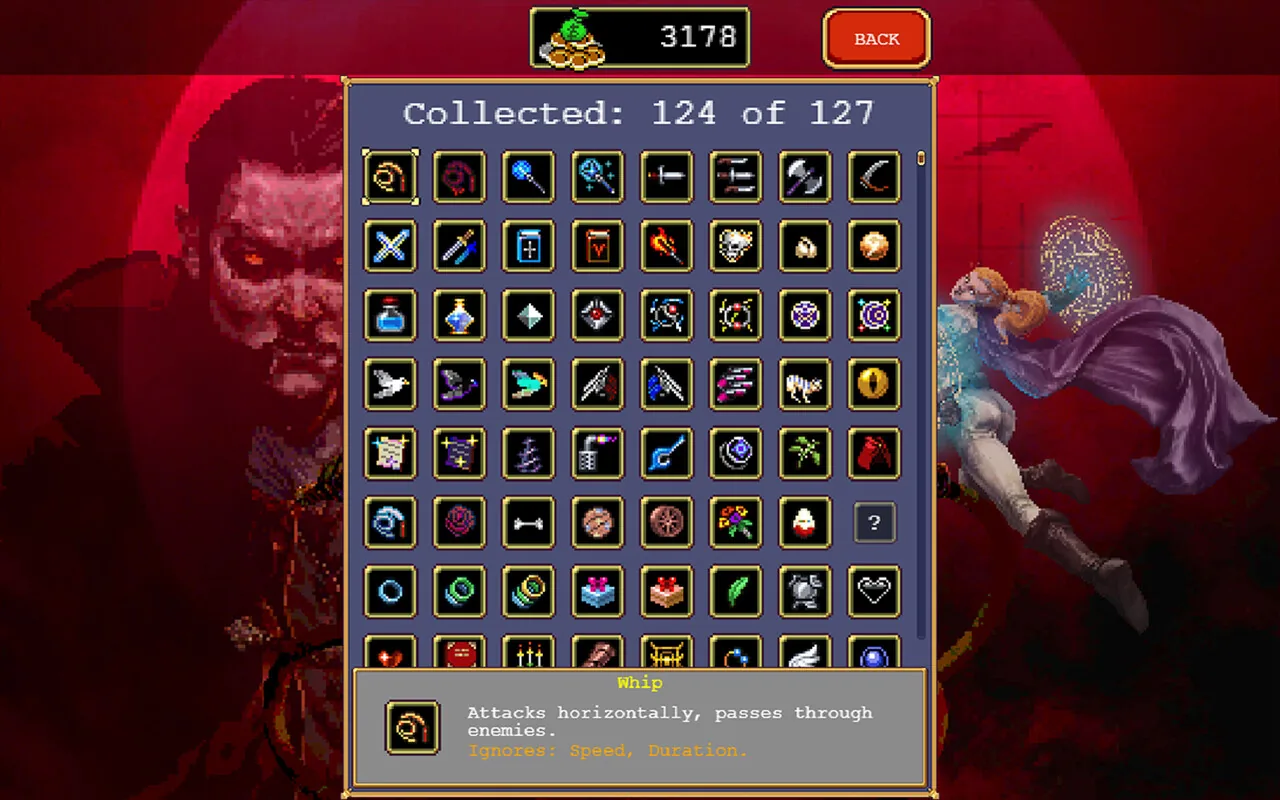
Collectible completion
Repeatable activities fill a collection that can award cosmetic distinctions, records or completion rewards.
Vampire Survivors ↗Prestige and rebirth
After reaching a threshold, the player resets part of their progression and repeats the journey with a permanent reward or new conditions.
Realm Grinder ↗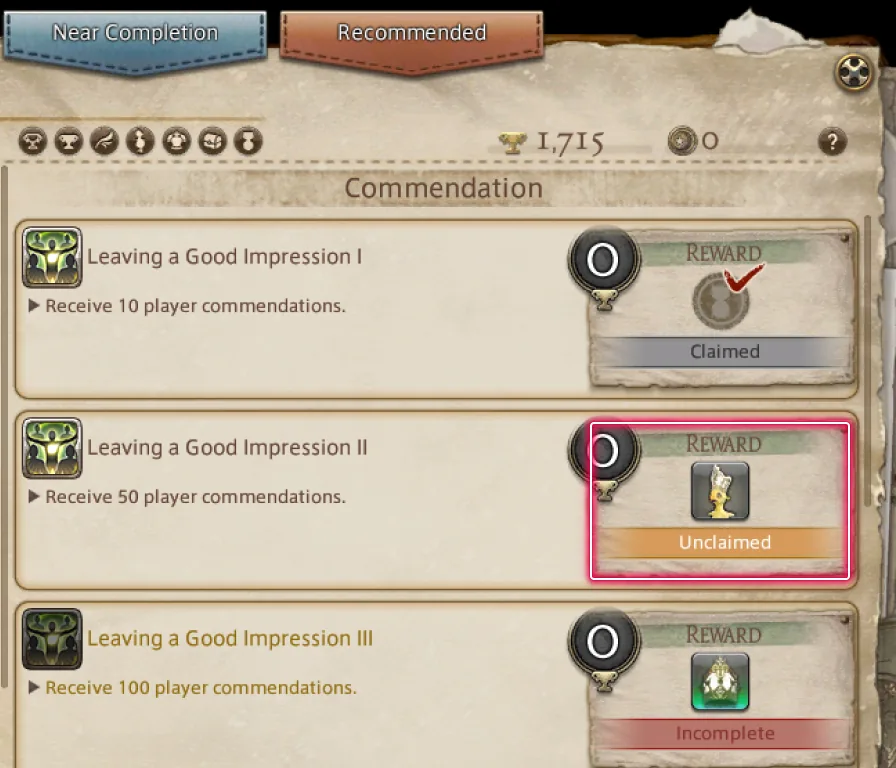
Tiered achievements
A theme has successive quantitative or qualitative thresholds with separate rewards.
Final Fantasy XIV ↗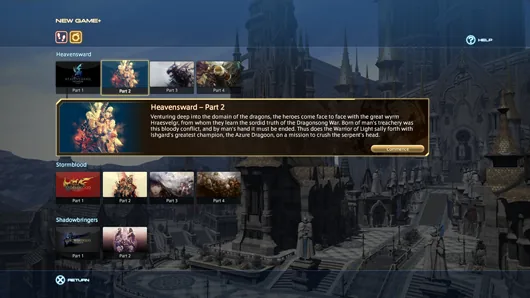
New Game Plus
Replay preserves specified progress. FFXIV’s New Game+ variant replays unlocked story chapters without resetting the character or repeating quest rewards.
Final Fantasy XIV ↗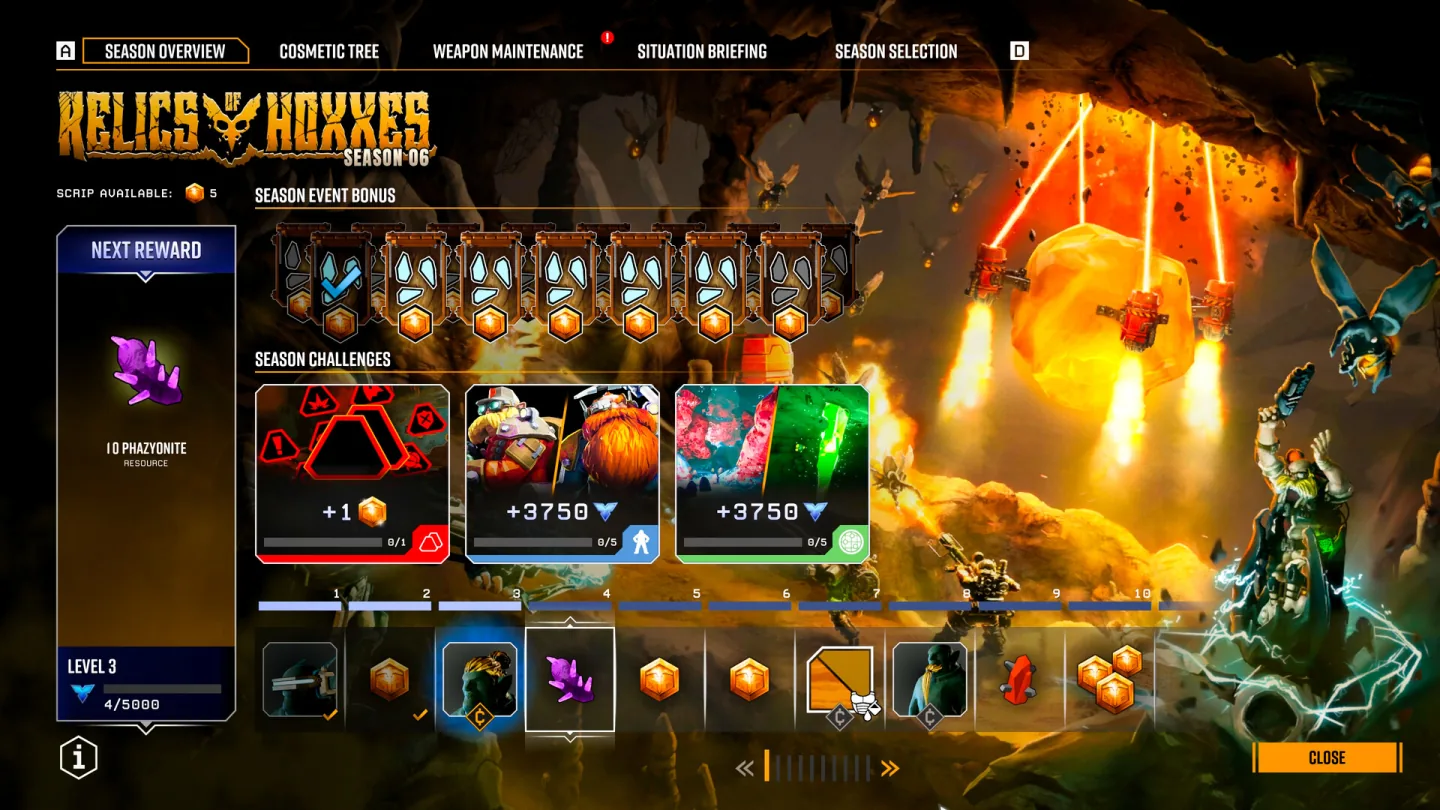
Season progression track
Actions during a season advance a sequence of goals and rewards. The next milestone and the requirements for progress remain visible.
Deep Rock Galactic ↗Guaranteed reward
Completing a known requirement grants a stated reward, allowing the player to plan progress without depending on luck.
Deep Rock Galactic ↗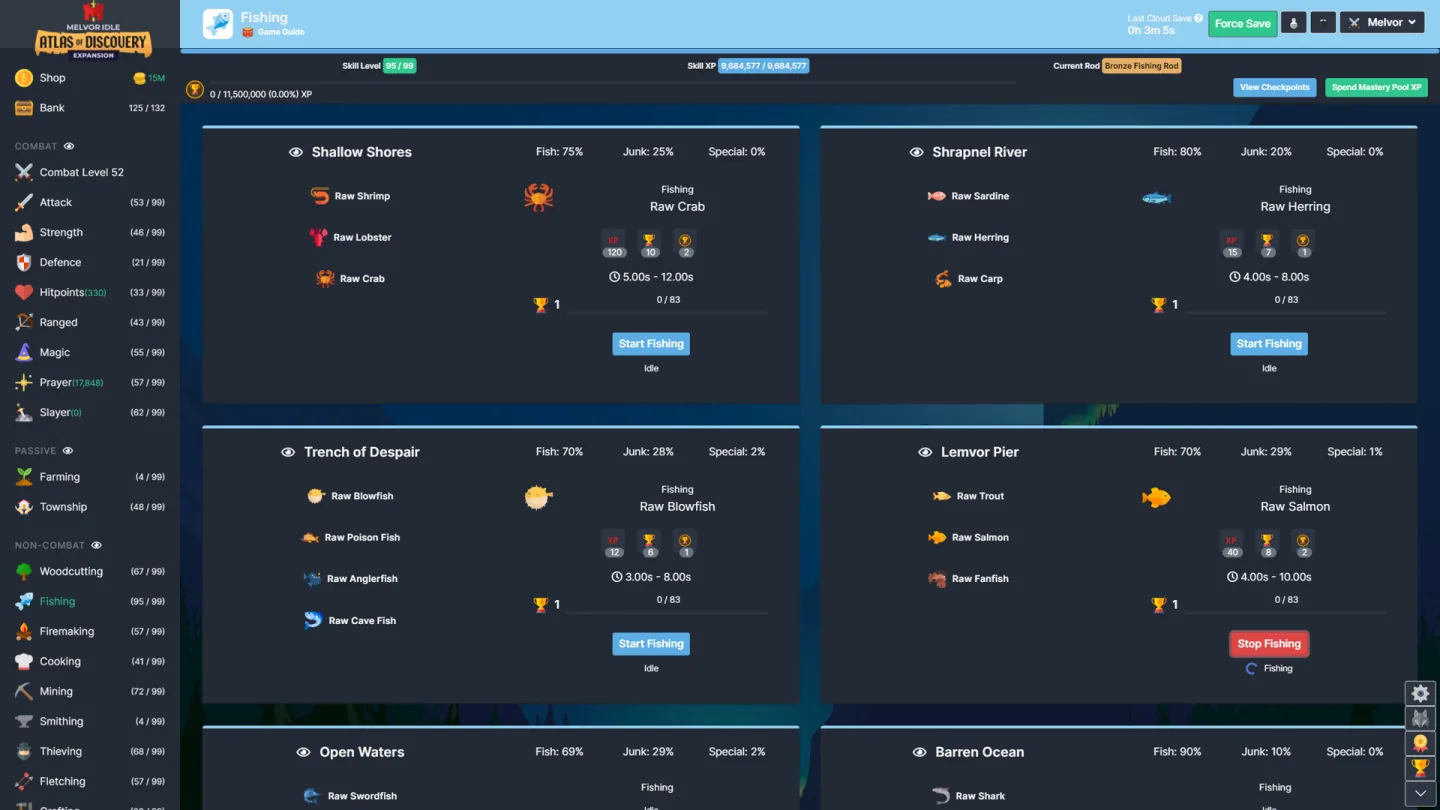
Weighted random rewards
The result is drawn from a probability distribution; attempt frequency and table composition determine the path to a goal.
Melvor Idle ↗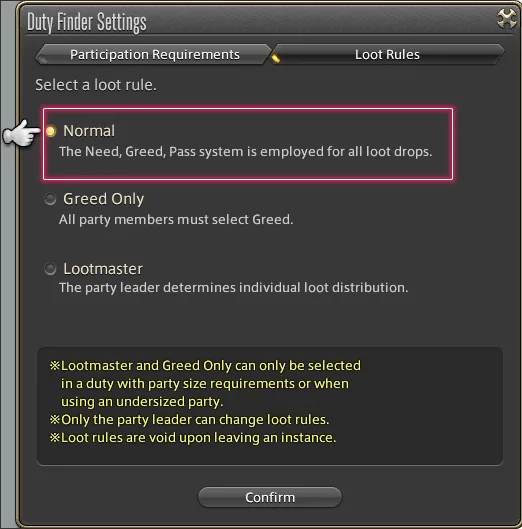
Personal and shared loot
The rule determines who owns a reward and how participants divide a shared outcome.
Final Fantasy XIV ↗Performance-based rewards
Reward amount or composition depends on observable performance rather than completion alone.
Final Fantasy XIV ↗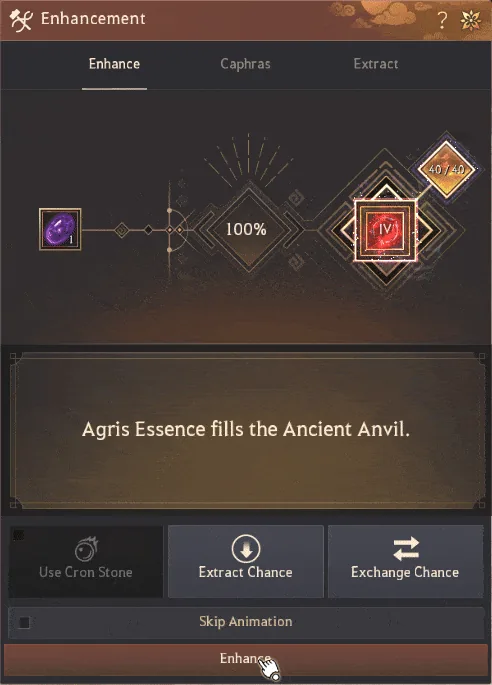
Hard pity threshold
After a defined number of qualifying failures, the next reward is guaranteed under explicit counter rules.
Black Desert ↗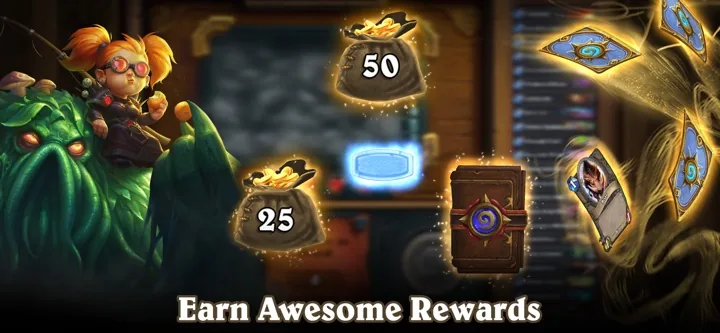
Duplicate protection
The system tracks acquired cards when awarding new ones. Hearthstone pack protection limits duplicates within a rarity until its collection requirement is met.
Hearthstone ↗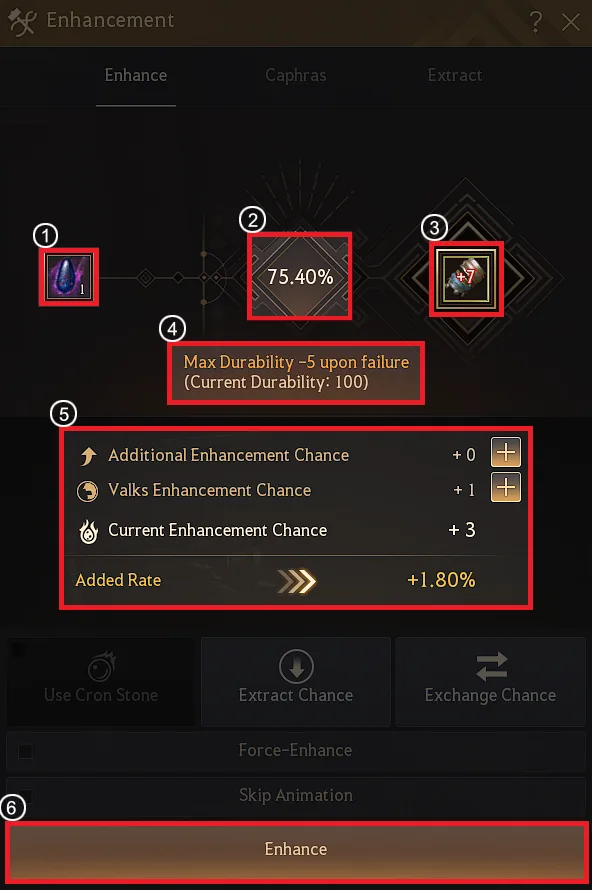
Increasing chance after failures
Probability changes with qualifying attempt history without necessarily providing a fixed guarantee.
Black Desert ↗Unwanted-reward compensation
A result unsuitable for the current goal retains value through replacement or alternative progress.
Black Desert ↗
Upgrade refunds and protection
Rules preserve part of an investment when replacing an item, failing or changing progression direction.
Monster Hunter Rise: Sunbreak ↗Risk-reward scaling
The player accepts extra threats or restrictions in exchange for changed rewards.
Slay the Spire ↗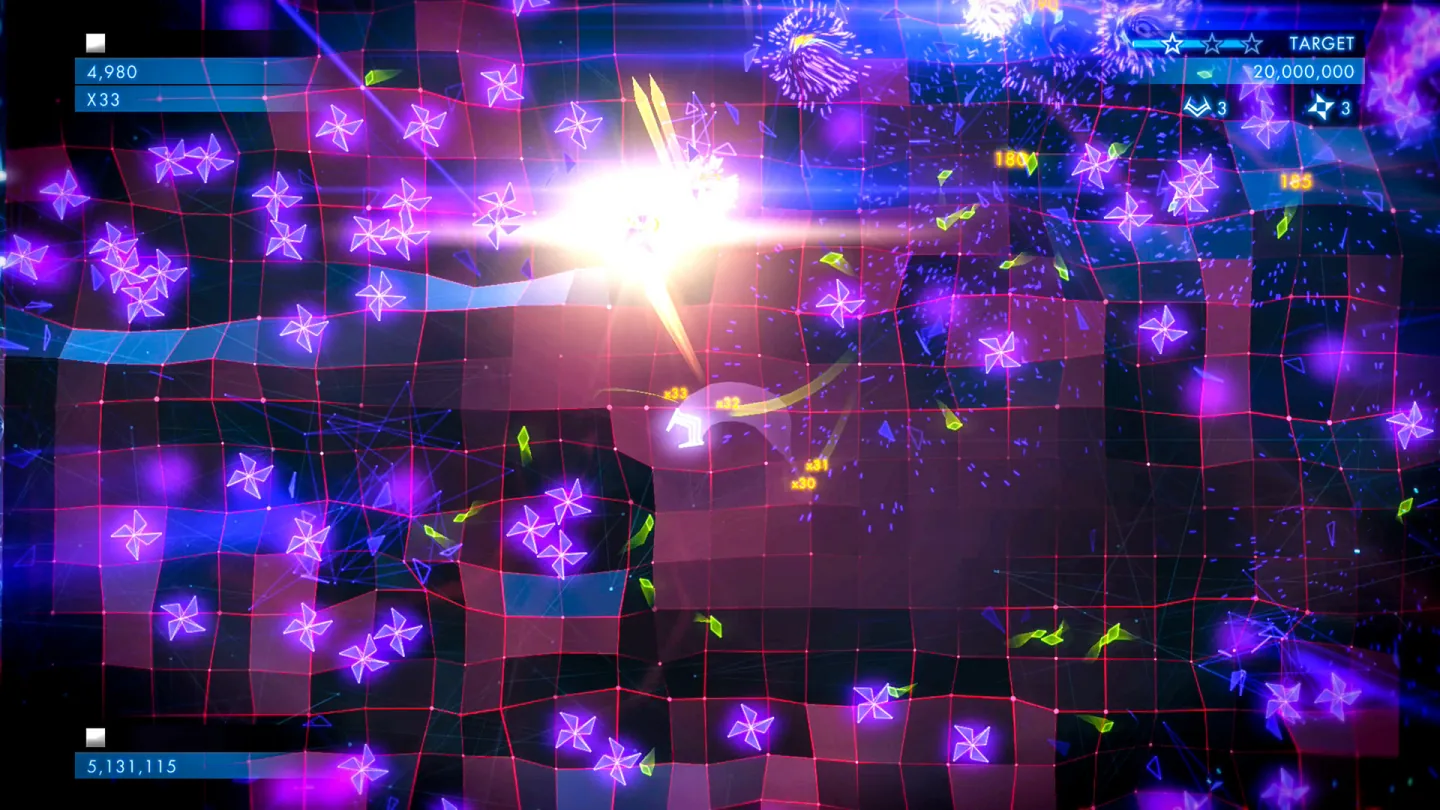
Streak multipliers
Consecutive successes within a loop increase rewards until a reset or voluntary stop.
Geometry Wars™ 3: Dimensions Evolved ↗
Rested progression reserve
Rest or absence builds a bounded reserve that accelerates later active actions.
Final Fantasy XIV ↗Parallel goal progression
One activity meaningfully advances several independent goals, allowing useful combinations.
Melvor Idle ↗Loot-pool focusing
The player invests resources or makes a choice to change eligible rewards or their relative weights.
Monster Hunter Rise: Sunbreak ↗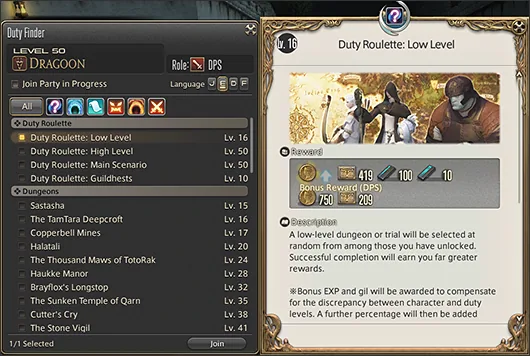
Daily cycles
A periodic reset refreshes objectives or bonuses and establishes repetition cadence.
Final Fantasy XIV ↗Weekly caps and reward eligibility
A period permits a limited number of rewards or currency units regardless of run count.
Final Fantasy XIV ↗Regenerating attempt budget
Activities consume a resource restored over time or through play, limiting repetition frequency.
Shop Titans ↗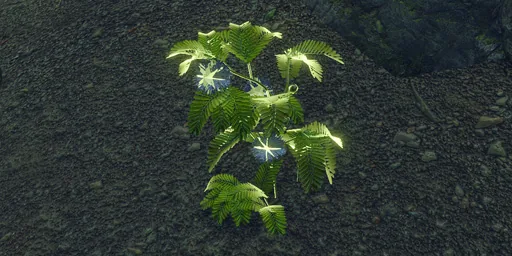
Source respawn windows
A harvested source returns according to time or world-state rules, changing repeat availability.
Monster Hunter Rise: Sunbreak ↗Production time constraints
Crafting or research takes time, requiring queue and capacity management.
Melvor Idle ↗Seasonal partial resets
A new season resets specified tracks or the economy while preserving stated outcomes.
Final Fantasy XIV ↗Catch-up progression
The route to older gear becomes shorter. FFXIV lets players buy gear from previous stages with shared Poetics instead of each stage’s original currency.
Final Fantasy XIV ↗Diminishing returns
Prolonged repetition of one source reduces yield or raises cost, changing the next activity choice.
Cookie Clicker ↗Progress loss on failure
Defeat removes resources, experience or some loot, making preservation part of the loop.
Dark Souls ↗Banking and extraction
Expedition gains become persistent only after exiting or reaching a banking point.
Hunt: Showdown 1896 ↗Item binding and circulation
Transfer rules determine whether trade can replace personal farming and when an item leaves circulation.
Final Fantasy XIV ↗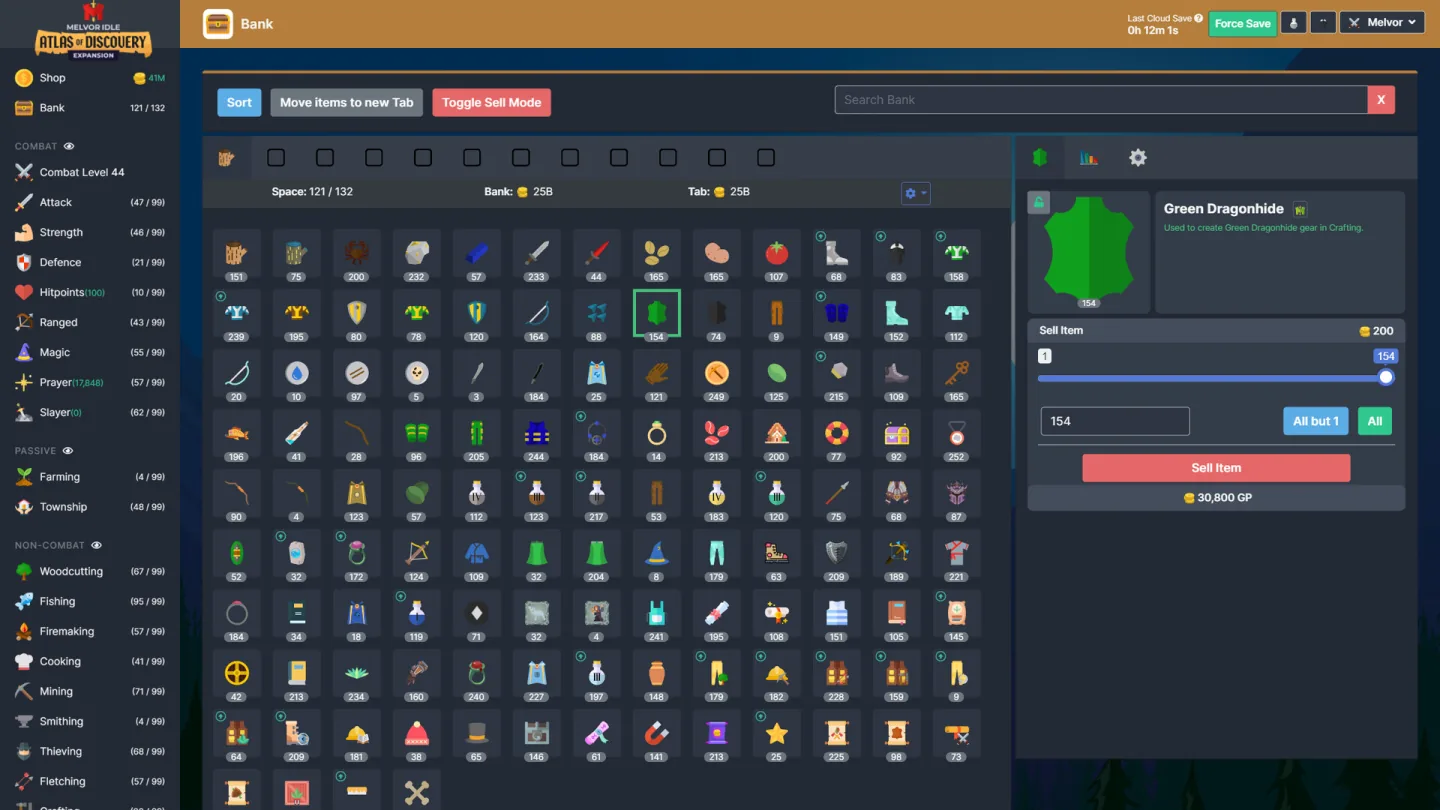
Capacity and stock management
Limited inventory or storage requires choices about keeping, processing, transporting or abandoning goods.
Melvor Idle ↗Shared-reward eligibility
Contribution, party and access rules determine who receives the result of a shared activity.
Guild Wars 2® ↗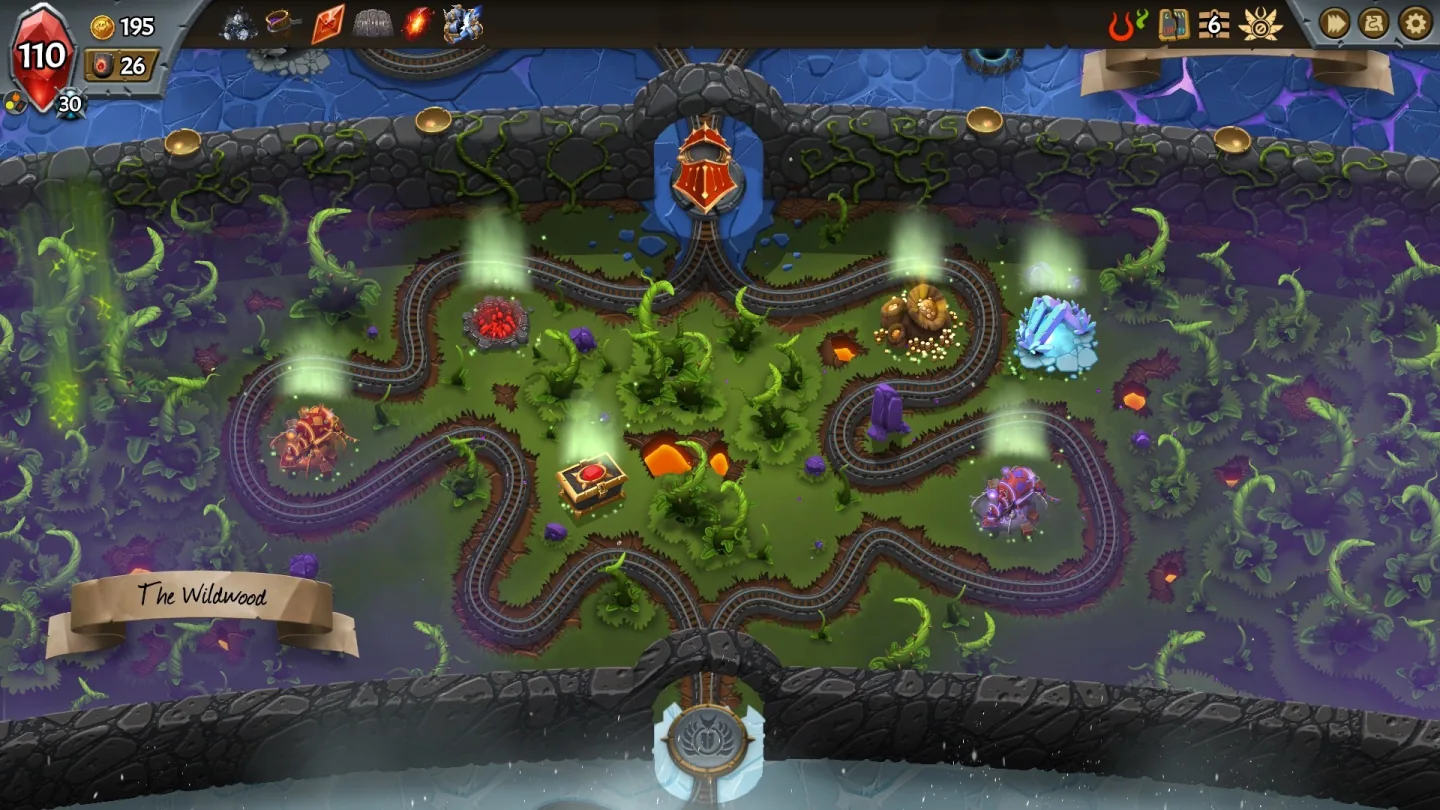
Run structure
A run combines a sequence of encounters, route choices and conditions for victory or defeat.
Monster Train ↗Defeat and consequences
Defeat ends an attempt or removes some progress. Loss rules determine the price of risk and what the player brings into the next attempt.
Slay the Spire ↗Run starting conditions
Before a run, the player chooses a roster, rules or restrictions. These conditions shape available strategies and vary repeated attempts.
Monster Train ↗Procedural generation
The game generates areas, encounters and rewards under defined rules, varying each attempt within a recognisable structure.
Final Fantasy XIV ↗Choosing a run route
At a fork, the player chooses the next node and gives up alternatives. Upcoming services, rewards and threats shape the run plan.
Monster Train ↗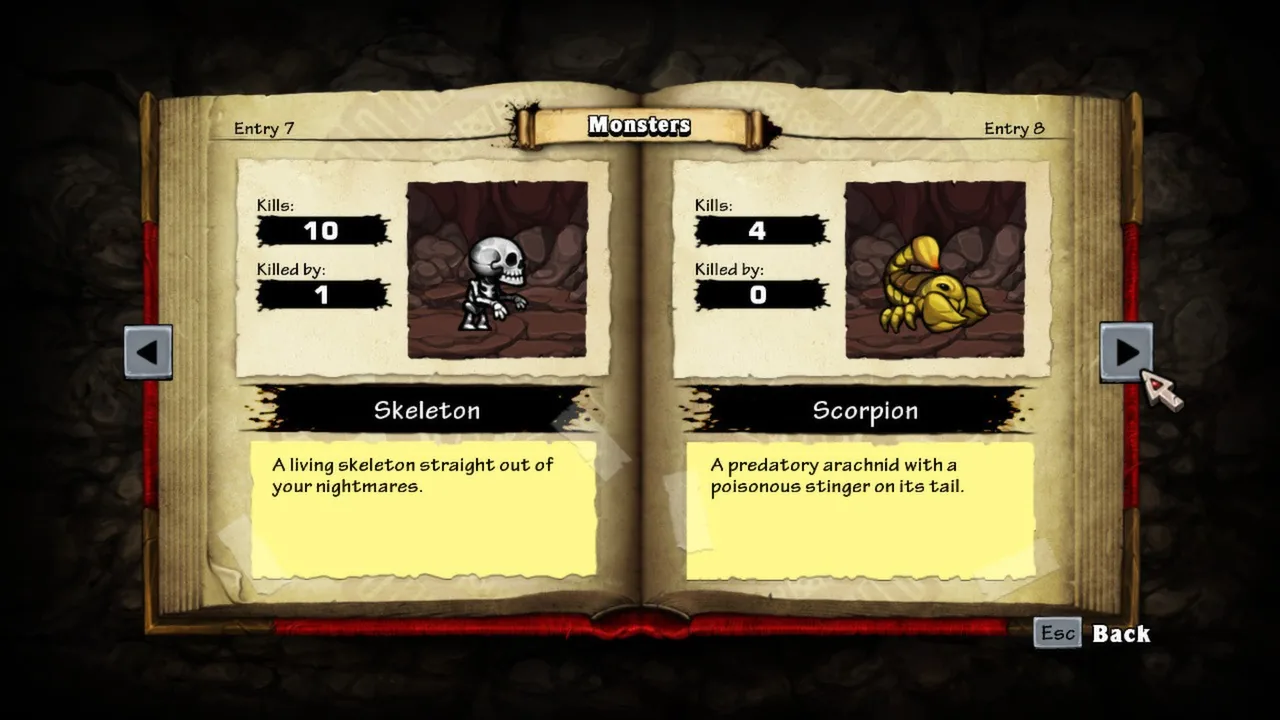
Exploration and information
The player uncovers the world and the properties of its creatures. Records of discoveries help prepare for unfamiliar situations.
Spelunky ↗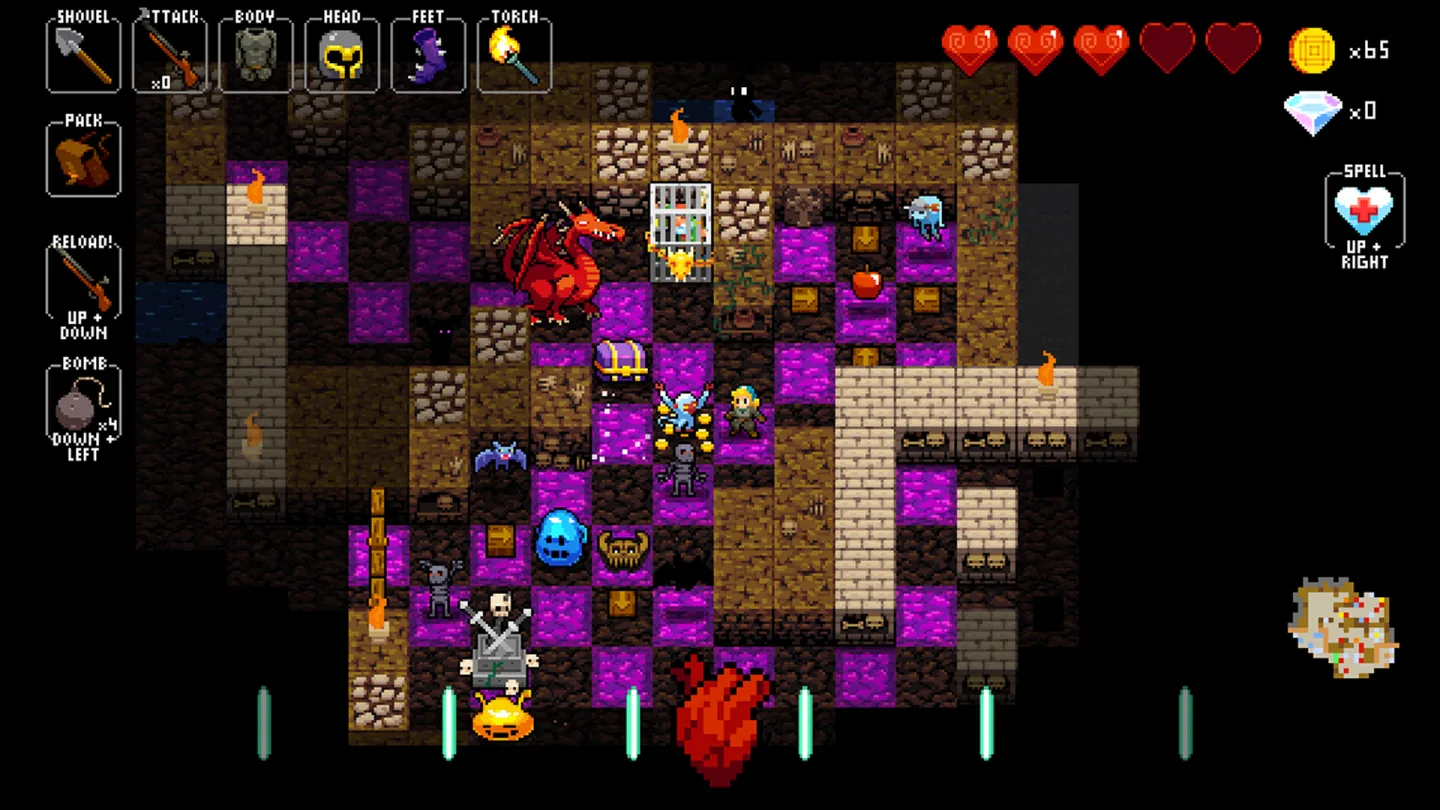
Time and turn order
Turns, action duration and continuous time determine when players and enemies can act.
Crypt of the NecroDancer ↗Pressure and pacing
Timers, pursuit or escalating threats limit decision time and change the pace of a run.
Crypt of the NecroDancer ↗Movement and spatial restrictions
Jumps, ladders and traversal tools determine reachable positions and the cost of moving through a level.
Spelunky ↗Ranged combat and projectiles
An attack reaches a distant target through a projectile or beam. Range, travel time and firing shape change positioning and response timing.
Enter the Gungeon ↗Damage, status effects and control
Damage and status effects change a target’s health, available actions and control over combat.
Slay the Spire ↗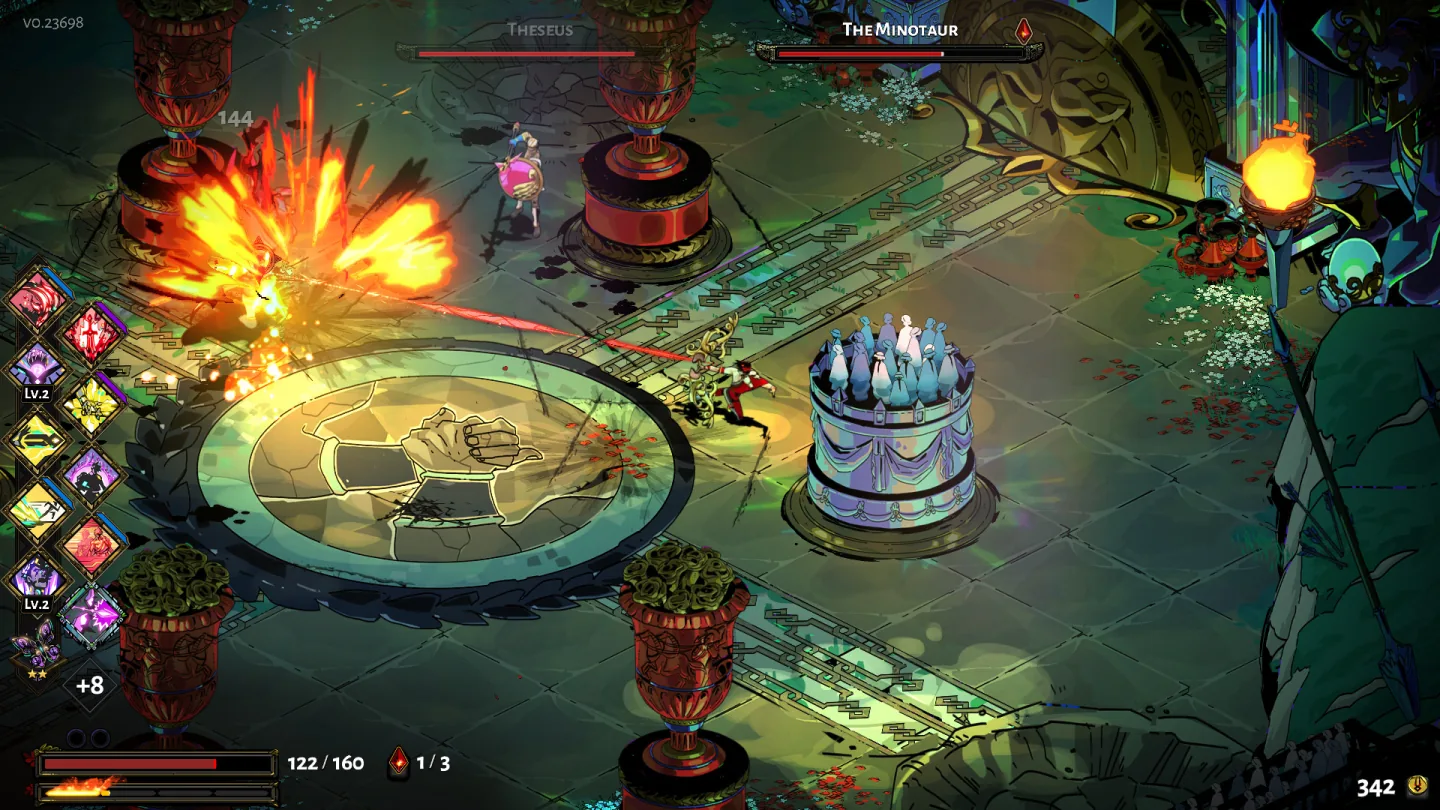
Enemies and bosses
Enemy behaviour and encounter design create threats that the player answers with their current build.
Hades ↗Environment and system interactions
Fire, liquids, electricity and destructible materials interact according to shared world rules.
Noita ↗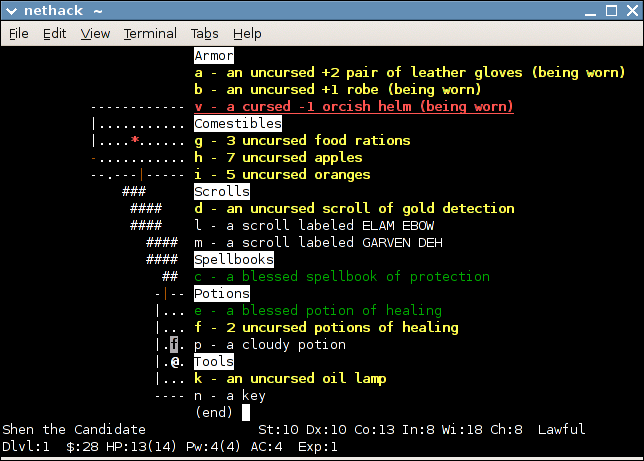
Stealth and non-combat actions
Tools, trade and stealth allow exploration and ways around threats without direct combat.
NetHack (menucolors) ↗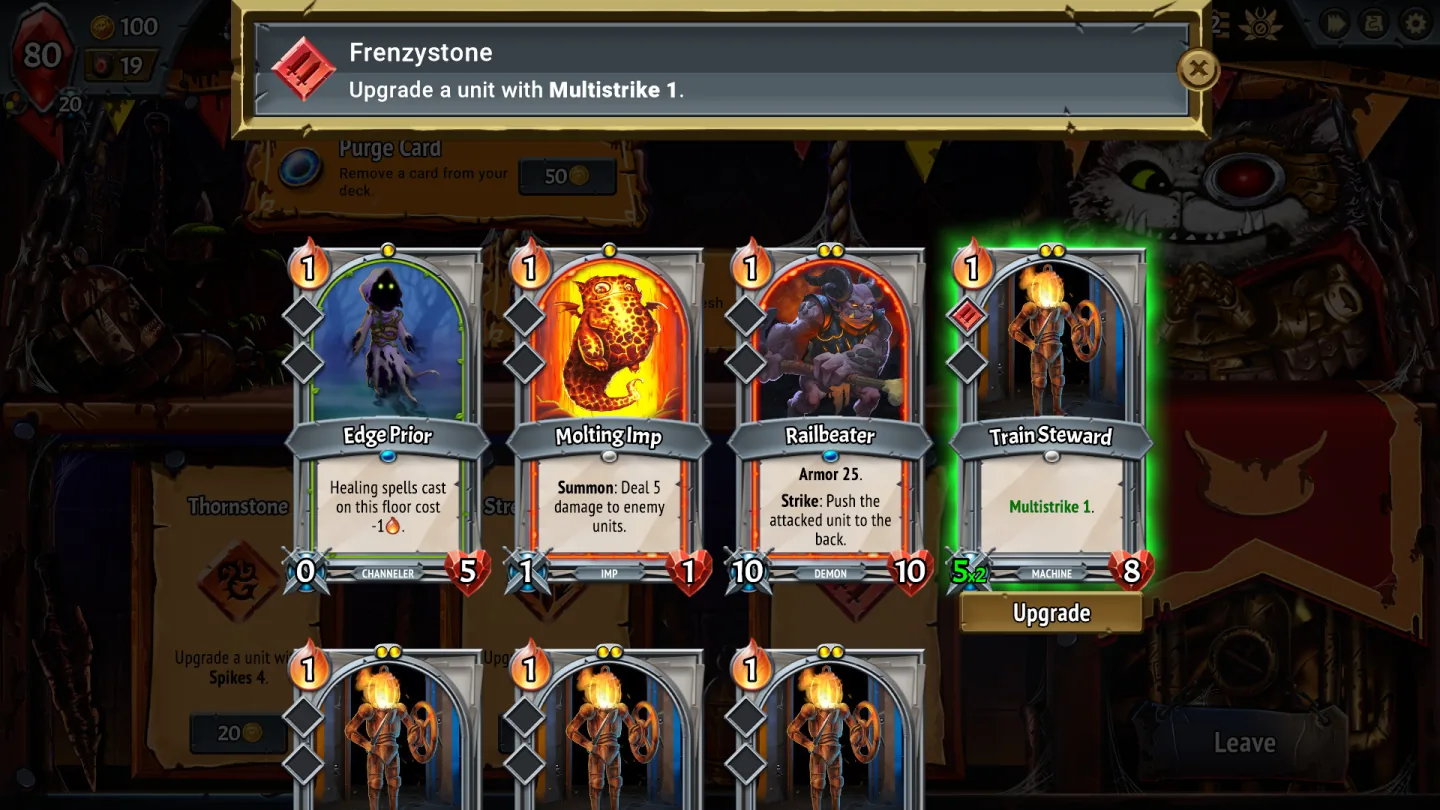
Builds and synergies
The player combines cards, items and upgrades that reinforce one another. A discovery’s value depends on the build already taking shape.
Monster Train ↗Loot and new acquisitions
New acquisitions expand the current run’s options. Players evaluate properties, build compatibility and the cost of rejecting alternatives.
Monster Train ↗Identification and curses
Hidden properties, blessings and curses change an item’s value. Players discover them through inspection, use and special tests.
NetHack (menucolors) ↗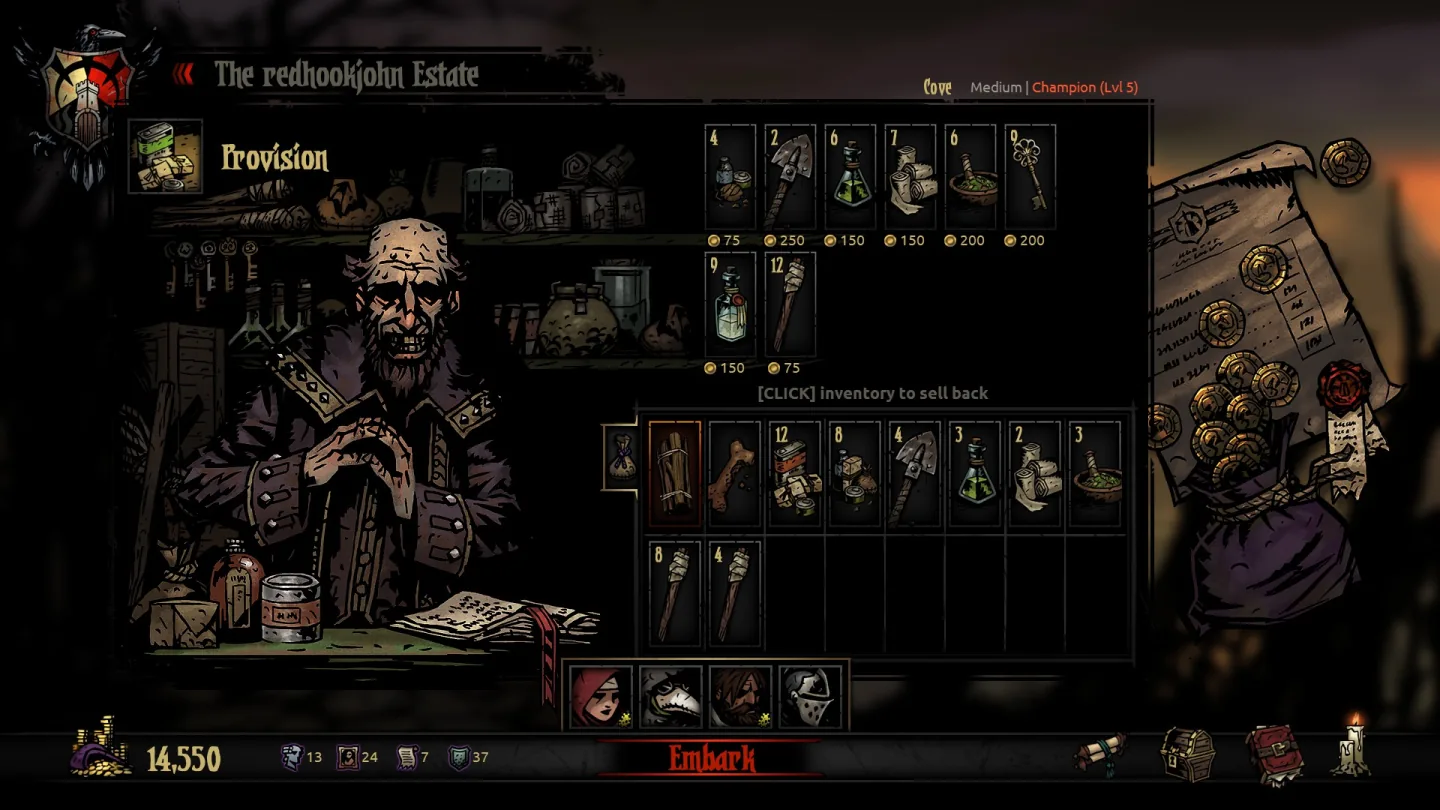
Inventory and carrying capacity
Limited carrying capacity forces choices about supplies, loot to keep and items to leave behind.
Darkest Dungeon® ↗Crafting and modifying items
Recipes and materials turn loot into a desired tool. The player chooses a base and properties to change the current build’s capabilities.
Last Epoch ↗
Constructing abilities and spells
Players choose and combine components to create abilities with the desired form, effect and trigger sequence.
Magicraft ↗Limited resources
Health, energy and consumables limit an expedition. The player divides supplies between the immediate threat and future encounters.
Slay the Spire ↗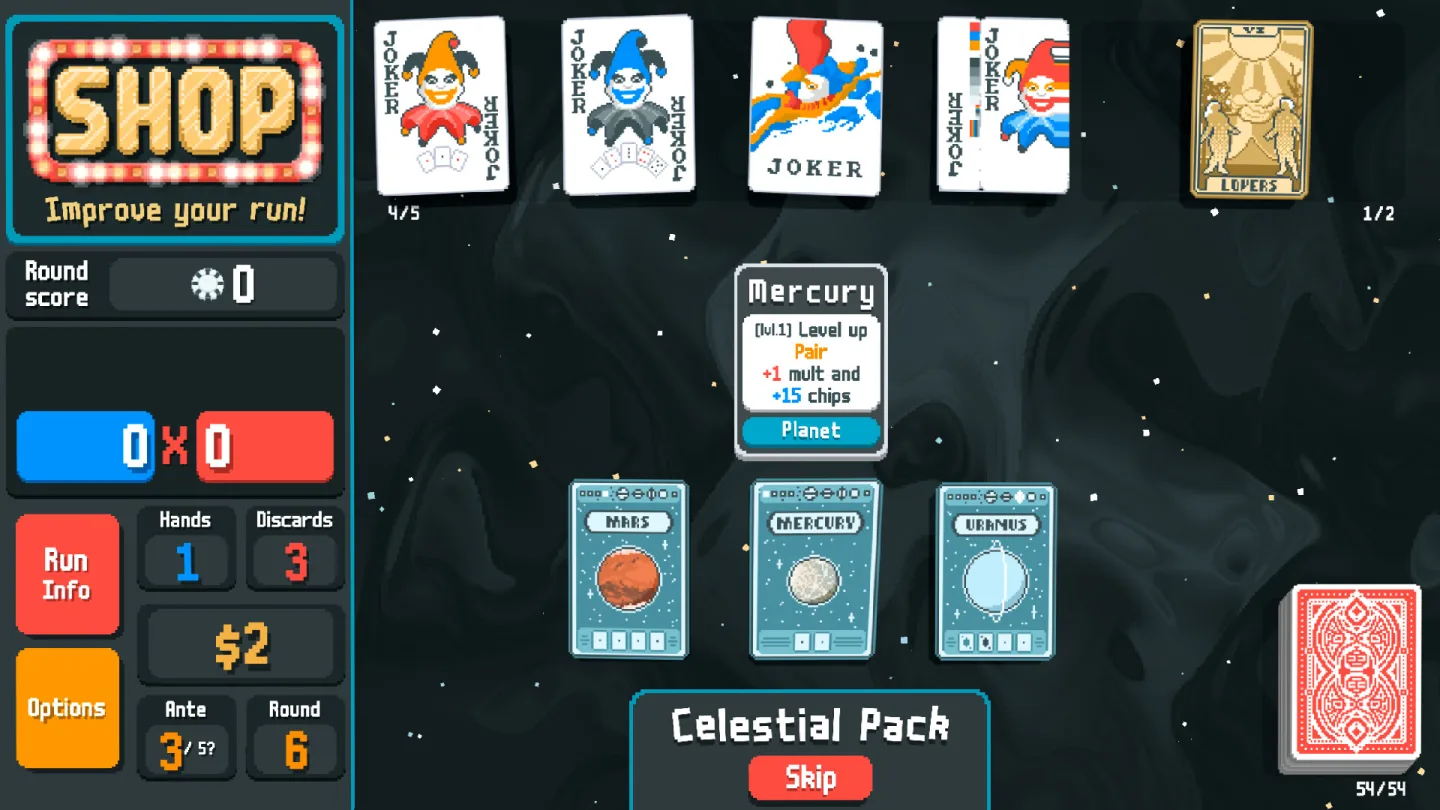
Randomness control
Players manage uncertainty through offer selection, rerolls, filtering and control over future outcomes.
Balatro ↗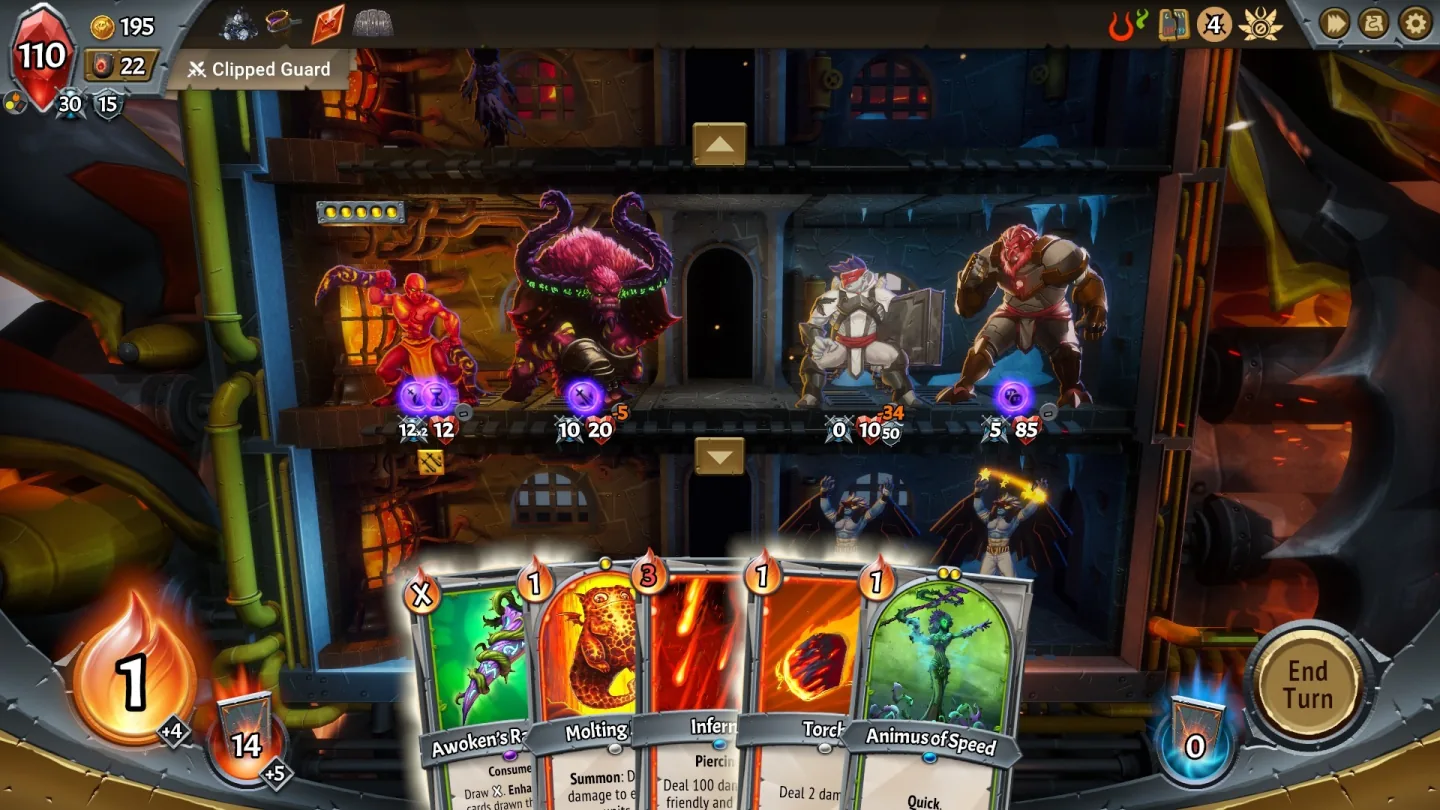
Summons and party in a run
The player adds allies and assigns their positions or roles. The party’s survival depends on its composition and combined abilities.
Monster Train ↗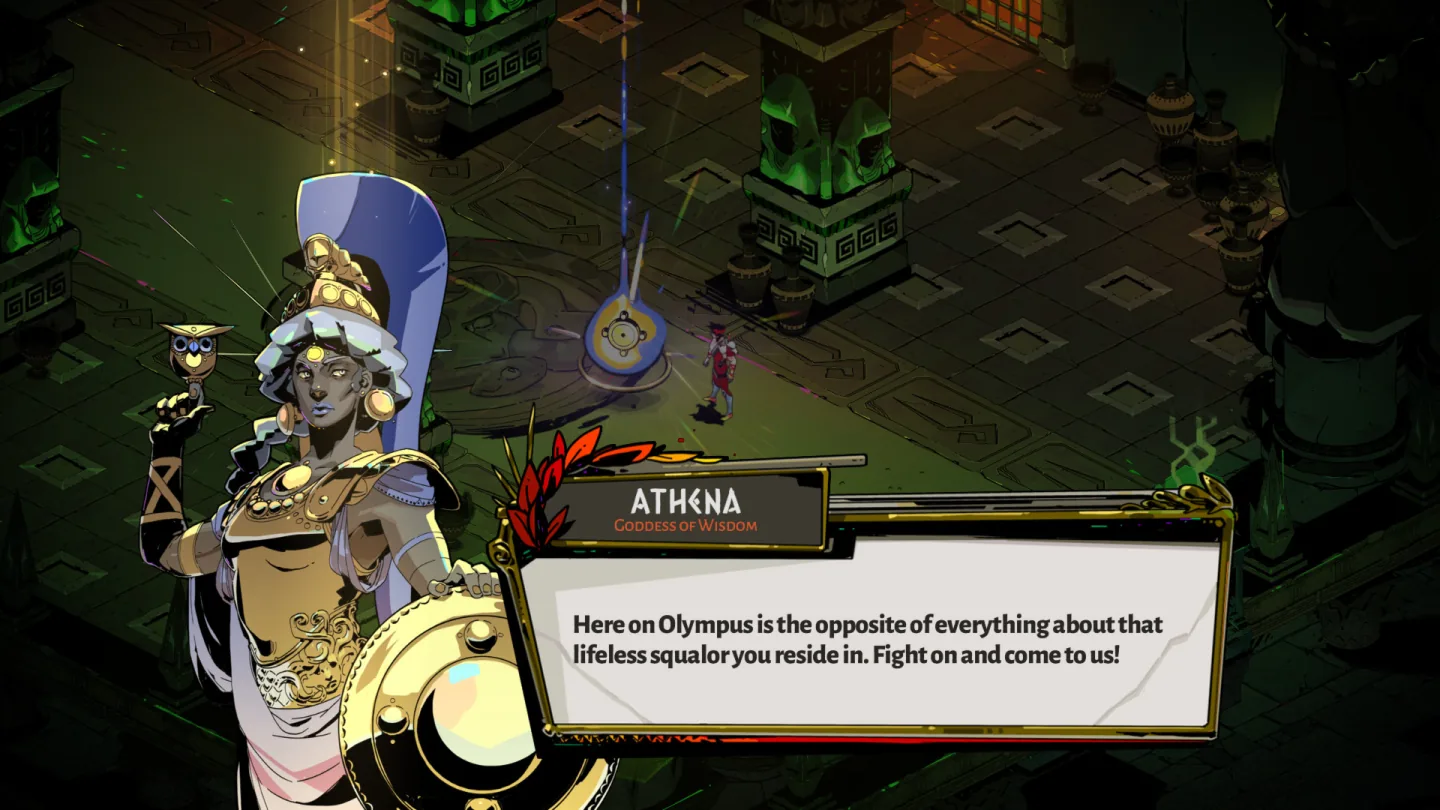
Religion, factions and reputation
Relations with gods and factions connect the hero’s actions to patronage, obligations and rewards.
Hades ↗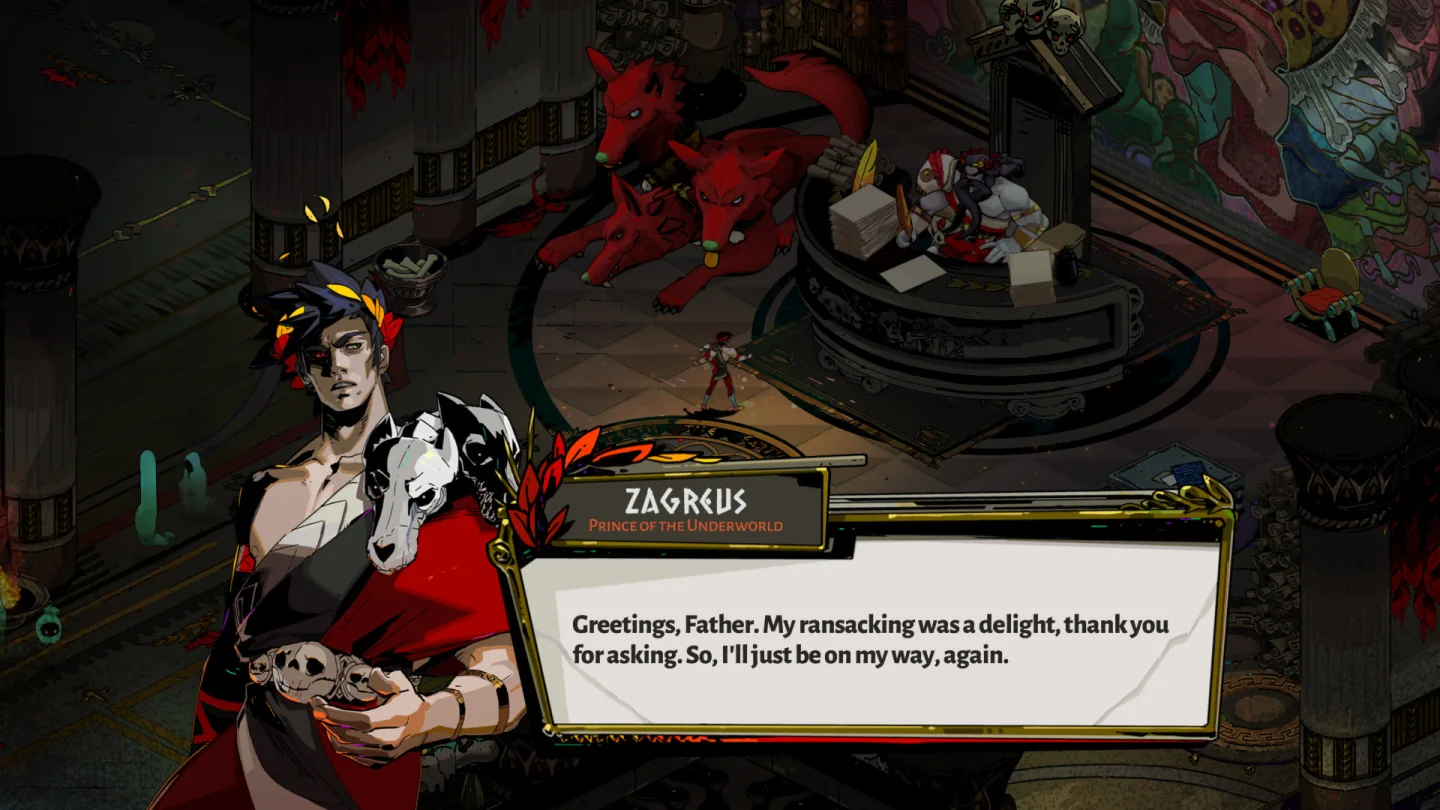
Narrative and persistent world
Repeated attempts unlock conversations and change relationships, preserving a connected story across defeats.
Hades ↗Deckbuilding roguelike
The player progresses through battles while building a deck during the run. Random offers and limited resources require adapting to discoveries.
Monster Train ↗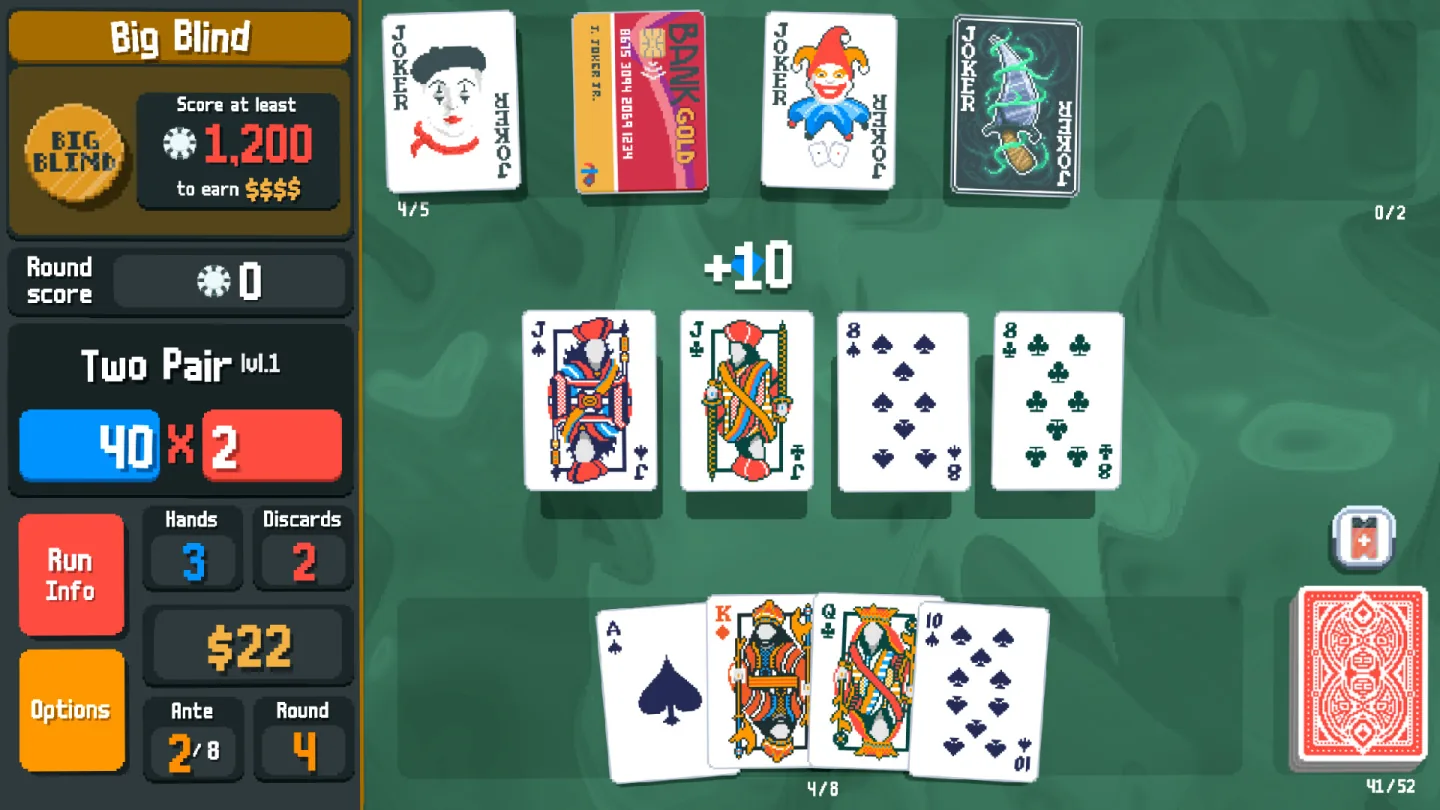
Combinations and scoring
Players assemble combinations and modify their value with effects to reach a target score.
Balatro ↗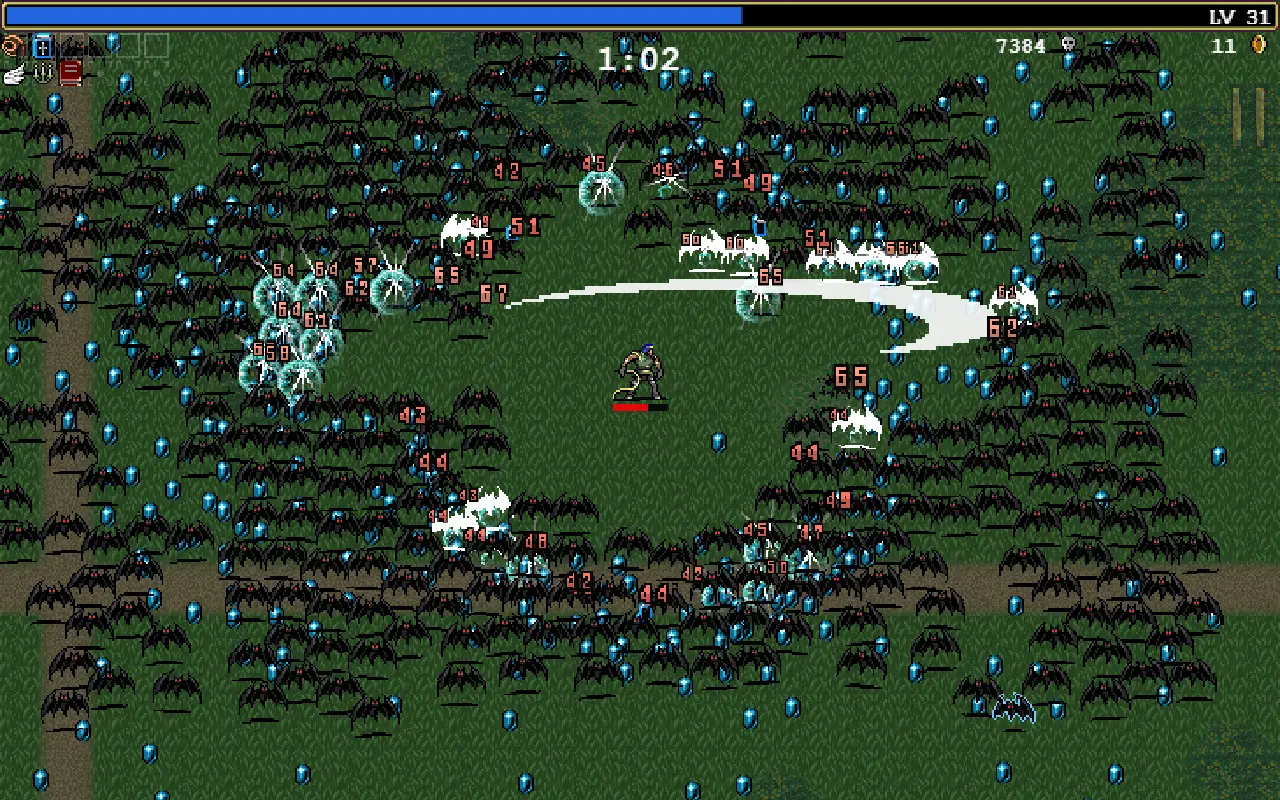
Auto-attacks and wave survival
Attacks happen automatically while the player chooses movement, upgrades and ways to survive escalating waves.
Vampire Survivors ↗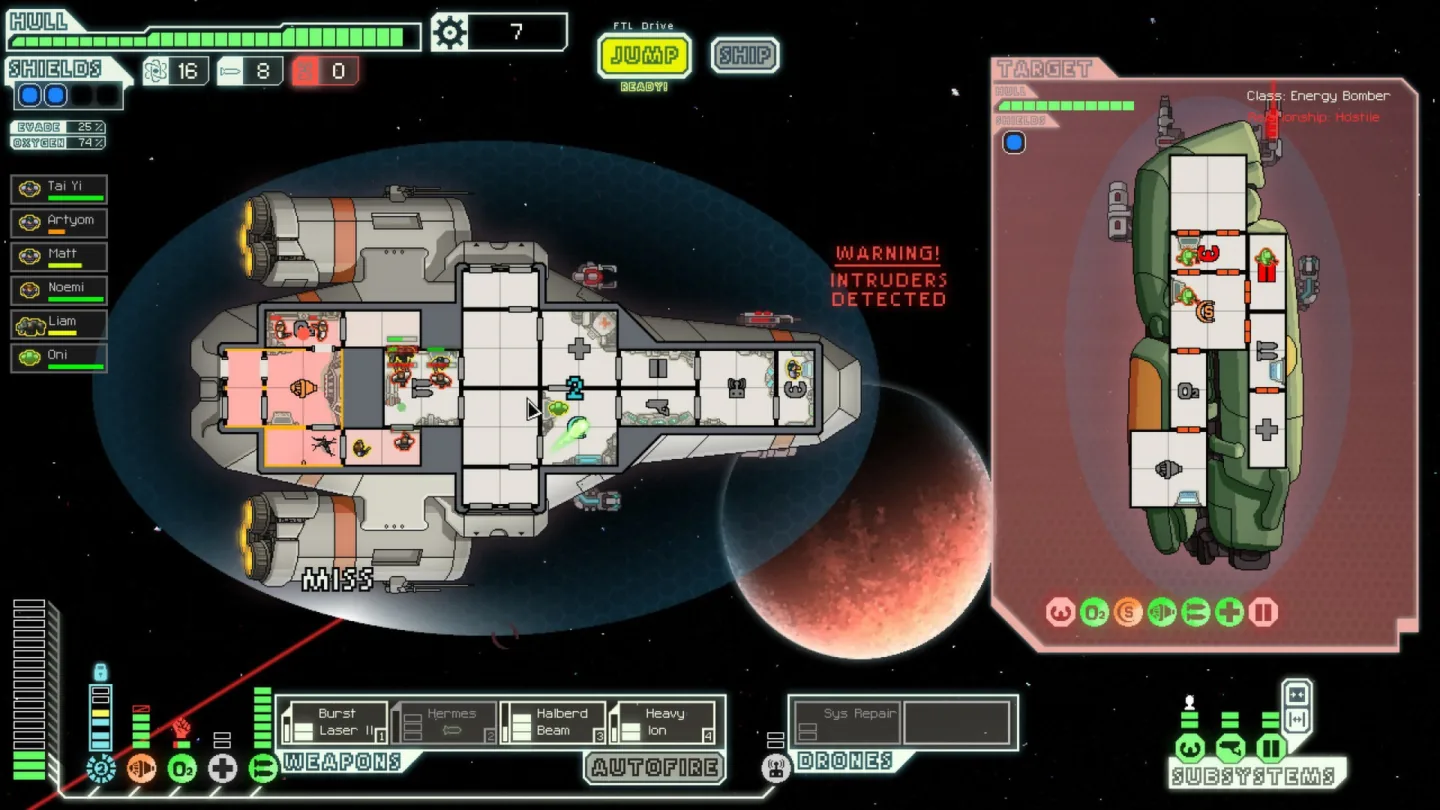
Ship, base and settlement
Players allocate crew, power and equipment while responding to external threats within a run.
FTL: Faster Than Light ↗Other genre hybrids
Rules from another genre change player actions and decisions within a repeatable run structure.
Crypt of the NecroDancer ↗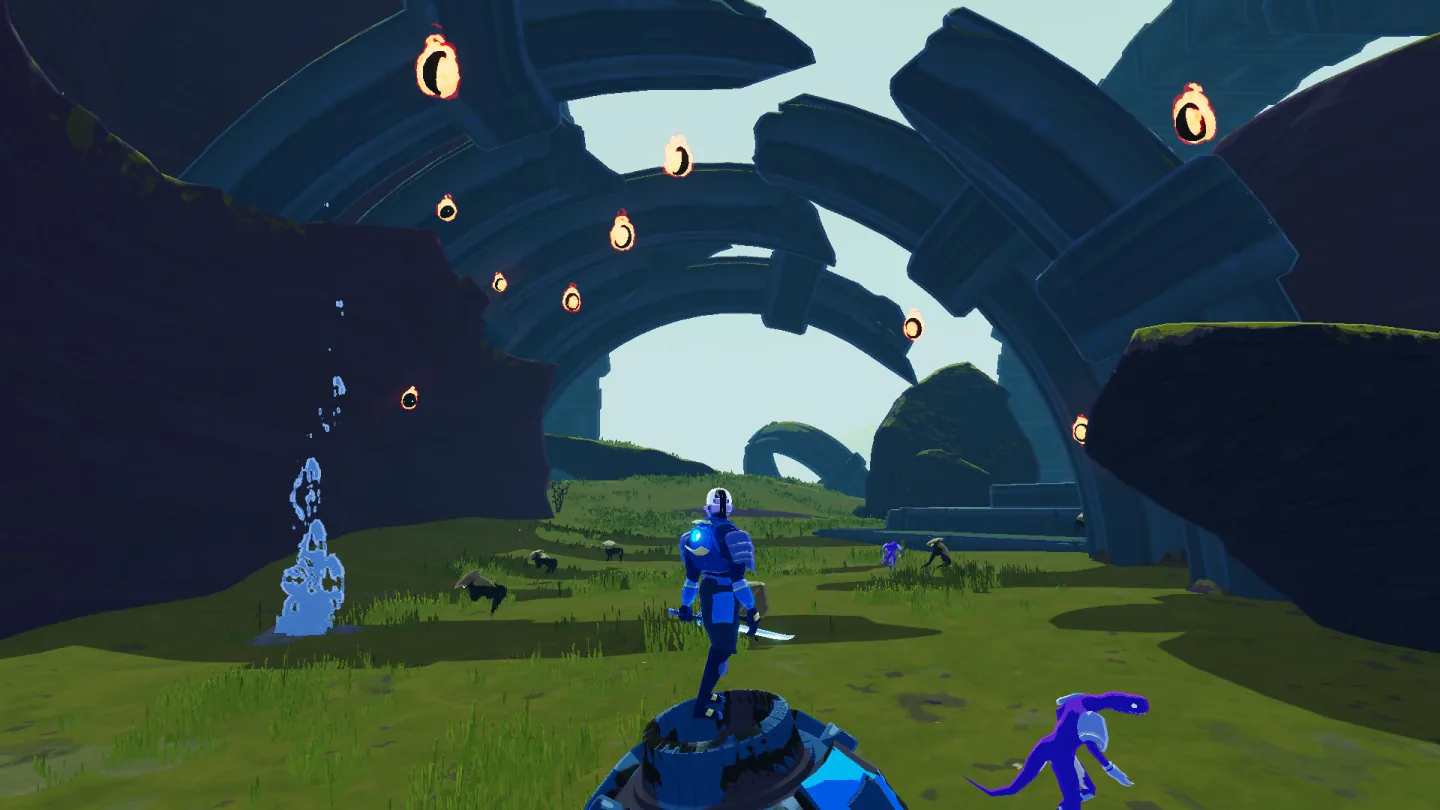
Cooperative and competitive runs
Participants share roles, resources and risks within a run or compare results under shared rules.
Risk of Rain 2 ↗Run difficulty and challenges
Additional rules change the demands of a run. The player sees restrictions in advance and chooses an appropriate challenge.
Monster Train ↗Classic roguelike systems
Food, pets, remains of earlier heroes and voluntary restrictions add interconnected challenges within a run.
NetHack (menucolors) ↗Structure of the world and routes
Connected areas, forks and shortcuts create a network for exploration and return visits.
Hollow Knight ↗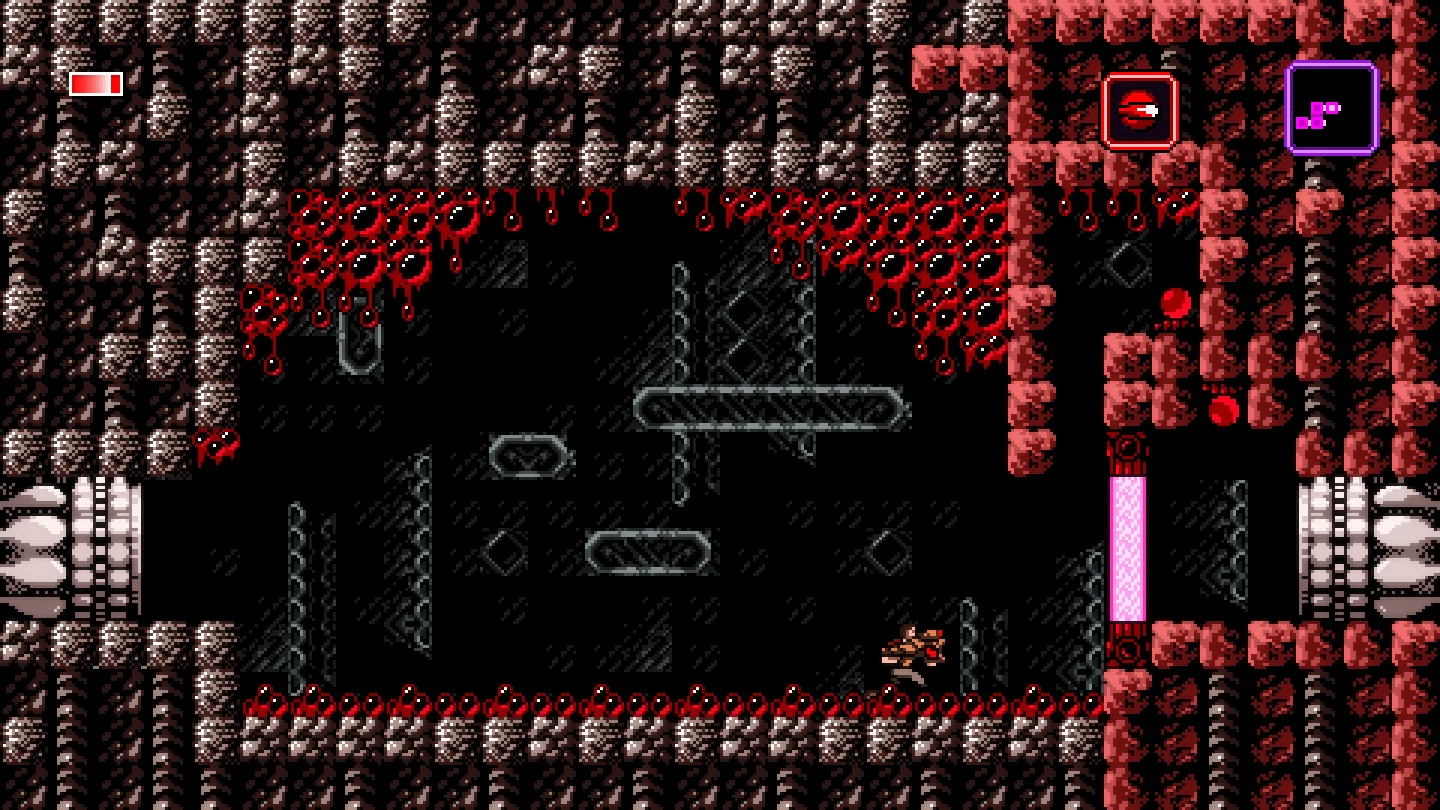
Access conditions and obstacles
A barrier tests an ability, state or piece of knowledge needed to access a new area.
Axiom Verge ↗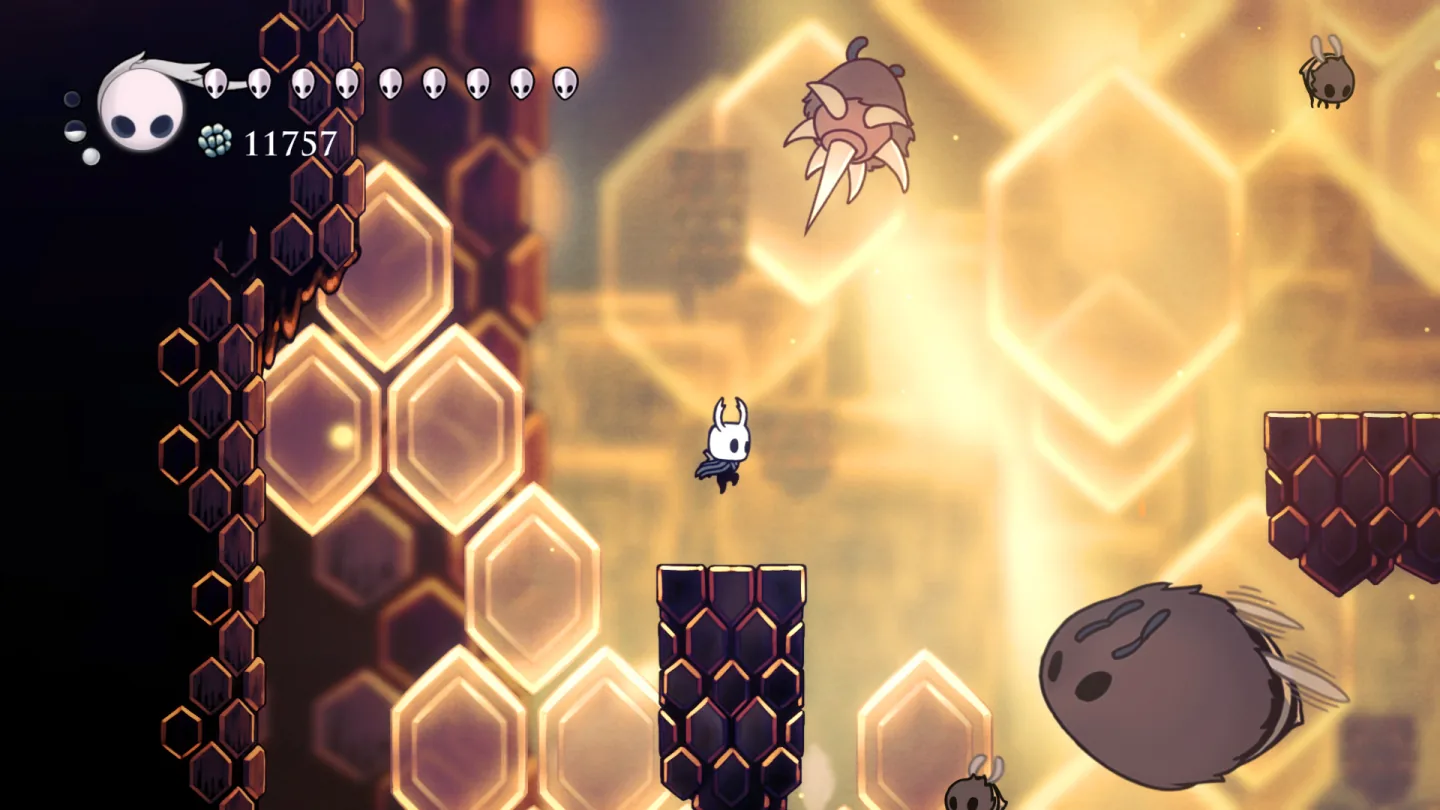
Ground movement and jumping
Running and jumping determine reachable platforms and the height and range of traversal.
Hollow Knight ↗Walls, ceilings and holds
Wall and ceiling surfaces become supports or routes when given the appropriate action.
Tomb Raider III (1998) ↗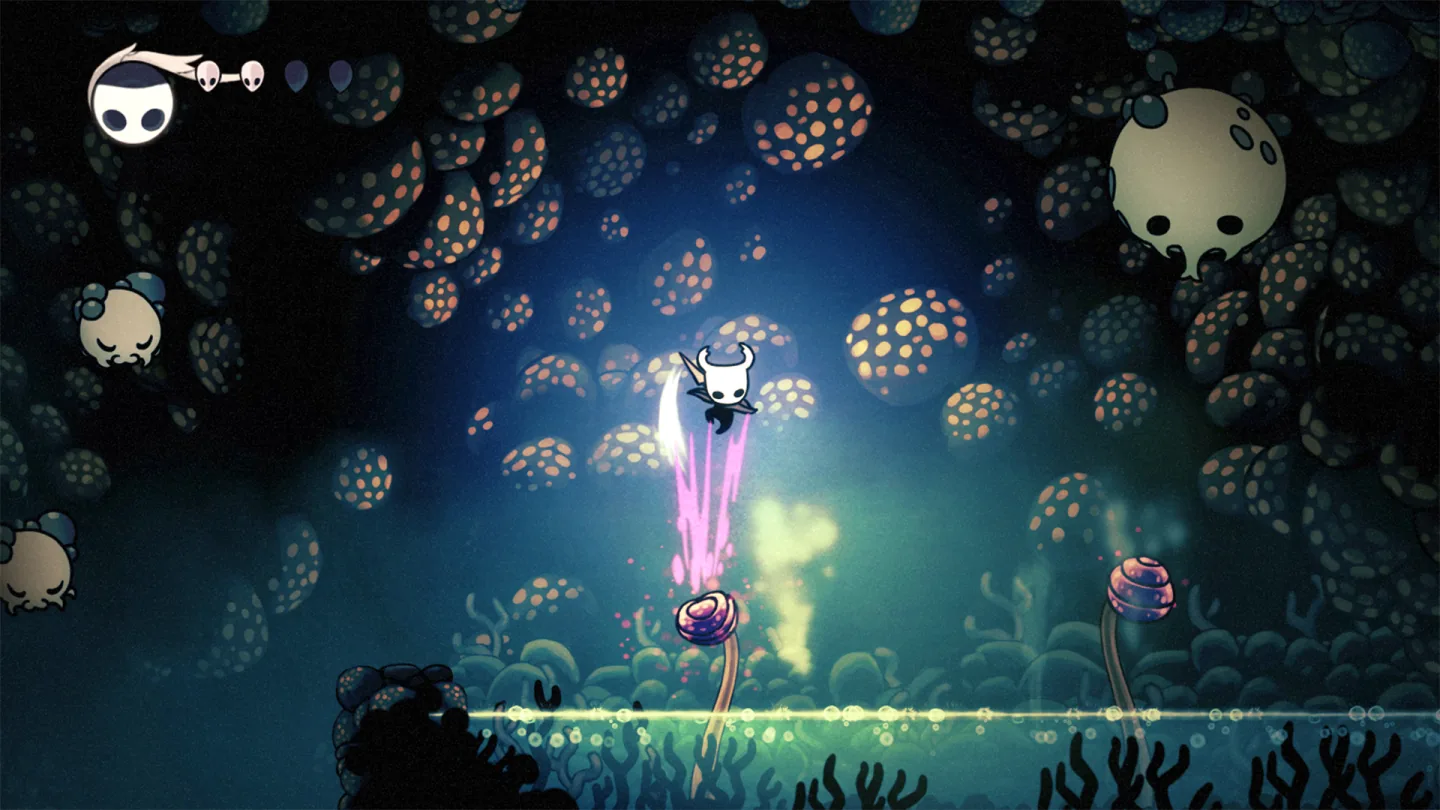
Momentum and environmental traversal
Action momentum and environmental objects help the player reach new positions.
Hollow Knight ↗Forms, bodies and companions
Changing the shape, body or controlled satellite gives different sizes, properties and methods of interaction.
Subnautica ↗Water and hazardous environment
Water and hazardous environments change movement, protection requirements and safe exposure time.
Subnautica ↗Impact on the environment
The player modifies objects and environments to reveal a route or new state of an area.
Spelunky ↗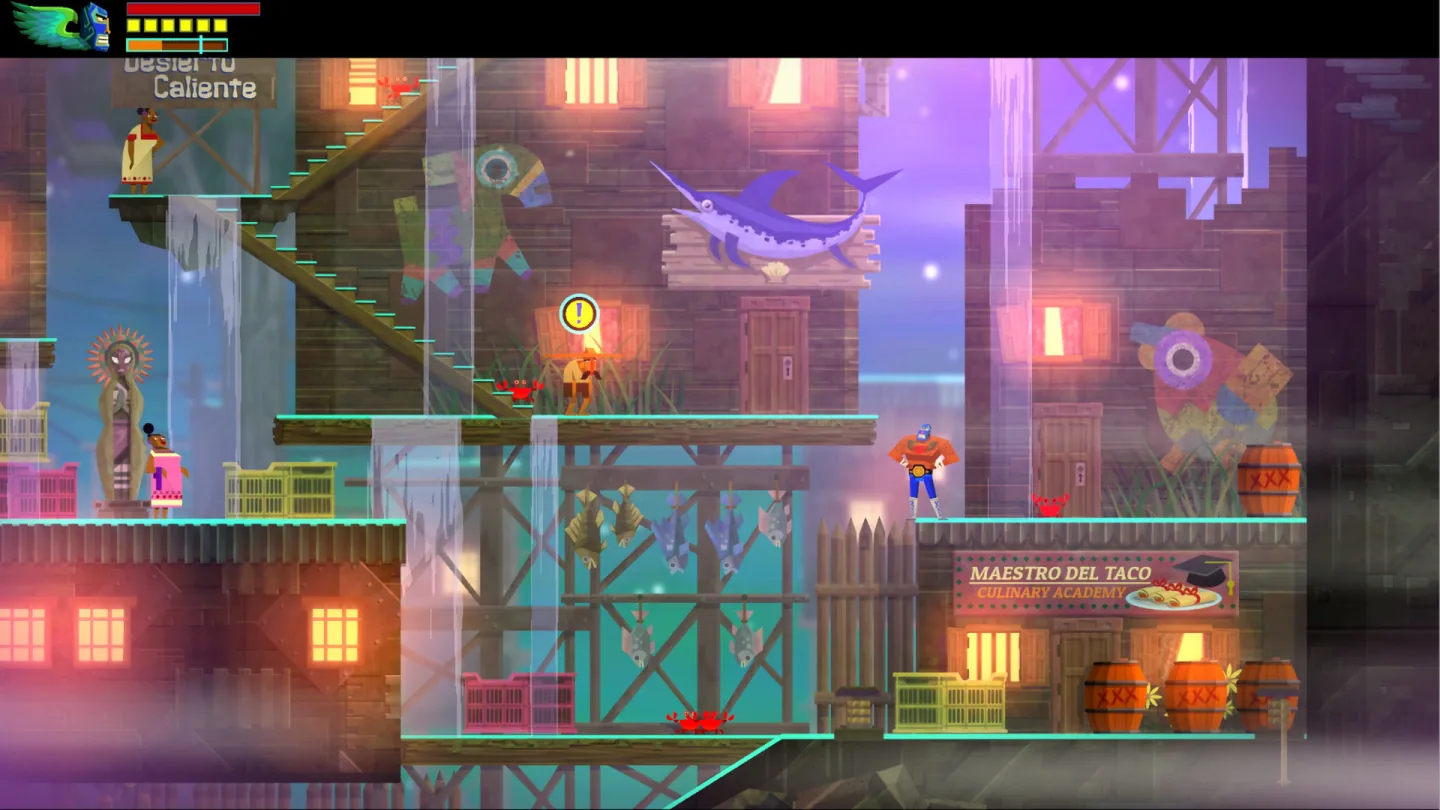
Space, time and layers of the world
Switching world layers, space or time changes available platforms, passages and solutions.
Guacamelee! Super Turbo Championship Edition ↗Perception Tools and Puzzles
Observation tools reveal hidden properties and allow you to check puzzle solutions.
Deus Ex: Mankind Divided (2016) ↗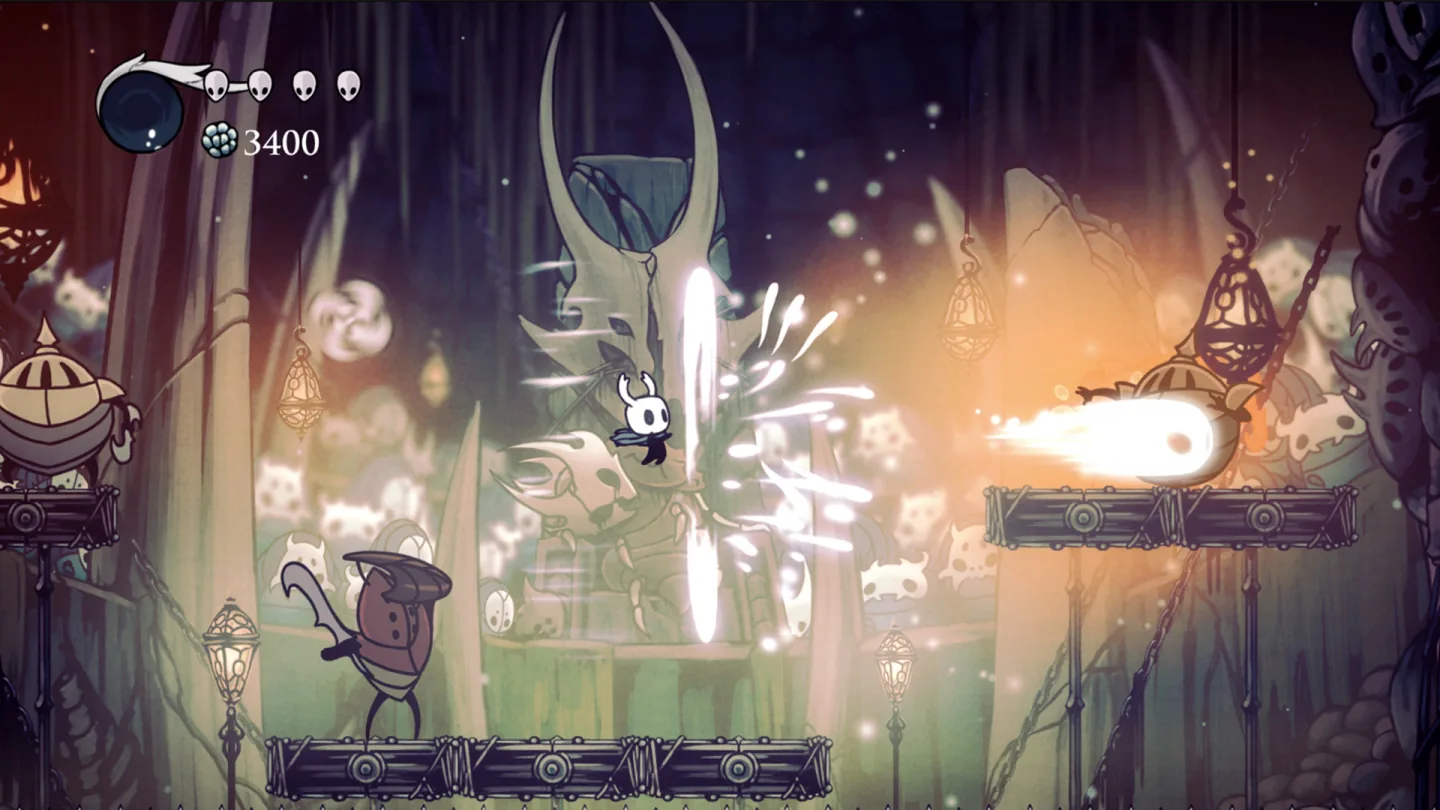
Health, energy and the price of action
Health and energy limit available actions, healing and exploration between safe points.
Hollow Knight ↗Progression and character builds
Found upgrades expand the character’s abilities. Limits on simultaneous use encourage a set tailored to a chosen play style.
Hollow Knight ↗Saving and returning
Checkpoints and transport determine the cost of returning. Failure repeats a section of the route, while opened shortcuts make that section shorter.
Hollow Knight ↗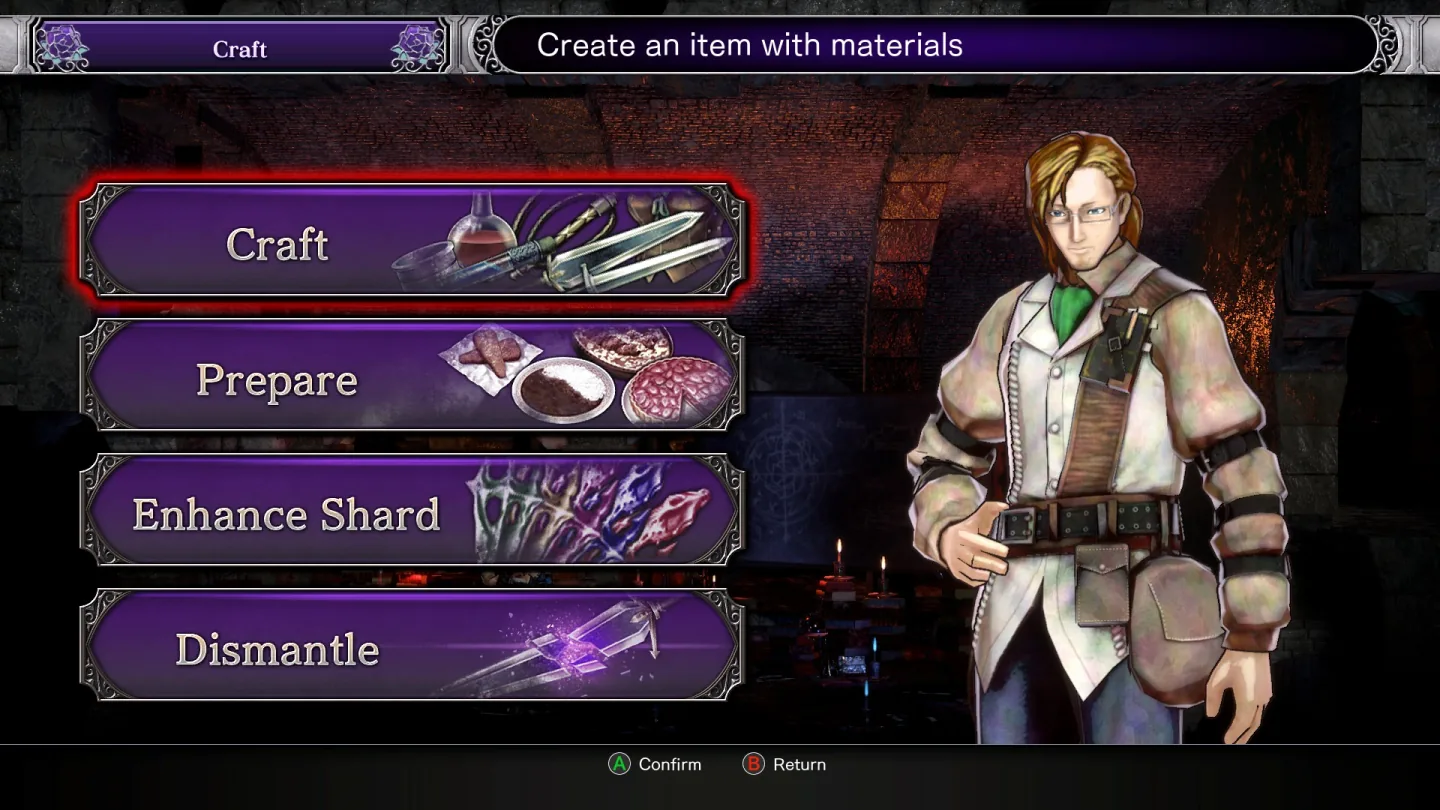
Economy, loot and crafting
Loot, trade and crafting turn exploration rewards into new character capabilities.
Bloodstained: Ritual of the Night ↗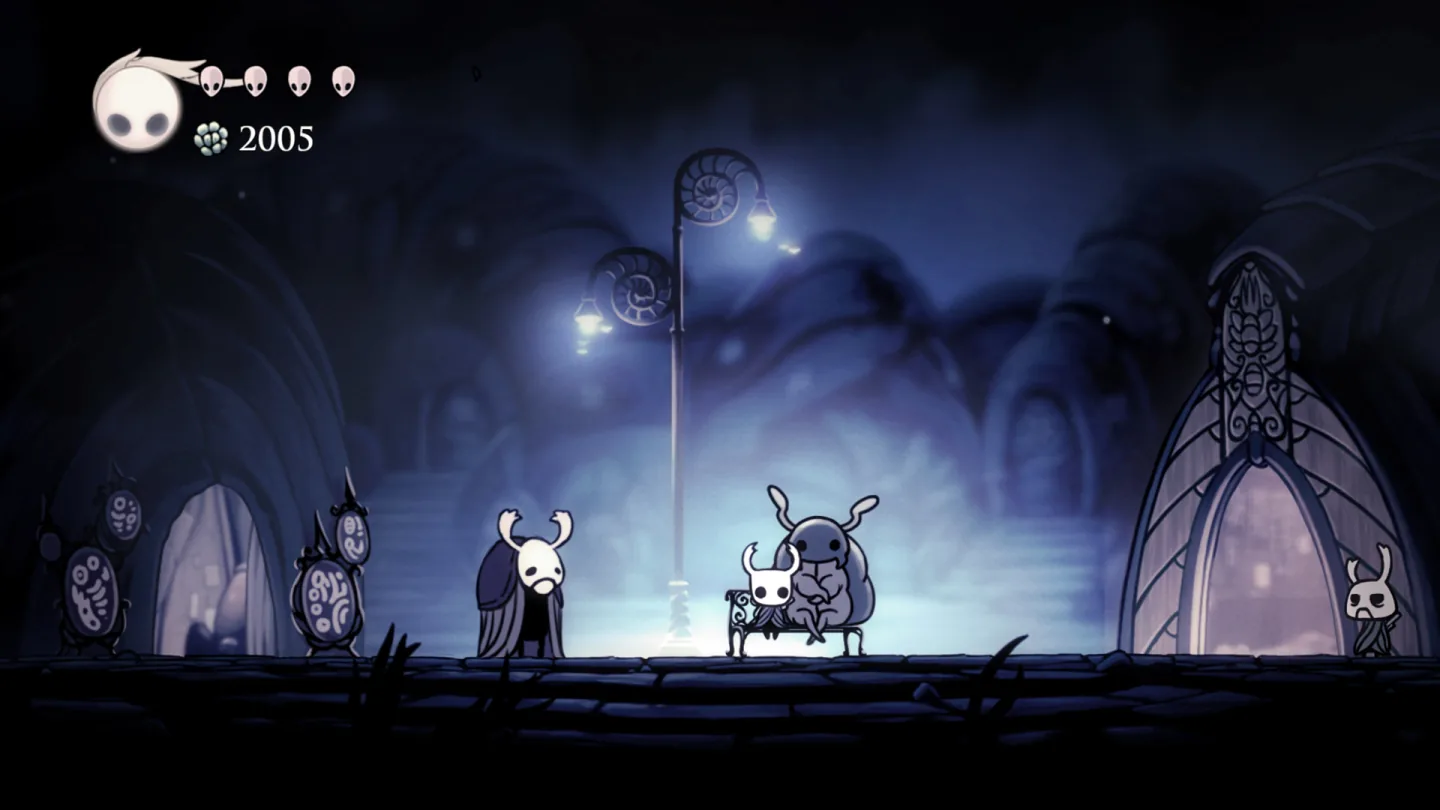
NPCs, quests and world state
Conversations, quests and world changes create access conditions and consequences for player actions.
Hollow Knight ↗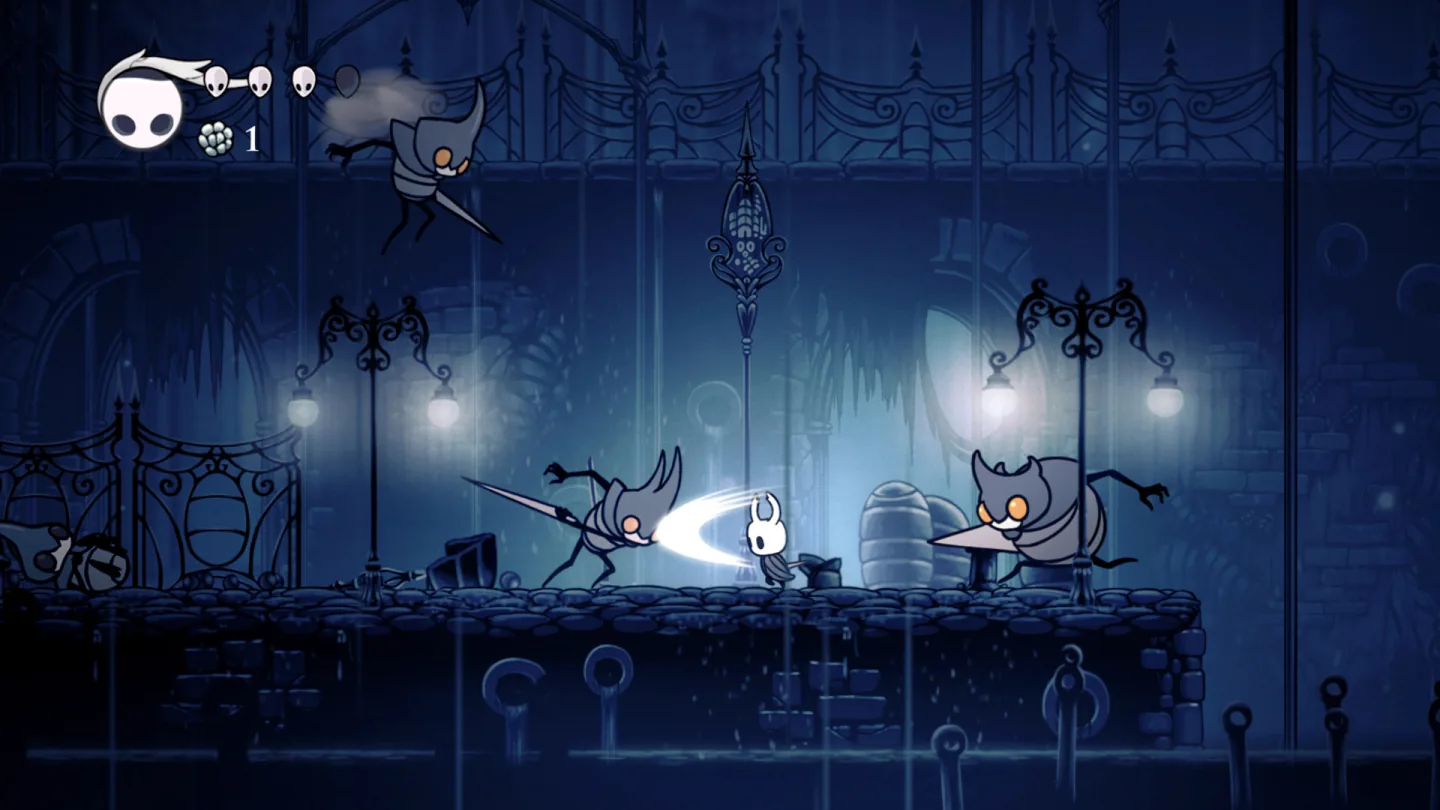
Melee
Melee attacks use position, timing and weapon properties to overcome nearby threats.
Hollow Knight ↗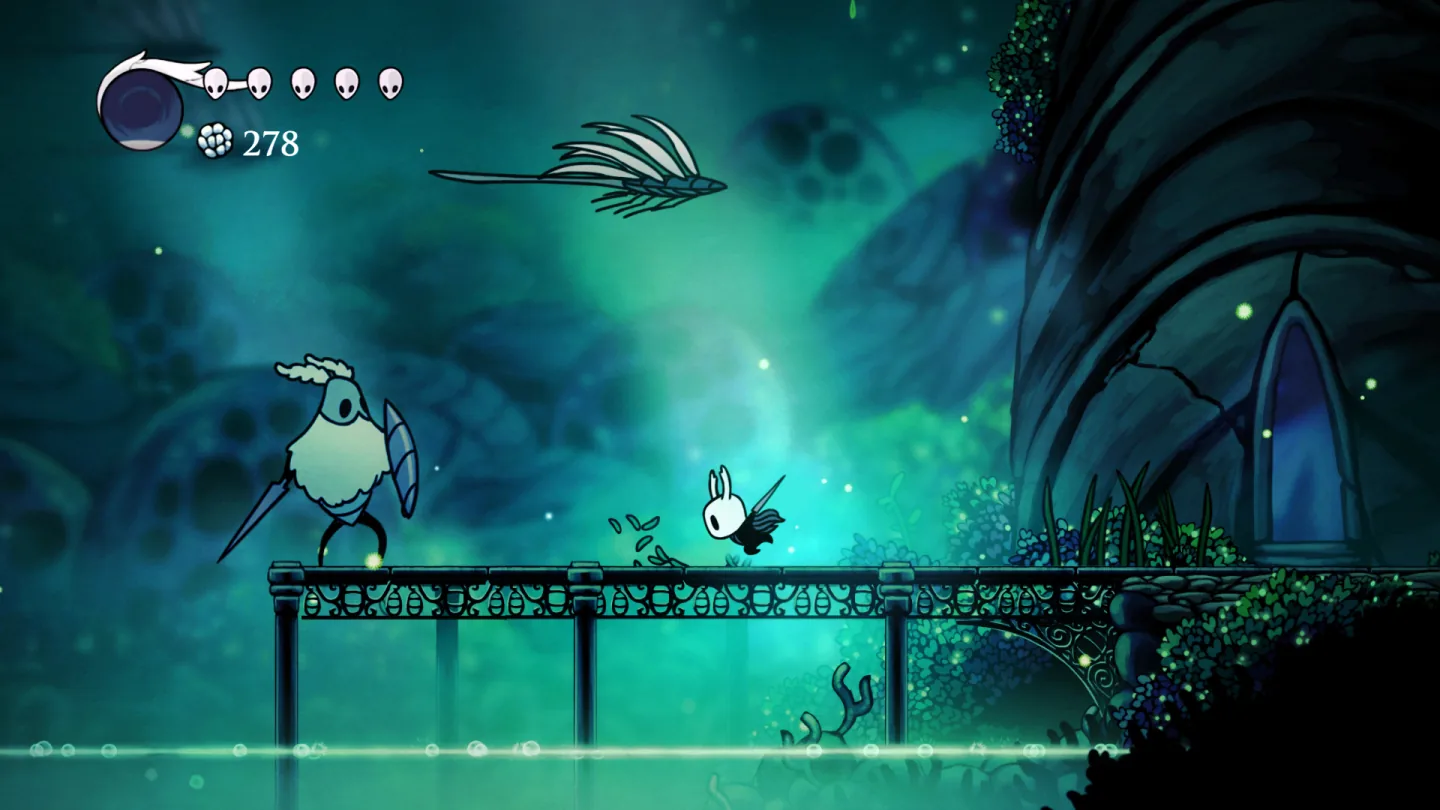
Ranged combat and magic
Projectiles and magic let the player affect distant targets and world elements.
Hollow Knight ↗Defense and threat management
Defensive actions and stealth reduce threats, prevent damage or help avoid encounters.
Hollow Knight ↗Enemies and combat encounters
Enemy composition, placement and behaviour determine the conditions of each local encounter.
Hollow Knight ↗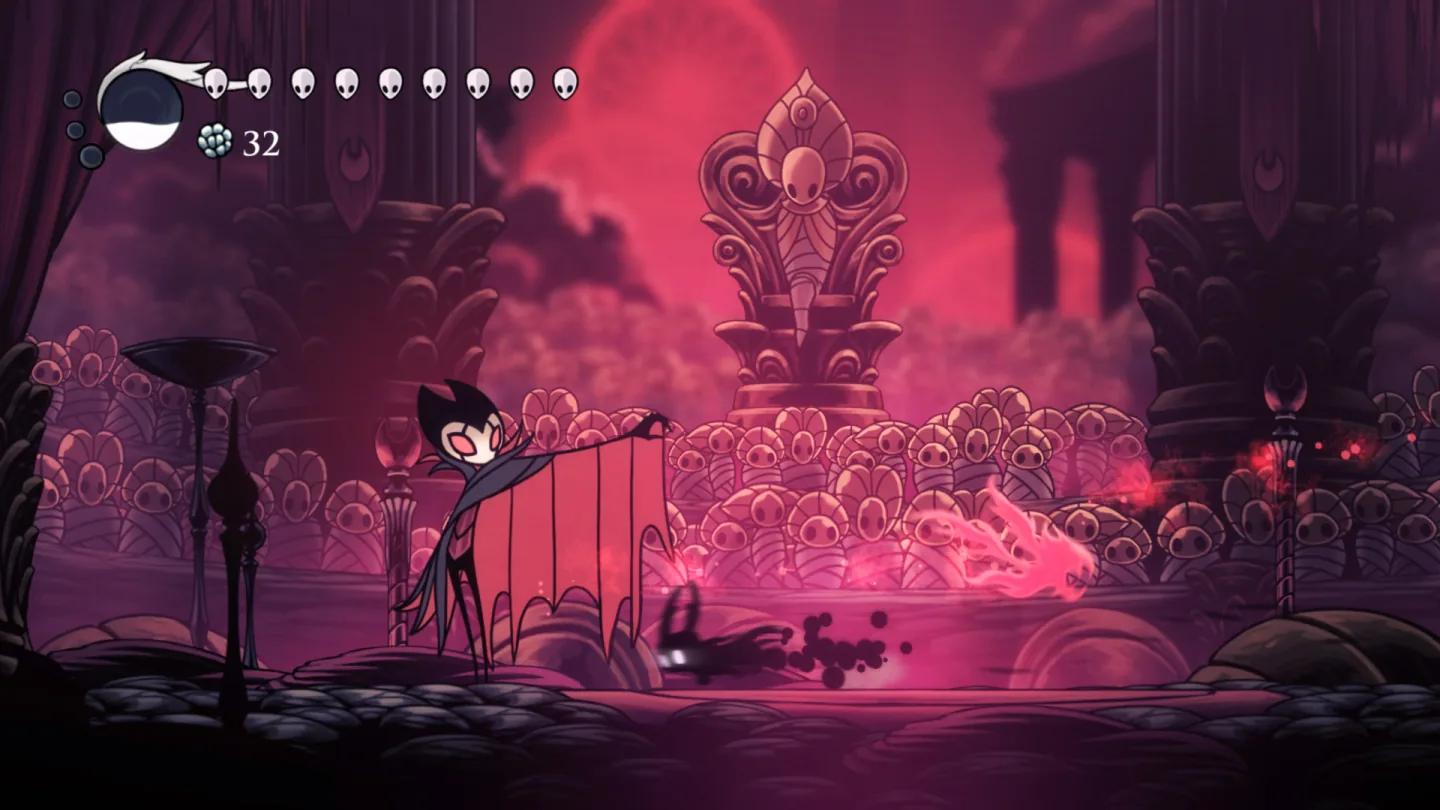
Bosses and Major Challenges
A major enemy tests learned actions and connects mastery to access to the next stage.
Hollow Knight ↗Exploration and secrets
Observation, experimentation, and returning to known locations reveal hidden areas and rewards.
Hollow Knight ↗Maps and navigation
A map connects rooms, passages and landmarks. The player compares their position with known routes and chooses where to return or explore next.
Hollow Knight ↗Additional challenges and completion
Optional objectives and additional modes test skill and provide different ways to complete.
Hollow Knight ↗Hybrid systems
Systems from other genres change character growth, exploration structure and ways to overcome obstacles.
Bloodstained: Ritual of the Night ↗Controls and onboarding
Prompts, onboarding and control settings help players learn actions and accommodate their limitations.
Hollow Knight ↗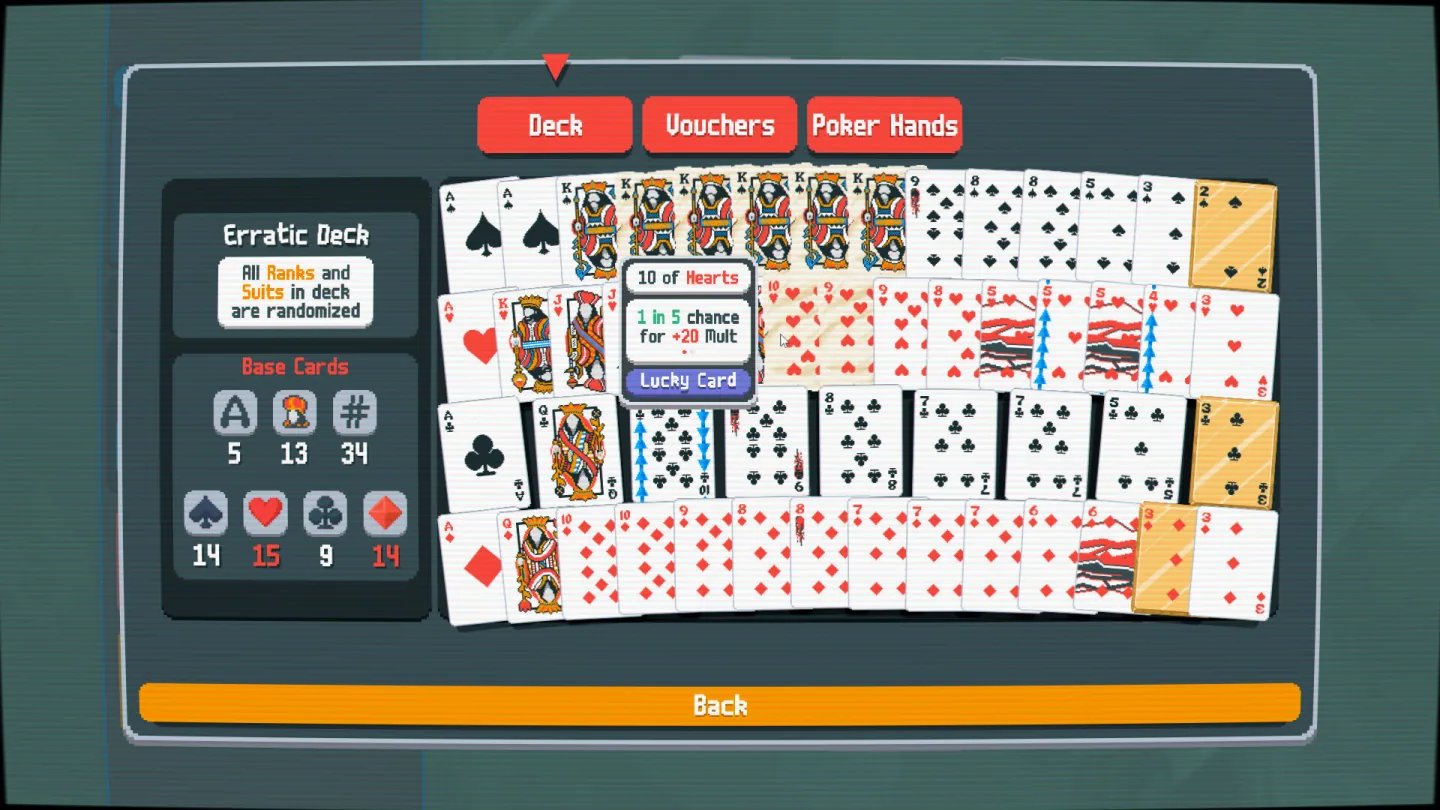
Starting conditions and deck structure
The starting deck defines available cards, draw probabilities and constraints on future strategy.
Balatro ↗The cost of changing a deck
Buying, removing and otherwise changing cards compete for a shared resource. The player weighs a card’s benefit against the alternatives it costs.
Slay the Spire ↗Removing cards
A card can leave play for a turn, a combat or the entire run. Removing it changes the frequency of useful draws and the cost of future choices.
Slay the Spire ↗Upgrading cards
An individual card gains power or a new property. Upgrading changes its role in the deck and competes with other uses of progression resources.
Slay the Spire ↗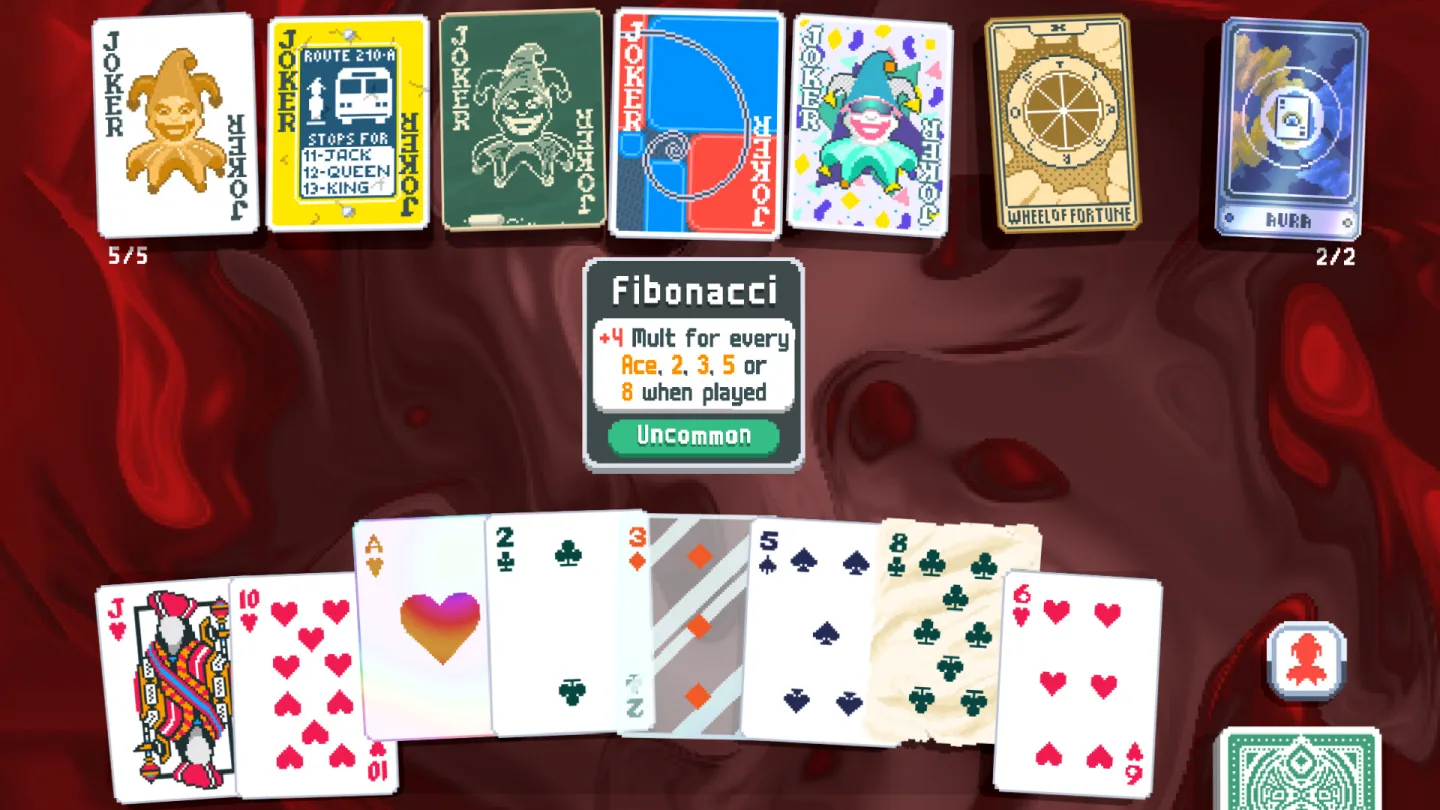
Timing, triggers and sequences
Effects depend on trigger events, resolution order and which cards have already been played.
Balatro ↗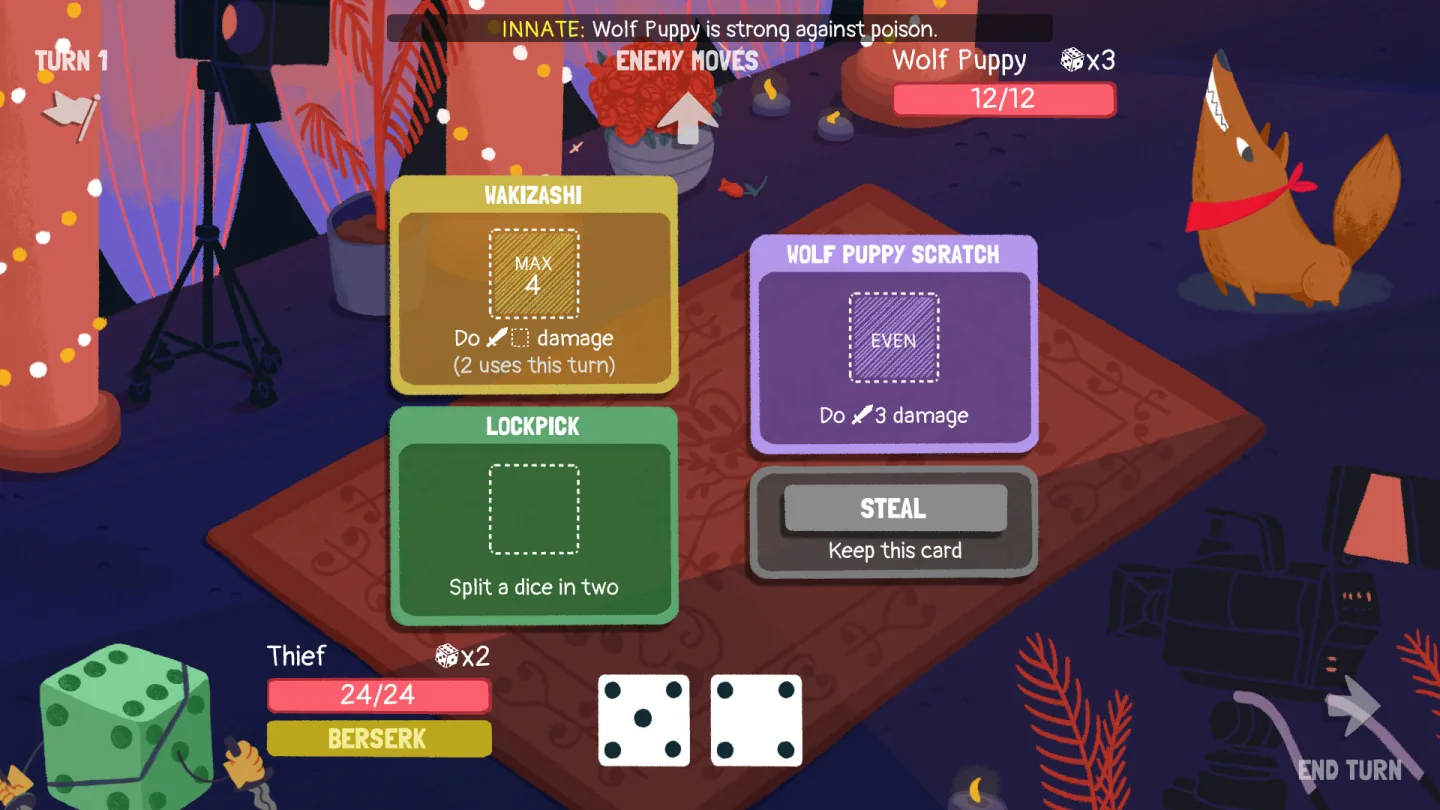
Copying and generating cards
New instances, temporary tools and re-applying effects.
Dicey Dungeons ↗Synergies and deck composition
Cards and modifiers reinforce each other with a specific deck composition or action sequence.
Balatro ↗Permanents and hybrid systems
Cards create persistent objects, units or other systems that follow their own rules.
Monster Train ↗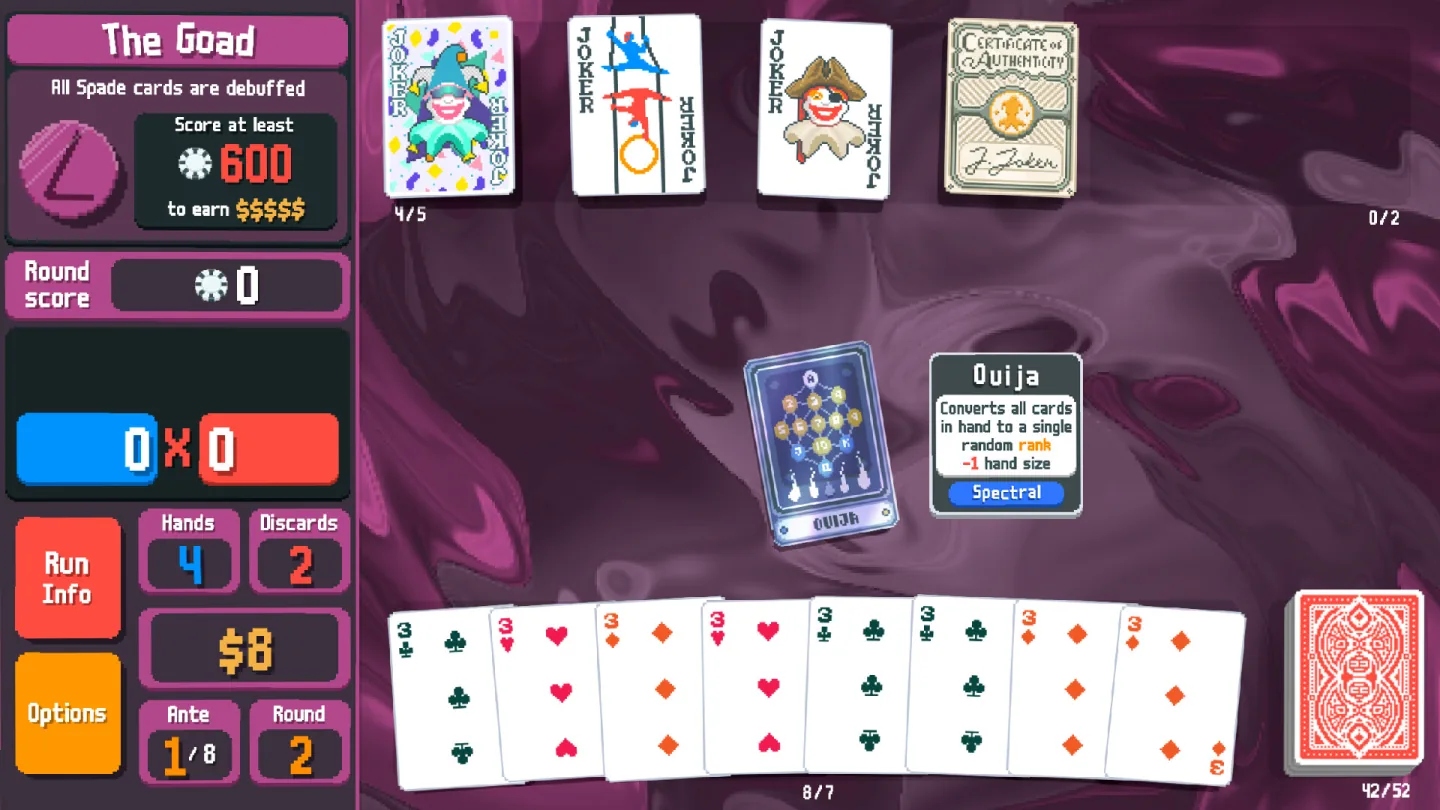
Deck interference and counterplay
Opponents restrict cards, disable properties or force players to revise their usual strategy.
Balatro ↗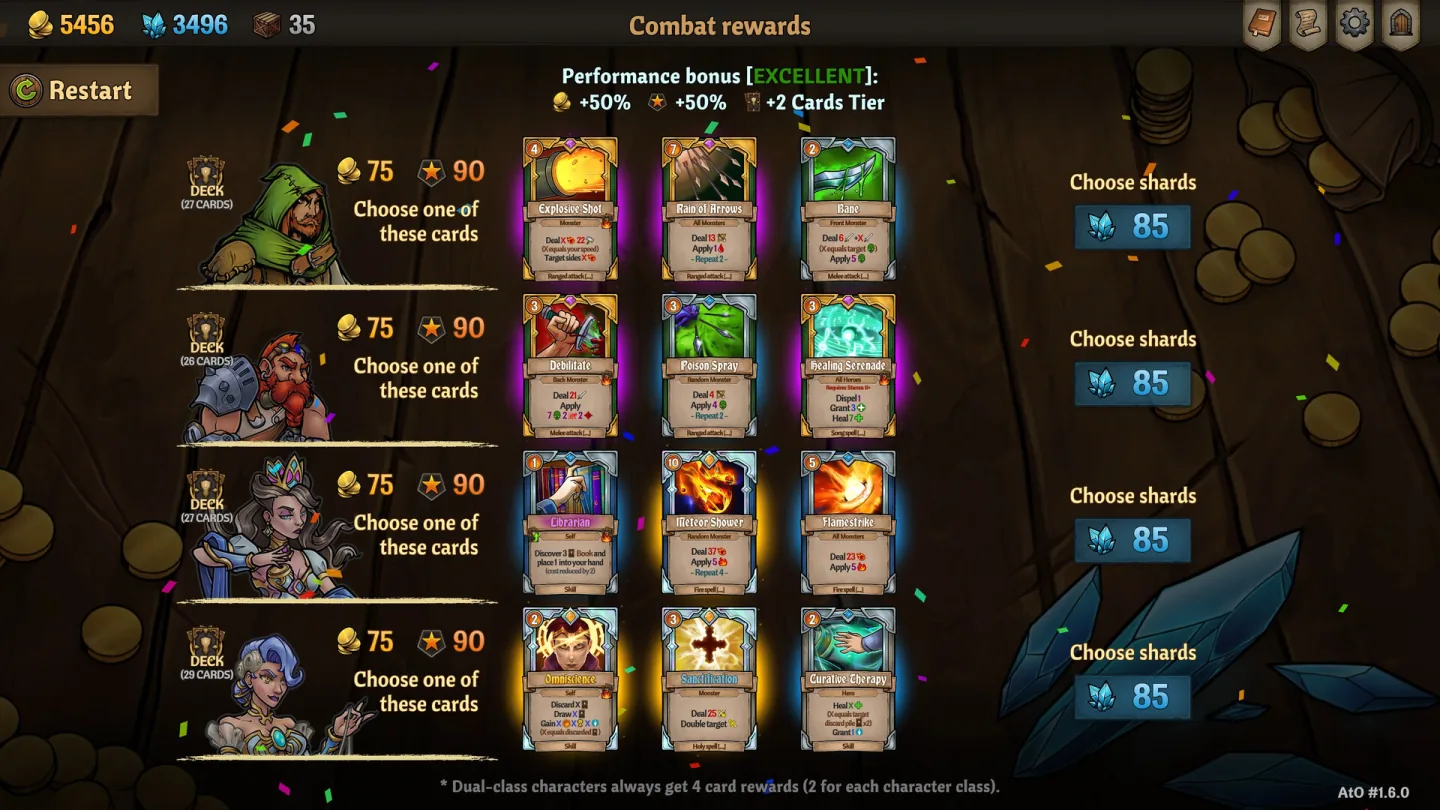
Cooperation and team deck building
The rules bind the development and use of decks of several participants.
Across the Obelisk ↗Routes, runs and metaprogression
The route and run rules determine when cards can be bought, acquired, upgraded or removed.
Monster Train ↗Card combat goals and tempo
A deck must meet the victory condition before defeat. The player shifts priorities between damage, defense and preparing future turns.
Slay the Spire ↗Action-adventure
Exploration combines with character-control challenges. Routes, obstacles and discoveries connect learning about the world with mastering its actions.
Rise of the Tomb Raider ↗Open-world exploration
The player chooses which area to visit next. Landmarks, unexplored places and resource information support a self-directed route.
Spiritfarer ↗Expeditions and returning to base
An expedition limits exploration by supplies and asks when to return with discoveries.
Hunt: Showdown 1896 ↗Archaeology and traces of the past
The player reconstructs the past from object placement, environmental layers and differences between traces.
No Man’s Sky ↗Treasure hunting and secrets
Secret hunting combines a clue, interpretation of a location and an action revealing a hidden reward.
Paper Trail ↗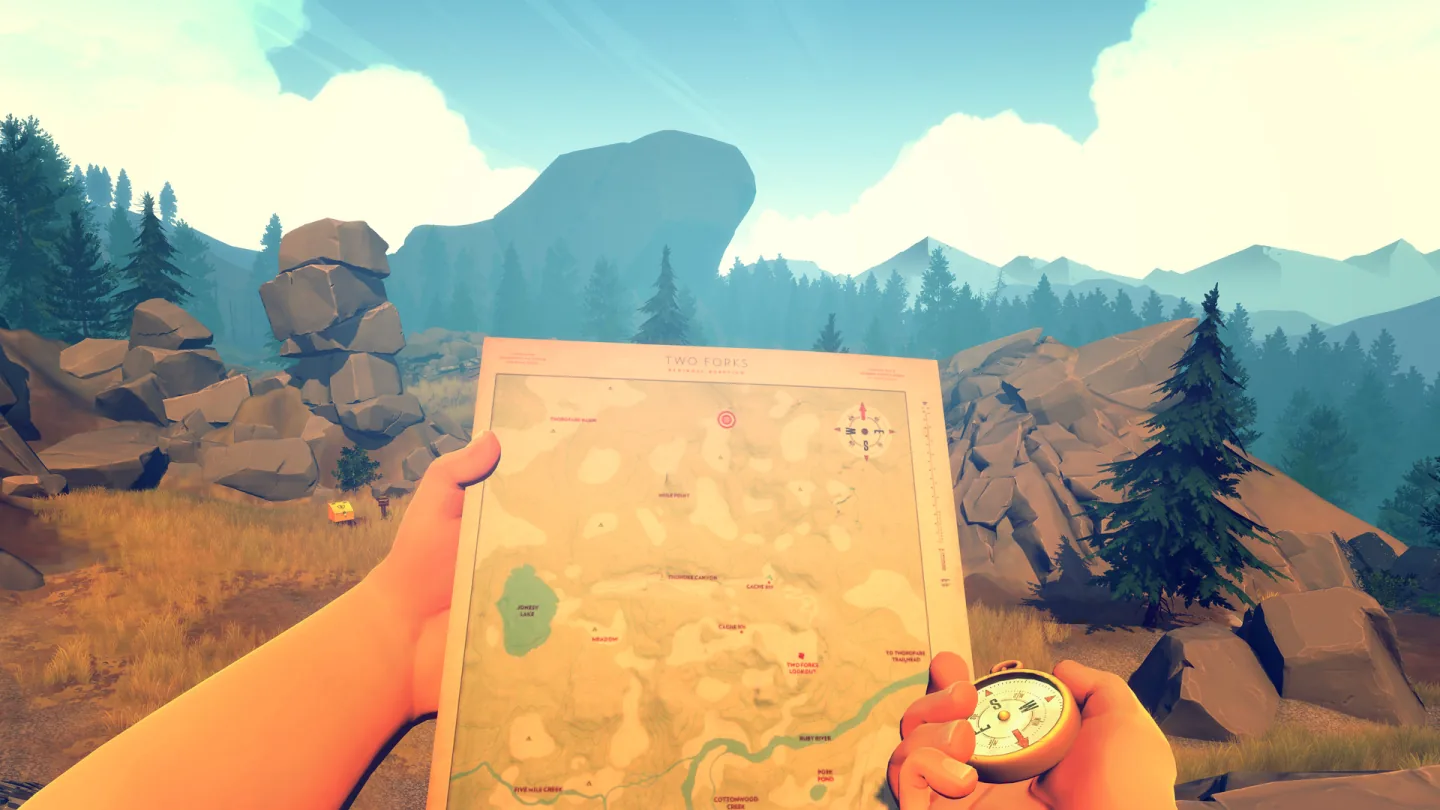
Exploration through observation
Observation and movement reveal events through environmental detail without requiring continuous combat or reflex tests.
Firewatch ↗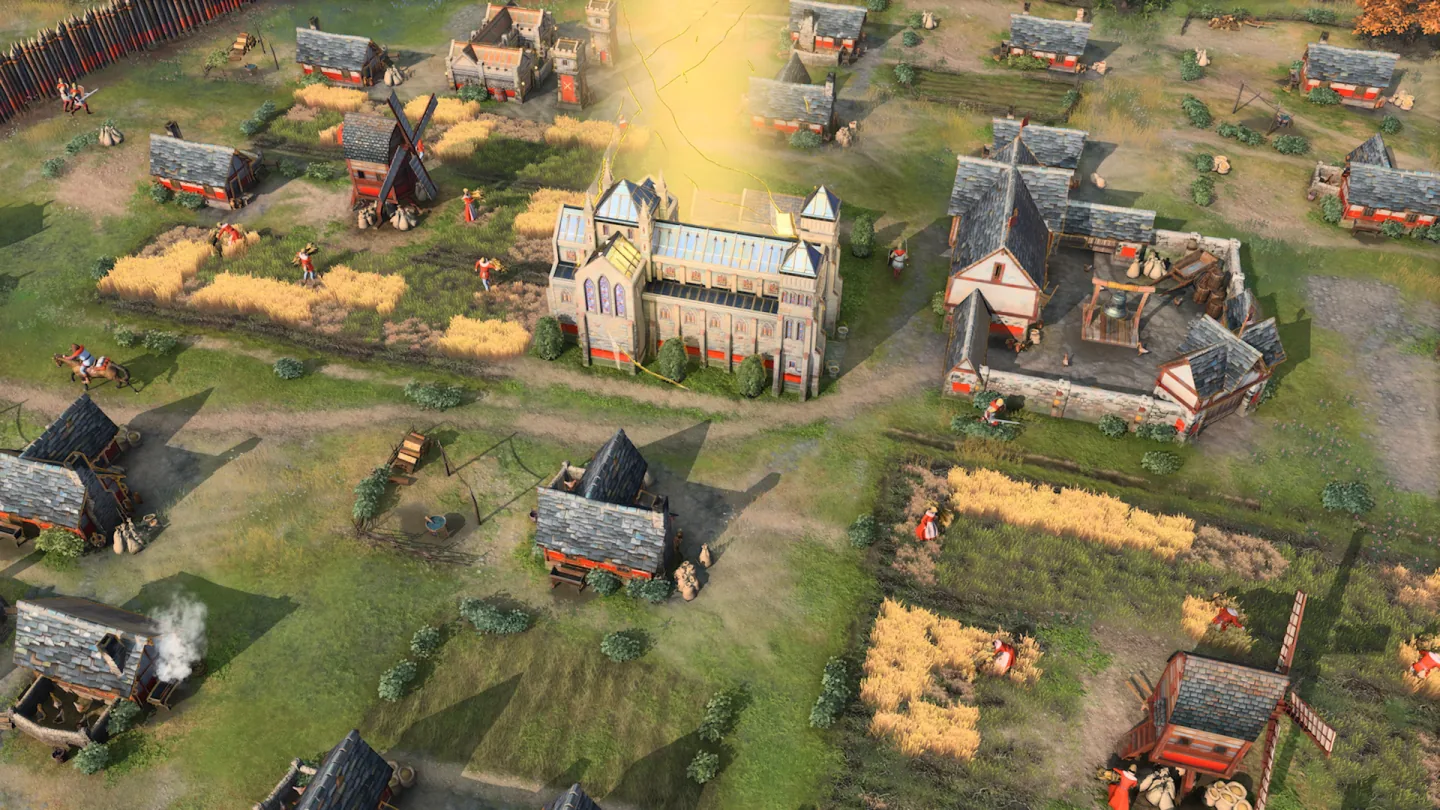
Real-time strategy
Commands execute continuously while attention is divided between economic growth, scouting and army control.
Age of Empires IV: Anniversary Edition ↗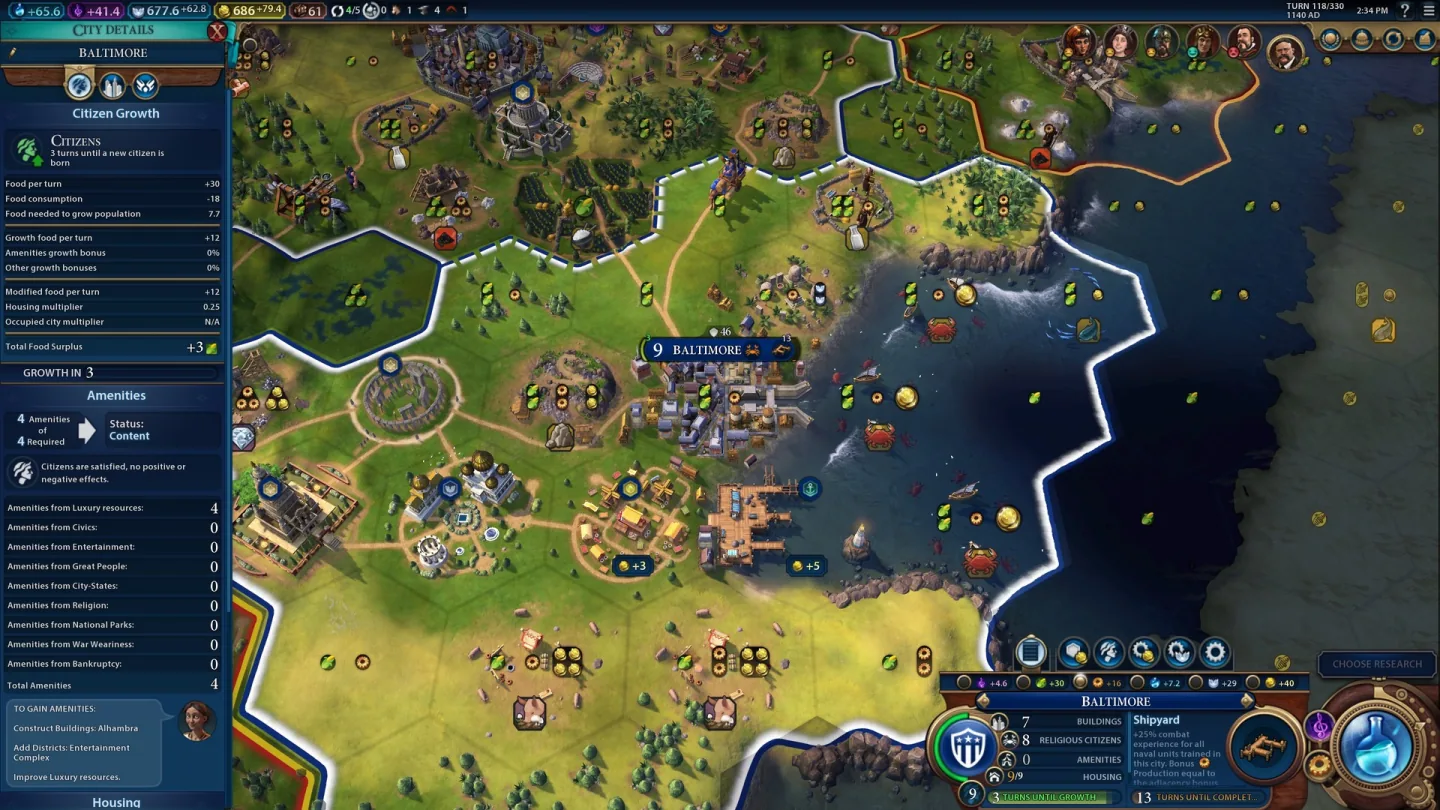
Turn-based strategy
Turns provide planning time while player order determines which world changes the next participant observes.
Sid Meier’s Civilization® VI ↗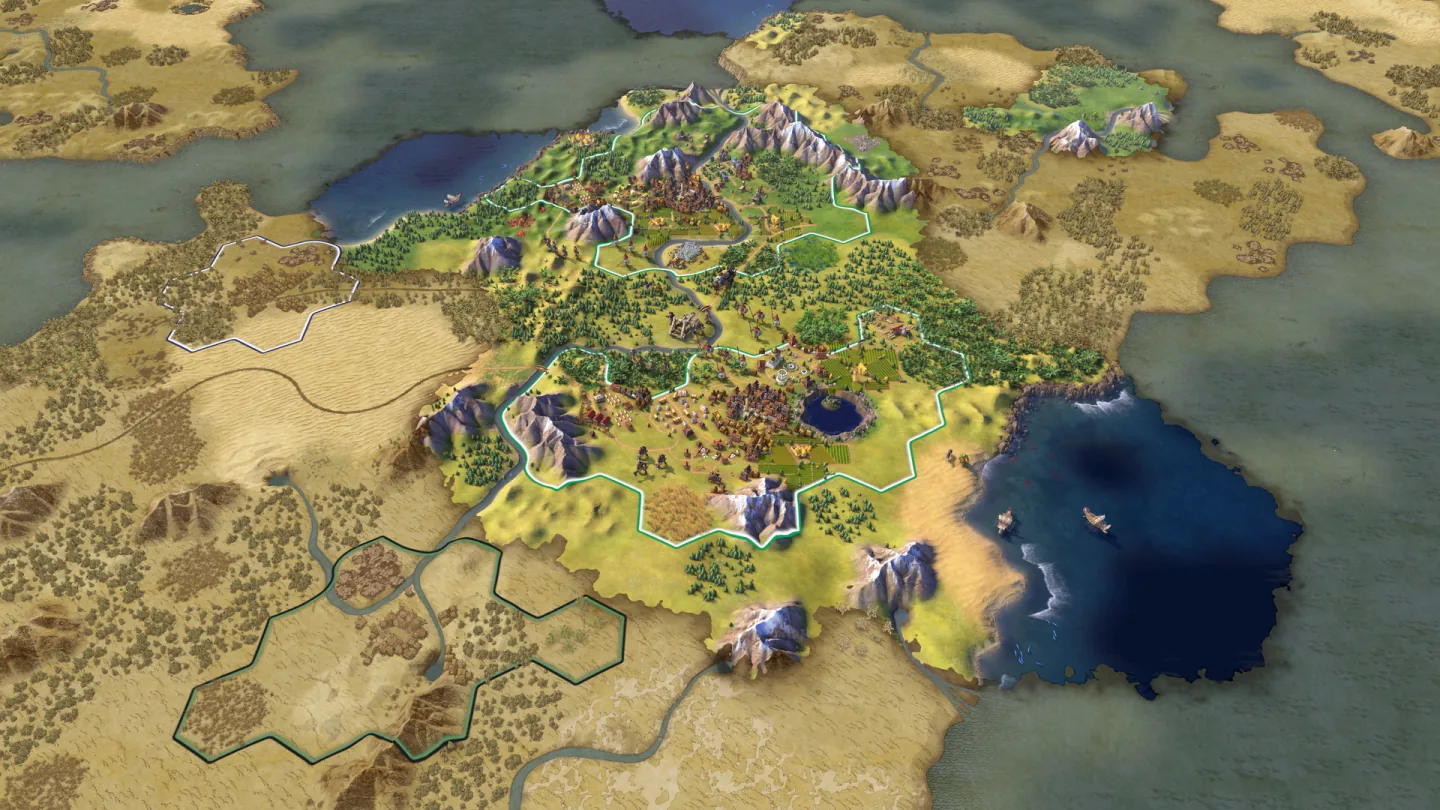
4X
Exploration, expansion, development and conflict connect multiple settlements into a long-term strategy.
Sid Meier’s Civilization® VI ↗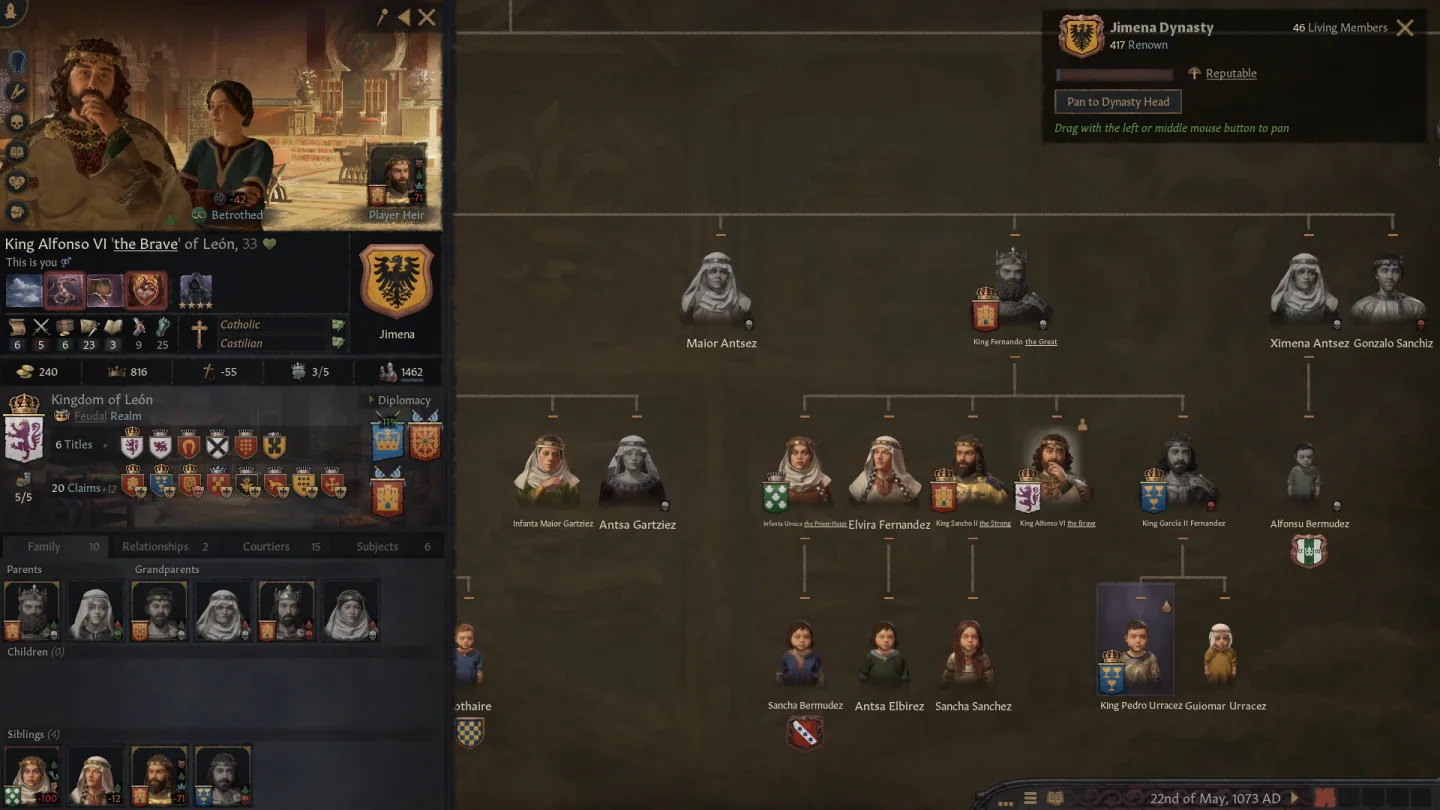
Grand strategy and dynasties
A long simulation connects territory, institutions and succession, turning personal relationships into strategic resources.
Crusader Kings III ↗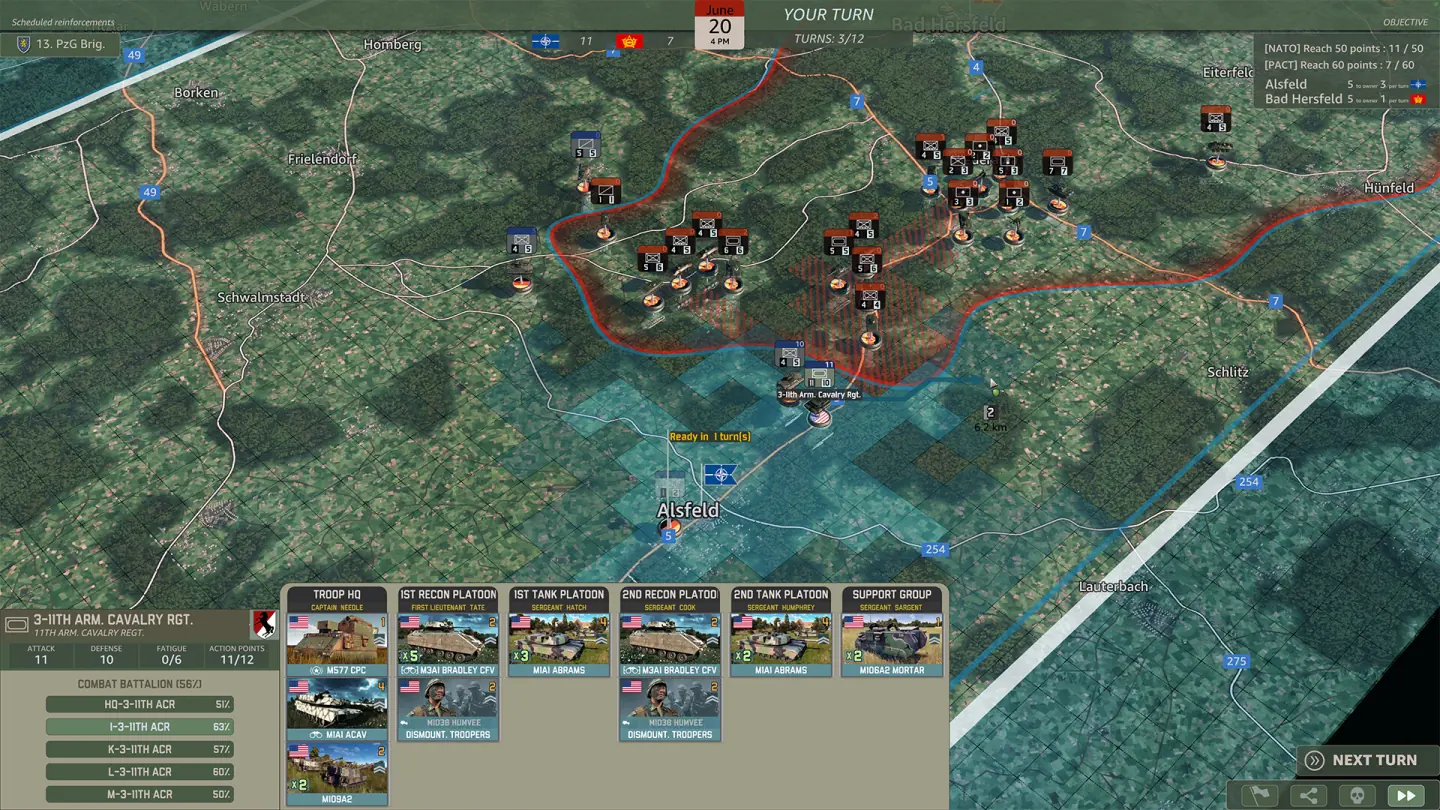
Operational planning
An operational plan connects formations, supply and timing, with combat testing whether the intended maneuver is feasible.
WARNO ↗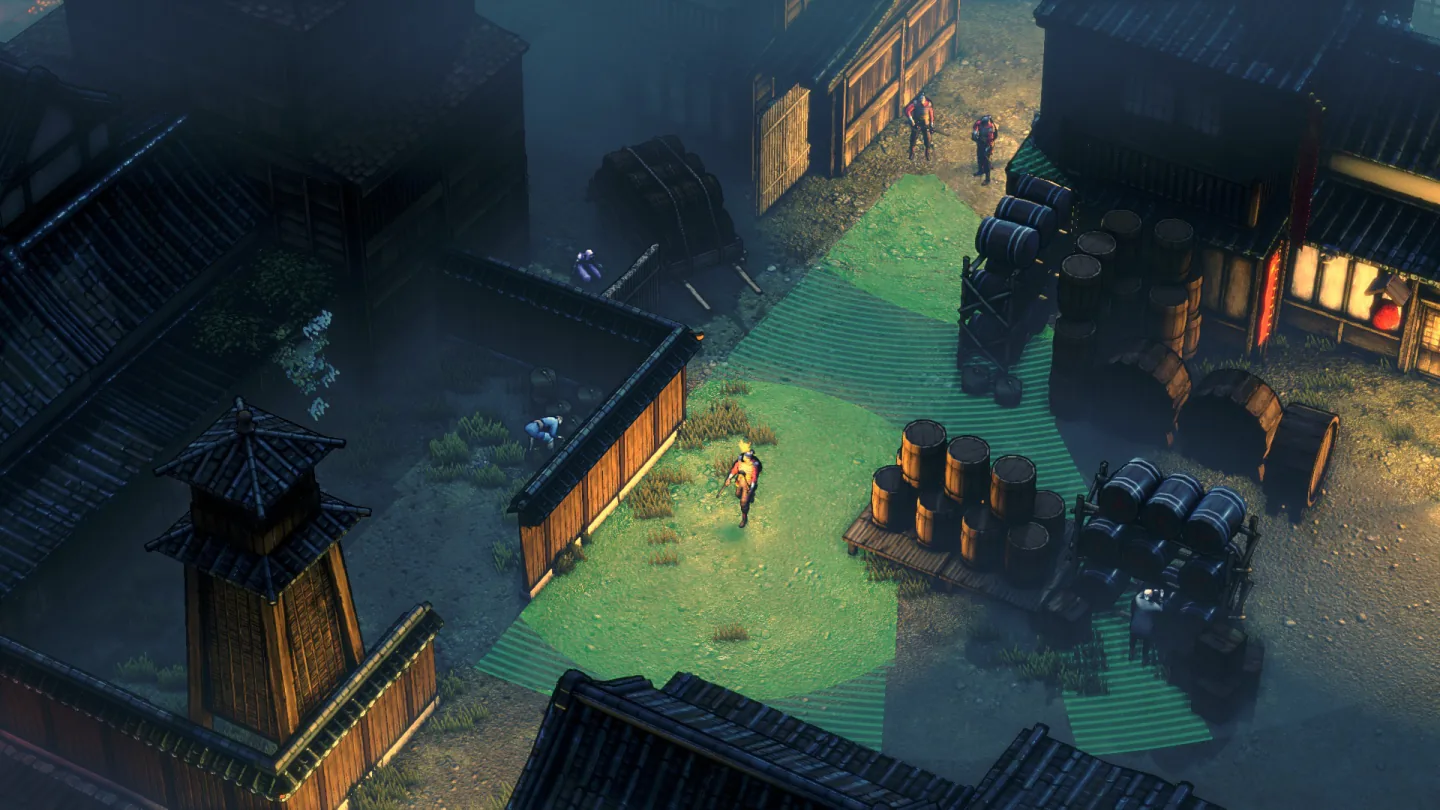
Command without base building
A limited roster completes objectives without a production base; losses change the options for later engagements.
Shadow Tactics: Blades of the Shogun ↗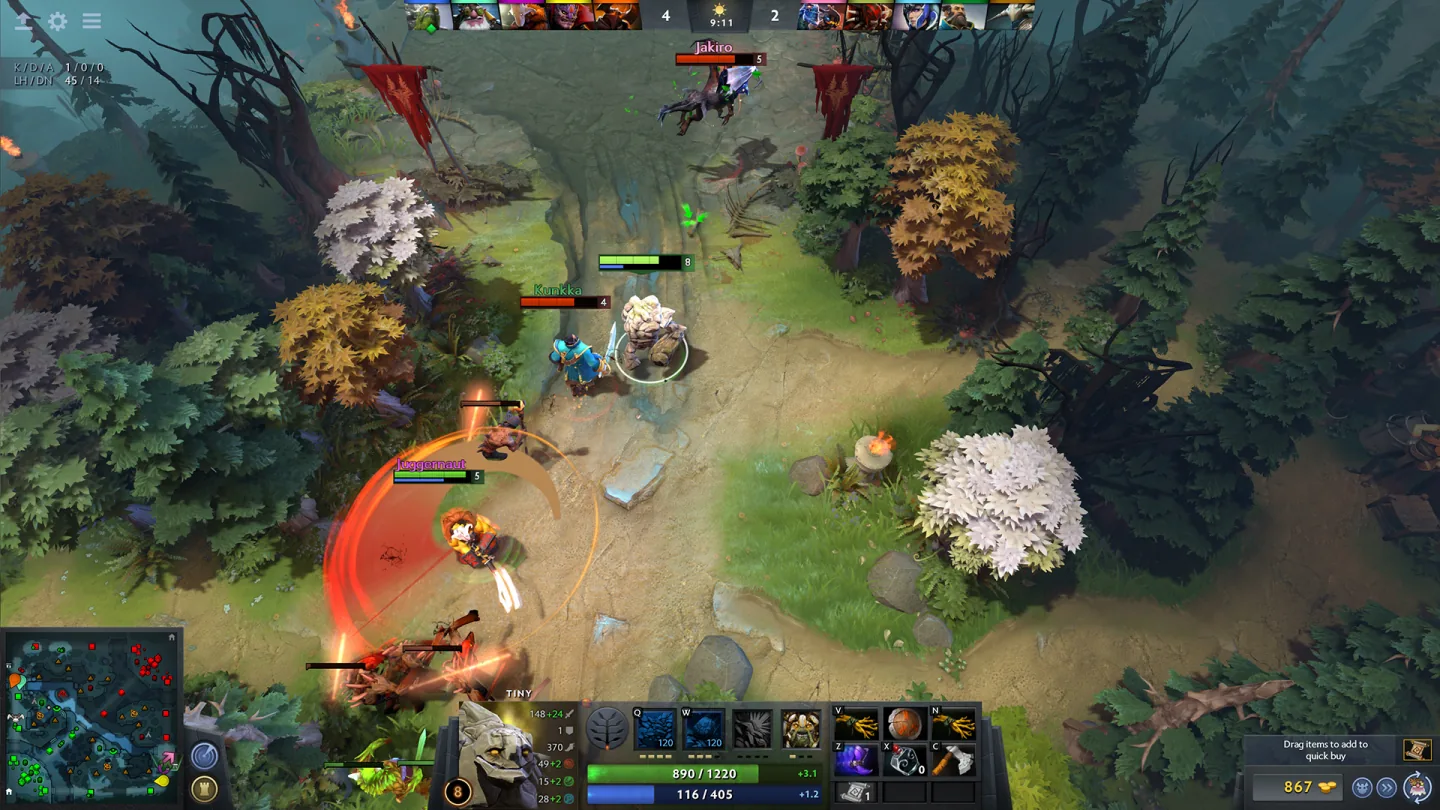
MOBAs and lane control
Heroes divide between lanes and shared objectives, converting local success into team-wide map advantage.
Dota 2 ↗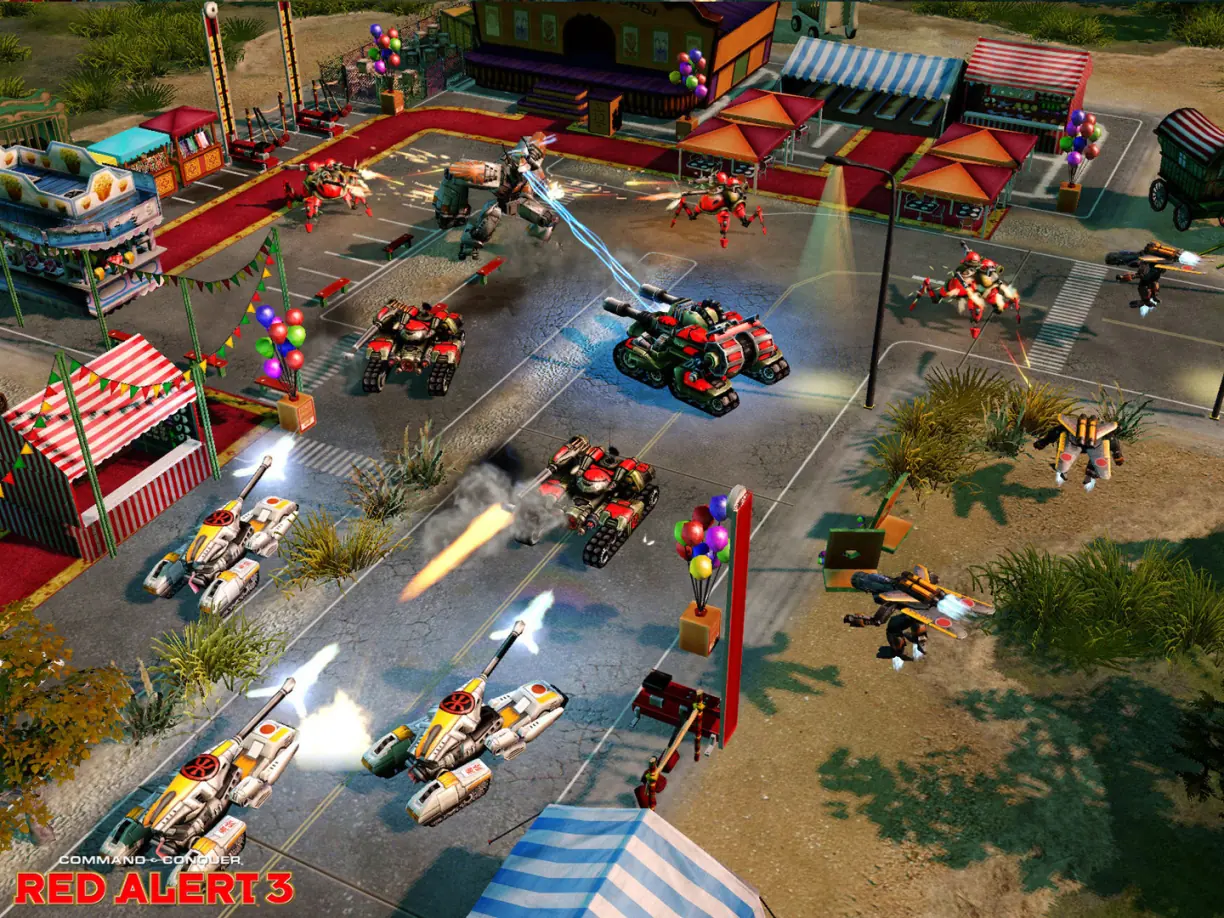
Asymmetric factions
Factions solve shared strategic problems through different systems; balance depends on comparable practical options.
Command & Conquer™ Red Alert™ 3 ↗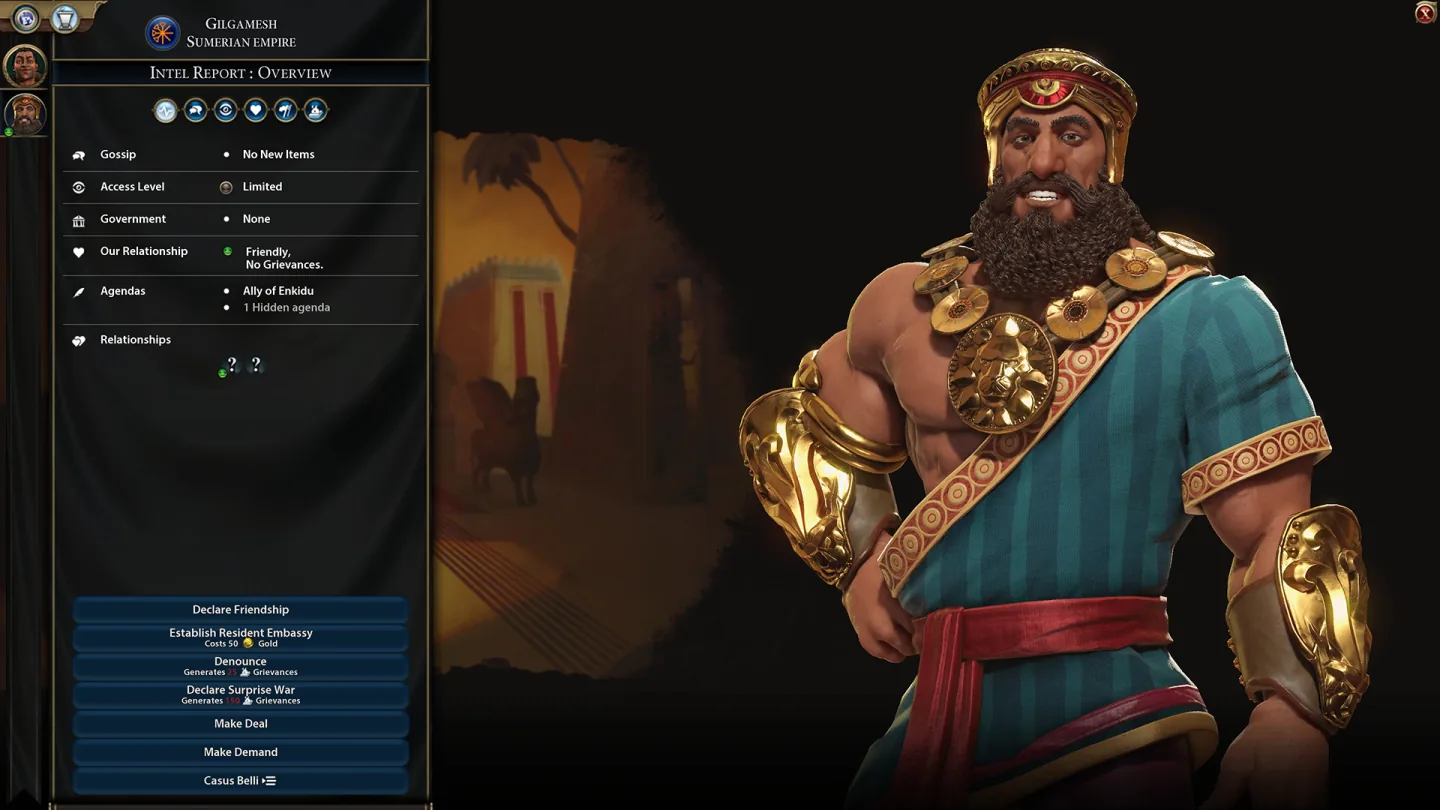
Diplomacy and international relations
Diplomacy uses promises, exchange and threats to change other powers' behavior without immediate combat.
Sid Meier’s Civilization® VI ↗Fog of war and reconnaissance
Hidden information requires acquiring, evaluating and updating intelligence instead of acting on a complete map.
Sid Meier’s Civilization® VI ↗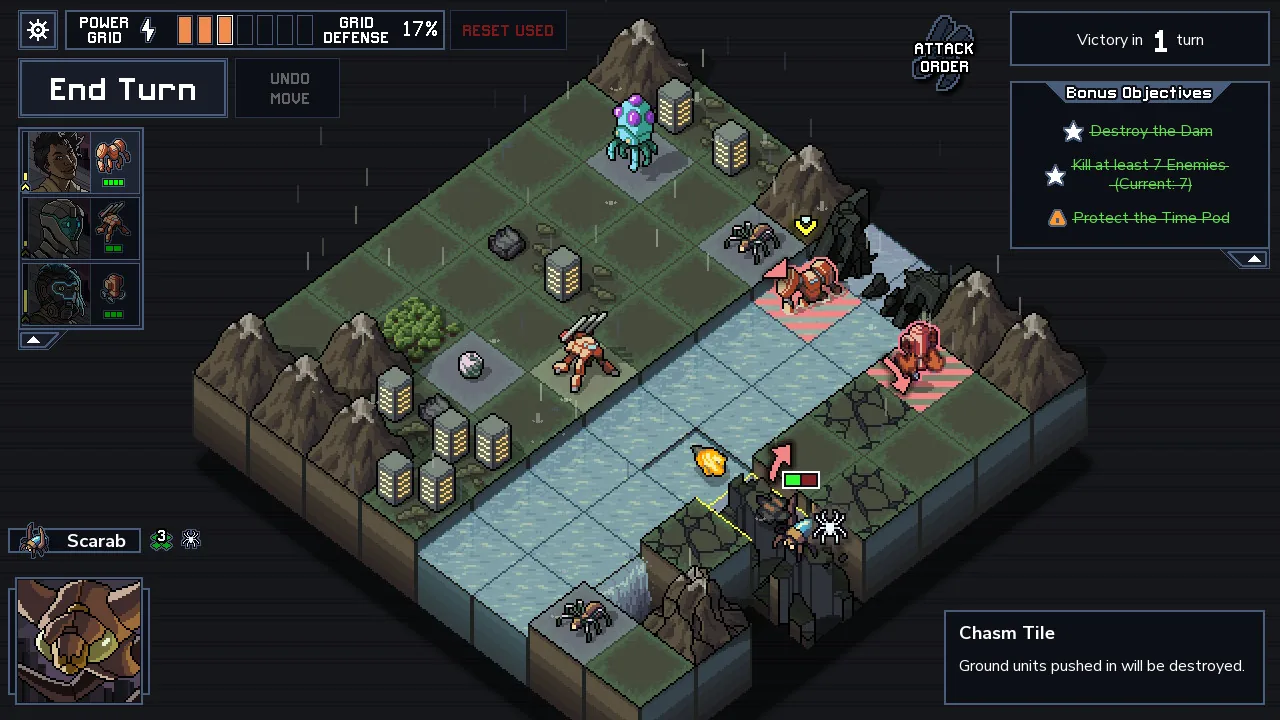
Turn-based grid combat
Grid cells discretize legal movement and effect areas, allowing combat sequences to be planned.
Into the Breach ↗Initiative and action economy
Initiative sets order while an action budget limits combinations of movement, attacks and preparation within a turn.
Into the Breach ↗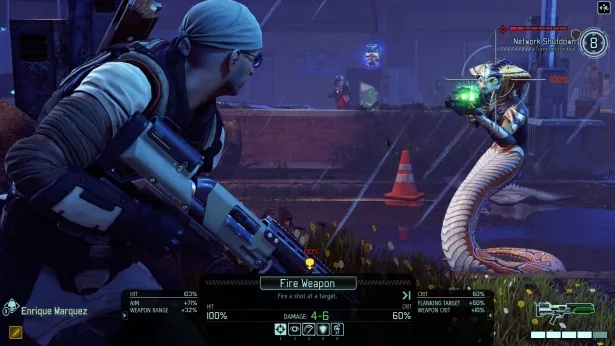
Position, flanks and cover
Position changes protection and target access, while flanking circumvents the advantage of a frontal engagement.
XCOM® 2 ↗Displacement and environmental tactics
Forced movement changes tactical situations without direct damage by using hazards and board structure.
Into the Breach ↗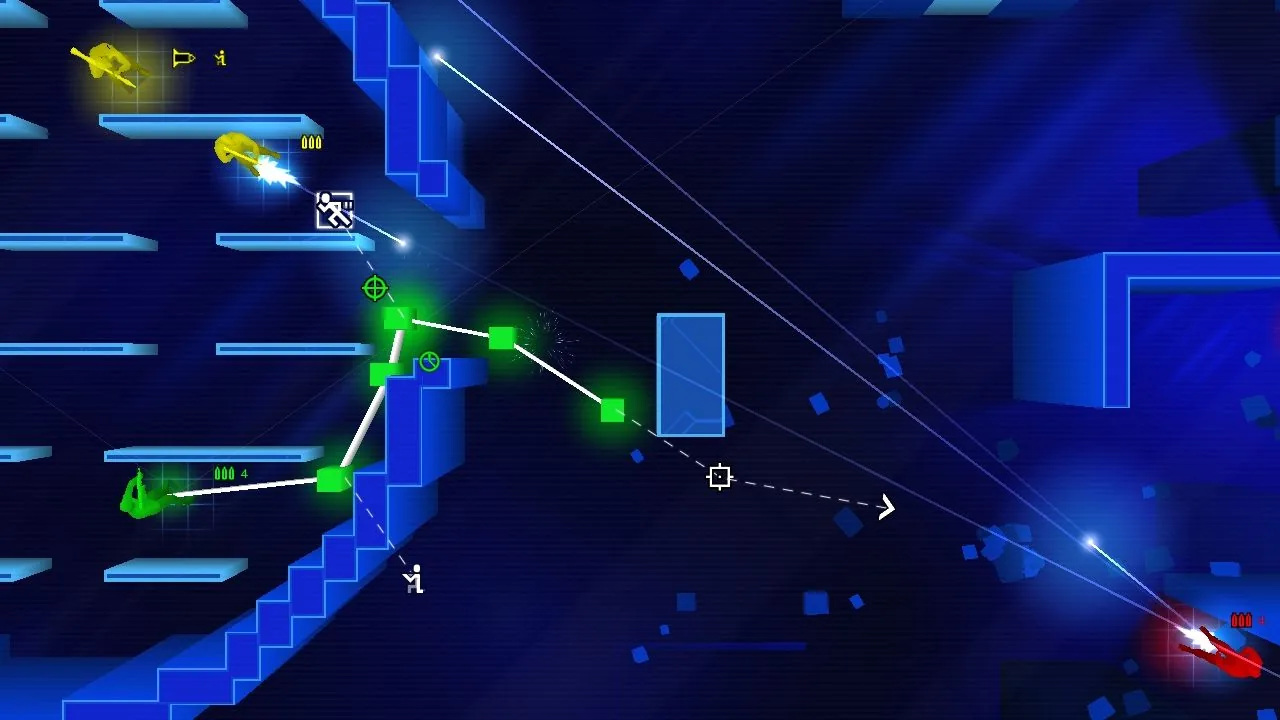
Simultaneous plan execution
Participants plan from one world state, then the system jointly executes orders using explicit conflict rules.
Frozen Synapse ↗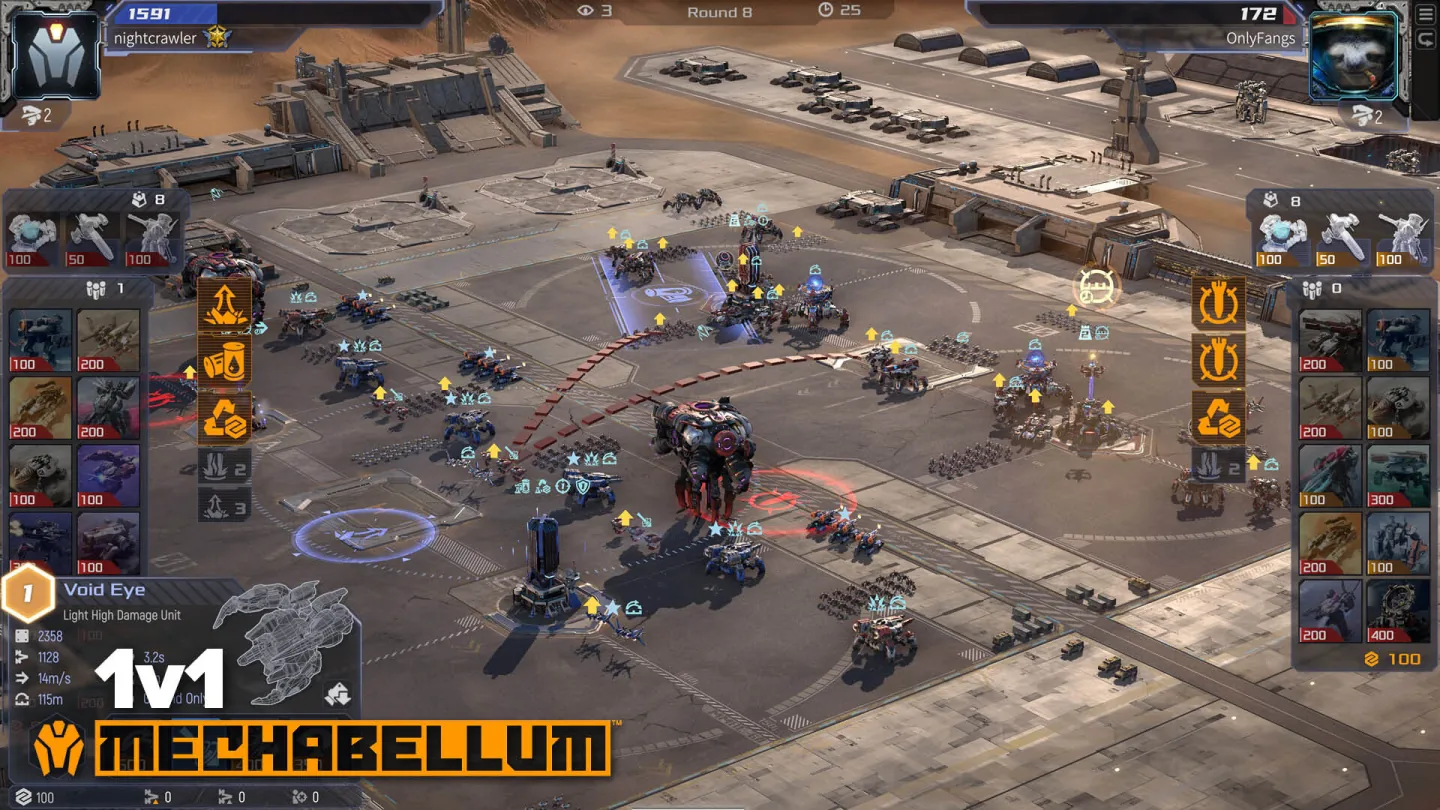
Auto battlers and roster preparation
The player assembles and positions a roster before combat, and automated execution tests preparation and role combinations.
Mechabellum ↗Tower defense
The player places defenses along enemy routes, splitting a budget between coverage, damage types and upgrades.
Bloons TD 6 ↗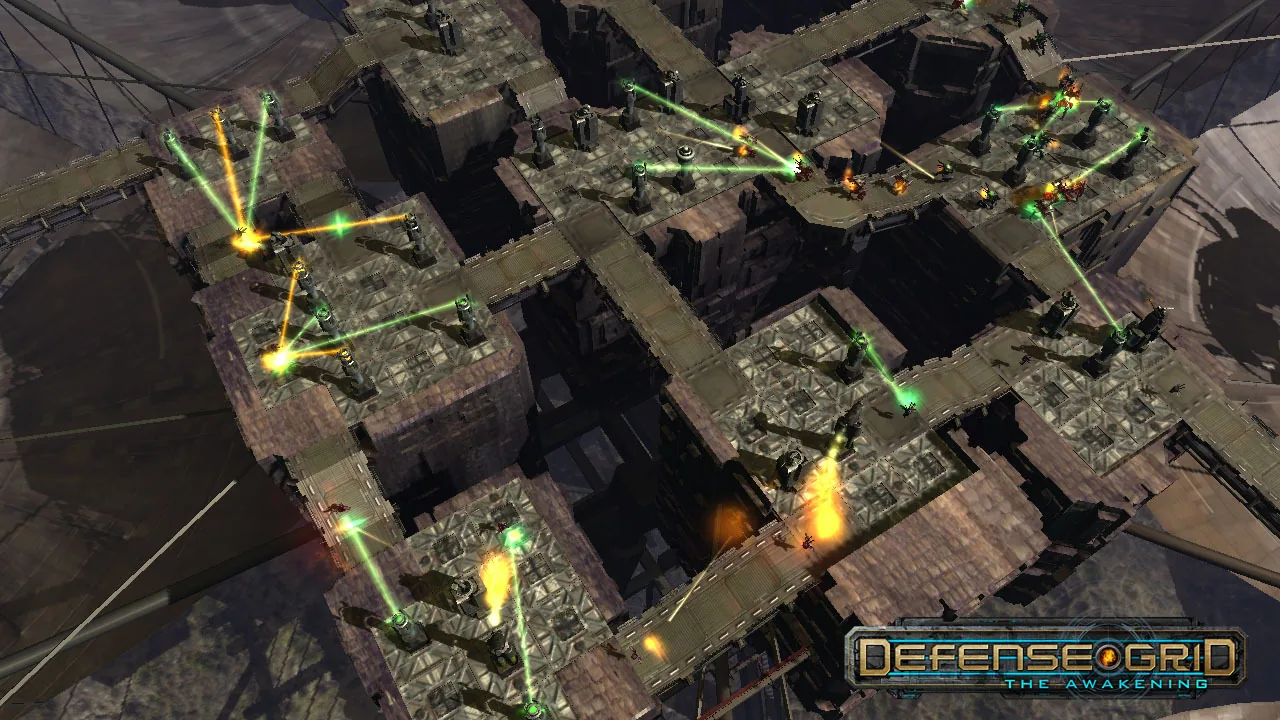
Rerouting enemies and building mazes
Building changes enemy routes, making travel length and available passages defensive resources.
Defense Grid: The Awakening ↗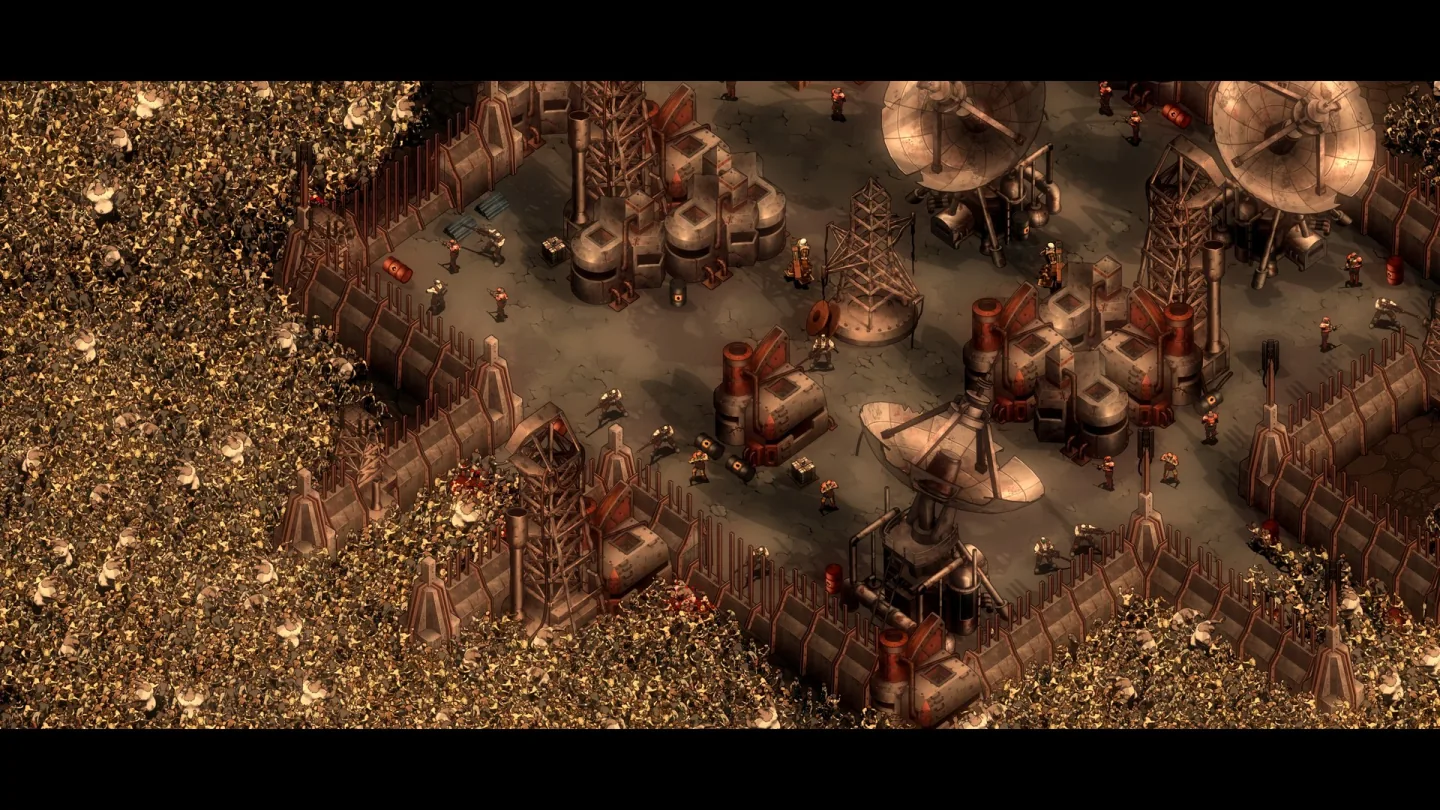
Base defense, sieges and waves
Waves test a base's resilience while preparation and repair split limited resources between current and future threats.
They Are Billions ↗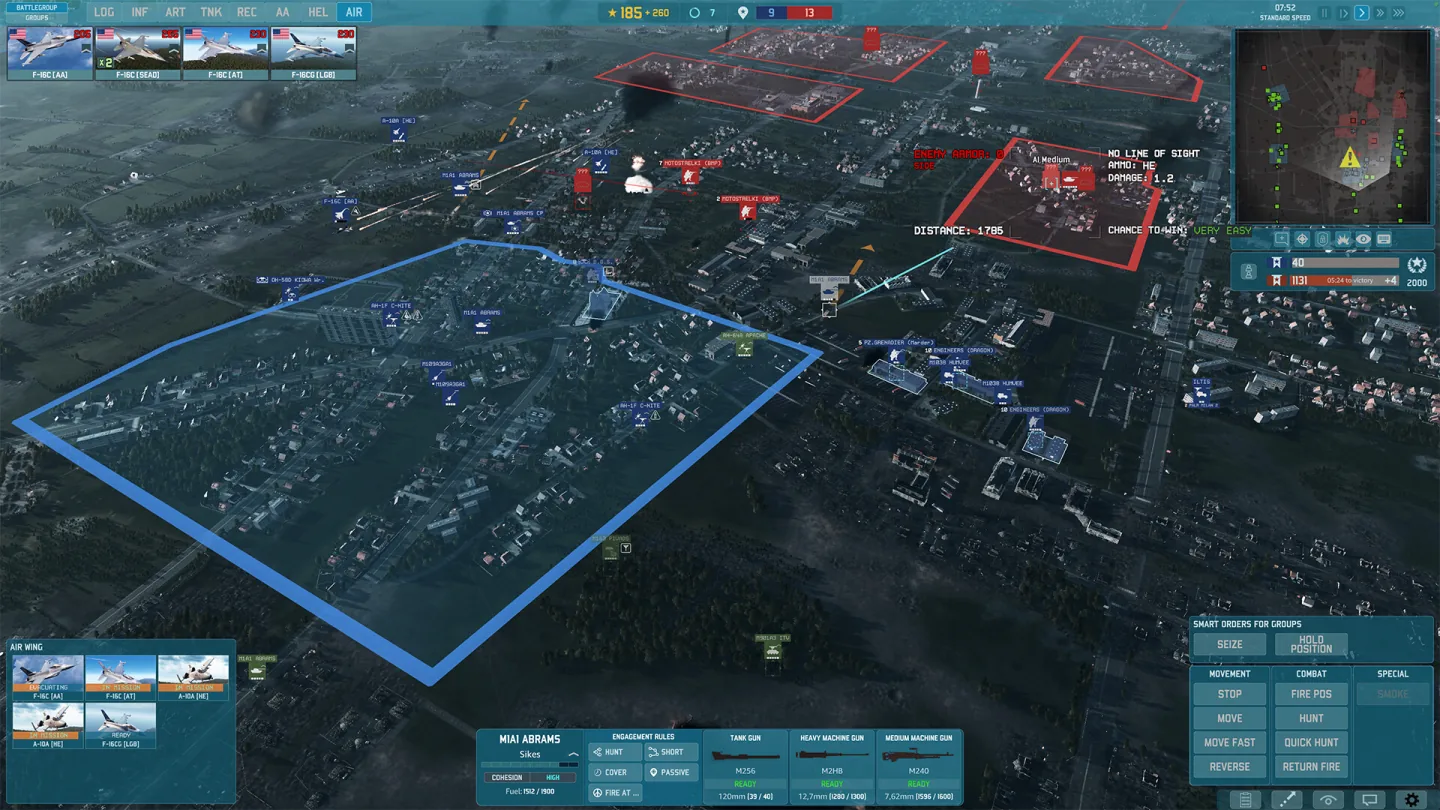
Territory and objective control
Held locations provide score, resources or supply, while territorial connectivity makes bypassing an alternative to assault.
WARNO ↗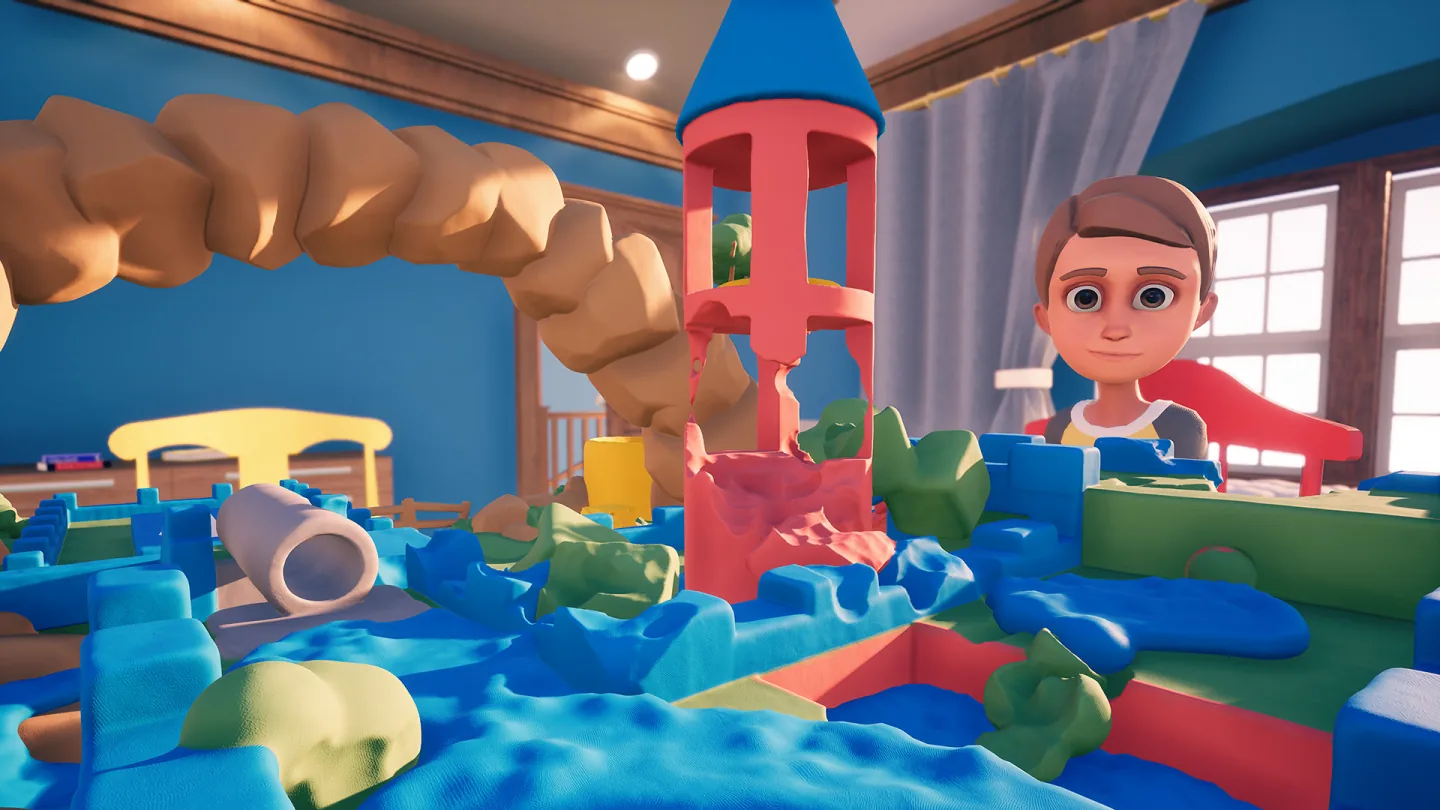
Sculpting and shape manipulation
Shape manipulation adds, removes or moves material to explore volume and expression under selected constraints.
Claybook ↗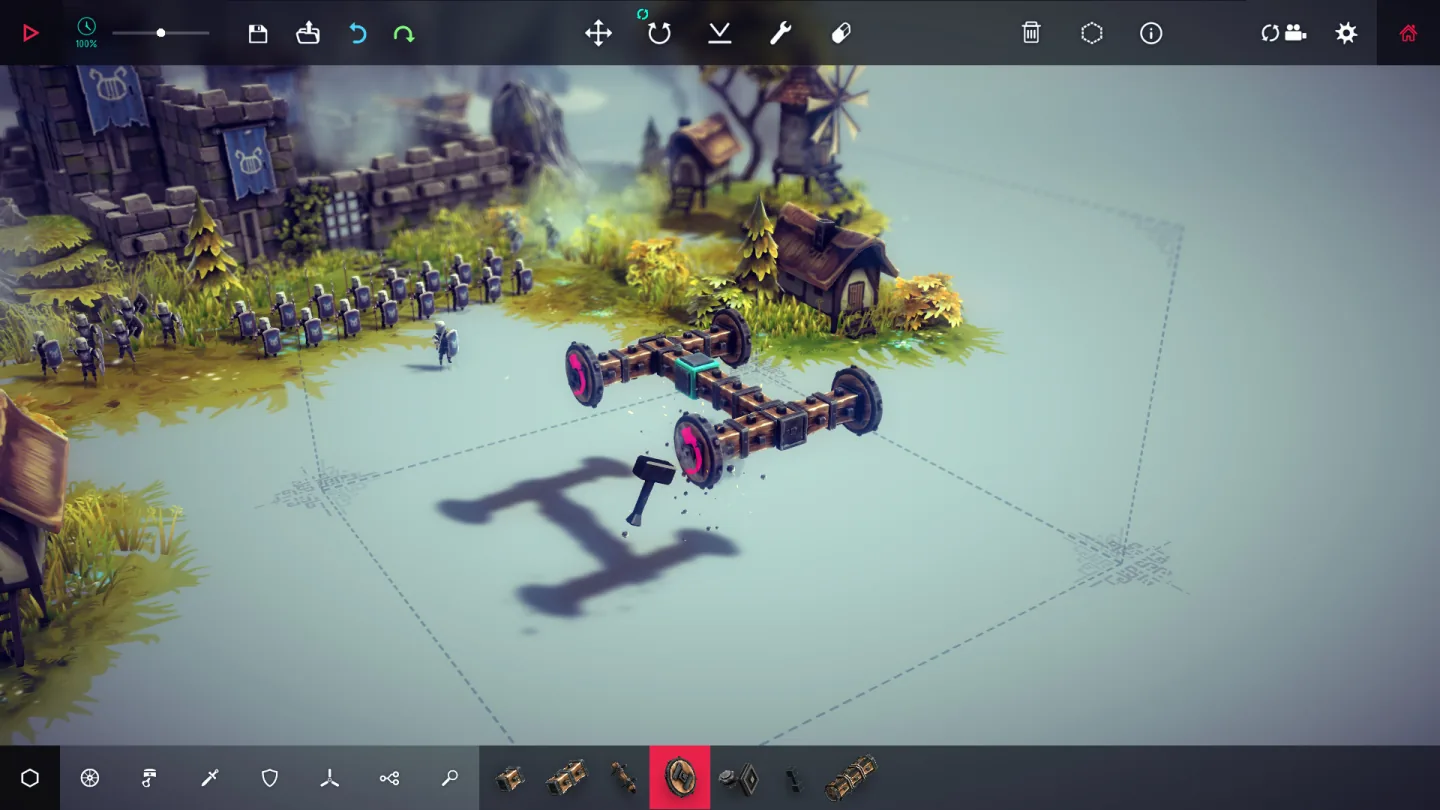
Construction kits and mechanism assembly
Parts form a construction whose behavior emerges from joints, motion transmission and power sources.
Besiege ↗Designing a character’s appearance
The player combines compatible appearance options and previews the result. Constraints help preserve identity and a readable silhouette.
Deep Rock Galactic ↗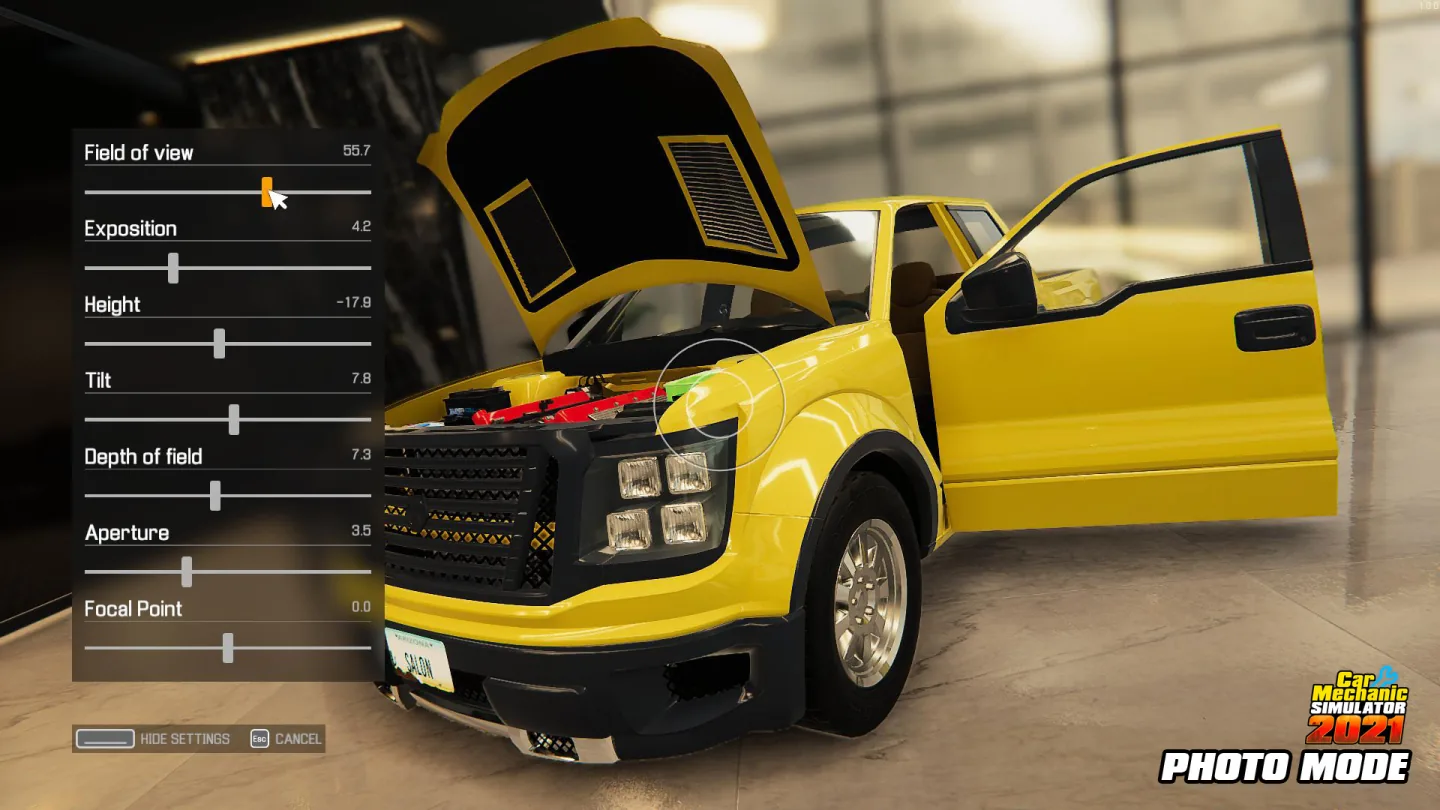
Filming and editing
Performance creation combines staging, recording and editing to control shot order, duration and the audience's attention.
Car Mechanic Simulator 2021 ↗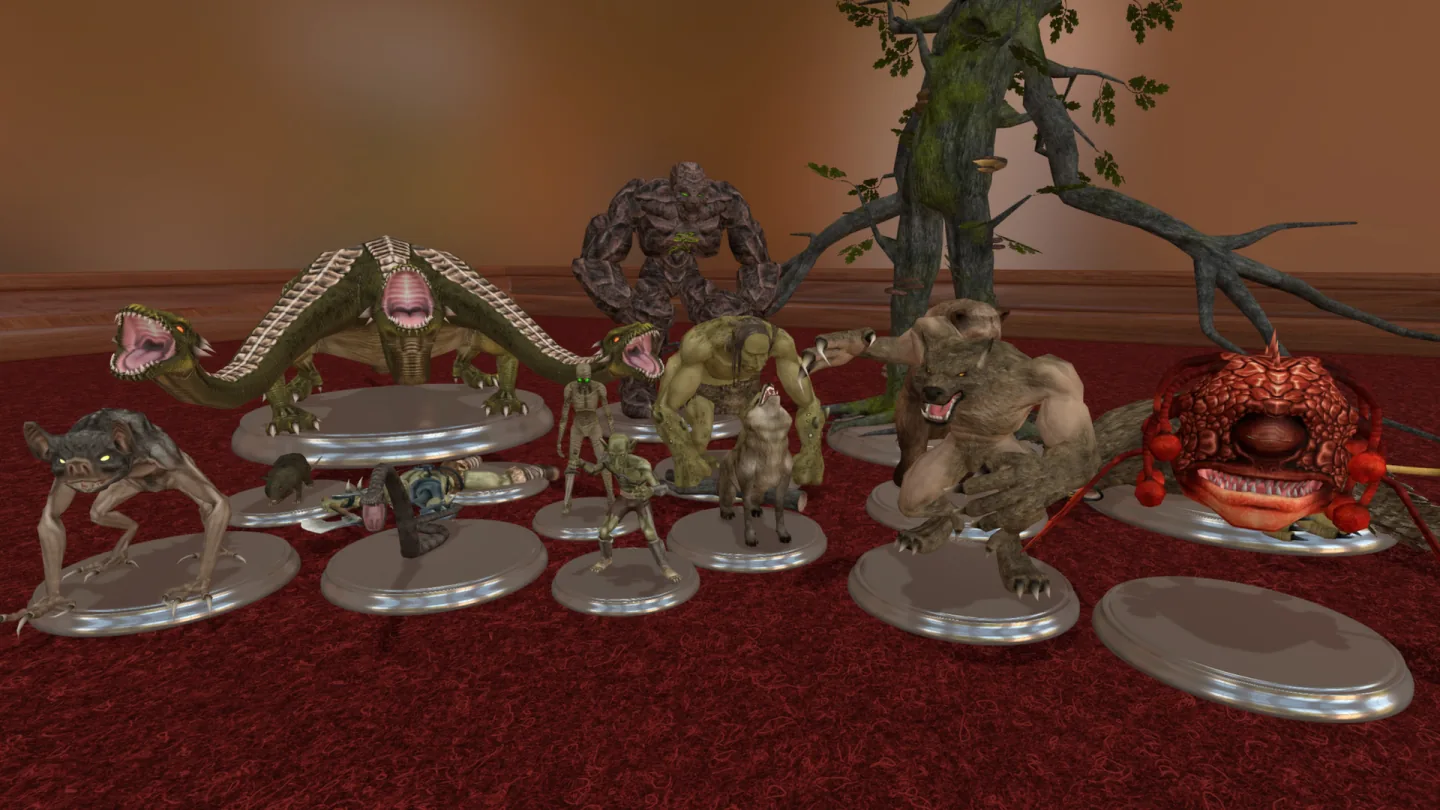
Collaborative creation and UGC
Collaborative editors coordinate several authors' changes while user-generated content preserves authorship, dependencies and access conditions.
Tabletop Simulator ↗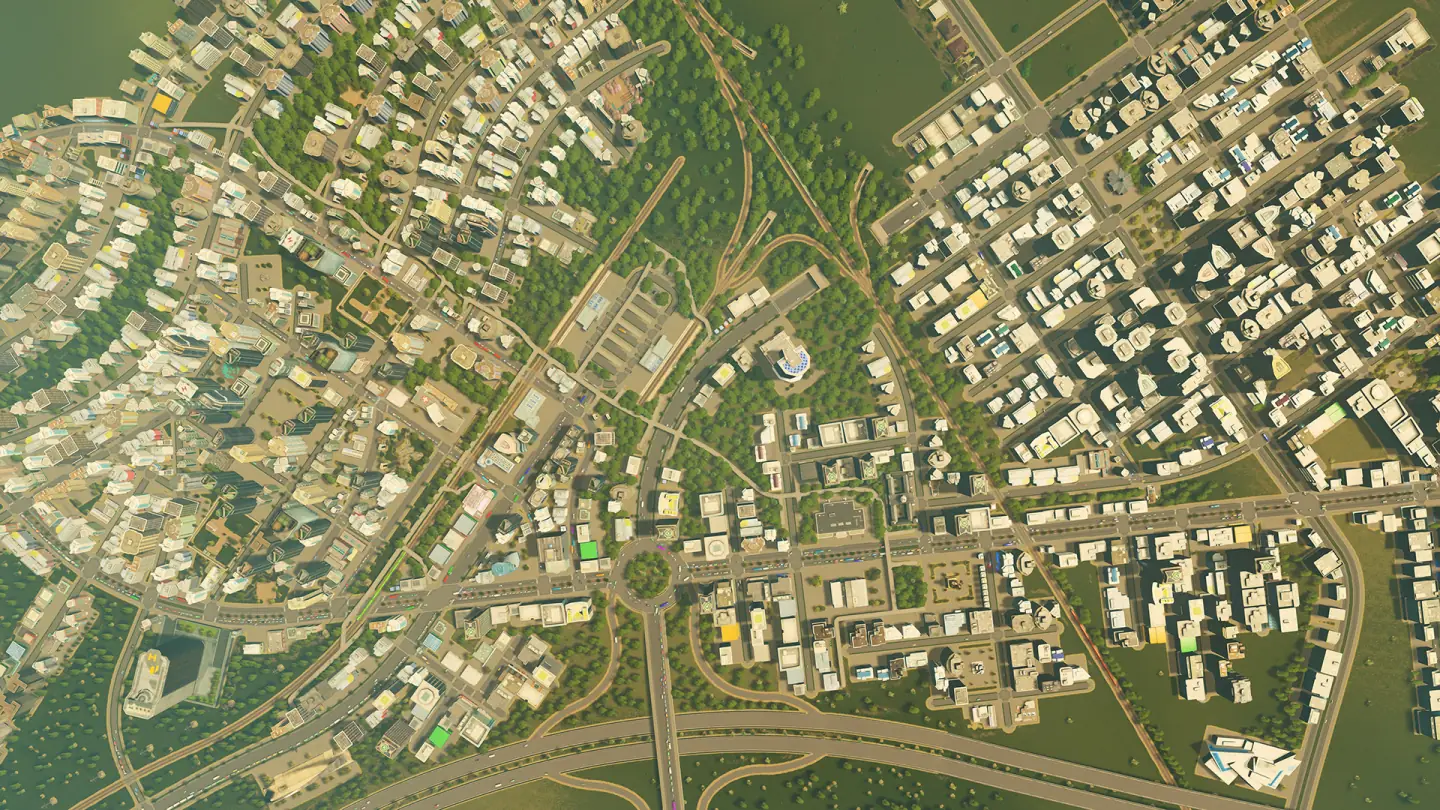
City building
City building connects homes, jobs and services through resident flows and settlement resilience.
Cities: Skylines ↗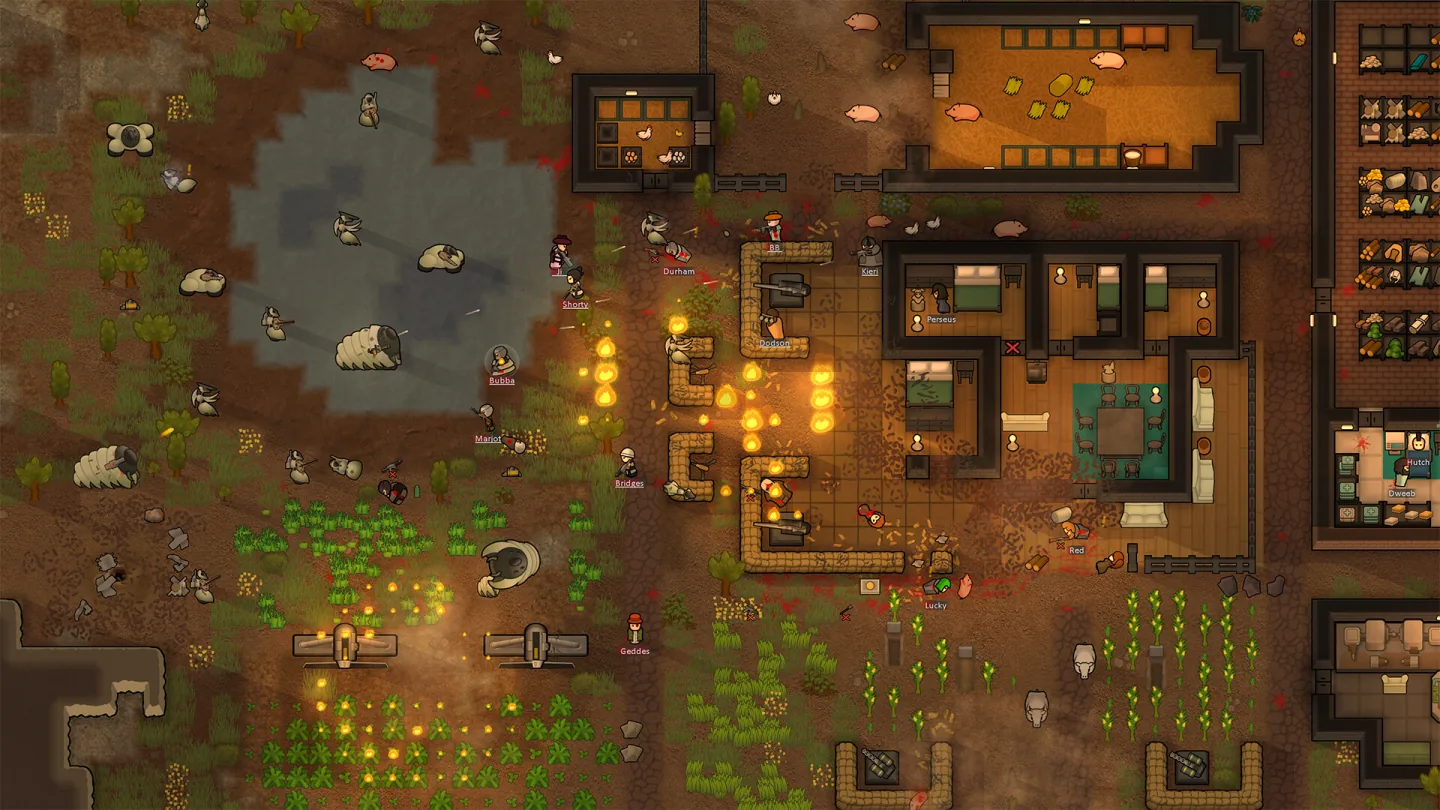
Colonies and colonist management
A colony connects individual colonist needs and skills to shared work queues and limited supplies.
RimWorld ↗Businesses and tycoon games
A business turns investment, capacity and customer service into revenue that funds further development.
Shop Titans ↗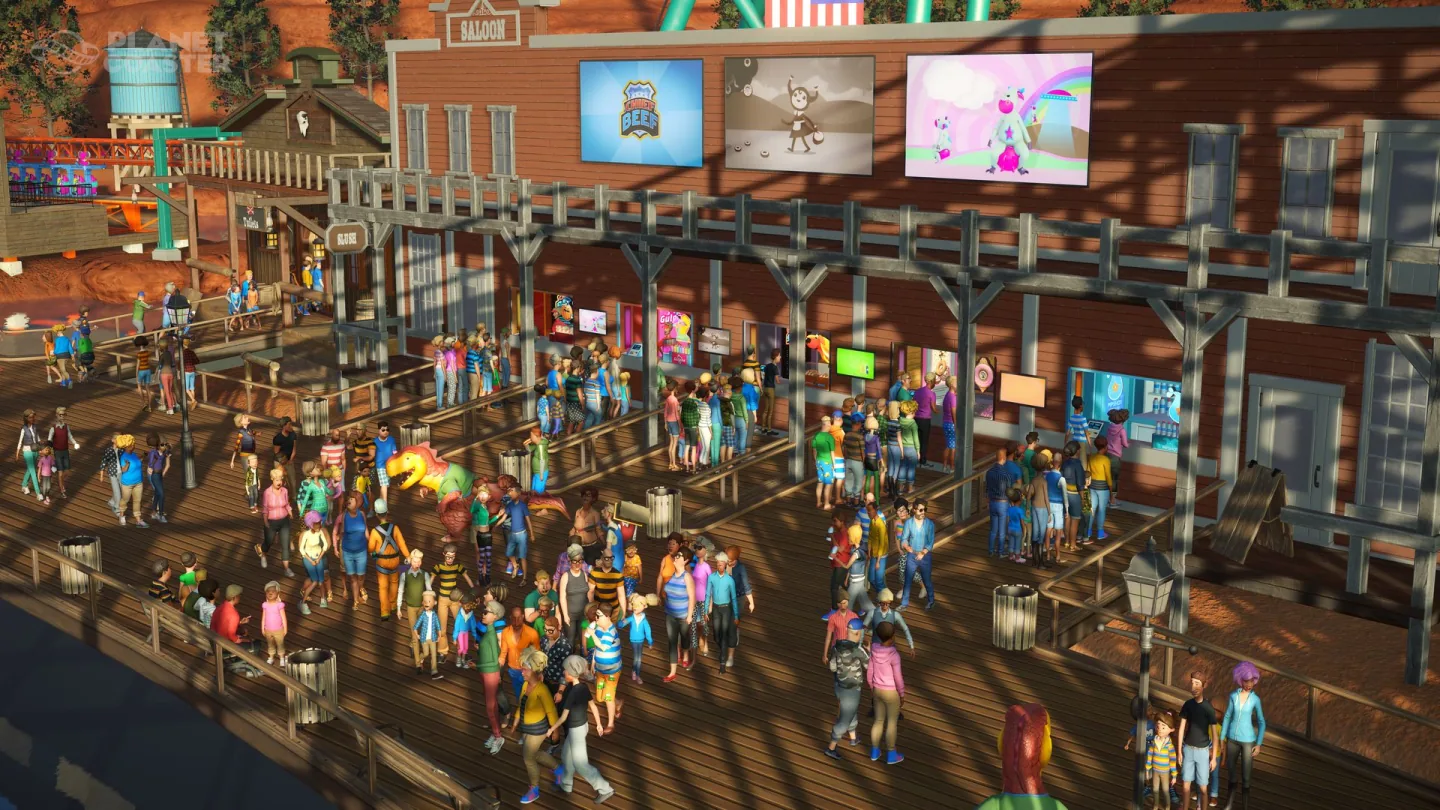
Parks and attractions
A park aligns attraction appeal with paths, queues, maintenance and visitor or animal needs.
Planet Coaster ↗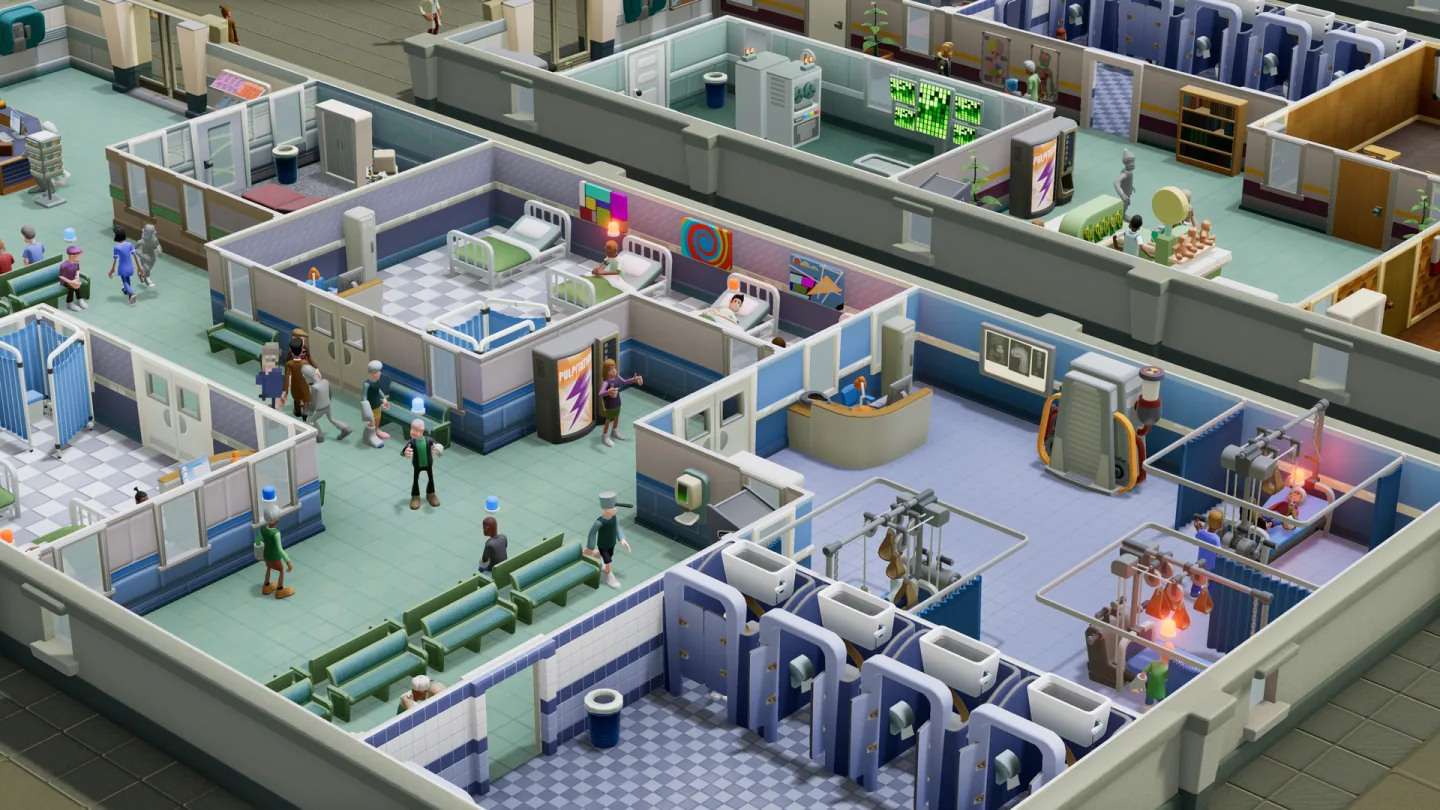
Hospitals, schools and public services
A public service allocates limited capacity among requests with different urgency and processing duration.
Two Point Hospital ↗Schedules, queues and service
Queues connect task arrivals to worker availability; scheduling allocates limited time slots in advance.
Two Point Hospital ↗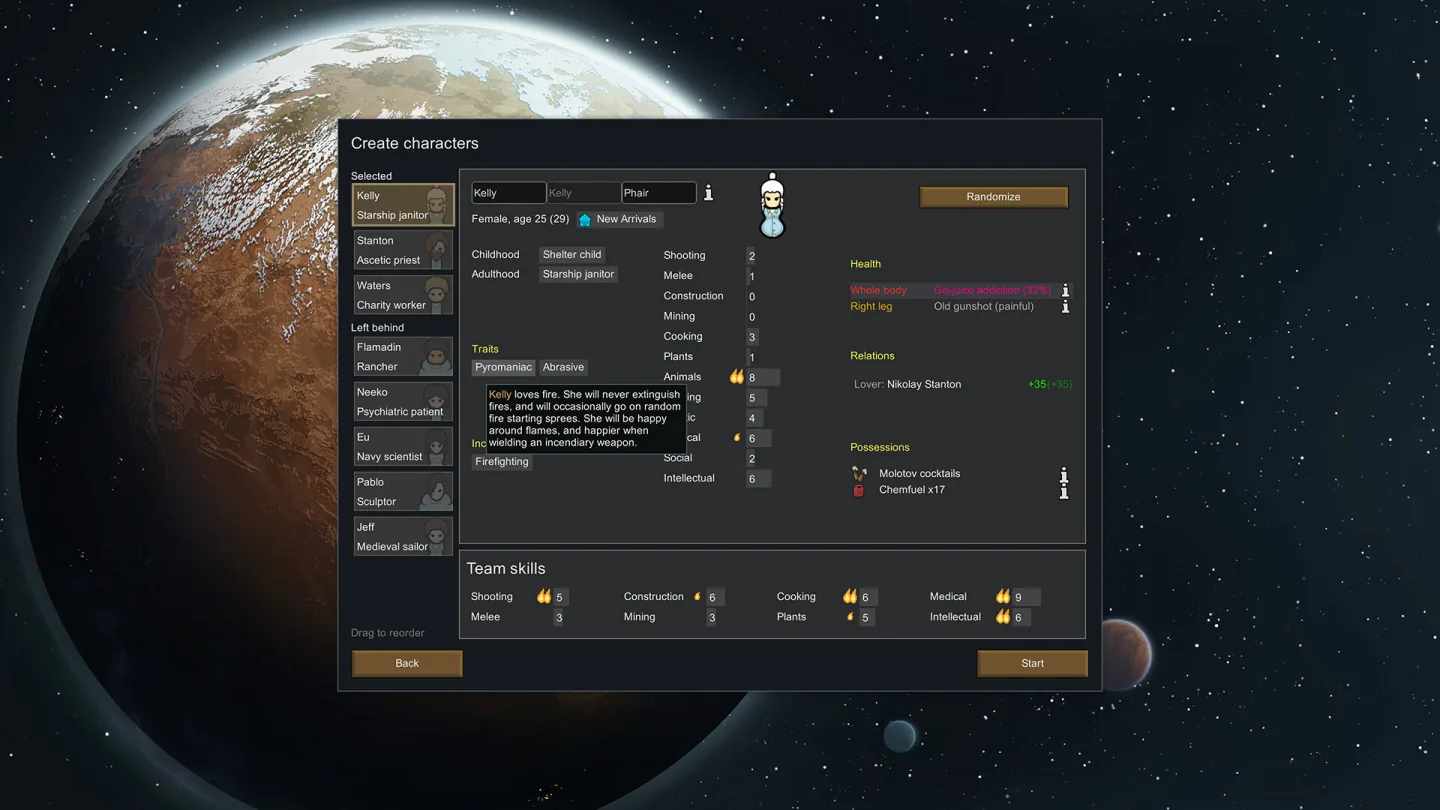
Staff, skills and delegation
Staff perform delegated work according to skill, time and authority, reducing the need for manual orders.
RimWorld ↗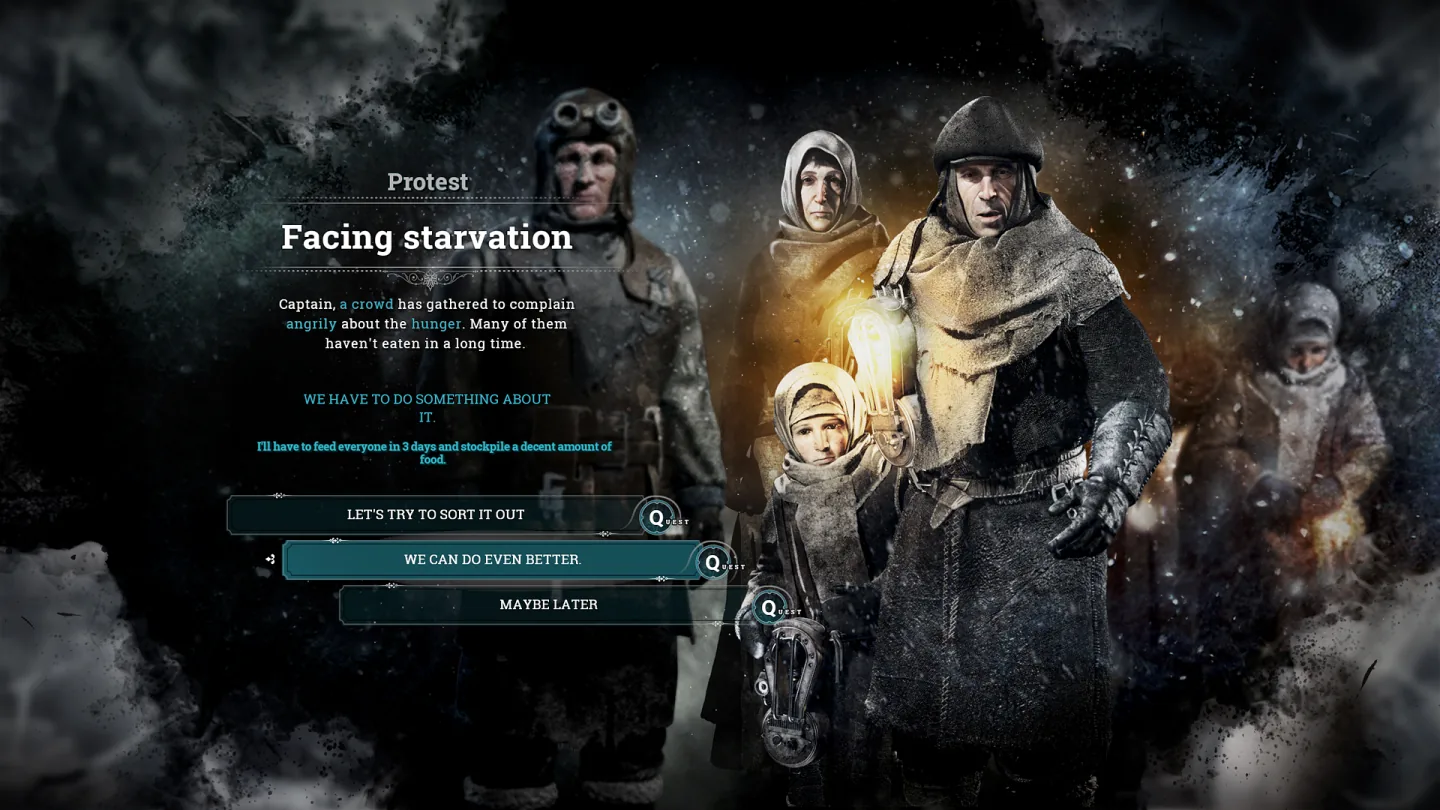
Residents’ needs and conflicts
Resident needs compete for services and space, while unmet needs change behavior and attitudes toward management.
Frostpunk ↗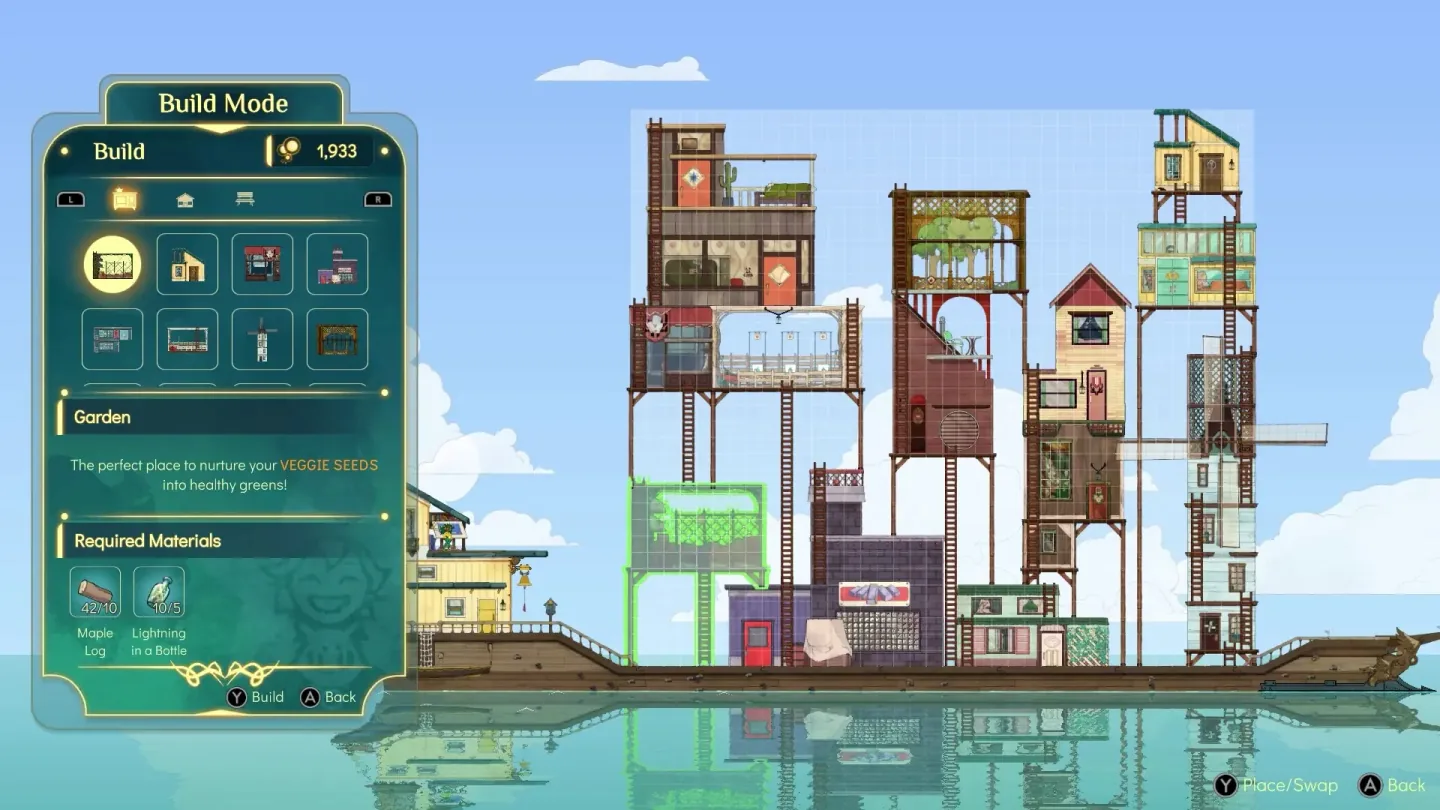
Building placement and adjacency
Object placement determines a base’s accessibility and convenience. Players consider occupied space, building connections and travel routes.
Spiritfarer ↗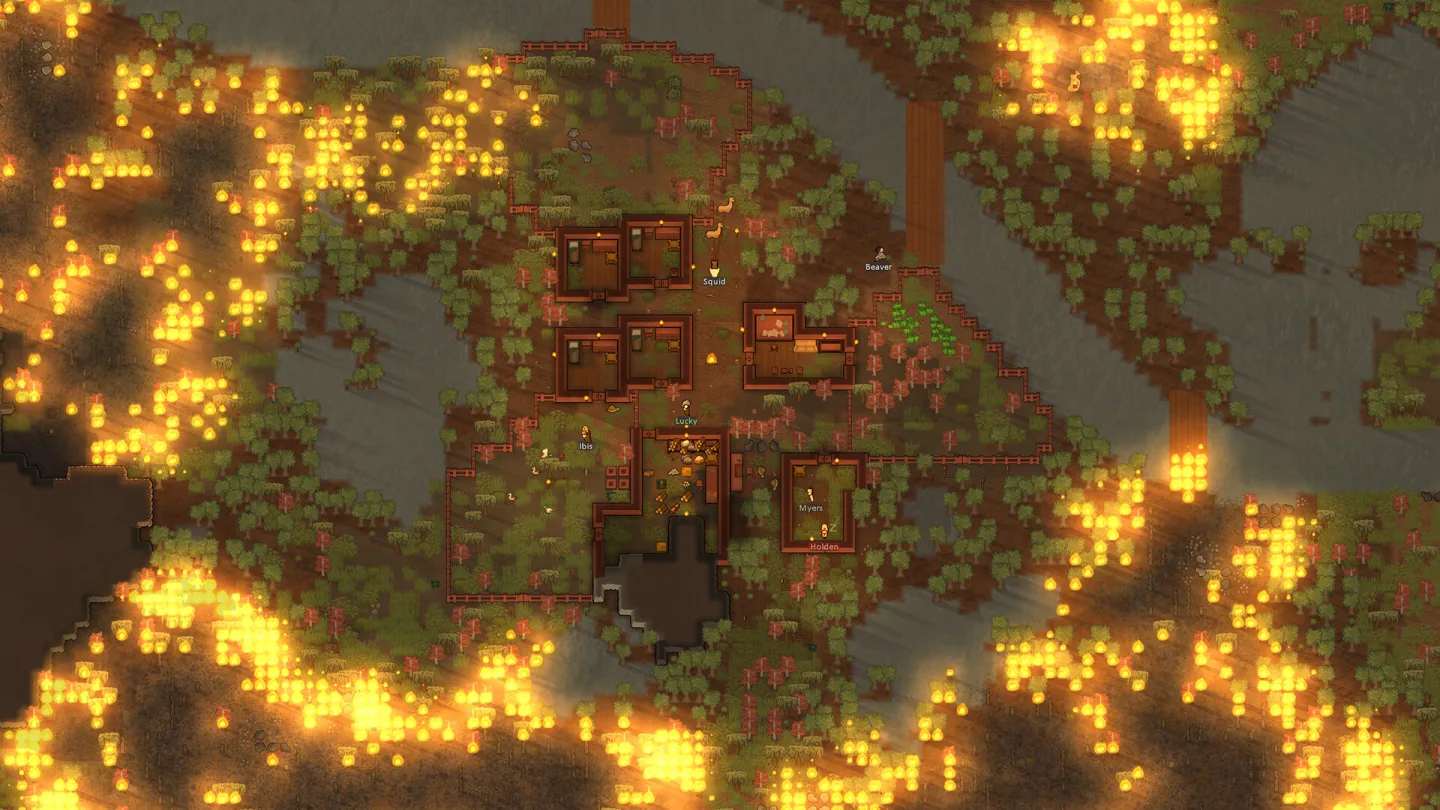
Crises, accidents and recovery
A crisis breaks normal system dependencies, requiring diagnosis, damage containment and prioritized restoration.
RimWorld ↗Caring for pets and characters
Care tracks a dependent character's needs and turns observing its signals into choosing suitable actions.
Final Fantasy XIV ↗Asymmetric roles and abilities
Different roles receive distinct actions and information, making progress depend on another participant's contribution.
Keep Talking and Nobody Explodes ↗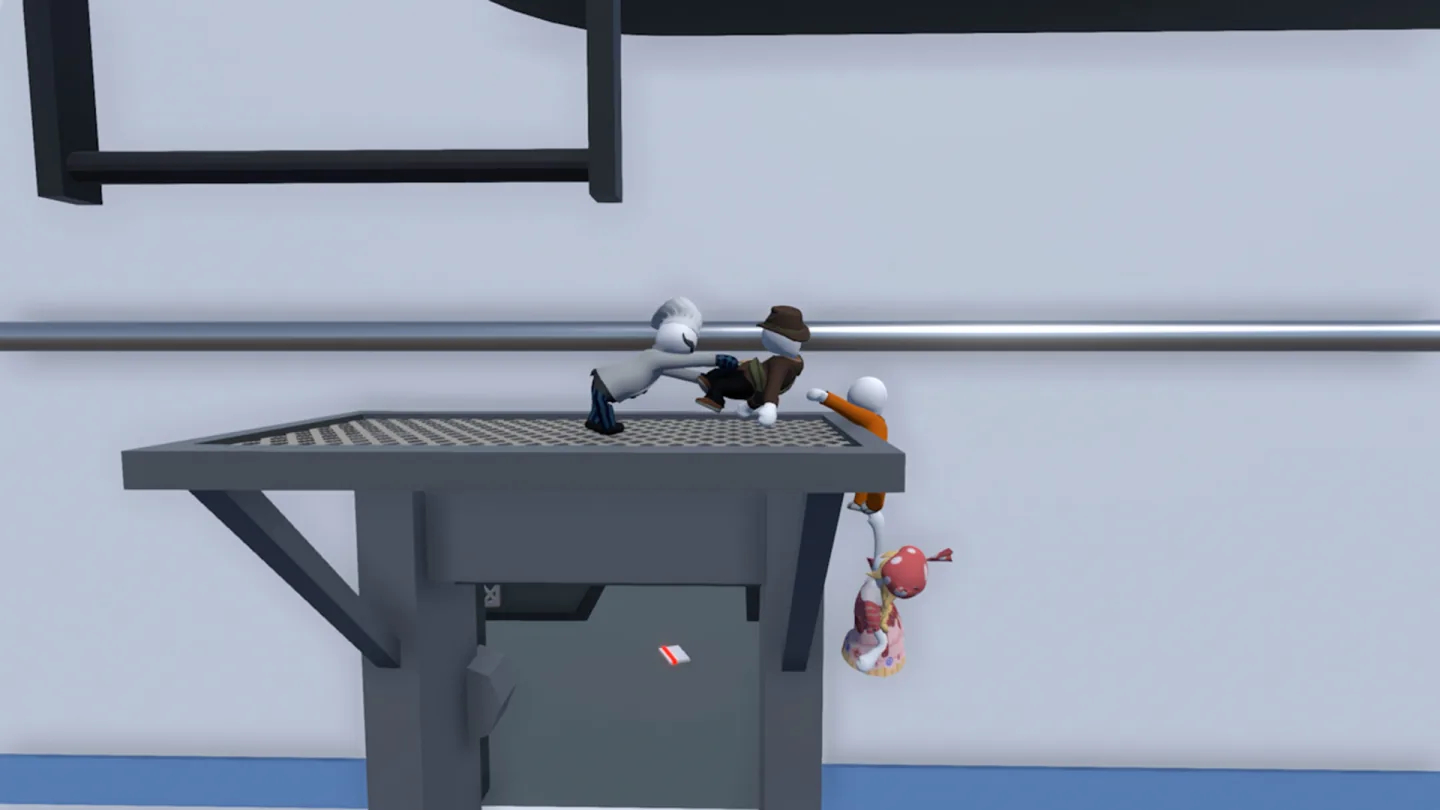
Rescuing and supporting a teammate
Support changes an ally's capabilities while rescue redistributes risk and time across the group.
Human Fall Flat ↗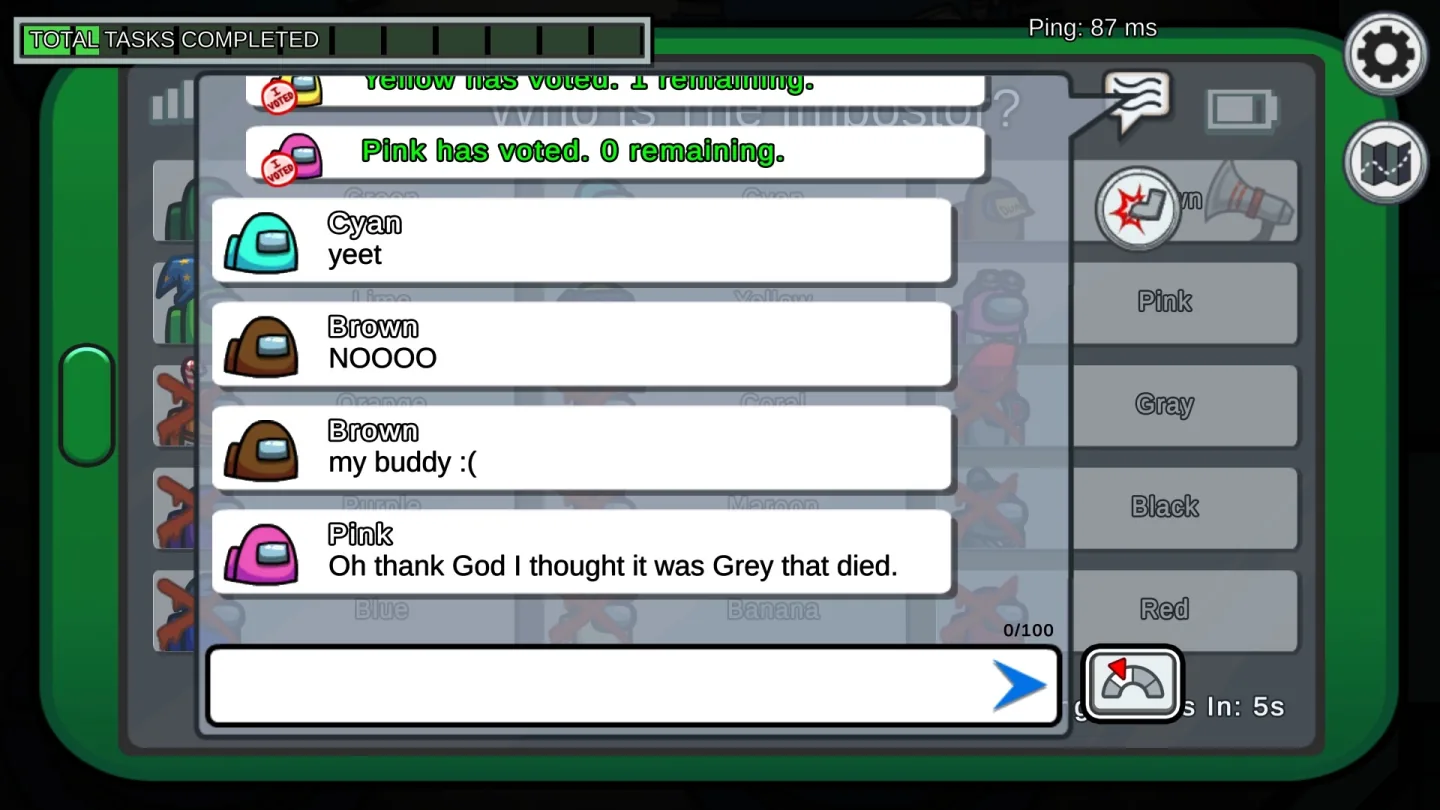
Betrayal and temporary alliances
Temporary alliances align interests until a condition changes, allowing participants to revise commitments for personal goals.
Among Us ↗Everyday social simulation
Everyday-life simulation connects routines, needs, work and relationships while players choose the character's life priorities.
Potionomics ↗Social deduction and hidden roles
Hidden roles give participants different knowledge and goals, while discussion compares statements with observed actions.
Among Us ↗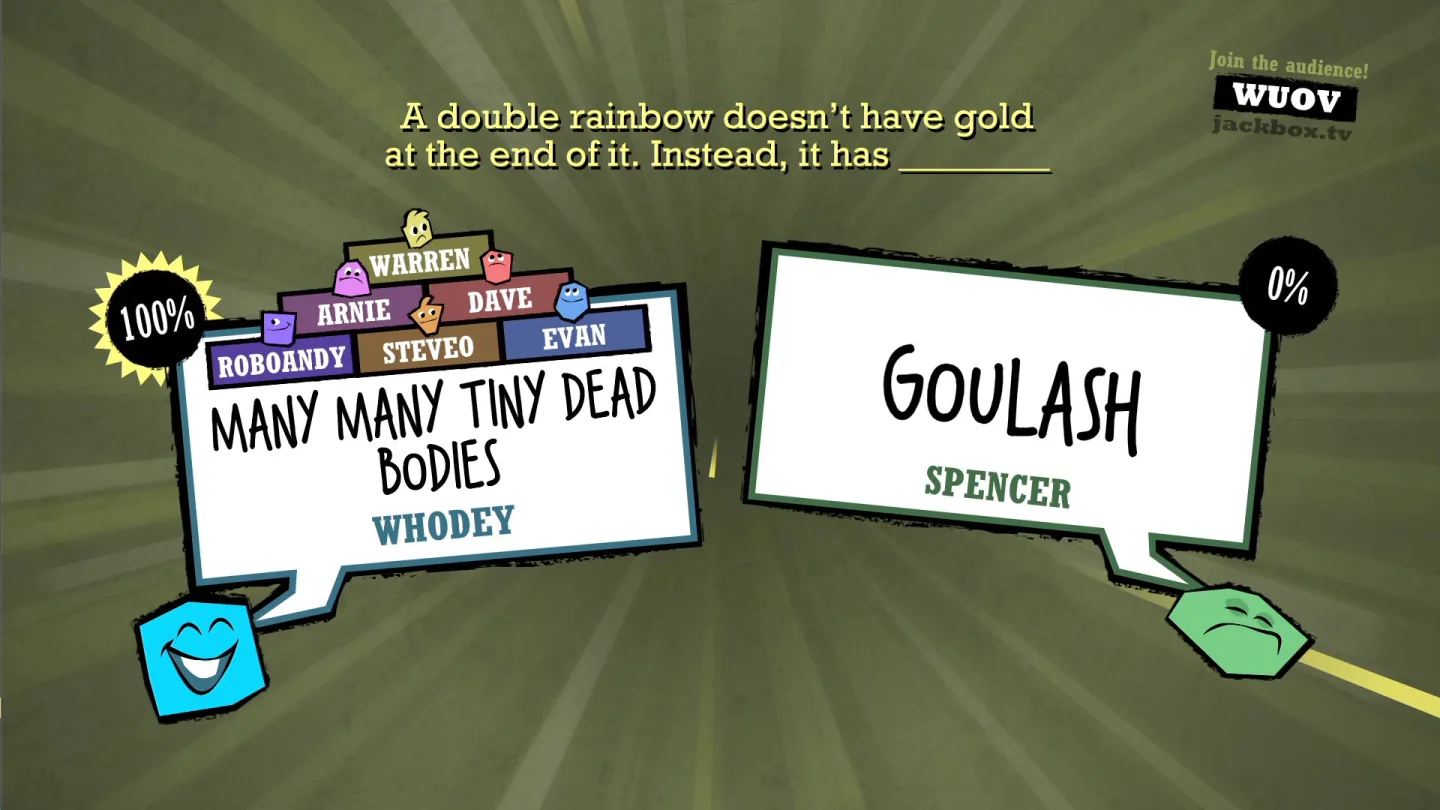
Group answers and voting
Short group rounds distribute answers, clues and scoring while supporting participants with different levels of familiarity.
Quiplash ↗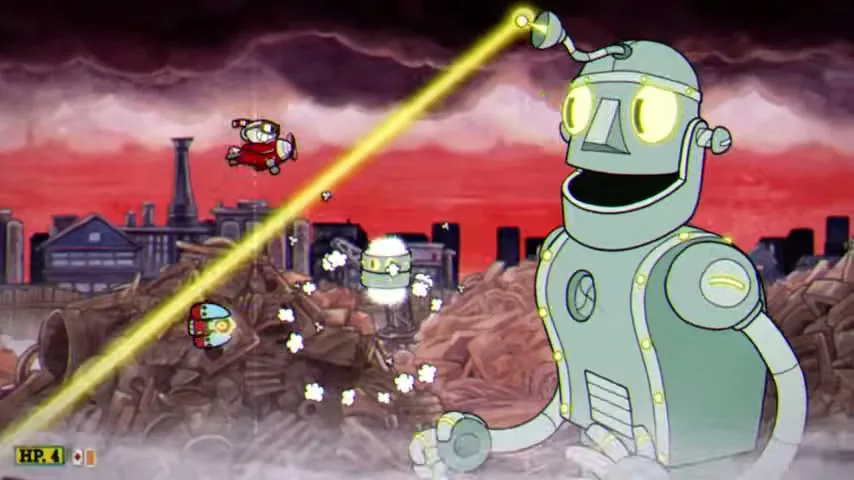
Telegraph
A cue previews the type, location or timing of an upcoming threat.
Cuphead ↗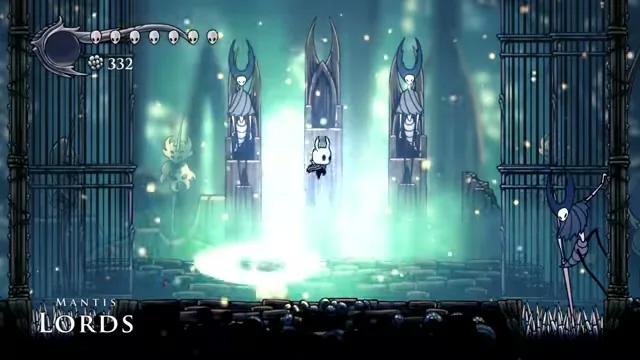
Wind-up
A preparatory action separates attack commitment from its damaging stage.
Hollow Knight ↗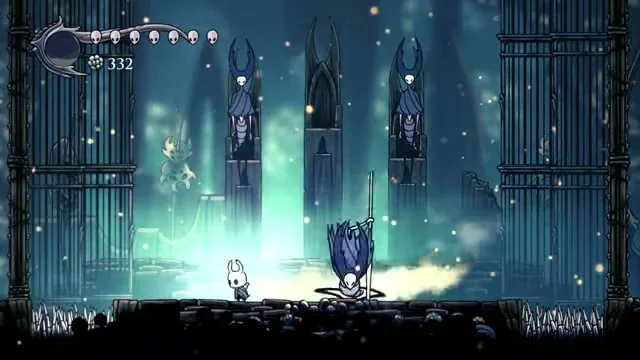
Active phase
The attack's damaging component is active during this interval.
Hollow Knight ↗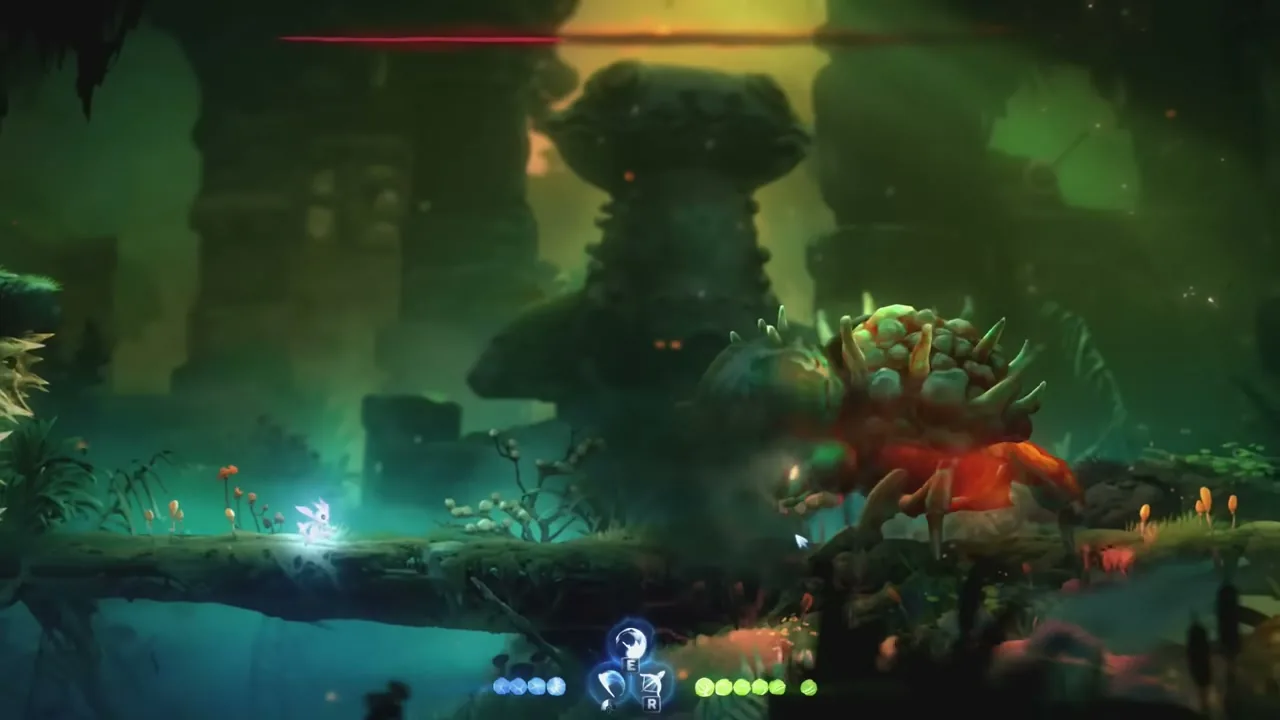
Recovery
After attacking, the boss has limited actions and offers a response opportunity.
Ori and the Will of the Wisps ↗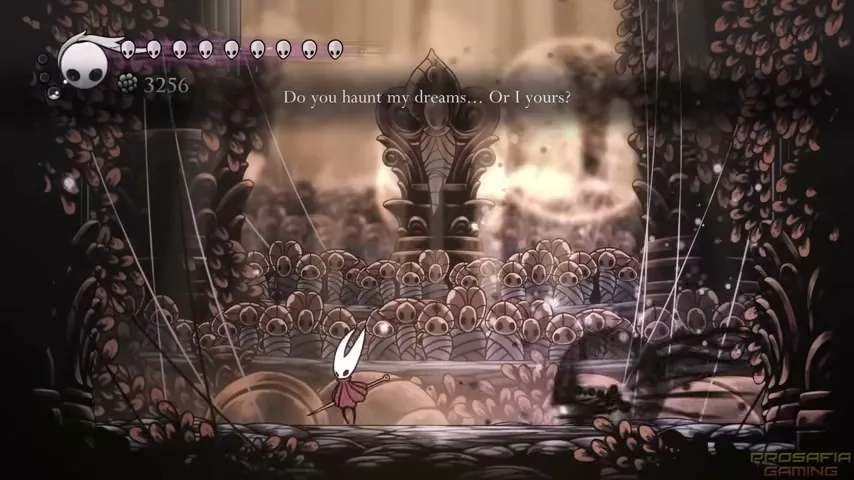
Attack lock
An explicit moment ends further adjustment of a chosen attack.
Hollow Knight ↗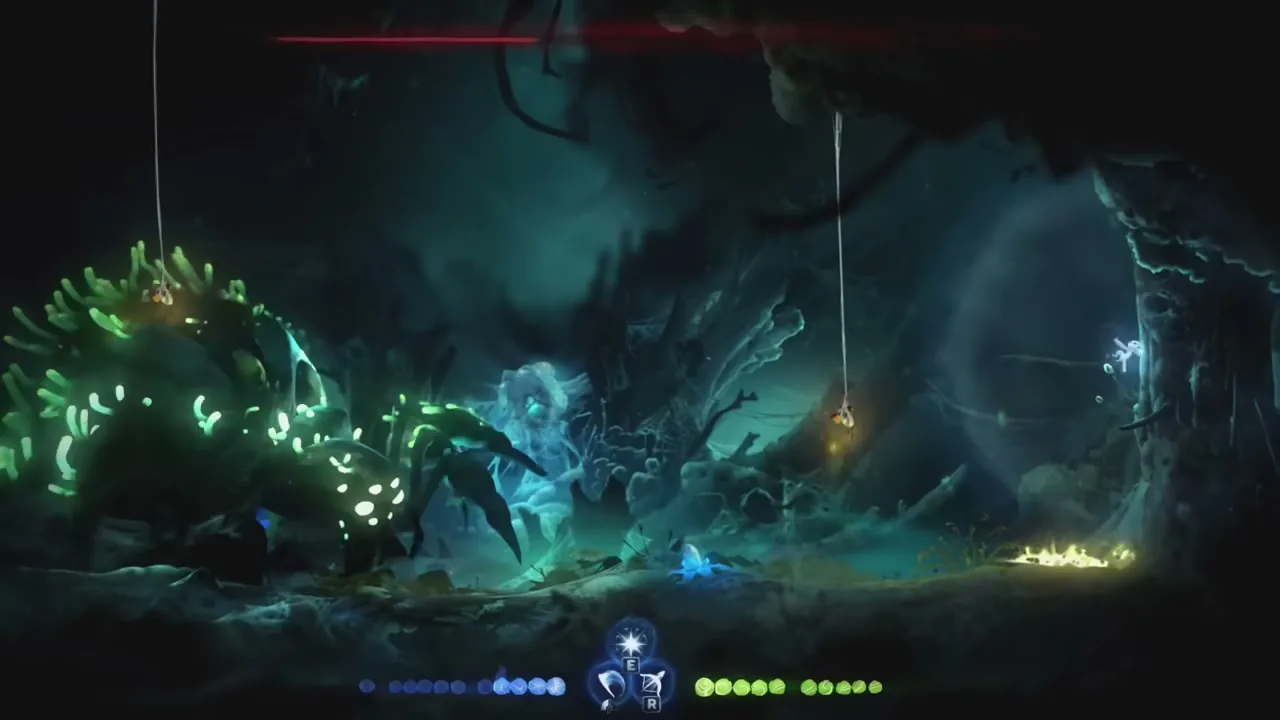
Fight phase
An encounter state change switches a coherent package of rules.
Ori and the Will of the Wisps ↗
Enrage
A condition increases boss pressure through parameters or new actions.
Terraria ↗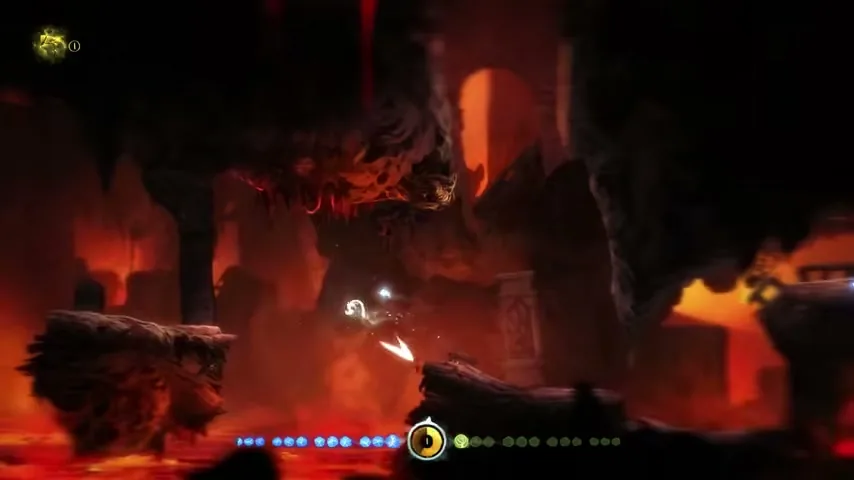
Survival phase
The player must endure a threat interval before the normal objective resumes.
Ori and the Blind Forest ↗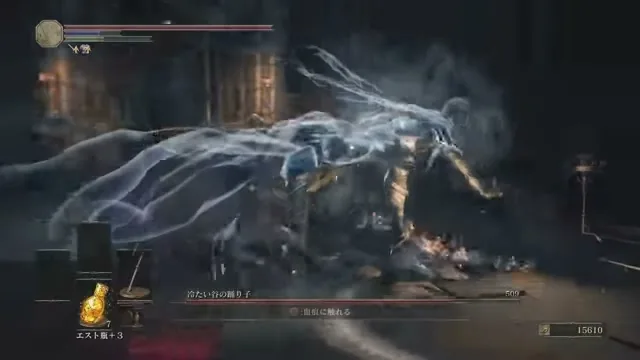
Wide swing
A broad attack arc covers space ahead of and beside the boss.
Dark Souls III ↗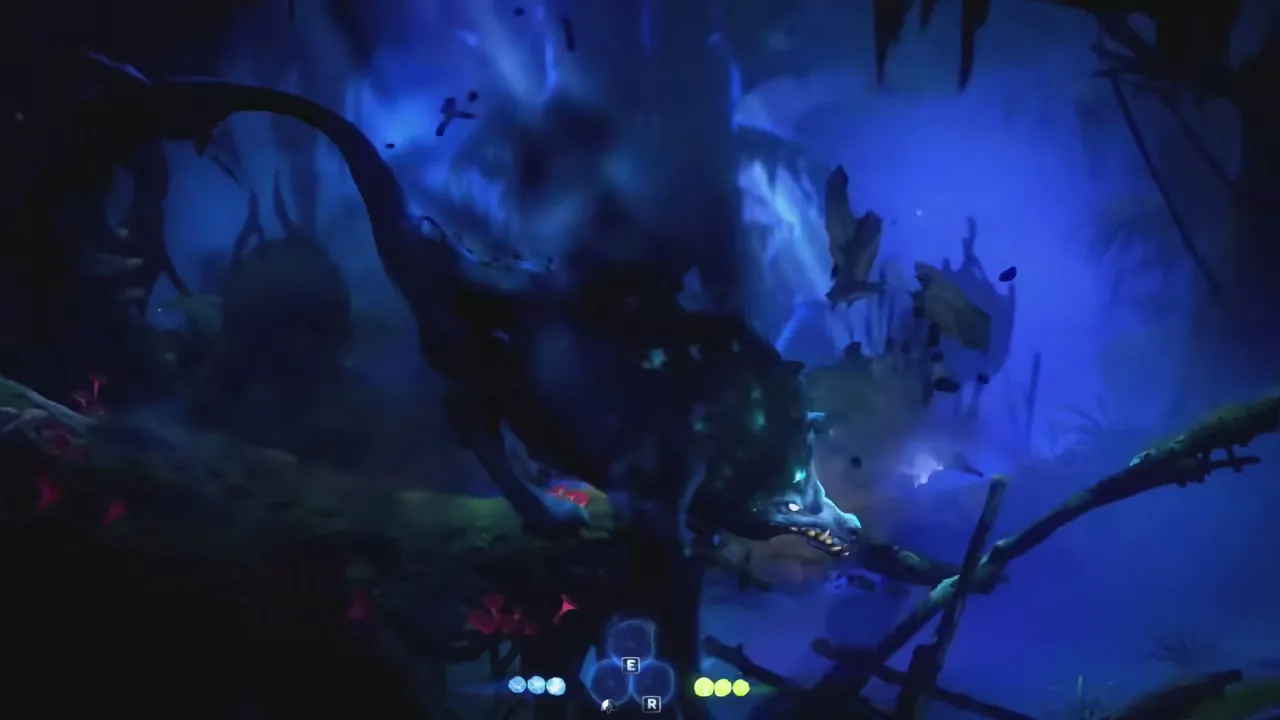
Lunge
A short body thrust combines closing distance with an attack.
Ori and the Will of the Wisps ↗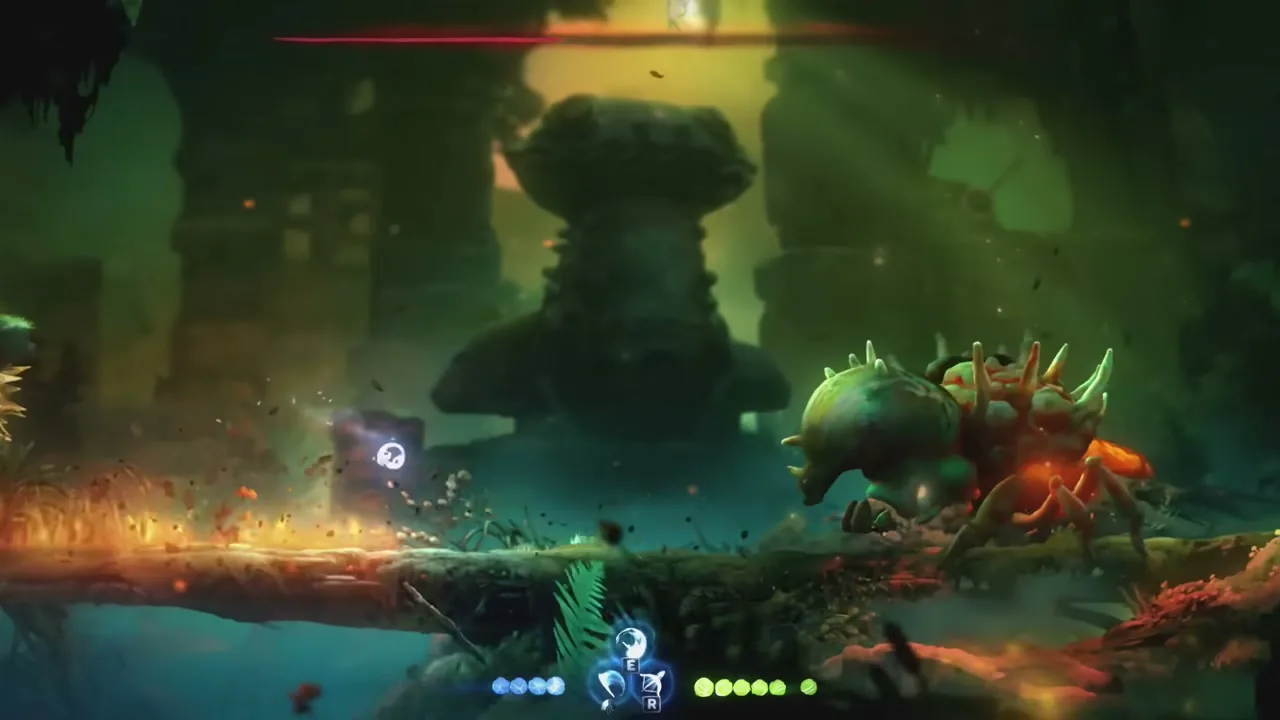
Ground slam
A ground impact creates a damaging area around its contact point.
Ori and the Will of the Wisps ↗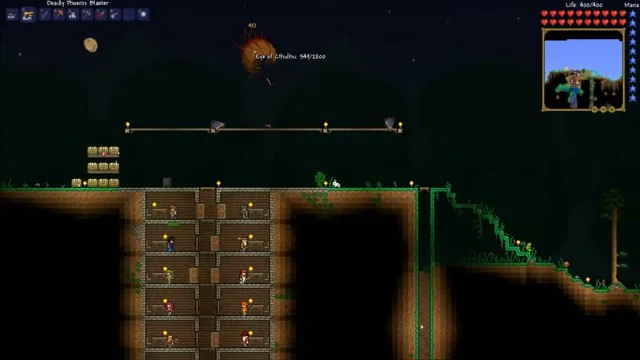
Charge
After locking direction, the boss rapidly crosses a dangerous lane without steering.
Terraria ↗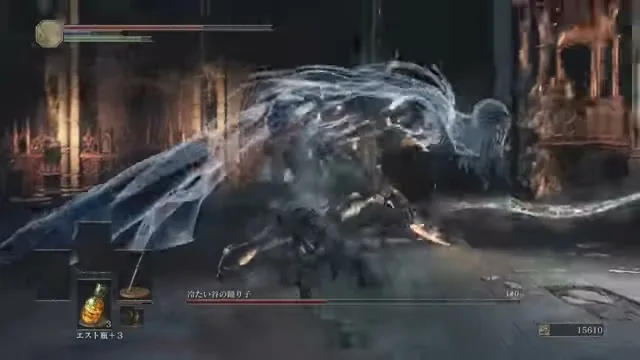
Arc sweep
An attack sweeps an arc around an anchored endpoint or pivot.
Dark Souls III ↗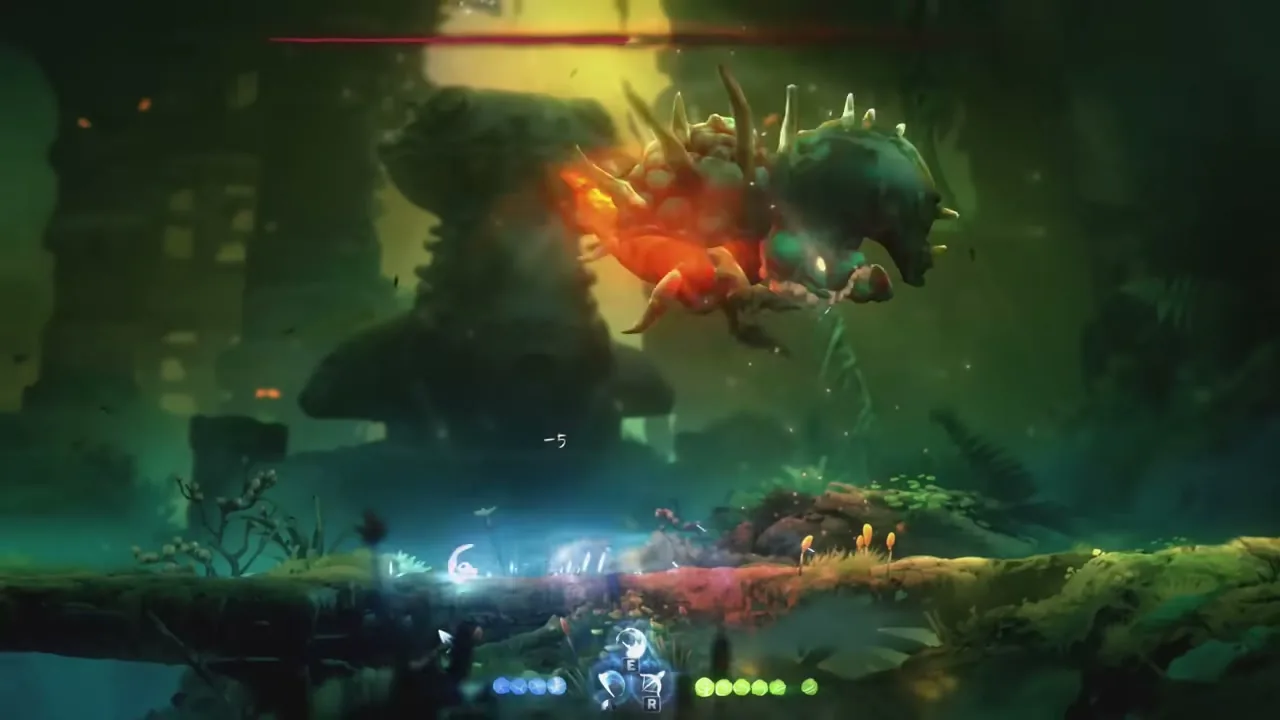
Landing jump
The boss leaps toward a chosen location and threatens its landing area.
Ori and the Will of the Wisps ↗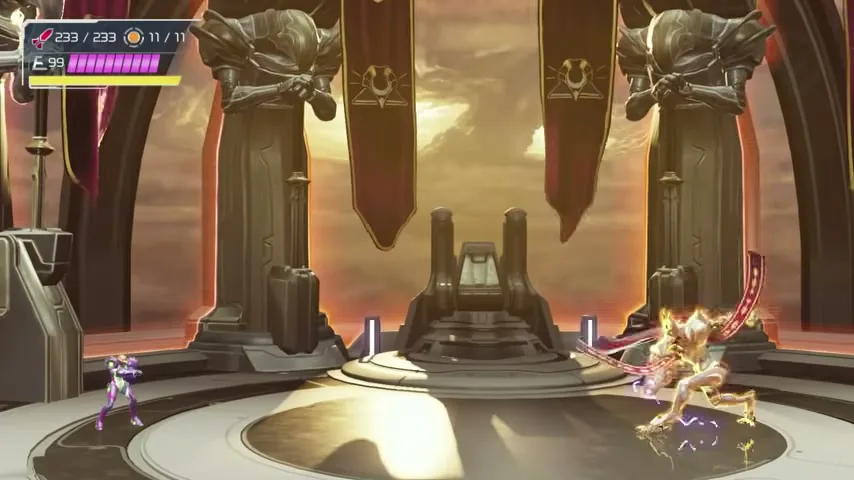
Grab
A player caught by the grab temporarily loses freedom of action.
Metroid Dread ↗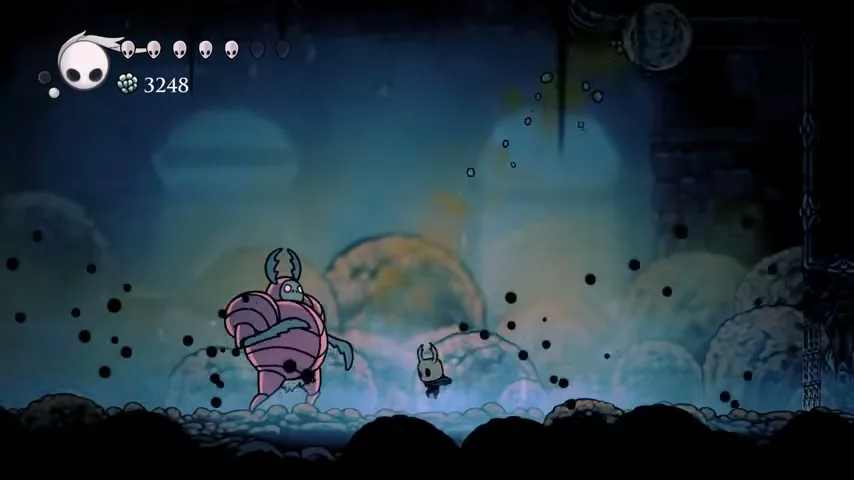
Burrow and emerge
The boss disappears underground and reemerges with an attack at a selected location.
Hollow Knight ↗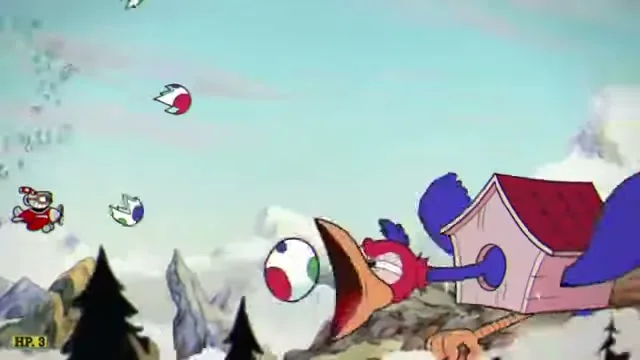
Single shot
One projectile creates a single readable threat trajectory.
Cuphead ↗
Projectile fan
Several firing directions form a spreading fan.
Cuphead ↗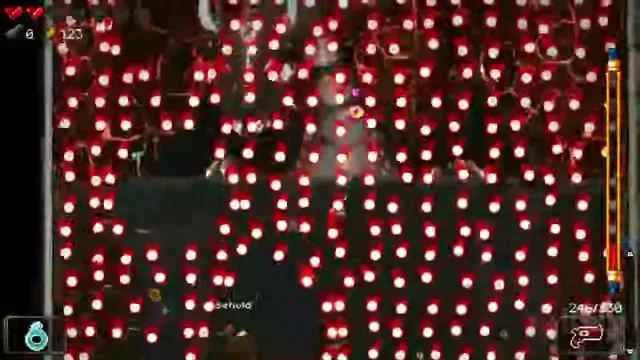
Gap volley
A dense volley leaves an opening the player must reach.
Enter the Gungeon ↗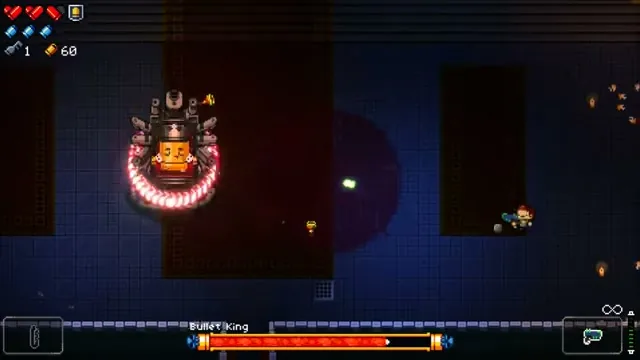
Ring volley
Simultaneous shots radiate around their source.
Enter the Gungeon ↗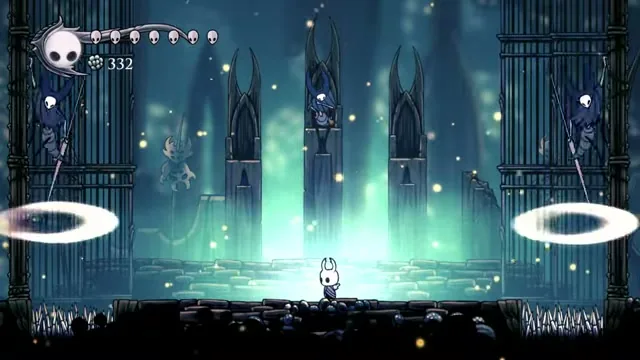
Crossfire
Separated sources create intersecting lines of fire.
Hollow Knight ↗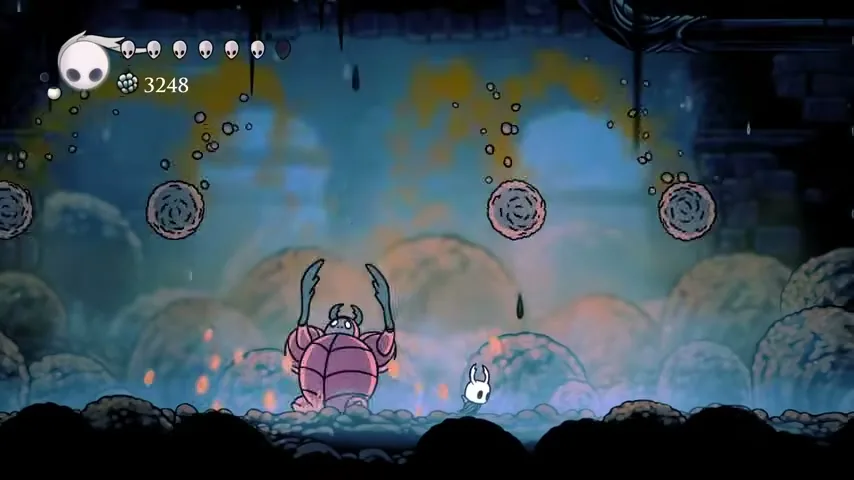
Ricochet projectile
A boundary collision changes a projectile's subsequent direction.
Hollow Knight ↗
Splitting projectile
At a defined moment, one projectile produces several new trajectories.
Cuphead ↗Returning projectile
A projectile returns after travelling outward, threatening previously crossed space again.
Hollow Knight ↗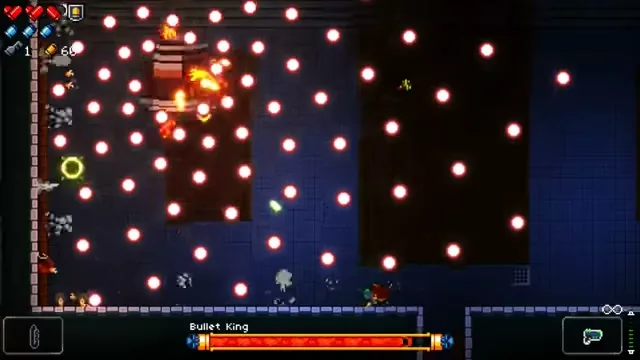
Spiral barrage
Rotating the firing direction arranges successive projectiles into a spiral.
Enter the Gungeon ↗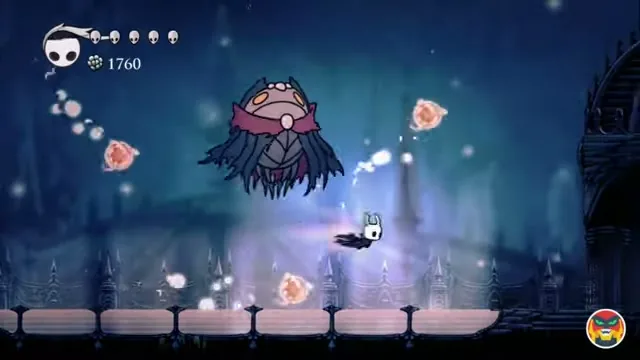
Orbiting projectiles
Projectiles circle a center and constrain access to it.
Hollow Knight ↗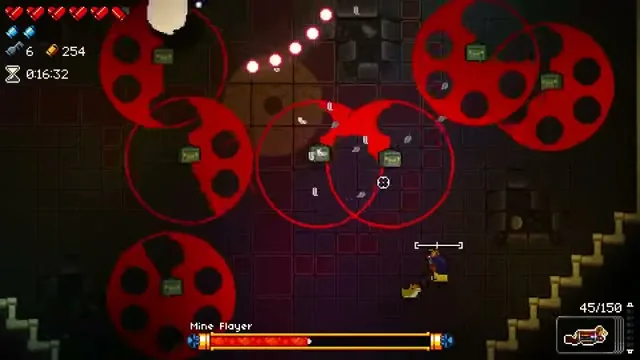
Marked-area strike
A marker previews the location of a coming strike.
Enter the Gungeon ↗Shockwave
A wavefront expands from its source and crosses player positions.
Ori and the Will of the Wisps ↗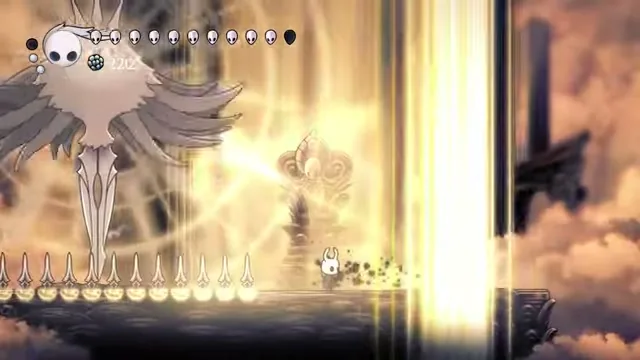
Lingering hazard
An attacked location remains hazardous for a period afterward.
Hollow Knight ↗Mine
A placed object activates through proximity, contact or timing rules.
Enter the Gungeon ↗
Chain explosions
Successive explosions carry a threat across several areas.
Cuphead ↗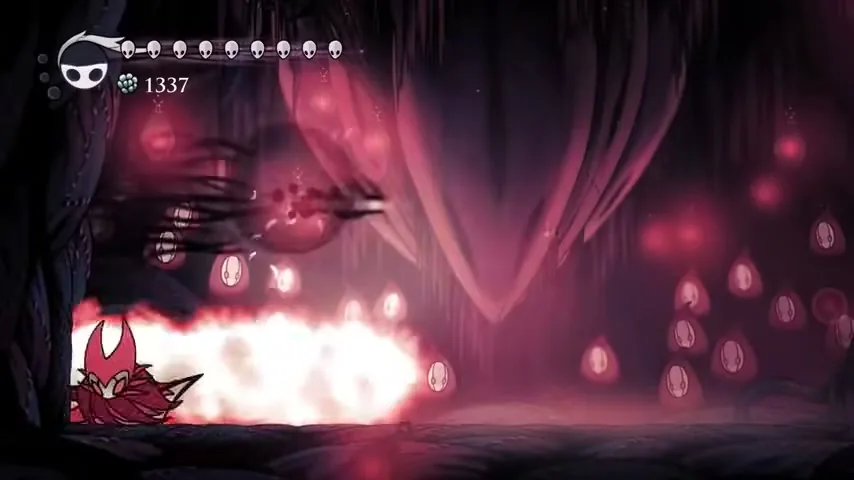
Hazard trail
A moving source leaves hazardous patches behind it.
Hollow Knight ↗Weak point
Hitting a designated target region enables damage or an enhanced effect.
Ori and the Will of the Wisps ↗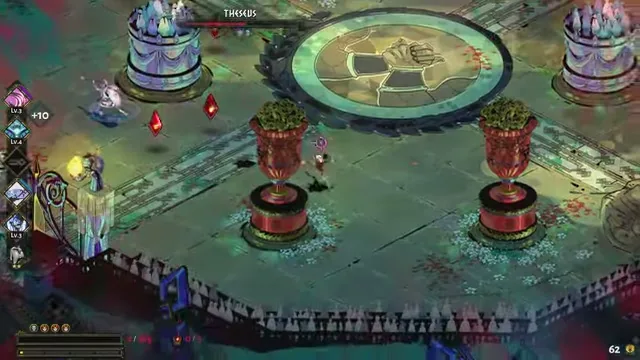
Directional shield
Protection blocks damage only from specified directions.
Hades ↗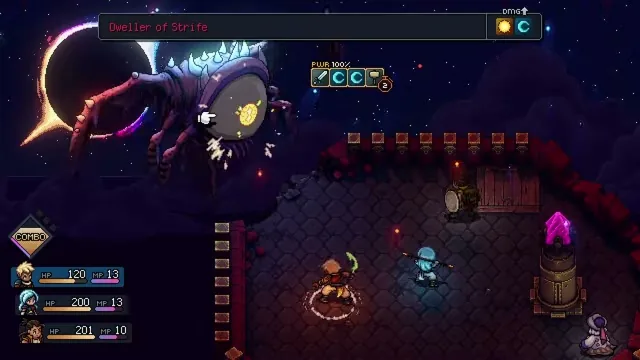
Interruptible wind-up
Successful intervention before preparation ends cancels a dangerous attack.
Sea of Stars ↗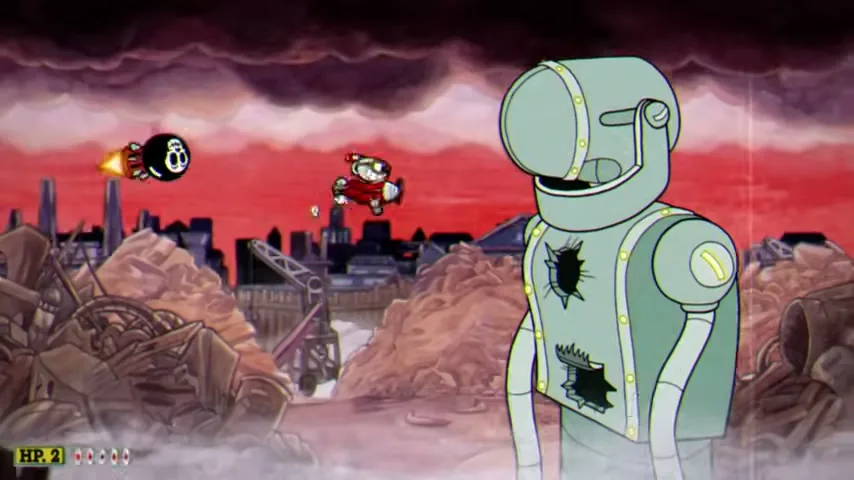
Part break
Destroying a component changes the boss's abilities or vulnerability.
Cuphead ↗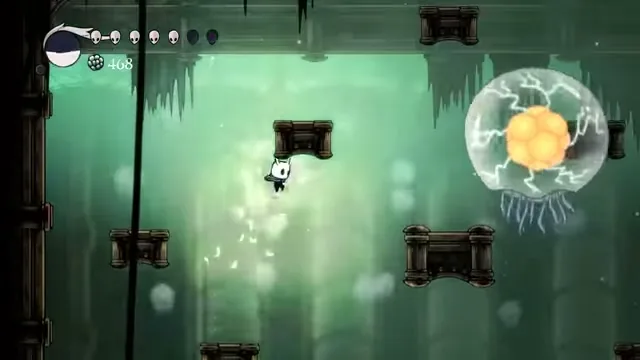
Situational immunity
A temporary condition makes the boss immune until its state changes.
Hollow Knight ↗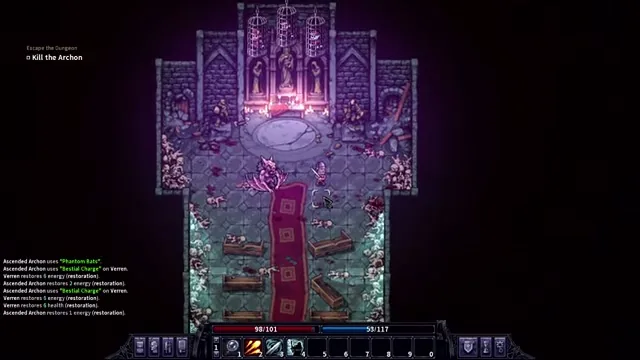
Damage-type resistance
Attack effectiveness depends on its damage type against the boss's resistance.
Stoneshard ↗
Counter stance
A specified player action against a prepared stance triggers retaliation.
Hollow Knight: Silksong ↗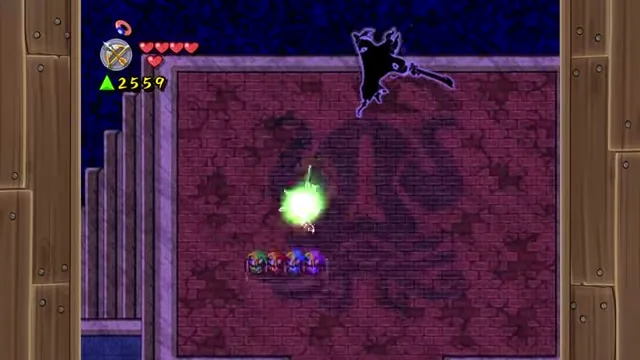
Attack reflection
An incoming attack is redirected toward its sender under a reflection rule.
The Legend of Zelda: Four Swords Adventures ↗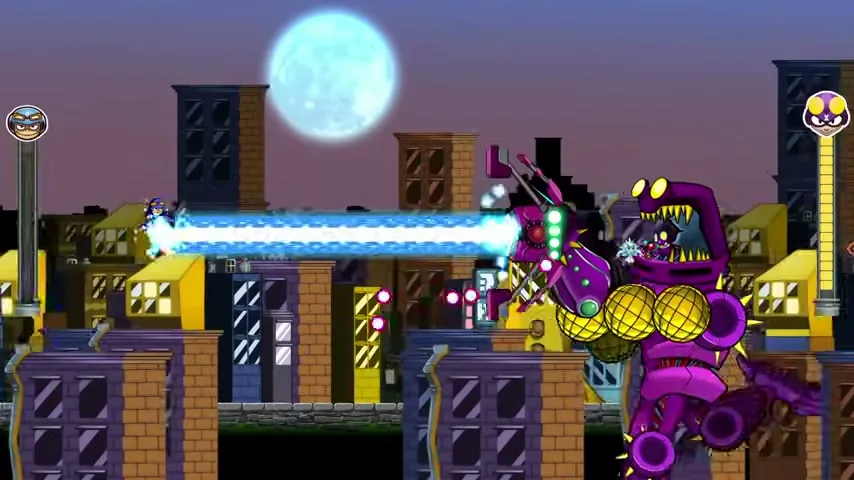
Absorption power-up
Absorbed attacks or objects strengthen the boss.
Nefarious ↗
Loadout adaptation
The boss adjusts its response to the player's available equipment.
Rabi-Ribi ↗Target lock
The boss tracks its target until an explicit direction-lock moment.
Cuphead ↗Volley
A group of threats is released together under one attack rule.
Cuphead ↗Burst fire
A short sequence of shots forms one pressure window.
Hollow Knight ↗Attack combination
Linked attacks form a sequence with shared timing and transitions.
Dark Souls III ↗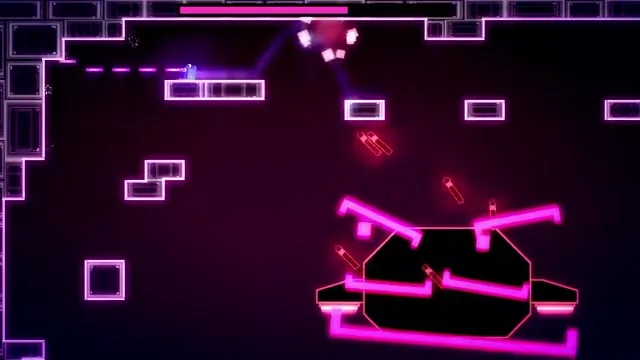
Predictive aiming
A shot aims at a moving player's predicted future position.
Will You Snail? ↗Source tracking
The attack source continues turning to follow its target.
Cuphead ↗Delayed activation
A deliberate delay separates warning from threat activation.
Enter the Gungeon ↗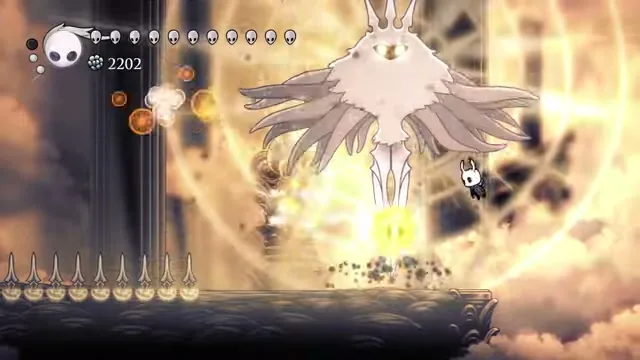
Homing projectile
An already launched projectile adjusts its trajectory to follow a target.
Hollow Knight ↗Speed change
A speed change during an attack alters the required dodge timing.
Terraria ↗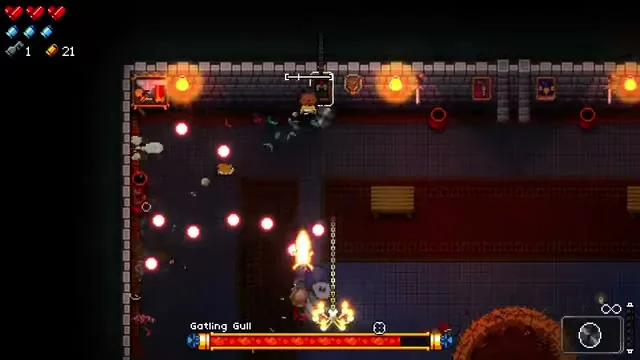
Limited spread
Spread stays within a defined range of directions or positions.
Enter the Gungeon ↗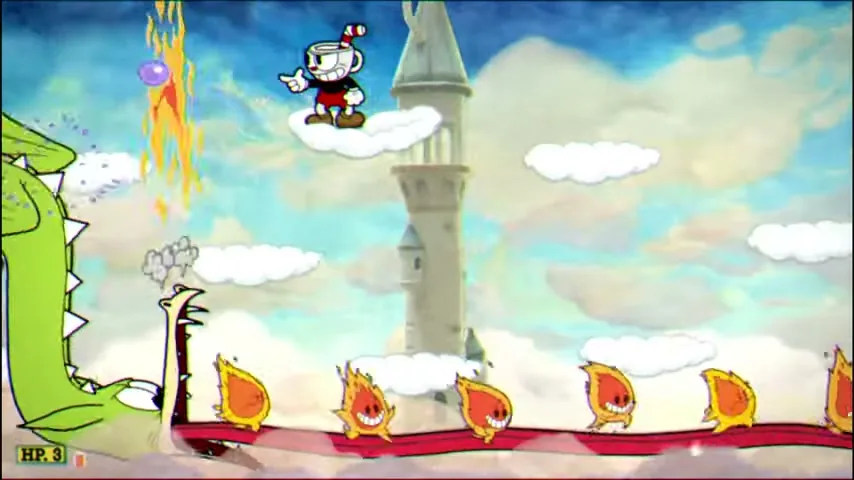
Moving hazard
A hazardous area moves and displaces the player from their route.
Cuphead ↗Shrinking safe area
The arena's safe portion gradually contracts.
Hollow Knight ↗
Knockback
An impact pushes the player away and changes their relation to hazards.
Final Fantasy XIV ↗
Pull
An external force draws the character toward a threat source.
Hollow Knight: Silksong ↗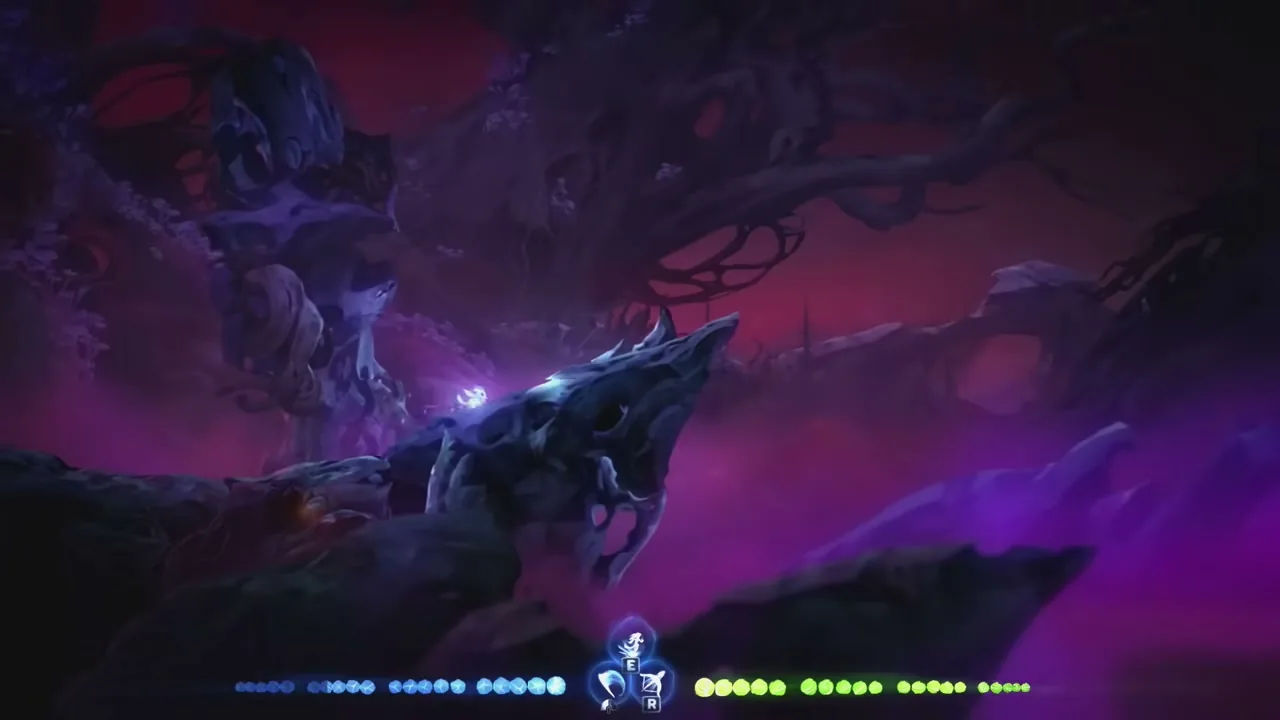
Platform destruction
The boss destroys a support and changes available footing.
Ori and the Will of the Wisps ↗Converging threats
Several threats converge and reduce available response space.
Hollow Knight ↗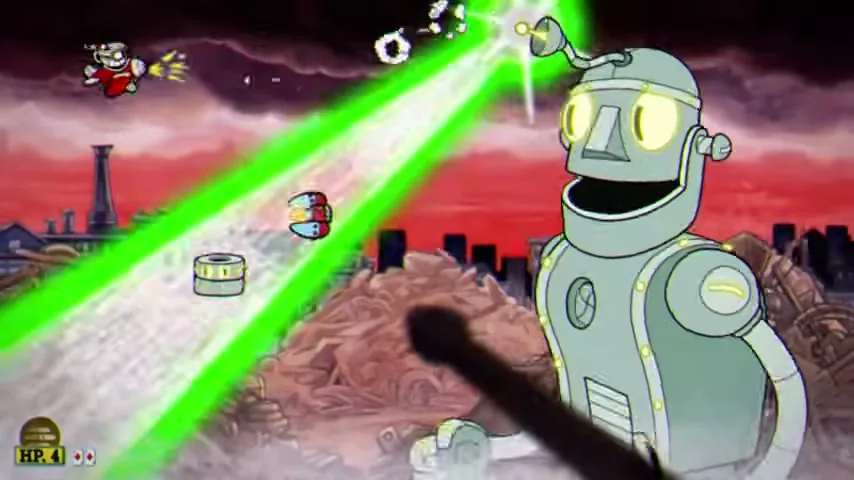
Straight beam
An extended straight beam blocks a line from its source to its endpoint.
Cuphead ↗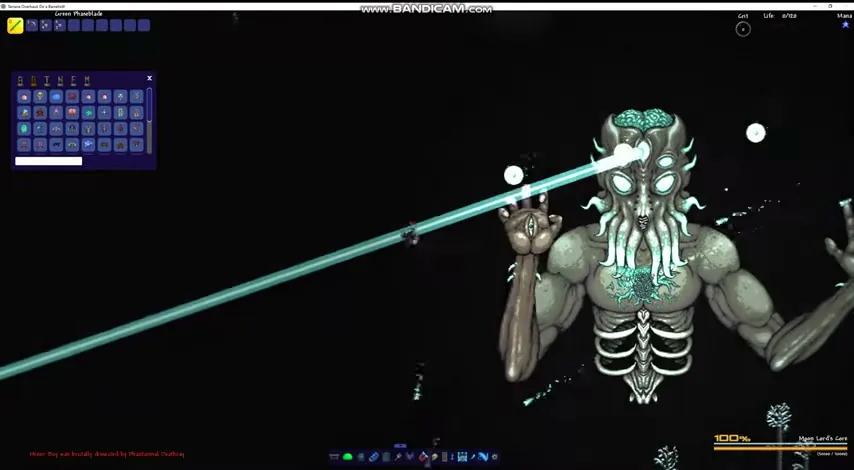
Scanning beam
A beam changes direction, sweeping a dangerous line across the arena.
Terraria ↗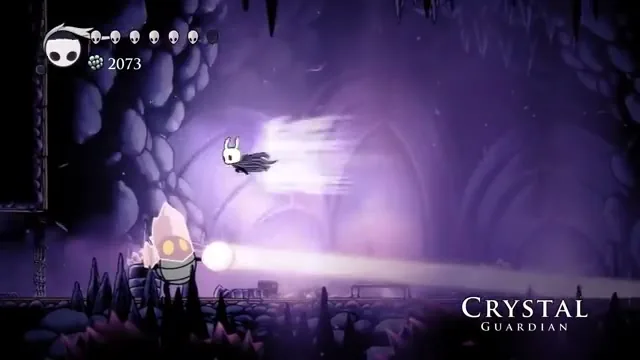
Pulse beam
A beam alternates damaging pulses with inactive intervals.
Hollow Knight ↗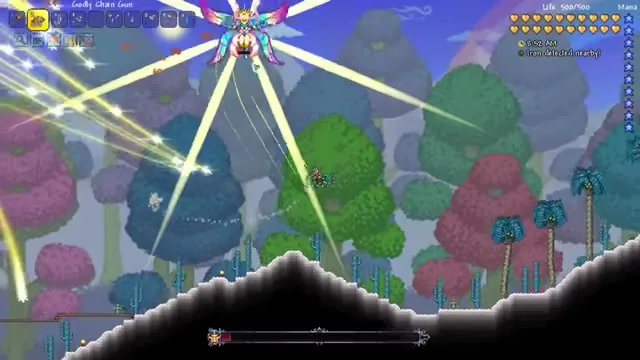
Rotating beams
Several rotating beams create moving safe gaps.
Terraria ↗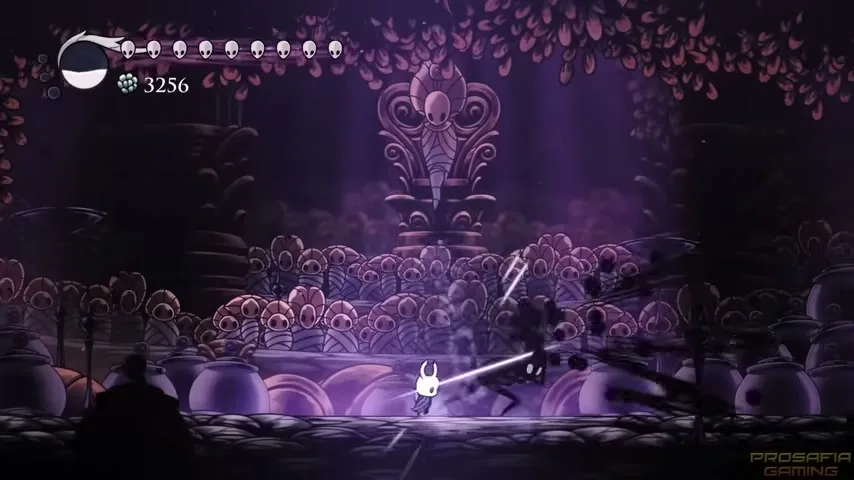
Summon
The boss introduces extra enemies that compete for attention.
Hollow Knight ↗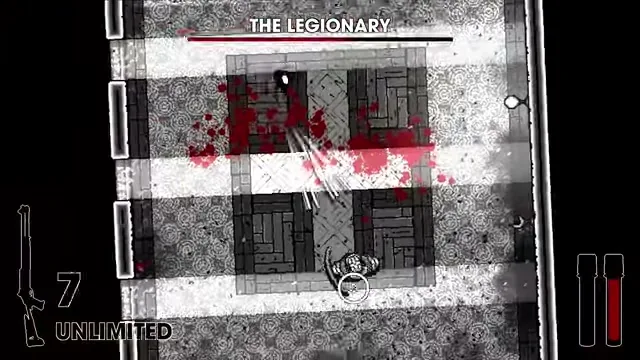
Turret deployment
A deployed object independently generates threats from a new position.
OTXO ↗Threat generator
A separate target continues producing hazards until neutralized.
OTXO ↗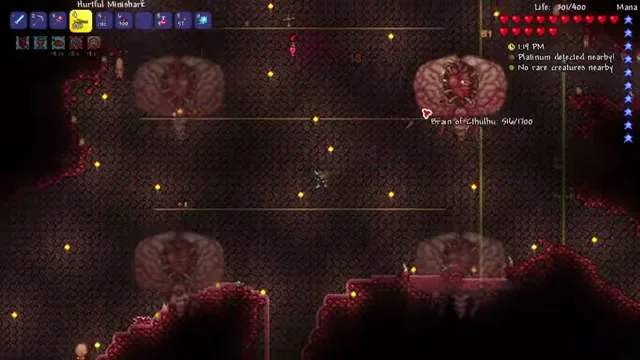
Decoy
False objects complicate identification of the real target.
Terraria ↗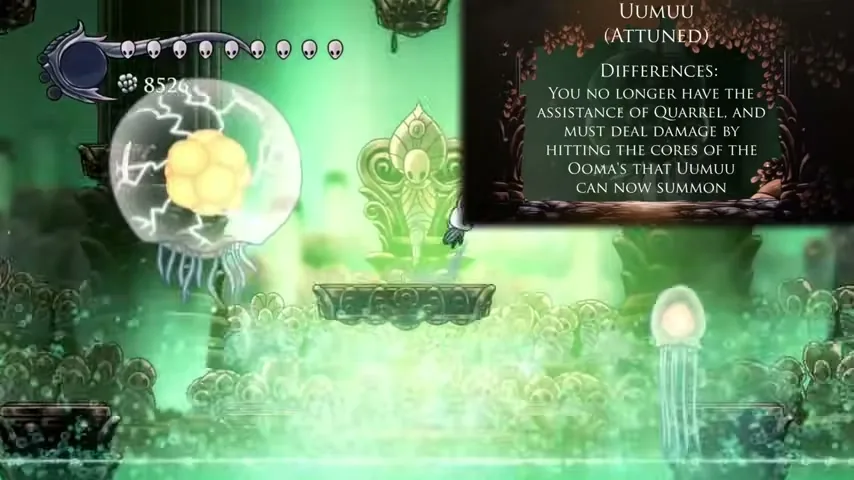
Objective-linked invulnerability
Completing a separate objective removes the main opponent's protection.
Hollow Knight ↗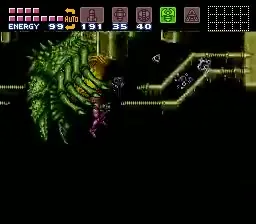
Environmental weapon
An arena object becomes a means of damaging the boss.
Super Metroid ↗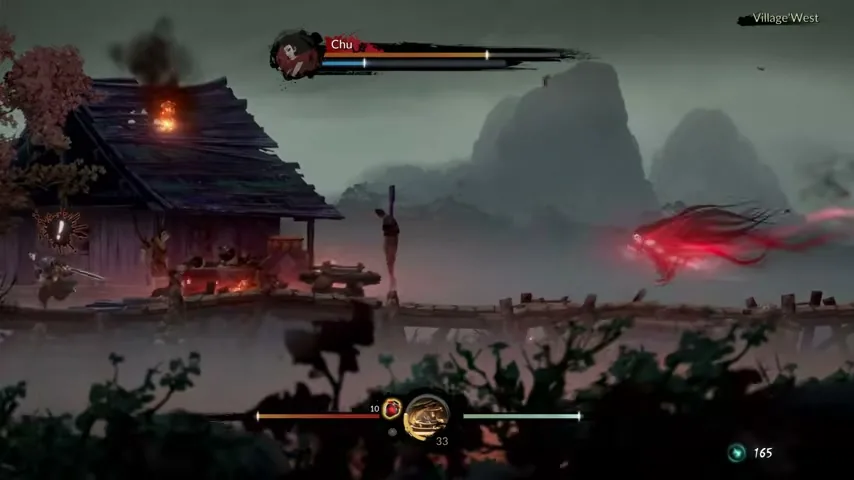
Posture stagger gauge
Accumulated posture pressure opens a special attack opportunity.
Eastern Exorcist ↗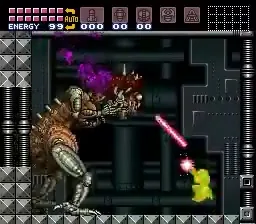
Encounter-specific tool
An encounter-specific tool provides an action needed against this opponent.
Super Metroid ↗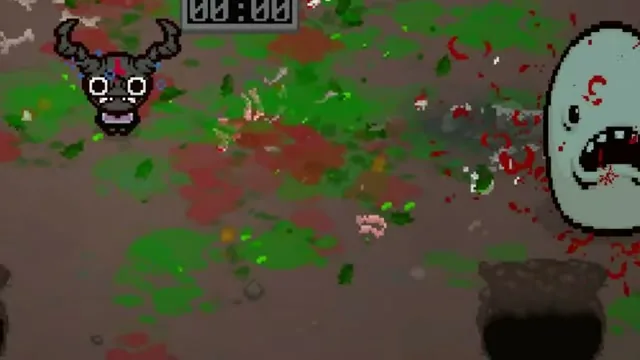
Baited self-hit
The player steers a boss action into damaging the boss itself.
The Binding of Isaac: Rebirth ↗Projectile rally
Returning a projectile creates a back-and-forth exchange until resolution.
The Legend of Zelda: Four Swords Adventures ↗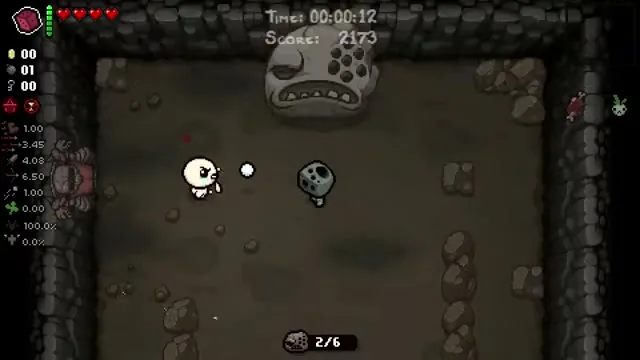
Wave-clear objective
Encounter progress depends on completing successive enemy waves.
The Binding of Isaac: Repentance ↗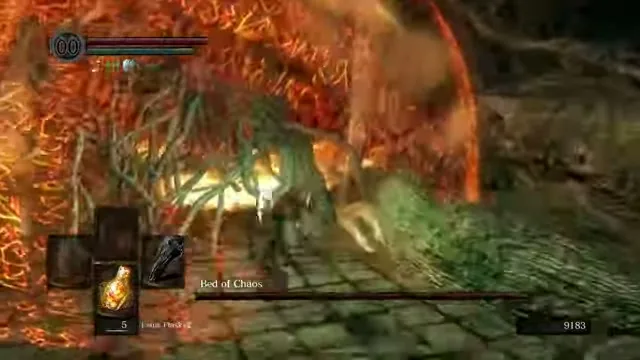
Persistent encounter progress
Completed milestones survive defeat and shape the next attempt.
Dark Souls ↗
Pacifist resolution
A completion condition ends the encounter without killing the opponent.
The Binding of Isaac: Repentance ↗
Player-controlled boss
Another player makes boss decisions within defined rules.
Crawl ↗
Teleport
The boss relocates without normally traversing the intervening space.
Hollow Knight ↗
Cover and line of sight
Obstacles interrupt an effect's line between threat and player.
Final Fantasy XIV ↗Boundary attack
A source at the arena boundary sends a threat into playable space.
Hollow Knight ↗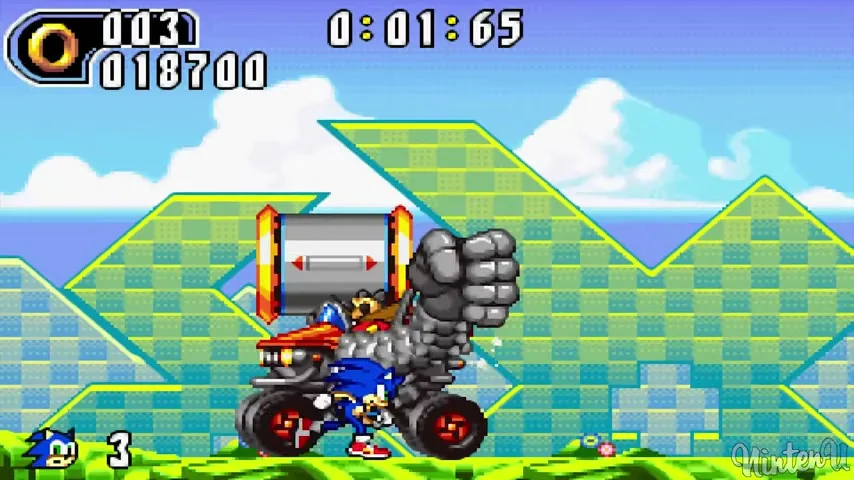
Chase herding
Pursuit steers the player toward particular areas or routes.
Sonic Advance 2 ↗
Boss as terrain
The boss's body becomes terrain for traversal and reaching objectives.
Sonic Origins: Sonic 3 & Knuckles ↗Forced scrolling
Scrolling play space forces continued movement.
Sonic Advance 2 ↗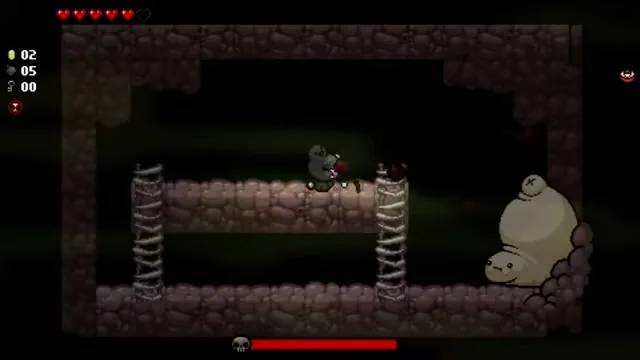
Nested / relocated arena
The encounter moves into another space with its own constraints.
The Binding of Isaac: Repentance ↗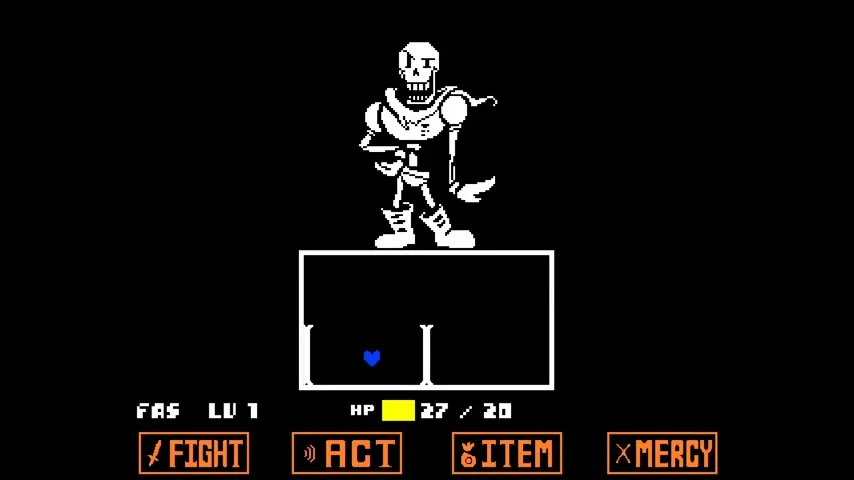
Control mode shift
An encounter stage changes the available character control mode.
Undertale ↗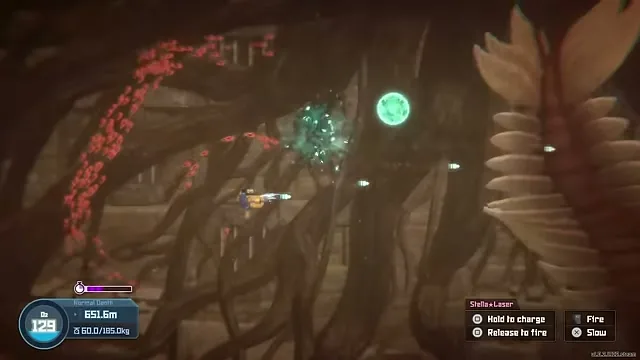
Escape phase
The boss retreats, making pursuit part of continuing the encounter.
Dave the Diver ↗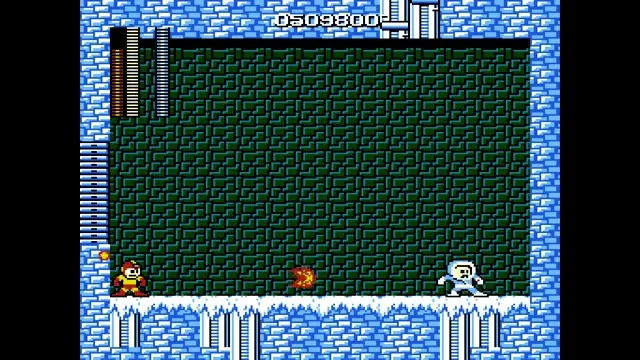
Forced inertia
Retained momentum limits immediate changes in movement.
Mega Man (Legacy Collection) ↗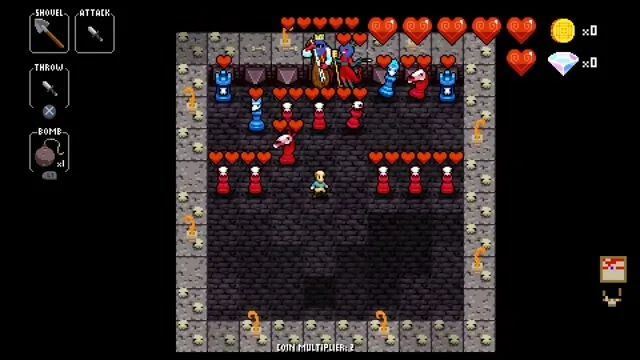
Beat-synced attack
Threat and response windows align with a readable beat.
Crypt of the NecroDancer ↗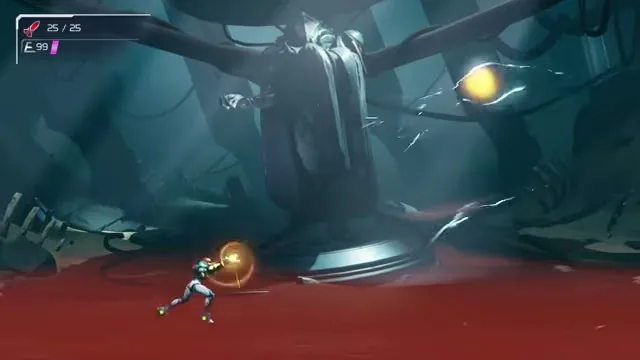
Invisibility
Traces, sound or other indirect cues reveal a hidden boss's position.
Metroid Dread ↗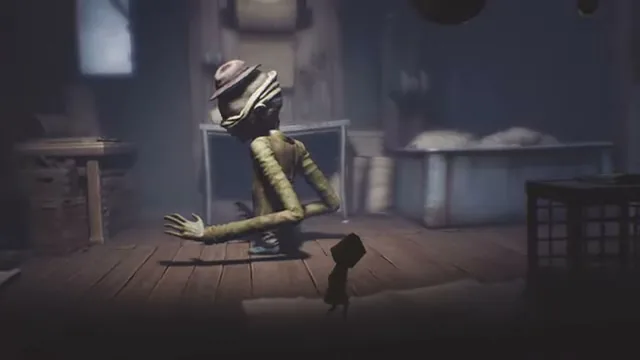
Sound detection
Noise from player actions affects boss detection and response.
Little Nightmares ↗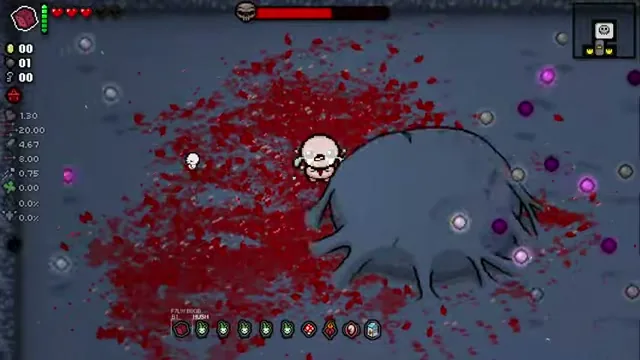
Wraparound projectile
A projectile exiting one boundary returns from another side.
The Binding of Isaac: Repentance ↗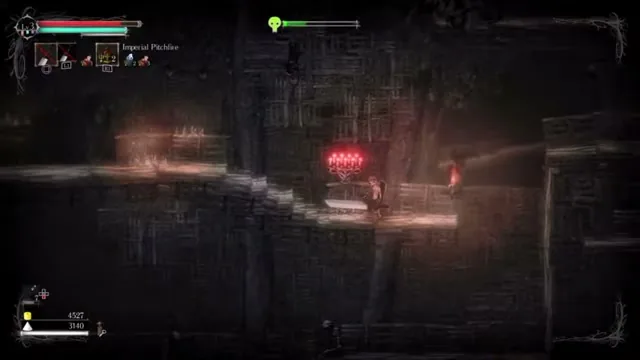
Status buildup
Repeated exposure fills a gauge whose threshold triggers a separate effect.
Salt and Sanctuary ↗
Ability or healing lock
A named action becomes temporarily unavailable under an announced rule.
Terraria ↗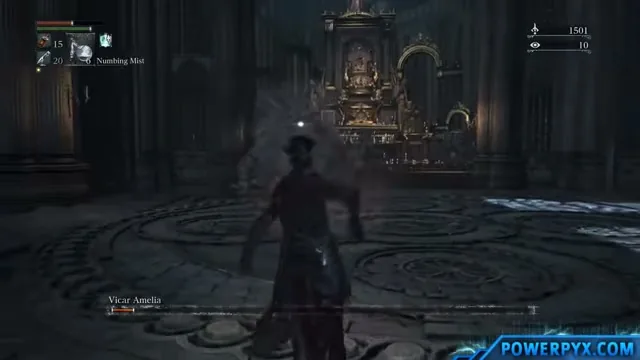
Interruptible self-heal
The boss prepares a heal that the player can interrupt before completion.
Bloodborne ↗
Party-size scaling
Encounter parameters account for the number of participating players.
Terraria ↗
Action-reactive punish
A committed player action triggers a specified boss response.
Hollow Knight ↗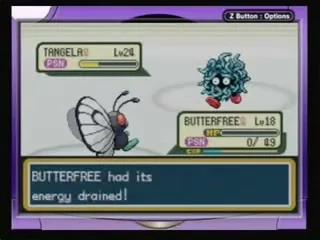
On-hit healing or lifesteal
A qualifying contact restores boss health.
Pokémon FireRed and LeafGreen ↗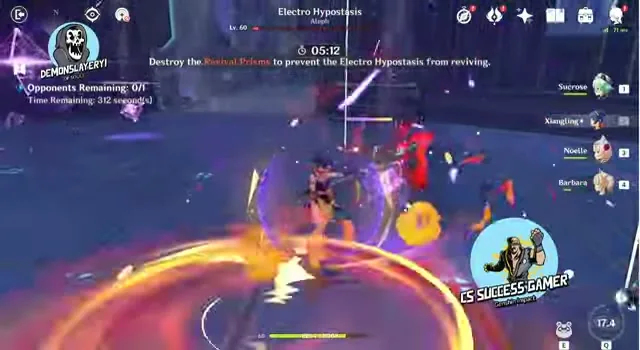
Interceptable healing sources
Healing comes from a separate source that can be intercepted.
Genshin Impact ↗
Resource steal or drop
A hit transfers resource ownership or drops it for possible recovery.
The Binding of Isaac: Afterbirth ↗
False death and return
An apparent boss defeat triggers revival or another phase.
Hollow Knight ↗
Maximum-health reduction
An effect reduces health capacity and limits ordinary healing.
Elden Ring ↗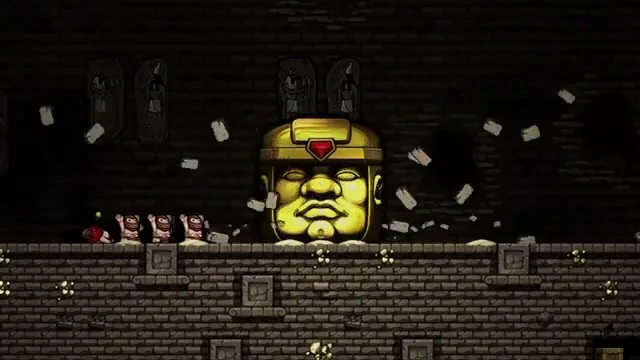
Instant-kill condition
An explicit condition immediately ends the attempt regardless of remaining health.
Spelunky ↗
Adaptive damage-rate cap
A rule limits excessive damage throughput within a defined time window.
The Binding of Isaac: Repentance ↗
Loadout mirror
A snapshot of player equipment determines the boss's ability package.
Elden Ring ↗
Moveset shapeshifting
The boss switches complete packages of movement, attacks and reactions.
The Binding of Isaac: Repentance ↗
Ally theft and charm
An existing ally temporarily changes allegiance and becomes a threat.
The Binding of Isaac: Repentance ↗World-state encounter variant
World state, such as time of day or progress, changes encounter rules.
Terraria ↗
Run-history manifestation
Earlier run decisions determine elements of the present encounter.
Metal Gear Solid 3: Snake Eater (Master Collection) ↗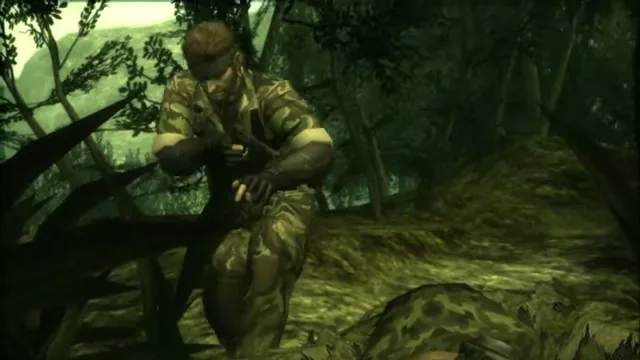
Real-time progression
Real time elapsed outside combat changes the next encounter state.
Metal Gear Solid 3: Snake Eater ↗
Interface interaction
Responding to a threat involves a microphone, controller or another external interface.
Metal Gear Solid (Master Collection) ↗
Shared group health
Several bodies feed damage into one shared health pool.
Elden Ring ↗Coordinated duo attack
Two bosses execute linked parts of one coordinated attack.
Hollow Knight ↗
Kill-order inheritance
The surviving opponent inherits abilities based on defeat order.
Dark Souls ↗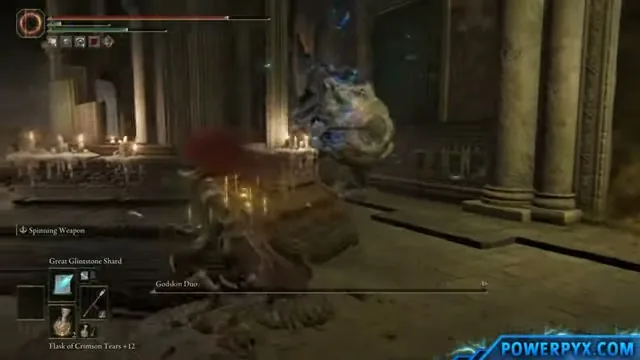
Partner revival
One boss can revive a fallen partner until the shared completion condition is met.
Elden Ring ↗
Personal spread
Personal zones require separation to avoid other players' hits.
Final Fantasy XIV ↗
Shared-damage stack
A marked attack's damage is divided among eligible participants within its area.
MapleStory ↗
Tower soak
A marked location requires a specified number of players at resolution.
Final Fantasy XIV ↗
Tankbuster and target handoff
After a costly hit, the group hands boss attention to another defender.
Final Fantasy XIV ↗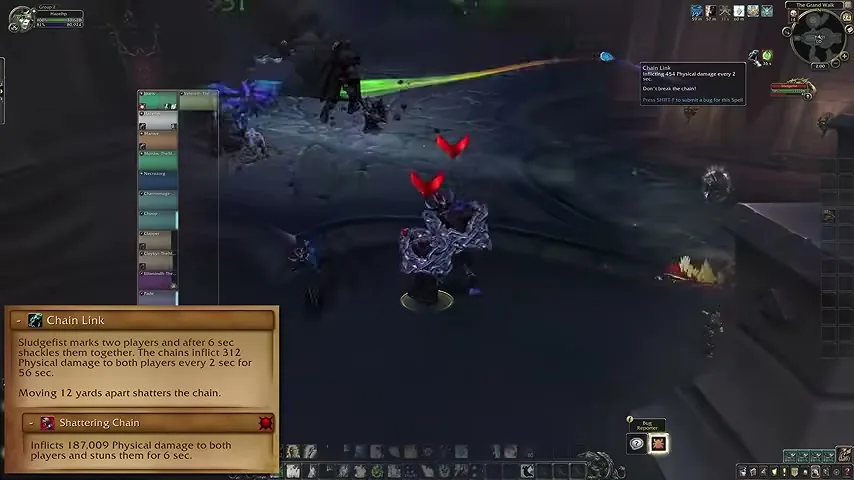
Entity tether
A tether checks distance between assigned entities.
World of Warcraft ↗
Party split
The group splits to complete independent objectives in parallel.
MapleStory ↗
Proximity damage
Hit severity varies with distance from an announced source.
Final Fantasy XIV ↗
Gaze check
The outcome depends on character facing relative to a source at the check time.
Final Fantasy XIV ↗
Debuff handoff
A harmful state transfers to another participant through an explicit contact rule.
Final Fantasy XIV ↗
Ordered targets
Markers specify the order in which players receive upcoming attacks.
Final Fantasy XIV ↗
Pairing polarity
Success depends on correctly pairing assigned player signs or roles.
Final Fantasy XIV ↗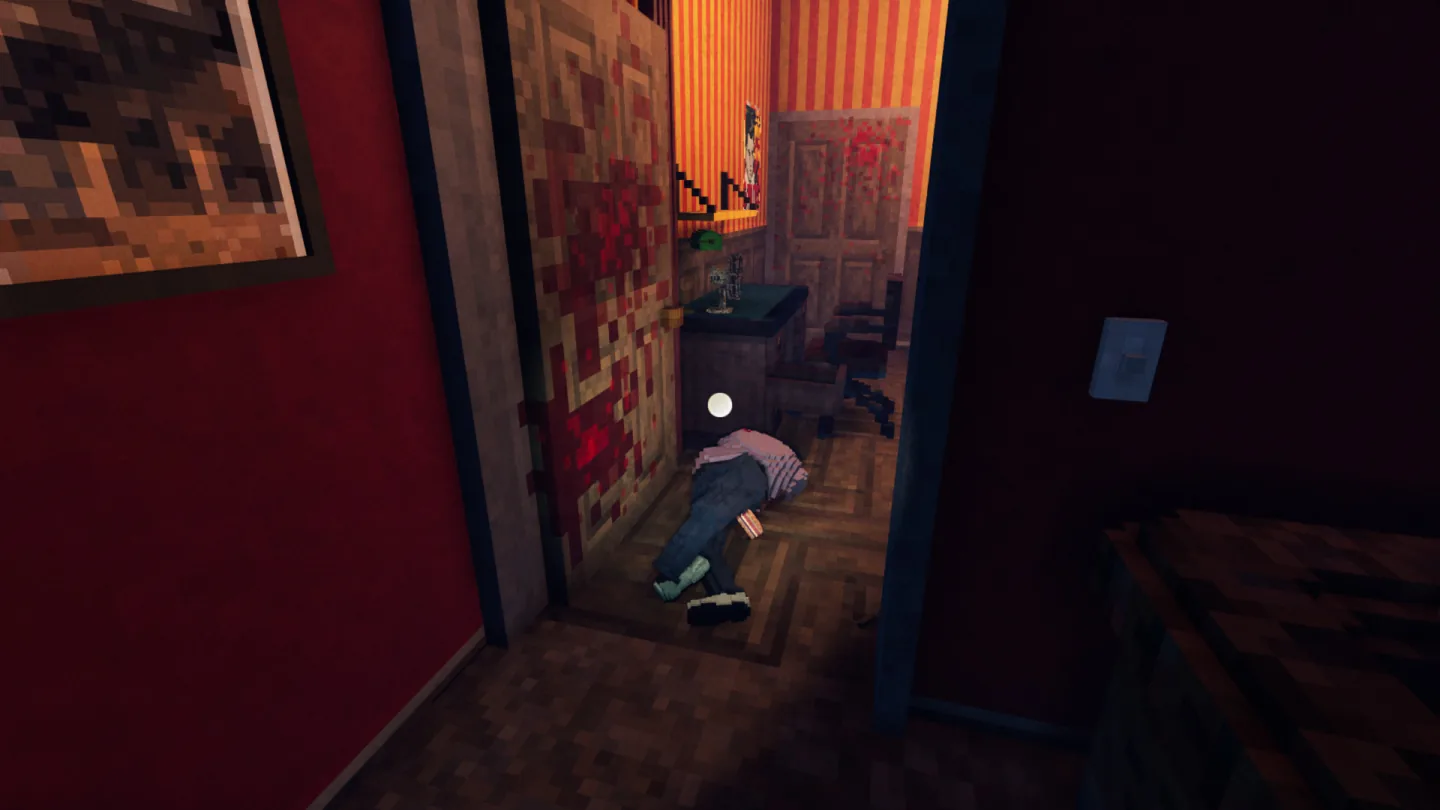
Crime-scene observation
The player selects significant environmental details and separates observed facts from possible explanations.
Shadows of Doubt ↗Evidence collection and provenance
The player preserves a finding with its location, time and collection method so its significance can be checked later.
The Case of the Golden Idol ↗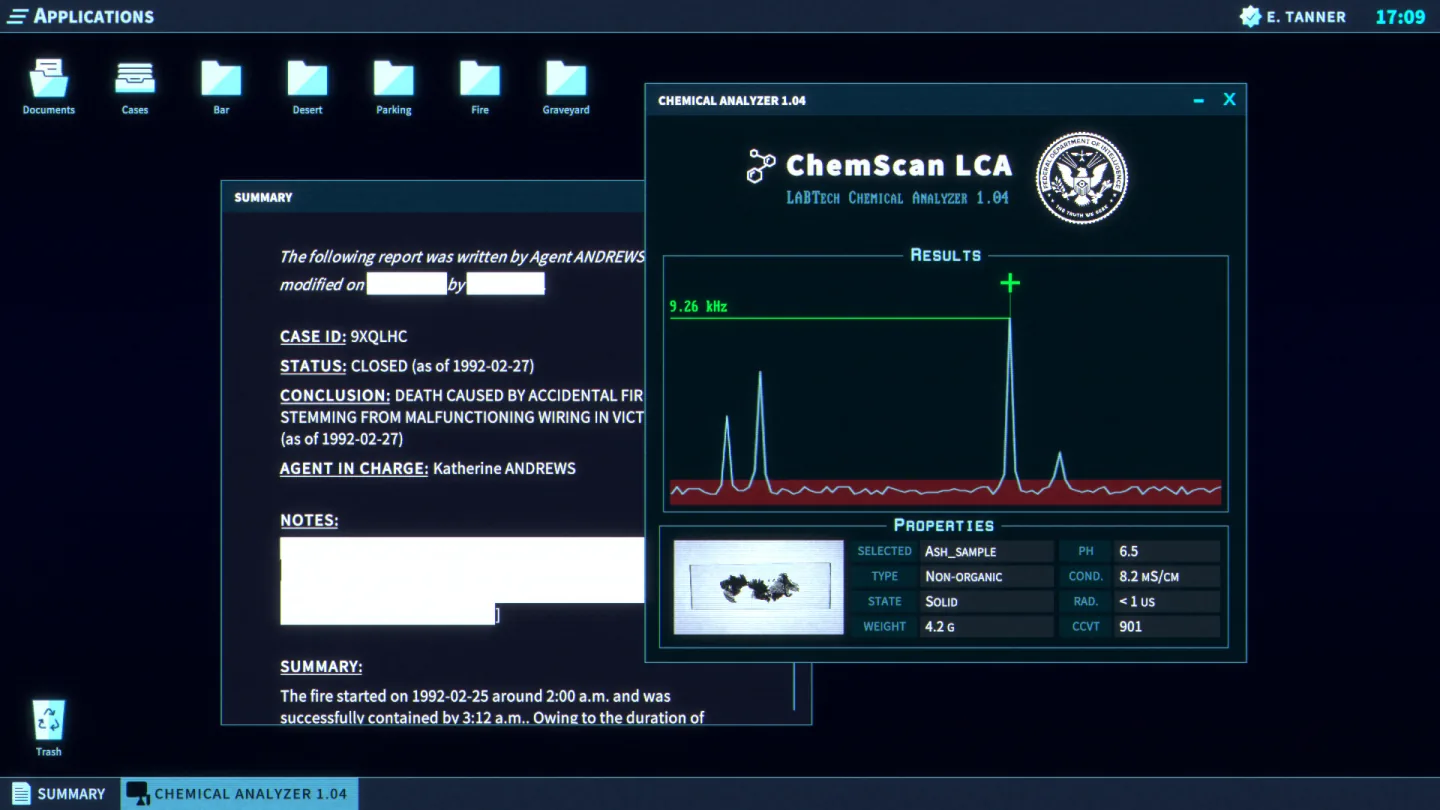
Trace and sample comparison
The player checks similarities and differences between a trace and candidate samples. A matching property alone does not establish guilt.
The Operator ↗Instrument-assisted inspection
A tool reveals a new property; the player decides what to inspect and how to interpret the result.
The Operator ↗Documents, records and ciphers
The player extracts information from character-created records and checks their authorship, meaning and reliability.
Her Story ↗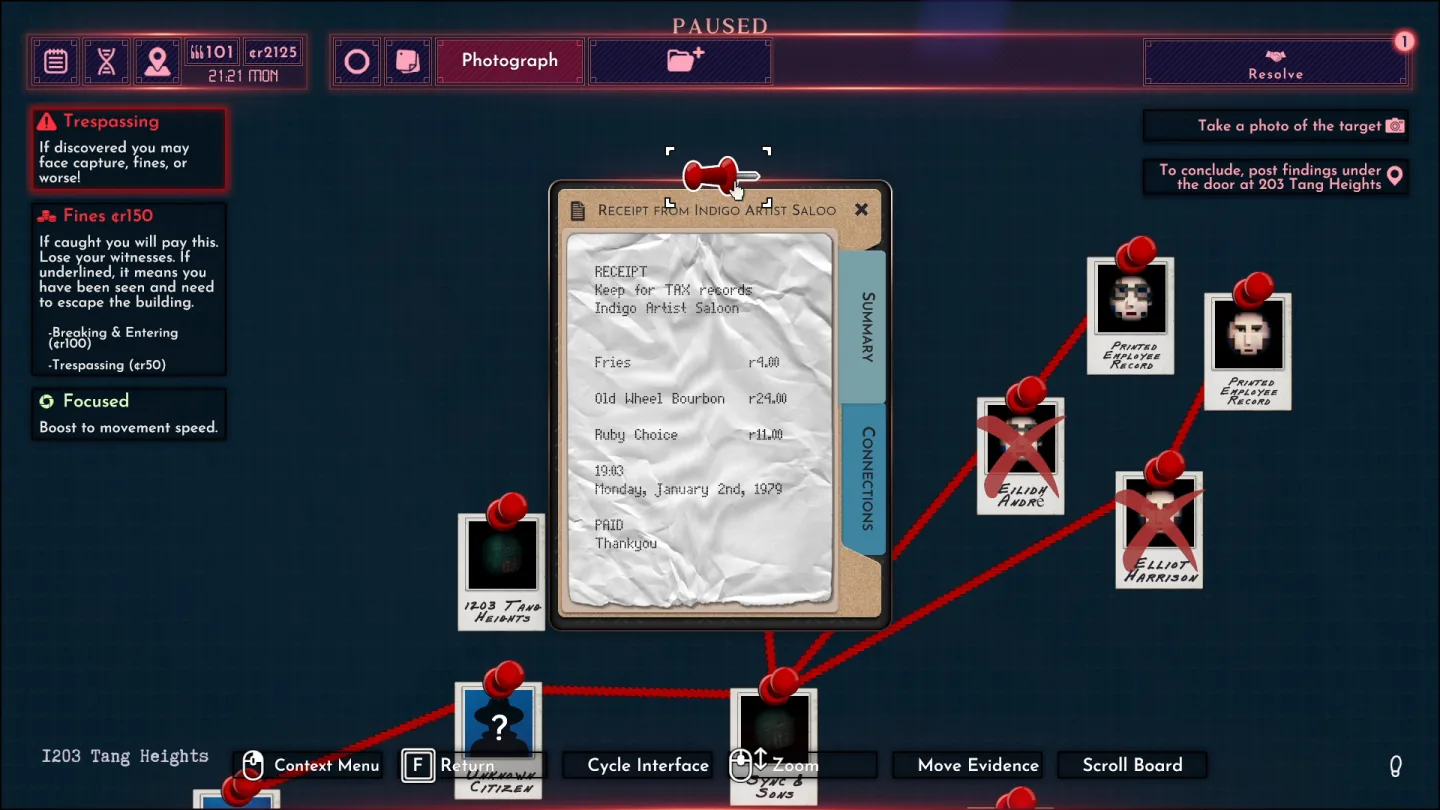
Connecting clues and organizing a case
The player organizes scattered information while preserving the difference between a fact and a proposed connection.
Shadows of Doubt ↗Competing hypotheses
The player proposes several explanations and looks for an observation that can distinguish between them.
The Case of the Golden Idol ↗Experimental hypothesis testing
The player chooses a test capable of refuting an assumption and compares its result with a prediction.
The Operator ↗Eliminating candidates
The player narrows possible answers through compatible constraints and keeps the reason for every elimination.
The Case of the Golden Idol ↗Motive, means and opportunity
The player checks different aspects of a suspect’s involvement. A motive or access to an item alone does not establish the connection.
The Case of the Golden Idol ↗Inferring hidden rules
In a speculative or systemic mystery, the player first discovers world rules and then uses them to explain an event.
Return of the Obra Dinn ↗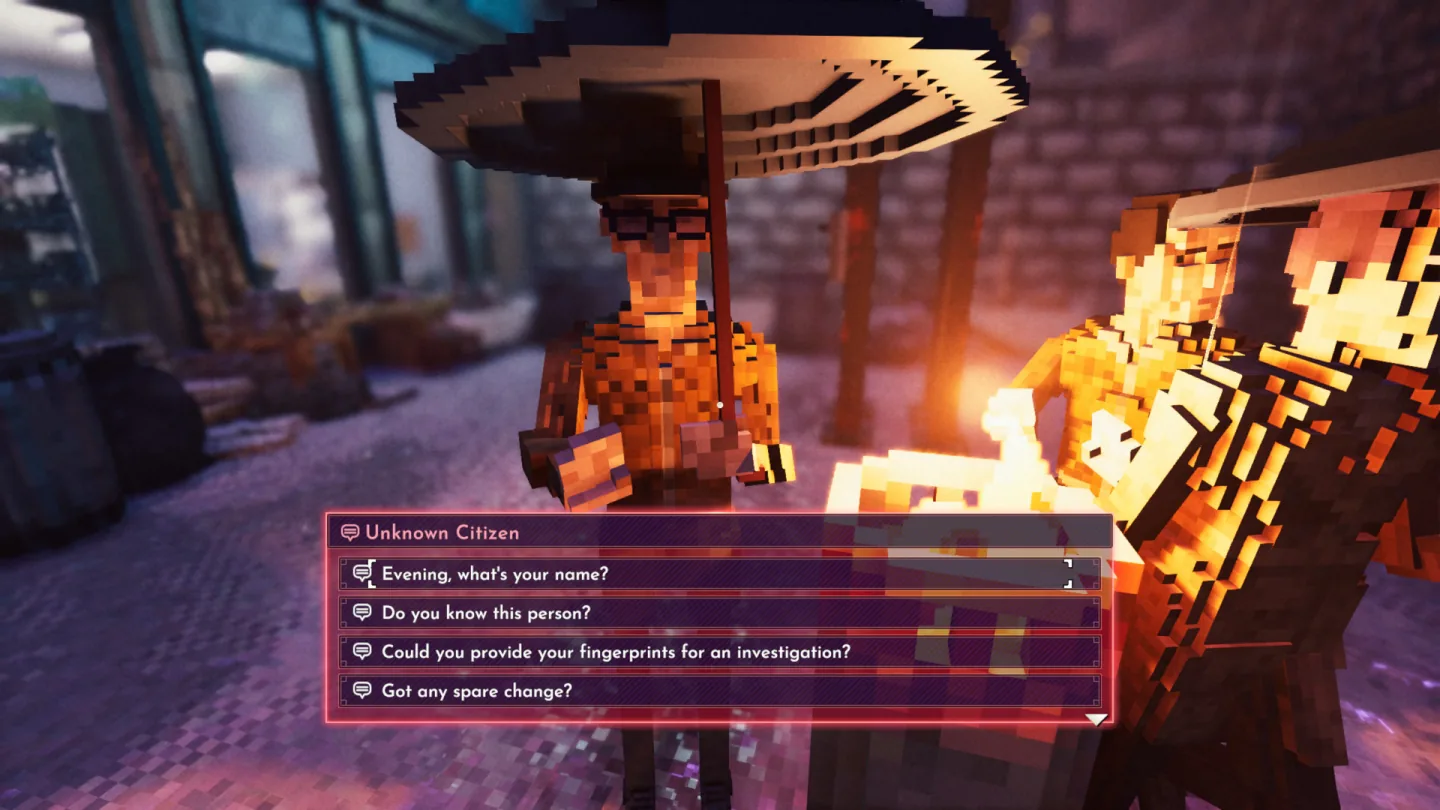
Interviews and question selection
The player chooses conversation topics, asks for details and obtains new investigative leads.
Shadows of Doubt ↗Contradictions in testimony
The player compares a specific statement with an independent fact and explains why they cannot both hold.
Phoenix Wright: Ace Attorney Trilogy ↗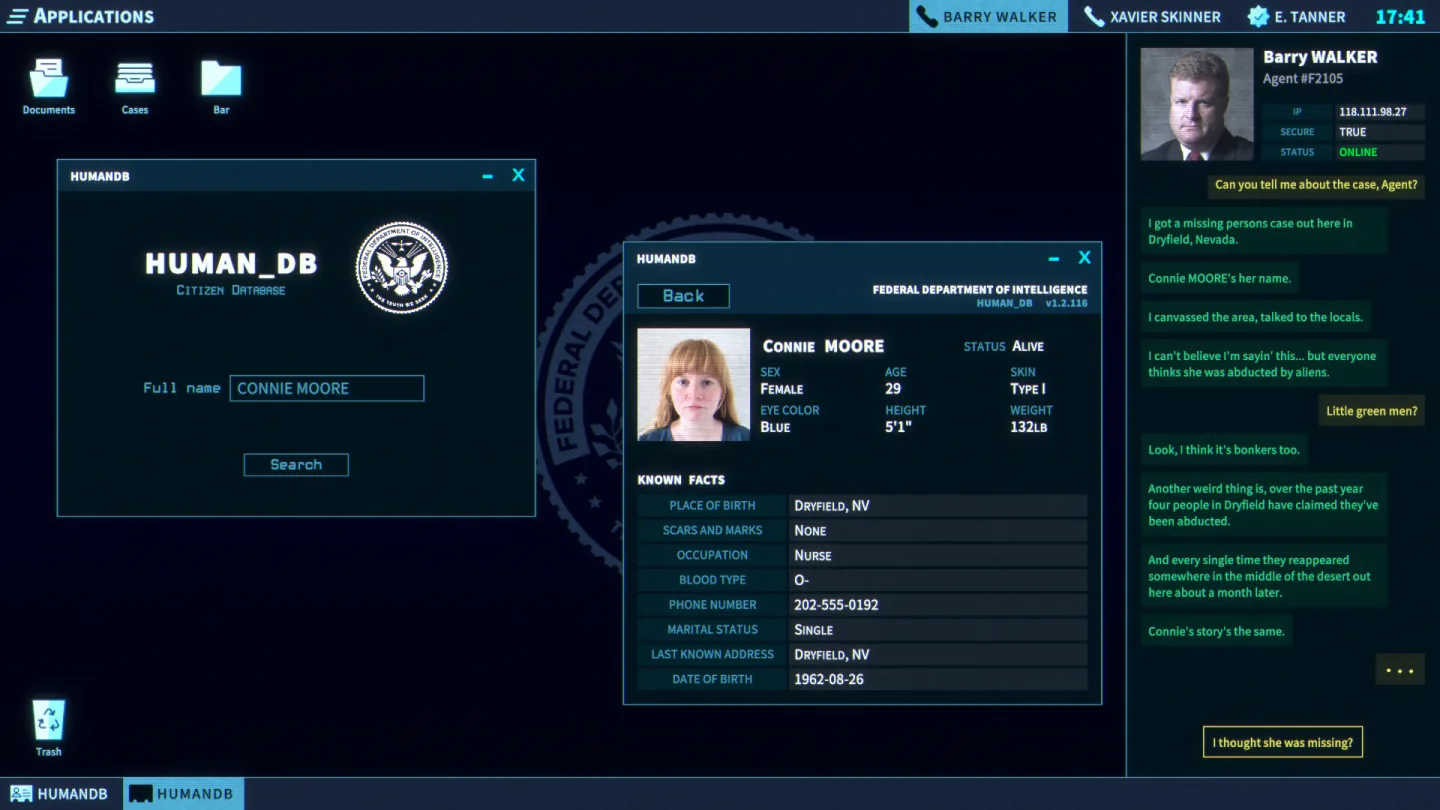
Information-database search
A discovered word, name or identifier becomes a query that reveals previously unknown parts of the case.
The Operator ↗Trust and social access
Relationships affect a character’s willingness to share information. Confident behavior alone does not prove truthfulness.
Potionomics ↗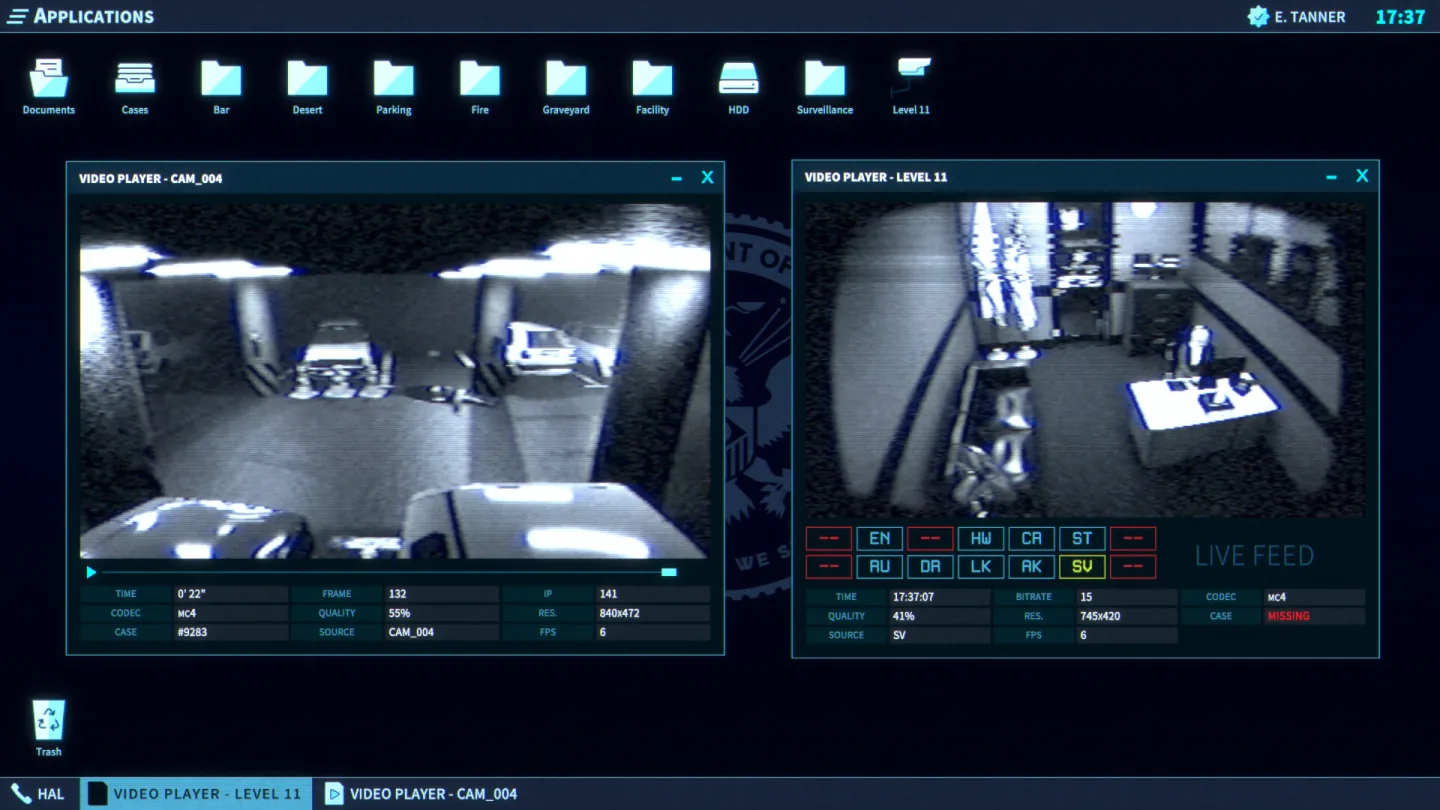
Surveillance and behavioral observation
The player observes a character’s actions in the world and compares them with the claimed routine.
The Operator ↗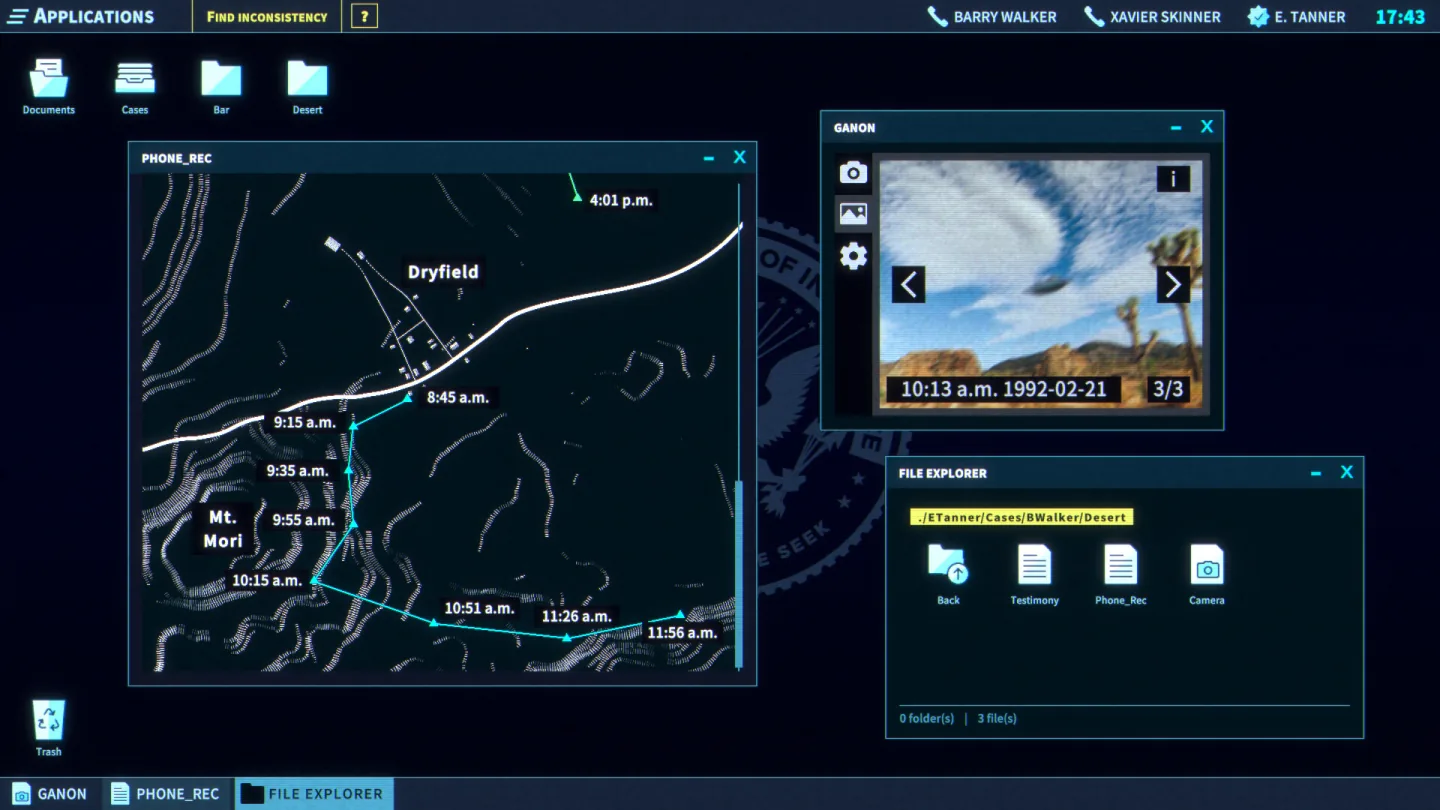
Timelines and alibis
The player establishes event order and duration, then checks whether claimed actions can coexist.
The Operator ↗Scene-action reconstruction
The player reconstructs a sequence of actions from participant positions and traces left behind.
Return of the Obra Dinn ↗Cause, mechanism and staging
The player separates the observed outcome from its mechanism and later attempts to conceal it.
The Operator ↗Identity deduction
The player connects an unknown participant to a name or role using several independent clues.
The Operator ↗Routes and access to locations
The player checks who could move, see, hear or transfer an object within the location’s spatial constraints.
The Operator ↗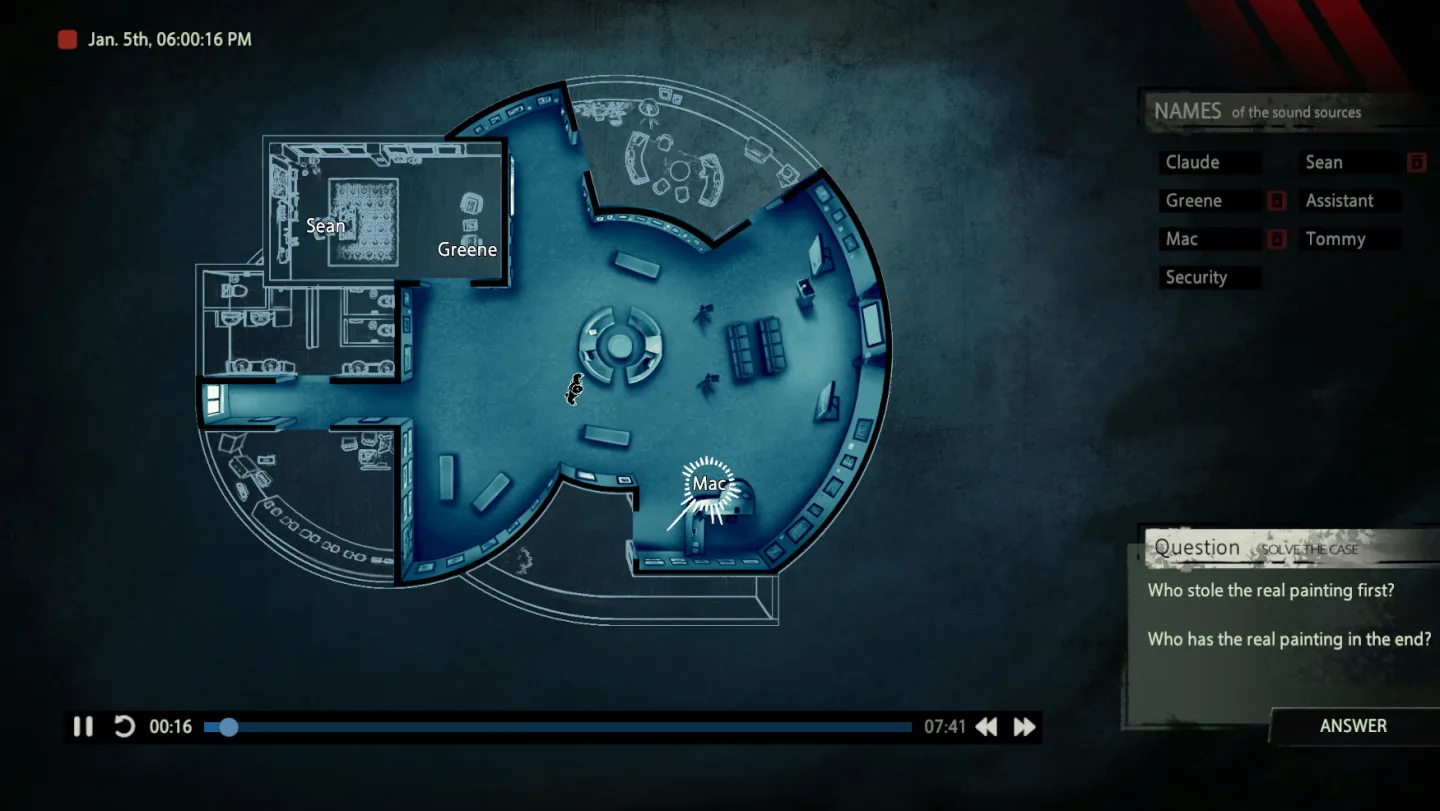
Audio-based investigation
The player extracts information from voices, background events and simultaneous conversations.
Unheard - Voices of Crime ↗Formulating a testable conclusion
The player translates understanding into an answer the game can check. The answer format determines which reasoning can be expressed.
The Case of the Golden Idol ↗Feedback and hints
These systems support reasoning. Their design affects whether players seek explanations or probe answers through interface feedback.
Phoenix Wright: Ace Attorney Trilogy ↗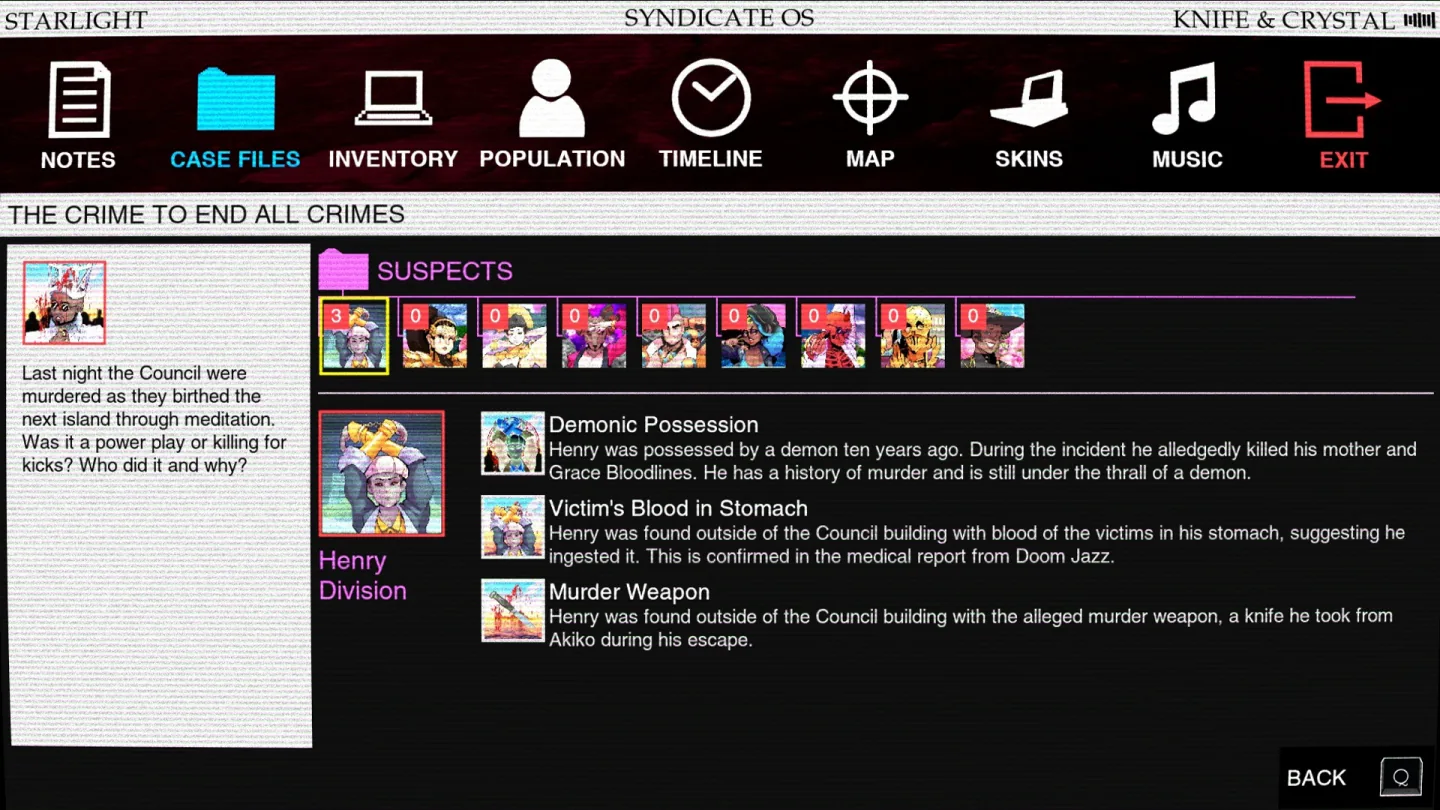
Choosing an accusation
The player decides whom to accuse of what, weighing the completeness of an explanation against the risk of error.
Paradise Killer ↗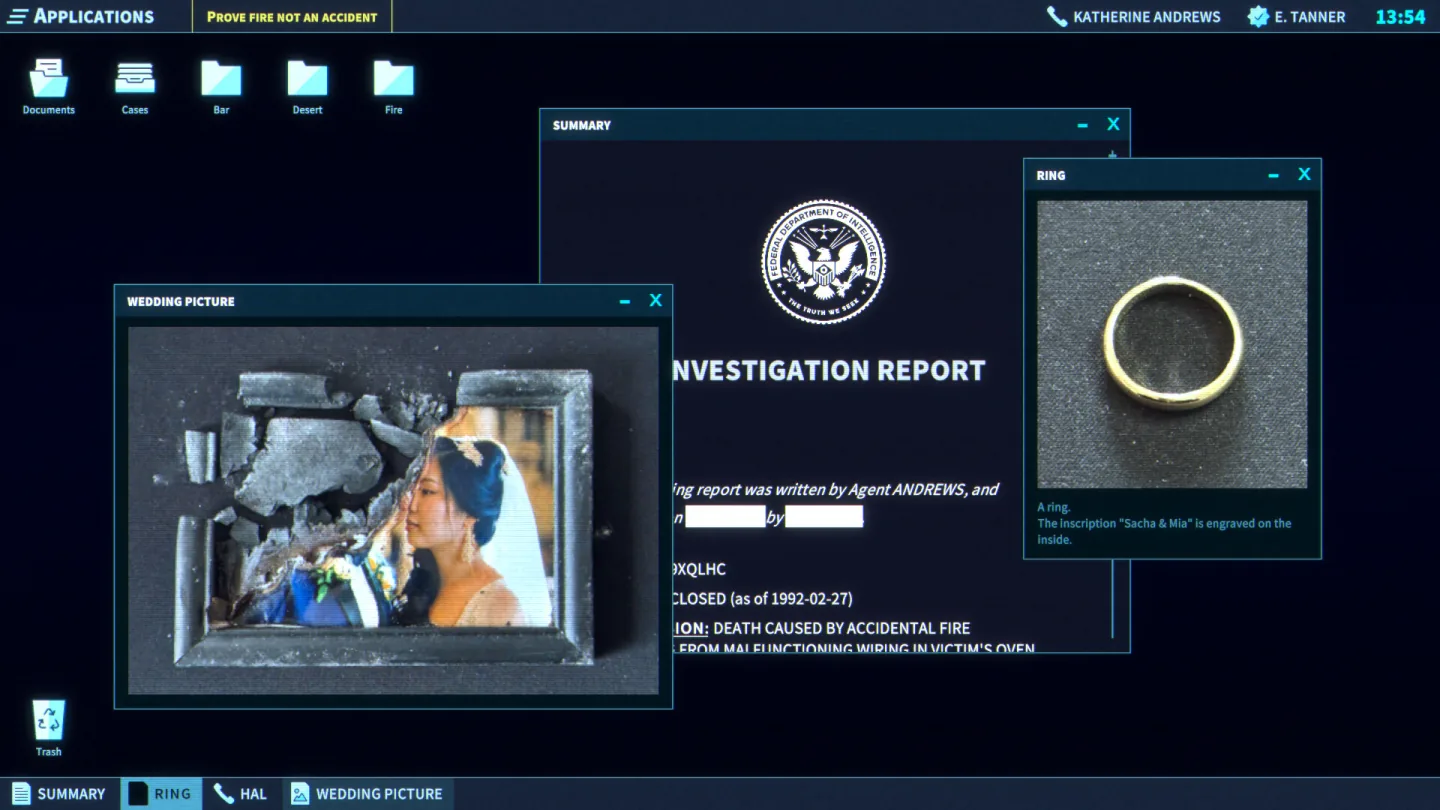
Reporting and explaining events
The player combines findings into a coherent account and separates established facts from likely and unknown claims.
The Operator ↗Defending a theory in debate or court
The player answers objections, presents relevant evidence and refines the argument supporting a case.
Phoenix Wright: Ace Attorney Trilogy ↗Leads and investigation order
Case structure determines which questions and locations are currently available and how new information opens further actions.
Shadows of Doubt ↗Time, schedules and repetition
A changing world sets conditions for obtaining information. Observation and reading can have different costs in game time.
Unheard - Voices of Crime ↗Ethical decisions and consequences
After establishing facts, the player chooses an action. A hypothesis’s truth and a decision’s moral evaluation remain distinct.
Paradise Killer ↗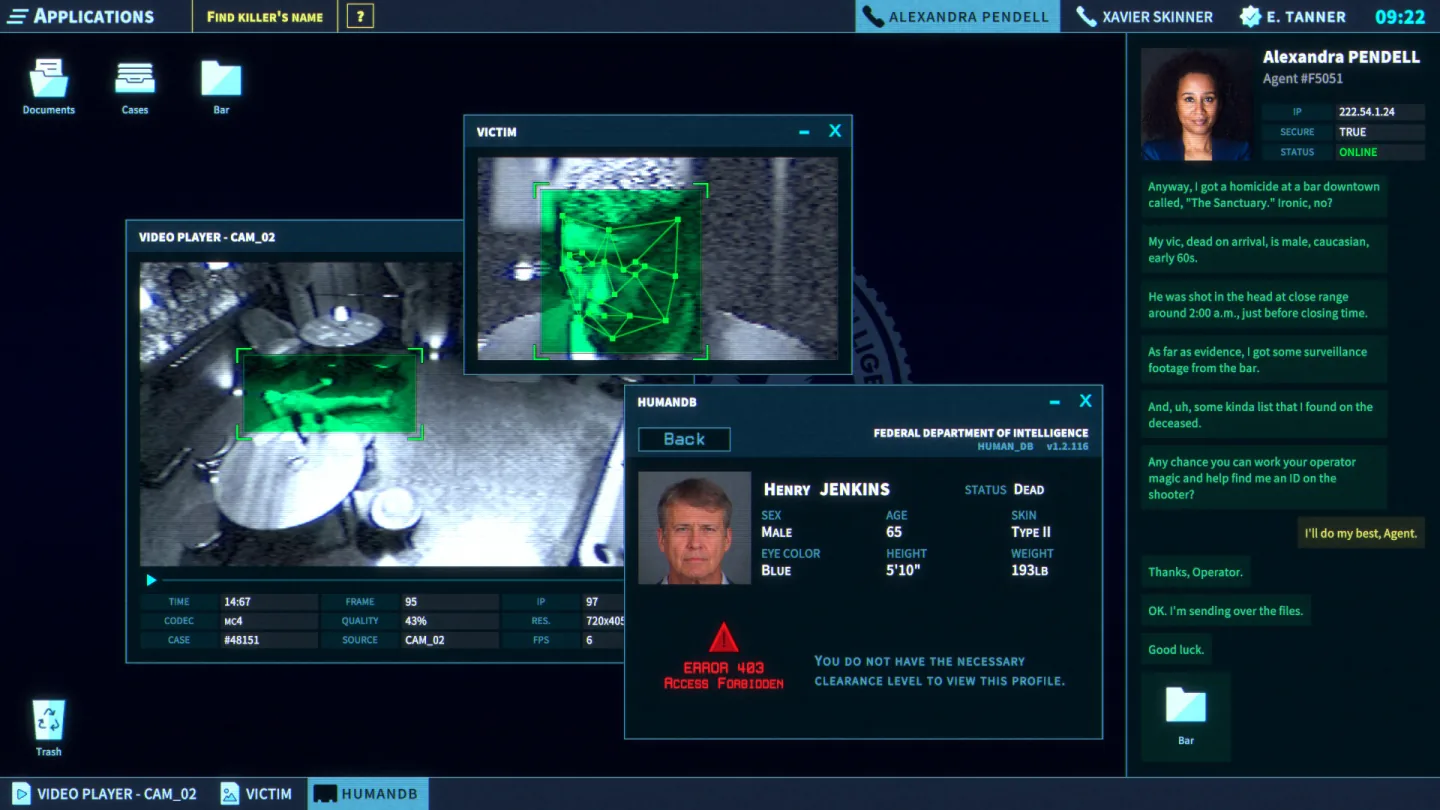
Limited resources and access risk
Action costs make players choose which uncertainty to reduce first. This additional layer is not necessary in every detective game.
The Operator ↗Procedural cases and a larger mystery
These are ways to organize multiple investigations. Each case needs a checkable causal structure as well as new names.
Shadows of Doubt ↗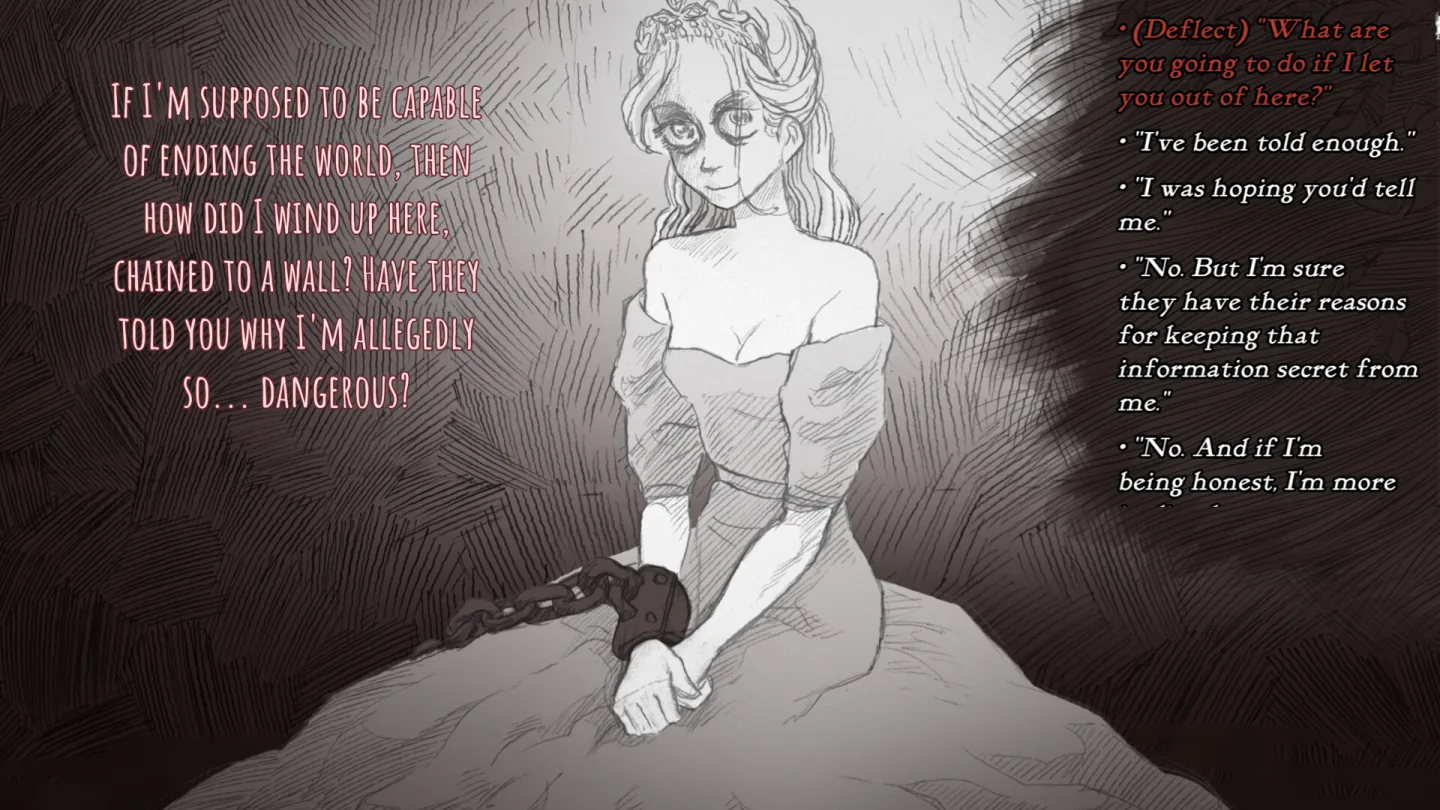
Forms of choice
The player chooses a cue, action, attitude or addressee; the game treats the chosen option as the hero's decision.
Slay the Princess — The Pristine Cut ↗Conditions and consequences of choice
The availability of a decision and its consequences depend on the accumulated wealth, past actions and visible information.
Pillars of Eternity ↗Conversation and influence
Replies and the way they are delivered change the interlocutor’s position, the flow of the conversation, or the available further actions.
Disco Elysium ↗Relationships and social connections
Repeated encounters build character relationships, trust, commitment, and shared opportunities.
Potionomics ↗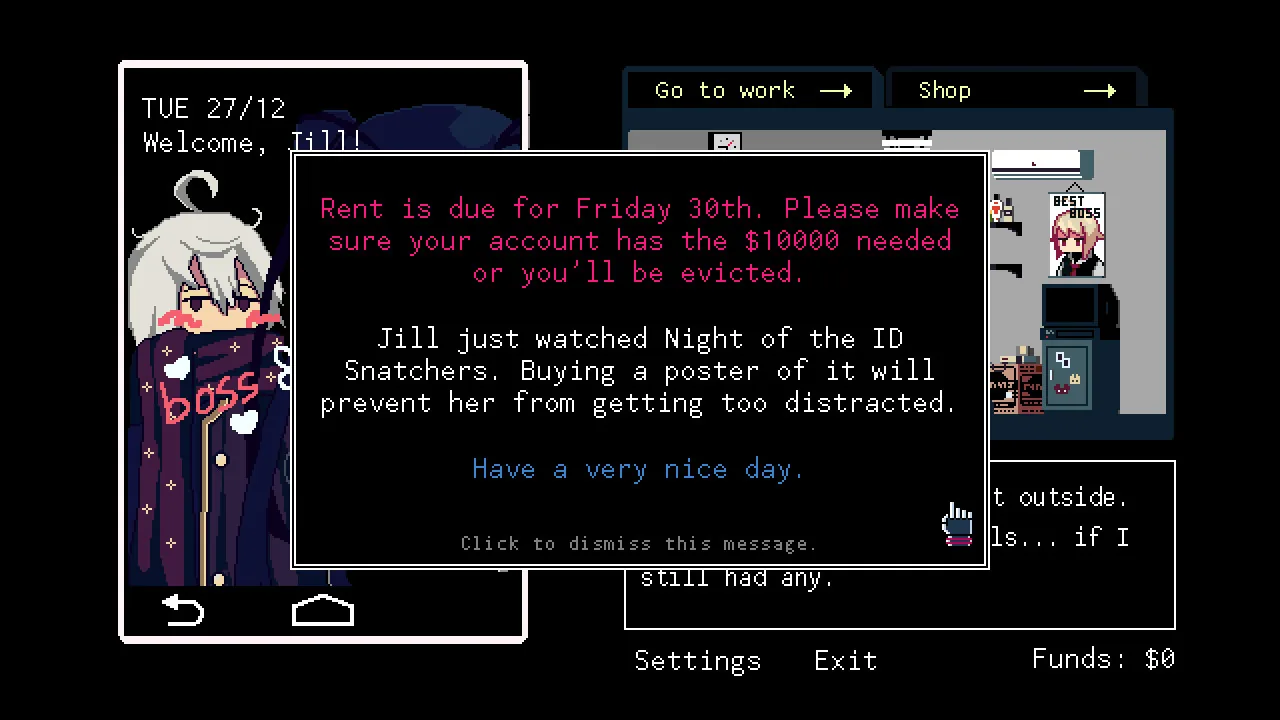
Time and planning
Limited time is allocated between classes and meetings; The order and timing change the available events.
VA-11 Hall-A: Cyberpunk Bartender Action ↗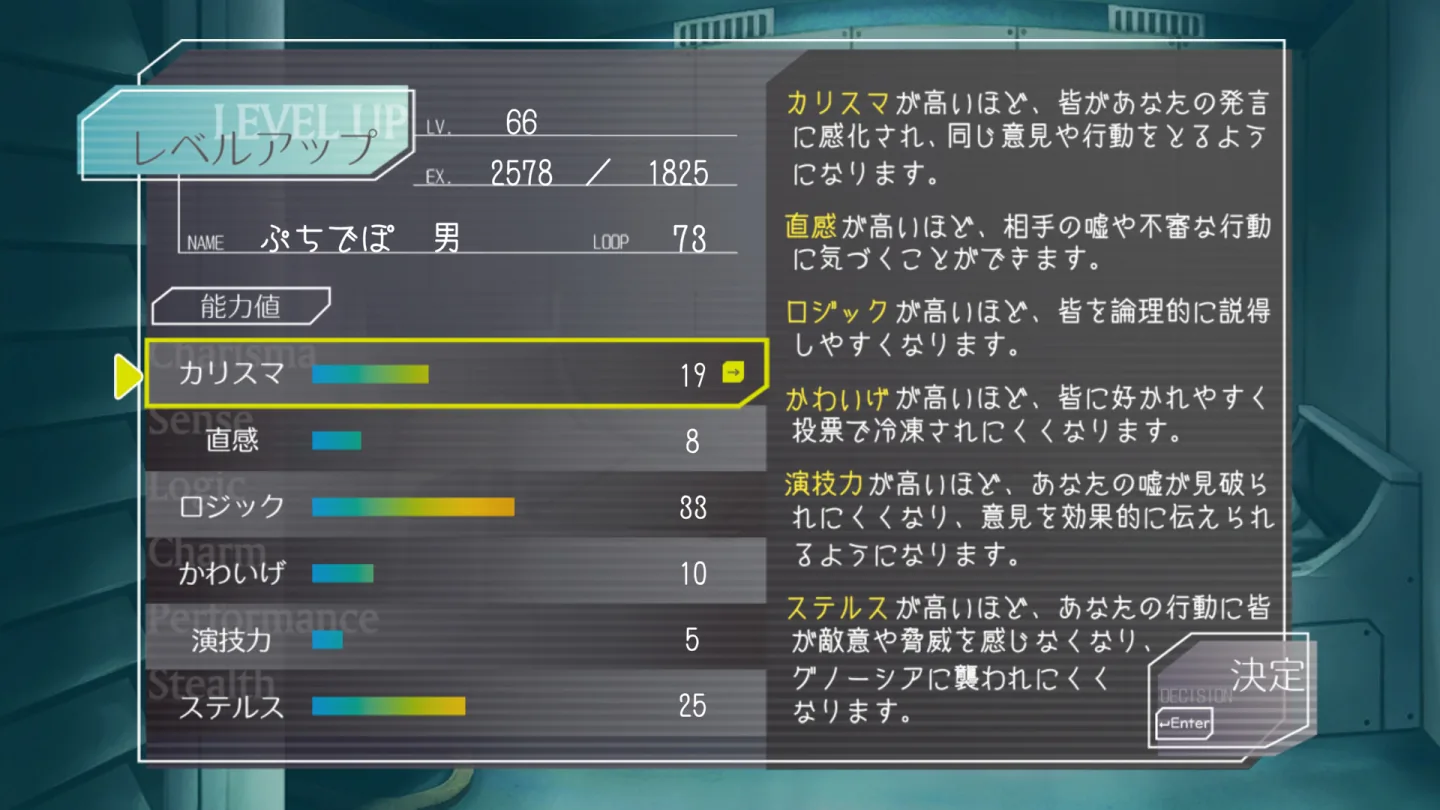
Character development and state
The characteristics, skills and internal state of the hero determine the possibilities and consequences of his decisions.
GNOSIA ↗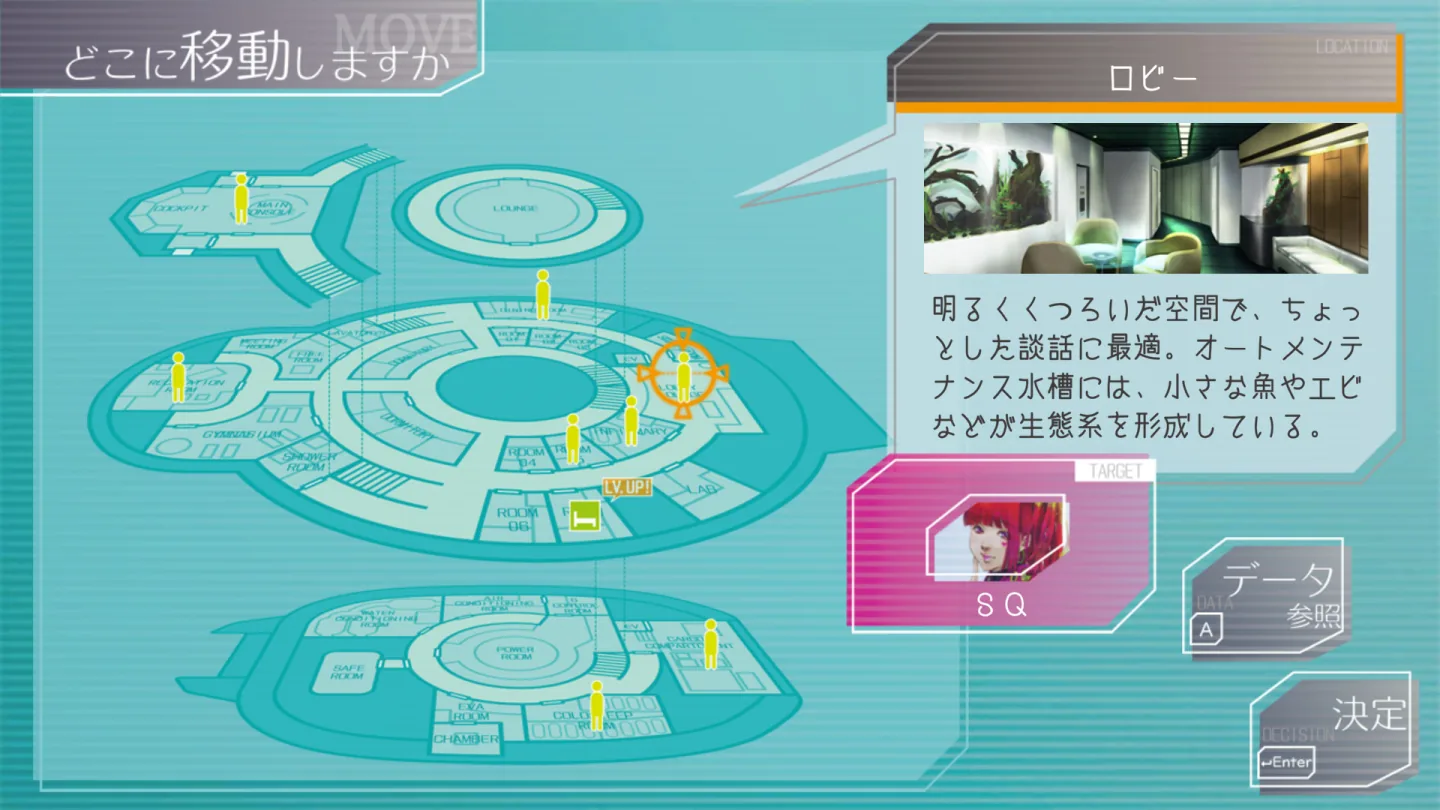
Spatial exploration
Selecting a location, route, and interactive objects reveals scenes, information, and new activities.
GNOSIA ↗Items and inventory
Obtaining, selecting, and using items changes the state of the scene and the possibilities for further interaction.
Phoenix Wright: Ace Attorney Trilogy ↗Investigation and deduction
The collected observations and evidence are linked into a conclusion that reveals a solution or changes the understanding of events.
Shadows of Doubt ↗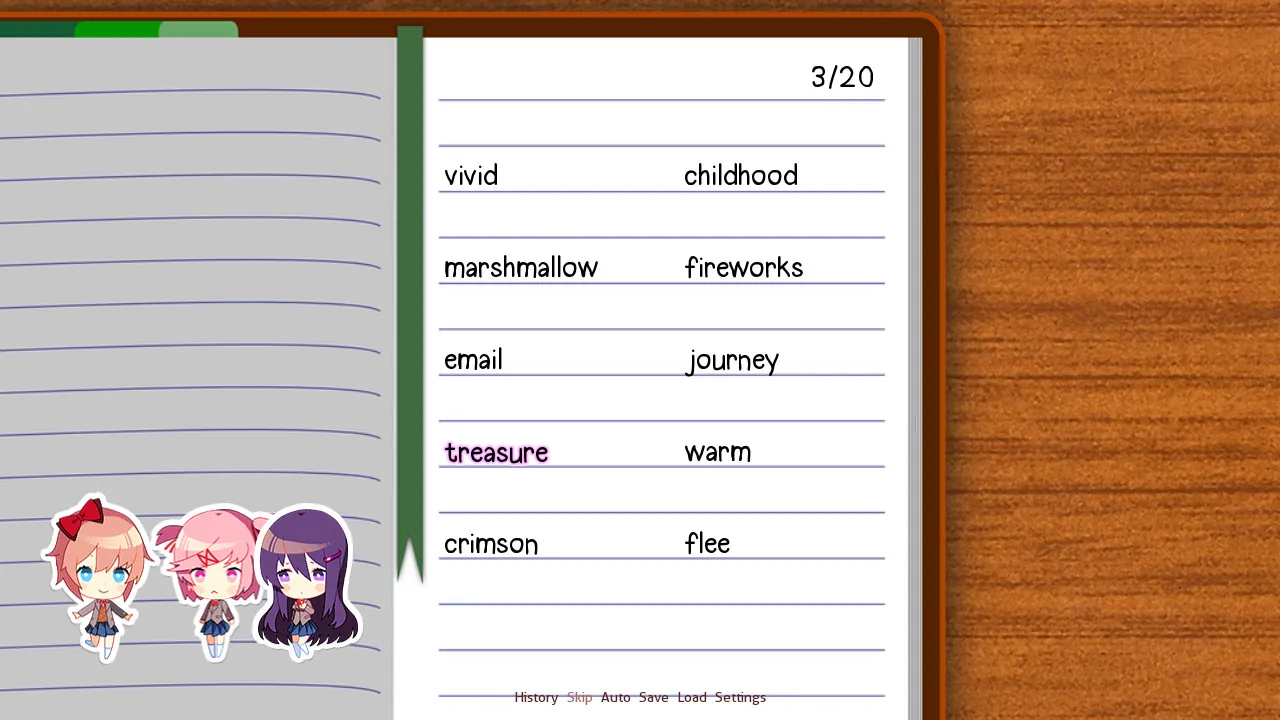
Text, knowledge and memory
The information read, the text entered and the memory of what is already known influence the choice and understanding of what is happening.
Doki Doki Literature Club! ↗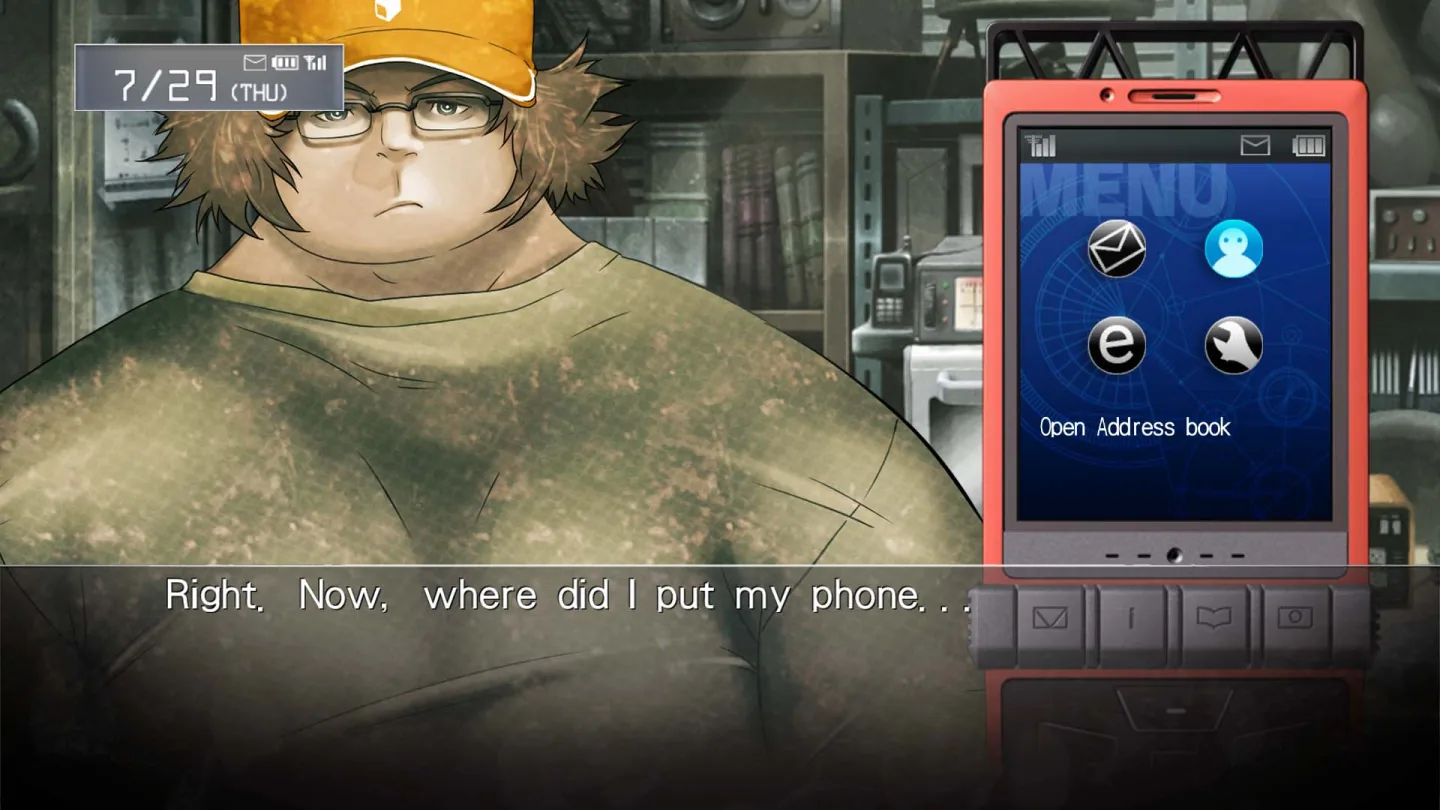
Correspondence and digital investigation
Messages, files and digital traces become the material of communication, search and reconstruction of events.
STEINS;GATE ↗Loops, time and repeat playthroughs
Replays, time loops, and flashbacks change the knowledge available and how you can influence the story.
Slay the Princess — The Pristine Cut ↗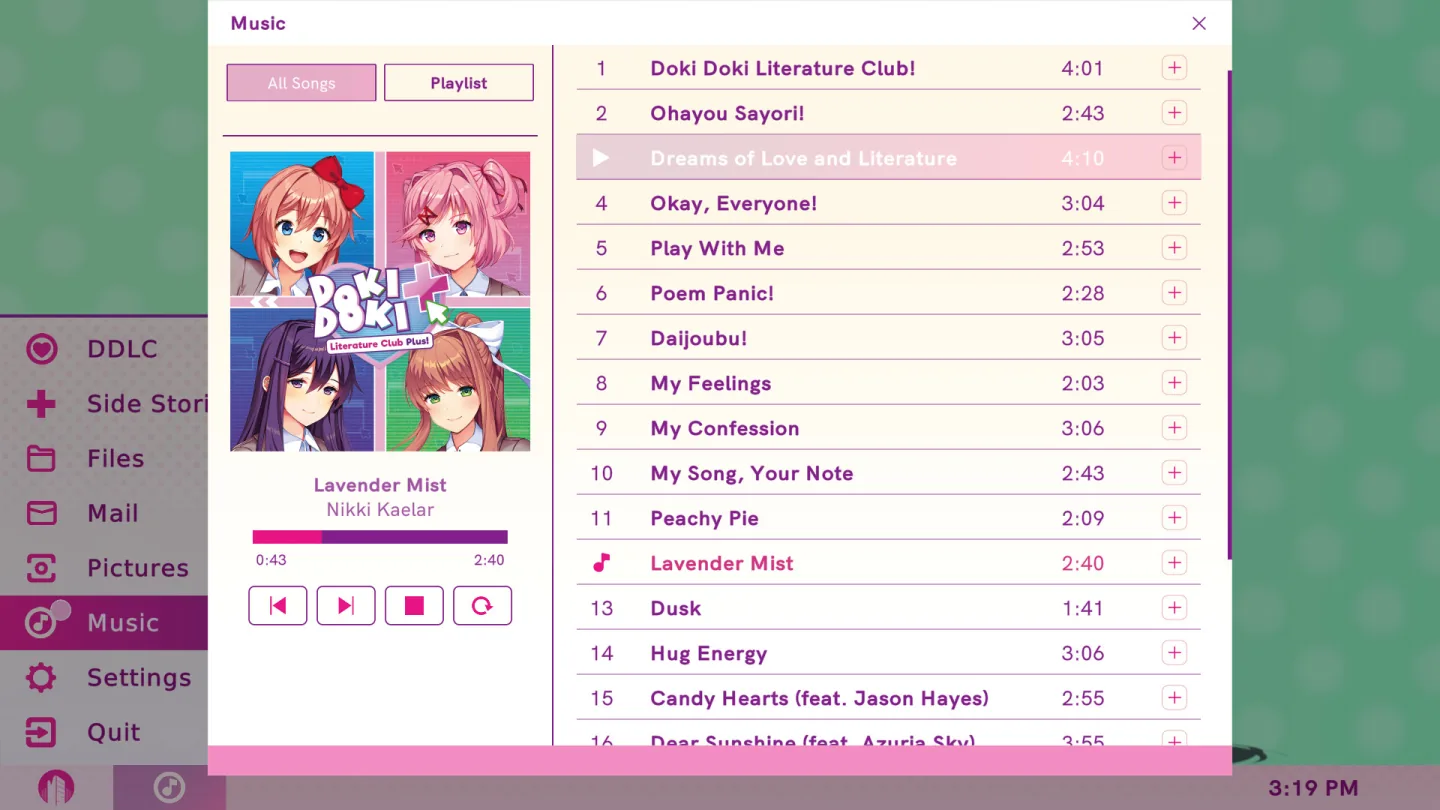
Metamechanics
The rules use saves, the interface, and knowledge of the game itself as part of the game's decision.
Doki Doki Literature Club Plus! ↗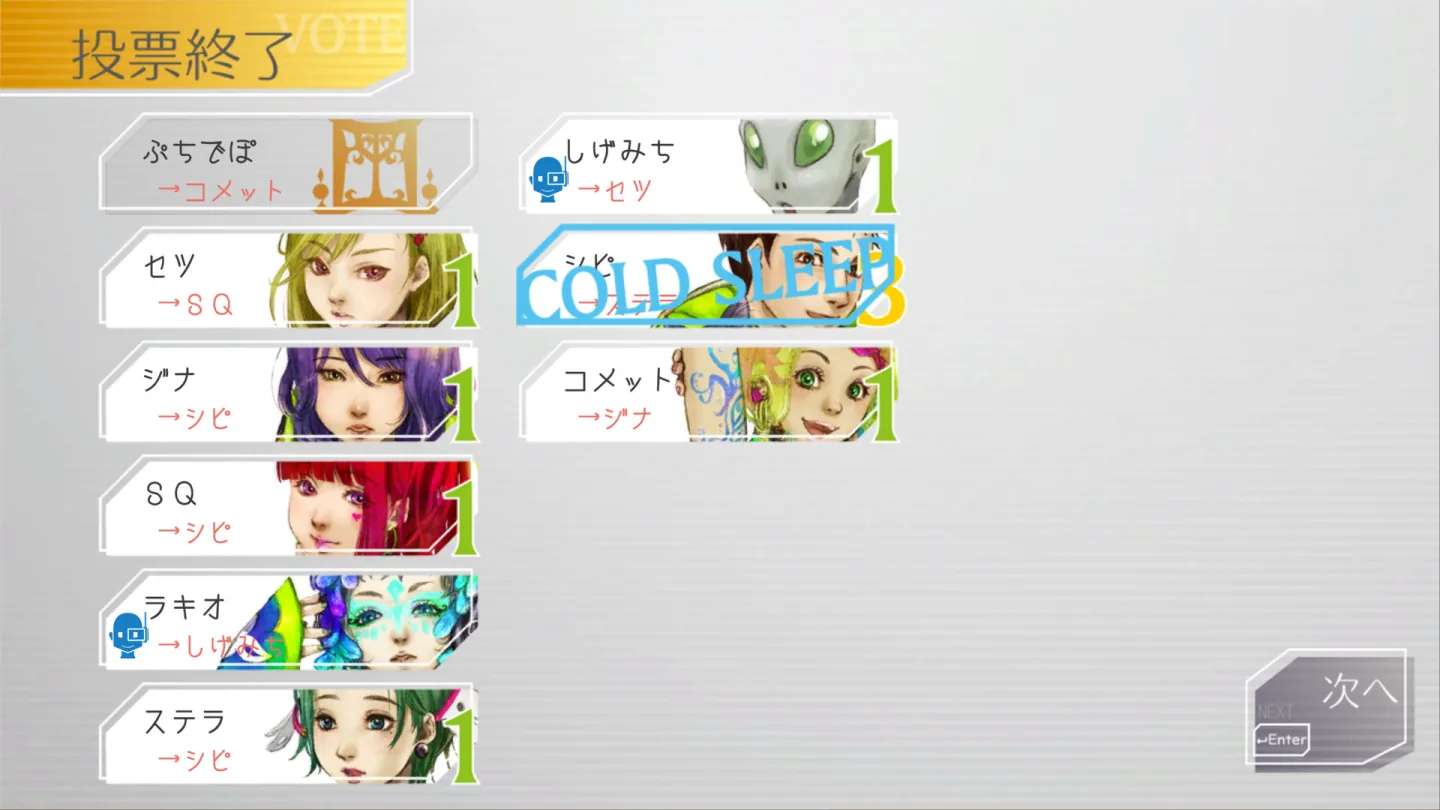
Debate and social deduction
The player compares statements, arguments and behavior of participants to defend a position or reveal a hidden role.
GNOSIA ↗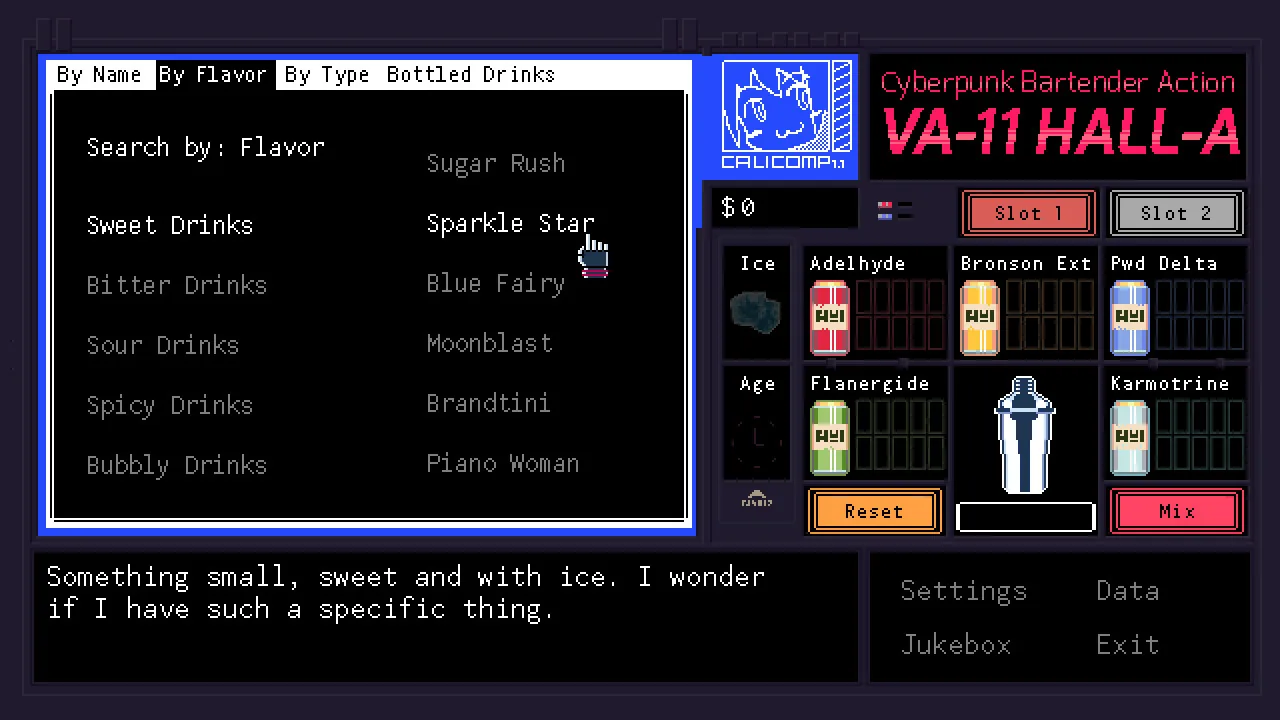
Indirect choices through activities
The outcome of another activity, such as making a drink, conveys the player's choice and influences the conversation or story.
VA-11 Hall-A: Cyberpunk Bartender Action ↗Economy and management
Allocation of funds, management of resources, and execution of orders link the narrative to economic decisions.
VA-11 Hall-A: Cyberpunk Bartender Action ↗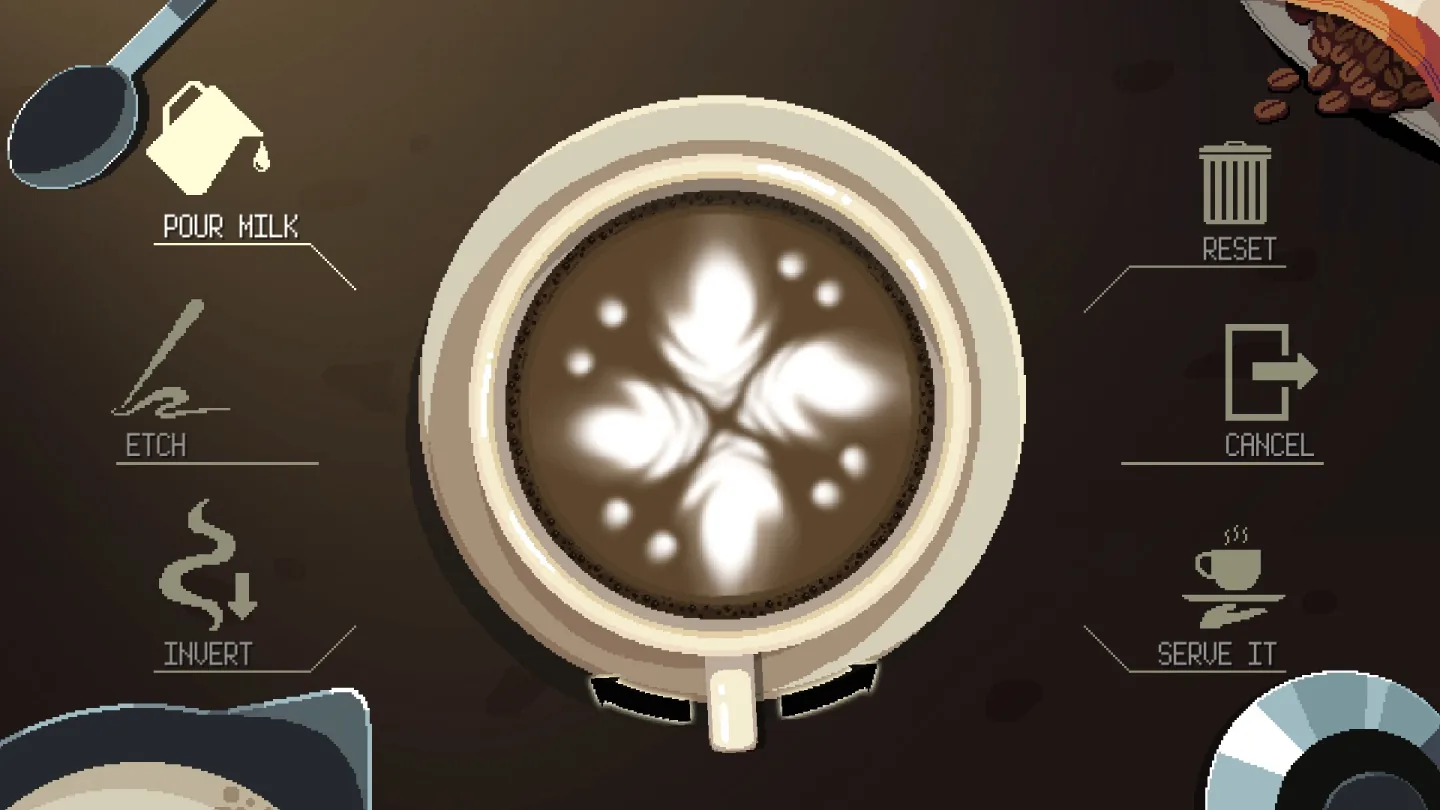
Puzzles and execution challenges
Logical tasks and actions for accuracy or time create additional conditions for advancement.
Coffee Talk ↗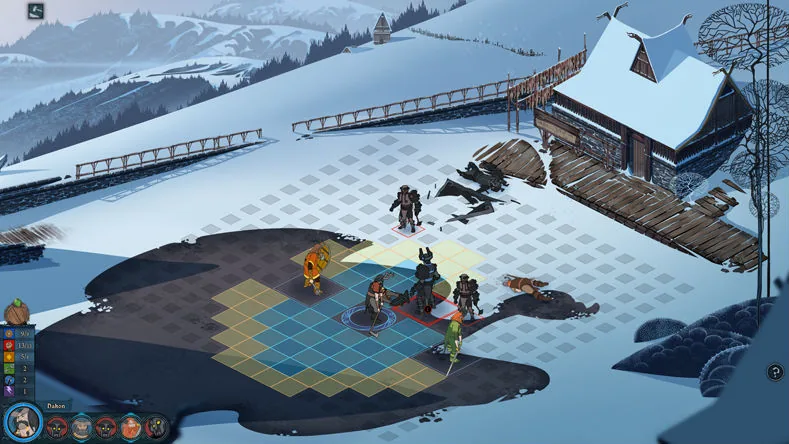
Combat, survival and tactics
Combat and tactical decisions tie the story to threats, survival, and resource consumption.
The Banner Saga ↗Players and audiences
Multiple participants or spectators distribute influence over decisions, information, and the flow of the narrative.
As Dusk Falls ↗Access and monetization
Access rules determine the opening of chapters, waiting, and resource consumption; commercial restrictions require separate assessment.
Doki Doki Literature Club Plus! ↗Narrative structures
Connections between scenes, points of view, and paths determine the order in which the story is encountered and the parts of it that are accessible.
Disco Elysium ↗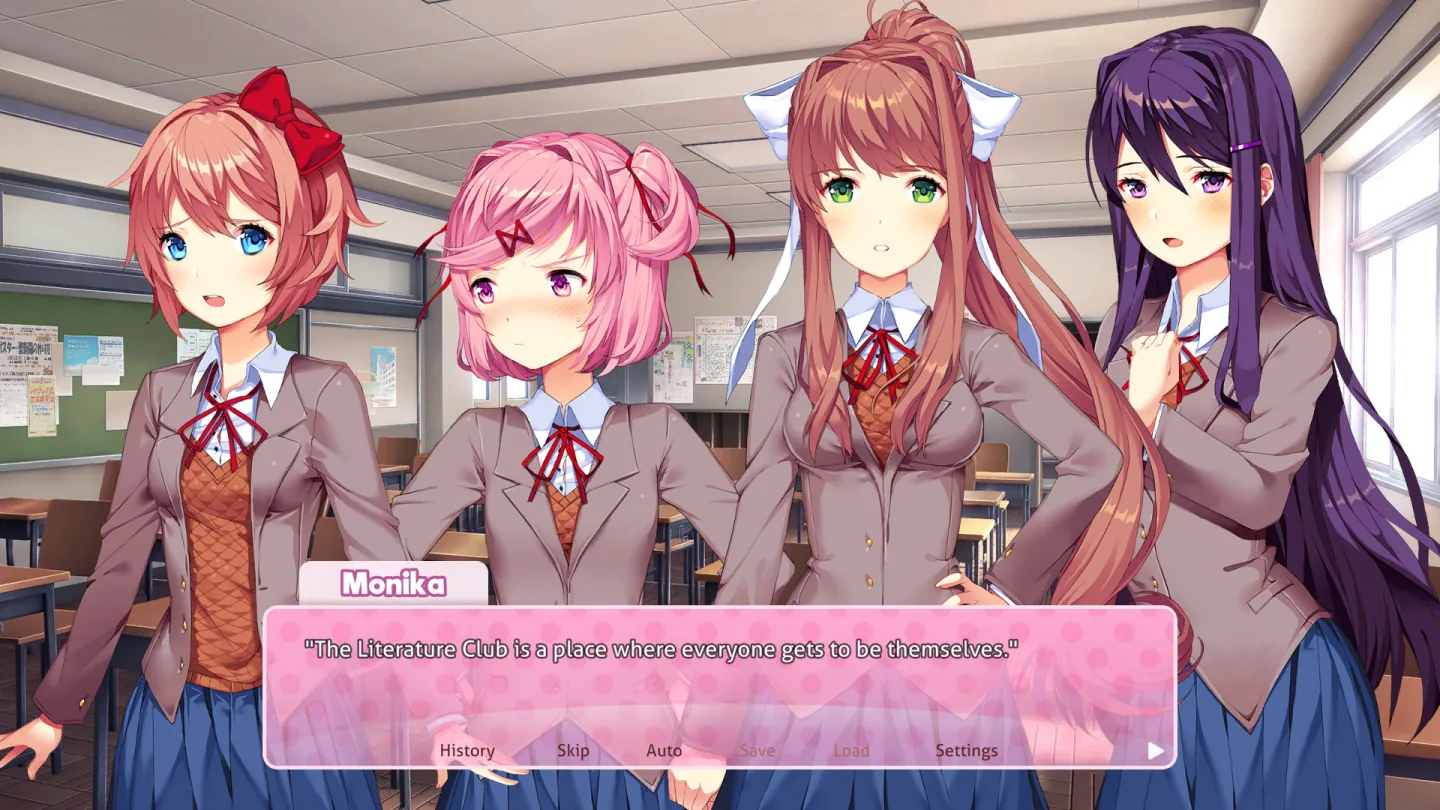
Reading and navigation functions
Reading, history, saves, and navigation controls help you work with text and find information again.
Doki Doki Literature Club Plus! ↗Presentation formats
The way text, images, sound and perspective are presented determines how the reader receives information.
Doki Doki Literature Club Plus! ↗Discovering available actions
Players discover an action that was available from the start and use it to progress.
Baba Is You ↗Discovering object properties
Players discover a new use for a familiar item. Their understanding changes while the tool’s properties remain the same.
Day of the Tentacle Remastered ↗Discovering movement rules
Players discover a non-obvious traversal rule and reach new routes without necessarily gaining a character upgrade.
Hollow Knight ↗Discovering systemic rules
Players infer a consistent rule governing forces or interactions and apply it to new problems.
Portal ↗Study of creatures and ecosystems
Understanding creature behaviour opens new ways to interact with them and the surrounding space.
Bulletstorm ↗Discovering ways of perceiving
Players discover how to notice and interpret a previously unclear property of a scene.
Chants of Sennaar ↗Discovering spatial rules
Players discover unusual connections between areas and revise their model of where a transition leads.
Patrick's Parabox ↗Discovering temporal rules
Players learn when events occur and how action order changes available opportunities.
Unheard - Voices of Crime ↗Deciphering languages and symbols
Understanding a language or sign system becomes a tool for reading new places, events and obstacles.
Chants of Sennaar ↗Deriving Formal Rules
Players infer the condition for correctness from examples and use it to solve the next puzzle.
Hexcells ↗Social knowledge
Understanding signs, roles or arguments enables social interaction through knowledge rather than just accumulated rank.
Chants of Sennaar ↗Reinterpreting interfaces and rules
Players reinterpret an interface element or presentation rule as part of the gameplay problem.
There Is No Game: Wrong Dimension ↗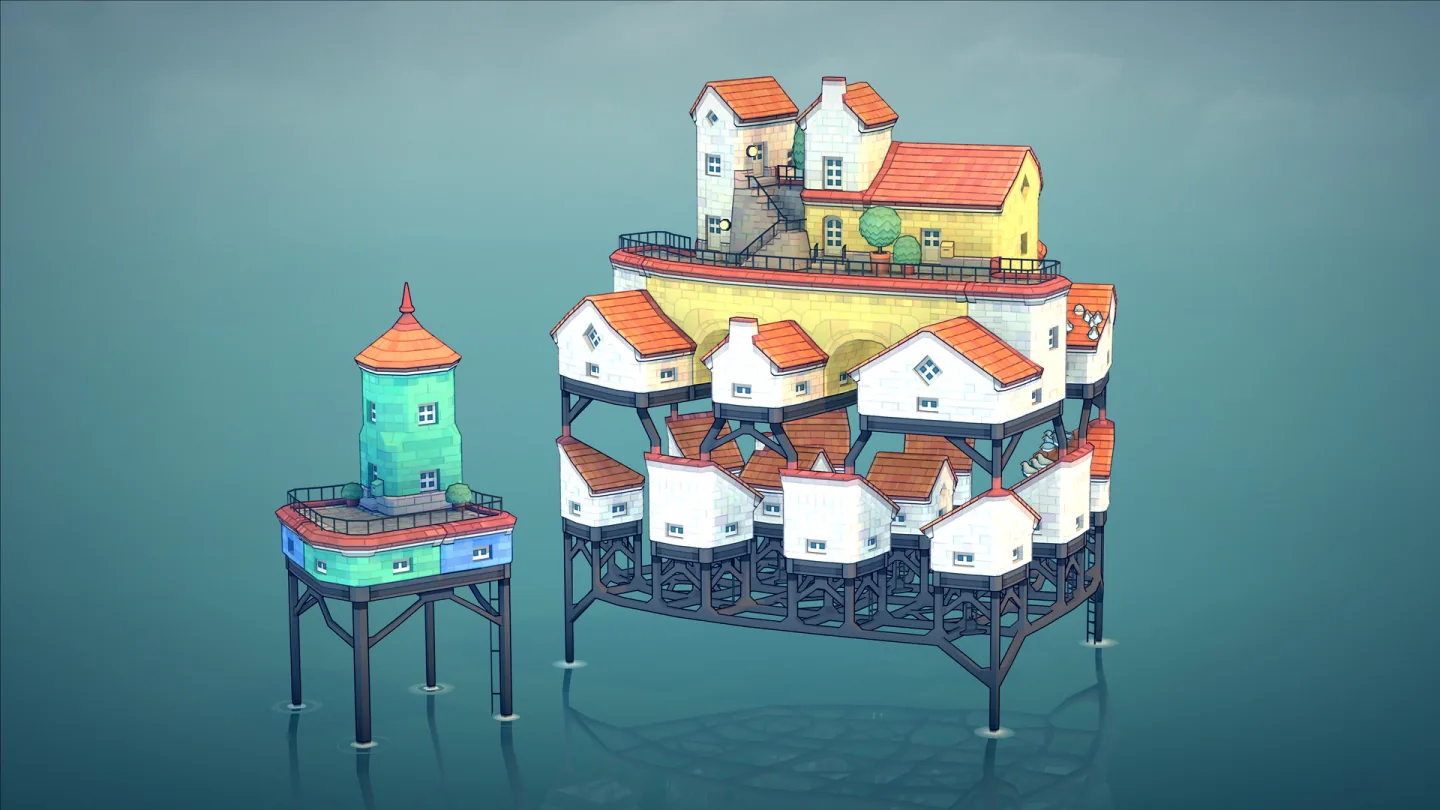
Free play with a toy
Players try actions and observe reactions without a required correct answer.
Townscaper ↗Substitution and pretend rules
Players agree that an object or action stands for something else and sustain that convention.
Tabletop Simulator ↗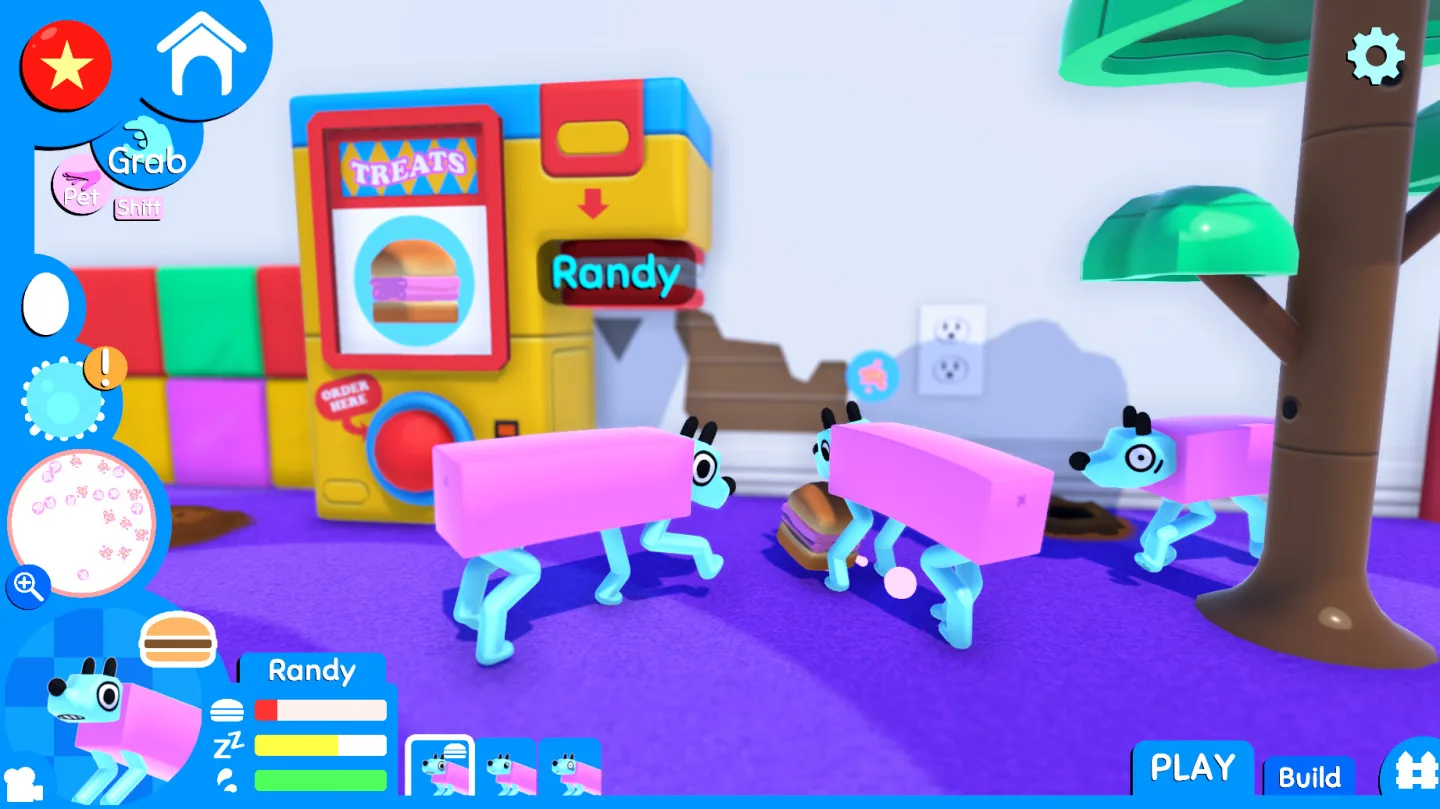
Character care and everyday routines
Players notice a character’s state, choose a care action and observe its result.
Wobbledogs ↗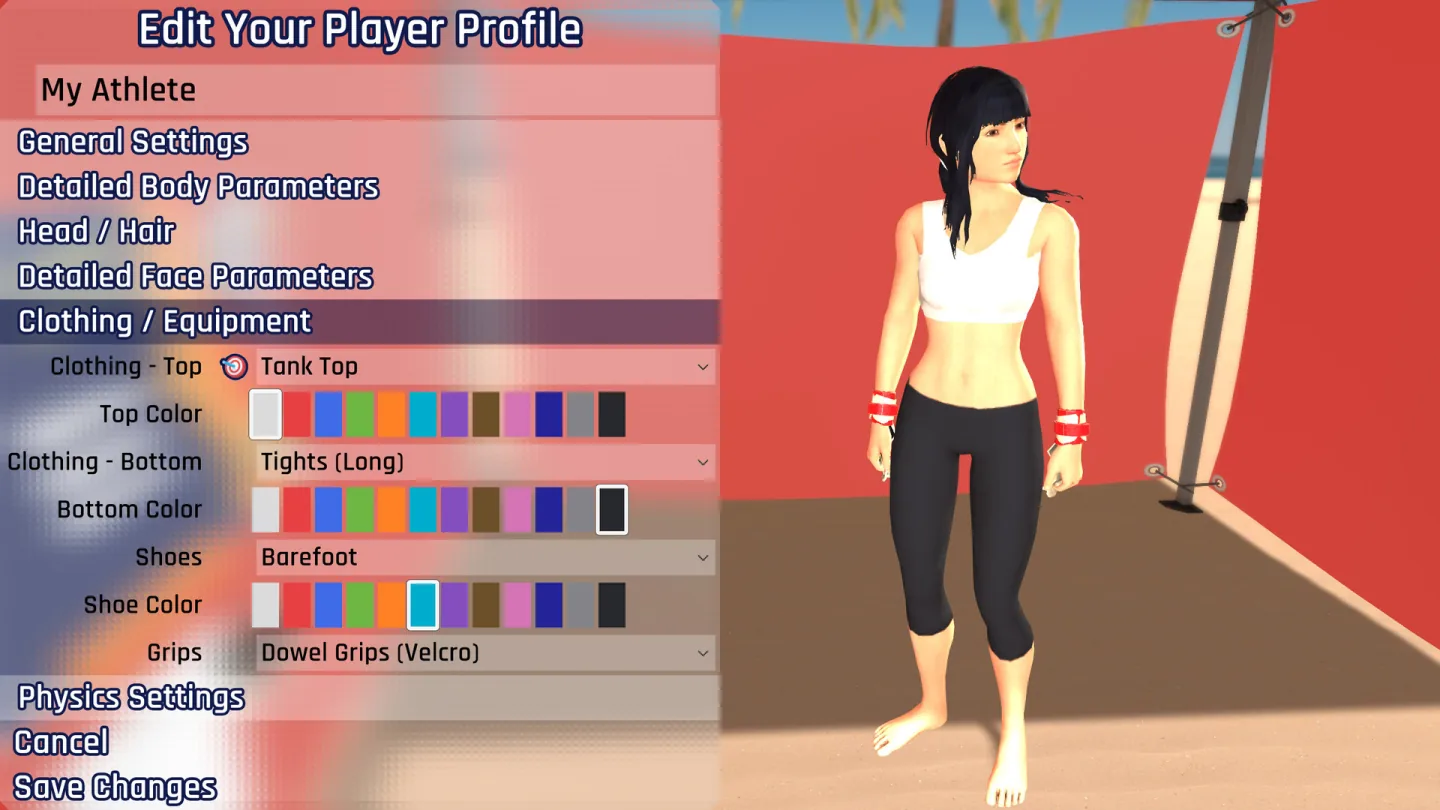
Dressing and decorating
Players combine appearance and surroundings to suit their own idea, without a single required model.
Pro Gymnast Simulator ↗Sensory material play
Players explore changes in shape, surface, sound and mixing through physical or digital toys.
Claybook ↗
Surprises and comic reactions
An unusual action combination produces an expressive result to repeat or vary.
Octodad: Dadliest Catch ↗Matching and correspondence
Players identify objects with a shared property and connect them according to a rule.
Bejeweled® 3 ↗Discriminating features and signals
Players distinguish colour, shape, sound or another feature and use the difference to choose an action.
The Talos Principle ↗Sorting and classification
Players distribute objects into groups by selecting or inferring a classification rule.
A Little to the Left ↗Comparing and ordering
Players compare objects by a chosen property and order them by size, sequence or priority.
Final Fantasy XIV ↗
Memory and recall
The player memorizes information or object positions and recalls them after concealment, a delay or a distracting action.
Human Benchmark ↗
Attention and response inhibition
The player identifies a target signal and acts only when the required condition is met, withholding premature or habitual responses.
Human Benchmark ↗Order and sequences
Players arrange actions into a sequence whose order affects the result.
Human Resource Machine ↗Patterns and rules
Players infer a recurring relationship, test it and predict the next element or action.
Hexcells ↗Assembling a whole from parts
Players assemble a whole from parts or divide an object into pieces with required properties.
A Little to the Left ↗Spatial orientation
Players determine position, direction and spatial relationships to choose a transformation or route.
Paper Trail ↗Spatial permutations
Players move elements within constrained space, rearranging them and clearing a route to the goal.
Patrick's Parabox ↗Navigation and exploration
Players choose routes using landmarks, maps and discovered information, refining their understanding of the space.
Hollow Knight ↗Construction
Players combine parts into a stable or functional structure and test it against the task’s rules.
Spiritfarer ↗Physical and mechanical puzzles
Players alter object positions and connections using forces, supports, motion and mechanical properties.
Portal ↗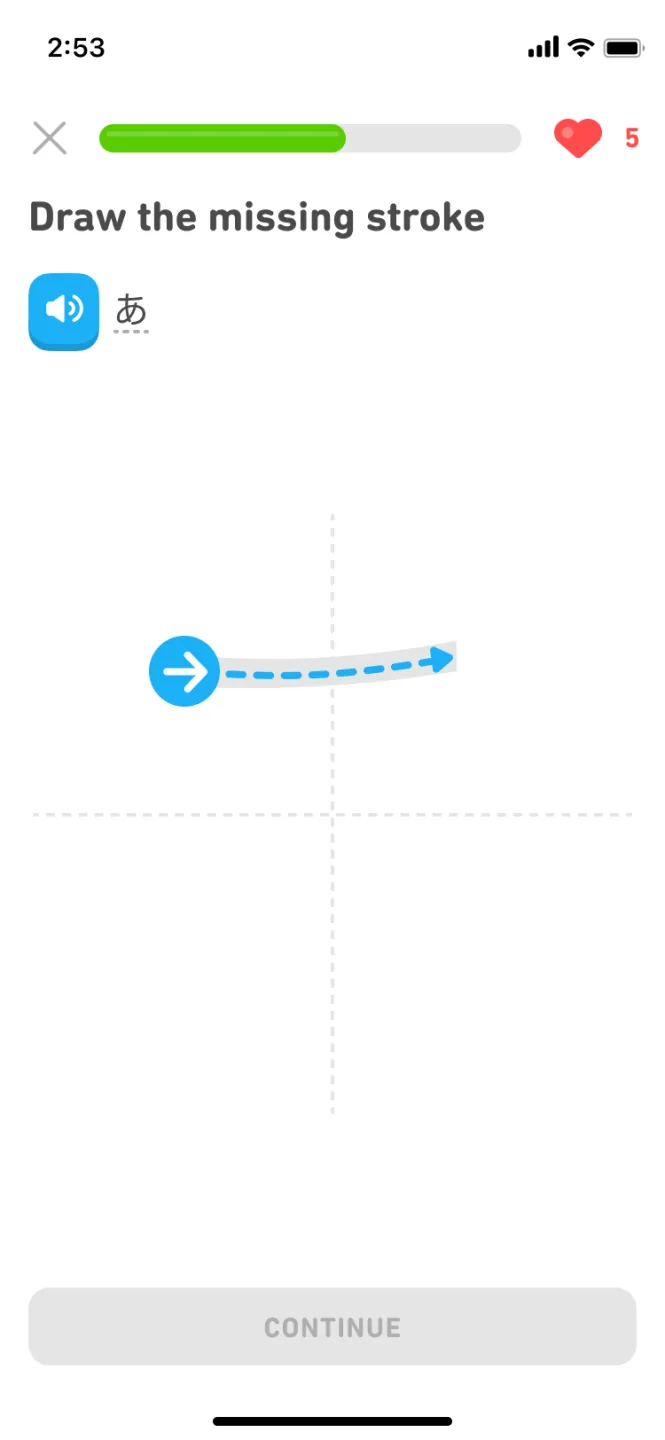
Precise control and fine movements
The player controls a small movement, touch or stroke. Results depend on position, direction and the allowed precision.
Duolingo ↗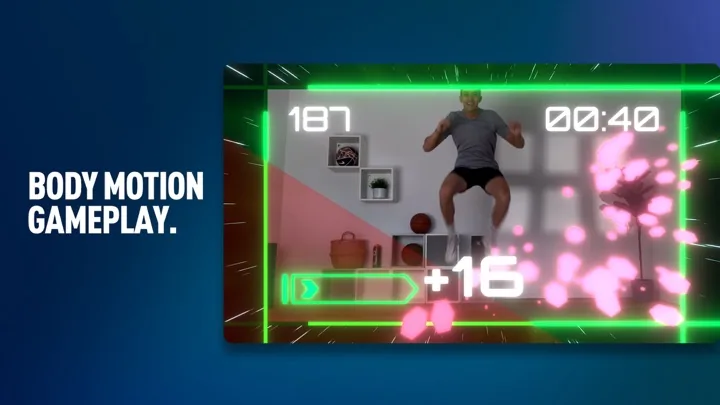
Whole-body movement
Body motion becomes control. Active Arcade uses a phone camera to connect jumps and other movements with on-screen events.
Active Arcade ↗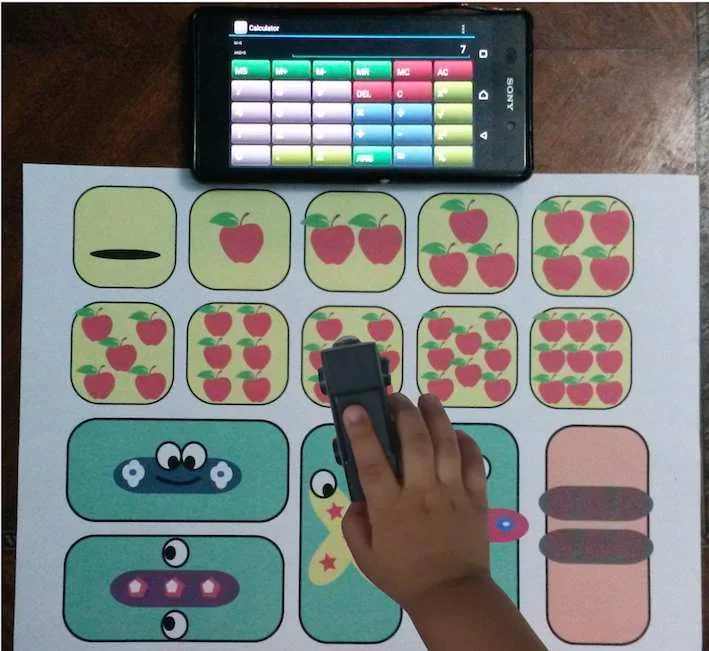
Tangible and mixed interactions
A physical object, card or tool connects to a digital action. The player manipulates a real-world object and sees the screen result.
MagBoard prototype / Calculator ↗Rhythm and musical actions
Players repeat, continue or create a rhythm, connecting action timing to musical structure.
Spiritfarer ↗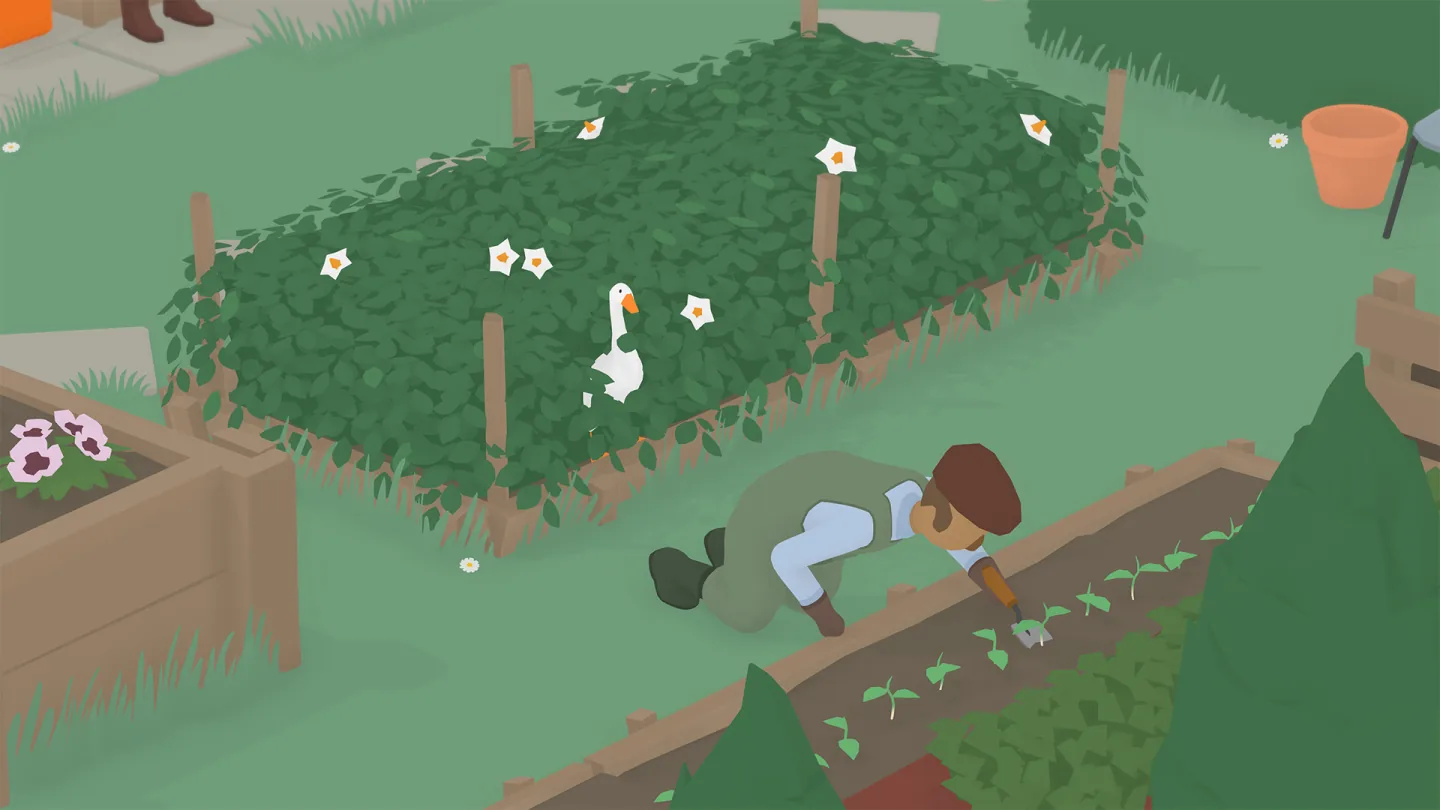
Hide-and-seek, tag and chase
Players change position, visibility and seeker or runner roles.
Untitled Goose Game ↗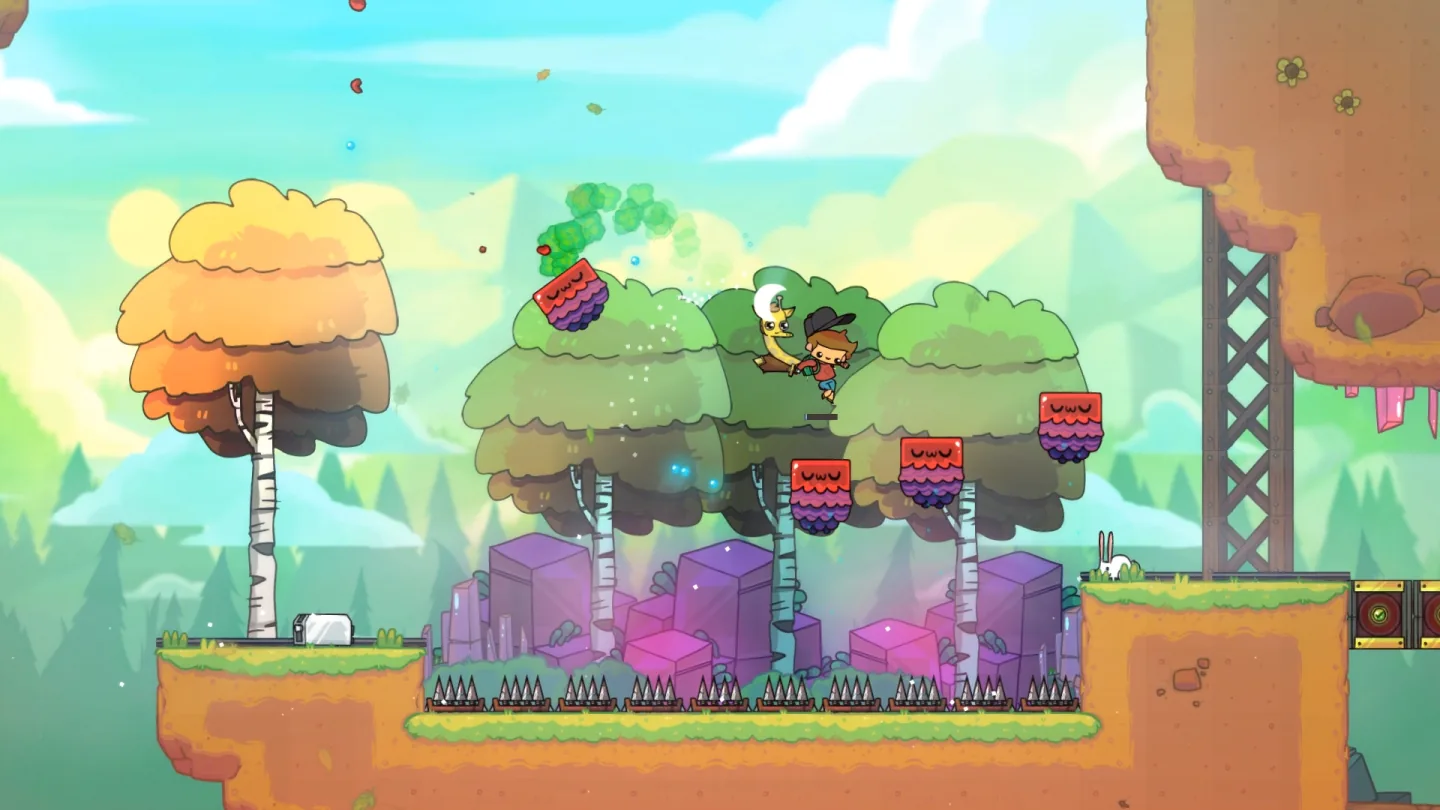
Jumping and crossing obstacles
Players time movement through a short course with a clear retry after a mistake.
The Adventure Pals ↗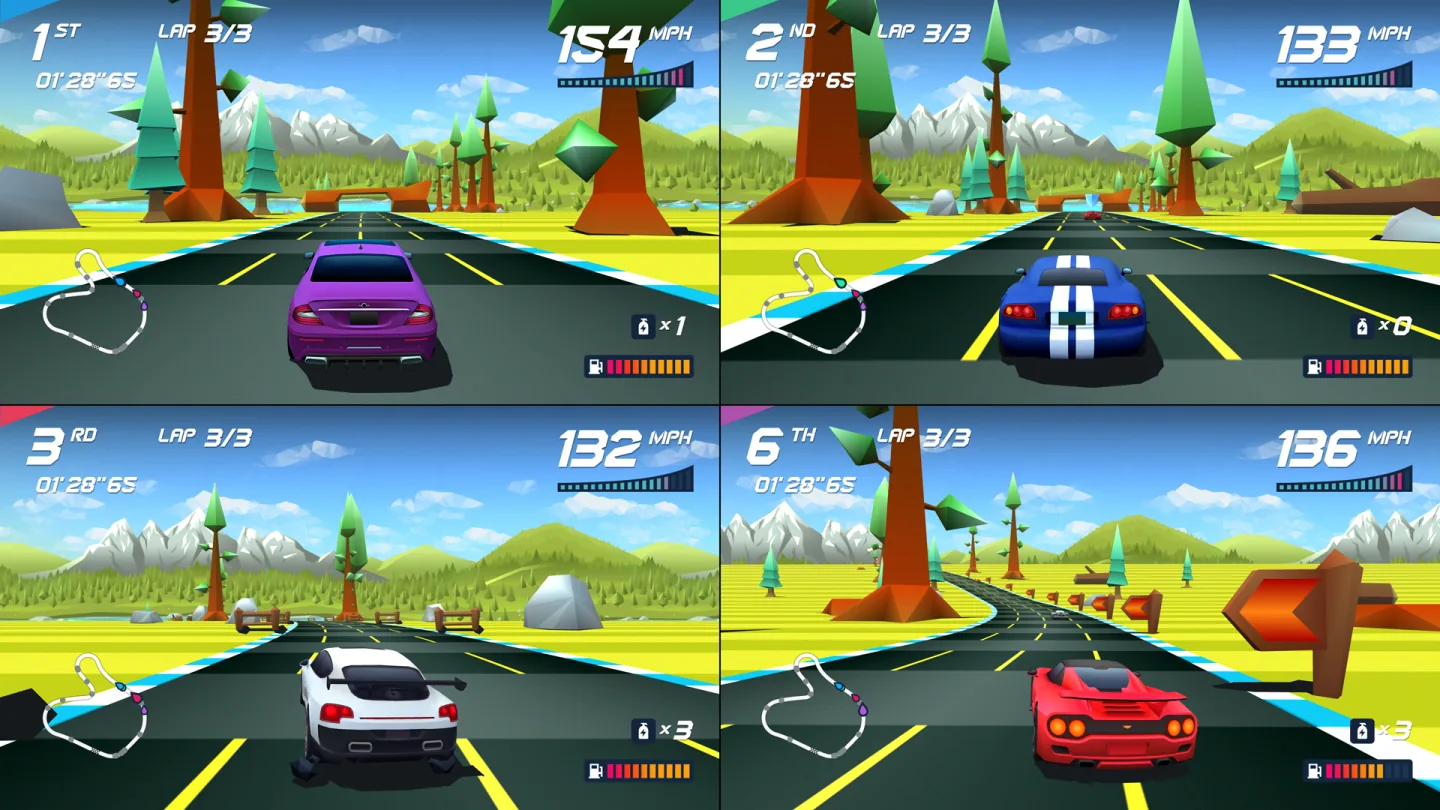
Driving and vehicle play
Players control toy vehicles for a journey, delivery or short race.
Horizon Chase Turbo ↗Causes, consequences and prediction
Players predict an action’s result, test it and refine their understanding of the causal relationship.
Portal ↗Resources, exchange and economy
Players gather, transform and allocate limited resources, comparing their possible uses.
Factorio ↗Goals and success conditions
Rules define the goal, permitted actions and an observable sign of successful completion.
Slay the Spire ↗Mastery and unlocking capabilities
Successful actions unlock tools, levels or ways to play and help players choose their next goal.
Slay the Spire ↗Constraints, pacing and information
Limits on actions, time and information change available choices and the cost of a decision.
Slay the Spire ↗Rewards and collections
Points, items and collection entries acknowledge action outcomes and establish further goals.
Vampire Survivors ↗Agency and identity
Players choose a character, role and personal goals while the world preserves meaningful outcomes.
Pentiment ↗Turns and available actions
Turns, cards or random tools define available actions; players choose their order and use.
Slay the Spire ↗Formats and mechanic combinations
A format combines several actions into a shared structure, such as answering a prompt, discussion and voting on results.
Quiplash ↗Cooperation and distributed tasks
Participants combine different information, actions or resources to reach a shared goal.
Keep Talking and Nobody Explodes ↗Story, roles and decisions
Players make decisions as a character; the story responds through events, relationships or available actions.
Disco Elysium ↗Emotions and social perspective
Players compare words, actions and context to understand another character’s state and perspective.
L.A. Noire ↗Creative expression
Players create images, music, stories or compositions by choosing expressive tools and their own outcome.
Storyteller ↗Open-ended projects
Players choose their own goal, build a solution from available tools and evaluate it within the resulting system.
Factorio ↗Competition and mutual choice
Participants compare results, negotiate or choose actions while considering one another’s intentions.
Street Fighter™ 6 ↗
Guessing through questions and clues
One participant knows the answer and another reconstructs it from clues. In Heads Up! friends describe a word the guesser cannot see.
Heads Up! ↗Modeling and learning support
A model, hint or partly completed action helps the learner start. Support gradually gives way to independent solving.
Duolingo ↗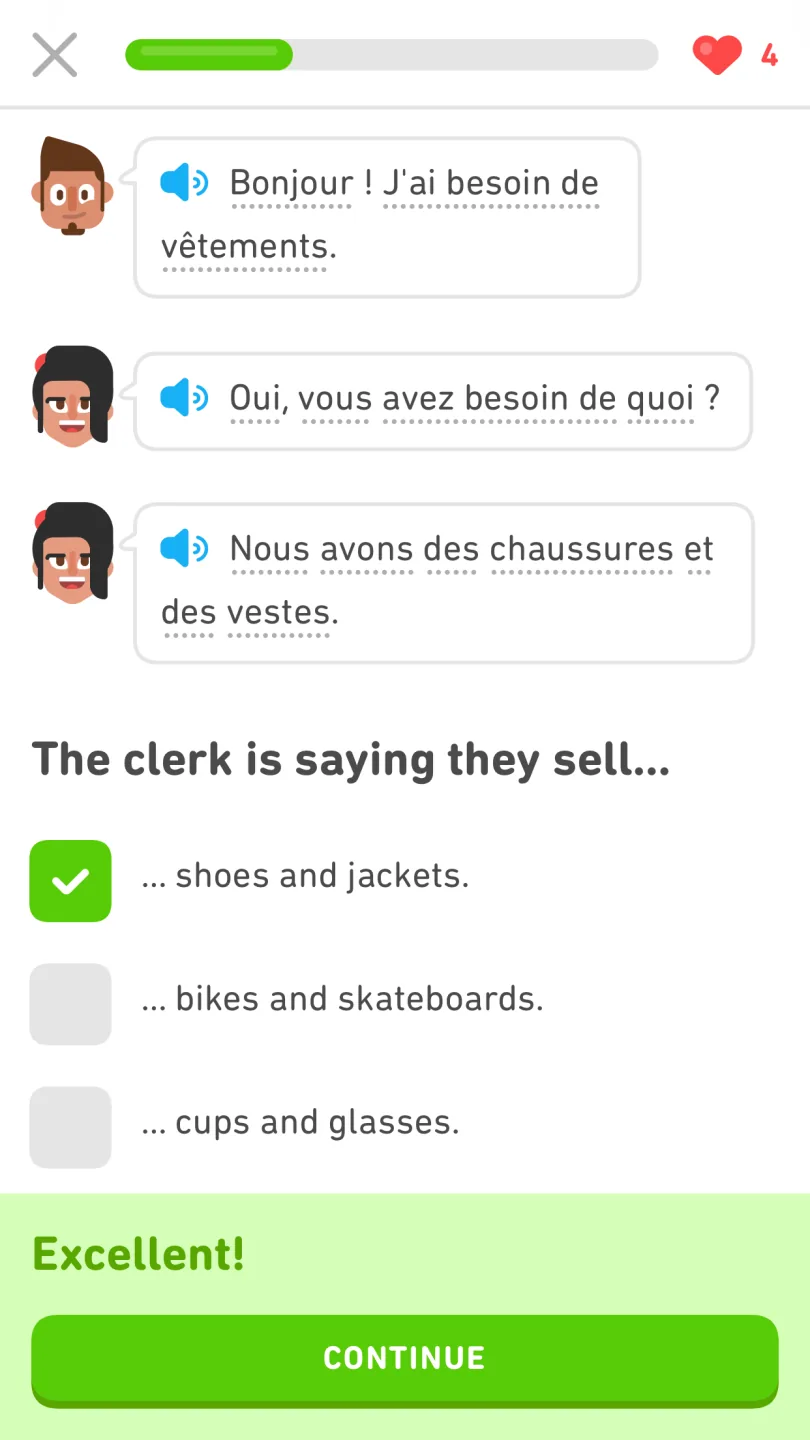
Feedback and consequences
The game immediately links a response to success, an error or a consequence, helping the learner decide what to change next.
Duolingo ↗
Practice and revisiting material
The learner returns to material, recalls it without the answer and applies it in new examples, with practice spread over time.
Duolingo ↗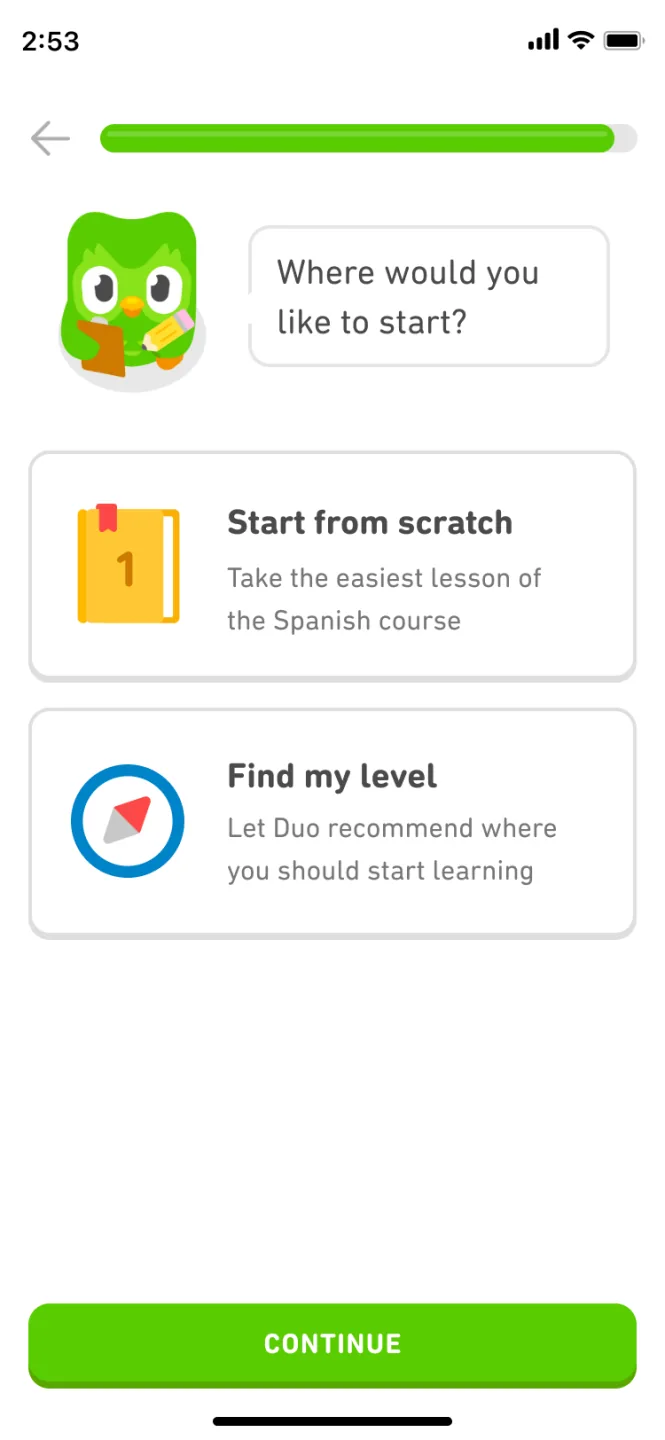
Adaptive difficulty
The game adjusts the starting point, challenge or support to the learner’s knowledge and actions, while keeping success criteria clear.
Duolingo ↗Assessment and self-checking
Assessment reveals prior knowledge and gaps. Self-checking compares work with clear criteria to choose the next learning task.
Duolingo ↗Transfer and generalization
A familiar rule must be applied to new objects or situations, testing understanding rather than memory of one fixed answer.
Baba Is You ↗Reflection and self-regulation
The learner sets a goal, monitors the solution and compares the result with the plan, then adjusts the next approach.
Opus Magnum ↗Finding and checking sources
The learner finds messages, compares independent evidence and checks a source’s origin before accepting a conclusion.
Her Story ↗Claims and evidence
A claim must be linked to specific evidence and an explanation of why it supports the claim. Contradictions require revising the argument.
Phoenix Wright: Ace Attorney Trilogy ↗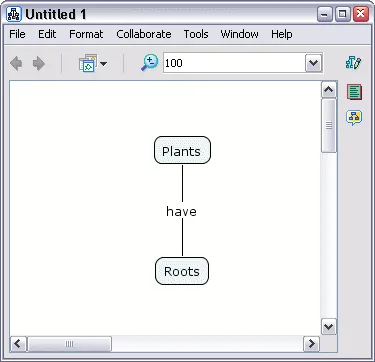
Concept maps
The learner connects concepts with labeled relationships. Each link expresses a checkable claim, and the map helps explain the topic.
CmapTools ↗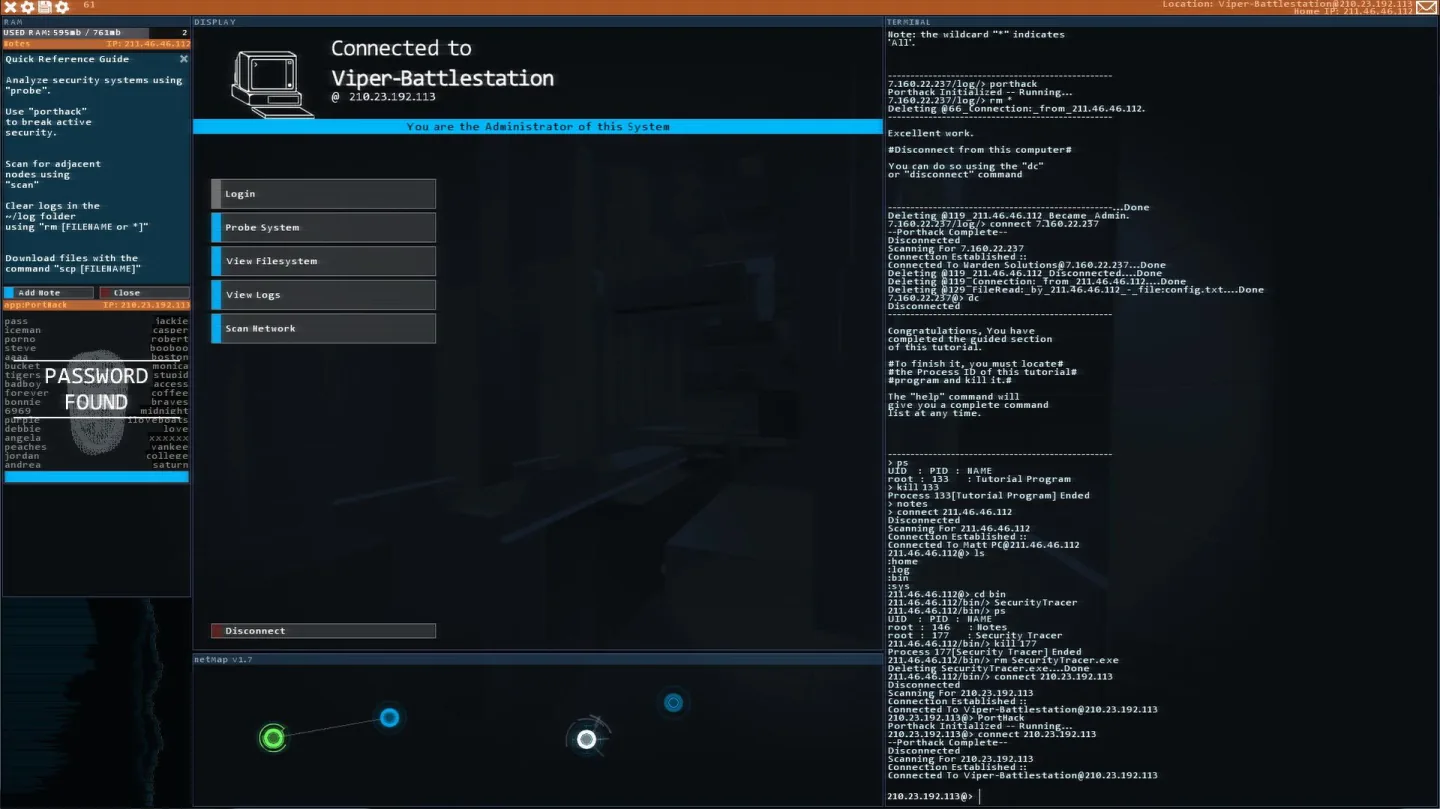
Using documentation during a task
The needed rule is in a reference or manual. The learner finds it and applies it to the current practical task.
Hacknet ↗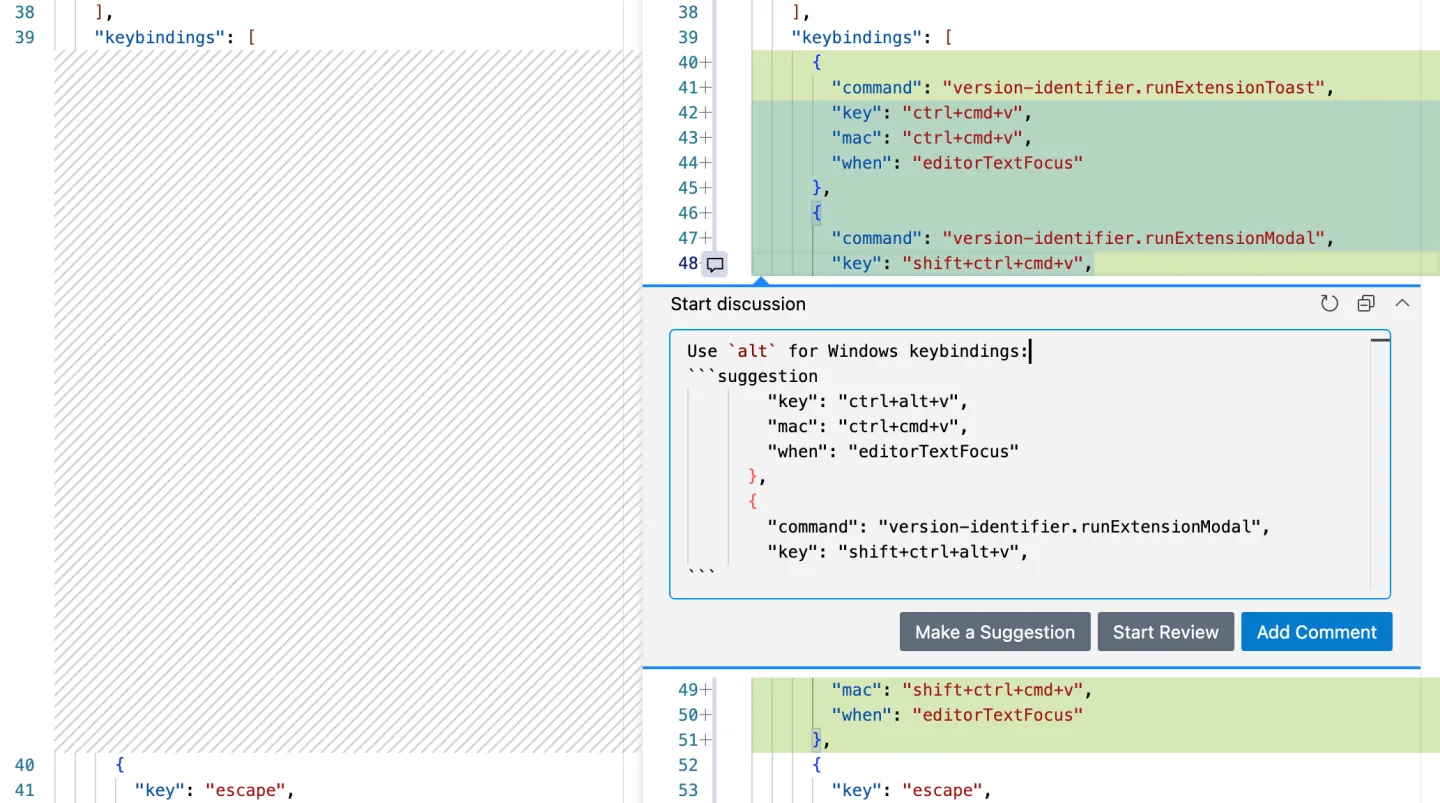
Peer review
A peer checks another solution against criteria, explains feedback and suggests a fix. The author revises the result and checks the change.
GitHub / Visual Studio Code ↗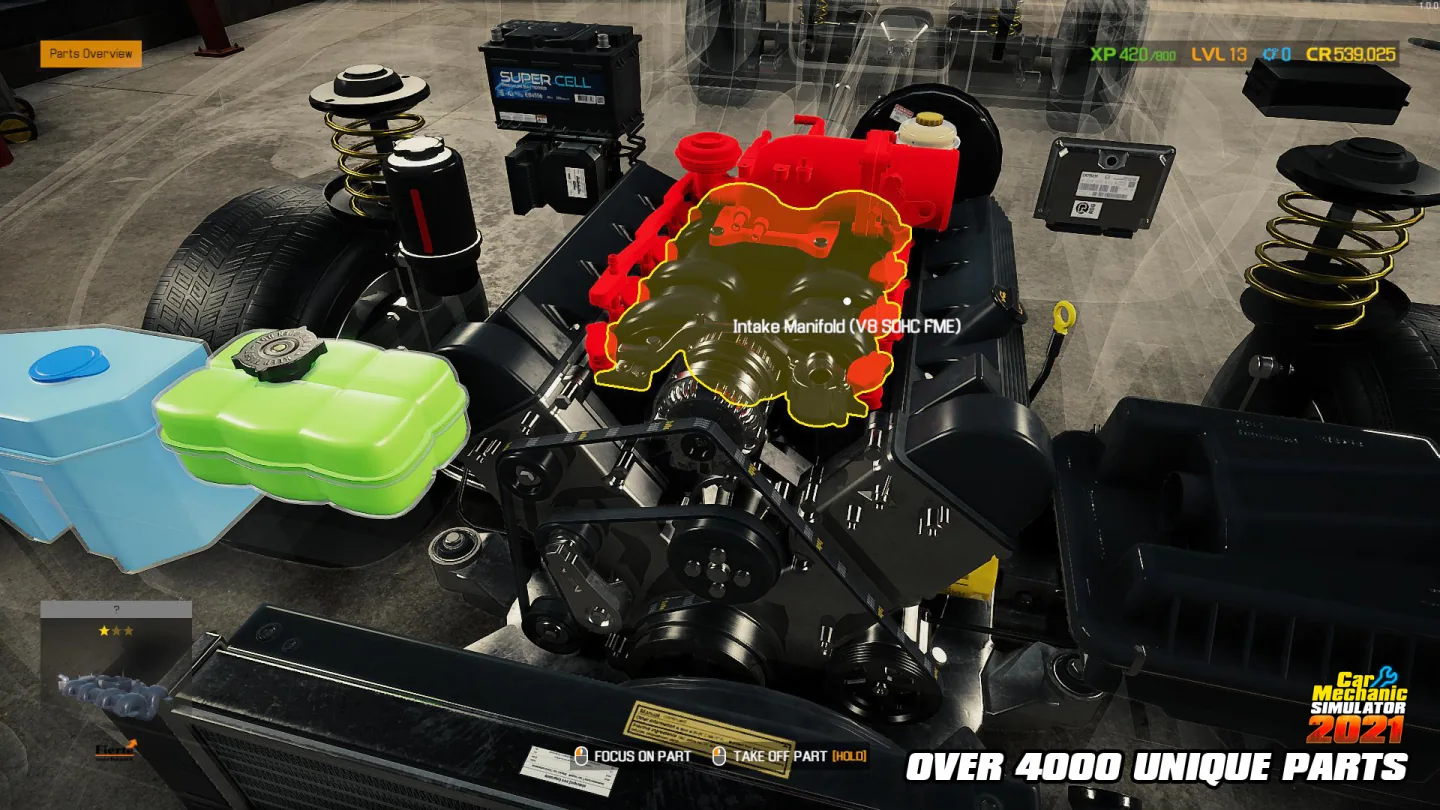
Work-procedure simulation
The learner performs a work procedure in a model, checking conditions, selecting tools and evaluating each step.
Car Mechanic Simulator 2021 ↗Dialogue practice
The learner solves a task through conversation, listening, replying and checking understanding, then reviewing the outcome.
Duolingo ↗Laboratory and experiment log
The learner links a hypothesis, experiment settings, measurement and a recorded result so an experiment can be repeated and compared.
The Operator ↗Distributed expertise
Participants have different information or tools and must explain their part and combine knowledge to complete a shared task.
Keep Talking and Nobody Explodes ↗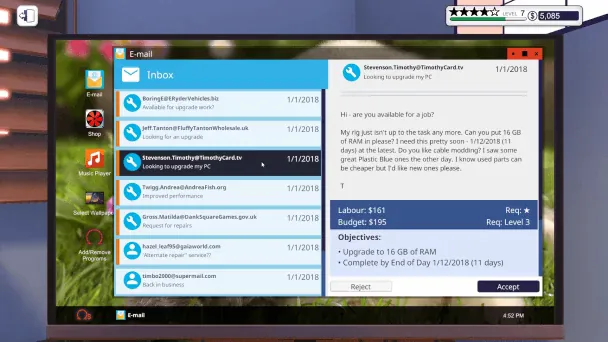
A project for a client
The learner turns a client request into criteria, creates a result and verifies that it meets the requirements.
PC Building Simulator ↗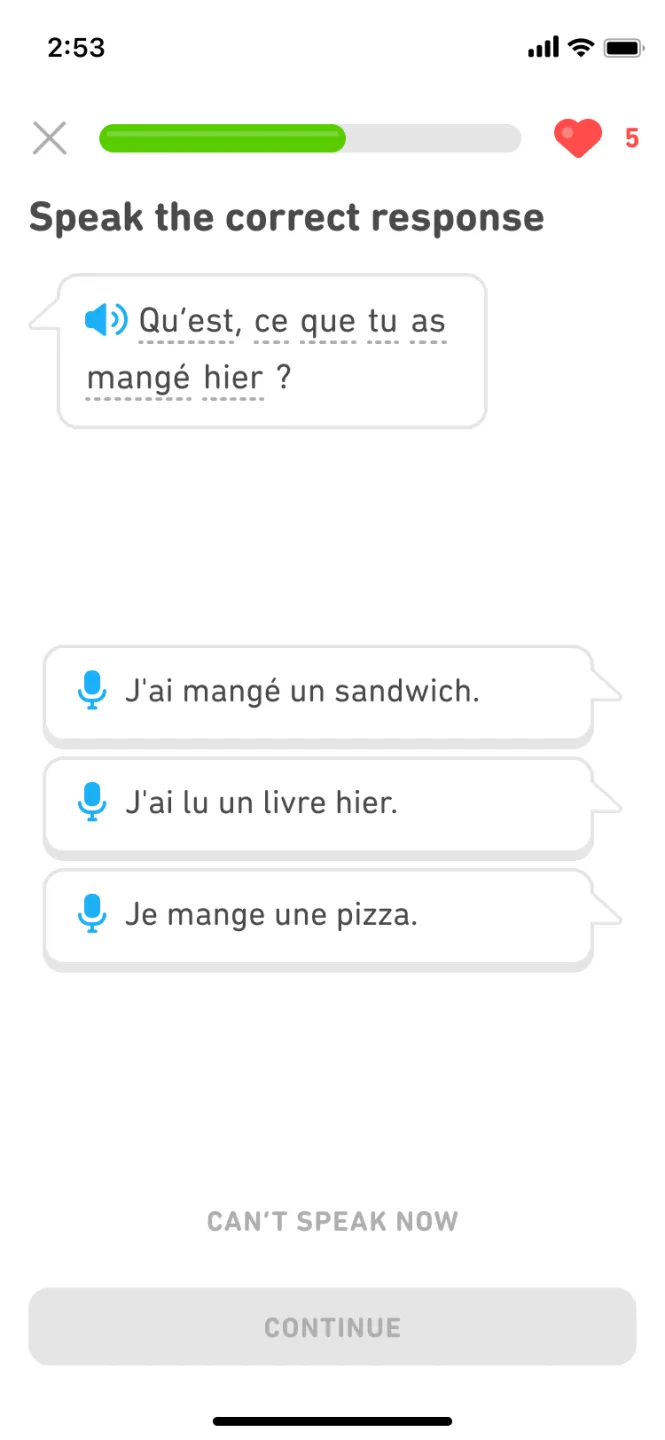
Choice and response
The learner selects an answer from options, testing understanding of a meaning, rule or appropriate action.
Duolingo ↗Logical inference
The learner derives an answer from constraints, checks consistency and rules out contradictory options.
Hexcells ↗Constraints and grids
The learner fills a grid or places objects while satisfying all constraints at once.
Hexcells ↗Codes and representations
The learner maps symbols to meanings and translates a message into another representation.
Chants of Sennaar ↗Algorithms and programming
The learner builds an algorithm from commands, runs it and checks the executor’s behavior on input data.
Human Resource Machine ↗Diagnosis and debugging
The learner finds a mismatch between expected and actual behavior, identifies its cause and tests a correction.
Opus Magnum ↗Quantity and number relationships
The learner works with quantity, order and numerical relationships by counting, comparing and finding equivalent groups.
2048 ↗Arithmetic transformations
Numbers or object groups change according to an arithmetic rule. The learner predicts and checks the operation’s result.
2048 ↗Experiment and inquiry
The learner asks a question, changes conditions and tests a hypothesis through observation, drawing conclusions from the result.
The Operator ↗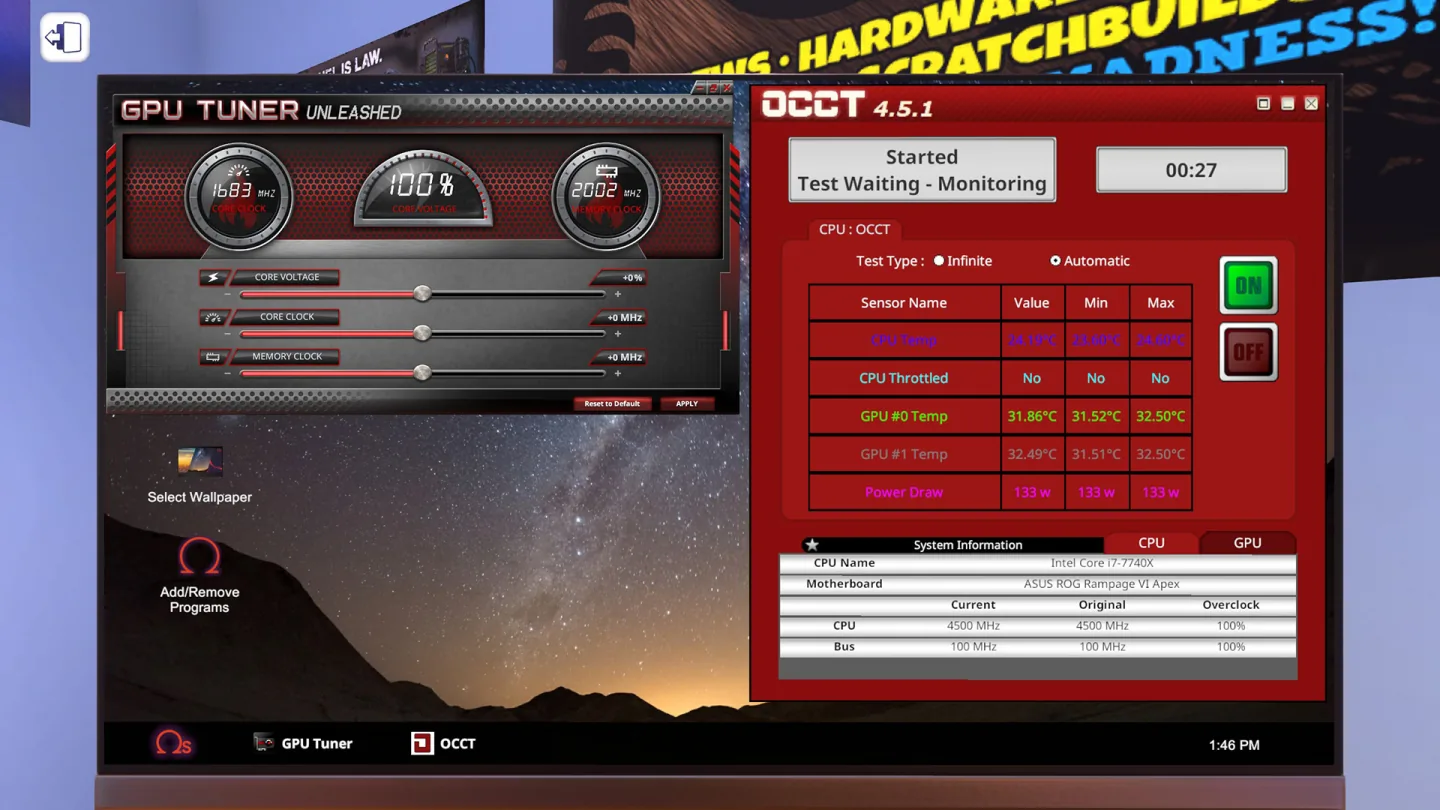
Measurement and estimation
The learner chooses a quantity, reads an instrument and compares the result with an estimate or acceptable range.
PC Building Simulator ↗Planning and optimization
The learner plans several actions under constraints and compares ways to reach a goal using an explicit criterion.
Sid Meier’s Civilization® VI ↗Simulation and system management
The learner manages interdependent model parameters. Changing one affects the system’s state and later decisions.
Wobbledogs ↗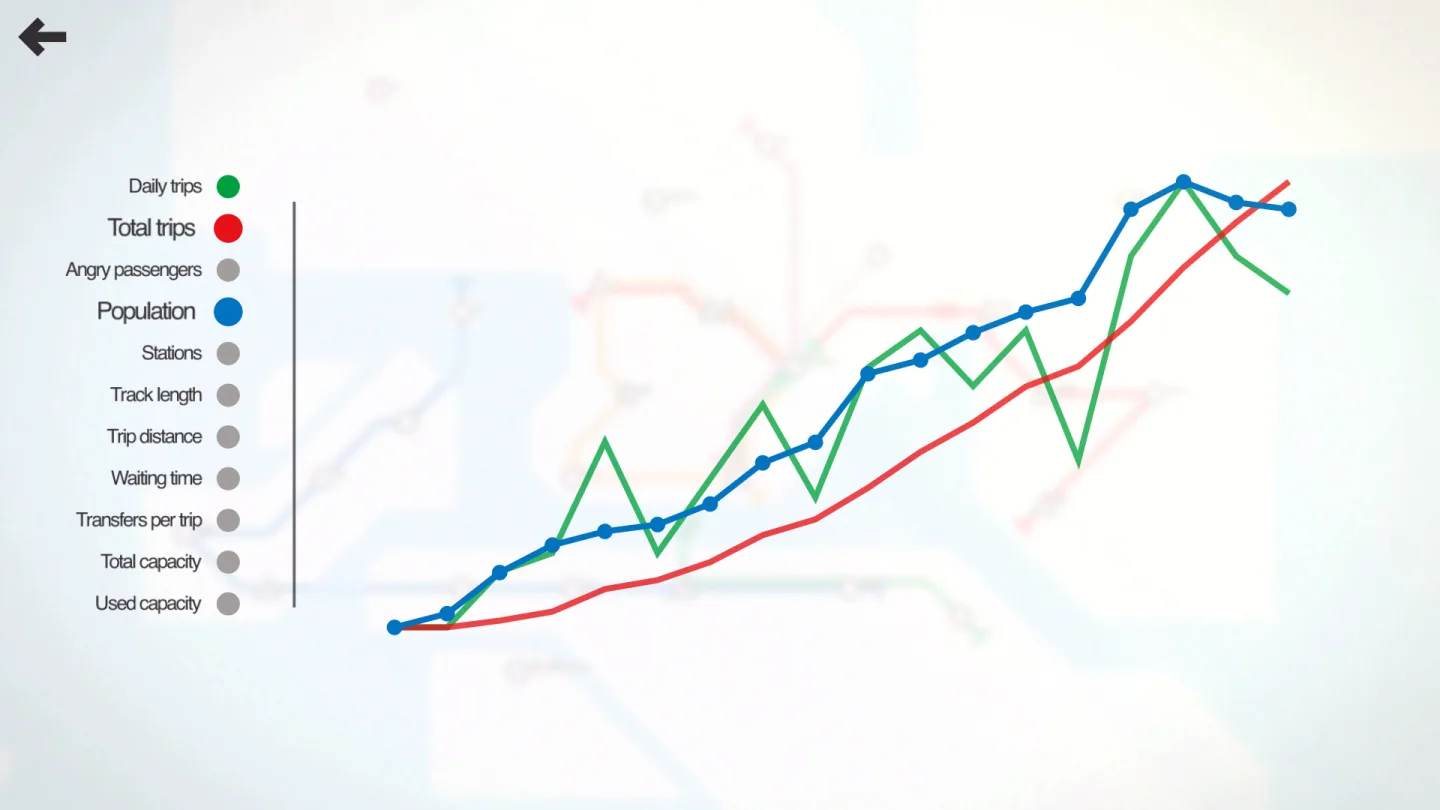
Data, tables and charts
The learner collects observations, represents them in a table or chart and uses differences, trends and relationships to solve a task.
Mini Metro ↗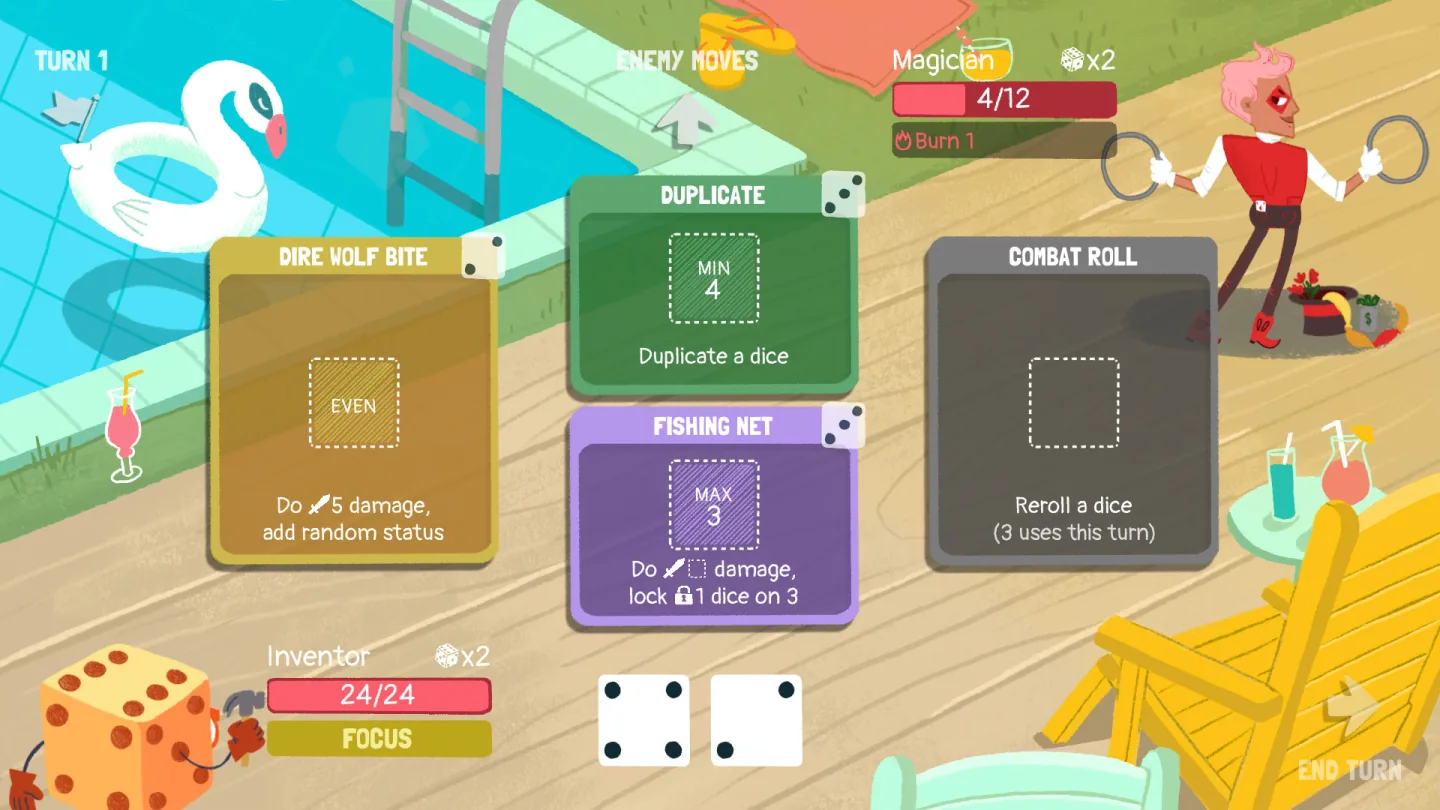
Probability and risk
The learner predicts random outcomes, compares risks and revises a decision after seeing the result.
Dicey Dungeons ↗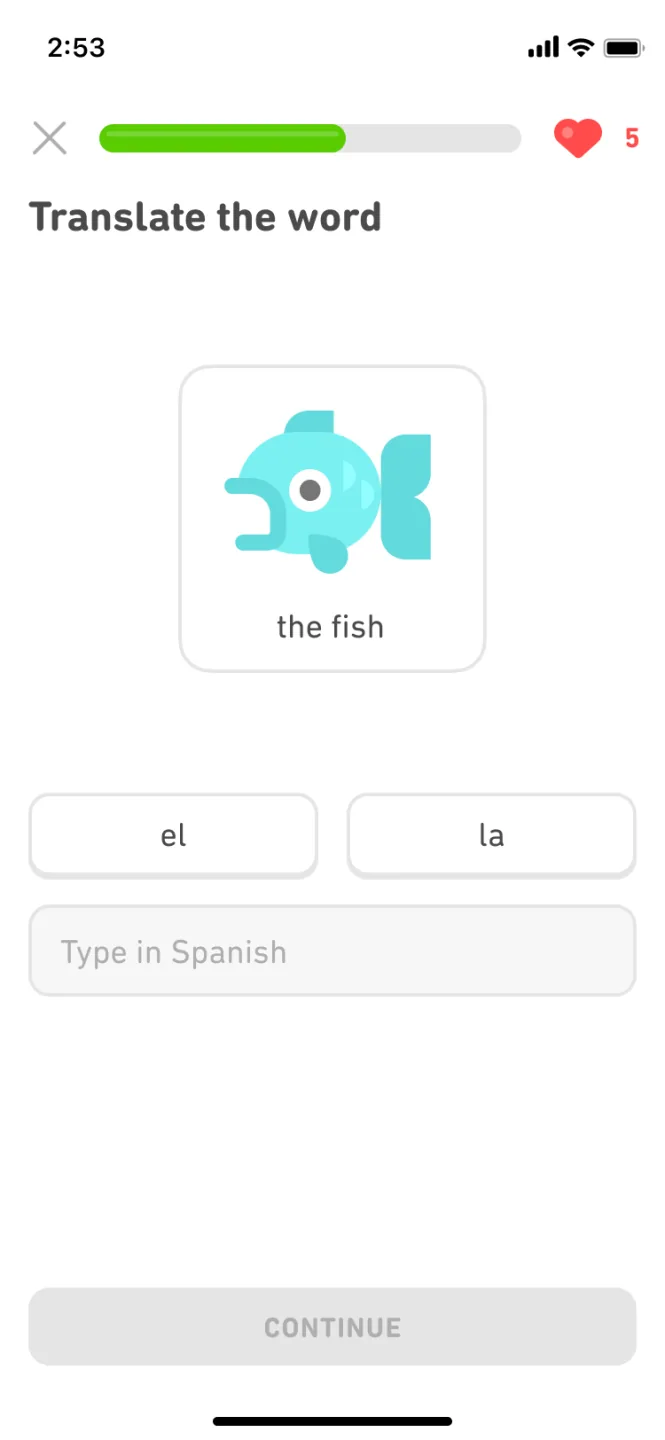
Vocabulary and meaning
The learner links a word to a meaning, object or action and uses it in an appropriate context.
Duolingo ↗Speech and dialogue
The learner listens, formulates a response and takes conversational turns, relying on understanding and expressing meaning.
Duolingo ↗
Speech sounds and phonology
The learner distinguishes speech sounds, compares pronunciations and identifies a sound in a word or sequence.
Duolingo ↗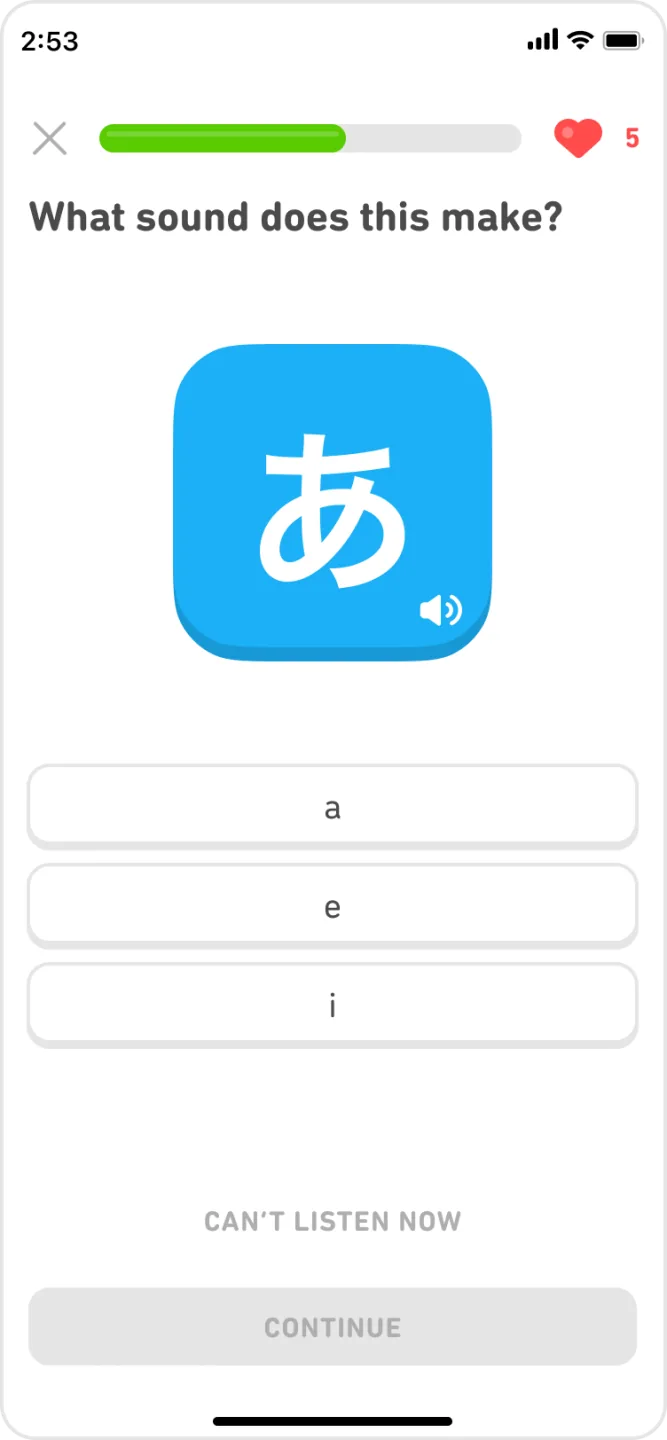
Reading, writing and symbols
The learner recognizes written symbols, links them with sounds and reproduces them in reading or writing.
Duolingo ↗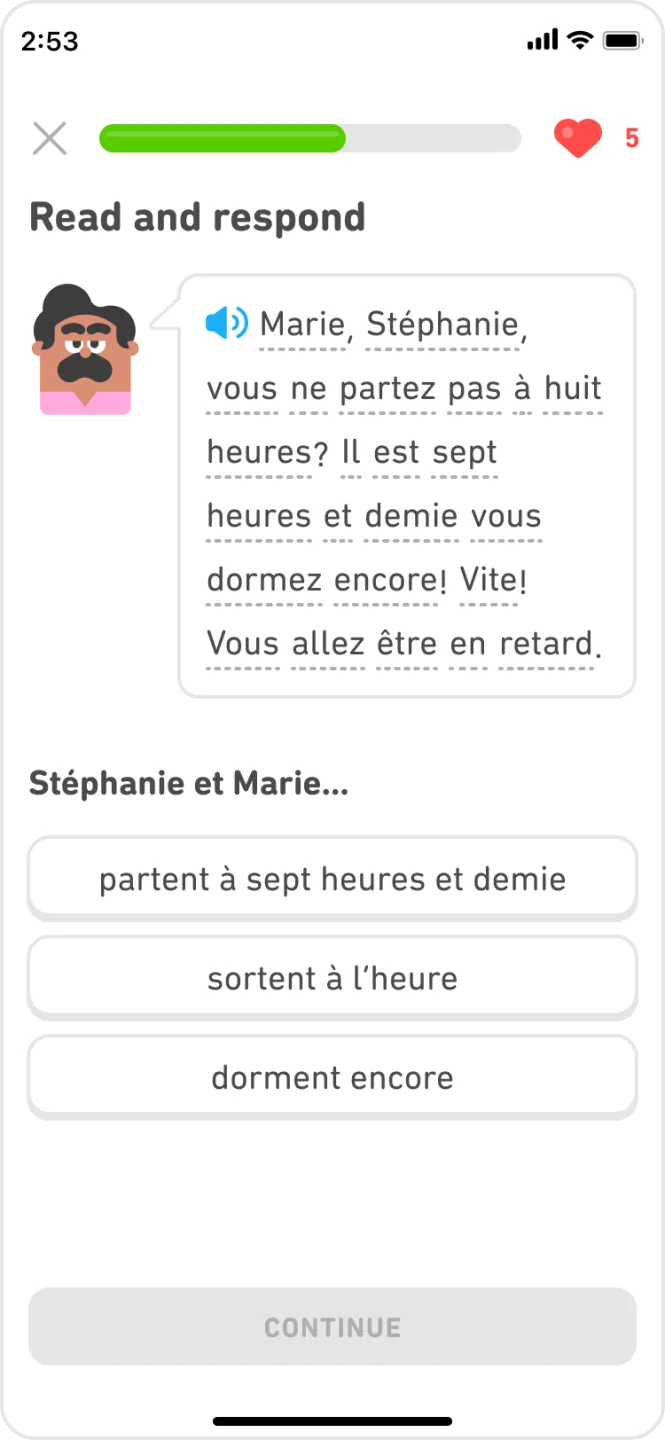
Reading comprehension
The learner extracts information from text, relates its parts and selects a conclusion supported by the reading.
Duolingo ↗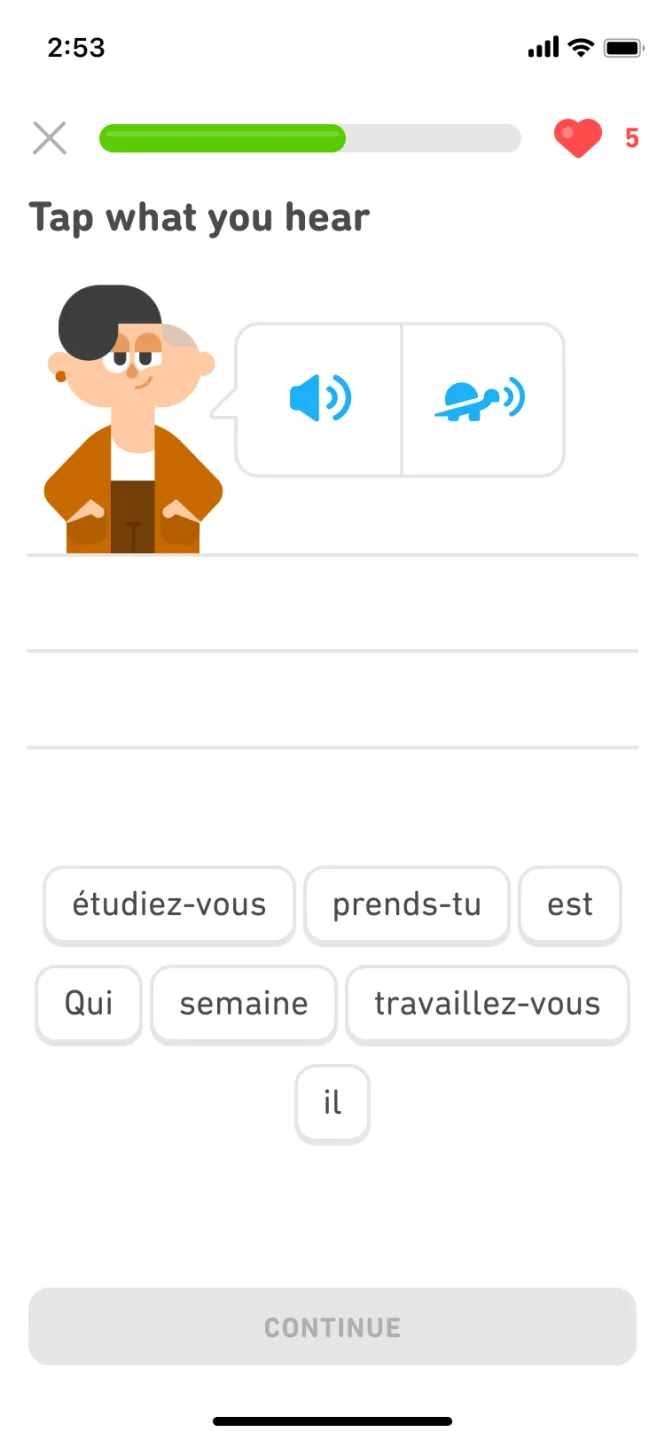
Grammar and sentence construction
The learner builds an utterance from words and checks order, agreement and the relationship between form and meaning.
Duolingo ↗Subject knowledge and rules
The learner recognizes object features and applies a subject-specific rule to a concrete situation.
Subnautica ↗Foreign-language learning
The learner links meaning, pronunciation and spelling in another language and applies them in a meaningful context.
Duolingo ↗Explaining and teaching others
The learner explains a solution to another participant, identifying the rule and checking the listener’s understanding.
Keep Talking and Nobody Explodes ↗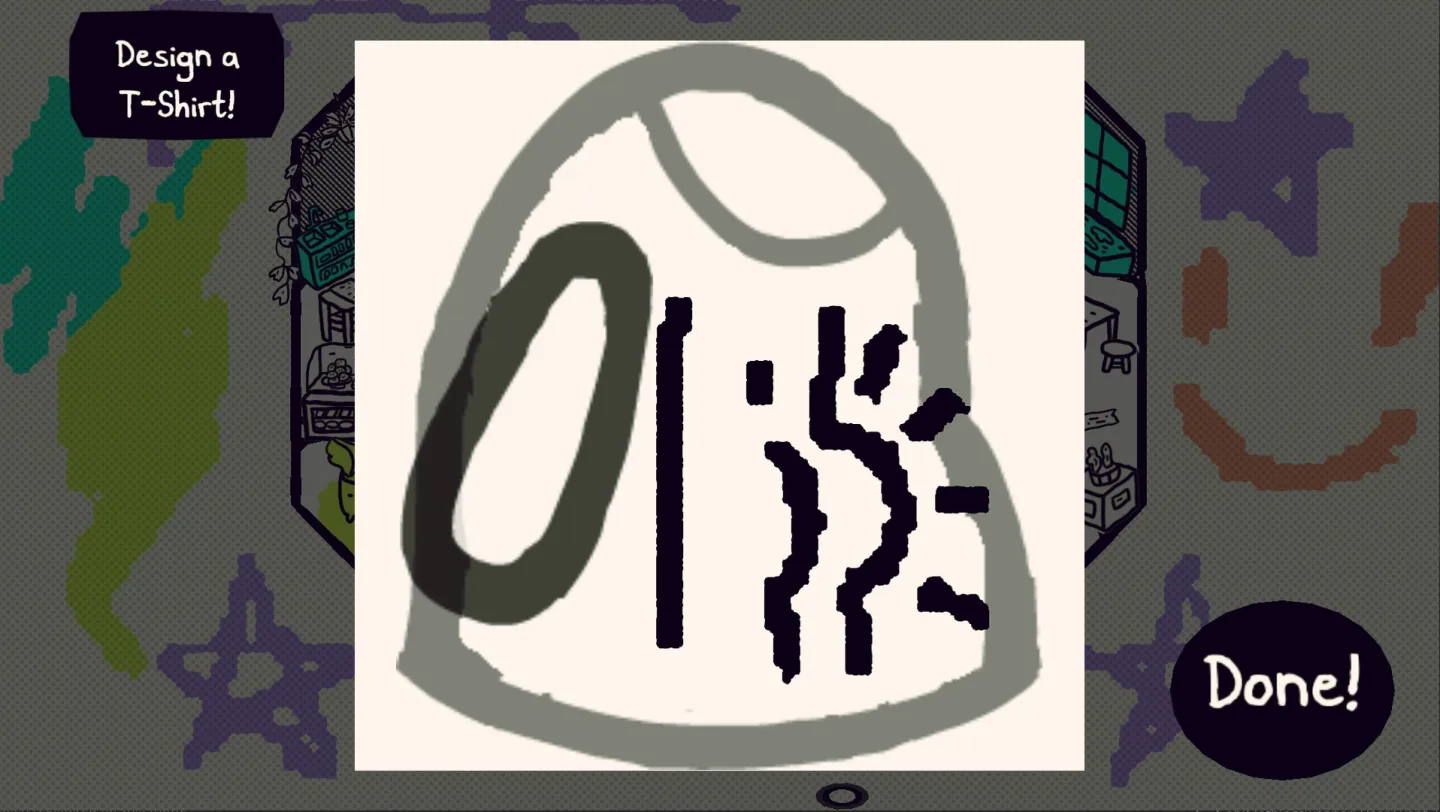
Creativity and Personalization
The image becomes an independent result or appearance of the game object.
Chicory: A Colorful Tale ↗Precision and reproduction
The game checks whether a stroke, shape or design matches a given pattern.
Duolingo ↗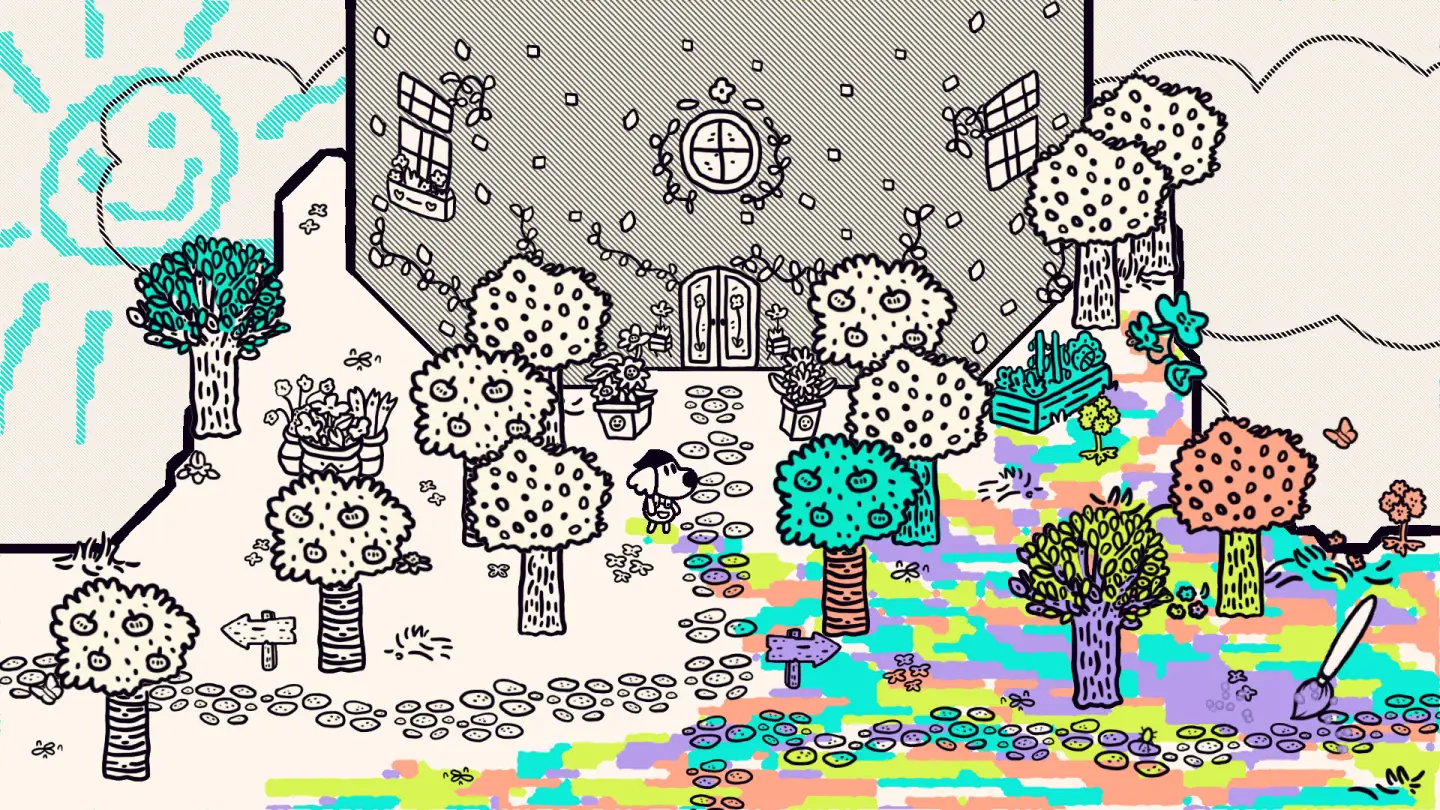
Completion and restoration
The player complements, corrects or transforms an existing drawing.
Chicory: A Colorful Tale ↗Paint color and behavior
The game takes into account the area, color, layers or physical behavior of the applied material.
Chicory: A Colorful Tale ↗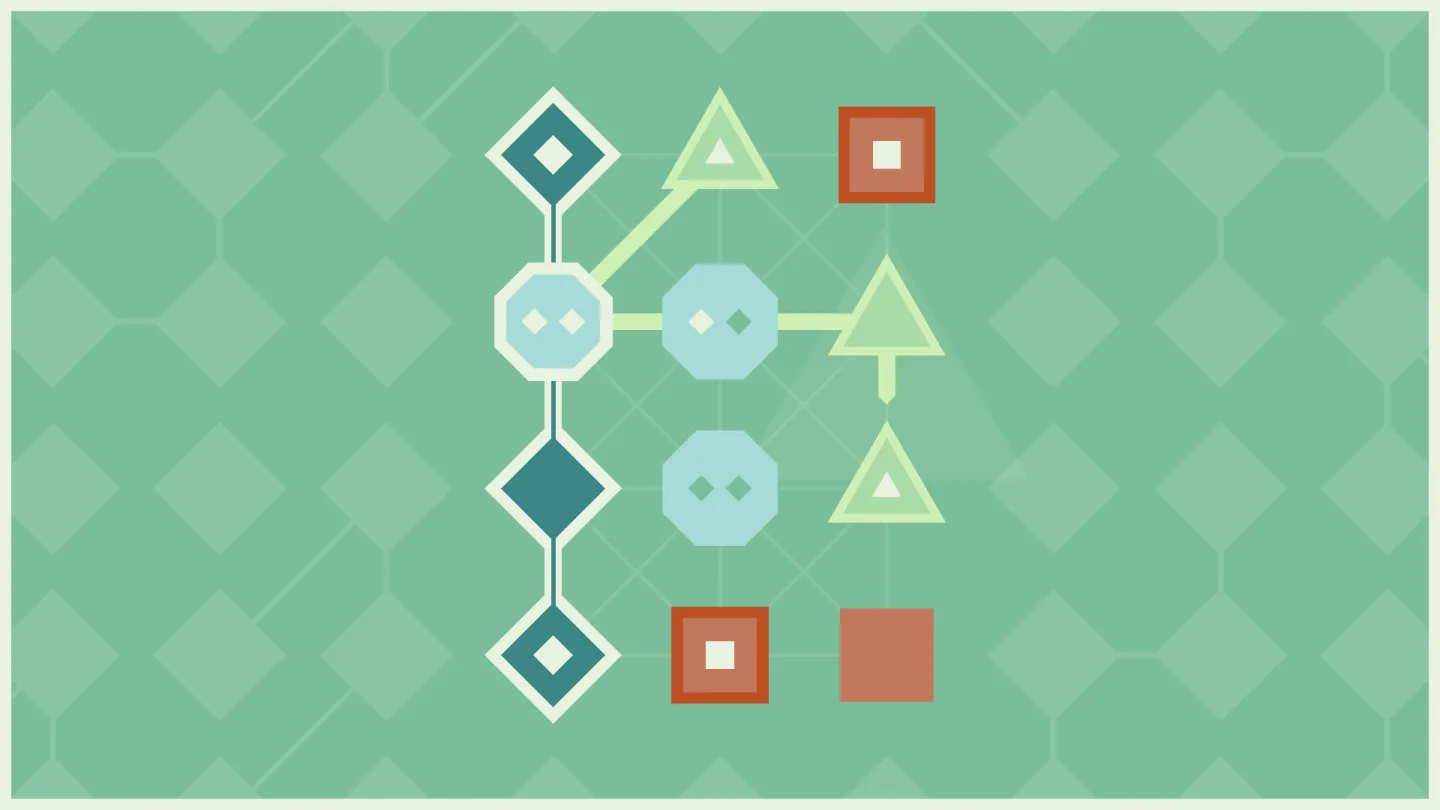
Line as a logical solution
The solution is the geometric or topological properties of the drawn line.
LYNE ↗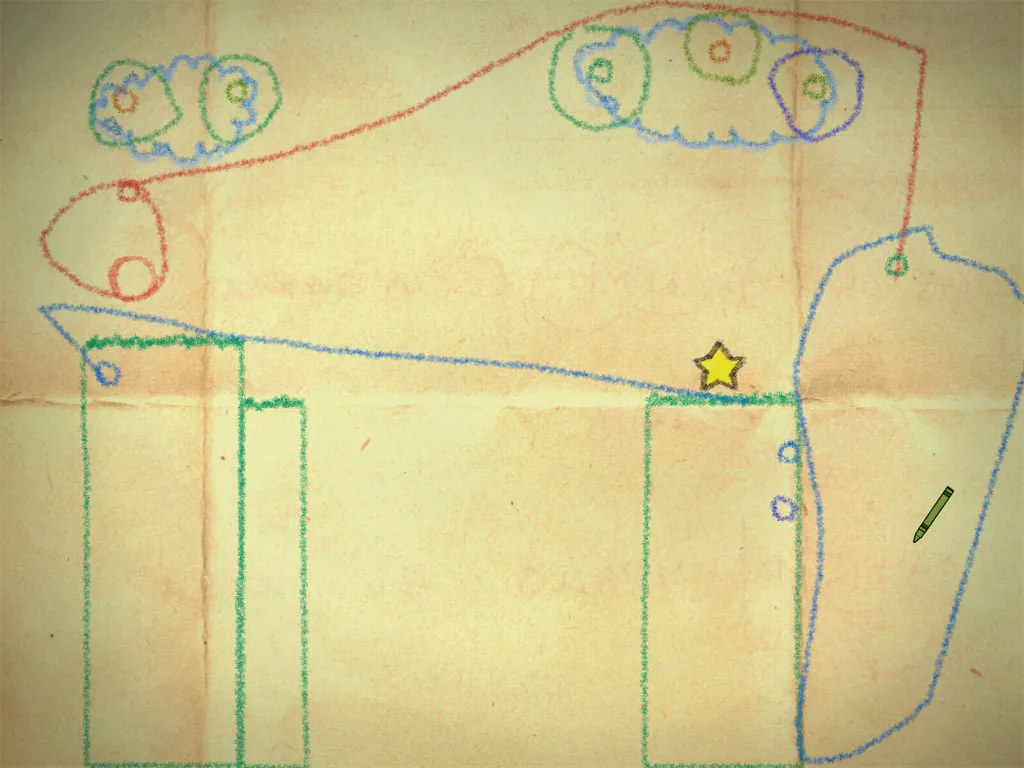
Drawing as a physical object
The form turns into a body or structure that participates in the simulation.
Crayon Physics Deluxe ↗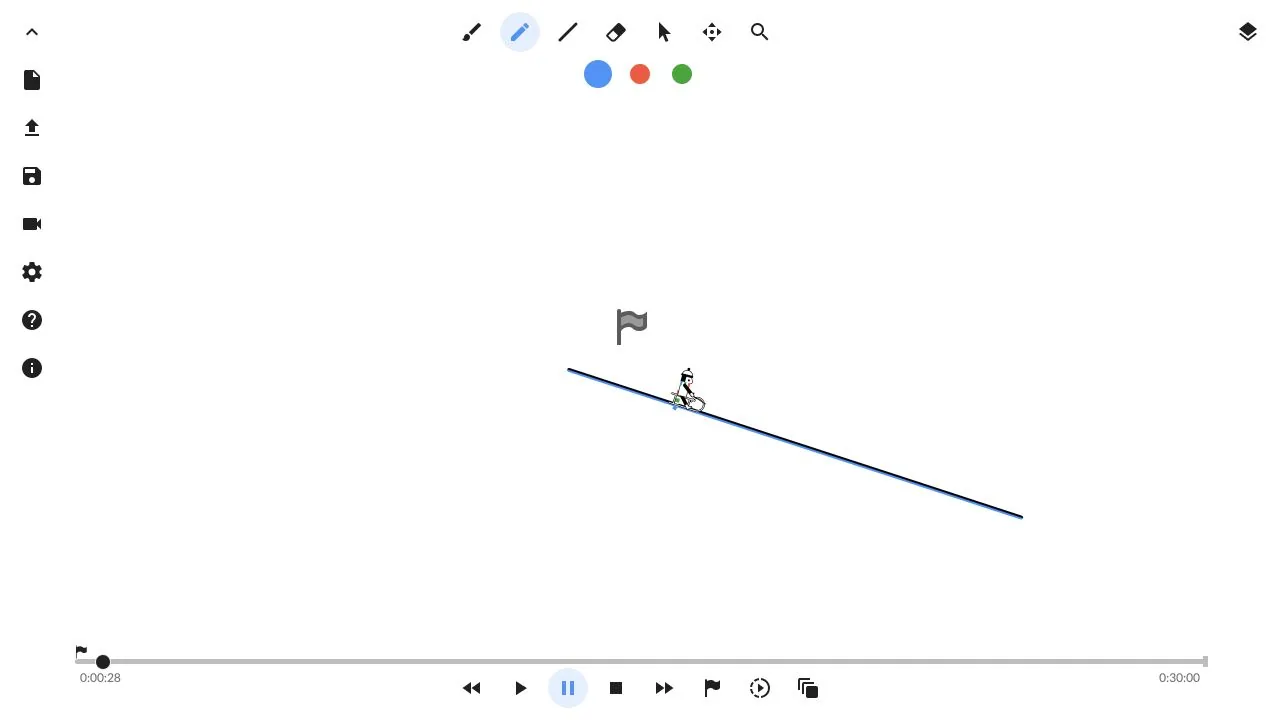
Drawing as a route and control
The line defines the movement of a creature, vehicle, projectile or performer.
Line Rider ↗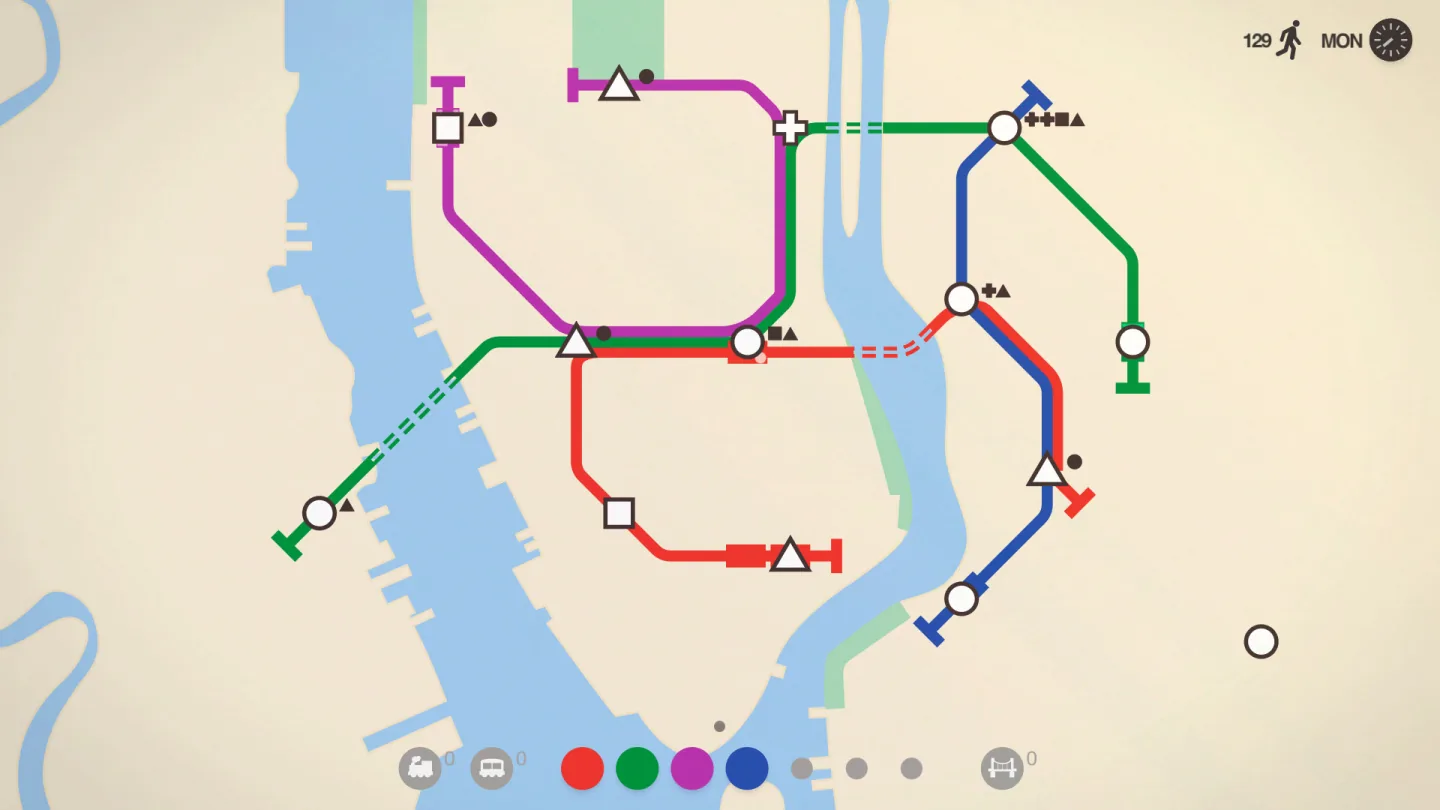
Networks, flows and connections
What is important is not the recognition of the drawing, but what exactly the strokes connect.
Mini Metro ↗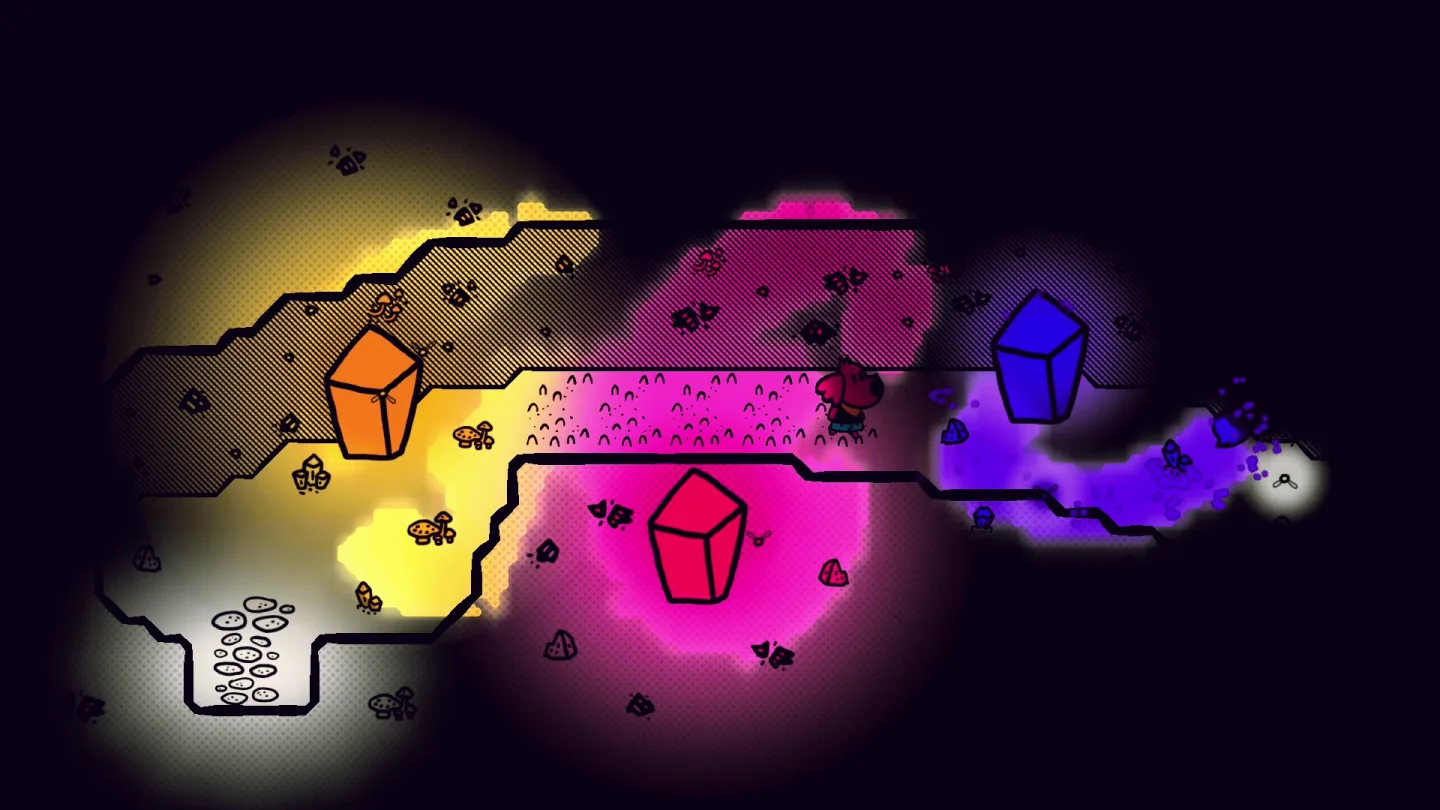
Changing World Properties
A paint or stroke changes the rules of behavior of an existing surface or object.
Chicory: A Colorful Tale ↗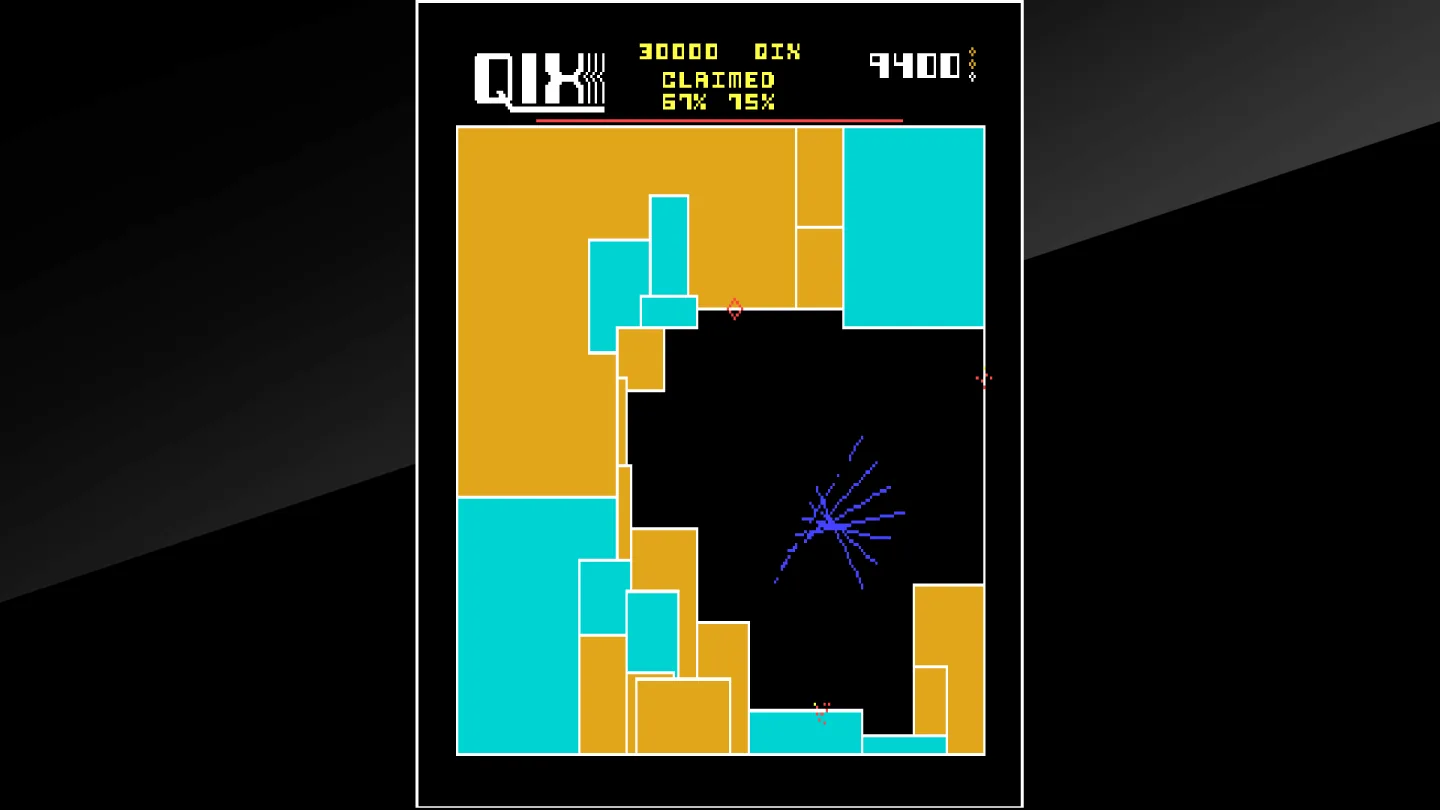
Capturing and dividing space
A drawn boundary changes the ownership, accessibility, or state of an area.
QIX ↗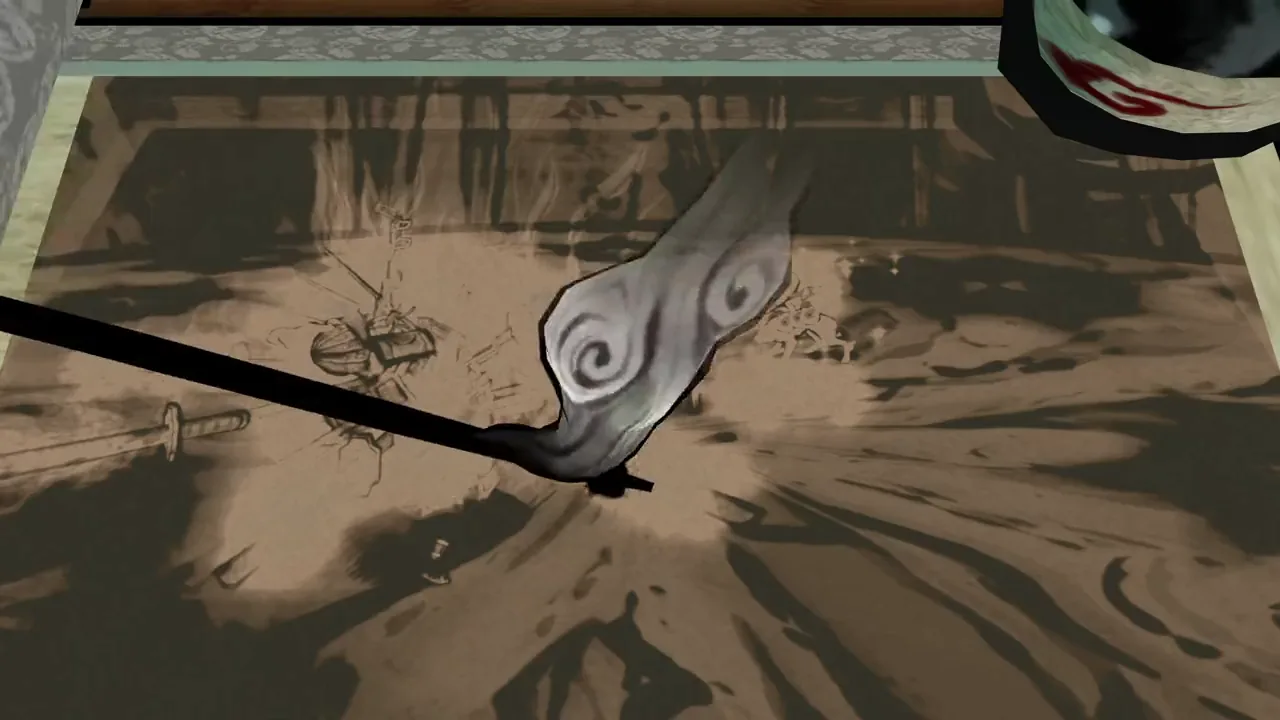
Combat and defense with strokes
The position, direction or completion of the line directly determines the combat action.
ŌKAMI HD ↗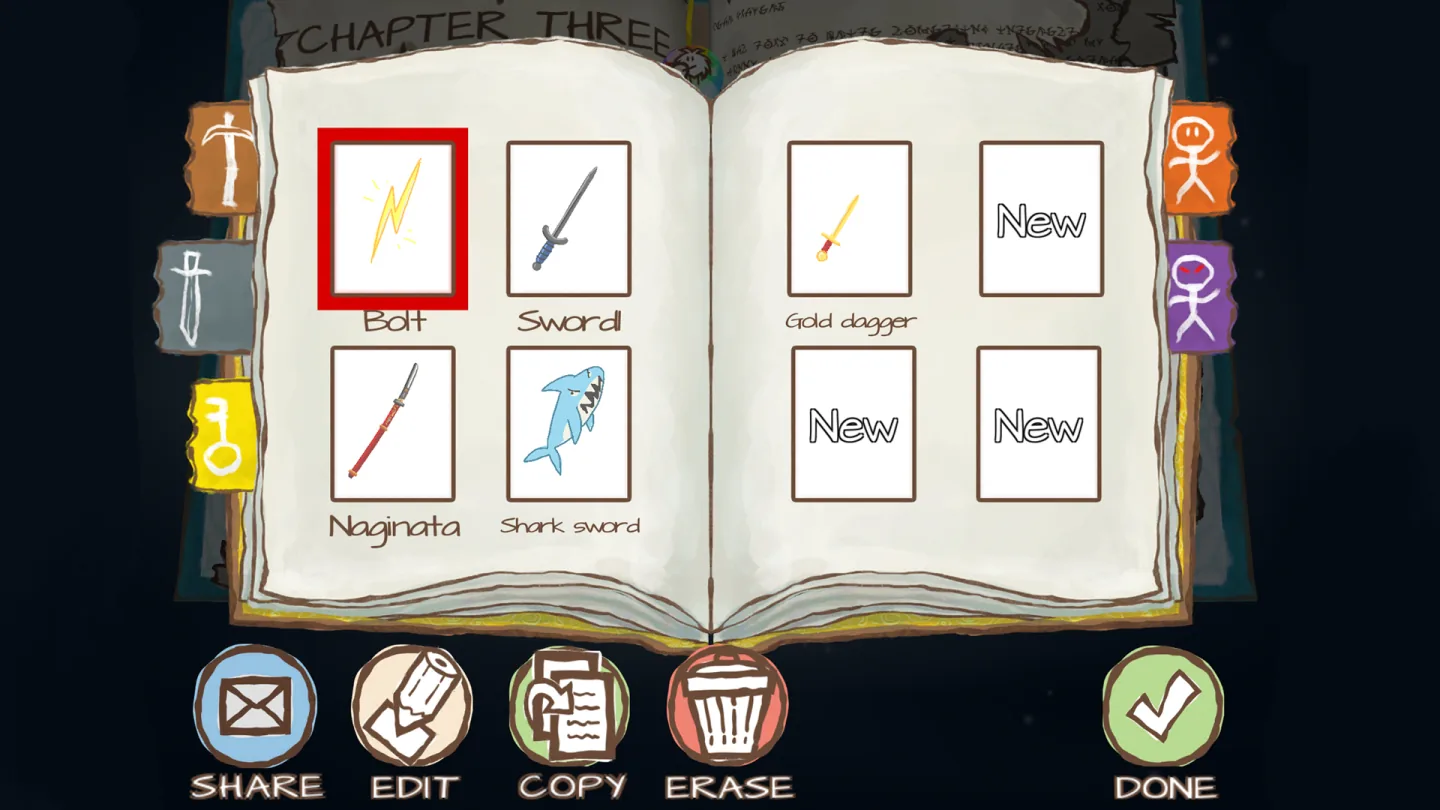
Signs, magic and recognition
The game interprets what is drawn as a sign, an object, or a sequence of commands.
Draw a Stickman: EPIC 2 ↗
Information, visibility and exploration
The stroke helps to see, record, or interpret information about the game world.
The Unfinished Swan ↗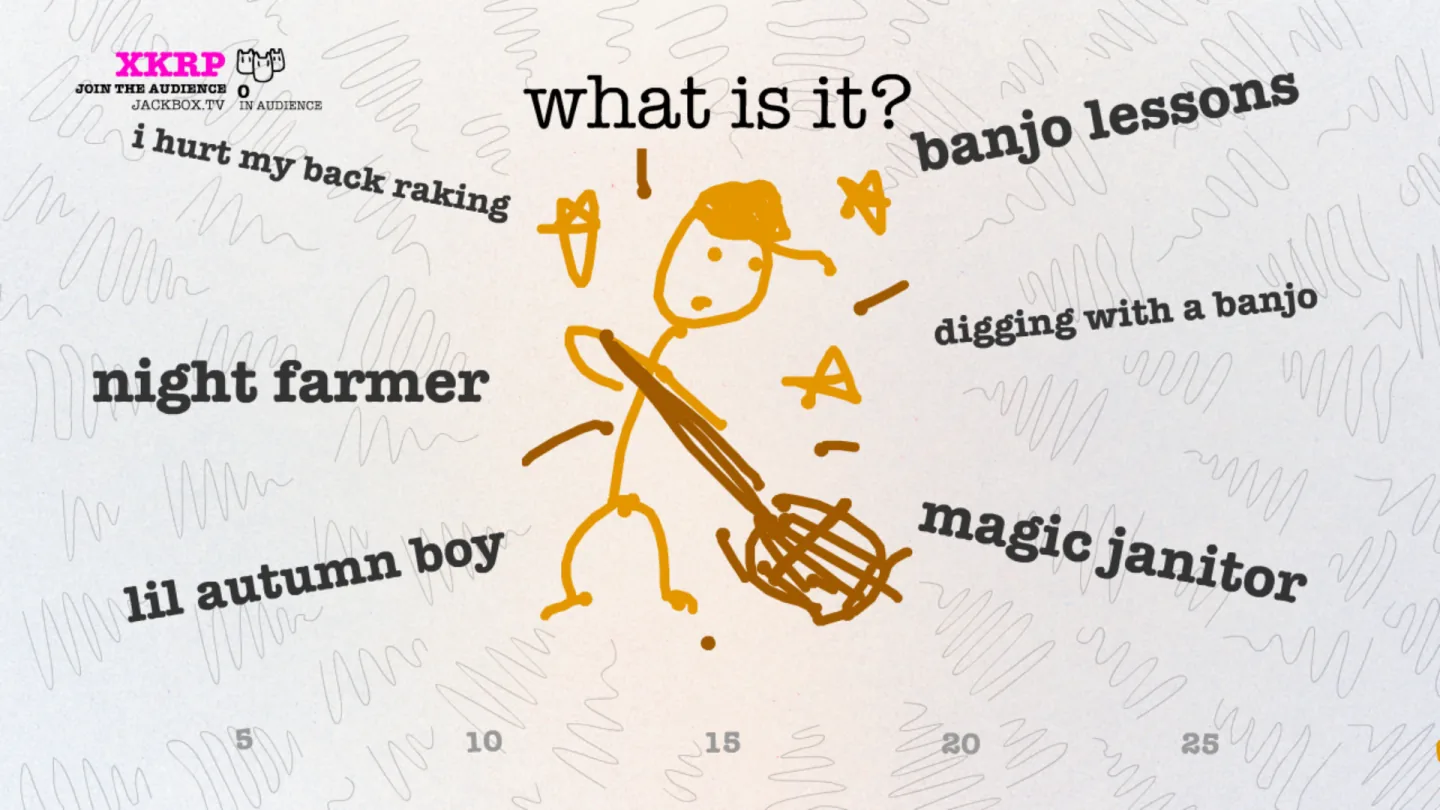
Communication and conveying meaning
A drawing conveys a concept, story, instruction, or attitude to another participant or game character.
Drawful 2 ↗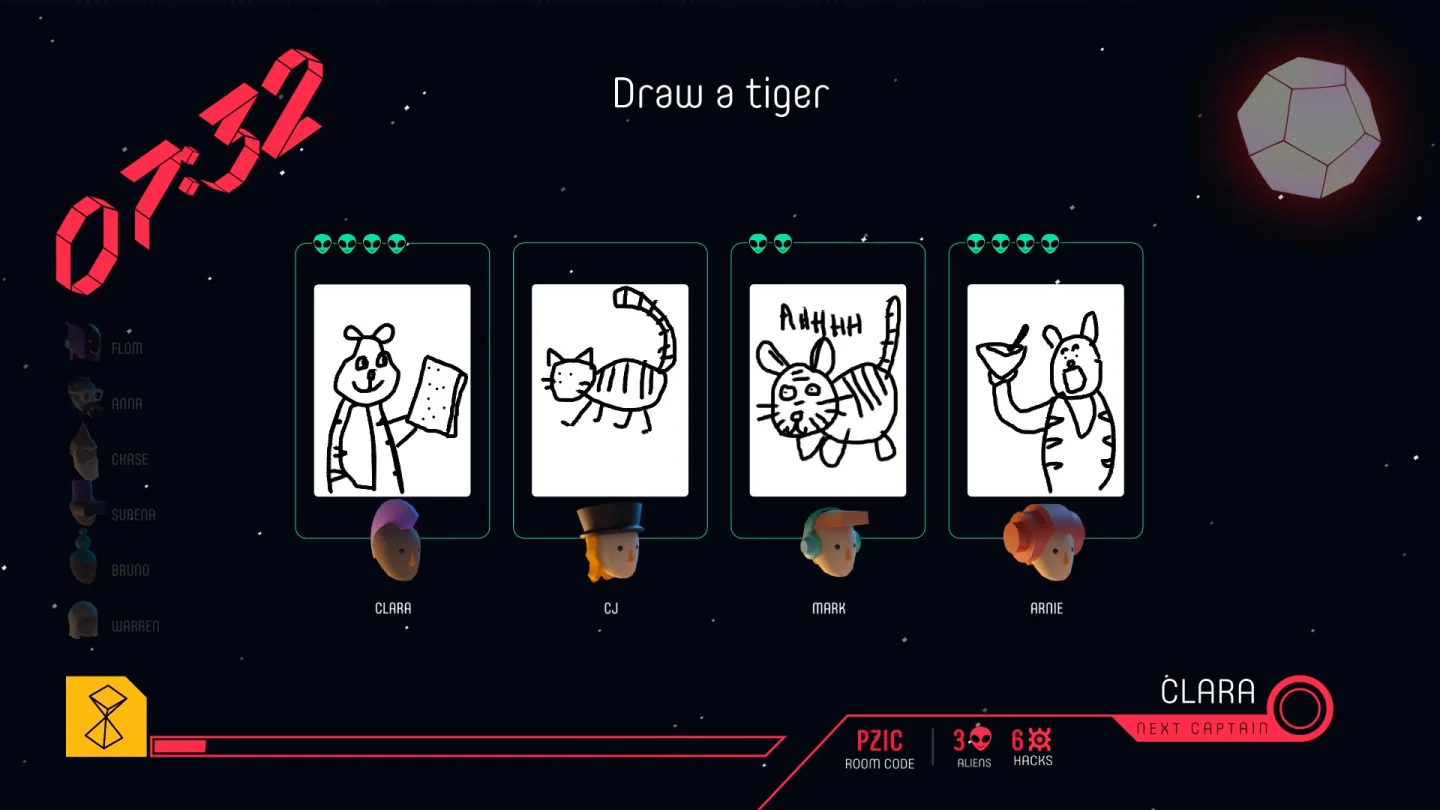
Deception, Hidden Role, and Attribution
The drawing is used as evidence, disguise or a means of misleading.
The Jackbox Party Pack 6 ↗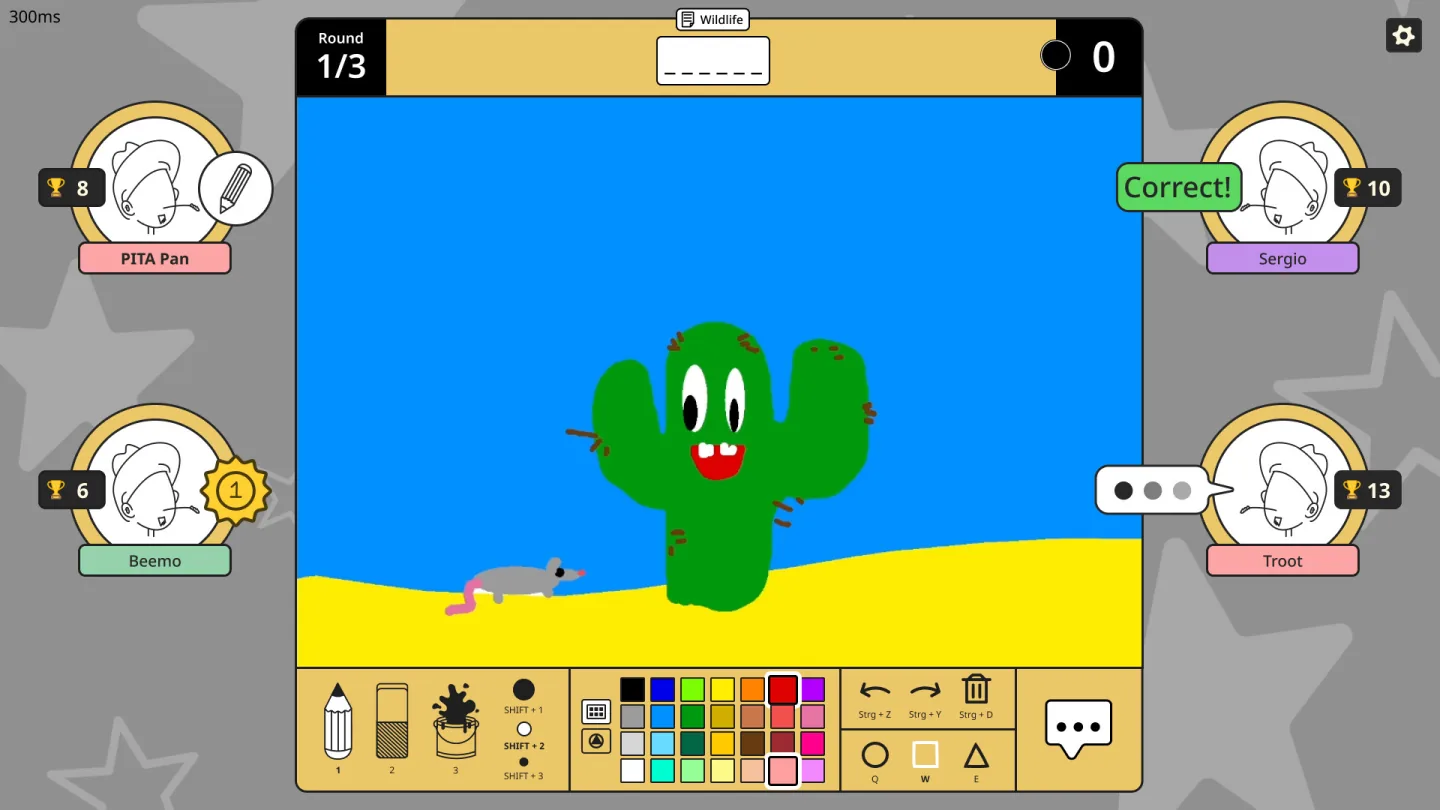
Collaborative and competitive creation
A drawing arises as a result of the interaction of several participants.
Scribble It! ↗
Animation, sound and time
Strokes indicate changes in an image or process over time.
Krita ↗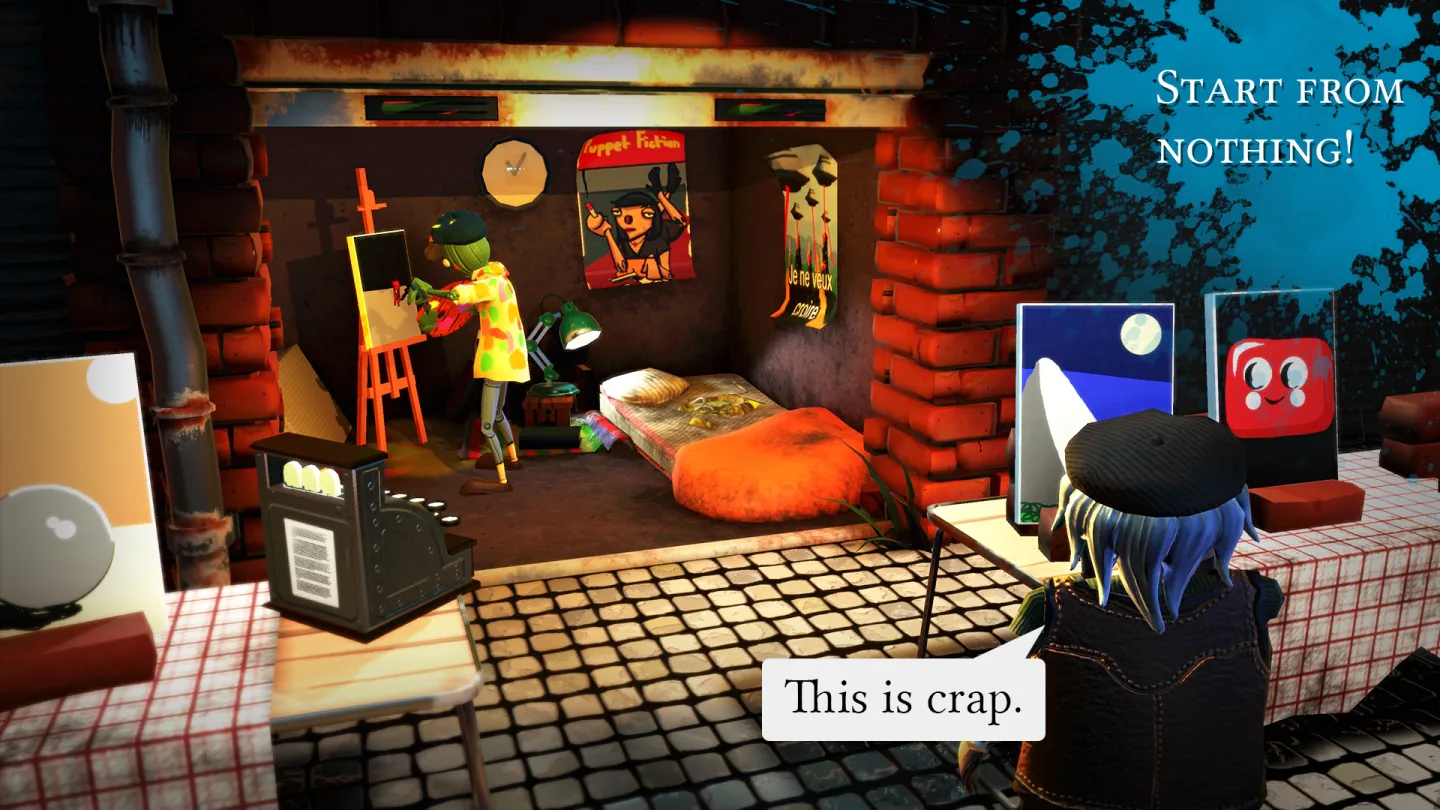
Commissions and the artist’s economy
The drawing is included in the cycle of requirements, evaluation, sales and development.
Passpartout: The Starving Artist ↗Revealing properties of a scene
The game tool reveals a new feature of the scene; the player selects an observation point, compares the results and draws his own conclusion.
Deus Ex: Mankind Divided (2016) ↗Short loops and feedback
A short sequence of actions and clear feedback makes results easy to understand. Quick retries support continued play.
2048 ↗Mastery and overcoming challenges
A clear challenge and growing skill can sustain interest. Wanting to improve a result does not by itself imply addiction.
Celeste ↗Progression and new possibilities
Progression unlocks new actions and creates a sequence of attainable goals. The player can see what their effort changed.
Slay the Spire ↗Goals and visible remaining progress
A meter, list or collection shows completed and remaining progress. The visible remainder helps direct the next action.
Hollow Knight ↗Reward timing and schedules
Rewards depend on time, action counts or reset periods. These rules shape expectations and the rhythm of returning.
Final Fantasy XIV ↗Randomness and anticipation
Uncertain outcomes change anticipation and risk choices. Attempt cost, probability transparency and loss limits matter.
Dicey Dungeons ↗Loot and collecting
Loot fills a set of items and creates long-term goals. Rarity and an incomplete collection affect the value of the next find.
Vampire Survivors ↗Accumulation and economic loops
Repeated earning and spending links present activity to future opportunities. Accumulation changes the choices available.
Cookie Clicker ↗Exploration and narrative curiosity
An unknown area, event or open story question motivates seeking more information. A discovery should deepen understanding of the world.
Hollow Knight ↗Creativity and personal meaning
A personal drawing, character or construction makes the result meaningful. Expressing an idea can support interest.
Chicory: A Colorful Tale ↗Social belonging
A shared group, cooperation and lasting connections create reasons to return to other participants.
Shop Titans ↗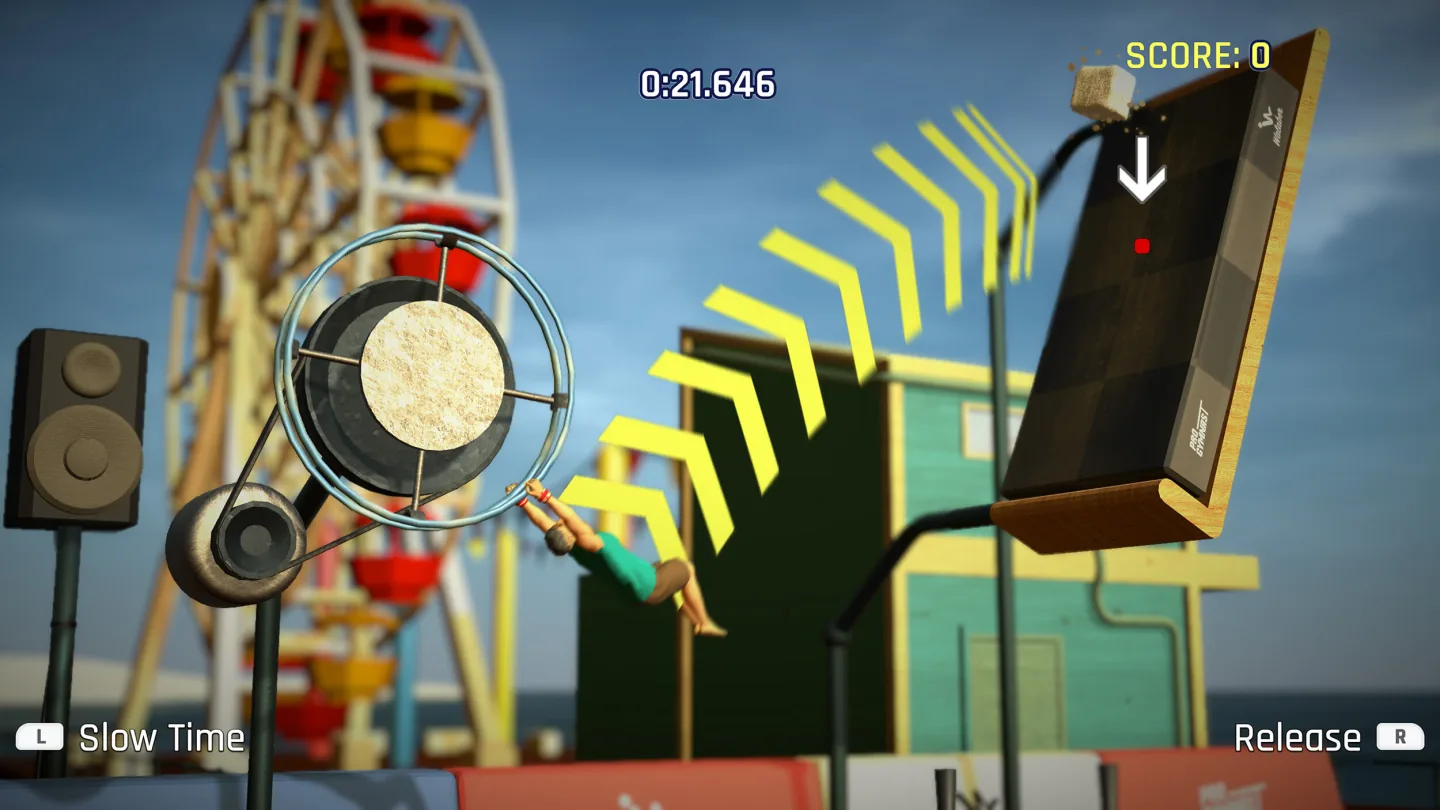
Competition and recognition
Results, records and recognition create additional goals. Players see progress relative to others or their earlier performance.
Pro Gymnast ↗Group obligations
Shared goals create group expectations. Missing play can feel obligatory when it affects others or becomes public.
Shop Titans ↗Habits and calendar-based return
Daily tasks, streaks and reminders connect returning with the calendar. Players may experience this as support or obligation.
Duolingo ↗Limited availability and FOMO
A reward or event is available for a limited period. Fear of missing out may prompt returning even without a current desire to play.
Final Fantasy XIV ↗Losses and invested effort
Potential progress loss and past effort can influence continued play. Past investment does not automatically make future costs worthwhile.
Slay the Spire ↗Extending a play session
Continuous events, new tasks and unclear pauses can make a session harder to end.
Vampire Survivors ↗
Selling relief from limitations
Paid access removes a limitation or provides an advantage. Evaluation depends on transparent terms and voluntary spending.
Duolingo ↗
Recurring spending mechanics
Subscriptions, currency purchases or consumables create repeat spending. Players need clear prices, billing intervals and cancellation terms.
Duolingo ↗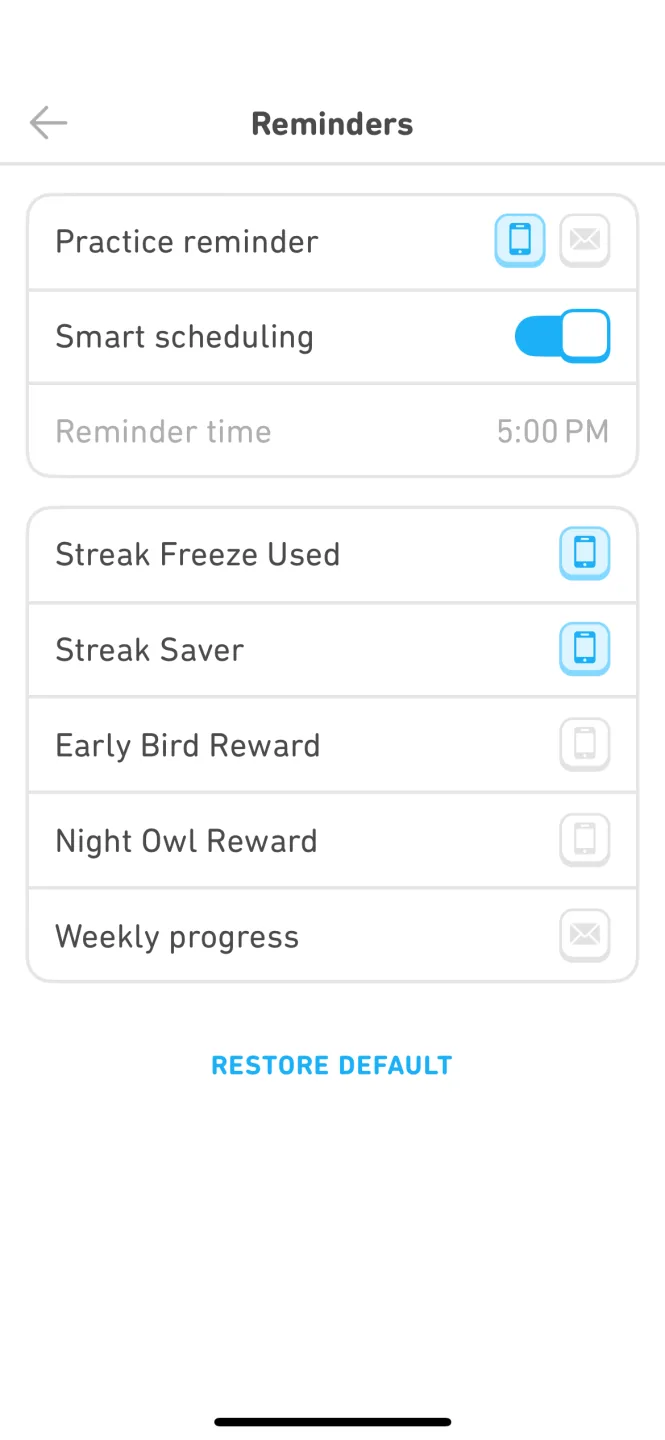
Reminders and returning to an app
Reminders and interface prompts invite a return. Their effect depends on timing, wording, controls and the ability to opt out.
Duolingo ↗Handling the device
The player holds and aims a device at an object to act in the game world. The tool’s placement affects the information available.
Subnautica ↗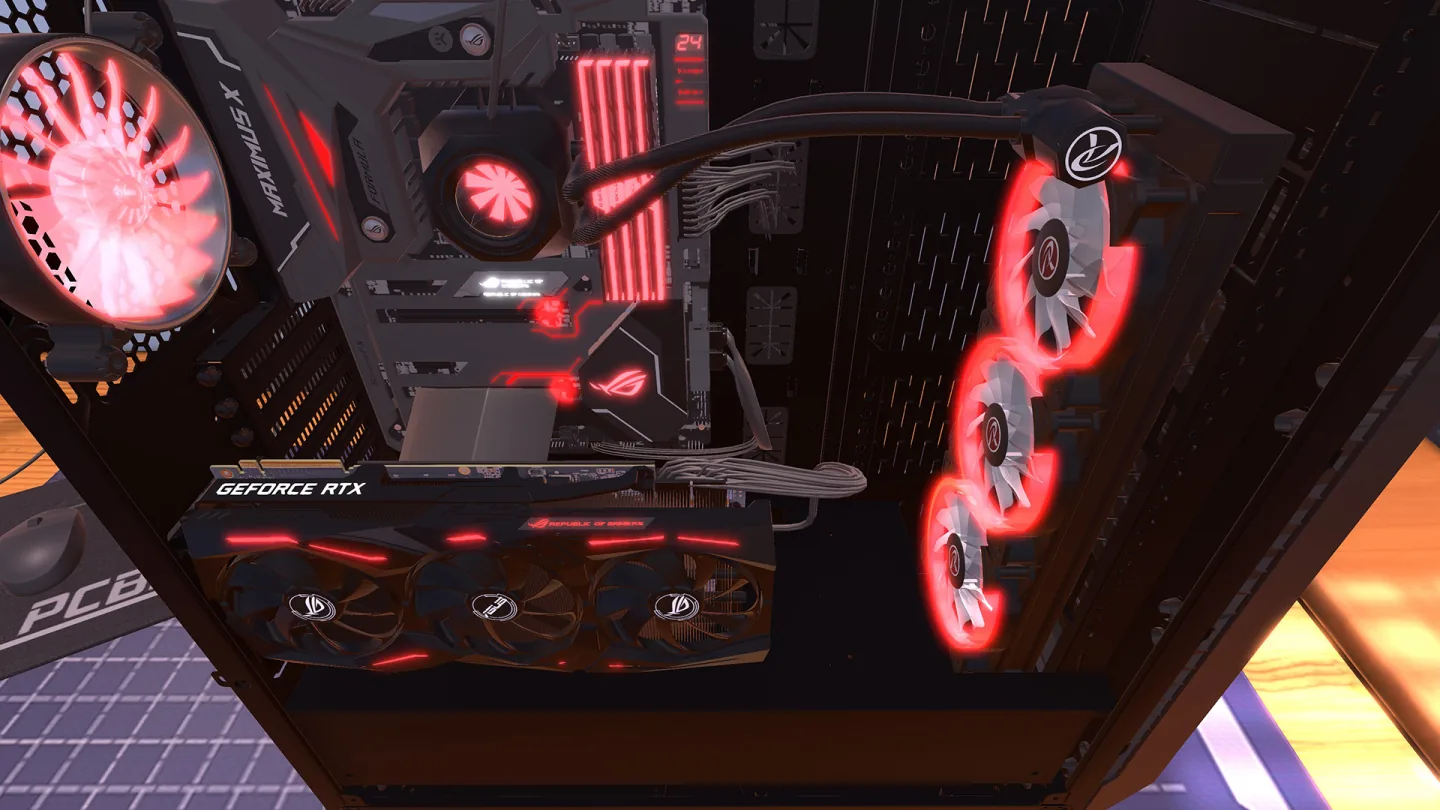
Power and startup
The player controls power and startup, turns a device on, checks its state and diagnoses a failure to start.
PC Building Simulator ↗Input and interface control
Buttons, switches and other screen elements turn player input into device commands.
Keep Talking and Nobody Explodes ↗Operating system and programs
An in-game device has a desktop, applications and windows. The player solves tasks by switching between programs.
Doki Doki Literature Club Plus! ↗Personal tools
A personal device extends the character’s abilities by storing information, scanning surroundings or supporting a specialized task.
Subnautica ↗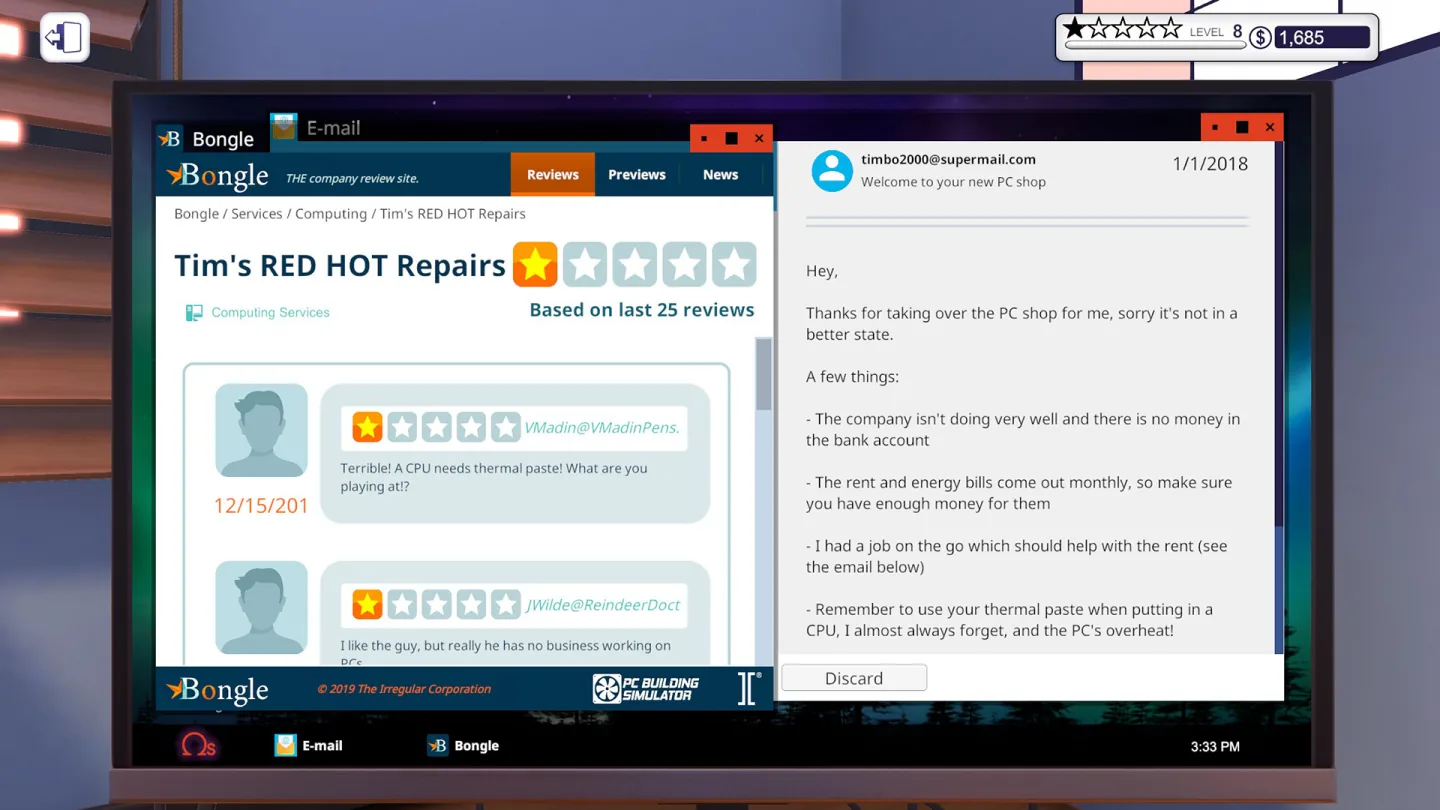
Shopping, money and services
A digital interface provides purchases, bills and services. Choices connect to prices, balances and obligations in the game economy.
PC Building Simulator ↗Work and administrative systems
A workplace system models a professional task such as recordkeeping, search, request processing or a decision based on a record.
The Operator ↗Navigation and augmented reality
Maps, coordinates and routes link digital information to locations, supporting navigation or checking whether travel was possible.
The Operator ↗Measurements and detection
An instrument turns an invisible property or signal into a reading. The player aims it, obtains a result and interprets the finding.
Subnautica ↗Surveillance and security
Cameras and surveillance systems show remote locations. The player monitors changes and uses the observations to solve a task.
The Operator ↗Controlling external objects
A digital panel controls external objects by assigning a route, mode or command. The player checks the outcome in the world.
Mini Metro ↗Sabotage and use in the environment
The player disables, damages or reconfigures a device to change conditions in the environment.
Tom Clancy’s Splinter Cell ↗Access and authentication
Access to a device or data depends on identity, permissions, a password or a pass. A denial constrains actions and creates a new goal.
The Operator ↗Finding and retrieving information
The player queries a digital store of records, using filters, keywords and comparison to find relevant information.
The Operator ↗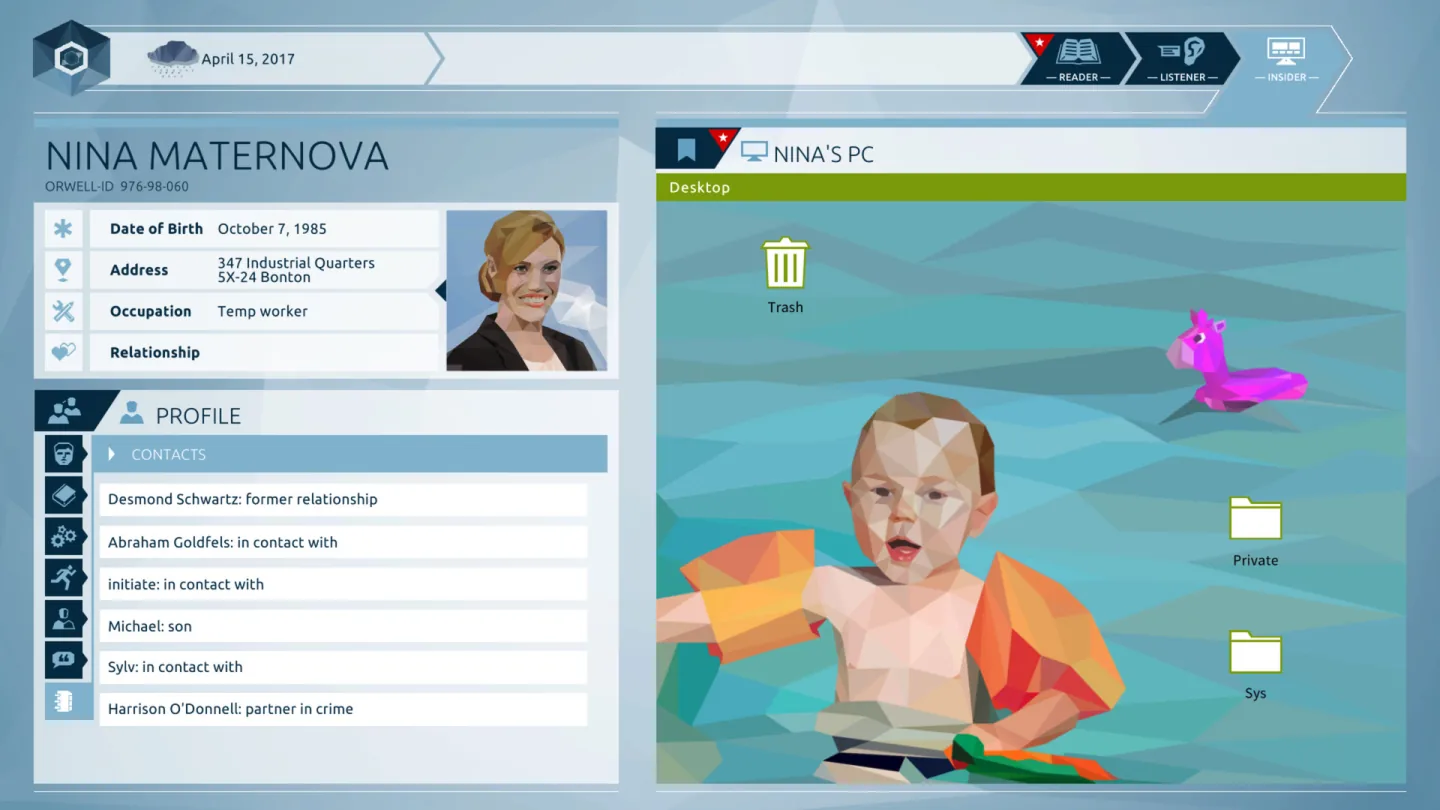
Files and storage
Files and folders become game objects that can be opened, searched, moved or deleted to solve a task.
Orwell: Keeping an Eye On You ↗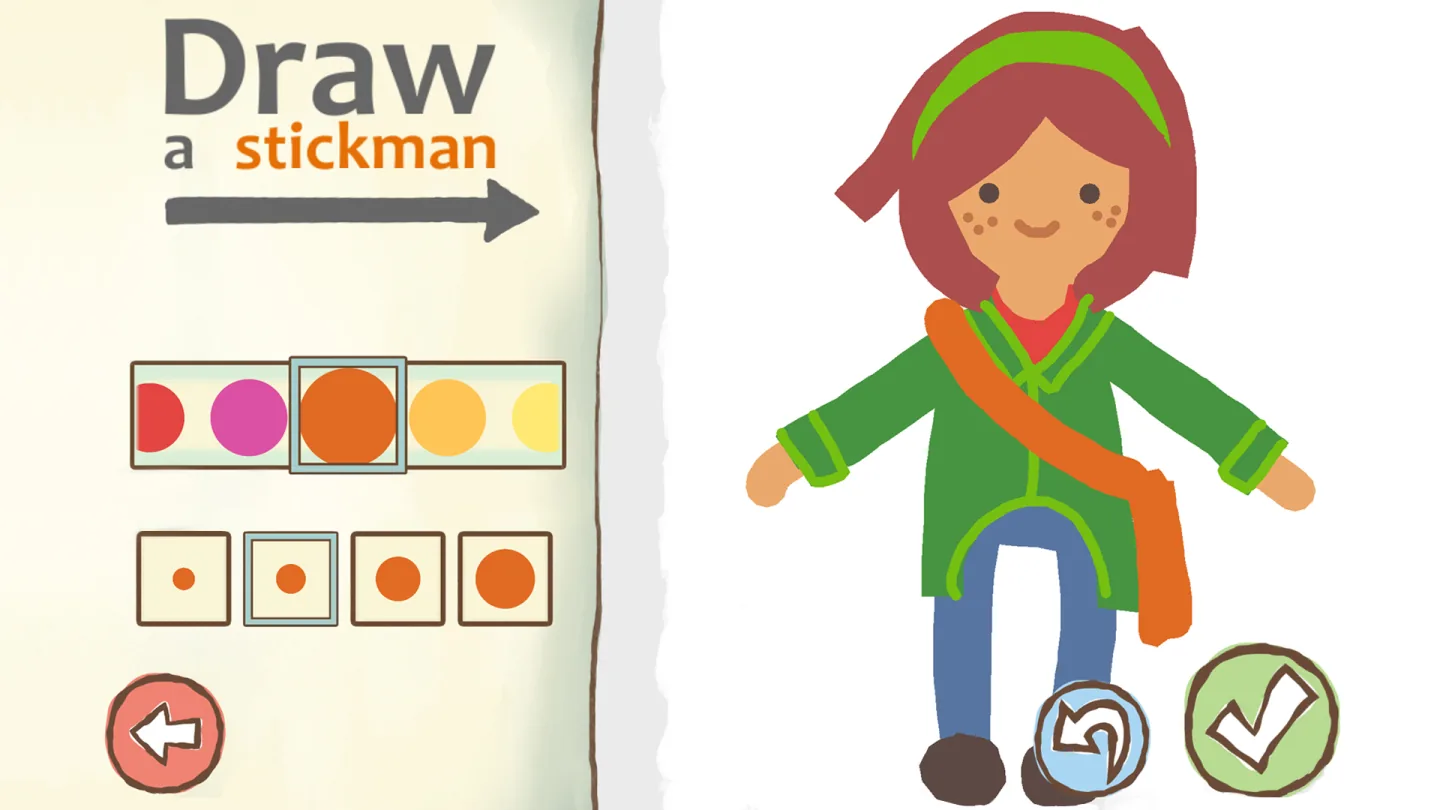
Creating and editing content
The player creates or edits digital material with software tools. The result can be saved and influence later play.
Draw a Stickman: EPIC 2 ↗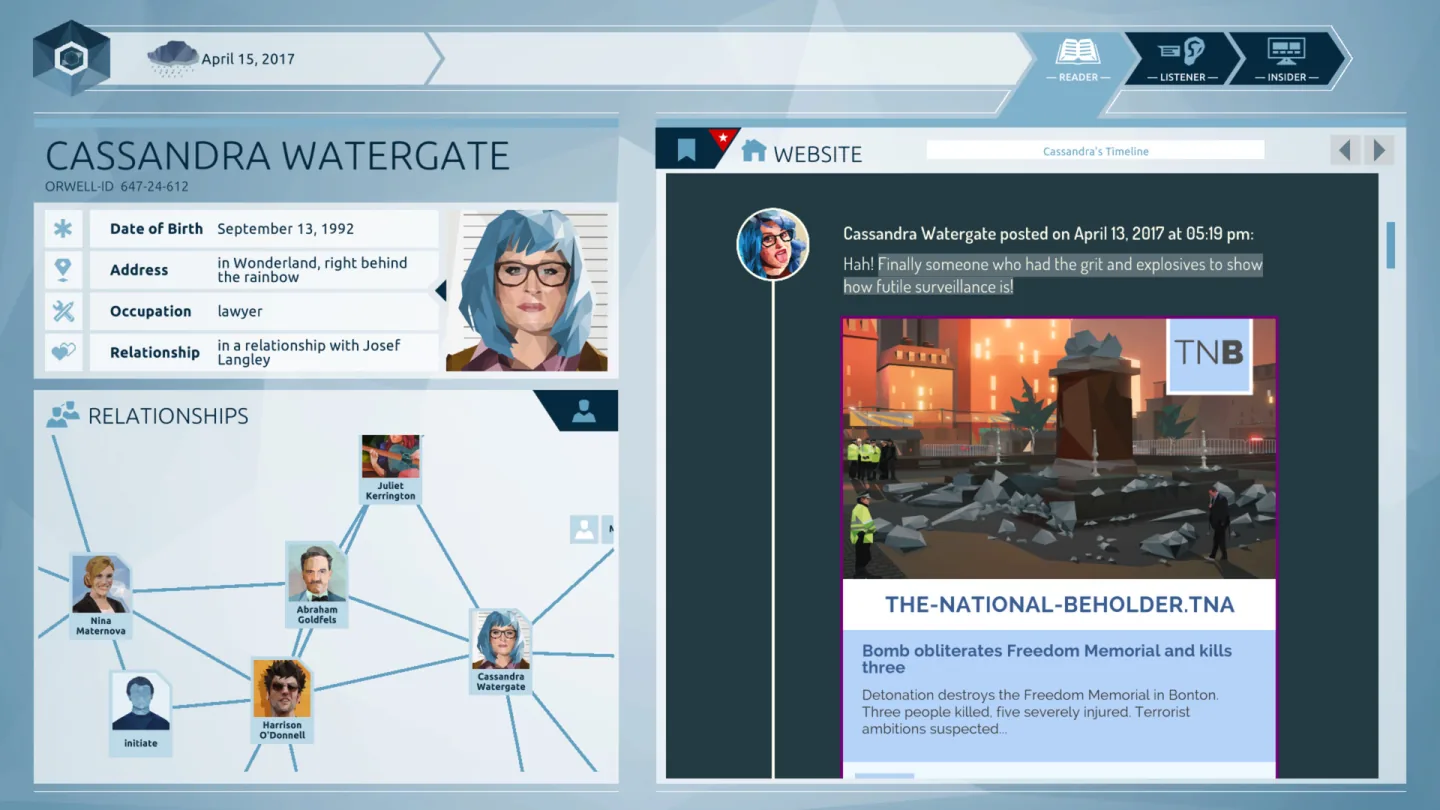
Browser and Internet
An in-game browser opens websites, posts and links. The player explores the network as a connected information space.
Orwell: Keeping an Eye On You ↗Photography, recording and scanning
The player captures an image, recording or scan and uses it as an action result or a source of information.
Car Mechanic Simulator 2021 ↗Media playback and analysis
A device plays a recording that can be replayed and analyzed. A detail within the media becomes part of the solution.
Her Story ↗Digital Investigation
The player reconstructs an event using digital records, timestamps, routes and connections between data.
The Operator ↗Data transfer and synchronization
The player transfers a file or message between devices, selecting data, direction and transfer conditions.
Hacknet ↗Calls and voice communication
A device connects speakers over a voice channel. The player starts a call, listens, responds and ends the connection.
Duolingo ↗Messages and correspondence
Digital messages convey information and change relationships. Message content and sending time can have consequences.
Emily is Away ↗
Social networks and public identity
A profile combines a participant’s name, appearance and public connections. The player manages how others see them.
Duolingo ↗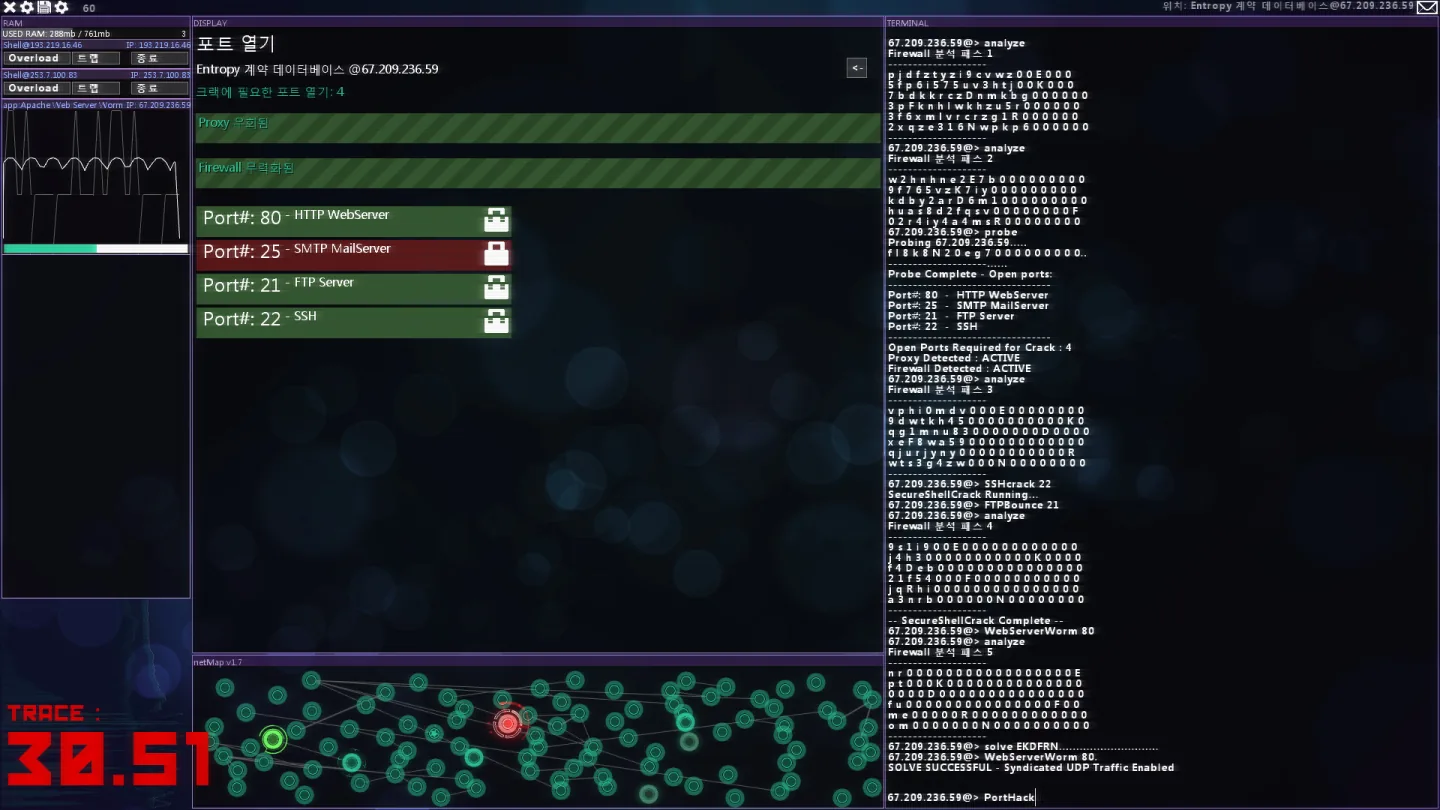
Networks and radio channels
A device receives or transmits over a network, frequency or radio channel. Channel selection determines the available information.
Hacknet ↗Programming and automation
The player writes commands or a program so a device performs repeatable work. Checking the result helps debug the algorithm.
Human Resource Machine ↗Infiltration and hacking
The player overcomes digital security within the game’s model by inspecting a system, opening a vulnerable route and gaining access.
Hacknet ↗Security and digital footprints
Actions leave logs and other digital traces. The player protects data, detects intrusion or conceals activity.
Hacknet ↗Assembly, repair and improvement
The player assembles compatible components, diagnoses a fault or improves a device’s specifications.
PC Building Simulator ↗Mini-games inside devices
A device’s screen or panel contains a self-contained challenge with local rules and success conditions.
Keep Talking and Nobody Explodes ↗Screen Borders and Meta Interaction
Files, windows or a desktop connect the story to the boundary of the game screen. Interface actions become part of the narrative.
Doki Doki Literature Club Plus! ↗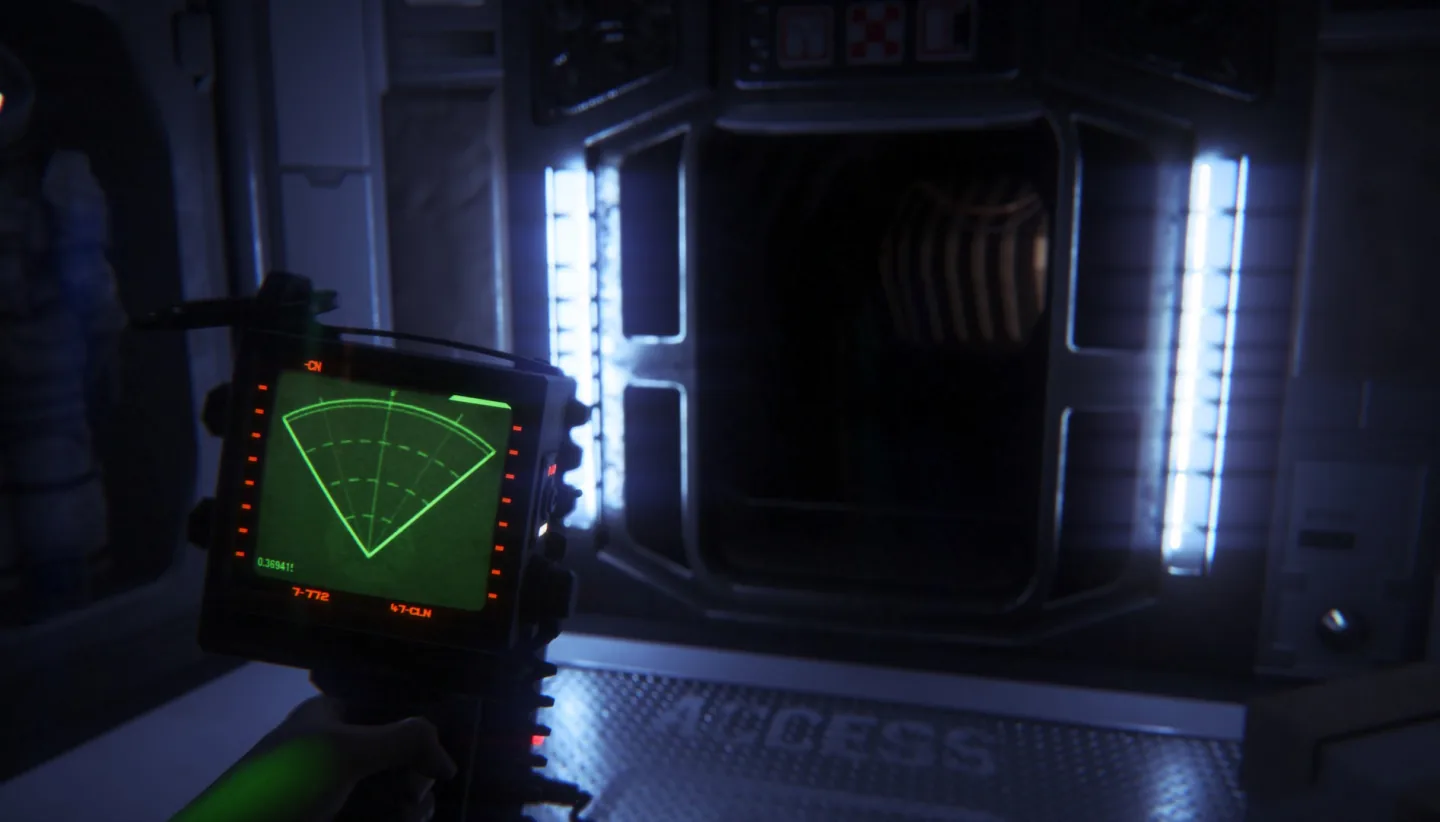
Resources, attention and danger
Using a device demands attention and may distract from threats. The player decides when information is worth the risk.
Alien: Isolation ↗Cooperation and opposition
Participants use devices with different information or capabilities. Success depends on communication and coordination.
Keep Talking and Nobody Explodes ↗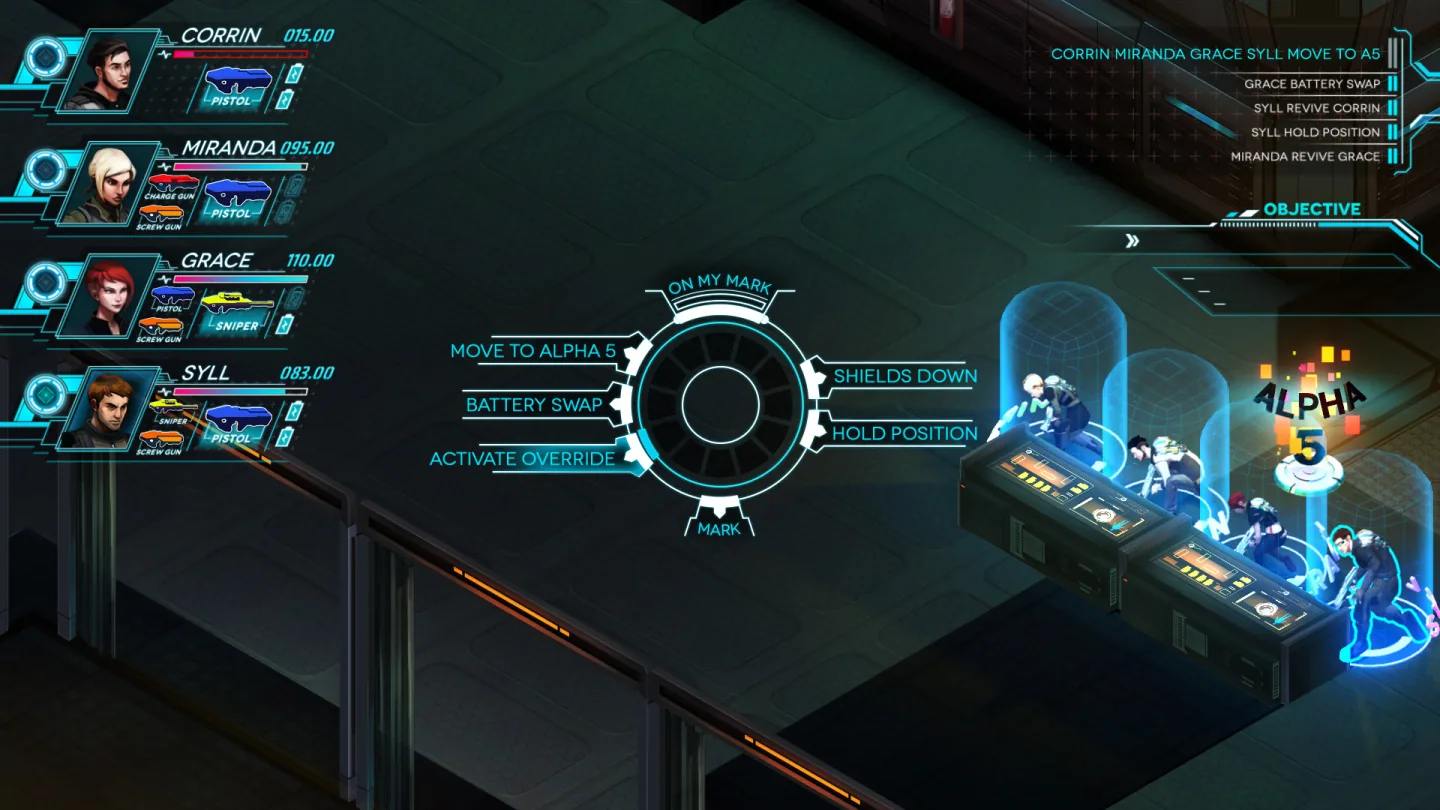
Direct voice commands
The player speaks a command specifying an action and target. The game recognizes the intent, executes the order and shows the result.
There Came an Echo ↗Dialogue with game characters
The player speaks a line or question, listens to a character’s response and receives information or consequences.
Duolingo ↗Commanding and delegation
A spoken order assigns a goal to other characters or agents. The player allocates tasks, selects executors and coordinates timing.
There Came an Echo ↗Verbal and language challenges
The player produces an utterance satisfying a linguistic, semantic or logical constraint.
Duolingo ↗Negotiation, persuasion and deception
A spoken line’s content is used to influence another speaker. The player considers their knowledge, goals and possible response.
Vaudeville ↗
Sound-source localization
The player locates a source and its movement through spatial sound. Estimating its position helps select an action.
Blind Drive ↗Navigation and spatial memory
Audio landmarks help build a spatial model, remember a route and guide a character or another participant to a goal.
Blind Drive ↗Recognizing by sound
The player identifies an object, word, action or state through sound features and selects a matching response.
Duolingo ↗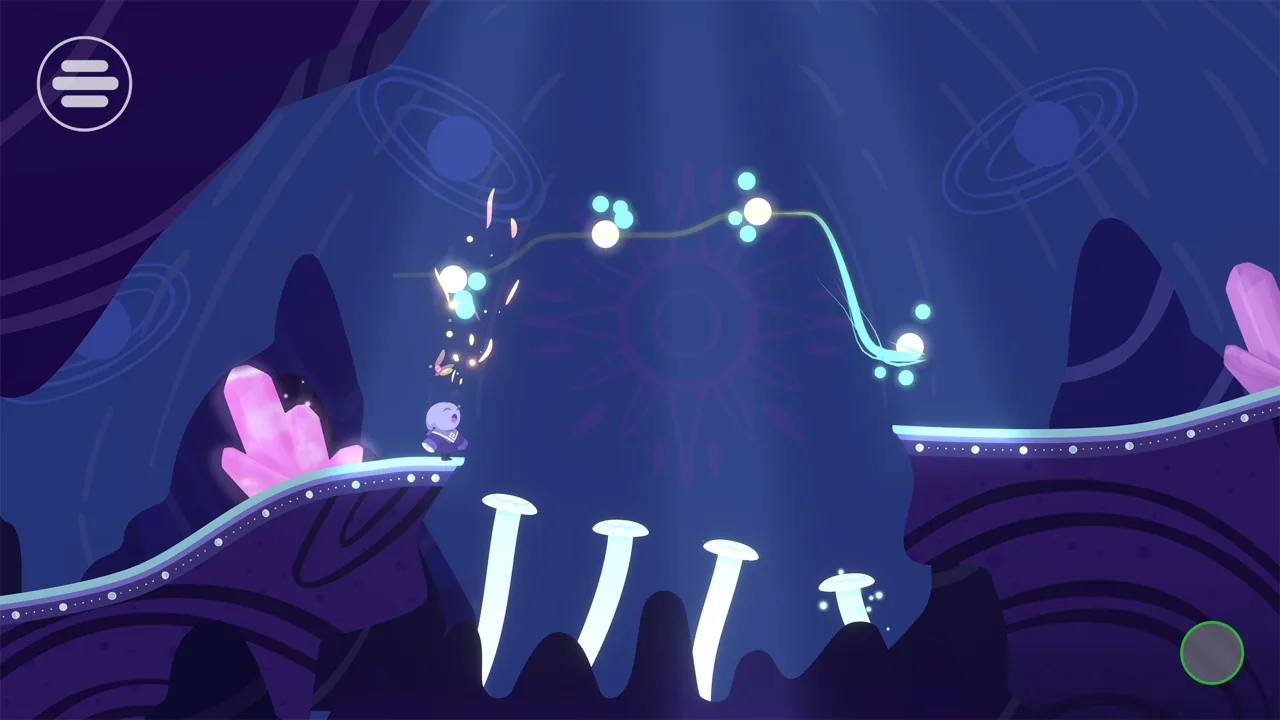
Reaction, timing and prediction
The player recognizes a sound cue and acts at the right moment. Repeating patterns allow anticipation of the next cue.
One Hand Clapping - OHC ↗Selective auditory attention
The player picks out a relevant stream among competing sounds, such as a threat, speech or task cue, to choose the next action.
Blind Drive ↗Auditory memory
The player remembers heard material and reproduces or transforms its sequence according to a rule.
Duolingo ↗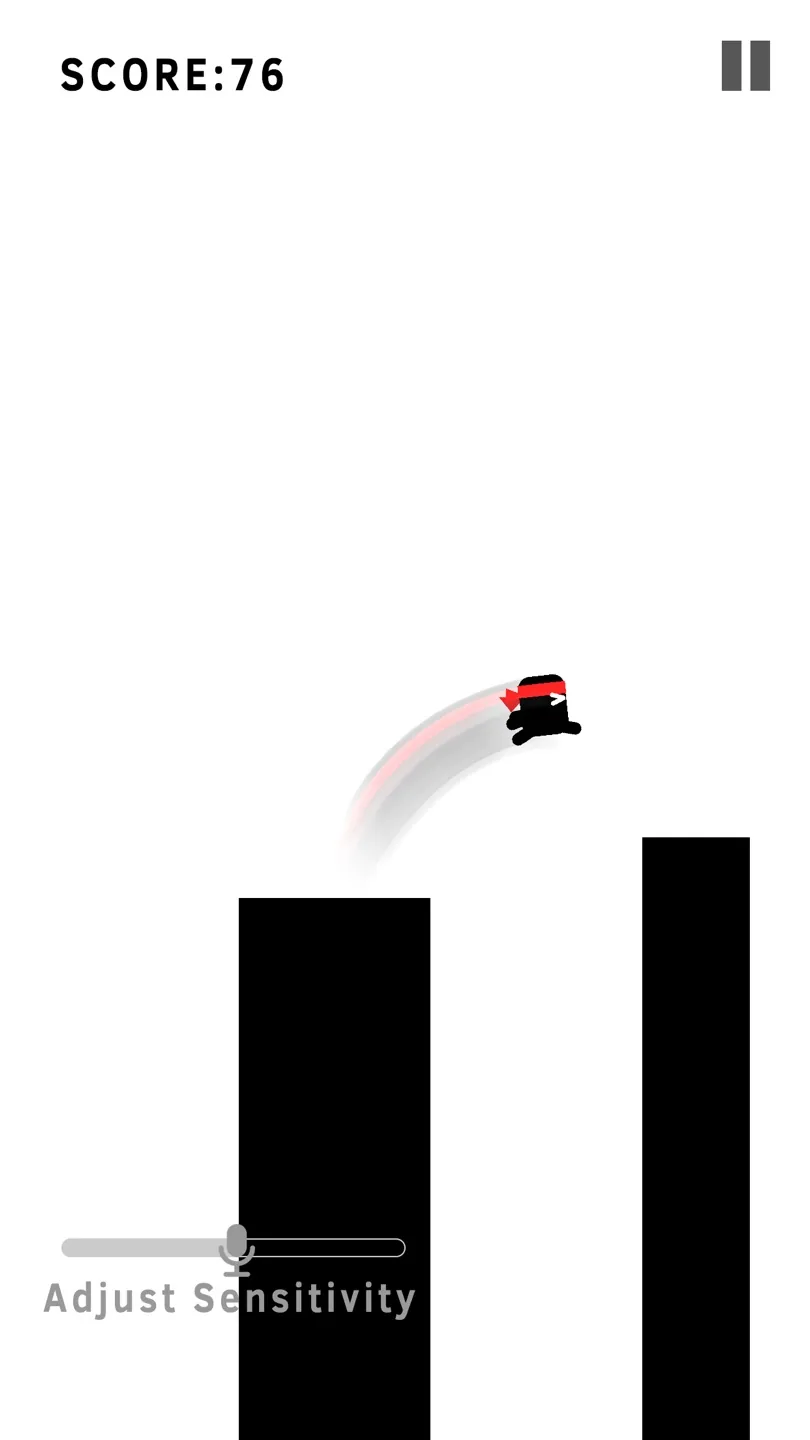
Loudness and sound intensity
Sound level controls an action. Quiet and loud voices can select different modes, speeds or movement magnitudes.
Scream Go Hero ↗Duration, tempo and pauses
Rules consider sound onset, duration and gaps. Performance must match the required timing pattern.
One Hand Clapping - OHC ↗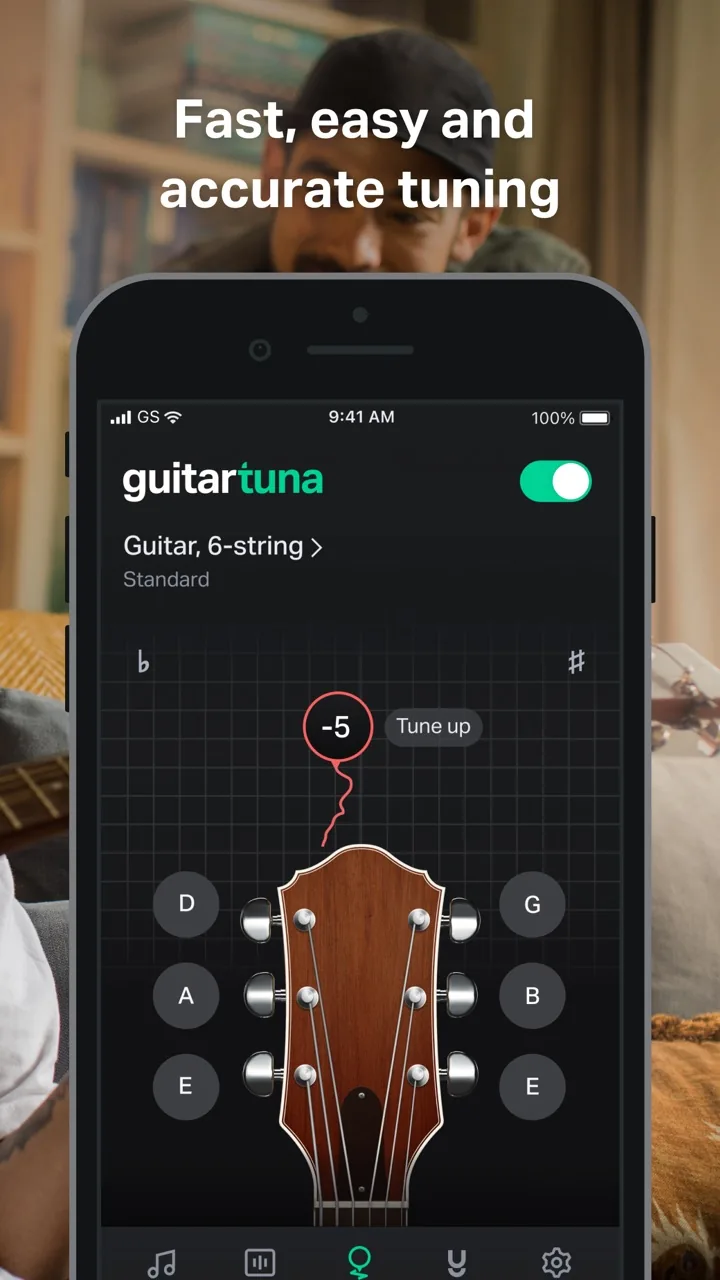
Pitch and melodic contour
The player produces a target pitch or follows a pitch contour. The interface shows deviation from the target.
GuitarTuna: Tune & Play Guitar ↗Nonverbal microphone sounds
A microphone can receive a clap, hum, click or another nonverbal sound. Rules map its features to an action.
Scream Go Hero ↗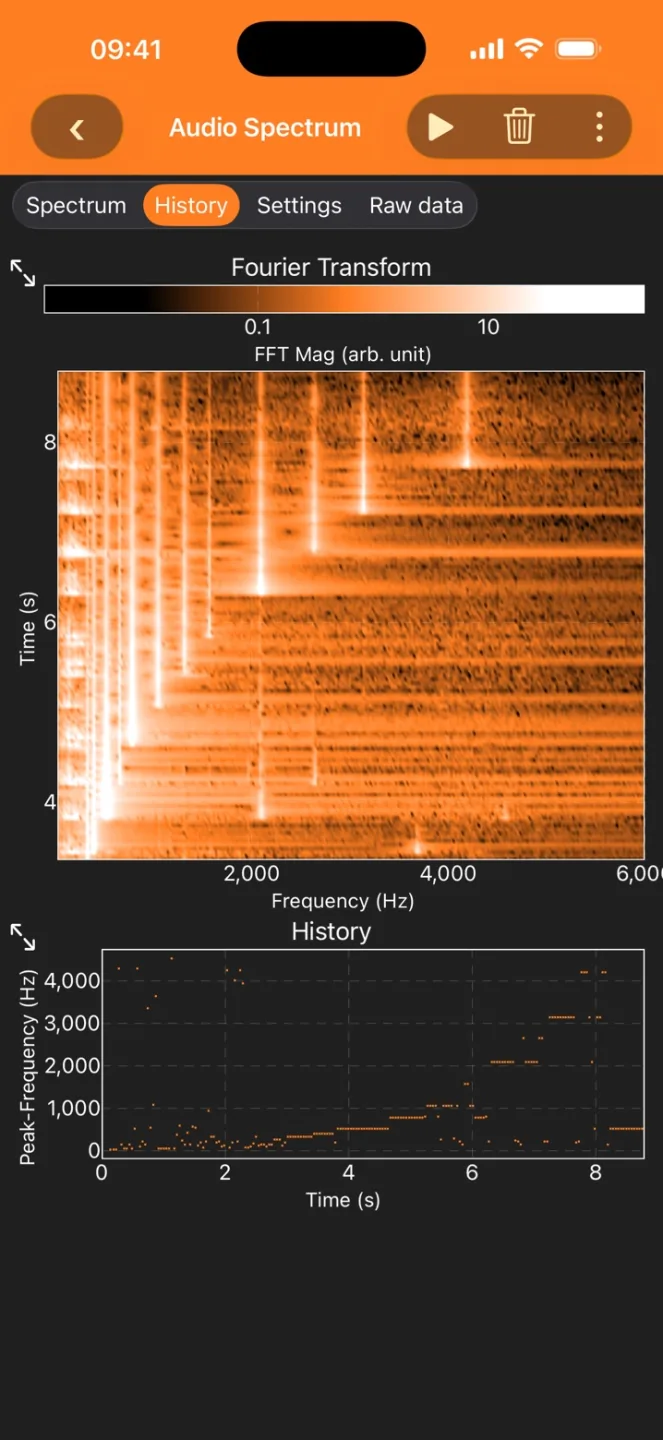
Timbre, articulation and imitation
Sound shape matters: spectral content, articulation or a recognizable acoustic pattern. Loudness or pitch alone is not enough.
phyphox ↗
Singing and musical performance
The player performs music by matching pitch, duration and rhythm to a model or an assigned part.
Simply Sing: My Singing App ↗
Recording, editing and playback
The player records, selects or transforms sound. The result serves as a message, evidence or part of a creative task.
Dolby On: Record Audio & Video ↗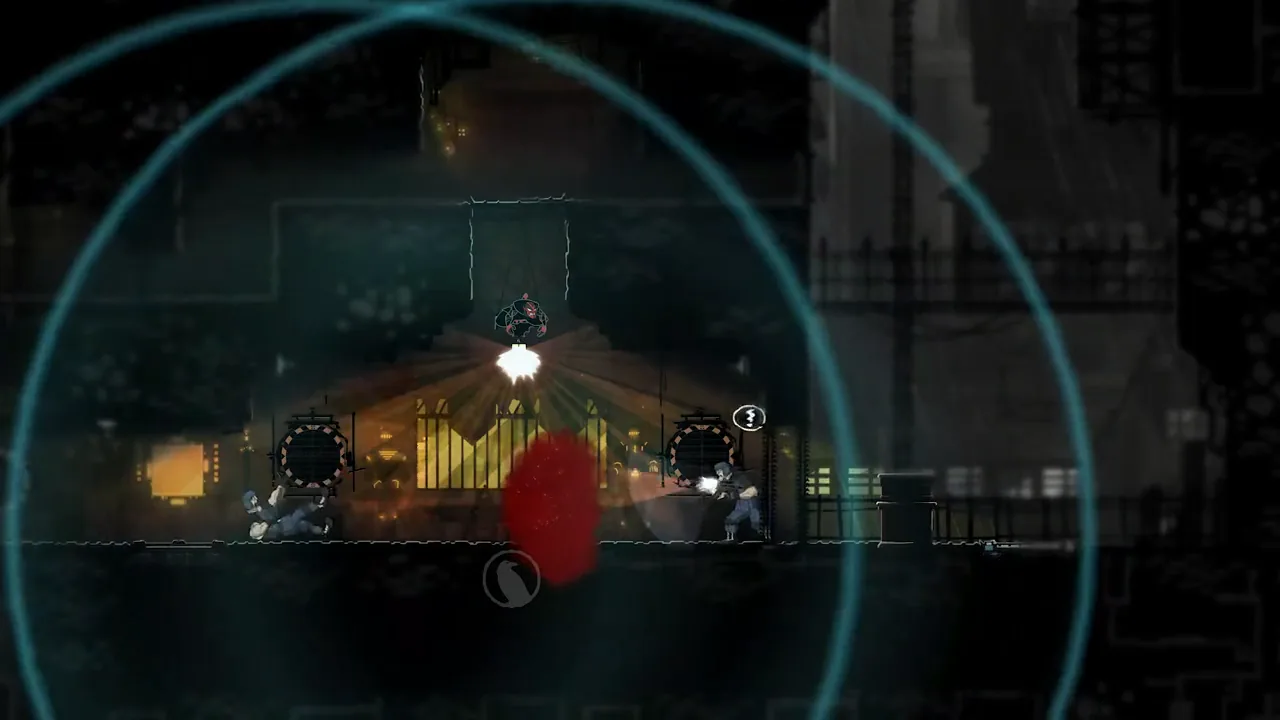
Controlling audibility
The player changes action audibility, creates distracting noise or uses silence. Enemies respond to the sound cues available to them.
Mark of the Ninja: Remastered ↗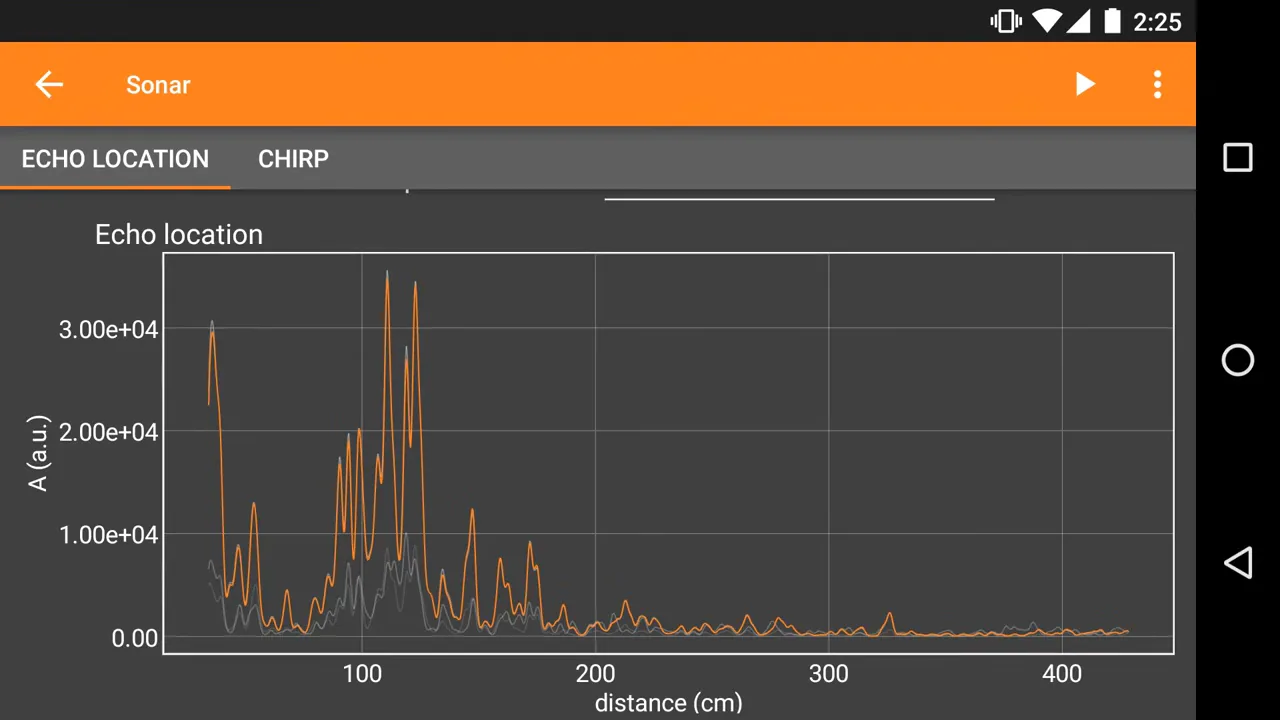
Sound emission and echolocation
An app emits sound and analyzes reflections. Signal delay and shape help estimate distance or properties of the environment.
phyphox ↗Investigation through recordings
The player compares spoken testimony and background sounds to reconstruct an event or test a hypothesis.
Her Story ↗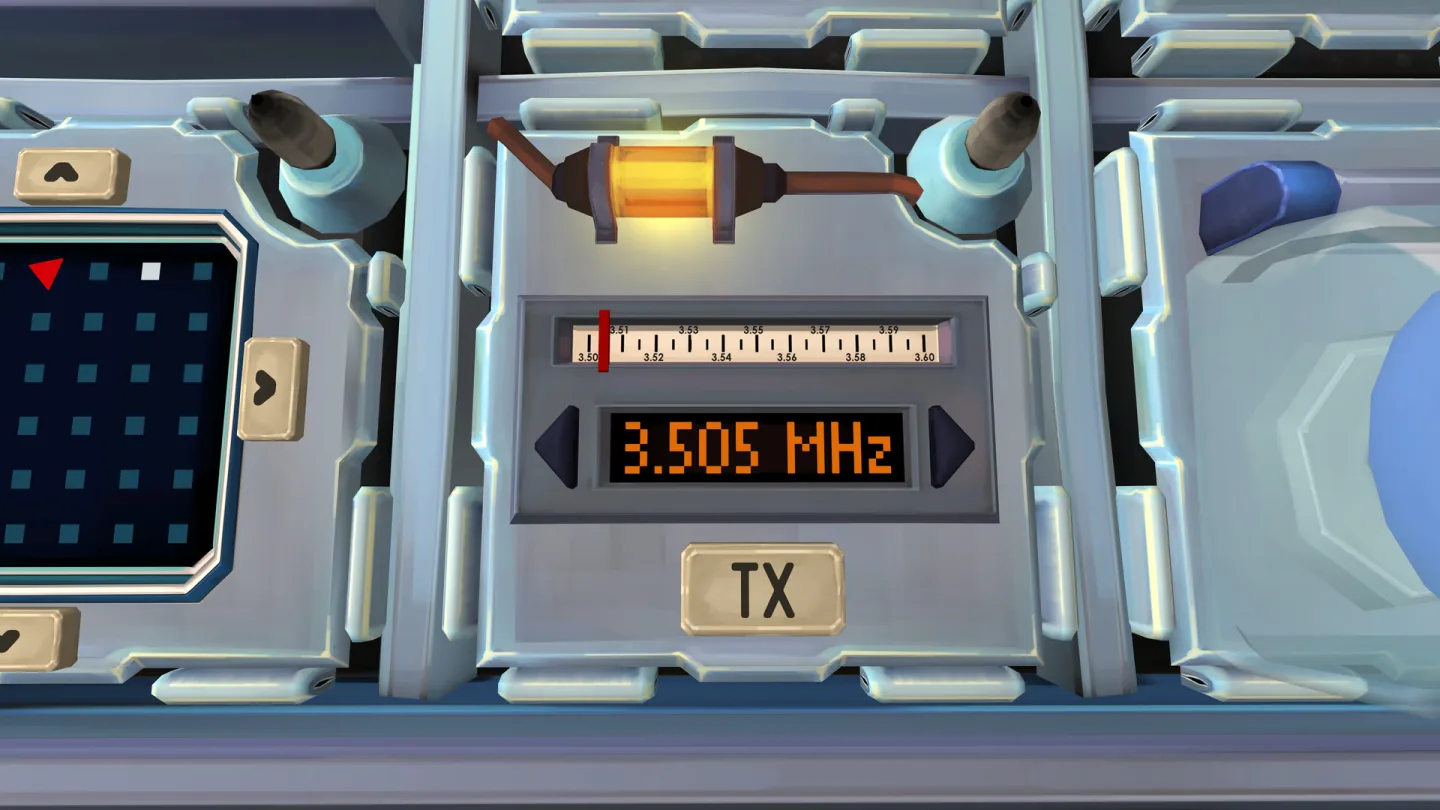
Audio codes and hidden messages
The player discovers a coding rule and translates a sound sequence into a message, command or device setting.
Keep Talking and Nobody Explodes ↗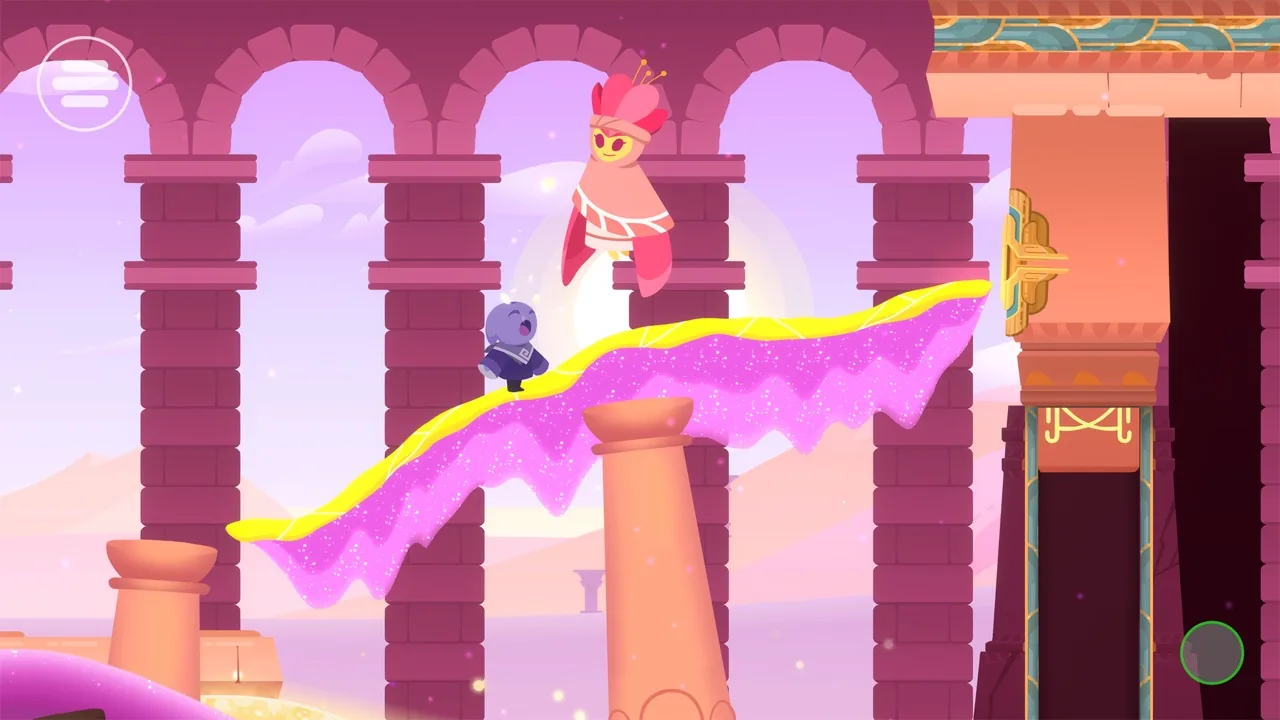
Music changes the game world
Musical relationships or performance change the environment by creating a route, activating an object or transforming an obstacle.
One Hand Clapping - OHC ↗Cooperative spoken problem-solving
Participants verbally share different information. The task requires clear explanation and checking understanding.
Keep Talking and Nobody Explodes ↗Communication under channel limits
A rule limits audibility, vocabulary, time or message count. Players must still communicate enough information to act.
Keep Talking and Nobody Explodes ↗Player roles, persuasion and deception
Participants discuss evidence, interpret statements and influence others’ decisions within assigned game roles.
Among Us ↗
Cooperative and competitive singing
Players coordinate parts or compare performances. The system considers individual contributions and shared musical relationships.
Smule: Sing, Duet & Record ↗
Taps and selection
A short tap selects an object or starts a command. Pokémon Smile uses a large start button and separate icons for other sections.
Pokémon Smile ↗
Hold and release
Holding after movement activates another mode. In Procreate Pocket a drawn outline snaps into a clean shape when the finger stays on the canvas.
Procreate Pocket ↗
Tempo, rhythm and sequences
Taps set a sequence’s rhythm and tempo. In Magic Piano illuminated notes guide the player through a musical phrase.
Magic Piano: game by Smule ↗
Dragging and placement
Touch grabs an element, movement drags it and release places it. Procreate Pocket uses dragging to reorder layers.
Procreate Pocket ↗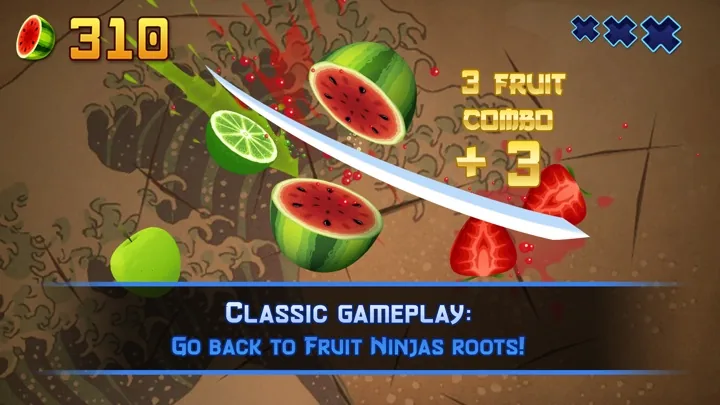
Swipes, jerks and throws
A quick directional stroke defines an action. In Fruit Ninja the finger path becomes a cut that can hit several fruit in one swipe.
Fruit Ninja Classic ↗
Drawing and Path Geometry
A drawn path becomes a motion rule. In Blek the line repeats its pattern, collecting coloured circles while avoiding black obstacles.
Blek ↗
Surface interactions
Moving across a region changes its contents. In Procreate Pocket the same gesture paints, smudges or erases according to the selected tool.
Procreate Pocket ↗
Continuous Control
Finger position continuously sets a value. Procreate Pocket’s vertical slider changes brush size; moving sideways increases adjustment precision.
Procreate Pocket ↗
Multi-touch geometry
Two contacts set scale and rotation. In Procreate Pocket fingers zoom the canvas and rotate it to a comfortable drawing angle.
Procreate Pocket ↗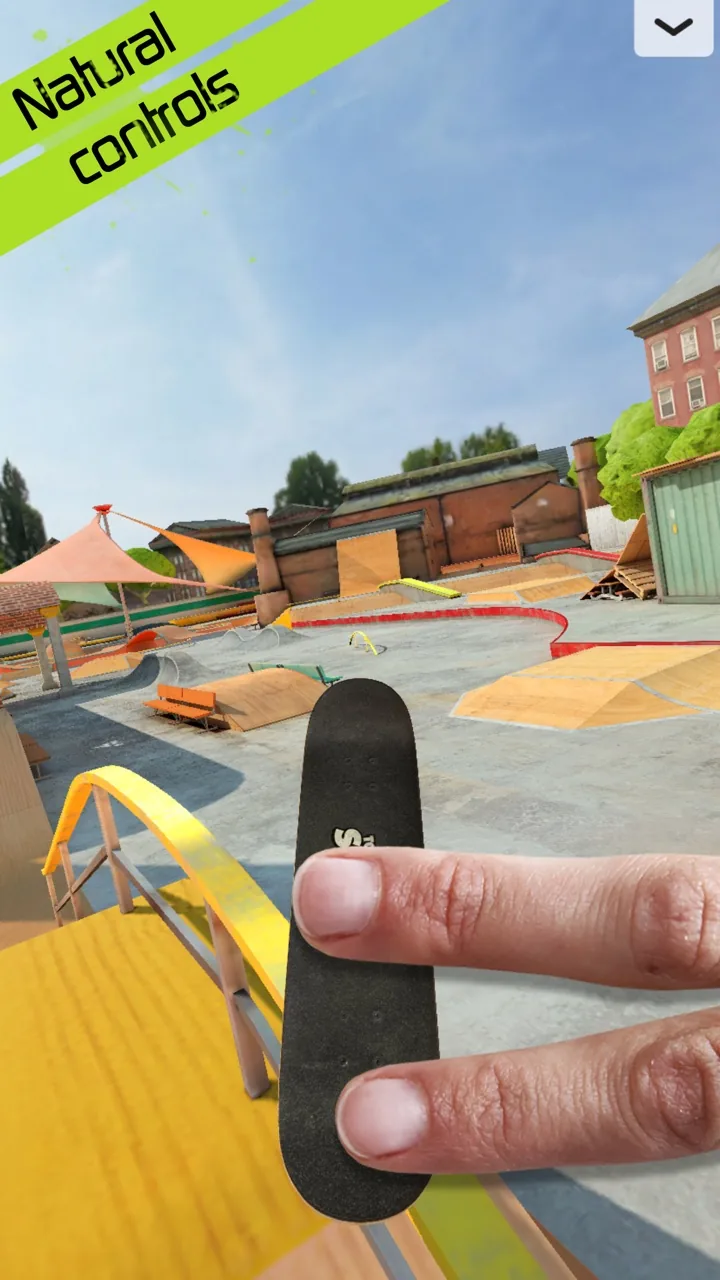
Multi-touch coordination
Contacts independently control parts of an object. Touchgrind Skate 2 uses two fingers on a virtual board much like a physical fingerboard.
Touchgrind Skate 2 ↗
Contact restrictions
The rule requires contacts to stay in specific places. In Bounden two players keep thumbs at opposite screen ends while following the device’s path.
Bounden ↗Context, space and cooperative play
One screen distributes roles between participants. In Bounden each holds one end of a phone and rotating it together becomes a dance.
Bounden ↗
Pressure, contact geometry and stylus
Hardware pressure input requires a compatible sensor. On devices without 3D Touch, Procreate Pocket substitutes an on-screen brush-pressure slider.
Procreate Pocket ↗Tactile feedback
A brief tactile cue confirms a state change. In Procreate Pocket holding the lower slider switches its mode and produces haptic feedback.
Procreate Pocket ↗Combinations with phone functions
Touch works with another phone input channel. In One Hand Clapping character movement combines with a voice that changes the musical environment.
One Hand Clapping - OHC ↗Hovering and pointer presence
The pointer triggers a response without clicking: a highlight, tooltip or dwell action. Into the Breach explains a tile when hovered.
Into the Breach ↗Clicks and button sequences
A mouse-button press triggers a command. Rules can consider the target, click count, order and interval between clicks.
Human Benchmark ↗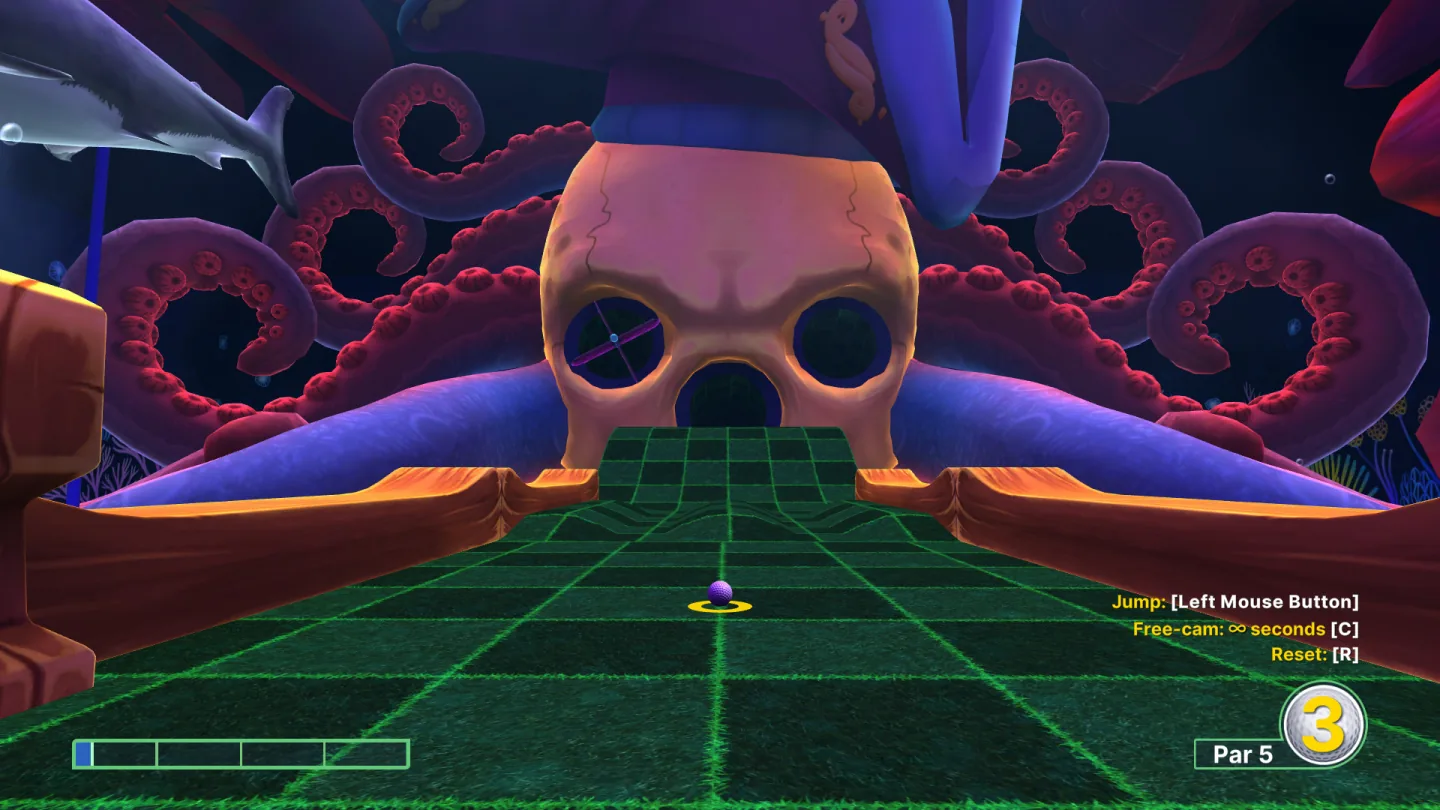
Hold and release
Pressing starts an action, holding changes its parameter and releasing completes it. Mini-golf uses this for preparing and taking a shot.
Golf With Your Friends ↗
Wheel and scrolling
The wheel scrolls or changes a parameter. In Preview scrolling moves the visible document region and helps navigate a long PDF.
Preview (macOS) ↗Combinations and modes
A button combination or selected mode changes the next click’s meaning. Day of the Tentacle applies an item through a selected verb.
Day of the Tentacle Remastered ↗Pointing and target selection
The cursor identifies the object an action applies to. A game may check one target, a group or a sequence.
Human Benchmark ↗Grabbing and dragging
Pressing grabs an object or connection, movement sets its new position and release completes the move or change.
Mini Metro ↗Parameters and geometry
Pointer displacement becomes an angle, size or another value. In The Room movement sets the position of a combination mechanism’s parts.
The Room ↗Mouse paths and gestures
Rules consider the cursor’s path, shape, direction and sequence. Identical endpoints may lead to different results.
Duolingo ↗Pointing precision
The player aligns the pointer with a target or acts within defined boundaries. Target size and sensitivity affect difficulty.
Duolingo ↗Timing, rhythm and reaction
A click’s result depends on its timing. Human Benchmark asks the player to wait for green and respond as quickly as possible.
Human Benchmark ↗Aiming and Combat
Mouse movement sets the view or aim direction while a button triggers an attack. The player combines aiming, movement and shot timing.
Counter-Strike 2 ↗Moving and Camera
The pointer selects a destination or moves the camera. In Machinarium clicking an accessible part of the scene directs the character there.
Machinarium ↗Physical objects and tools
Mouse movement represents a hand or tool. In The Room the player directly moves and turns an object’s parts.
The Room ↗Single key events
Pressing, holding and releasing a key have different roles. A jump key, for example, starts movement and can affect its height.
Celeste ↗Repetition and input rate
A series of separate key presses produces repeated actions. In Crypt of the NecroDancer every new step must be timed to another musical beat.
Crypt of the NecroDancer ↗Time and rhythm
A key press is compared with a timing window. Crypt of the NecroDancer requires movement and attacks to follow the musical beat.
Crypt of the NecroDancer ↗
Simultaneous presses
Several keys held together form one command. PowerToys can replace one shortcut with another while preserving the intended action.
PowerToys Keyboard Manager ↗Sequences and grammars
Ordered key presses form a command with its own grammar. In Hacknet a terminal line is typed first and then submitted for execution.
Hacknet ↗Directions and continuous control
Directional keys maintain movement while held. The game defines speed, acceleration and how opposing directions interact.
Celeste ↗
Modes and assignment of keys
A key’s assignment changes through settings or context. PowerToys can swap A and B without changing the keyboard’s physical labels.
PowerToys Keyboard Manager ↗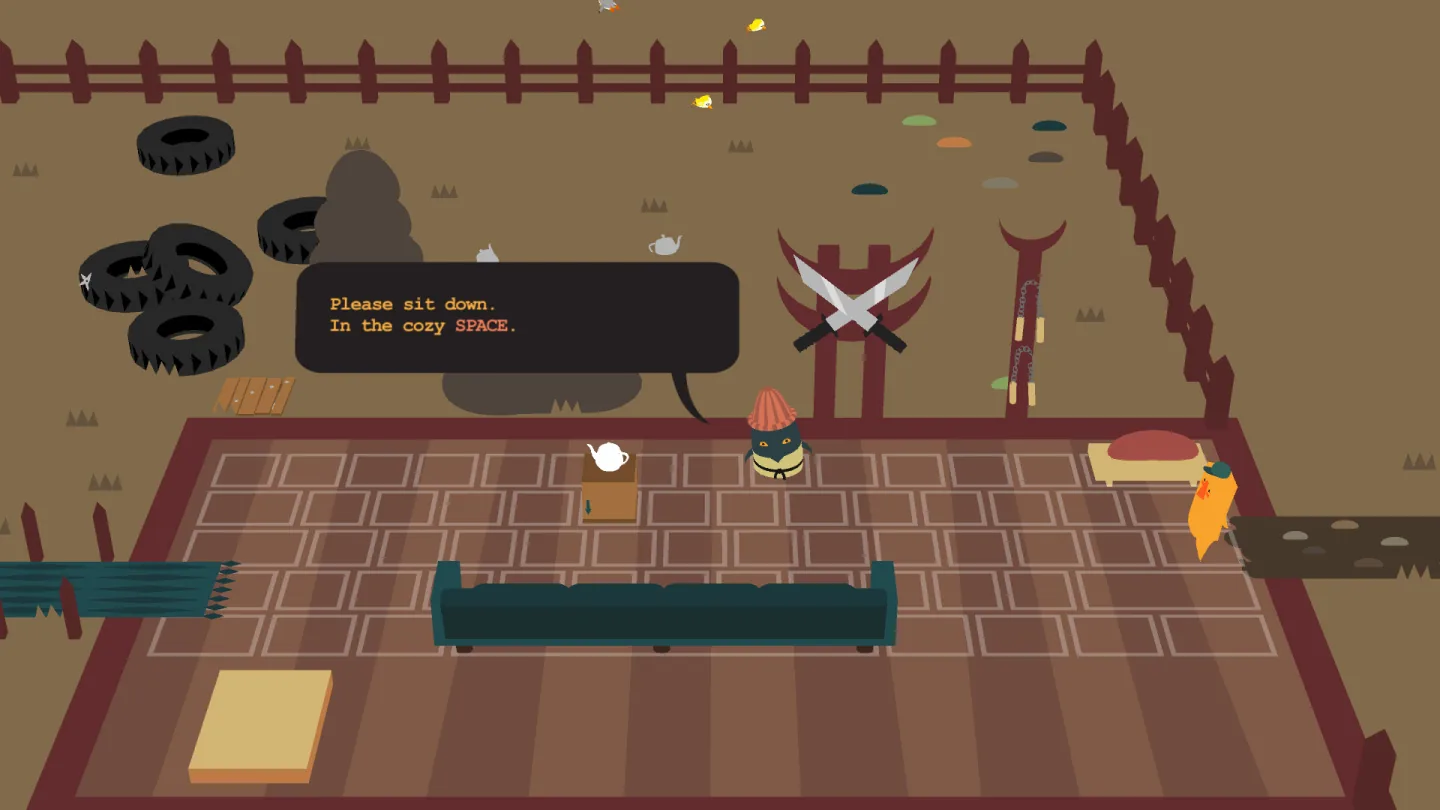
Keyboard as a spatial surface
Key positions become a map of actions. The announced Keyboard Sports builds its game space around the whole keyboard.
Keyboard Sports - Saving QWERTY (announced) ↗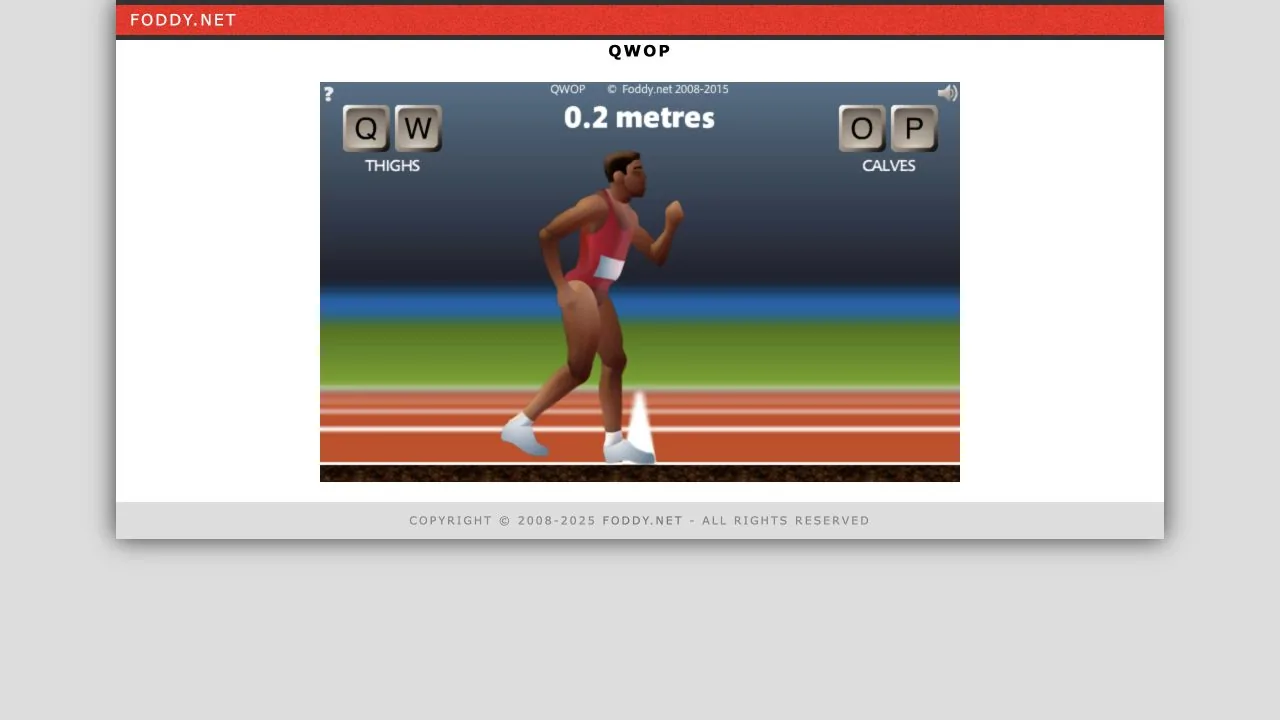
Hand-finger coordination
Different keys independently control parts of a system. QWOP maps Q/W and O/P to thighs and calves, requiring the player to coordinate movement.
QWOP ↗Keyboard as a physical object
Physical key shapes and labels become puzzle material. The announced Keyboard Sports connects a request to sit down with the long Space key.
Keyboard Sports - Saving QWERTY (announced) ↗Typed text as an action
A game uses entered text such as a word, command or message, accounting for keyboard layout and the text-input method.
Hacknet ↗Text constraints and rules
Entered text must satisfy constraints such as allowed words, command syntax, a transformation or the meaning of a response.
Hacknet ↗Inactivity and input constraints
The absence of a key press also has consequences. In Crypt of the NecroDancer missing a musical beat does not stop enemy movement.
Crypt of the NecroDancer ↗Navigation and selection
Keys move focus or select an item directly. In NetHack item letters let keyboard commands address particular inventory entries.
NetHack (menucolors) ↗Editing and commands
The keyboard edits a document or program, invokes commands and combines actions into repeatable sequences.
GitHub / Visual Studio Code ↗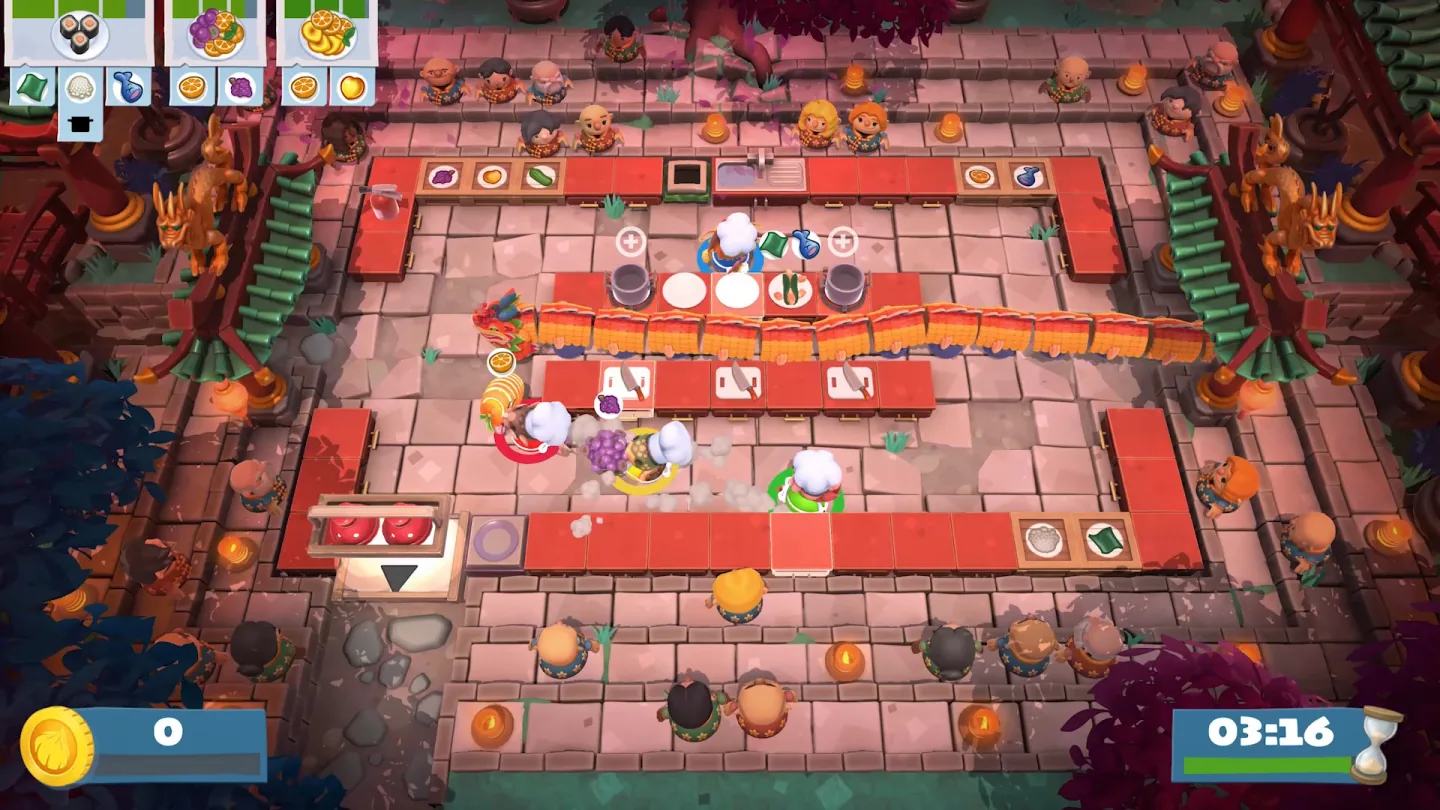
Cooperative and competitive play
Players receive separate areas of one keyboard. Overcooked! 2 supports splitting a computer keyboard between two local players.
Overcooked! 2 ↗
Analog Keys and Sensors
A specialised keyboard reports key travel as an analog value. Wootility maps millimetres of travel to controller output through a response curve.
Wootility 5.4.2 (demo) ↗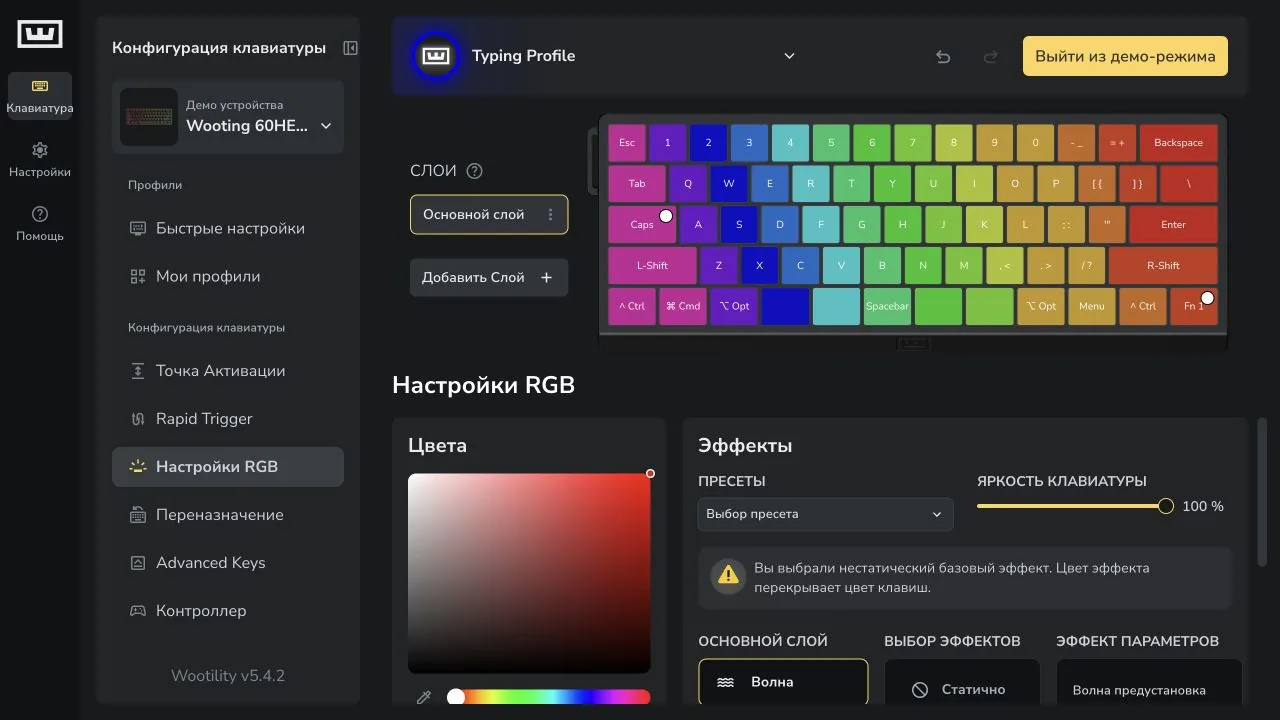
Light and physical feedback
Lighting becomes an output channel. Wootility’s demo shows a colour map; game cues additionally require a link to the game state.
Wootility 5.4.2 (demo) ↗
Hybrids and embedded controllers
Keys combine with another controller. In AudioSwift the keyboard triggers notes while the trackpad changes synthesizer parameters.
AudioSwift ↗Accessible control schemes
Remapping preserves an action under a different motor input scheme. PowerToys lets the user choose a more convenient key in place of the original.
PowerToys Keyboard Manager ↗Memory, attention and learning
Typing becomes a task involving memory, attention or command comprehension. In Hacknet the player applies terminal syntax to the current problem.
Hacknet ↗
Pointing and control
Finger motion becomes pointer motion. macOS configures tracking speed separately from click force and multi-finger gestures.
macOS Trackpad settings ↗Touches and clicks
A tap or physical press triggers a command. macOS separately enables tap-to-click and configures a two-finger secondary click.
macOS Trackpad settings ↗
Hold and release
Touch starts a note and release can end it. AudioSwift’s separate sustain mode can retain the sound after finger contact ends.
AudioSwift ↗Dragging and grabbing
Grabbing links the pointer to an object and release completes the drag. In Mini Metro dragging builds a line between stations.
Mini Metro ↗Scrolling and timelines
Two-finger scrolling moves through a document without changing its scale. Preview uses this to navigate PDF pages and thumbnails.
Preview (macOS) ↗Directions and trajectories
A motion trace defines path geometry. Pointer dragging lets a trackpad draw the lines that form a course in Line Rider.
Line Rider ↗Multiple Contact Geometry
Finger separation changes scale. Pinching zooms a document in Preview; the app may receive a recognised gesture instead of two contact coordinates.
Preview (macOS) ↗
Chords, roles and sequences
Multiple contacts receive independent roles. AudioSwift maps trackpad zones to notes, letting contacts combine into musical actions.
AudioSwift ↗
Zones and virtual controls
The surface is divided into virtual controls. In AudioSwift separate vertical zones change Expression, Dynamics, Reverb and Release.
AudioSwift ↗Pressure and force
Force Touch measures force and distinguishes a click from a firmer press. macOS exposes click-force settings only for compatible trackpads.
macOS Trackpad settings ↗
Composite control schemes
Channels receive distinct roles in one task. AudioSwift’s demo plays notes on a keyboard while a trackpad controls a two-dimensional synth parameter.
AudioSwift ↗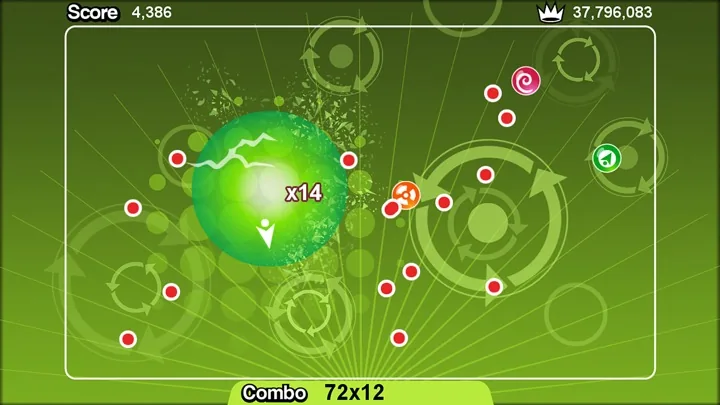
Tilt and continuous control
Phone tilt produces continuous movement. In Tilt to Live the player steers a white arrow between dangerous dots and useful pickups.
Tilt to Live ↗
Positions and discrete commands
Moving into a defined orientation triggers a discrete command. In Heads Up! tilting down marks a correct answer and tilting up passes the word.
Heads Up! ↗
Thrusts, swings and stops
A jerk is detected through an acceleration peak and event duration. phyphox shows the raw signal; the game defines its recognition rule separately.
phyphox ↗
Shaking, repetition and rhythm
Phone movements become rhythmic input. Just Dance Controller’s handheld mode uses a smartphone held in the dancer’s right hand.
Just Dance Controller ↗
Stillness, balance and precision
The player reduces deviation from a target orientation. RIDGID Level’s central indicator shows how closely the phone is levelled.
RIDGID Level ↗
Physical models and materials
Tilt gains a physical meaning: a ball rolls over a virtual surface. Labyrinth 2 adds walls, holes and other obstacles to the route.
Labyrinth 2 ↗
Phone as a tool or prop
The phone becomes a prop with a familiar physical gesture. In iBeer it is tilted like a glass and the virtual liquid responds to movement.
iBeer - Drink from your phone ↗
Rotation and spatial interactions
Phone rotation controls a direction in virtual space. In Bounden players move a shared device to guide a marker through a sequence of rings.
Bounden ↗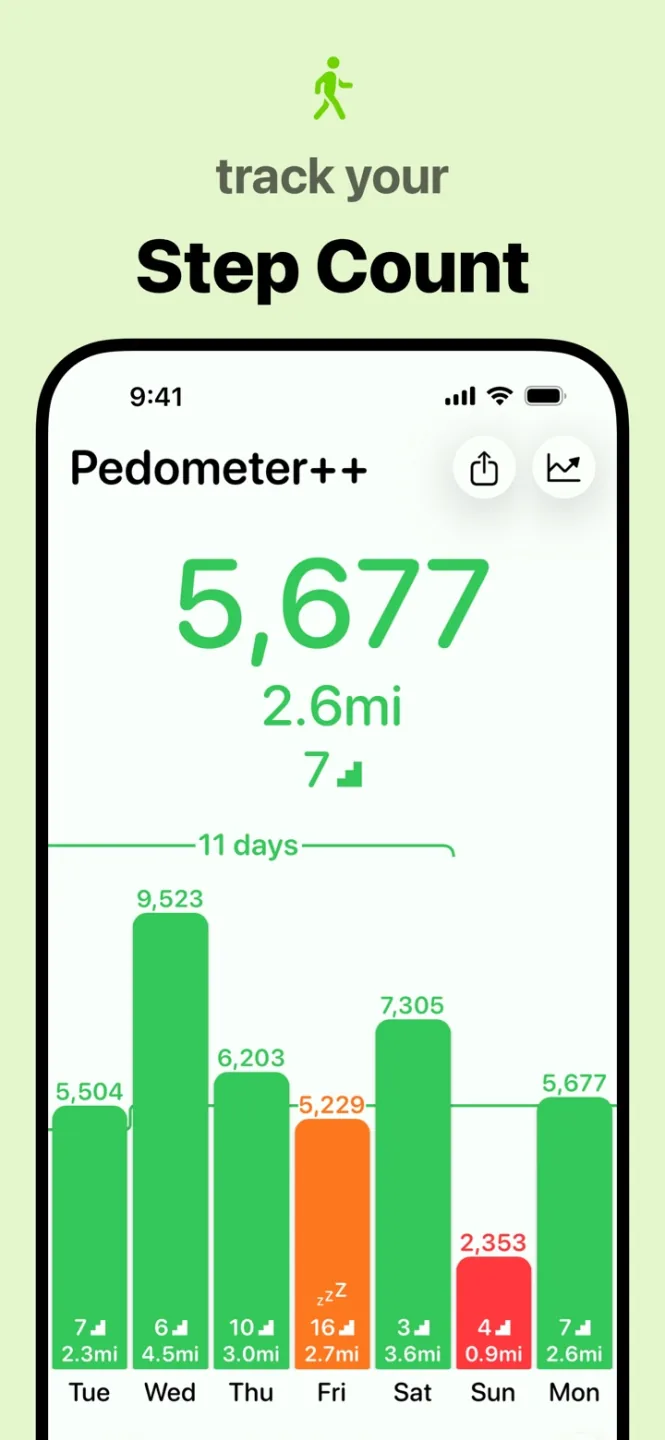
Body movement and device context
A system estimate of movement becomes an activity counter. Pedometer++ displays estimated steps and how they vary across days.
Pedometer++ ↗Combined gestures and input channels
Touch establishes intent while movement changes a game parameter. In Bounden both players retain screen contact while rotating the phone together.
Bounden ↗Co-op play and multiple devices
Players take different roles: one holds the phone and others give clues. Heads Up! hides the word from its holder and accepts a tilt to confirm it.
Heads Up! ↗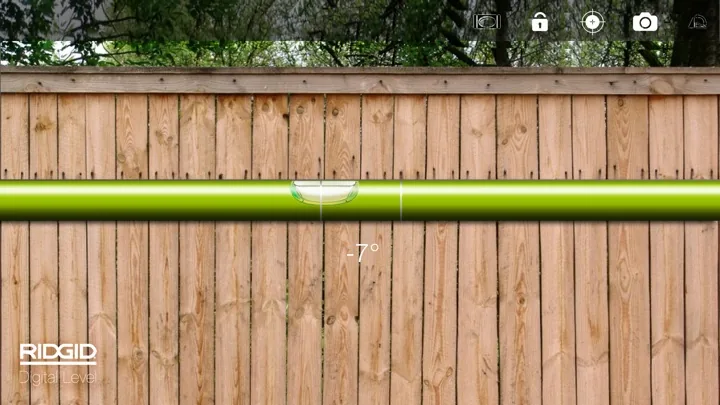
Interfaces, creativity and learning
Orientation data supports a practical task. RIDGID Level overlays a virtual level on the camera image for comparison with the real scene.
RIDGID Level ↗
Framing and visual attention
The player aims the camera and frames a target. Seeing AI helps align a document for reading; image position does not establish room coordinates.
Seeing AI ↗
Capture timing and recording modes
Pressing the shutter or starting recording creates an event. Stop Motion Studio builds motion from a sequence of individually captured frames.
Stop Motion Studio ↗
Optics and camera settings
Camera settings change image capture. In the Halide Mark II interface, manual focus sets the distance; available controls depend on the camera.
Halide (Mark II gallery) ↗
Light, color and shadows
A game extracts brightness or color from the image. phyphox shows a camera preview and brightness estimate; autoexposure complicates uncalibrated comparisons.
phyphox ↗
Physical manipulation of the image
A mirror or filter changes the light path into the lens. Osmo’s red reflector directs the camera toward the table, using compatible base hardware and pieces.
Osmo Tangram ↗Motion in the image plane
Frames become movement directions and paths. Active Arcade reads player motion through the camera; the phone needs a stable position and a clear body view.
Active Arcade ↗
Objects, signs and relationships
The camera recognizes supported object classes. Seeing AI has a dedicated currency mode; it does not identify every object or material.
Seeing AI ↗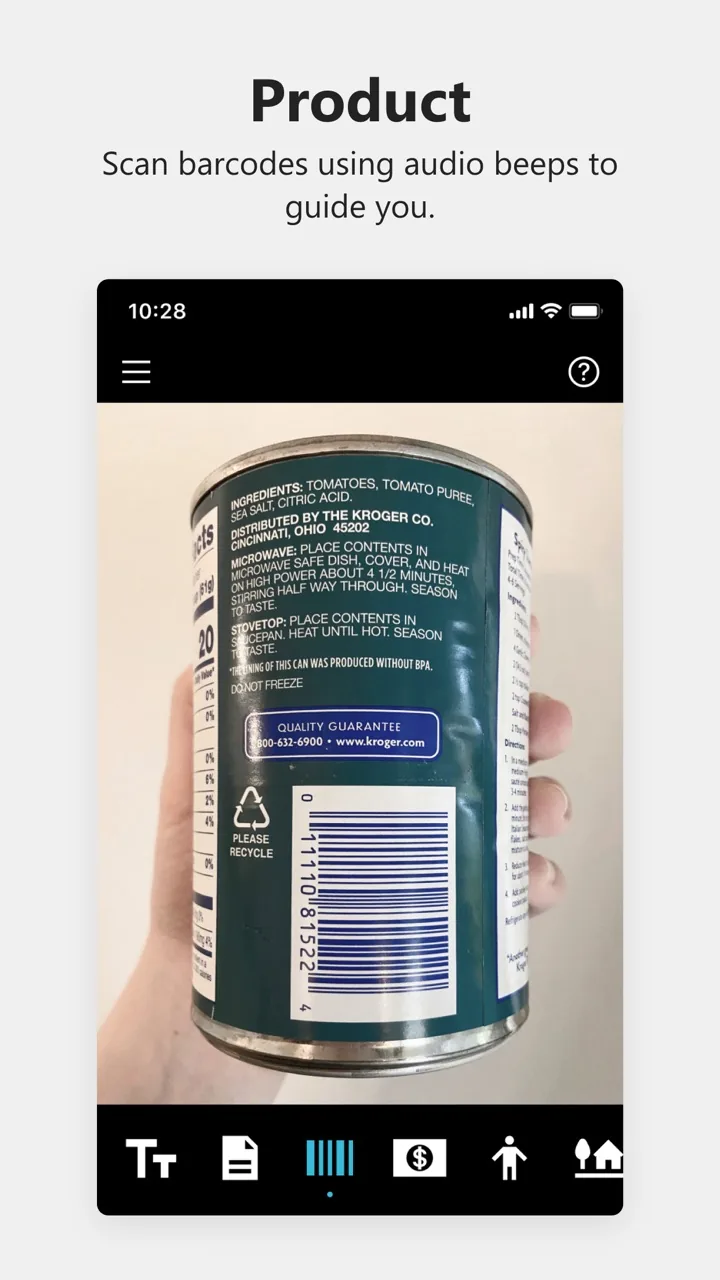
Text, pictures and machine codes
The camera turns visible symbols into data. Seeing AI’s Product mode uses audio guidance to help aim the camera at a product barcode.
Seeing AI ↗Paper, cards and tabletop objects
The player rearranges physical pieces and the camera reads them. Osmo Tangram matches tabletop shapes to onscreen puzzles, using its base and compatible pieces.
Osmo Tangram ↗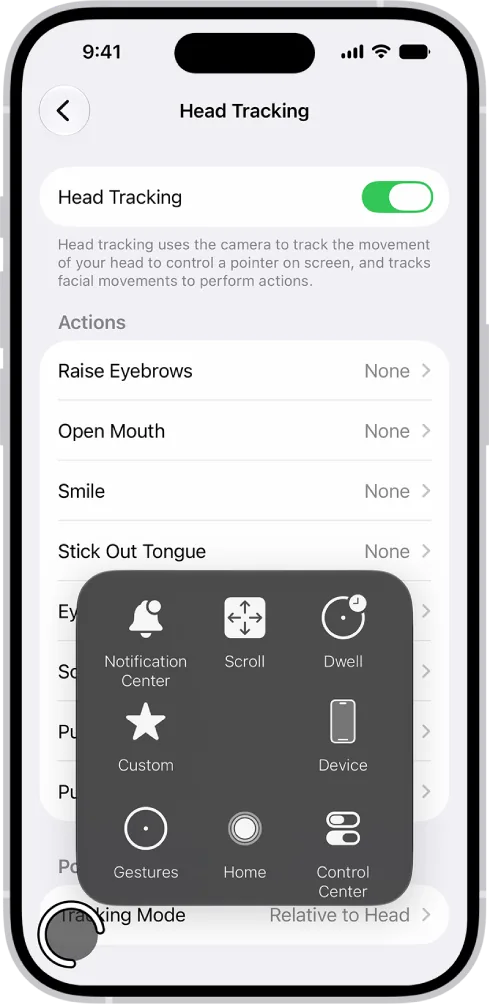
Face and head position
Head position controls a pointer. iOS Head Tracking uses the camera for pointer motion and dwell for actions; it does not establish identity.
Head Tracking (iOS) ↗Eyes, mouth and facial actions
A visible facial action becomes a command. iOS Head Tracking can map eyebrow raises or an open mouth to actions; facial shape does not prove emotion.
Head Tracking (iOS) ↗
Hands, fingers and hand gestures
The camera estimates hand and finger positions. MediaPipe provides hand landmarks; gesture rules must handle occlusion and tracking loss.
MediaPipe Hand Landmarker ↗Posture, body movement and active play
Body pose and motion replace buttons. In Active Arcade the player moves in front of the phone camera to interact with onscreen targets.
Active Arcade ↗
Silhouette, masks and segmentation
Segmentation separates a person’s image area from the background. MediaPipe shows a portrait and its mask; image overlap does not establish 3D contact.
MediaPipe Image Segmenter ↗
AR: surfaces and spatial geometry
Scanning links images to spatial geometry. Polycam builds room models; the method, hardware requirements and accuracy depend on mode and device.
Polycam 3D Scanner & Modeling ↗
AR: viewpoint and observation rules
The player changes viewpoint and aims at spatial targets. Measure requires aligning the pointer with object points; its measurements are approximate.
Measure (iOS) ↗
Filming as game content creation
Captured images become creative material. Stop Motion Studio turns individual frames into an editable animation sequence.
Stop Motion Studio ↗Time, video memory and state comparison
A frame sequence preserves a scene’s history. Stop Motion Studio’s timeline lets the creator compare motion stages and revisit individual captures.
Stop Motion Studio ↗
Multiple cameras and video calling
Cameras connect participants in a video session. Google Meet shows multiple callers; video calling alone does not synchronize an AR scene’s coordinates.
Google Meet ↗
World search and visual tasks
Search, capture and recognition form a task. Seek offers wildlife challenges and badges; this screenshot shows a historical challenge from 2020.
Seek by iNaturalist ↗Combining camera input
Camera input combines with other channels. RIDGID Level overlays a tilt indicator on the camera view.
RIDGID Level ↗Loudness and dynamics
Input sound level selects an action or its magnitude. After sensitivity calibration, the app distinguishes silence, quiet sound and a stronger signal.
Scream Go Hero ↗Timing, rhythm and pauses
An app uses sound onset, duration and gaps. The player sustains a voice input or reproduces a required event sequence.
One Hand Clapping - OHC ↗Pitch
The microphone captures sound and the app estimates its fundamental frequency. The player adjusts a voice or instrument to a note or contour.
GuitarTuna: Tune & Play Guitar ↗Timbre and articulation
Spectral structure, onset and articulation can distinguish sound forms. The shown spectrum makes input-signal features observable.
phyphox ↗
Blowing and breathing
Blowing creates noise at the microphone and changes the app’s state. A virtual candle can be extinguished or lit by blowing.
Candle - Ultra Real Blow Out ↗
Spoken commands
The microphone receives a spoken command. The app recognizes its action and parameters, then confirms execution so the result can be checked.
Siri (iOS 5) ↗Speech meaning and language rules
An app accepts a spoken response and checks meaning or language form. The content matters rather than the mere presence of sound.
Duolingo ↗Musical performance
The phone receives singing or instrument sound and compares the performance with notes, rhythm or another participant’s part.
Simply Sing: My Singing App ↗Body and object sounds
Claps, clicks or taps can become game input. Event recognition uses temporal and spectral sound features.
phyphox ↗Contact with the phone and microphone
In a design scenario, tapping or touching the case creates a microphone impulse. A rule maps that signal to an action.
Scream Go Hero ↗
Recognizing external sound
An app identifies an external acoustic event or recording through signal features. The result informs the next action.
Shazam: Find Music & Concerts ↗
Background and acoustic environment
An app accounts for background noise and isolates useful sound. A scenario can use the environment to adjust thresholds, audibility or processing.
Dolby On: Record Audio & Video ↗Position and multiple microphones
Acoustic signals can help locate a source or obstacle. Phone movement and additional channels can expand the observations.
phyphox ↗Speaker and microphone as a probe
The phone emits a sound pulse and records its reflection. Return-signal delay is used to estimate obstacle distance.
phyphox ↗Recordings as game material
Microphone audio is saved, edited or replayed. A game rule uses the recording as a task object.
Dolby On: Record Audio & Video ↗
Acoustic codes and data exchange
A sound sequence carries an encoded message. The microphone receives it, and a decoder translates temporal or frequency patterns into data.
Morse-It ↗Multiple players and communication
The microphone captures a participant’s voice for shared performance or communication. Roles, turn-taking and coordination shape the result.
Smule: Sing, Duet & Record ↗Combining input methods
Voice or other sound combines with touch, motion or a button. Each channel has a distinct role in the combined action.
One Hand Clapping - OHC ↗Buttons, gestures and interfaces
A brief tactile cue confirms an interface action. In Procreate Pocket holding a slider switches its mode and produces haptic feedback.
Procreate Pocket ↗
Search, space and direction
Position in a virtual field changes tactile output. In HapticPalette the Y axis sets intensity and the X axis sets pattern sharpness.
HapticPalette (Apple sample) ↗
Timing, rhythm and reaction
Pulse times and pauses define rhythm. Haptrix places individual haptic events on a timeline to create a distinguishable sequence.
Haptrix ↗Precision through haptic feedback
Continuous tactile feedback makes input states distinguishable. In HapticPalette finger movement immediately changes vibration intensity and sharpness.
HapticPalette (Apple sample) ↗
Combat, action and sports
An impact can be confirmed with a brief pulse. The HapticBounce sample links haptic strength to the ball’s collision speed at a boundary.
HapticBounce (Apple sample) ↗Vehicles, machines and physics
The tactile signal follows a physics model. HapticBounce produces stronger feedback when the ball hits the screen edge faster.
HapticBounce (Apple sample) ↗Materials, tools and objects
Vibration character suggests an object or material. HapticPalette lets users compare dull and crisp feedback under different parameters.
HapticPalette (Apple sample) ↗Puzzles, codes and learning
Design scenario: a vibration sequence becomes a code to remember and repeat. Haptrix shows separate pulses on a timeline.
Haptrix ↗
Stealth, danger and horror
Design scenario: a growing tactile pattern signals increasing danger. Haptrix provides intensity and envelope controls for such a cue.
Haptrix ↗Narrative and presence
Design scenario: a recognisable tactile motif accompanies a scene. Haptrix lets a designer set the duration and build-up of that signal.
Haptrix ↗
Shared cues and commands
In the VibeComm prototype vibrations carry a command through a shared surface. Phones receive it through accelerometers and change their screens together.
VibeComm (research prototype) ↗Movement, sensors and AR
A sensor supplies input and the motor reports the result. In HapticBounce tilt moves a ball and its collisions produce haptic feedback.
HapticBounce (Apple sample) ↗Accessibility without looking
Tactile confirmation supports control without looking. Blind Drive relies on sound and includes haptic effects designed for its mobile version.
Blind Drive ↗Everyday tasks
A short cue makes state changes noticeable without constant visual checking. Procreate Pocket uses it to confirm a slider’s mode change.
Procreate Pocket ↗
Creativity and rhythm
A musical phrase becomes a basis for a tactile pattern. Haptrix can add pulses at detected beats while importing audio.
Haptrix ↗
Research and hardware extensions
GripSense uses a motor and gyroscope to estimate pressure indirectly. This calibrated research method is not a standard phone force sensor.
GripSense (research prototype) ↗
Light control
The app switches the LED and adjusts supported light controls. phyphox sets brightness, frequency and duty cycle; limits depend on the phone.
phyphox ↗
Rhythm, time and light codes
Flashes and pauses encode a sequence. Morse-It sends text as Morse code using the screen, sound and the device flashlight where supported.
Morse-It ↗
Direction and movement of the phone
Moving the phone changes object lighting. The WildLight research prototype uses images with a moving LED to recover shape and reflectance.
WildLight (research prototype) ↗Occlusion and shadows
Occluding light changes shadows and visible form. WildLight reconstructs scenes from lit images; a hand-shadow game needs its own recognition rules.
WildLight (research prototype) ↗Reflection, transmission and materials
Materials change LED reflections. WildLight estimates shape and reflectance from multiple images; it is a research method, not a material sensor.
WildLight (research prototype) ↗Search, camera and augmented reality
The camera observes a scene lit by the phone LED. WildLight uses these images for reconstruction; flash and autoexposure affect the result.
WildLight (research prototype) ↗Changing the game world
Design scenario: switching the LED also changes a virtual scene. phyphox illustrates the physical light channel; game-world changes need separate rules.
phyphox ↗Light, stealth and agent attention
Design scenario: a light command affects a virtual enemy or live game. The phyphox interface illustrates LED output, not creature detection.
phyphox ↗Resource, risk and limitations
Design scenario: a charge budget or timer limits light and creates timing choices. phyphox shows LED control; the game resource requires a separate rule.
phyphox ↗Cooperation and light communication
Light carries a signal to another participant. Morse-It encodes text as flashes for a person in line of sight; automatic reception is not implied.
Morse-It ↗Light feedback and atmosphere
The LED becomes an output channel for events or atmosphere. phyphox shows pulse control; narrative mappings must be designed separately.
phyphox ↗Creativity, learning and everyday tasks
Light helps teach and reproduce a code. Morse-It converts text to dots, dashes and flashes; screen light and the rear LED remain different outputs.
Morse-It ↗
Phone heading
Phone heading can control an aim direction, sector or route. Magnetic and geographic north require different corrections.
Physics Toolbox Magnetometer ↗
Turns over time
Changes in heading or field components over time can define a turn, sequence or rhythmic gesture in a game scenario.
Physics Toolbox Magnetometer ↗
A magnet as a button
Bringing a magnet near changes the field. A scenario can map a threshold crossing to a press and its removal to a release.
Physics Toolbox Magnetometer ↗
Field strength as analog input
Measured field strength can continuously control a parameter. Distance to a particular magnet requires calibration of that magnet’s field.
Physics Toolbox Magnetometer ↗Vector and polarity
Field components can define direction or distinguish magnet positions. Comparing signs requires a consistent phone coordinate frame.
Physics Toolbox Magnetometer ↗Magnet gestures
A scenario can distinguish magnet gestures through peak sequences, duration and field-component changes. The instrument shows the input signal.
Physics Toolbox Magnetometer ↗
Passive magnetic controllers
A passive button or lever changes the phone sensor’s magnetic field. MagPie is a research prototype for customizable mechanical input.
MagPie prototype ↗Objects and tangible media
A physical overlay maps magnet position to a command. In the MagBoard prototype, a printed grid defines keys for a phone application.
MagBoard prototype / Calculator ↗Searching through field changes
The player can locate a magnetic-field source by moving the phone and comparing readings. Signal changes guide further searching.
Physics Toolbox Magnetometer ↗Combining input channels
Magnetic heading can be combined with tilt, touch or location. The True compass illustrates correction to geographic north.
Physics Toolbox Magnetometer ↗Shared play and roles
A cooperative design scenario can combine readings from several participants. Field recordings provide shared material for comparison and distributed tasks.
Physics Toolbox Magnetometer ↗Learning and creative scenarios
Magnetic readings can be recorded, compared and used in a learning task or expressive parameter. Keep experiment conditions alongside the data.
Physics Toolbox Magnetometer ↗Farming and tending a homestead
Farming connects land preparation, growth cycles and animal care to a seasonal production plan.
Stardew Valley ↗Cooking, recipes and kitchen work
Kitchens transform ingredients into orders through dependent steps, requiring aligned component readiness and workstation availability.
Overcooked! 2 ↗Fishing, hunting and harvesting trades
Harvesting trades combine site and tool choices with reading target behavior and timing resource collection.
Spiritfarer ↗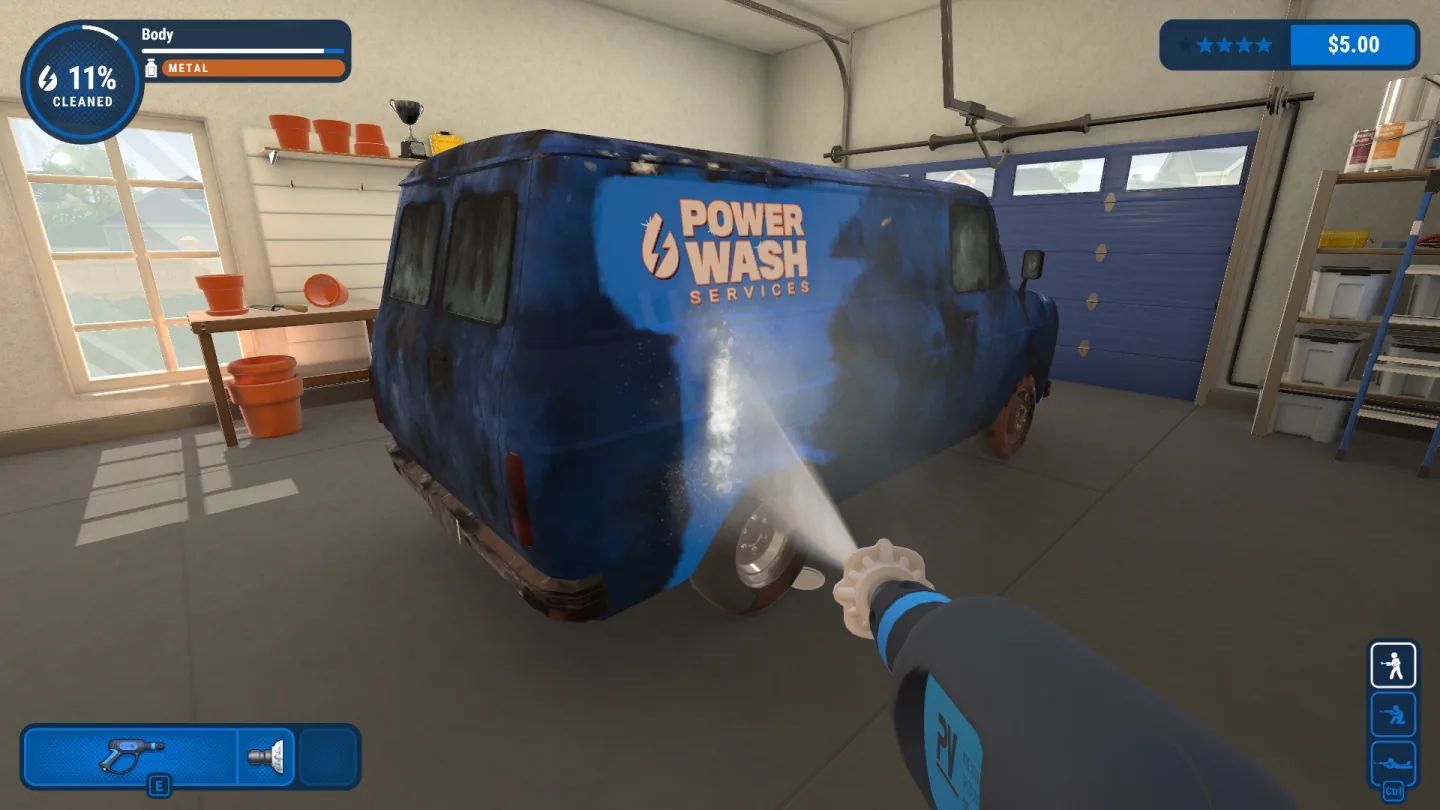
Cleaning, sorting and restoration
Restoration turns dirty or damaged objects into ordered states through suitable tools and work-area selection.
PowerWash Simulator ↗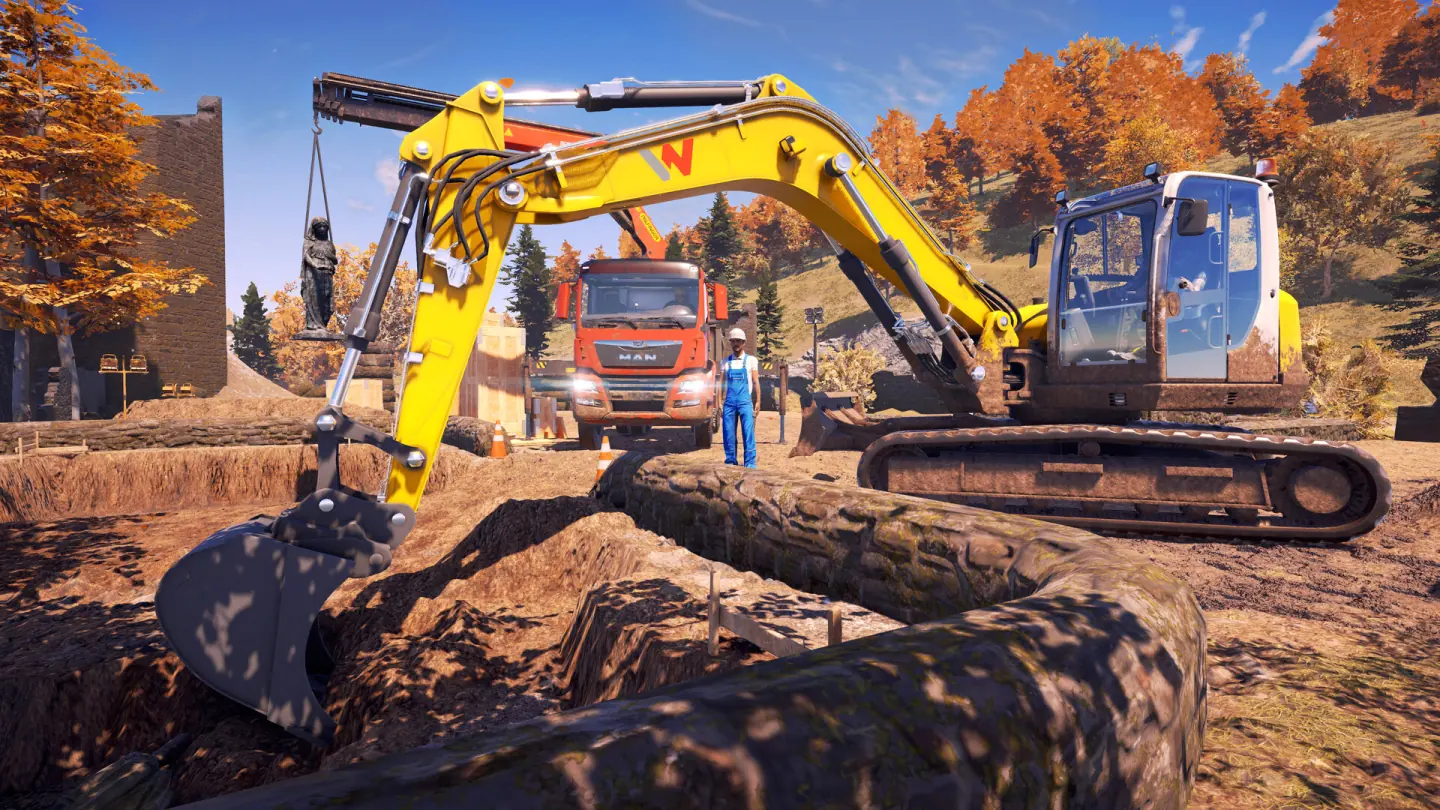
Construction, earthmoving and machinery
Machinery work coordinates vehicle placement, tools and material movement to achieve a target site shape.
Construction Simulator ↗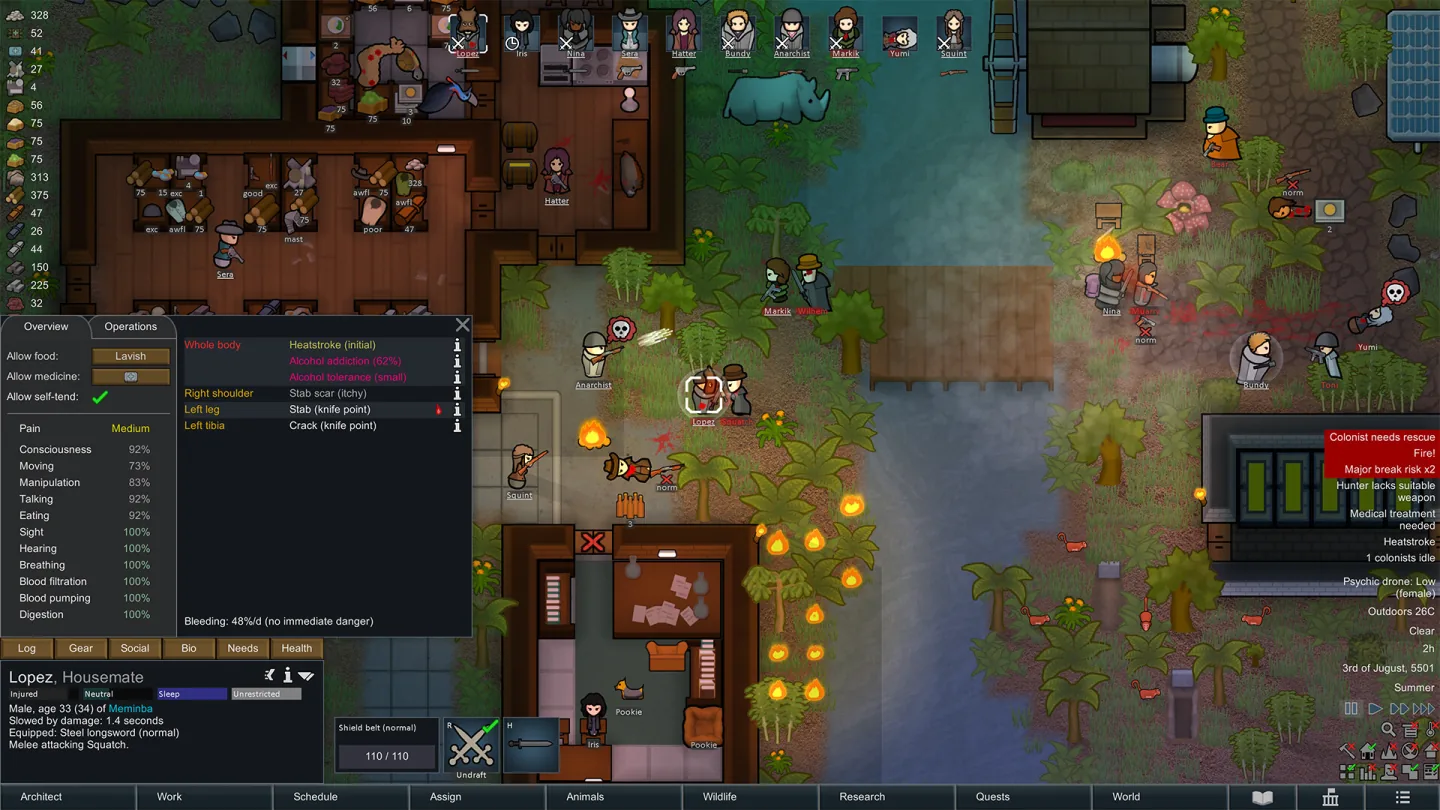
Medicine, rescue and emergency services
A game rescue procedure requires identifying a state, choosing limited equipment and acting according to the result.
RimWorld ↗Technical incident investigation
Technical investigation compares logs, symptoms and component states to distinguish root causes from subsequent failures.
Car Mechanic Simulator 2021 ↗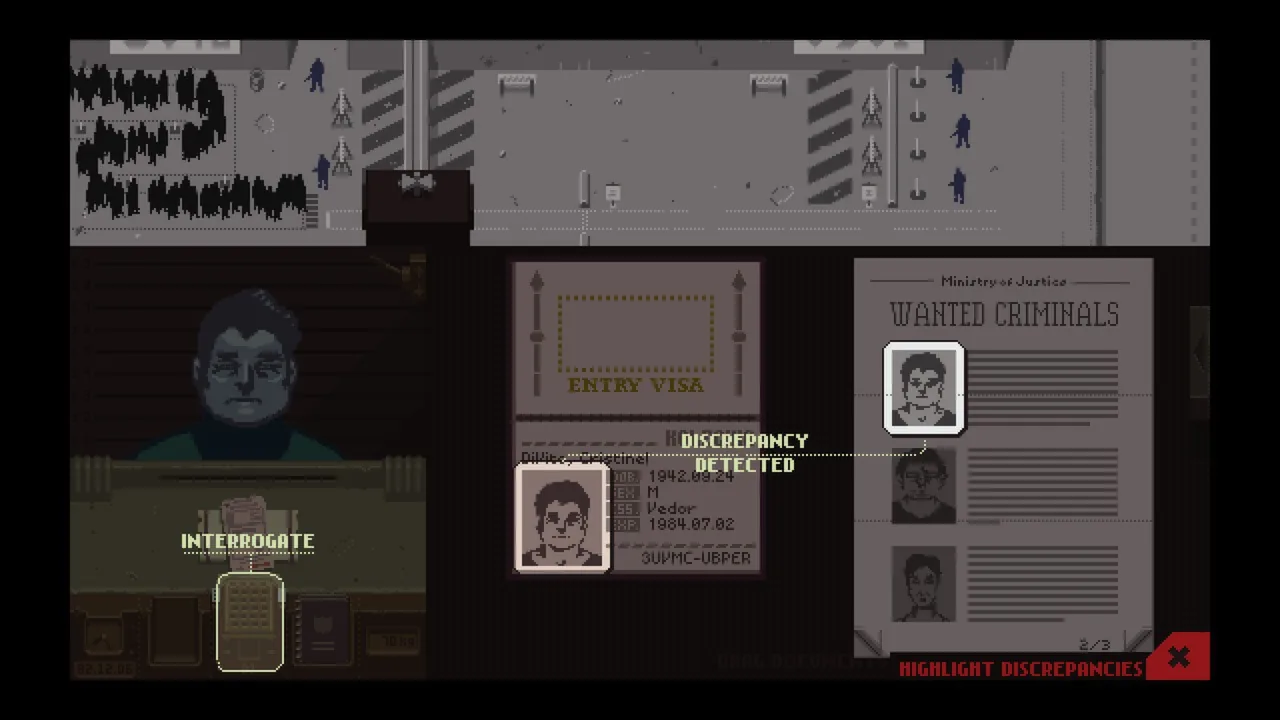
Document inspection and control
Inspection compares submitted information with current in-game requirements to permit entry, seek clarification or refuse.
Papers, Please ↗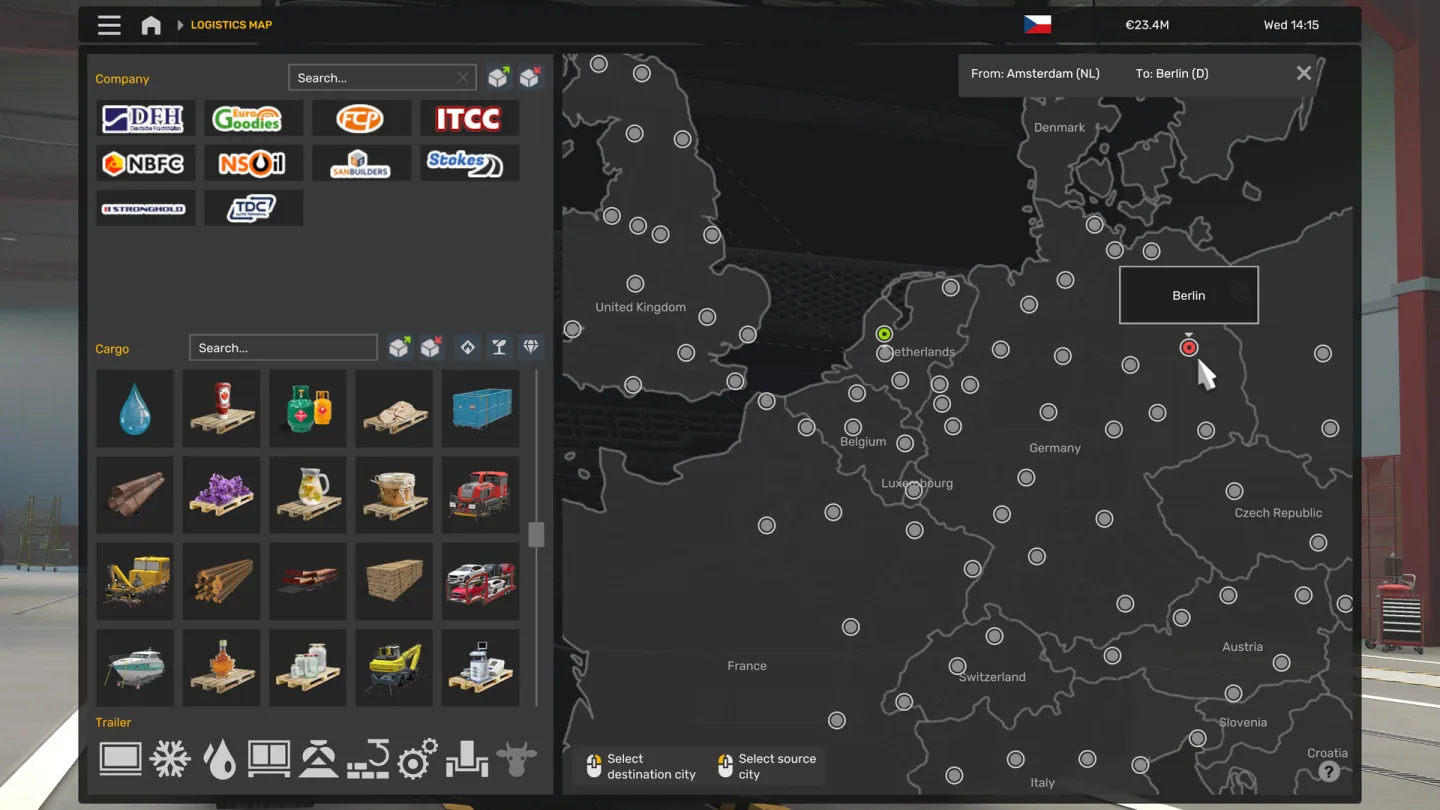
Delivery and dispatch
Delivery connects address order to capacity, deadlines and order condition, turning routing into a service problem.
Euro Truck Simulator 2 ↗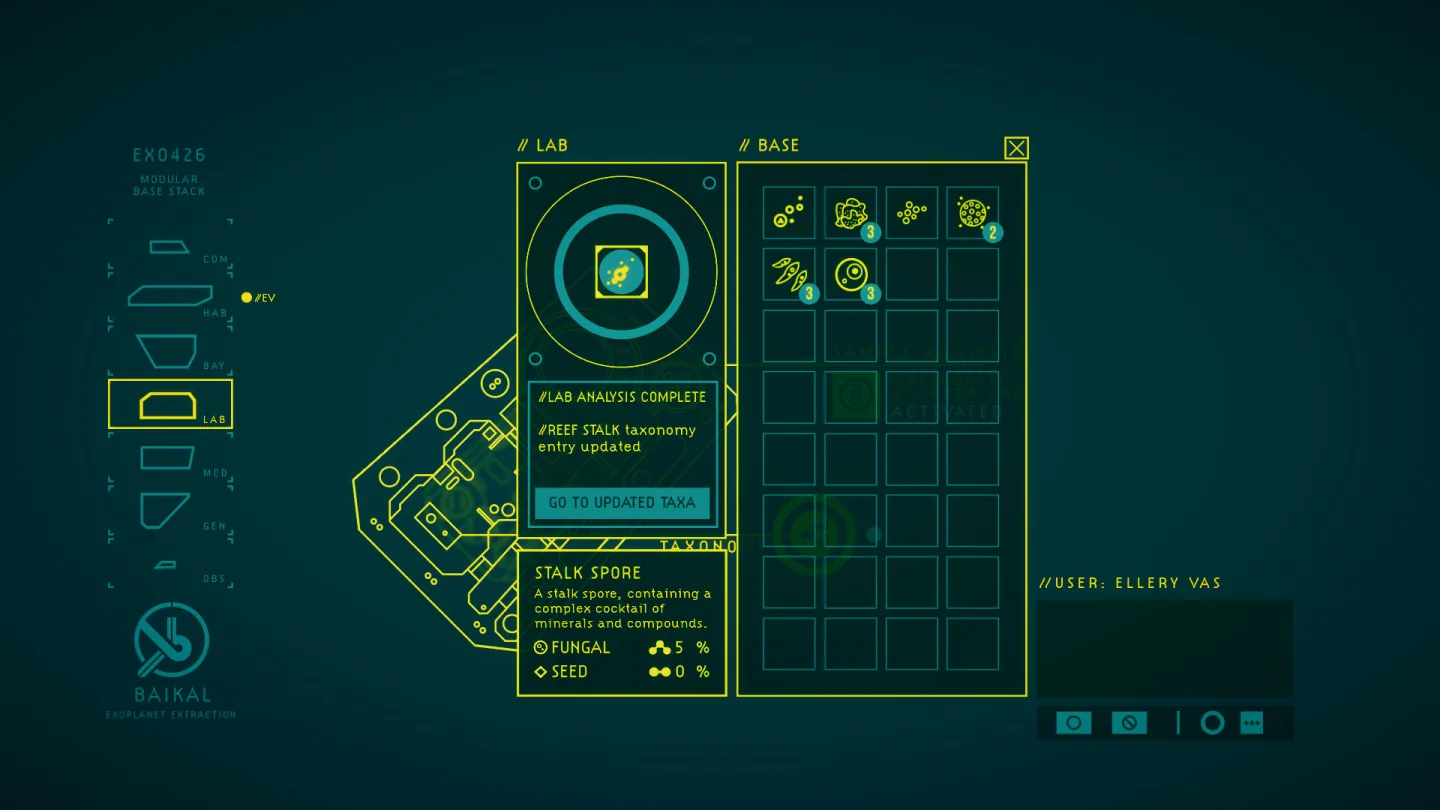
Experiments and scientific instruments
An experiment changes a selected variable, measures results and compares them with expectations while preserving test conditions.
In Other Waters ↗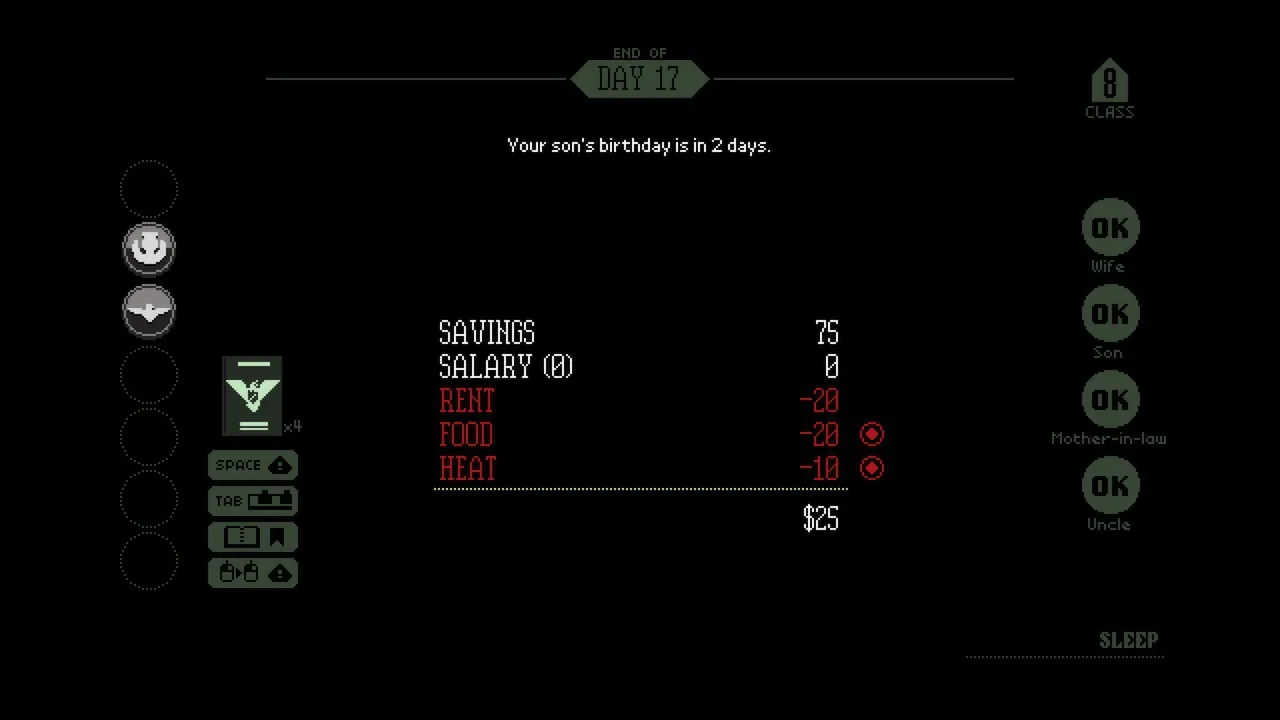
Business, office and bureaucracy
Office tasks move documents and requests through limited authority, approvals and deadlines to expose organizational dependencies.
Papers, Please ↗Production chains and factories
A factory connects recipes so one stage's output becomes another's input and constrains total production.
Factorio ↗Conveyors and flows
Transport lines carry resources at a limited rate. Splits, merges and crossings distribute the flow among consumers.
Factorio ↗Storage, buffers and throughput
Buffers store differences between arrivals and consumption, absorbing brief disruptions without raising sustained line capacity.
Factorio ↗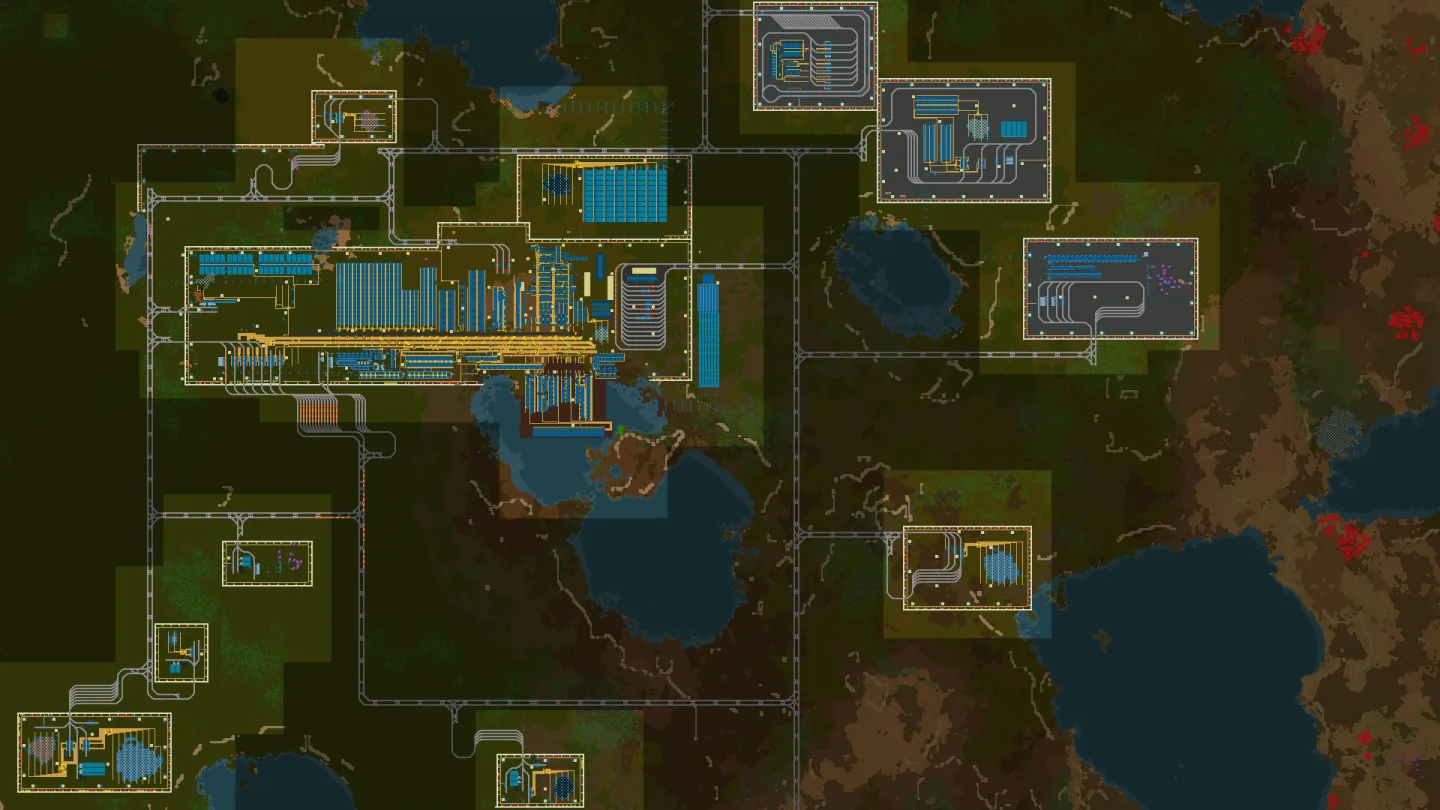
Railways and dispatching
Railways share track between trains; schedules and signals coordinate access to limited sections.
Factorio ↗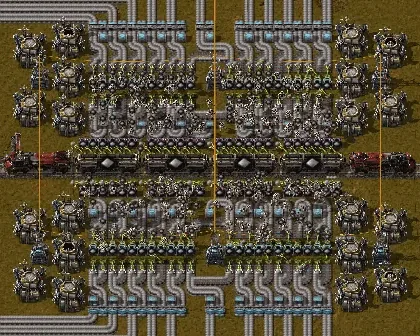
Robots and autonomous delivery
Autonomous delivery assigns carriers to requests using capacity, routes and available energy.
Factorio ↗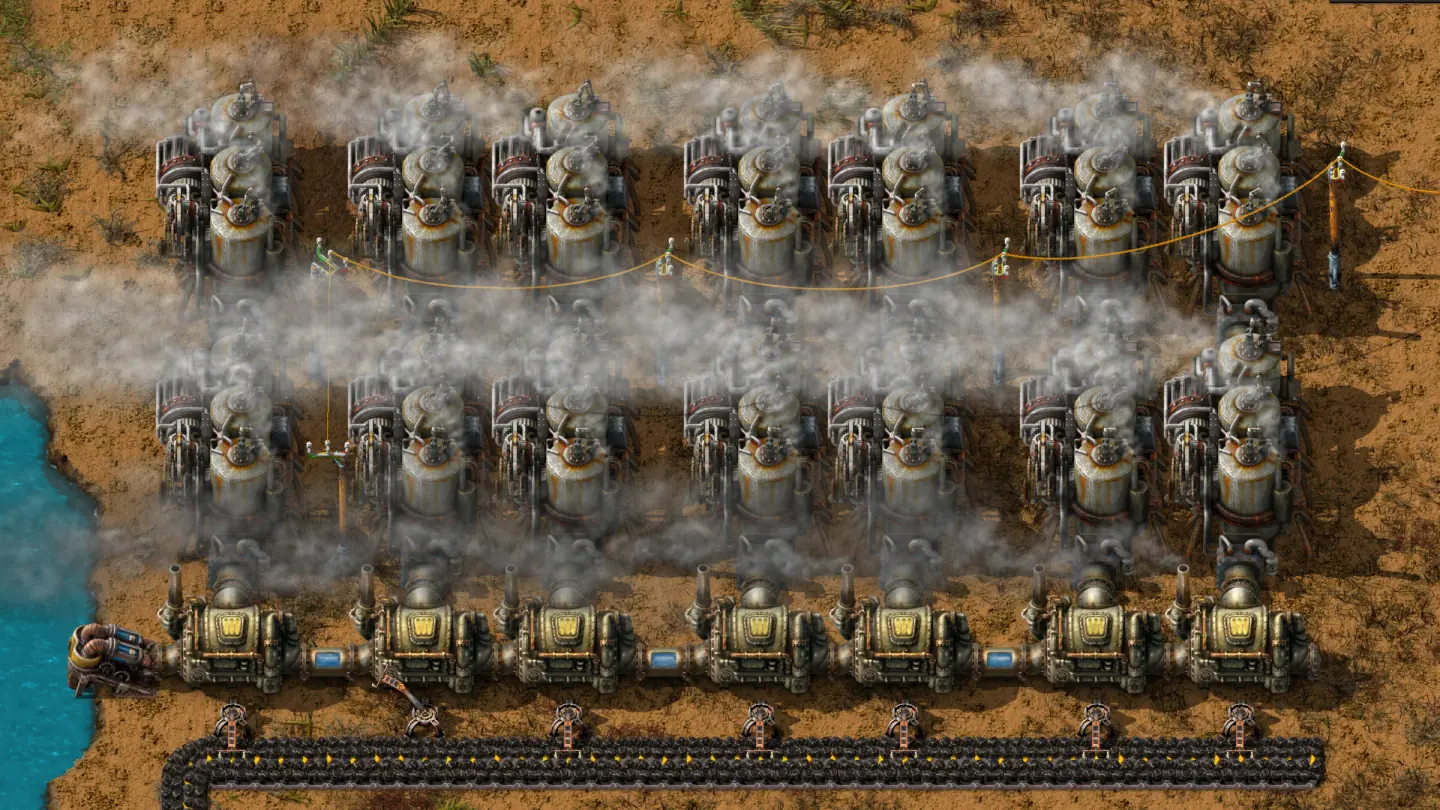
Power grids and load management
Power grids split limited generation among consumers, storage and losses, requiring load priorities.
Factorio ↗Logic circuits, signals and feedback
Signals measure state, conditions select responses and feedback repeats control based on the result.
Portal ↗Programming as a gameplay challenge
A program solves a task by transforming specified inputs into outputs with limited instructions and memory.
Human Resource Machine ↗Optimizing a working system
Optimization improves a working system's measurable result by comparing speed, cost, space and resilience.
SpaceChem ↗Gamepad, sticks and triggers
Sticks and triggers provide continuous values while buttons switch actions and modes without looking at the device.
Pro Gymnast ↗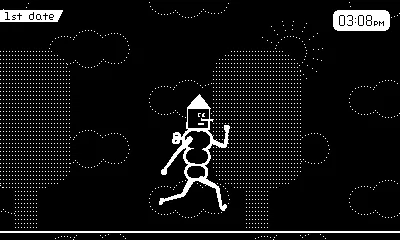
Trackball, wheel and rotary input
Rotation supplies an angle or its change. In Crankin’s Time Travel Adventure the Playdate crank moves the character’s timeline forwards or backwards.
Crankin’s Time Travel Adventure ↗Limited means of defense
Limited defenses turn threatening encounters into choices between resistance, avoidance and spending a scarce reserve.
Resident Evil 4 (2023) ↗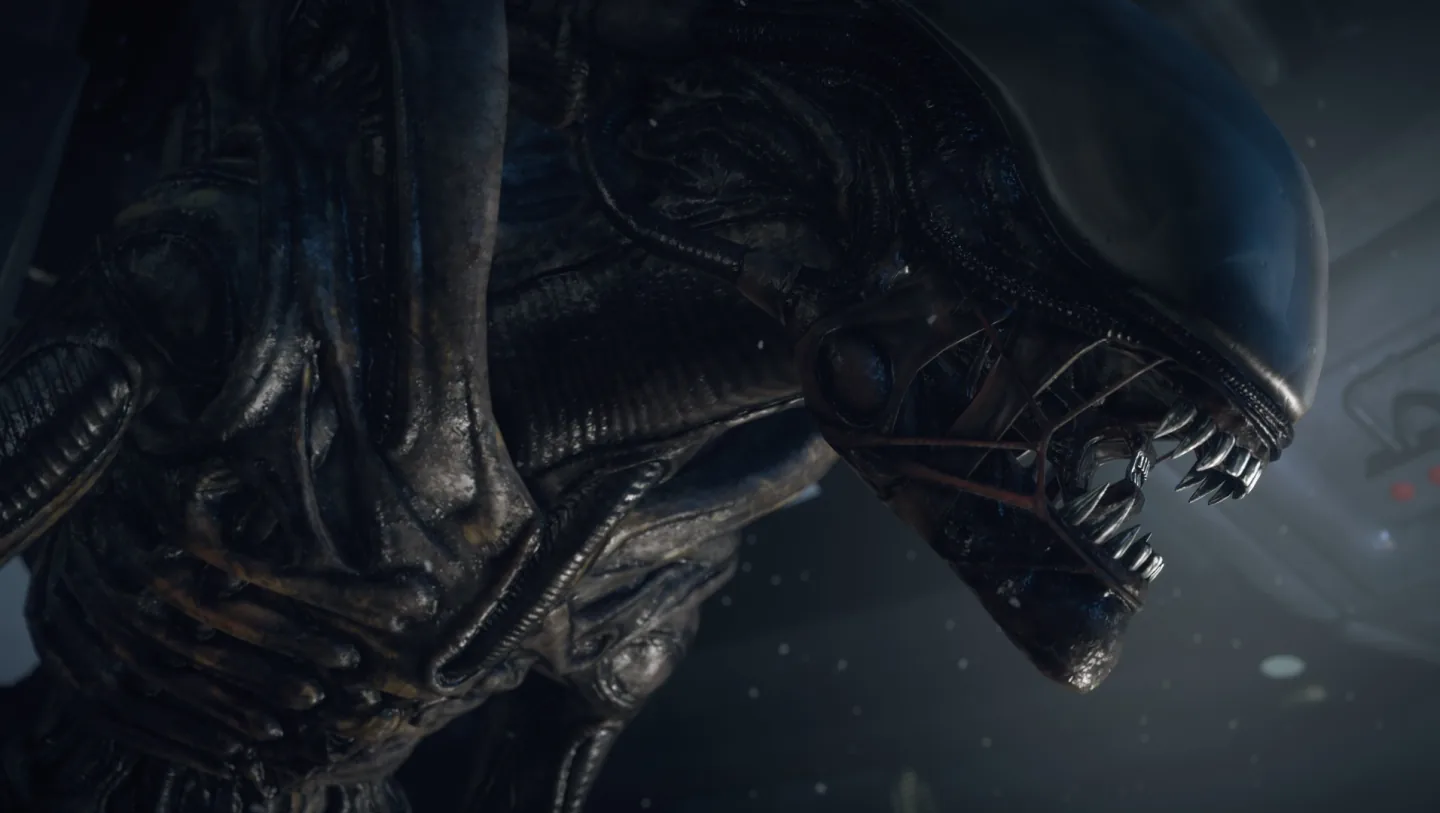
Hiding and escaping from threats
Hiding preserves uncertainty about position, while escape requires breaking contact and finding a safe next move.
Alien: Isolation ↗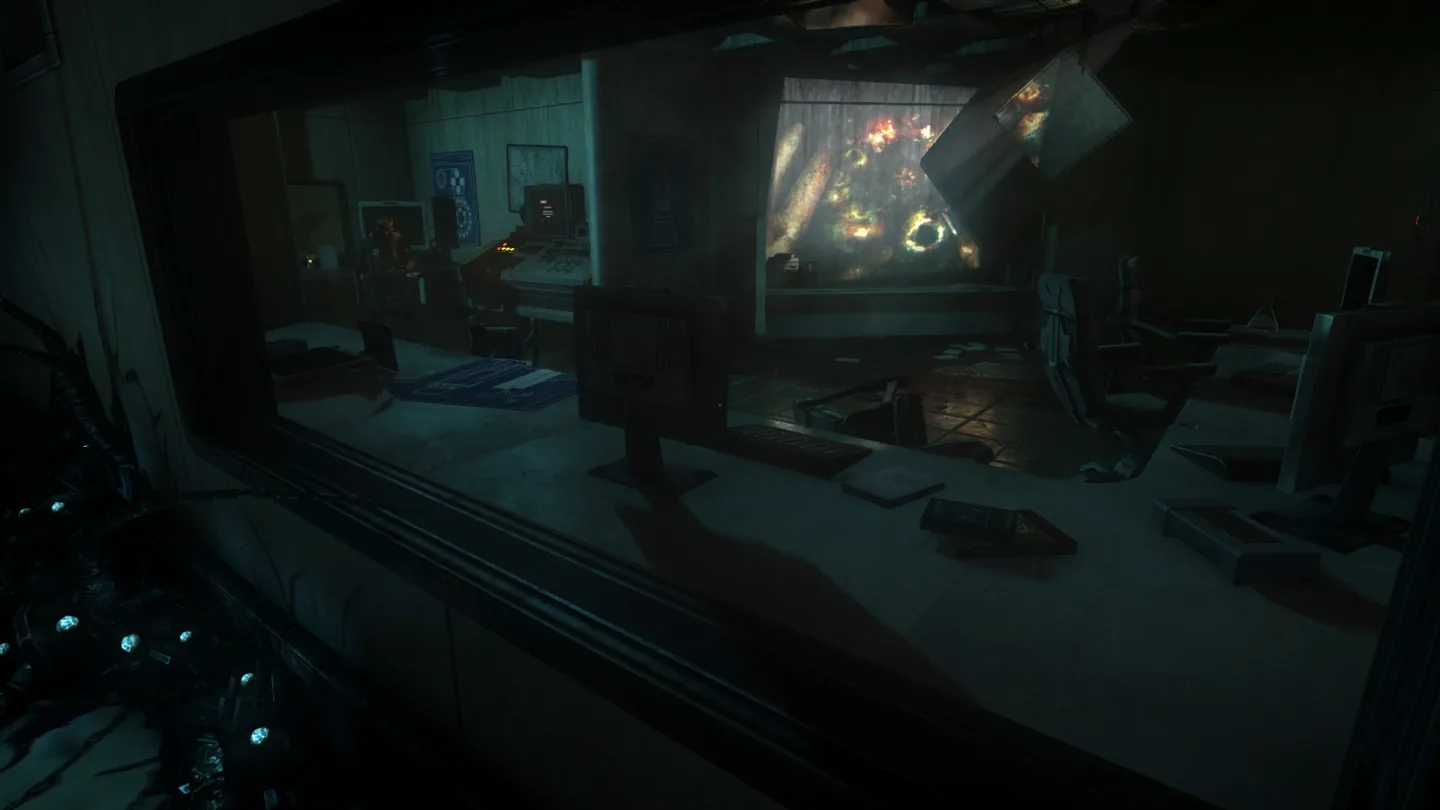
Uncertainty in horror
Uncertainty requires interpreting incomplete signals while preserving doubt without arbitrarily invalidating every rule.
SOMA ↗
Anomaly hunting and detecting changes
Players compare a familiar place with its current state and decide whether a change is a meaningful anomaly.
The Exit 8 ↗Pursuers and adaptive behavior
A pursuer selects behavior from observations and memory, making habitual escape methods less reliable through adaptation.
Alien: Isolation ↗Sanctuaries, respite and tension cycles
Respite reduces immediate risk and restores planning time; leaving safety reintroduces uncertainty.
Slay the Spire ↗Limited perception channels
A constrained perception channel changes information gathering, increasing the value of available signals and verification.
Alien: Isolation ↗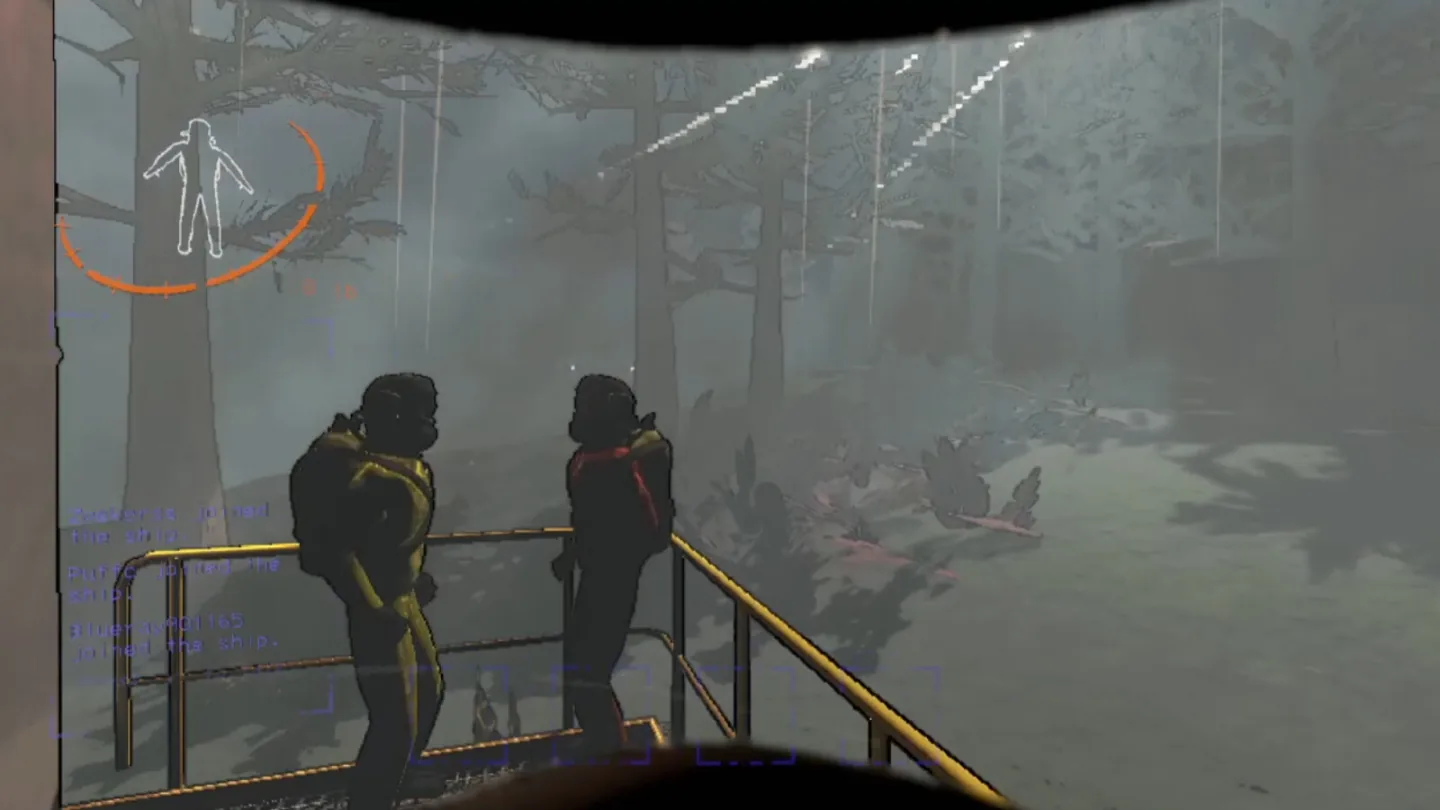
Cooperative horror and group risk
Group risk arises from split tasks, mutual dependence and limited communication while under threat.
Lethal Company ↗Mathematics and inquiry
Learning tasks require mathematical or inquiry actions and explain results through observable relationships.
Human Resource Machine ↗Procedural practice and simulators
Procedural practice reproduces a specified sequence of decisions and actions with feedback on missing conditions and errors.
Car Mechanic Simulator 2021 ↗Argumentation and source checking
Critical reading compares claims with sources, evidential quality and possible alternative explanations.
Her Story ↗Accessible play
A game preserves its core challenge while offering another perception or control channel. Blind Drive illustrates navigation through sound.
Blind Drive ↗Questioning and contradictions
Testimony becomes a set of testable claims; the player seeks incompatibilities with other claims and known facts.
Phoenix Wright: Ace Attorney Trilogy ↗Comparing and presenting evidence
Evidence gains meaning through provenance, comparison and presentation within a relevant test context.
The Case of the Golden Idol ↗Reconstructing events
Reconstruction restores event sequences and causal dependencies, supporting tests of several explanations for the same traces.
Return of the Obra Dinn ↗Procedural stories
A drama system selects events from character states and unresolved conflicts to maintain narrative causality.
Storyteller ↗Role-playing improvisation
Participants propose actions and world details while agreed rules determine what becomes a shared story fact.
AI Dungeon ↗Testing an unreliable account
Unreliable reports require comparison with independent signs and revision of trust in their source.
Her Story ↗Interactive prose
Interactive fiction turns reading into an action choice, after which text reports state changes and available continuations.
AI Dungeon ↗Persistent worlds and server progress
A shared world preserves contributions between sessions. FFXIV’s Ishgardian Restoration links personal deliveries to server-wide construction stages.
Final Fantasy XIV ↗Guilds and long-term shared goals
A guild connects members through shared rights and projects. Shop Titans preserves town investment and growth while members play at different times.
Shop Titans ↗Raids and group coordination
A shared encounter requires roles, attacks and recovery to align. In Albion Online a group coordinates a boss fight in a dungeon.
Albion Online ↗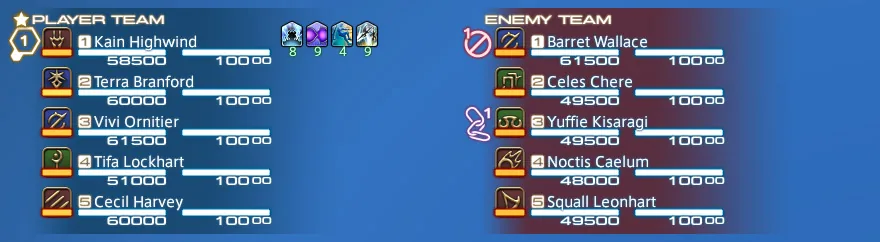
PvP, duels and team battles
Players compete under shared victory rules. In FFXIV Crystalline Conflict, two teams of five fight to move the tactical crystal.
Final Fantasy XIV ↗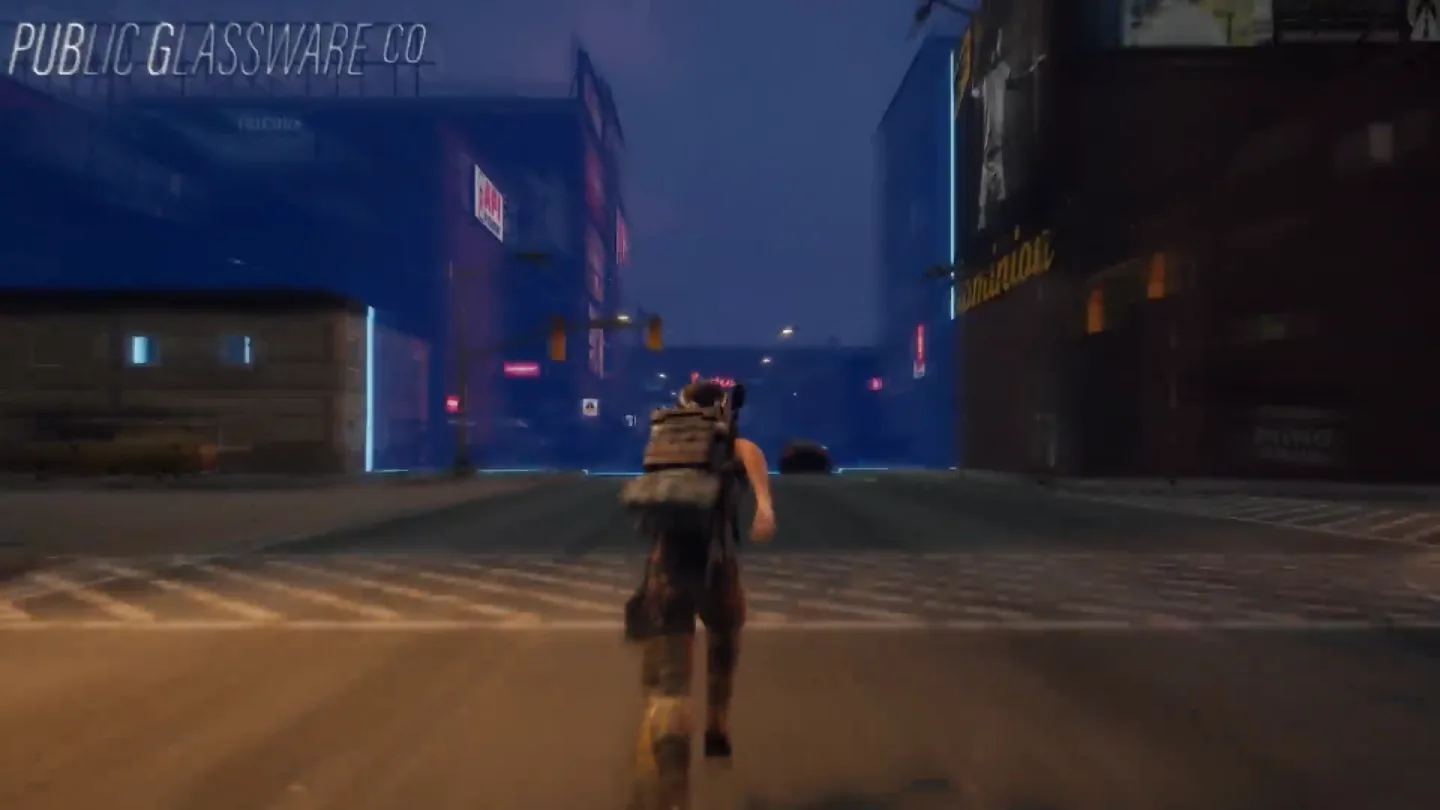
Battle royale and shrinking play areas
The safe area shrinks and forces repositioning. PUBG’s Blue Zone damages players outside it, increasing the cost of delay and concentrating encounters.
PUBG: BATTLEGROUNDS ↗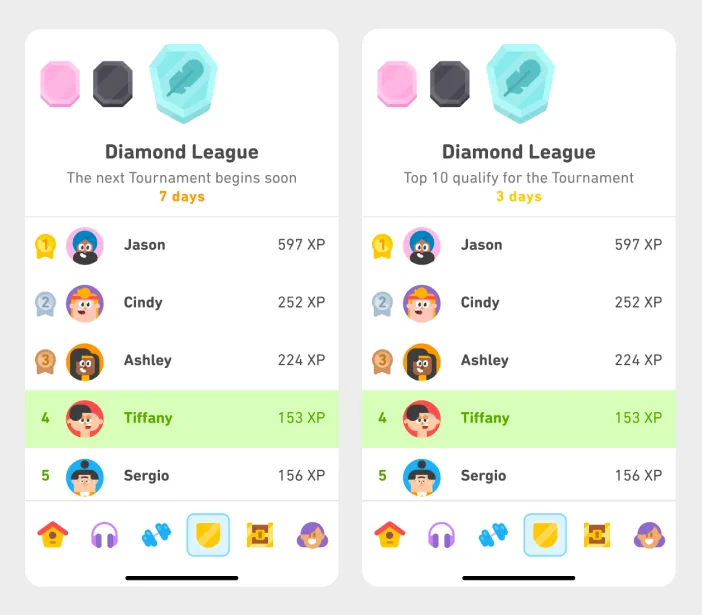
Asynchronous competition and messages
Results persist without simultaneous play. Duolingo participants earn XP at different times, and a weekly leaderboard compares their contributions.
Duolingo ↗
Markets, gifts and player trading
A market transfers items at an agreed price. Steam Community Market shows participant listings, available quantities and starting prices.
Steam Community Market ↗Seasons, events and world changes
A season defines shared goals and rewards for a period. Deep Rock Galactic links expeditions through assignments and a seasonal reward track.
Deep Rock Galactic ↗
ARGs, transmedia and play beyond the app
Puzzles continue through linked material across channels. The Black Watchmen leads an investigation to a fictional website that becomes part of the puzzle.
The Black Watchmen ↗Passes, stores and paid access
A paid offer defines access and its conditions. Duolingo compares Super with the free tier to show which features the subscription includes.
Duolingo ↗Light, proximity and other sensors
An available measurement channel becomes input. Here phyphox estimates brightness through the camera and plots it alongside the scene image.
phyphox ↗Interaction across multiple devices
Several phones divide information, roles or input space while coordinating events through an explicitly shared session.
Quiplash ↗Merging and evolving objects
Compatible objects combine into a new state, requiring players to plan both chain growth and available space.
2048 ↗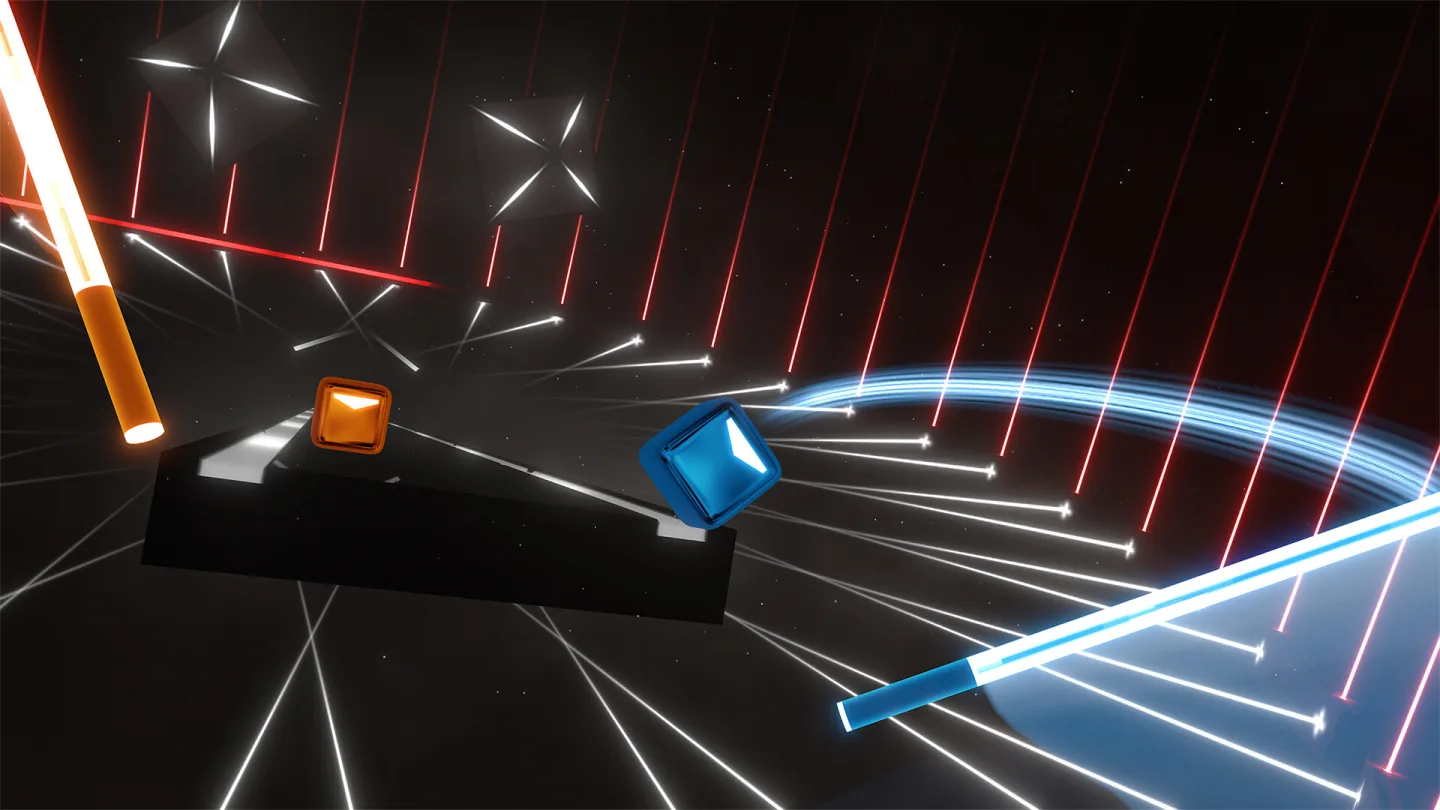
Movement to a beat
Rhythmic movement aligns action timing and shape with musical structure to assess coordination and expression.
Beat Saber ↗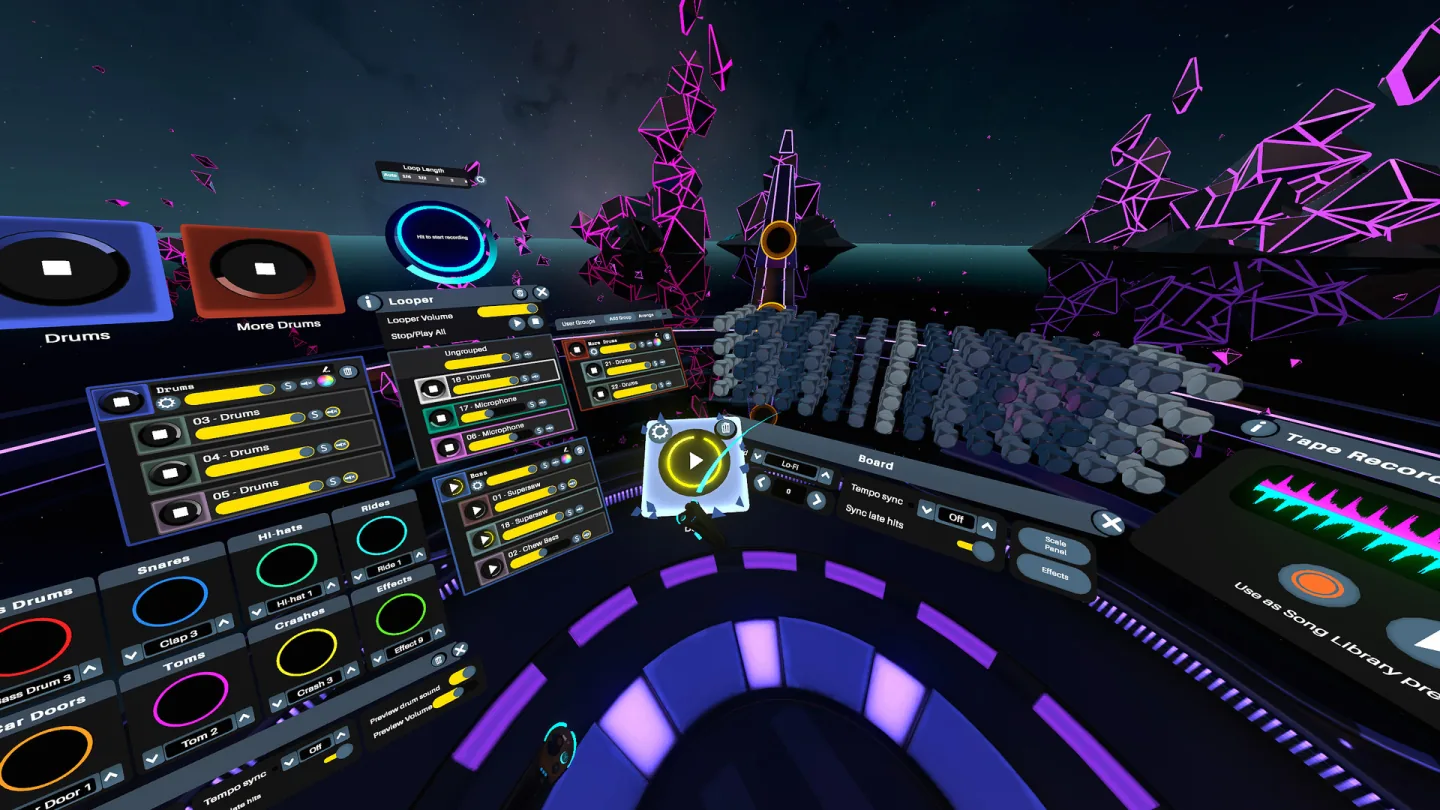
Music composition and improvisation
Players assemble musical phrases from permitted elements while the system links choices, timing and audible results.
Virtuoso ↗Rhythm timing
The player presses the matching button as a cue reaches a timing line. A visible rhythm and timing window connect input to the music.
Spiritfarer ↗Character creation
Character creation allocates limited potential across abilities and establishes initial ways of solving problems.
Pentiment ↗Classes and specializations
A character’s role defines available tools, while specialization shapes play style. Choice restrictions help characters complement each other.
Deep Rock Galactic ↗Builds and ability combinations
The player chooses abilities and upgrades that work together. A limited budget turns a list of strong individual effects into a connected build.
Last Epoch ↗Party roles and team composition
Party composition distributes functions among characters and determines mutual support in combat and exploration.
Deep Rock Galactic ↗Equipment and properties
Equipped items change attributes and available actions. The player chooses a useful combination while accounting for each item’s drawbacks.
Disco Elysium ↗Status and elemental effects
Effects temporarily change a target’s movement, defense or available actions. Players choose effects to suit the situation and resistances.
Deep Rock Galactic ↗Improving skills through use
A skill improves through relevant use, letting players practice while also addressing a current objective.
Melvor Idle ↗Reputation, factions and alignment
Reputation stores how communities view the character's actions and changes access to services, quests and support.
Final Fantasy XIV ↗Quests, contracts and consequences
A quest defines a commitment and completion conditions, while consequences preserve differences between solutions.
Borderlands 2 ↗Traditional turn-based roguelikes
A turn-based run alternates one player decision with hostile world changes, preserving the cost of consumables and routes.
NetHack (menucolors) ↗Action roguelikes
Real-time combat combines with temporary progression so execution and upgrade choices jointly determine a run's outcome.
Hades ↗Survivor-likes and automatic attacks
Automatic attacks leave route selection and upgrades to the player, making movement through waves the central skill.
Vampire Survivors ↗Dungeons and resource attrition
A dungeon depletes party supplies through successive encounters, connecting depth choices to a safe return.
Darkest Dungeon® ↗VR: grasping and hand manipulation
Spatial grabbing links hand pose to a virtual object through contact start, holding and release rules.
Keep Talking and Nobody Explodes ↗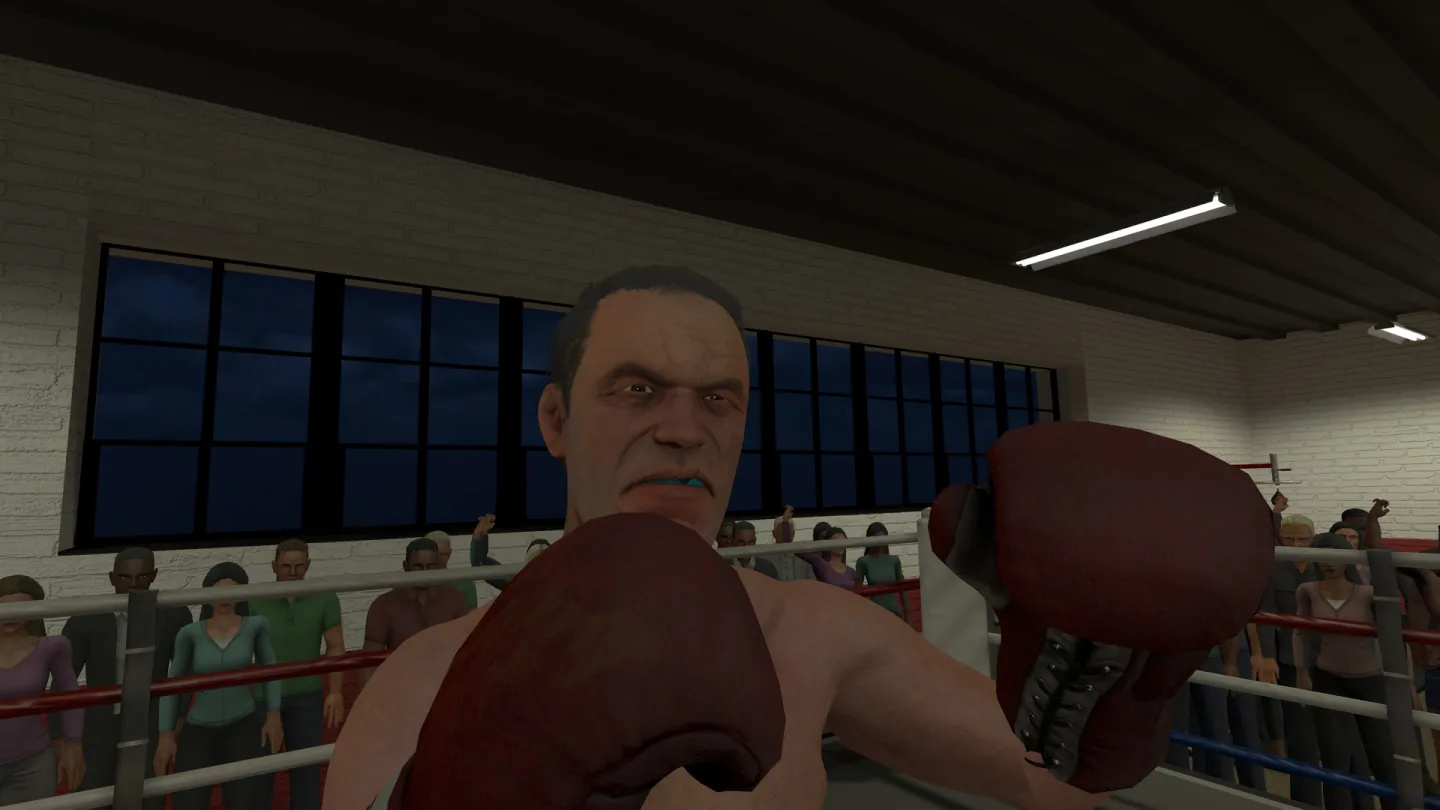
VR: body and room-scale space
VR locomotion connects physical pose to virtual routes while maintaining understandable space boundaries and turning methods.
The Thrill of the Fight - VR Boxing ↗Breathing, pulse and biosignals
A breathing action becomes a control signal. In Candle blowing near the microphone extinguishes a virtual flame; it measures air noise, not pulse.
Candle - Ultra Real Blow Out ↗Musical and specialised controllers
A familiar performance gesture sends commands to an app. AudioSwift’s demo uses musical keys to trigger notes and a trackpad to shape sound.
AudioSwift ↗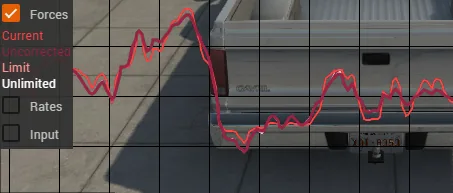
Wheels, pedals, joysticks and cockpits
A wheel and pedals supply axis input while force feedback supplements control. BeamNG.drive plots the force the game sends to the wheel.
BeamNG.drive ↗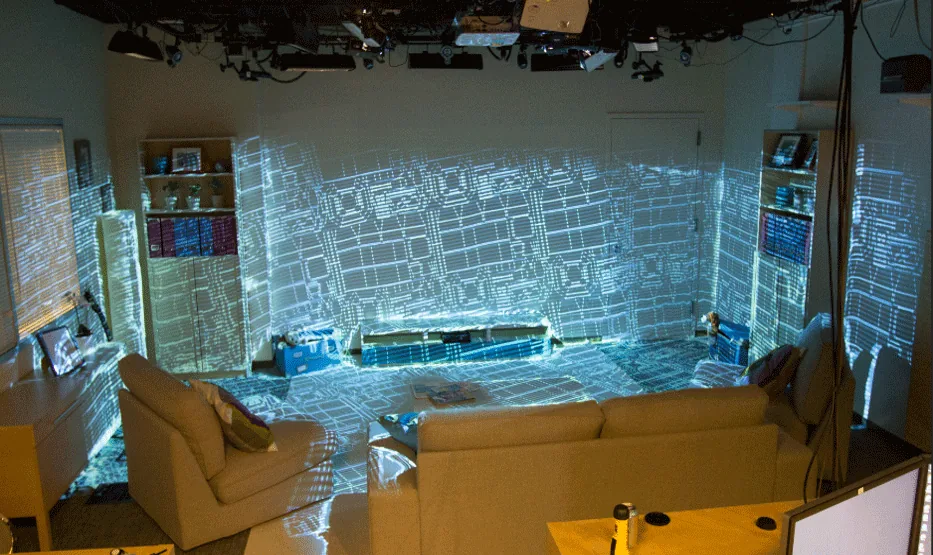
Projection and interactive surfaces
Projection maps a virtual scene onto physical surfaces. The RoomAlive research prototype uses calibrated projectors and cameras across a room.
RoomAlive (research prototype) ↗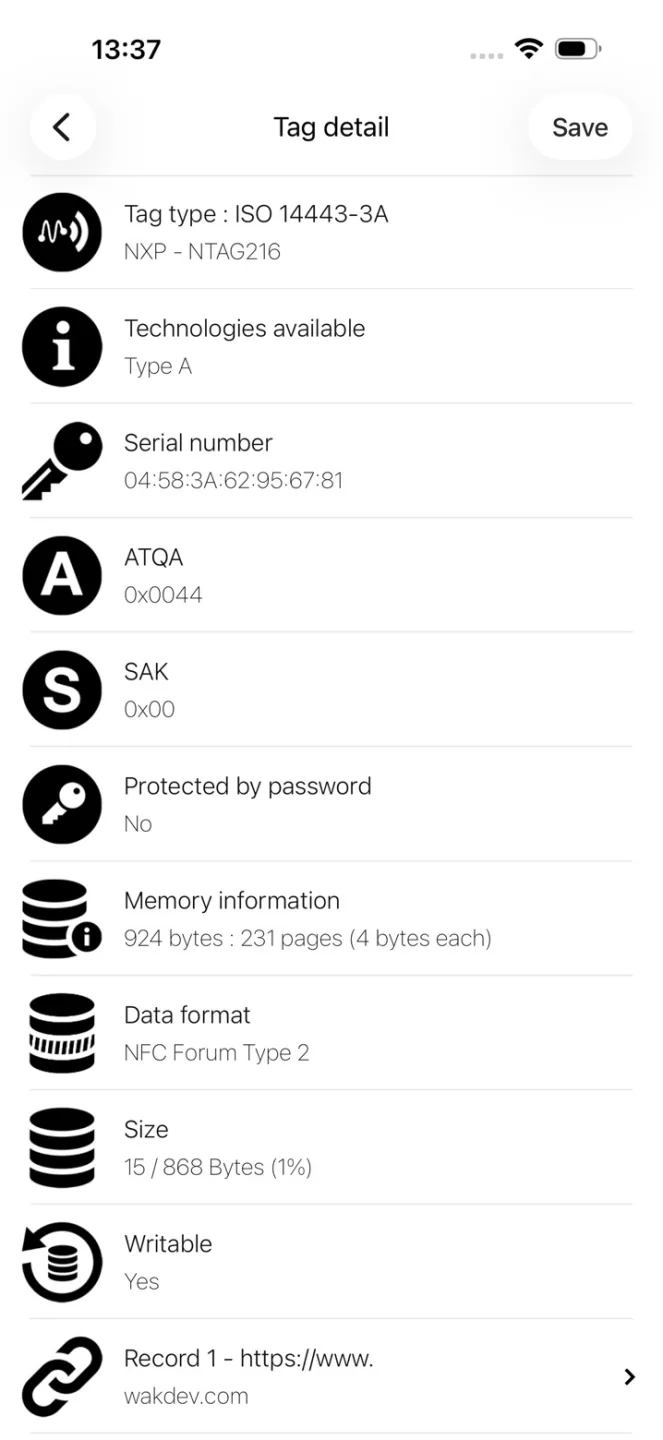
Physical objects, NFC and QR
A physical carrier supplies an identifier or record. NFC Tools displays a read tag; a game scenario can map that tag to an item or action.
NFC Tools ↗Text, commands and conversation
A typed or spoken request specifies an action through command meaning. The system clarifies parameters and reports what it executed.
Siri (iOS 5) ↗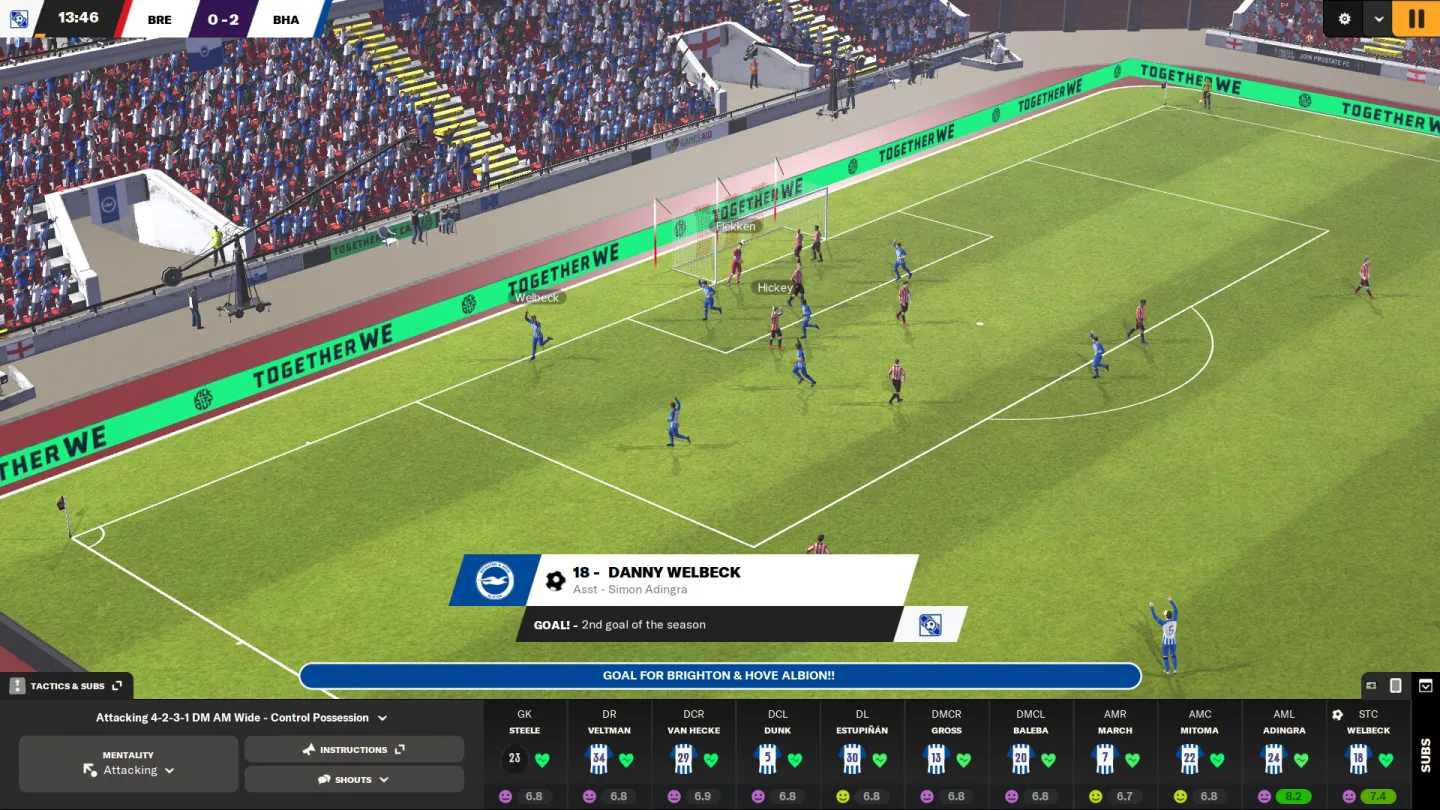
Team ball sports
Team ball sports connect possession, open space and coordinated transitions between attack and defense.
Football Manager 2024 ↗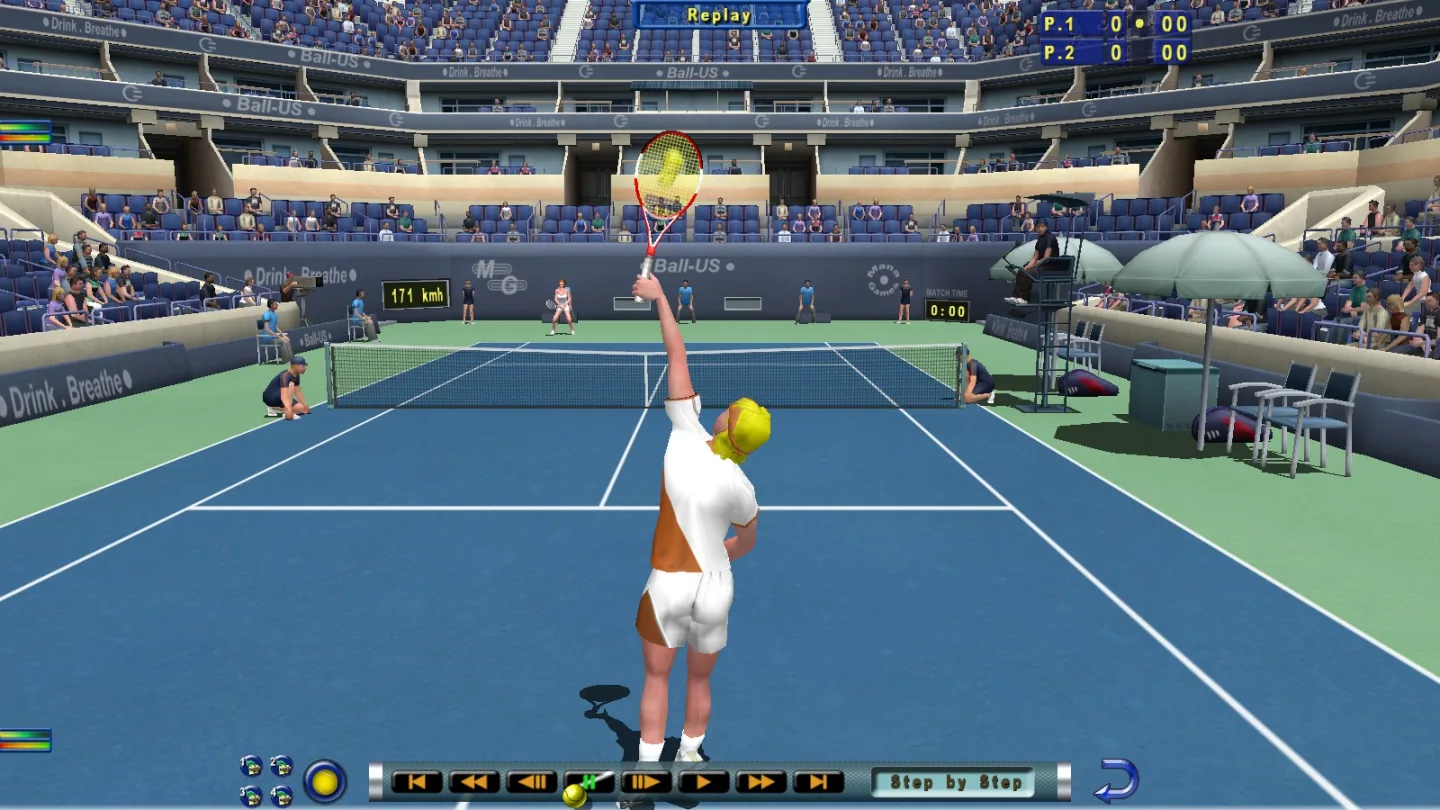
Racket sports
Racket duels alternate receiving and responding, changing available time through placement, spin and player position.
Tennis Elbow 2013 ↗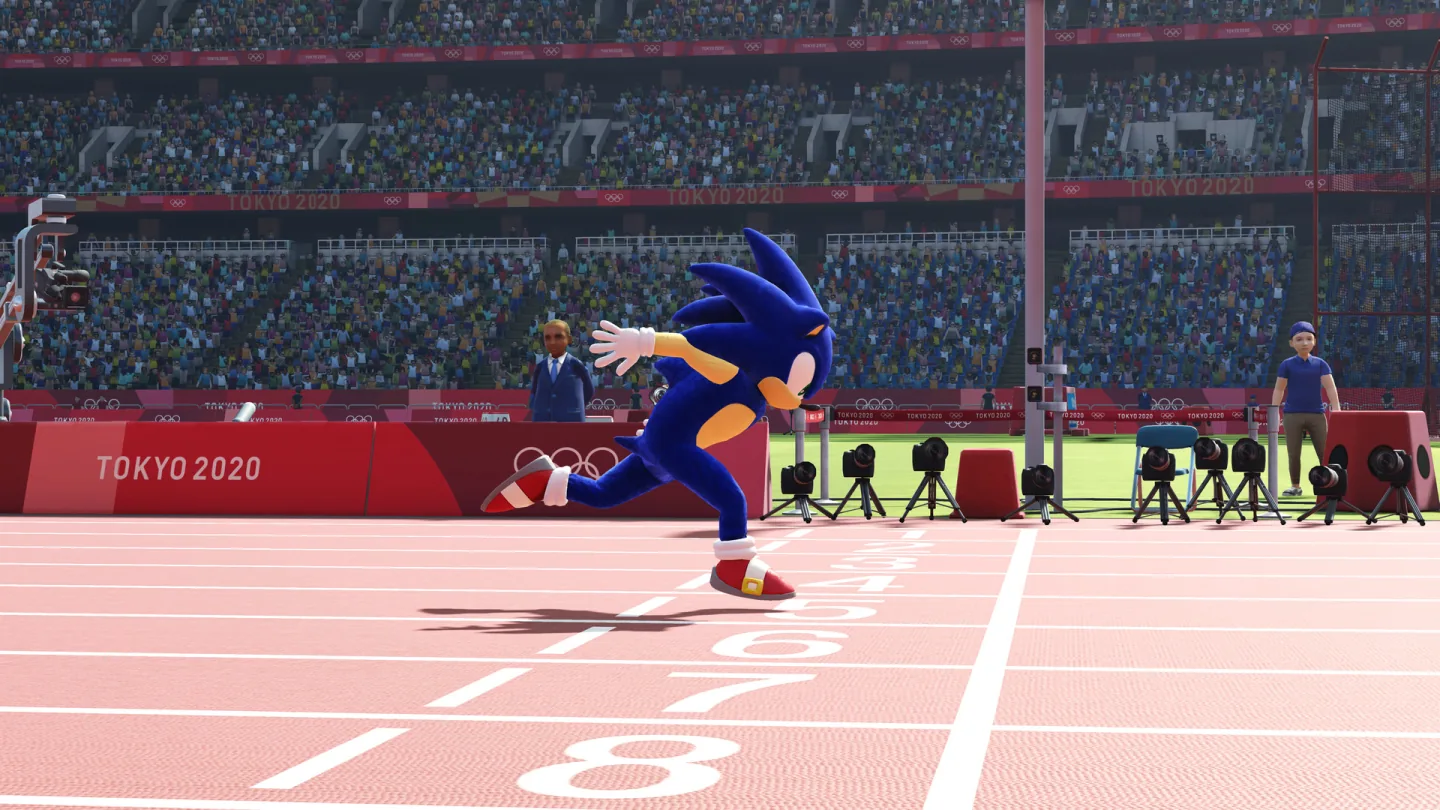
Athletics and performance competition
Performance events evaluate time, distance or height, connecting preparation to a precise effort moment.
Olympic Games Tokyo 2020 – The Official Video Game™ ↗Gymnastics and execution scoring
Scored routines combine element difficulty, execution quality and transition stability within a limited program.
Pro Gymnast ↗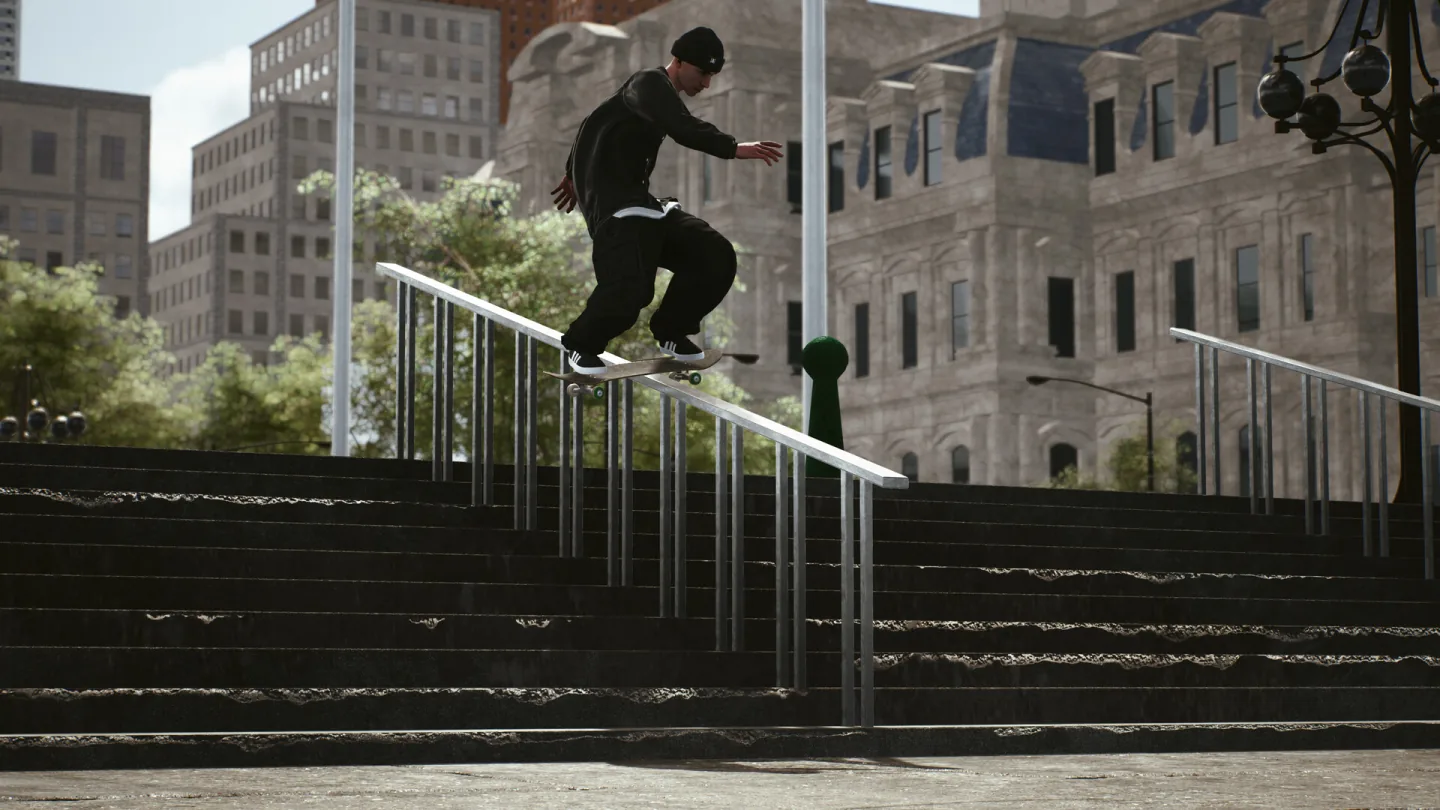
Skateboarding and extreme sports
Extreme sports connect route choice, accumulated speed and trick execution to a controlled return to the surface.
Session: Skate Sim ↗Golf and trajectory accuracy
Precision strikes set trajectories and later contacts, allowing planning through angle, force and surface properties.
Golf With Your Friends ↗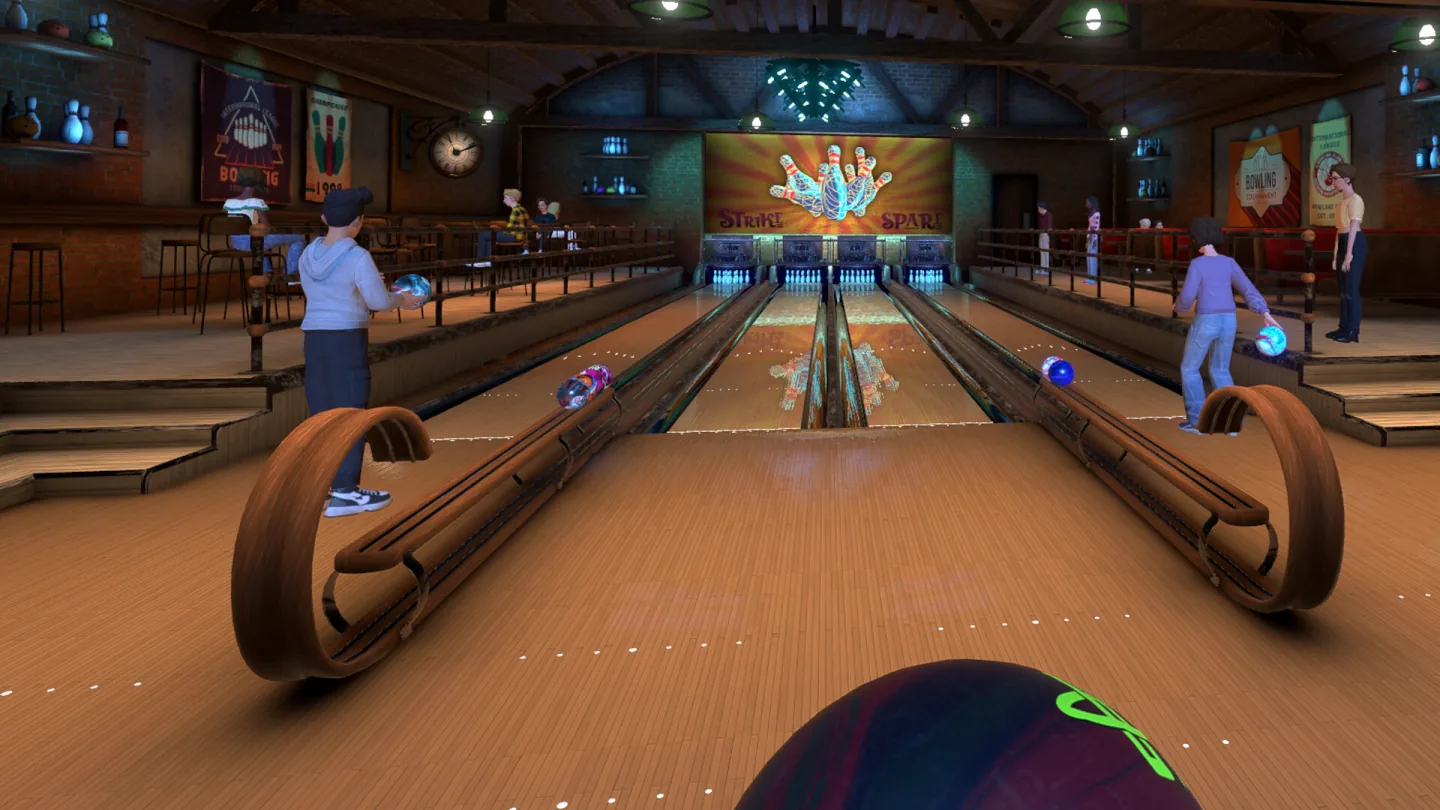
Bowling, darts and throwing
Throwing connects direction preparation, release timing and force allocation, scoring where the trajectory ends.
Premium Bowling ↗Combat sports
Combat sports connect distance, permitted actions and participant condition to scoring and stoppage rules.
The Thrill of the Fight - VR Boxing ↗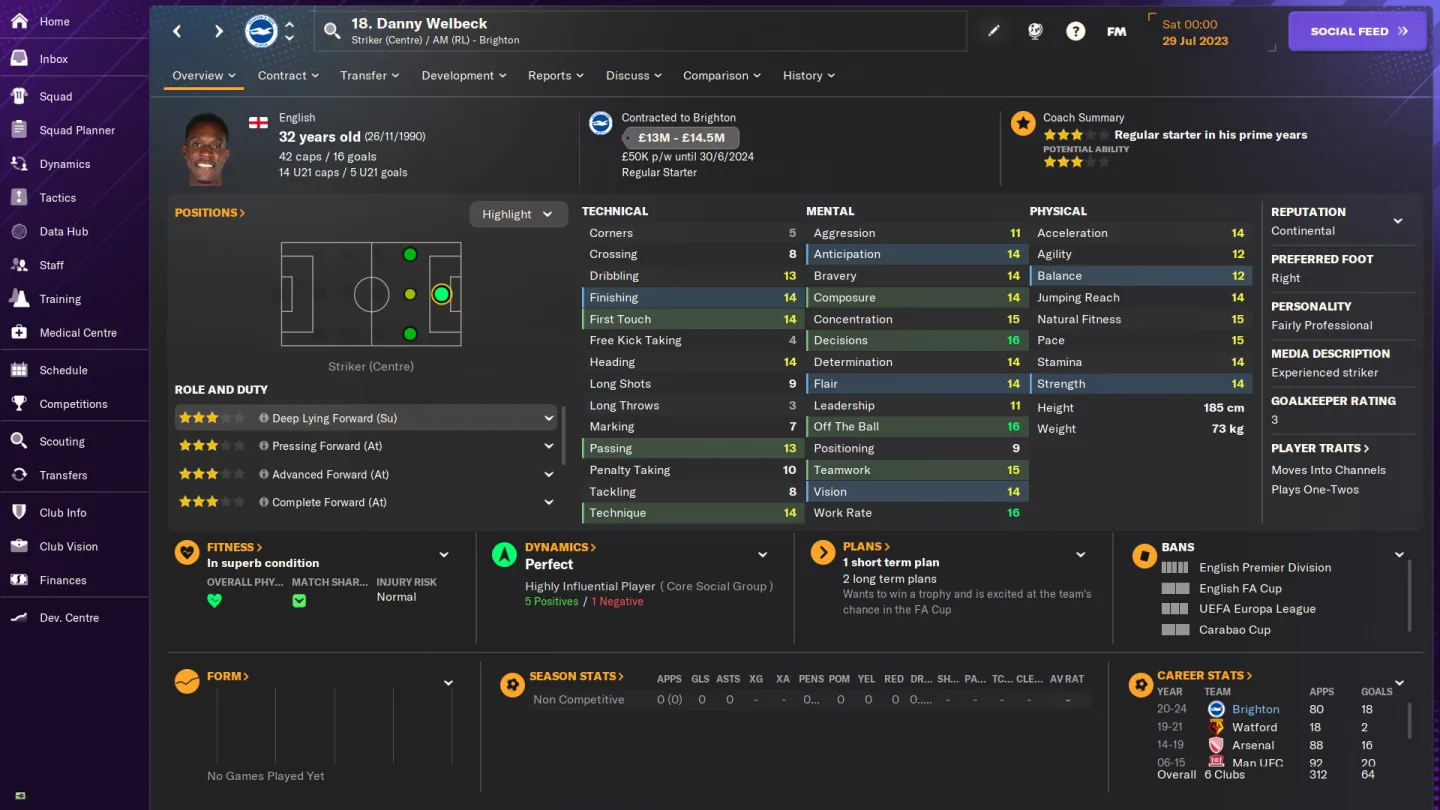
Team management and training
Team management distributes training time, roster slots and resources between current results and future participant development.
Football Manager 2024 ↗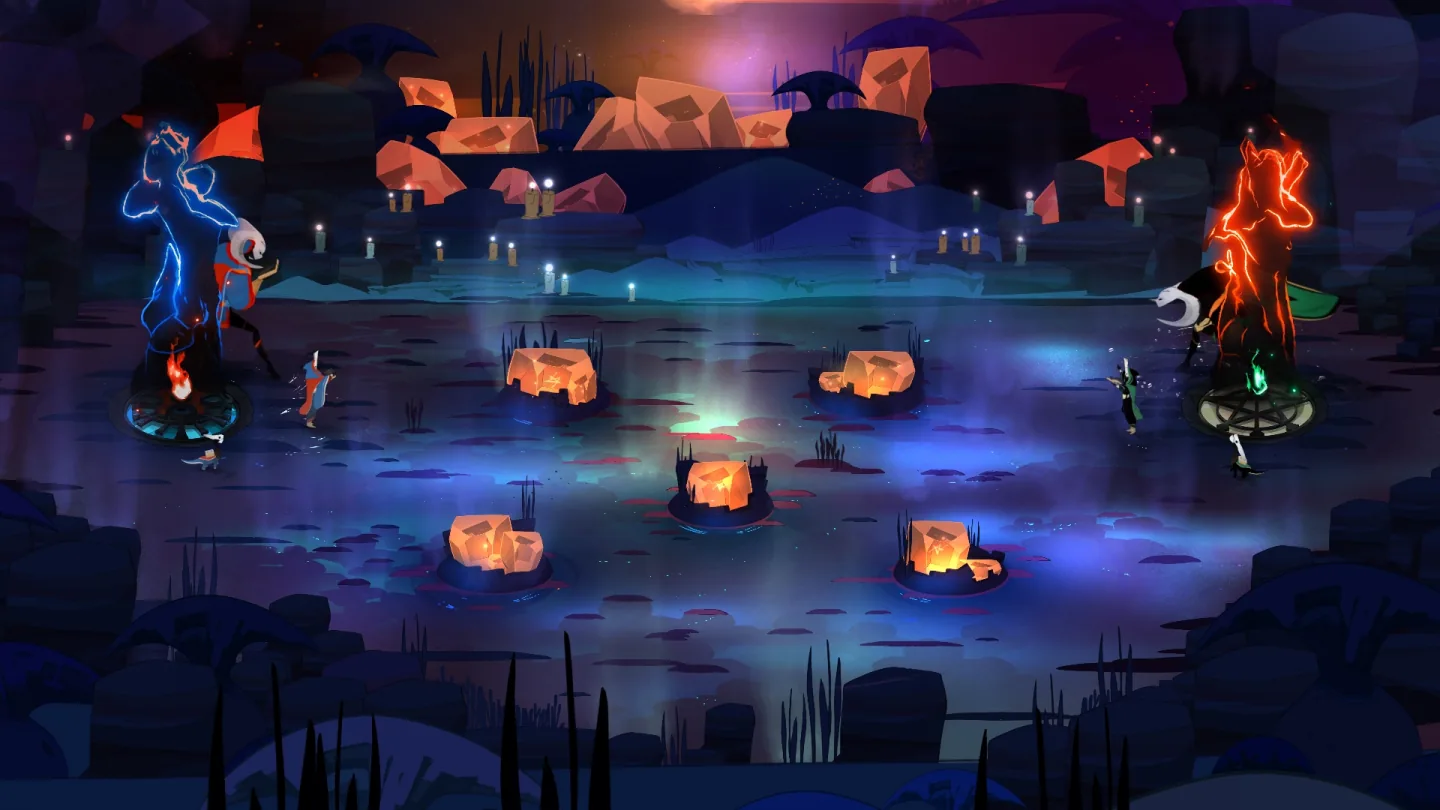
Fictional sports and hybrid rules
Fictional sports establish readable spatial rules and scoring conditions, then combine them with unusual movement.
Pyre ↗Visibility, noise and detection
Detection depends on observable signals, obstacles and observer attention, letting players manage the visibility of their actions.
Shadow Tactics: Blades of the Shogun ↗Suspicion, alerts and searching
Suspicion moves observers from routine behavior through investigation, alerts and searching for a last known target.
Deus Ex ↗Hiding bodies and traces
Hiding bodies and traces delays discovery of an action but costs time and can create new vulnerabilities.
Hitman: Absolution ↗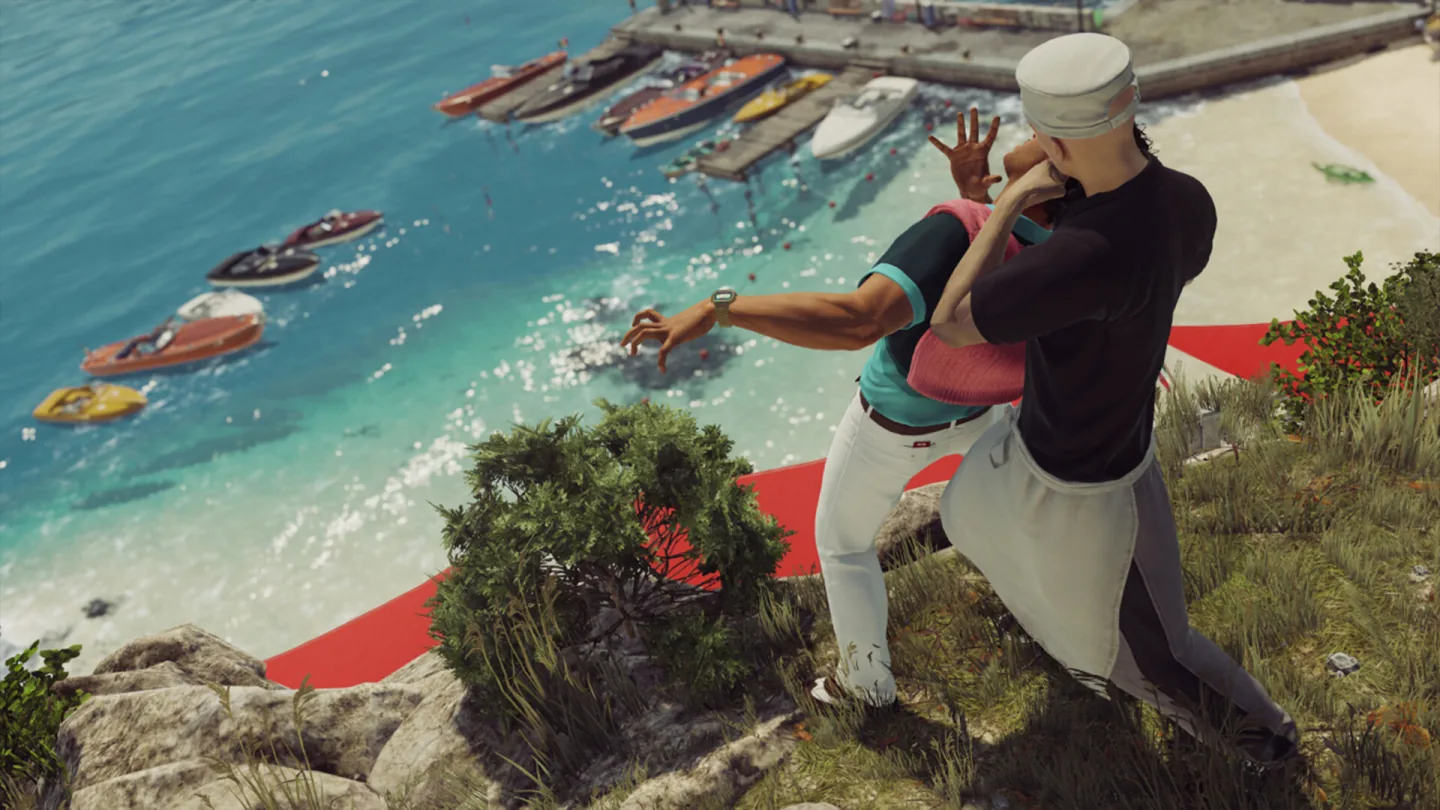
Disguises and social infiltration
Social infiltration uses an expected role instead of invisibility: access depends on clothing, behavior and recognition.
HITMAN World of Assassination ↗Lures, distractions and sabotage
Distraction changes observer priorities while sabotage changes the environment to prepare a later covert action.
Tom Clancy’s Splinter Cell ↗Surveillance and counter-surveillance
Tailing maintains contact, reconnaissance learns routines and counter-surveillance checks whether the observer has been exposed.
Call of Duty: Warzone (2022) ↗Heists and coordinated infiltration
Coordinated infiltration assigns dependent actions to roles and synchronizes them within a limited access window.
Shadow Tactics: Blades of the Shogun ↗Escape, chases and evading pursuit
Escape breaks pursuer contact through routes, obstacles and changed visibility rather than running speed alone.
Hunt: Showdown 1896 ↗Hunger, thirst and fatigue
Needs deplete readiness for action, requiring decisions about interrupting a task to recover.
NetHack (menucolors) ↗Weather, seasons and preparation
Weather and seasonal changes reward preparing supplies, routes and protection before a threat arrives.
No Man’s Sky ↗Shelters and safe places
A shelter turns dangerous space into recovery, storage and planning support, but requires siting and upkeep.
Hollow Knight ↗Gathering resources
The player finds a source, extracts material and carries it to where it is needed, weighing its value against collection time and danger.
Deep Rock Galactic ↗Crafting and technology discovery
Crafting connects materials, recipes and workstations to produce items or unlock the next technology.
Last Epoch ↗Modular construction
The player places prefabricated modules in valid locations. Their arrangement shapes the base, room access and working routes.
Spiritfarer ↗Structures and destruction
Structural stability depends on supports, connections and loads; failure changes load paths and usable geometry.
Spelunky ↗Hunting and predator-prey interactions
Hunting uses prey traces and behavior, while population changes affect future food availability and hazards.
Bulletstorm ↗Risk, extraction and securing loot
Risk increases potential gains, but banking a result is what protects it from loss in the next dangerous action.
Hunt: Showdown 1896 ↗Systemic interactions
Shared object properties produce several solutions, allowing players to transfer known rules into unanticipated combinations.
Half-Life 2 ↗Materials, deformation and destruction
Materials determine responses to force and damage; deformation and destruction create a new interaction structure.
Noita ↗Ecology and food relationships
An ecosystem connects food availability, population sizes and environmental conditions, allowing interventions to propagate.
Bulletstorm ↗Character routines and needs
Routines connect needs, available places and event memory to produce understandable daily character routes.
Wobbledogs ↗Creature training and taming
Creature training connects signals, actions and consequences to establish a clear, limited command vocabulary over time.
Final Fantasy XIV ↗Autonomous communities
An autonomous community distributes roles and resources without direct commands to each member, producing observable collective outcomes.
Palworld ↗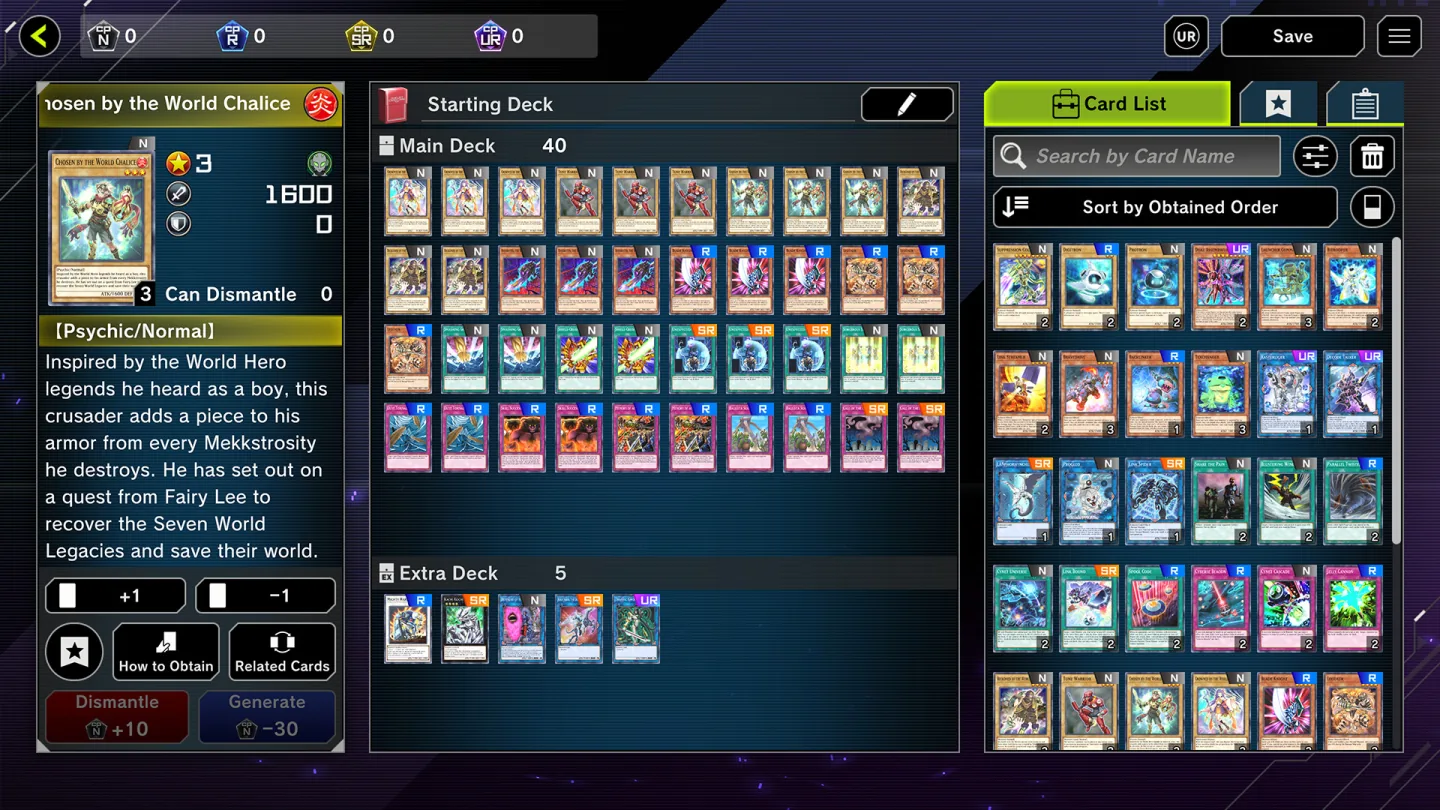
Pre-game deck construction
Decks are built before play under format constraints, setting tool ratios and the likelihood of useful combinations.
Yu-Gi-Oh! Master Duel ↗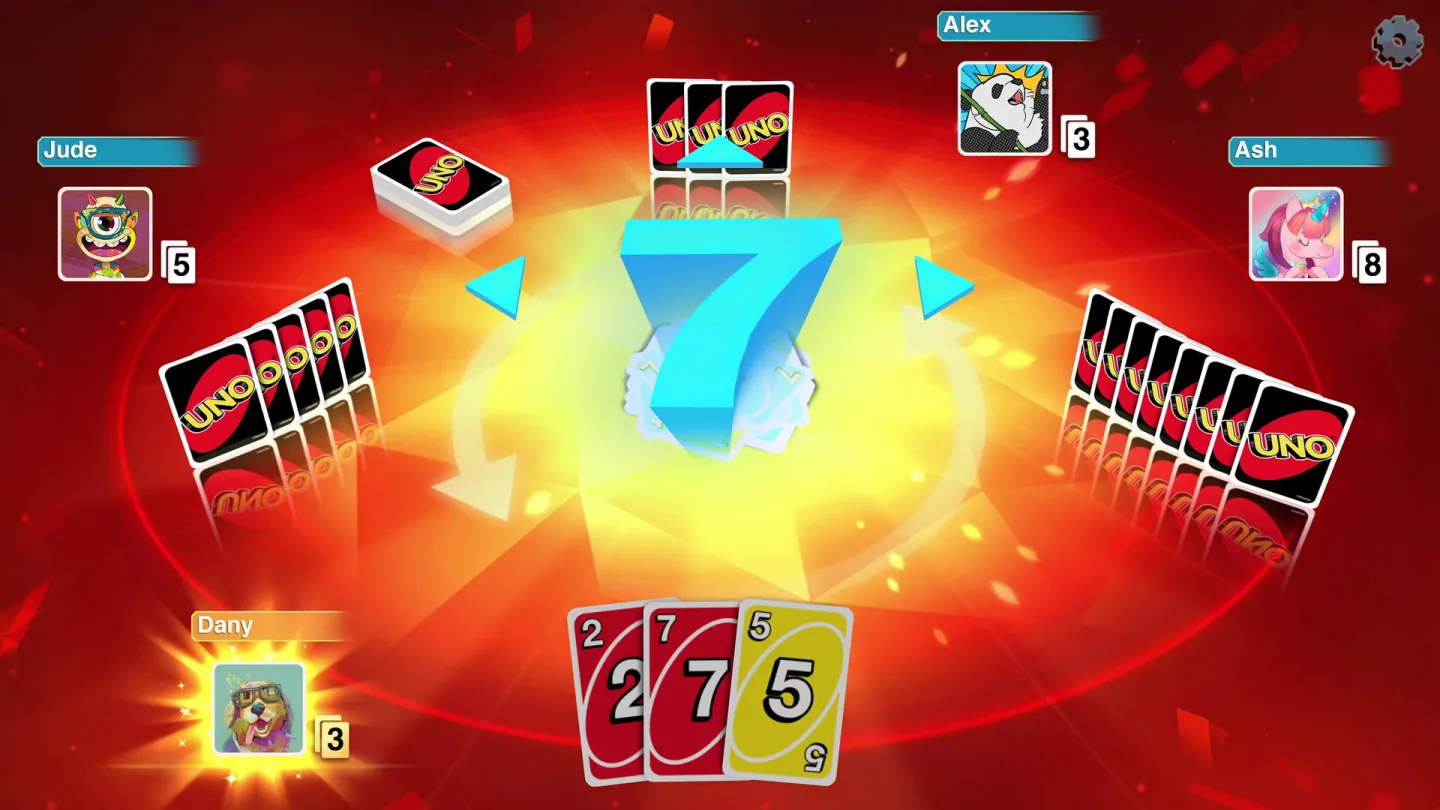
Tricks, shedding and card sets
Tricks, shedding and set rules change a card's value according to turn order and previously revealed cards.
UNO ↗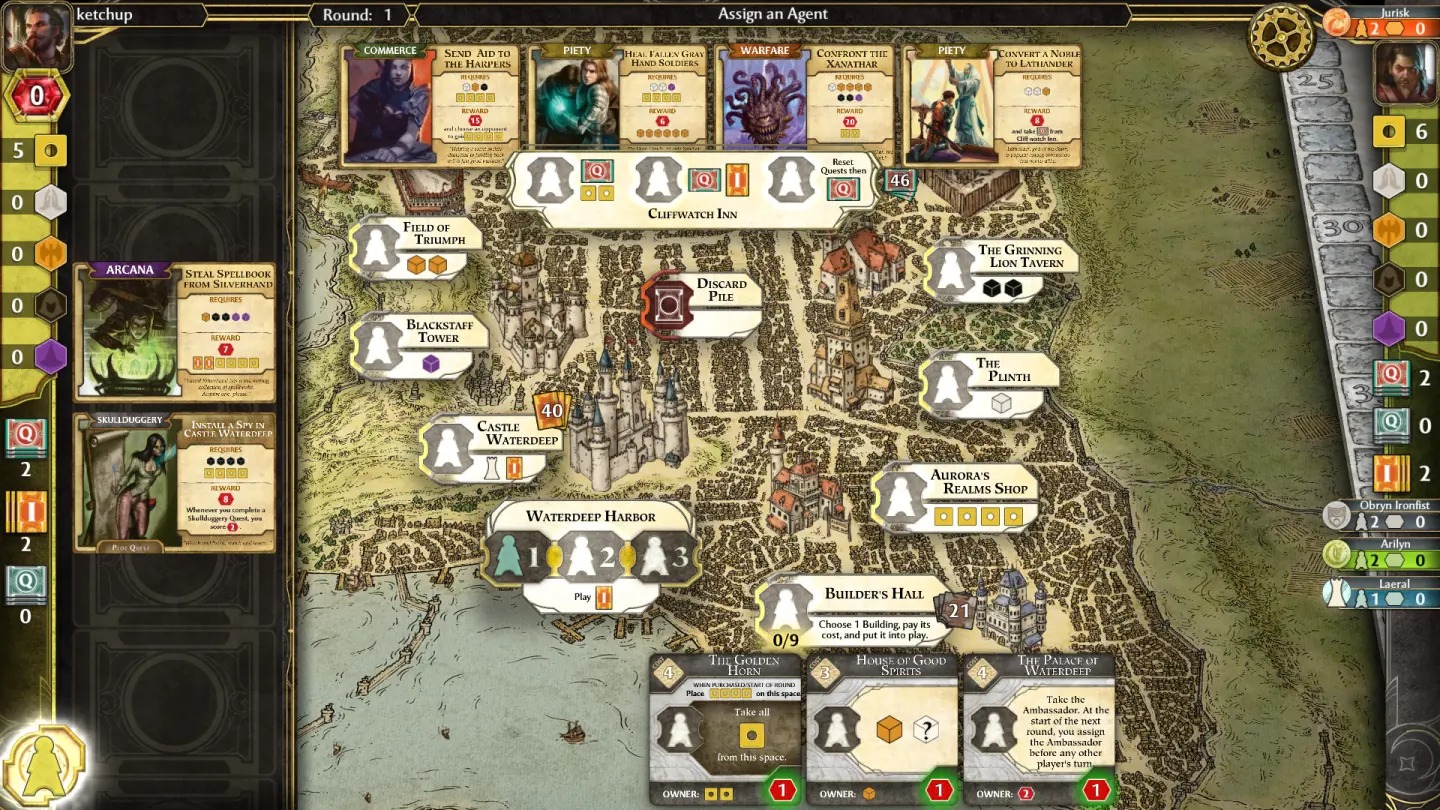
Worker placement and action selection
Workers reserve actions in a shared offer, so placement both grants a benefit and denies an opponent an opportunity.
D&D Lords of Waterdeep ↗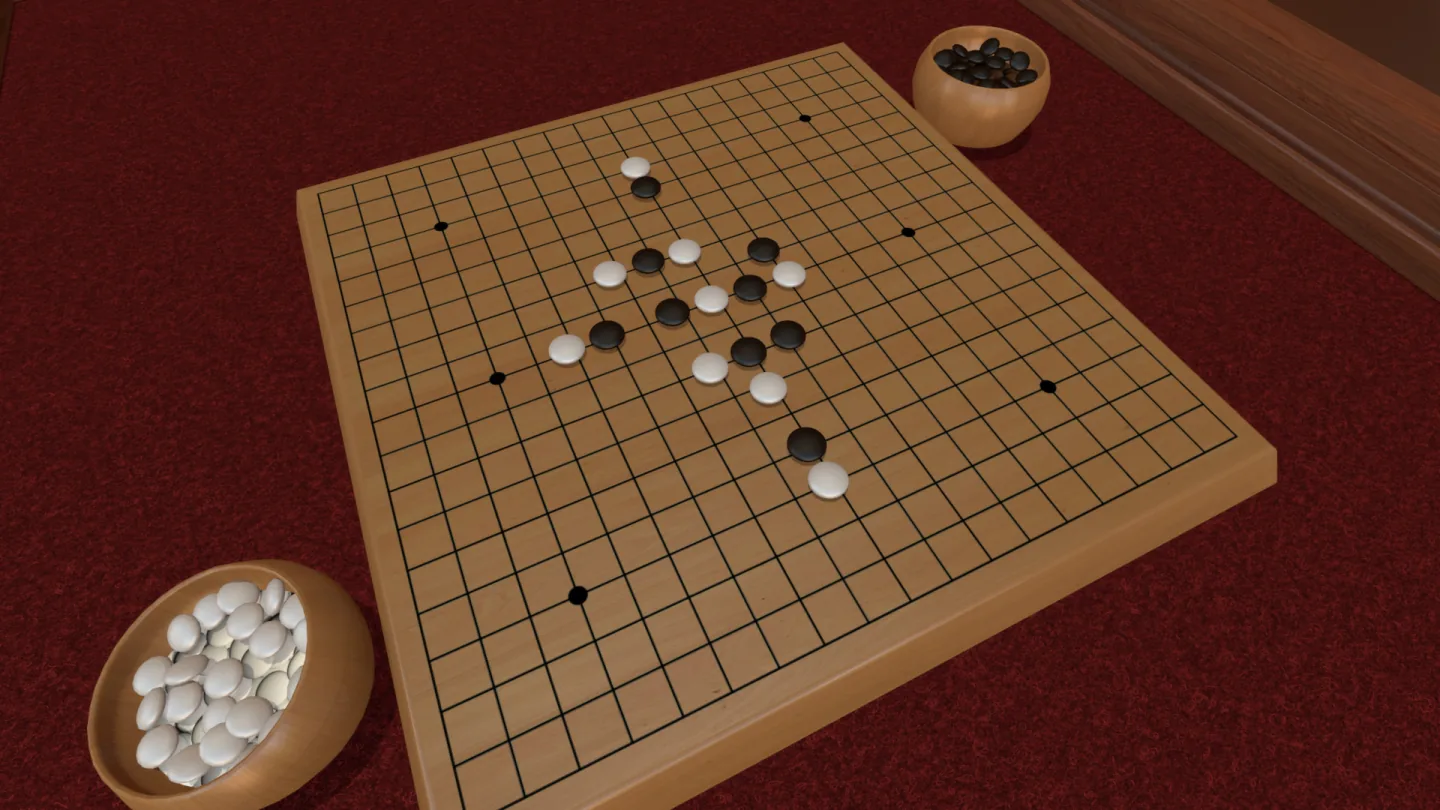
Areas, majority and enclosure
Influence is compared by presence, connectivity or enclosure, linking placement to the timing of a future scoring check.
Tabletop Simulator ↗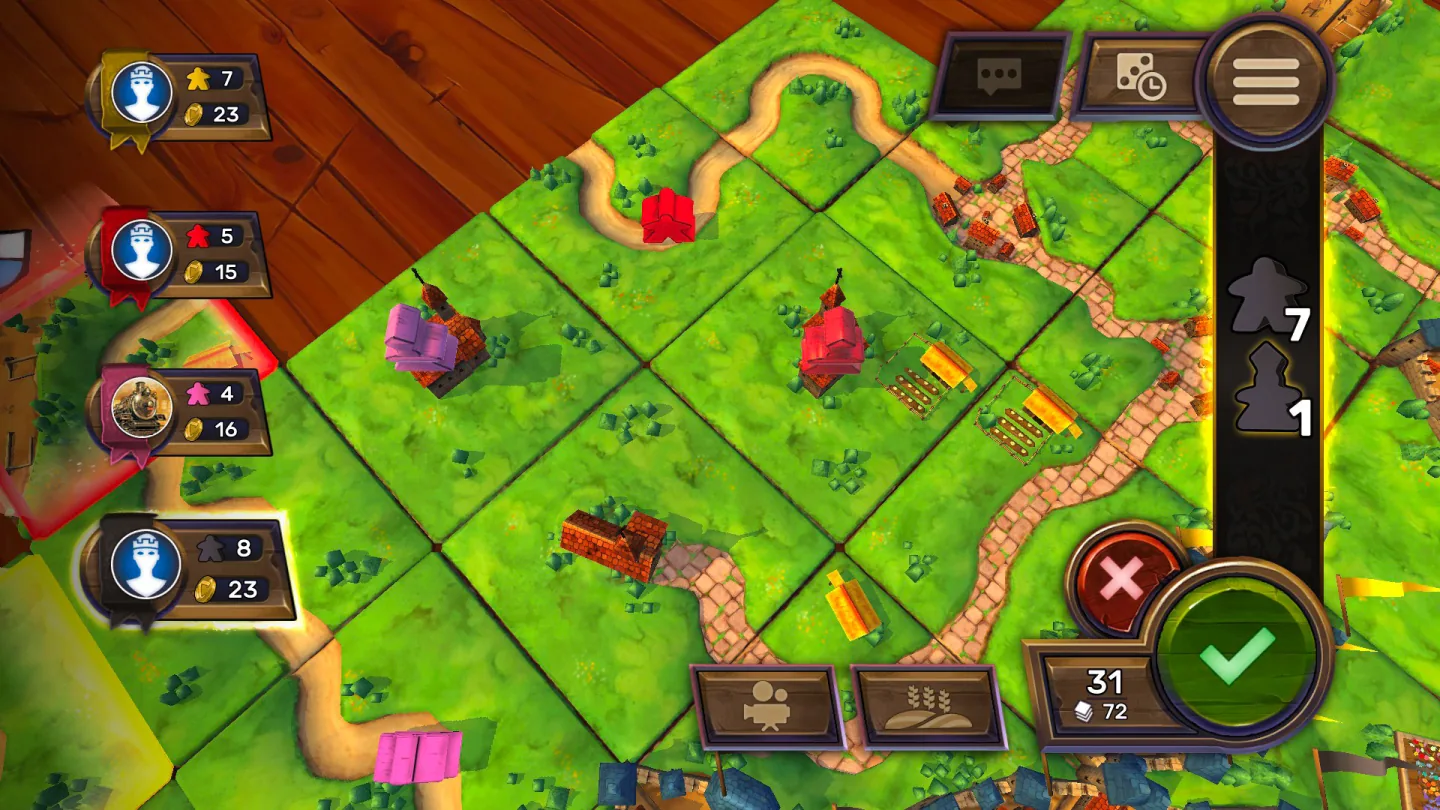
Tile placement and shared boards
Placing a tile changes a shared board and its legal continuations, requiring attention to edges and neighboring pieces.
Carcassonne - Tiles & Tactics ↗Dice, rerolls and result assignment
A roll supplies limited values; rerolling and assignment turn a random outcome into a manageable resource.
Dicey Dungeons ↗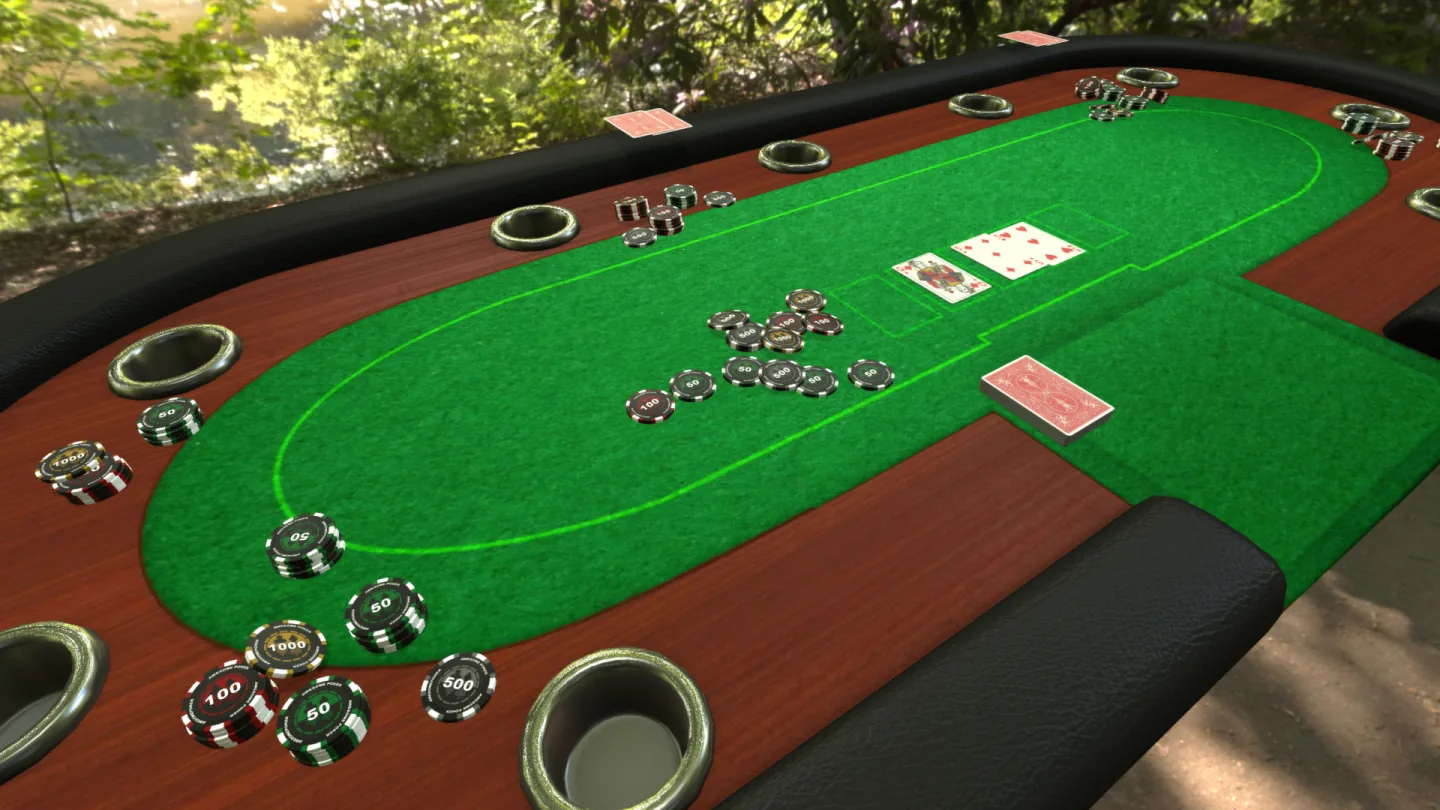
Betting, bluffing and pushing luck
The player chooses whether to continue an uncertain attempt, increasing rewards and the risk of losing unbanked gains.
Tabletop Simulator ↗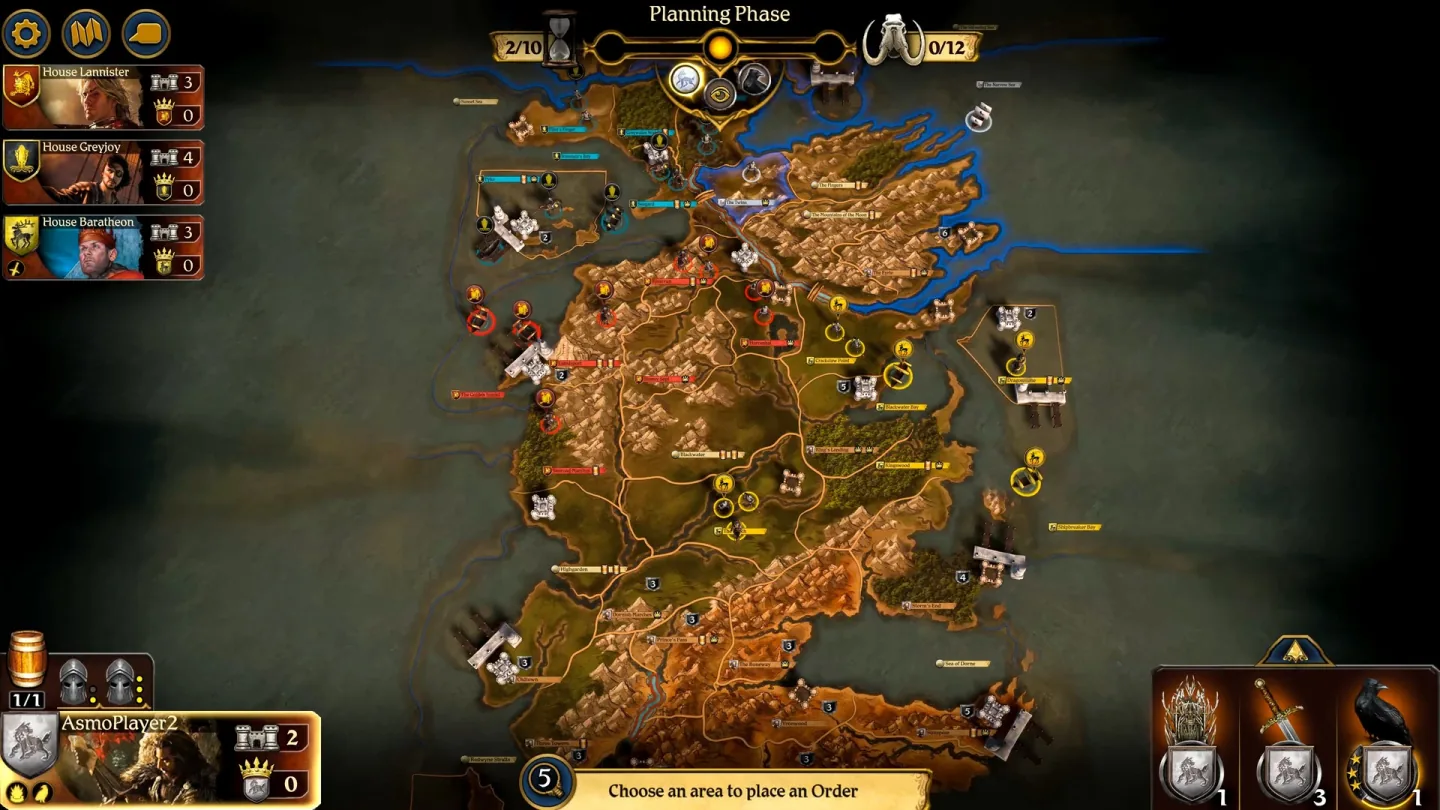
Hidden orders and simultaneous selection
Simultaneous hidden choices emphasize predicting intentions rather than reacting to an order already executed.
A Game of Thrones: The Board Game - Digital Edition ↗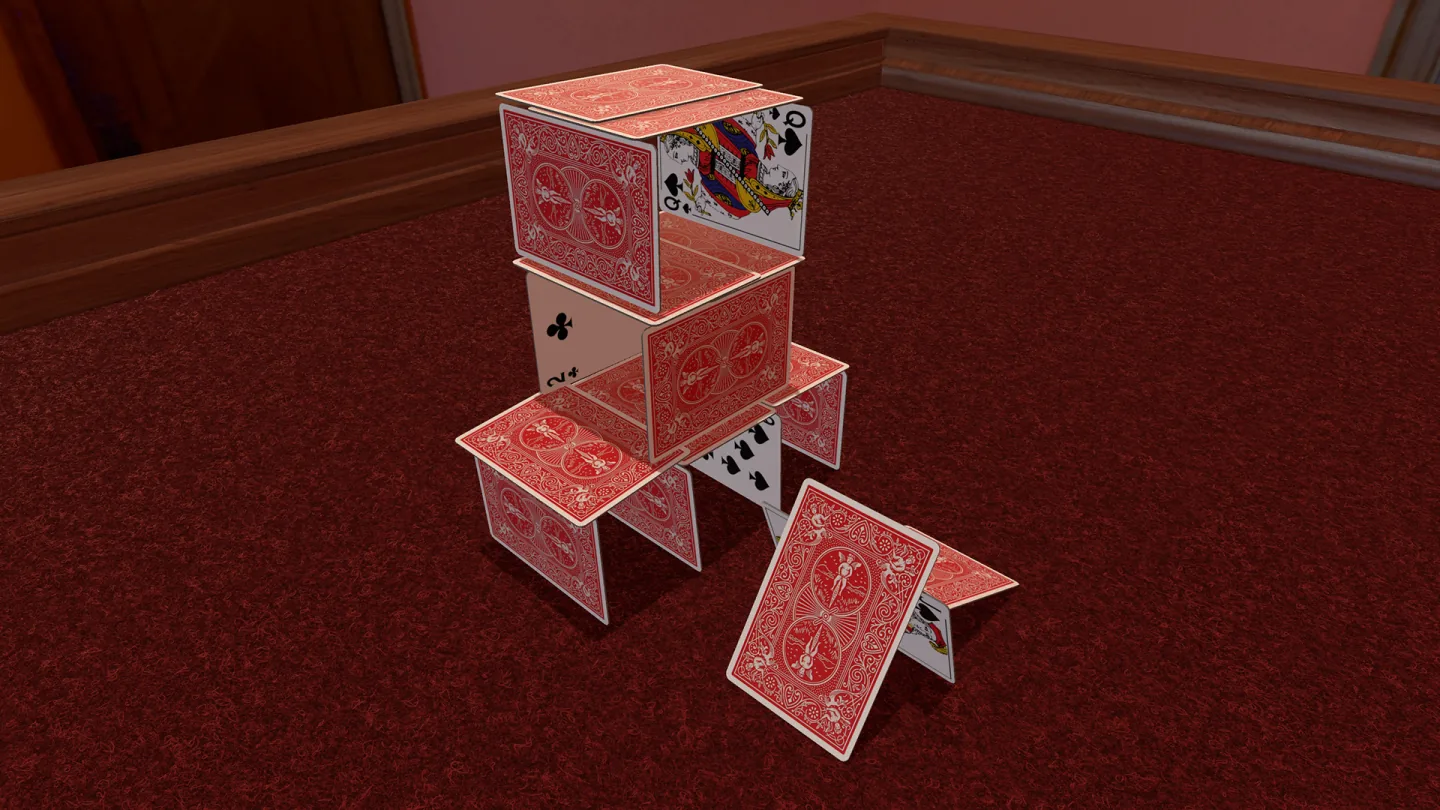
Tabletop spatial dexterity
Physical precision determines game-piece placement while a digital model translates the result into game state.
Tabletop Simulator ↗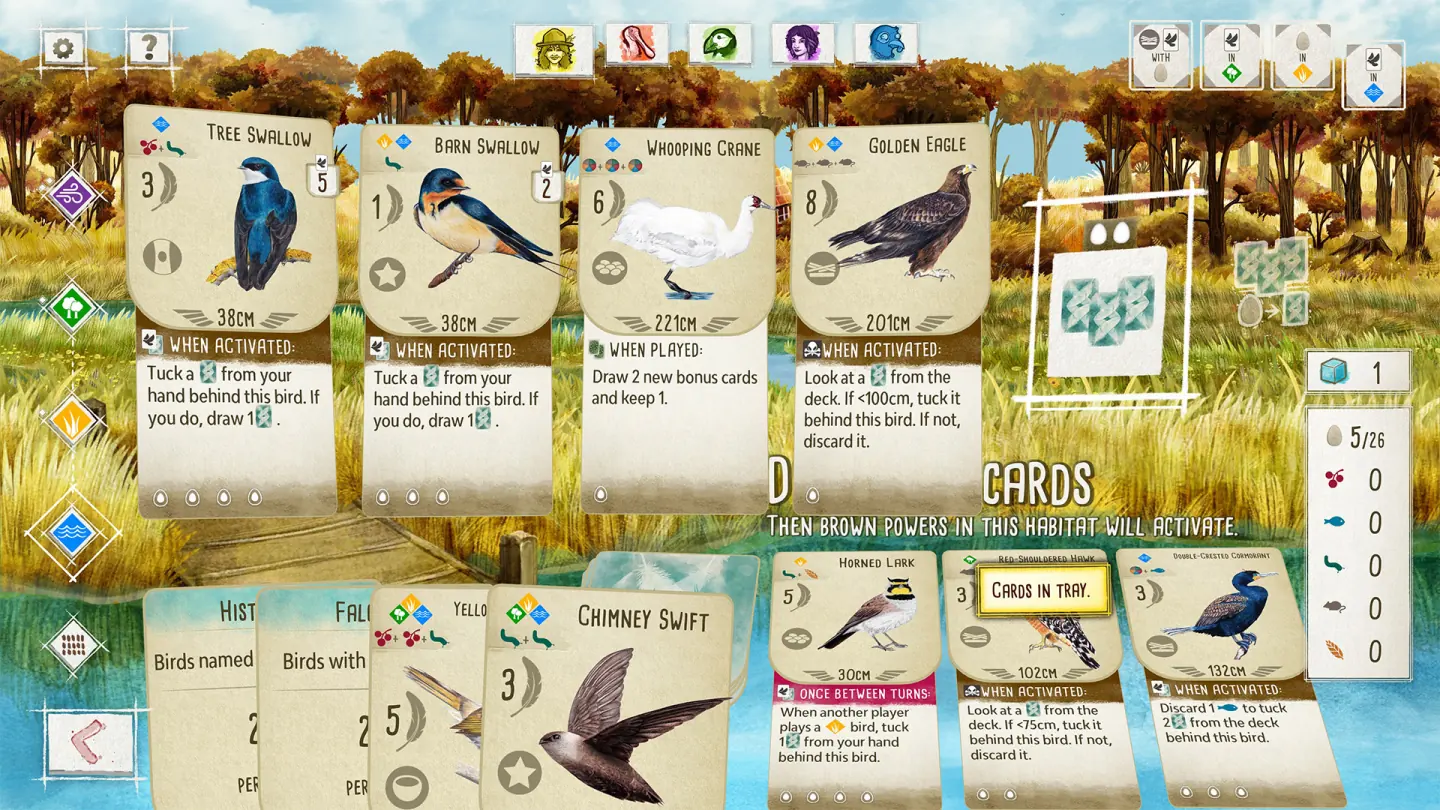
Drafting and shared offers
Drafting distributes elements through sequential selection: taking an item improves one participant and removes an option from others.
Wingspan ↗Changing time speed
Changing time speed creates analysis and execution opportunities, but requires explicit exceptions across world systems.
F.E.A.R. (2005) ↗Parallel timelines and causality
Multiple temporal states connect through causal rules, letting actions in one timeline change another's possibilities.
Day of the Tentacle Remastered ↗Recorded actions and copies
Recording turns an action sequence into a repeating participant with whom the current player can coordinate new actions.
Braid ↗Scale and reference frames
Changing scale or reference frames reshapes usable surfaces, distances and force directions.
Patrick's Parabox ↗Portals and topology
Portals connect nonadjacent regions while unusual topology changes expectations about routes, visibility and returning.
Patrick's Parabox ↗Changing rules and metagames
Players change an active rule or treat interface elements as world objects, expanding ordinary permitted transformations.
Baba Is You ↗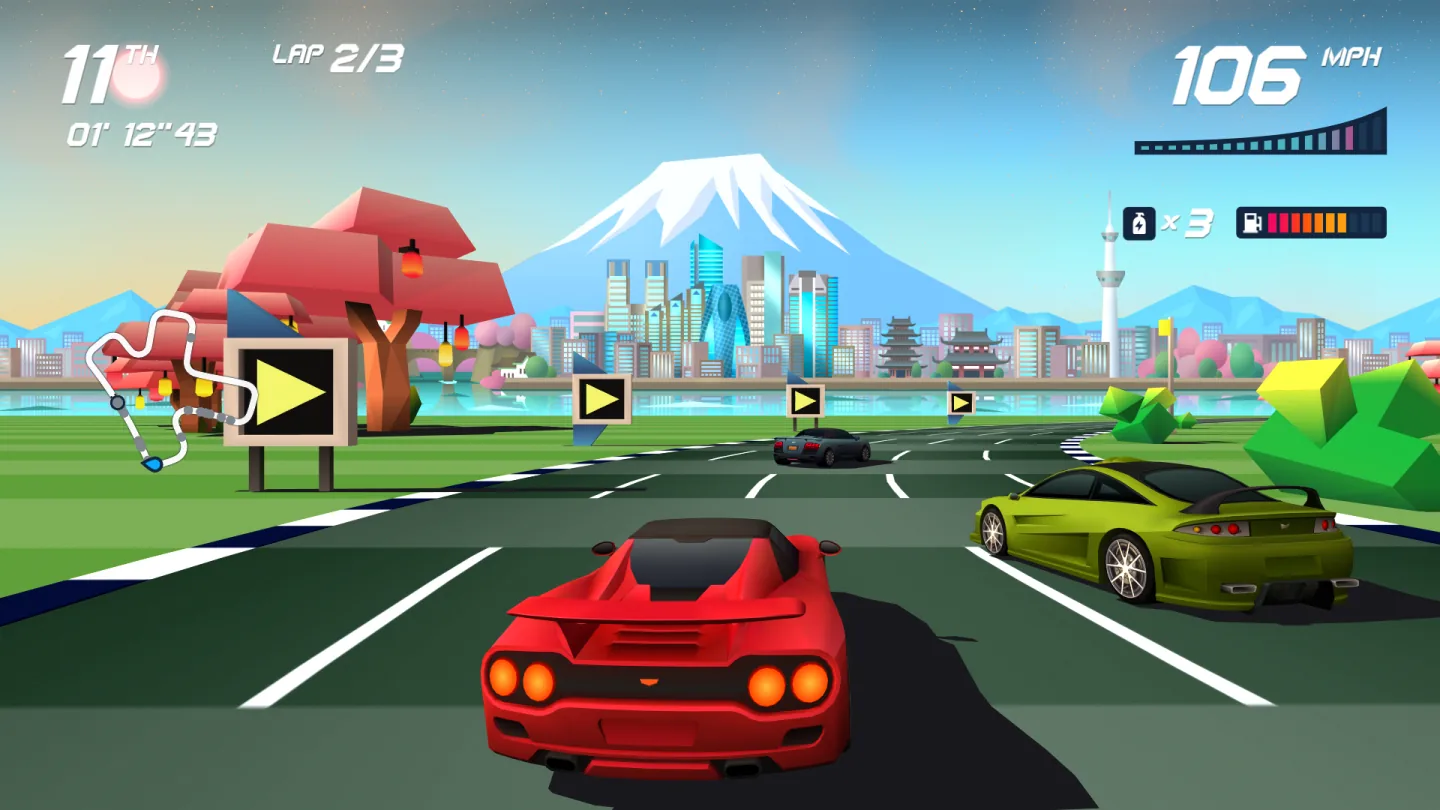
Arcade racing
Arcade racing makes lines, acceleration timing and positional contests readable through simplified vehicle motion.
Horizon Chase Turbo ↗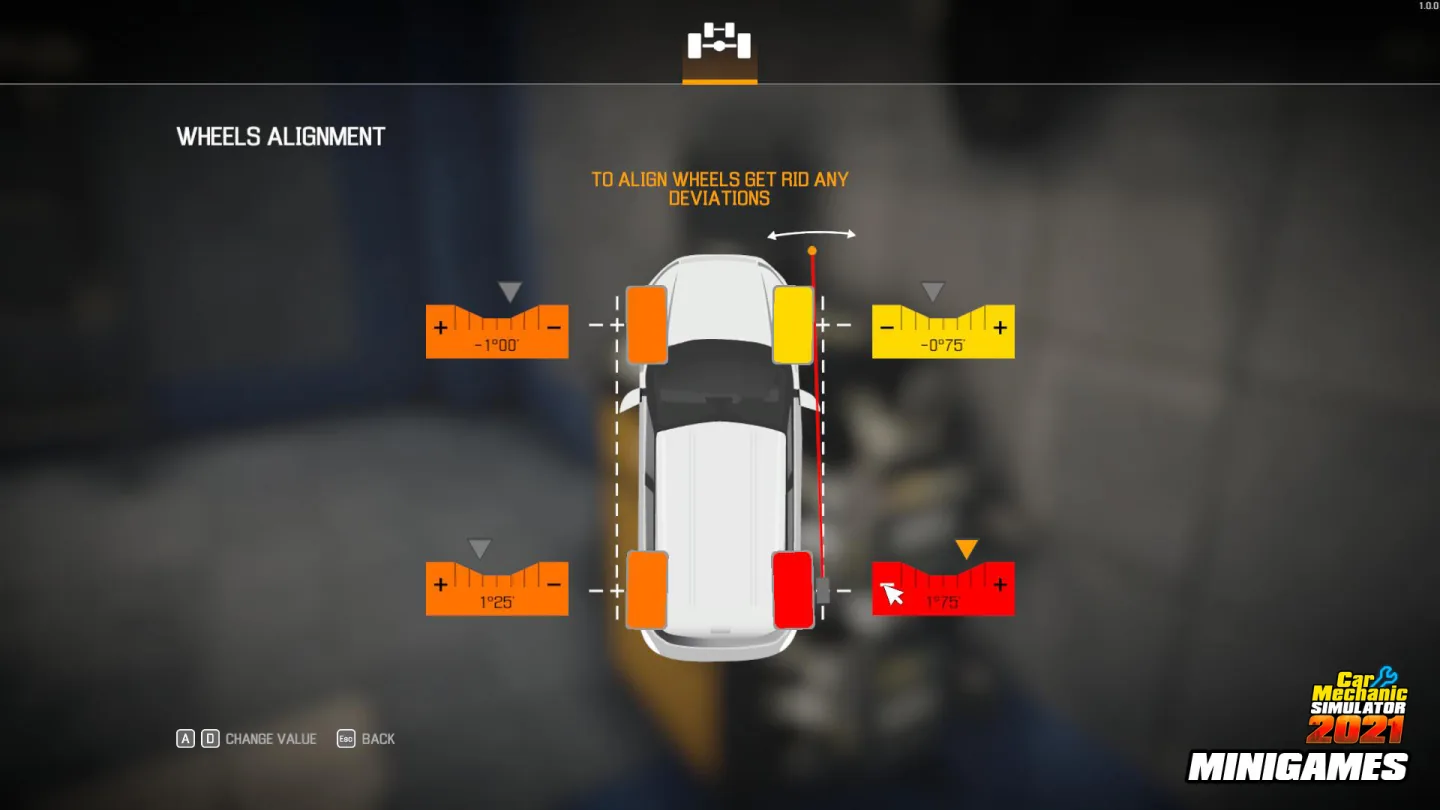
Driving simulators and car tuning
Vehicle setup changes track behavior to align handling, component endurance and a selected driving style.
Car Mechanic Simulator 2021 ↗
Rally, off-road driving and traction
Changing grip connects line choices to surface conditions and the next section rather than one constant cornering speed.
DiRT Rally 2.0 ↗
Drifting, stunts and skid control
Controlled skids and stunts turn reduced grip into scored actions with deliberate entry, sustain and recovery phases.
Assetto Corsa ↗
Combat racing and pursuit
Combat racing adds target and defense choices to speed management, changing the field's order along a route.
GRIP: Combat Racing ↗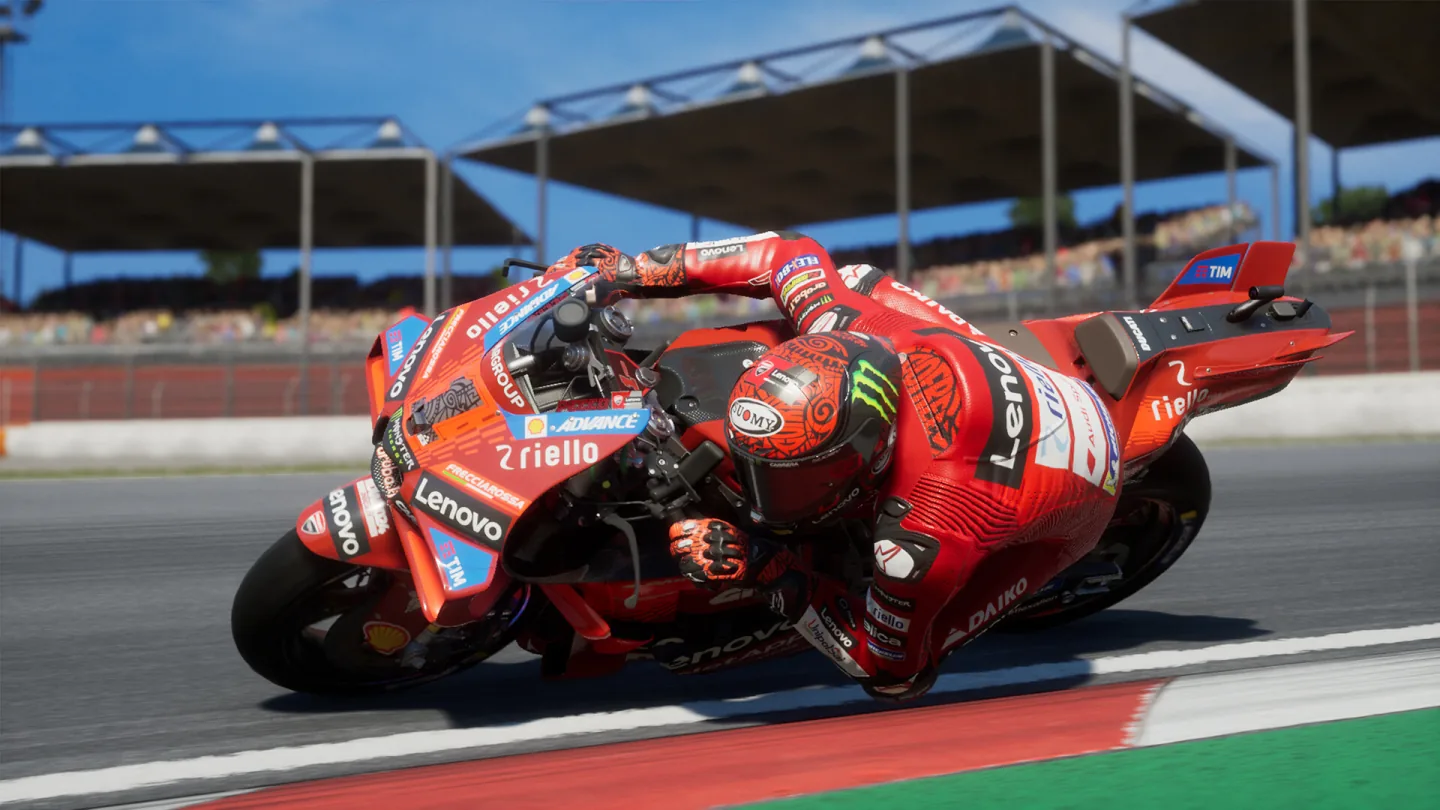
Motorsport and balance
Two-wheeled vehicles connect turning and stability to balance, line selection and handling uneven surfaces.
MotoGP™24 ↗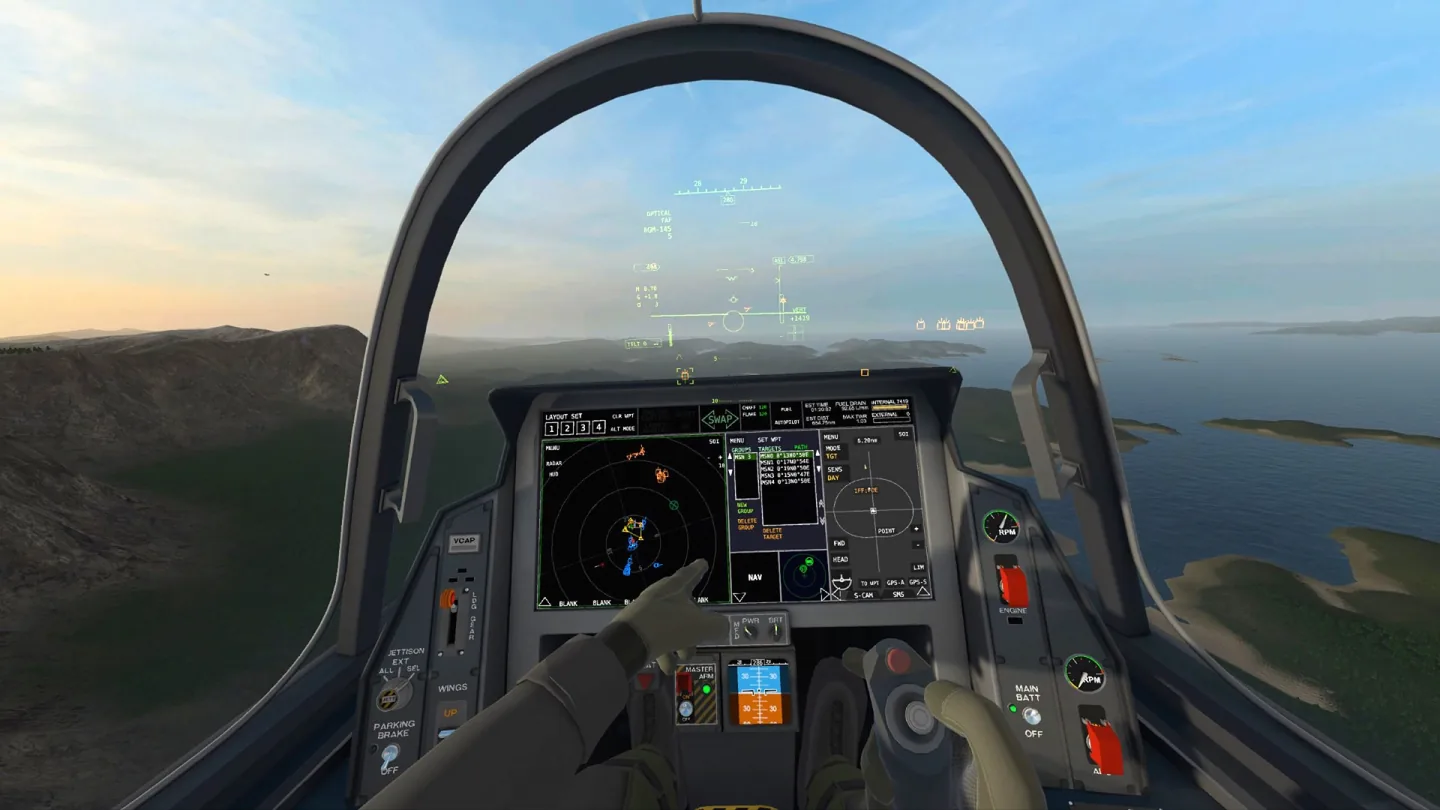
Aviation and aerial combat
Flight connects orientation, speed and energy reserves while aerial combat adds advantageous approach selection.
VTOL VR ↗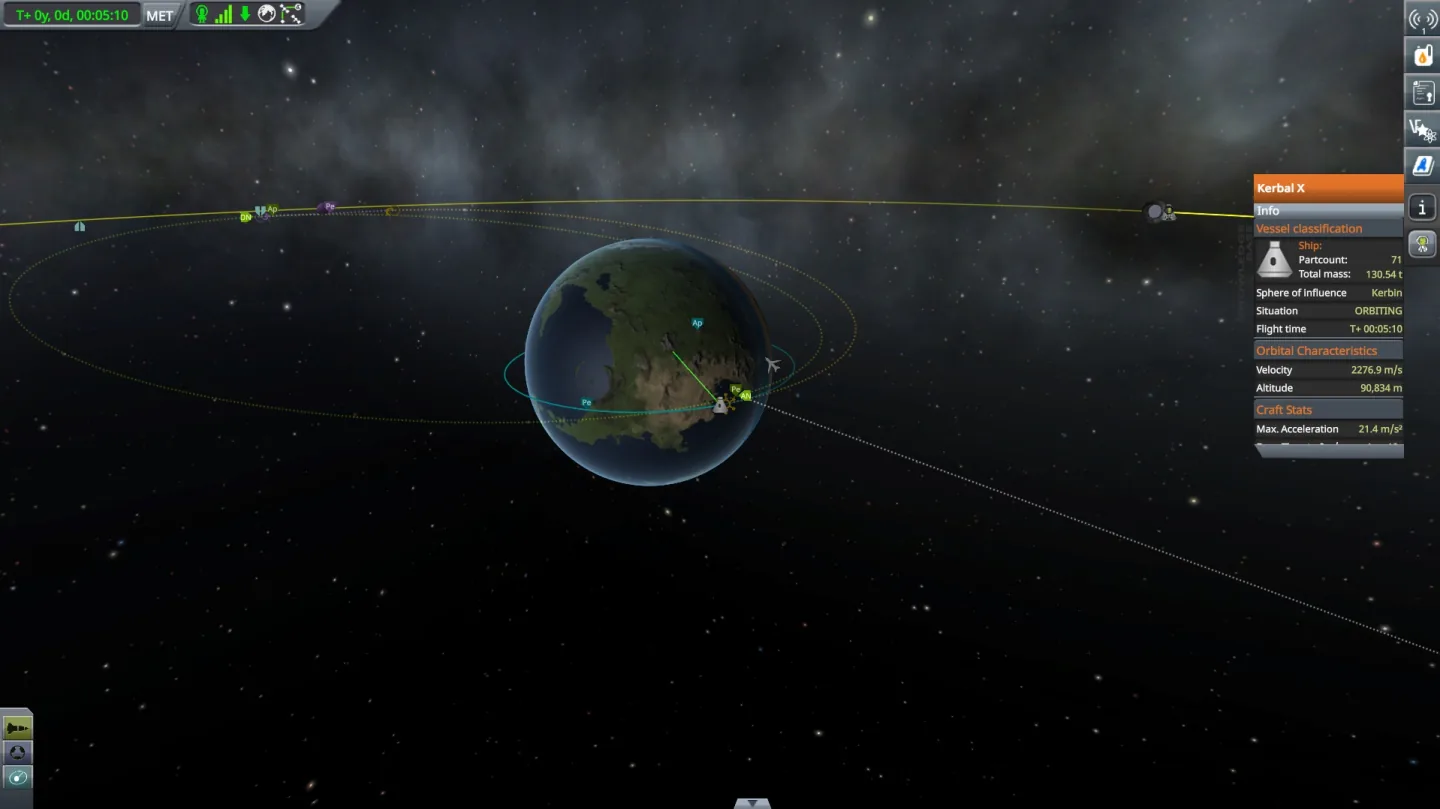
Spaceflight and orbital maneuvers
Space maneuvers change trajectories through thrust, requiring planning reserves and later encounters rather than continuously steering at a target.
Kerbal Space Program ↗Ships and underwater craft
Marine controls connect inertia and environment to routing, while submersibles add depth choice and limited visibility.
Subnautica ↗Transport operation simulators
Transport operations align timetables, capacity and stops with route constraints and passenger or cargo needs.
Euro Truck Simulator 2 ↗No matches. Try another word.