---
key: mechanic/systemic-worlds--t260
type: mechanic
id: systemic-worlds--t260
lang: en
title: Systemic interactions and immersive sims
summary: >-
Shared object properties produce several solutions, allowing players to
transfer known rules into unanticipated combinations.
updatedAt: '2026-10-22'
status: active
url: 'https://gamemechanics.pro/en/knowledge/mechanic/systemic-worlds--t260/'
jsonUrl: >-
https://gamemechanics.pro/api/v1/knowledge/en/mechanic/systemic-worlds--t260.json
markdownUrl: >-
https://gamemechanics.pro/content/knowledge/en/mechanic/systemic-worlds--t260.md
aliases:
- Systemic interactions
tags:
- 'Systemic worlds, randomness and NPC behavior'
- Mechanics and variants
sourceIds:
- source-3817d420df0baa92
- source-f32caf4ef72183bb
sources:
- id: source-3817d420df0baa92
title: 'Robert Nystrom: State'
url: >-
https://github.com/munificent/game-programming-patterns/blob/master/book/state.markdown
verifiedAt: null
- id: source-f32caf4ef72183bb
title: Half-Life 2
url: 'https://gamemechanics.org/patterns/telekinesis'
verifiedAt: null
relations:
- type: uses
direction: outgoing
label: Sources in the selection
key: resource/state-pattern
title: 'State: Game Programming Patterns'
url: 'https://gamemechanics.pro/en/resources/#resource-state-pattern'
jsonUrl: 'https://gamemechanics.pro/api/v1/knowledge/en/resource/state-pattern.json'
markdownUrl: 'https://gamemechanics.pro/content/knowledge/en/resource/state-pattern.md'
placements:
- catalogId: systemic-worlds
id: t260
title: 'Systemic worlds, randomness and NPC behavior'
url: 'https://gamemechanics.pro/en/mechanics/systemic-worlds/#t260'
categoryIds:
- mechanics
supersededBy: []
attributes:
preview:
updatedAt: '2026-10-22'
title: Systemic interactions
description: >-
Shared object properties produce several solutions, allowing players to
transfer known rules into unanticipated combinations.
image:
src: images/mechanics/impact-telekinesis.webp
width: 600
height: 332
game: Half-Life 2
sourceUrl: 'https://gamemechanics.org/patterns/telekinesis'
originalUrl: 'https://cdn.gamemechanics.org/webm/half_life_2_gravity_gun_saw.webm'
sourceFrameSeconds: 6.1
credit: Valve; frame from clip via GameMechanics.org
rights: >-
Game imagery © its respective rights holders. Source host:
GameMechanics.org. Visible source watermarks preserved. All rights
reserved; excluded from MIT and CC BY 4.0.
caption: The Gravity Gun holds a saw blade at a distance
alt: 'Half-Life 2: The Gravity Gun holds a saw blade at a distance.'
markers:
- x: 55
'y': 44
label: Object held in the air
- x: 66
'y': 70
label: Device for remote manipulation
tips:
- Apply shared object properties across different problem contexts.
examples:
- title: Half-Life 2
url: 'https://gamemechanics.org/patterns/telekinesis'
endsAt: null
provenance: >-
Original bilingual editorial overviews authored for gamemechanics.pro on
2026-10-20 and reviewed on 2026-10-21. Scenarios are hypothetical design
examples; prototype checks describe work to perform, not completed playtests.
Primary sources support the stated techniques and implementation context, not
every proposed variant.
license: CC-BY-4.0
codeLicense: MIT
attribution: gamemechanics.pro contributors
catalogKey: catalog/systemic-worlds
---
# Systemic interactions and immersive sims
id: systemic-worlds--t260
type: mechanic
key: mechanic/systemic-worlds--t260
lang: en
status: active
url: https://gamemechanics.pro/en/knowledge/mechanic/systemic-worlds--t260/
Shared object properties produce several solutions, allowing players to transfer known rules into unanticipated combinations.
## At a glance
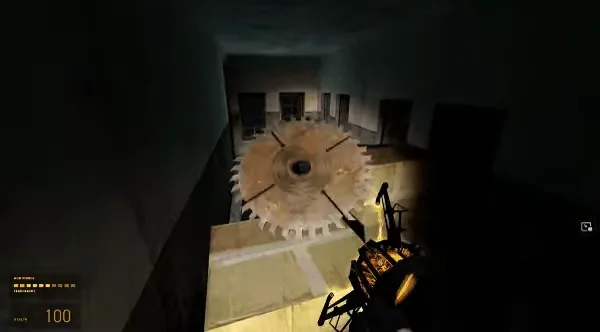
[Half-Life 2](https://gamemechanics.org/patterns/telekinesis) · Game imagery © its respective rights holders. Source host: GameMechanics.org. Visible source watermarks preserved. All rights reserved; excluded from MIT and CC BY 4.0.
[Source recording](https://cdn.gamemechanics.org/webm/half_life_2_gravity_gun_saw.webm), 6.1 s
1. Object held in the air
2. Device for remote manipulation
- Apply shared object properties across different problem contexts.
- [Half-Life 2](https://gamemechanics.org/patterns/telekinesis)
## How it works
Shared object properties produce several solutions, allowing players to transfer known rules into unanticipated combinations.
## Variants
### Mechanic variants
- Materials determine responses to effects.
- Environments carry effects between objects.
- Tools work beyond a scripted target.
- Consequences persist after the player leaves.
## Design example
A metal crate becomes a conductor, pressure-plate weight or movable cover under shared rules.
Prototype check: Test one property across object classes so visually identical rules do not hide inconsistent exceptions.
## Context and limits
A systemic world applies shared rules to multiple objects so players can predict new combinations from known interactions. Each overview separates player actions, state changes and alternative rules. Examples are hypothetical design scenarios, not claims about a named game. A prototype check states an observable question for the next iteration. Existing detailed references remain separately linked from the direction map.
## Connected materials
- Sources in the selection: [State: Game Programming Patterns](https://gamemechanics.pro/en/resources/#resource-state-pattern) (key: resource/state-pattern)
## Sources and provenance
Original bilingual editorial overviews authored for gamemechanics.pro on 2026-10-20 and reviewed on 2026-10-21. Scenarios are hypothetical design examples; prototype checks describe work to perform, not completed playtests. Primary sources support the stated techniques and implementation context, not every proposed variant.
- [Robert Nystrom: State](https://github.com/munificent/game-programming-patterns/blob/master/book/state.markdown) (id: source-3817d420df0baa92)
- [Half-Life 2](https://gamemechanics.org/patterns/telekinesis) (id: source-f32caf4ef72183bb)
CC-BY-4.0 · gamemechanics.pro contributors