---
key: mechanic/phone-haptics--family-simulation
type: mechanic
id: phone-haptics--family-simulation
lang: en
title: 'Transport, machines and physical processes'
summary: >-
The tactile signal follows a physics model. HapticBounce produces stronger
feedback when the ball hits the screen edge faster.
updatedAt: '2026-10-22'
status: active
url: >-
https://gamemechanics.pro/en/knowledge/mechanic/phone-haptics--family-simulation/
jsonUrl: >-
https://gamemechanics.pro/api/v1/knowledge/en/mechanic/phone-haptics--family-simulation.json
markdownUrl: >-
https://gamemechanics.pro/content/knowledge/en/mechanic/phone-haptics--family-simulation.md
aliases:
- 'Vehicles, machines and physics'
tags:
- Phone haptics
- Mechanics catalog
sourceIds:
- source-9d42f9812f951dea
sources:
- id: source-9d42f9812f951dea
title: HapticBounce (Apple sample)
url: 'https://developer.apple.com/videos/play/wwdc2019/520/'
verifiedAt: null
relations: []
placements:
- catalogId: phone-haptics
id: family-simulation
title: Phone haptics
url: 'https://gamemechanics.pro/en/mechanics/phone-haptics/#family-simulation'
categoryIds:
- section-1
supersededBy: []
attributes:
preview:
updatedAt: '2026-10-22'
title: 'Vehicles, machines and physics'
description: >-
The tactile signal follows a physics model. HapticBounce produces stronger
feedback when the ball hits the screen edge faster.
image:
src: images/mechanics/haptic-apple-bounce-965.webp
width: 640
height: 360
crop:
x: 60
'y': 20
width: 520
height: 275
game: HapticBounce (Apple sample)
sourceUrl: 'https://developer.apple.com/videos/play/wwdc2019/520/'
originalUrl: >-
https://devstreaming-cdn.apple.com/videos/wwdc/2019/520gfafwrte8ytre/520/520_sd_introducing_core_haptics.mp4?dl=1
sourceFrameSeconds: 965
credit: Apple / WWDC 2019
rights: >-
© Apple. Frame from Introducing Core Haptics, WWDC 2019 session 520. All
rights reserved; excluded from MIT and CC BY 4.0.
caption: 'HapticBounce: a sample linking a tactile pulse to a collision'
alt: 'HapticBounce: a sample linking a tactile pulse to a collision'
markers:
- x: 20
'y': 68
label: The ball’s collisions trigger audio and haptic feedback
tips:
- >-
Choose a model parameter for signal strength and bound its maximum
level.
examples:
- title: HapticBounce (Apple sample)
url: 'https://developer.apple.com/videos/play/wwdc2019/520/'
endsAt: null
provenance: >-
Original editorial design catalog consolidated from project discussions on
2026-10-20. Complete discussion item lists and contextual limitations are
preserved; linked primary sources support specific techniques, not the entire
classification. English translation was prepared with machine assistance and
editorial review.
license: CC-BY-4.0
codeLicense: MIT
attribution: gamemechanics.pro contributors
catalogKey: catalog/phone-haptics
---
# Transport, machines and physical processes
id: phone-haptics--family-simulation
type: mechanic
key: mechanic/phone-haptics--family-simulation
lang: en
status: active
url: https://gamemechanics.pro/en/knowledge/mechanic/phone-haptics--family-simulation/
The tactile signal follows a physics model. HapticBounce produces stronger feedback when the ball hits the screen edge faster.
## At a glance
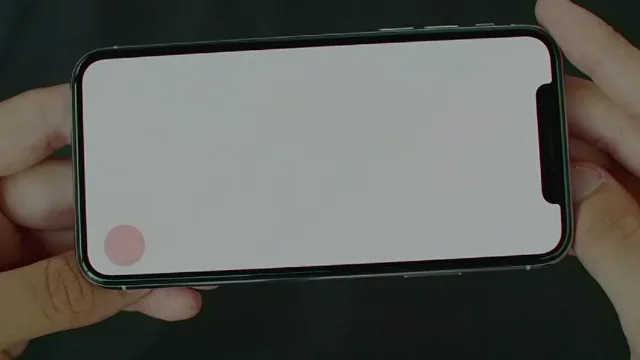
[HapticBounce (Apple sample)](https://developer.apple.com/videos/play/wwdc2019/520/) · © Apple. Frame from Introducing Core Haptics, WWDC 2019 session 520. All rights reserved; excluded from MIT and CC BY 4.0.
[Source recording](https://devstreaming-cdn.apple.com/videos/wwdc/2019/520gfafwrte8ytre/520/520_sd_introducing_core_haptics.mp4?dl=1), 965 s
1. The ball’s collisions trigger audio and haptic feedback
- Choose a model parameter for signal strength and bound its maximum level.
- [HapticBounce (Apple sample)](https://developer.apple.com/videos/play/wwdc2019/520/)
## How it works
The signal is associated with the state of the model, rather than adding arbitrary noise.
## Variants
### Variants and applications
- Engine and speed. Role: Feedback. Features: Rich tactility. Input: status. Rule: The envelope or pulse density changes with engine mode, helping to differentiate between idle and load. Applications: Racing, engineering, space sims. Limitations: Do not promise to control the physical frequency of the motor on all phones.
- Changing gear. Role: Mechanics. Features: Basic impulses. Input: touch. Rule: The pattern reports a suitable switching window; a separate push confirms the gear change. Application: Drag racing, manual transmission in the game. Limitations: Warning and confirmation must be different.
- Slip and clutch. Role: Mechanics. Features: Basic impulses. Input: hold, drag. Rule: An uneven series occurs when traction is lost; the player eases up the gas or changes the controls. Application: Rally, drift, ice driving. Limitations: Vibration reports the clutch pattern rather than turning the steering wheel.
- Road and terrain. Role: Feedback. Features: Rich tactility. Input: status. Rule: Rare impacts, frequent small tremors and soft pulsations indicate different surfaces. Application: Ground, paving stones, rails, snow in the game. Limitations: Surfaces differ in a conventional pattern, and not an exact mechanical copy of the material.
- Braking on the verge. Role: Mechanics. Features: Basic impulses. Input: hold. Rule: Pulsations warn of blocking or exceeding a preset braking threshold; the player corrects the input. Application: Racing simulator, vehicle landing. Limitations: This is a game hint, not an imitation of a real ABS pedal.
- Turbulence and waves. Role: Feedback. Features: Rich tactility. Input: status. Rule: Short irregular bursts correspond to gusts or shocks of waves. Application: Flight, sea navigation, storm. Limitations: Background image should not obscure emergency warnings.
- Tool duty cycle. Role: Feedback. Features: Rich tactility. Input: hold. Rule: The start, working phase and stop of the tool have different envelopes. Application: Drill, saw, grinding in the simulator. Limitations: Limit the duration of continuous operation and provide for shutdown.
- Mechanism jamming. Role: Mechanics. Features: Basic impulses. Input: touch, drag. Rule: Rhythm becomes intermittent; the player changes the force in the model or performs a reverse move. Application: Repair, manufacturing, mechanical puzzles. Limitations: The phone reports a jam, but does not physically block the movement of the finger.
- Free body strikes. Role: Feedback. Features: Basic impulses. Enter: sensors. Rule: When a virtual ball or weight collides with the wall of a container, the body responds with an impulse. Application: Ball in a box, cubes, inclined maze. Limitations: The position of the body is calculated by the simulation; The vibration motor does not move the object on the screen.
- Flow and filling. Role: Mechanics. Features: Rich tactility. Input: tilt, sensors. Rule: The signal pattern reflects the pace of the virtual flow and the proximity to overflow; the player adjusts the tilt. Application: Pouring, dosing, alchemy. Limitations: Tilt sensors required; The volume of liquid is calculated here by the game.
## Context and limits
Author's systematization: 160 cards in 16 groups. These are mechanics, feedback techniques, applications and experimental extensions, not 160 independent physical effects. Design examples are hypothetical, not statements about the released games that used them.
## Connected materials
## Sources and provenance
Original editorial design catalog consolidated from project discussions on 2026-10-20. Complete discussion item lists and contextual limitations are preserved; linked primary sources support specific techniques, not the entire classification. English translation was prepared with machine assistance and editorial review.
- [HapticBounce (Apple sample)](https://developer.apple.com/videos/play/wwdc2019/520/) (id: source-9d42f9812f951dea)
CC-BY-4.0 · gamemechanics.pro contributors