---
key: mechanic/phone-haptics--family-sensors
type: mechanic
id: phone-haptics--family-sensors
lang: en
title: 'Phone movement, sensors and AR'
summary: >-
A sensor supplies input and the motor reports the result. In HapticBounce tilt
moves a ball and its collisions produce haptic feedback.
updatedAt: '2026-10-22'
status: active
url: 'https://gamemechanics.pro/en/knowledge/mechanic/phone-haptics--family-sensors/'
jsonUrl: >-
https://gamemechanics.pro/api/v1/knowledge/en/mechanic/phone-haptics--family-sensors.json
markdownUrl: >-
https://gamemechanics.pro/content/knowledge/en/mechanic/phone-haptics--family-sensors.md
aliases:
- 'Movement, sensors and AR'
tags:
- Phone haptics
- Mechanics catalog
sourceIds:
- source-9d42f9812f951dea
sources:
- id: source-9d42f9812f951dea
title: HapticBounce (Apple sample)
url: 'https://developer.apple.com/videos/play/wwdc2019/520/'
verifiedAt: null
relations: []
placements:
- catalogId: phone-haptics
id: family-sensors
title: Phone haptics
url: 'https://gamemechanics.pro/en/mechanics/phone-haptics/#family-sensors'
categoryIds:
- section-1
supersededBy: []
attributes:
preview:
updatedAt: '2026-10-22'
title: 'Movement, sensors and AR'
description: >-
A sensor supplies input and the motor reports the result. In HapticBounce
tilt moves a ball and its collisions produce haptic feedback.
image:
src: images/mechanics/haptic-apple-bounce-965.webp
width: 640
height: 360
crop:
x: 60
'y': 20
width: 520
height: 275
game: HapticBounce (Apple sample)
sourceUrl: 'https://developer.apple.com/videos/play/wwdc2019/520/'
originalUrl: >-
https://devstreaming-cdn.apple.com/videos/wwdc/2019/520gfafwrte8ytre/520/520_sd_introducing_core_haptics.mp4?dl=1
sourceFrameSeconds: 965
credit: Apple / WWDC 2019
rights: >-
© Apple. Frame from Introducing Core Haptics, WWDC 2019 session 520. All
rights reserved; excluded from MIT and CC BY 4.0.
caption: 'HapticBounce: a sample linking a tactile pulse to a collision'
alt: 'HapticBounce: a sample linking a tactile pulse to a collision'
markers:
- x: 20
'y': 68
label: The ball’s collisions trigger audio and haptic feedback
tips:
- Account for the vibration motor interfering with motion measurements.
examples:
- title: HapticBounce (Apple sample)
url: 'https://developer.apple.com/videos/play/wwdc2019/520/'
endsAt: null
provenance: >-
Original editorial design catalog consolidated from project discussions on
2026-10-20. Complete discussion item lists and contextual limitations are
preserved; linked primary sources support specific techniques, not the entire
classification. English translation was prepared with machine assistance and
editorial review.
license: CC-BY-4.0
codeLicense: MIT
attribution: gamemechanics.pro contributors
catalogKey: catalog/phone-haptics
---
# Phone movement, sensors and AR
id: phone-haptics--family-sensors
type: mechanic
key: mechanic/phone-haptics--family-sensors
lang: en
status: active
url: https://gamemechanics.pro/en/knowledge/mechanic/phone-haptics--family-sensors/
A sensor supplies input and the motor reports the result. In HapticBounce tilt moves a ball and its collisions produce haptic feedback.
## At a glance
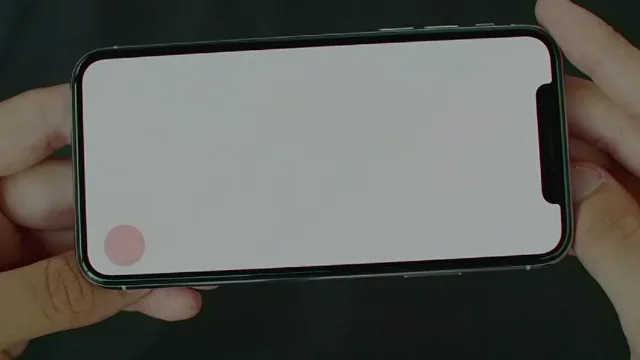
[HapticBounce (Apple sample)](https://developer.apple.com/videos/play/wwdc2019/520/) · © Apple. Frame from Introducing Core Haptics, WWDC 2019 session 520. All rights reserved; excluded from MIT and CC BY 4.0.
[Source recording](https://devstreaming-cdn.apple.com/videos/wwdc/2019/520gfafwrte8ytre/520/520_sd_introducing_core_haptics.mp4?dl=1), 965 s
1. The ball’s collisions trigger audio and haptic feedback
- Account for the vibration motor interfering with motion measurements.
- [HapticBounce (Apple sample)](https://developer.apple.com/videos/play/wwdc2019/520/)
## How it works
Individual sensors receive input; vibration communicates the result or helps correct movement.
## Variants
### Variants and applications
- Sloping labyrinth. Role: Mechanics. Features: Basic impulses. Enter: sensors. Rule: The player tilts the phone, and collisions of the virtual ball and entering the hole are marked by impulses. Application: Maze, balance, physics puzzle. Limitations: Requires orientation assessment; The motor is not a tilt sensor.
- Tactile horizon. Role: Application. Features: Basic impulses. Enter: sensors. Rule: The pulse reports the phone's alignment; a separate code indicates an out of tolerance. Application: Virtual level, educational device, frame composition. Limitations: Accuracy depends on sensor calibration; Vibration may interfere with shooting at this moment.
- Turn to the goal. Role: Mechanics. Features: Basic impulses. Enter: sensors. Rule: The player rotates the phone until the signal hits the desired angle, then fixes the position. Application: Antenna, orientation lock, direction search. Limitations: The reference angle and drift are determined by the orientation system.
- Shaking with feedback. Role: Mechanics. Features: Basic impulses. Enter: sensors. Rule: Phone necks charge the virtual resource; pulses mark counted movements and reaching the threshold. Application: Flashlight, shaker, artifact energy. Limitations: Filter the device’s own vibration; set a moderate range of motion.
- Uniform rocking. Role: Mechanics. Features: Basic impulses. Enter: sensors. Rule: Signals show how much the movement falls into the desired rhythm; the player smoothes the trajectory. Application: Rocking a virtual creature, swing, balance. Limitations: Sensor data is evaluated; the swing and tempo are adjusted to suit the comfortable grip.
- Smooth carrying. Role: Mechanics. Features: Basic impulses. Enter: sensors. Rule: During sudden acceleration, the phone issues a warning; the goal requires moving a virtual fragile load smoothly. Application: Covert delivery, egg transfer, learning to control movement. Limitations: Introduce a pause or compensation after the impulse so that the motor does not create a false error.
- Tapping on the body. Role: Mechanics. Features: Basic impulses. Enter: sensors. Rule: The application recognizes the specified knock and responds with vibration; a sequence of knocks controls the action. Applications: Rhythmic input, response to a character, one-handed play. Limitations: Reliability varies by device; custom knock and your own motor need to be distinguished...
- Voice with tactile results. Role: Mechanics. Features: Basic impulses. Input: microphone. Rule: When a specified volume, tempo or recognized command is reached, a signal is generated; player adjusts voice. Application: Voice play, spell control, speech rhythm. Limitations: Microphone and recognition algorithm provide input; Vibration can create acoustic interference.
- AR contact. Role: Feedback. Features: Basic impulses. Enter: camera. Rule: A tactile impulse occurs when a beam is confirmed to cross, touch or pick up a virtual AR object. Application: AR constructor, museum object, tabletop scene. Limitations: Tracking delays are possible; Do not vibrate in such a way as to interfere with the stability of the camera.
- Steps and tactile aim. Role: Application. Features: Basic impulses. Enter: sensors. Rule: The application compares recognized steps with a given pace and provides a rare corrective hint. Application: Rhythmic walking, play walking, exploring. Limitations: Requires a source of step events; The phone may be in your pocket, where the signal is felt differently.
## Context and limits
Author's systematization: 160 cards in 16 groups. These are mechanics, feedback techniques, applications and experimental extensions, not 160 independent physical effects. Design examples are hypothetical, not statements about the released games that used them.
## Connected materials
## Sources and provenance
Original editorial design catalog consolidated from project discussions on 2026-10-20. Complete discussion item lists and contextual limitations are preserved; linked primary sources support specific techniques, not the entire classification. English translation was prepared with machine assistance and editorial review.
- [HapticBounce (Apple sample)](https://developer.apple.com/videos/play/wwdc2019/520/) (id: source-9d42f9812f951dea)
CC-BY-4.0 · gamemechanics.pro contributors