---
key: mechanic/goals-feedback--t277
type: mechanic
id: goals-feedback--t277
lang: en
title: 'Feedback, game feel and state readability'
summary: >-
Feedback makes state and action causality readable through coordinated
visuals, sound, motion and tactile response.
updatedAt: '2026-10-22'
status: active
url: 'https://gamemechanics.pro/en/knowledge/mechanic/goals-feedback--t277/'
jsonUrl: >-
https://gamemechanics.pro/api/v1/knowledge/en/mechanic/goals-feedback--t277.json
markdownUrl: >-
https://gamemechanics.pro/content/knowledge/en/mechanic/goals-feedback--t277.md
aliases:
- Feedback and readability
tags:
- 'Goals, difficulty, learning and feedback'
- Mechanics and variants
sourceIds:
- source-d4c7409816f79db5
- source-c46a845264481e46
sources:
- id: source-d4c7409816f79db5
title: Game Accessibility Guidelines
url: 'https://gameaccessibilityguidelines.com/'
verifiedAt: null
- id: source-c46a845264481e46
title: Return to Castle Wolfenstein (2001)
url: 'https://gamemechanics.org/patterns/player-damage-feedback'
verifiedAt: null
relations: []
placements:
- catalogId: goals-feedback
id: t277
title: 'Goals, difficulty, learning and feedback'
url: 'https://gamemechanics.pro/en/mechanics/goals-feedback/#t277'
categoryIds:
- mechanics
supersededBy: []
attributes:
preview:
updatedAt: '2026-10-22'
title: Feedback and readability
description: >-
Feedback makes state and action causality readable through coordinated
visuals, sound, motion and tactile response.
image:
src: images/mechanics/combat-player-damage-feedback.webp
width: 600
height: 478
game: Return to Castle Wolfenstein (2001)
sourceUrl: 'https://gamemechanics.org/patterns/player-damage-feedback'
originalUrl: 'https://cdn.gamemechanics.org/webm/rtcw_damage.webm'
sourceFrameSeconds: 0.23
credit: >-
Gray Matter Interactive / id Software; frame from clip via
GameMechanics.org
rights: >-
Game imagery © its respective rights holders. Source host:
GameMechanics.org. All rights reserved; excluded from the portal’s MIT
and CC BY 4.0 licenses.
caption: The game signals damage received by the hero
alt: The game signals damage received by the hero
markers:
- x: 50
'y': 48
label: Hit feedback within the view
tips:
- 'Align visuals, sound and numerical changes with the same gameplay event.'
examples:
- title: Return to Castle Wolfenstein (2001)
url: 'https://gamemechanics.org/patterns/player-damage-feedback'
endsAt: null
provenance: >-
Original bilingual editorial overviews authored for gamemechanics.pro on
2026-10-20 and reviewed on 2026-10-21. Scenarios are hypothetical design
examples; prototype checks describe work to perform, not completed playtests.
Primary sources support the stated techniques and implementation context, not
every proposed variant.
license: CC-BY-4.0
codeLicense: MIT
attribution: gamemechanics.pro contributors
catalogKey: catalog/goals-feedback
---
# Feedback, game feel and state readability
id: goals-feedback--t277
type: mechanic
key: mechanic/goals-feedback--t277
lang: en
status: active
url: https://gamemechanics.pro/en/knowledge/mechanic/goals-feedback--t277/
Feedback makes state and action causality readable through coordinated visuals, sound, motion and tactile response.
## At a glance
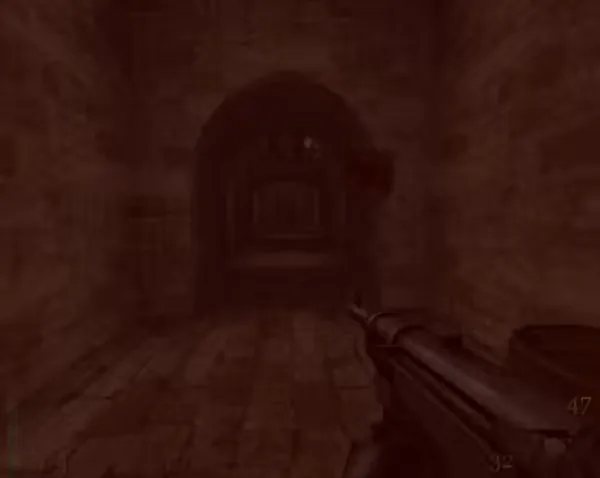
[Return to Castle Wolfenstein (2001)](https://gamemechanics.org/patterns/player-damage-feedback) · Game imagery © its respective rights holders. Source host: GameMechanics.org. All rights reserved; excluded from the portal’s MIT and CC BY 4.0 licenses.
[Source recording](https://cdn.gamemechanics.org/webm/rtcw_damage.webm), 0.23 s
1. Hit feedback within the view
- Align visuals, sound and numerical changes with the same gameplay event.
- [Return to Castle Wolfenstein (2001)](https://gamemechanics.org/patterns/player-damage-feedback)
## How it works
Feedback makes state and action causality readable through coordinated visuals, sound, motion and tactile response.
## Variants
### Mechanic variants
- Anticipation shows an upcoming effect region.
- Contact feedback confirms a successful action.
- Distinct cues separate blocks from misses.
- Settings reduce intensity without removing meaning.
## Design example
A blocked strike changes sound and weapon motion and remains readable without camera shake.
Prototype check: Disable decoration and audio separately; essential outcomes should remain identifiable through an available channel.
## Context and limits
Goals and feedback explain the value of an action, the causes of its result and ways to improve the next attempt. Each overview separates player actions, state changes and alternative rules. Examples are hypothetical design scenarios, not claims about a named game. A prototype check states an observable question for the next iteration. Existing detailed references remain separately linked from the direction map.
## Connected materials
## Sources and provenance
Original bilingual editorial overviews authored for gamemechanics.pro on 2026-10-20 and reviewed on 2026-10-21. Scenarios are hypothetical design examples; prototype checks describe work to perform, not completed playtests. Primary sources support the stated techniques and implementation context, not every proposed variant.
- [Game Accessibility Guidelines](https://gameaccessibilityguidelines.com/) (id: source-d4c7409816f79db5)
- [Return to Castle Wolfenstein (2001)](https://gamemechanics.org/patterns/player-damage-feedback) (id: source-c46a845264481e46)
CC-BY-4.0 · gamemechanics.pro contributors