---
key: mechanic/engagement-retention--family-12
type: mechanic
id: engagement-retention--family-12
lang: en
title: Competition and recognition
summary: >-
Results, records and recognition create additional goals. Players see progress
relative to others or their earlier performance.
updatedAt: '2026-10-22'
status: active
url: >-
https://gamemechanics.pro/en/knowledge/mechanic/engagement-retention--family-12/
jsonUrl: >-
https://gamemechanics.pro/api/v1/knowledge/en/mechanic/engagement-retention--family-12.json
markdownUrl: >-
https://gamemechanics.pro/content/knowledge/en/mechanic/engagement-retention--family-12.md
aliases: []
tags:
- 'Engagement, retention and addictive patterns'
- Mechanics catalog
sourceIds:
- source-ae707dbe7c015c52
sources:
- id: source-ae707dbe7c015c52
title: Pro Gymnast
url: 'https://www.walaber.com/pro-gymnast'
verifiedAt: null
relations: []
placements:
- catalogId: engagement-retention
id: family-12
title: 'Engagement, retention and addictive patterns'
url: 'https://gamemechanics.pro/en/mechanics/engagement-retention/#family-12'
categoryIds:
- section-1
supersededBy: []
attributes:
preview:
updatedAt: '2026-10-22'
title: Competition and recognition
description: >-
Results, records and recognition create additional goals. Players see
progress relative to others or their earlier performance.
image:
src: images/mechanics/general-pro-gymnast-00.webp
width: 1440
height: 810
game: Pro Gymnast
sourceUrl: 'https://www.walaber.com/pro-gymnast'
originalUrl: >-
https://images.squarespace-cdn.com/content/v1/592a42752994ca7baf9f9b41/1598572727016-HQW3PDUQD2MHJ2UVS3XE/gymnast_launch_screen_trajectory.jpg
credit: Walaber Entertainment
rights: >-
© Walaber Entertainment. Screenshot published by the developer; all
rights reserved. Excluded from MIT and CC BY 4.0.
caption: A gymnast chooses when to release a support
alt: A gymnast chooses when to release a support
markers:
- x: 42
'y': 68
label: The grip holds the gymnast to the support
- x: 84
'y': 8
label: A score counter displays the evaluated result
tips:
- Allow choice of comparison group and opting out of public rankings.
examples:
- title: Pro Gymnast
url: 'https://www.walaber.com/pro-gymnast'
endsAt: null
provenance: >-
Original editorial design catalog consolidated from project discussions on
2026-10-20. Complete discussion item lists and contextual limitations are
preserved; linked primary sources support specific techniques, not the entire
classification. English translation was prepared with machine assistance and
editorial review.
license: CC-BY-4.0
codeLicense: MIT
attribution: gamemechanics.pro contributors
catalogKey: catalog/engagement-retention
---
# Competition and recognition
id: engagement-retention--family-12
type: mechanic
key: mechanic/engagement-retention--family-12
lang: en
status: active
url: https://gamemechanics.pro/en/knowledge/mechanic/engagement-retention--family-12/
Results, records and recognition create additional goals. Players see progress relative to others or their earlier performance.
## At a glance
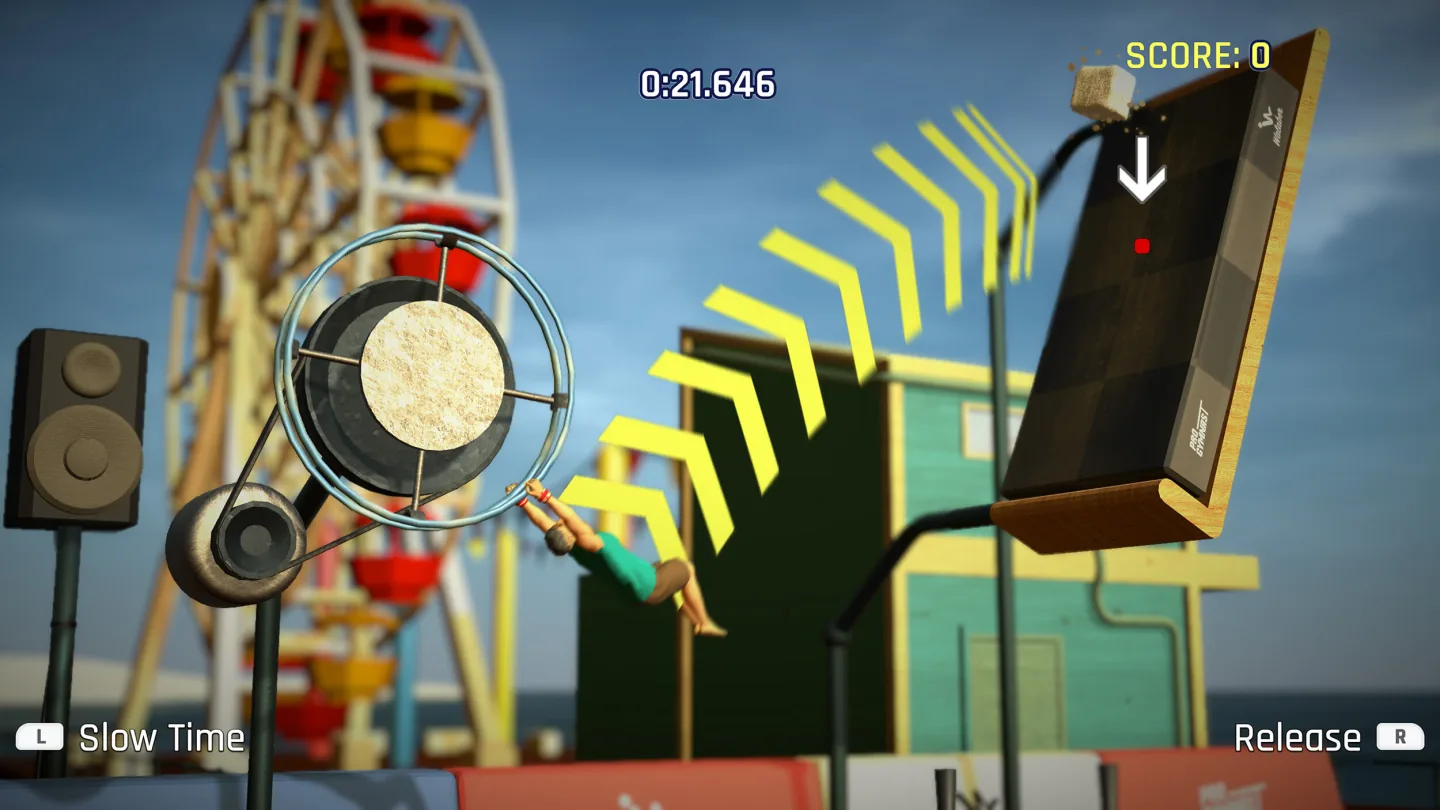
[Pro Gymnast](https://www.walaber.com/pro-gymnast) · © Walaber Entertainment. Screenshot published by the developer; all rights reserved. Excluded from MIT and CC BY 4.0.
1. The grip holds the gymnast to the support
2. A score counter displays the evaluated result
- Allow choice of comparison group and opting out of public rankings.
- [Pro Gymnast](https://www.walaber.com/pro-gymnast)
## How it works
Comparing performance and recognizing achievements create competitive and social goals.
## Variants
### Variants and applications
- Rating ladder: there is always a next position
- Leagues and divisions: the transition between them creates noticeable boundaries
- Leaderboards: The result gets a position relative to others
- Comparison with friends: a familiar opponent makes the goal more specific
- Revenge: defeat leaves a desire to change the outcome
- Streaks of victories and records: current success becomes an independent value
- Public status symbols: titles, frames, badges and rare items show achievements
- Seasonal competition: a new period creates a new race and an opportunity to reconsider your position
## Context and limits
A map of 160 techniques for analyzing interest, returns, costs and pressure on the player. Involvement in itself does not mean dependence; the presence of separate mechanics does not determine the diagnosis or prove causation. This is the author's classification for critical analysis of design, and not a scientifically established list of the causes of gaming disorder. Assess context, audience, voluntariness of participation, and opportunity to stop.
## Connected materials
## Sources and provenance
Original editorial design catalog consolidated from project discussions on 2026-10-20. Complete discussion item lists and contextual limitations are preserved; linked primary sources support specific techniques, not the entire classification. English translation was prepared with machine assistance and editorial review.
- [Pro Gymnast](https://www.walaber.com/pro-gymnast) (id: source-ae707dbe7c015c52)
CC-BY-4.0 · gamemechanics.pro contributors